
Ice Road Truckers: Exploring the Unbreakable Camaraderie and Teamwork Behind the Ice Road Legends
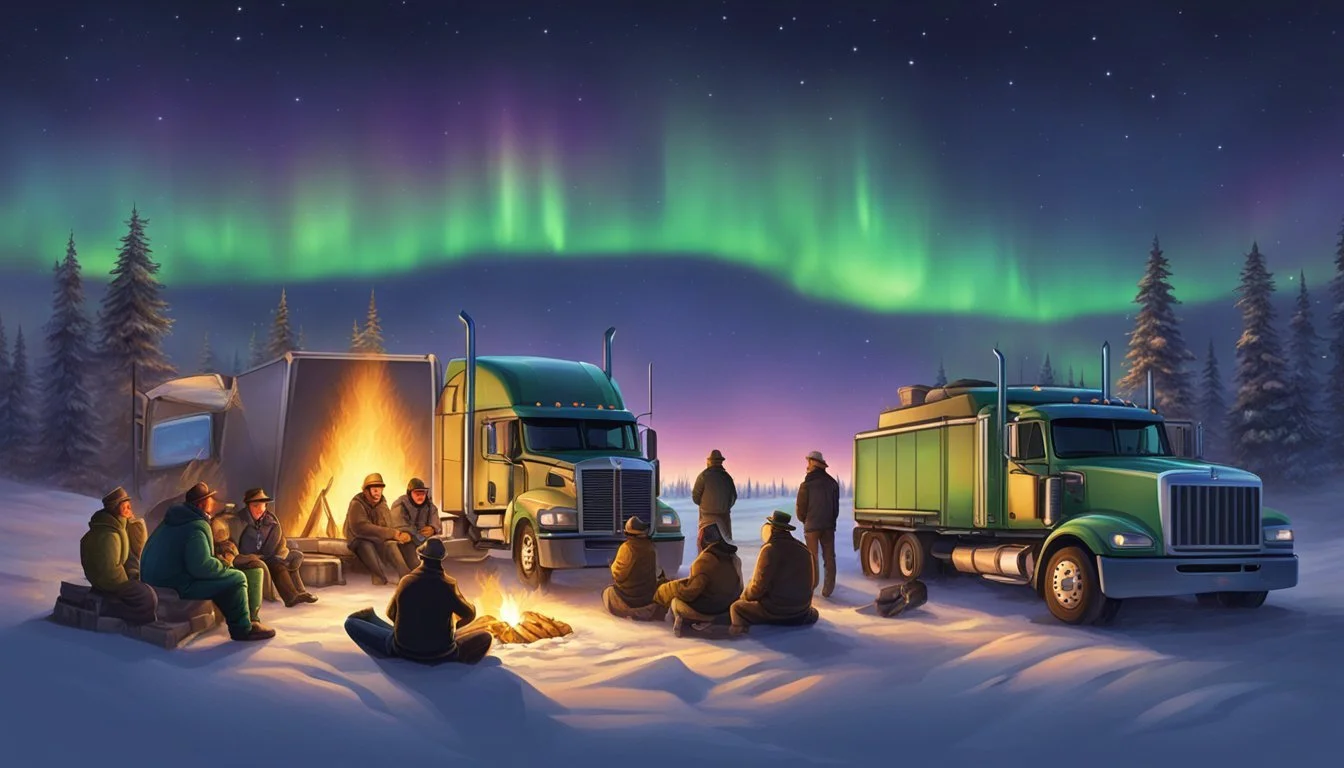
The world of Ice Road Truckers is built on more than just skill and endurance; its drivers depend on each other to navigate some of the harshest and most unforgiving roads on the planet. Camaraderie among the truckers is not just a benefit—it's a crucial part of their survival and success on ice-covered routes. Shared challenges, extreme conditions, and the constant threat of breakdowns or accidents forge strong bonds within this close-knit group.
Life on the ice roads requires more than technical expertise. Drivers rely on a "truckers code" that emphasizes mutual support, quick assistance in dangerous situations, and respect for the risks each person faces. These connections go beyond the job, shaping a unique community that stands out even in the broader trucking industry.
The World of Ice Road Truckers
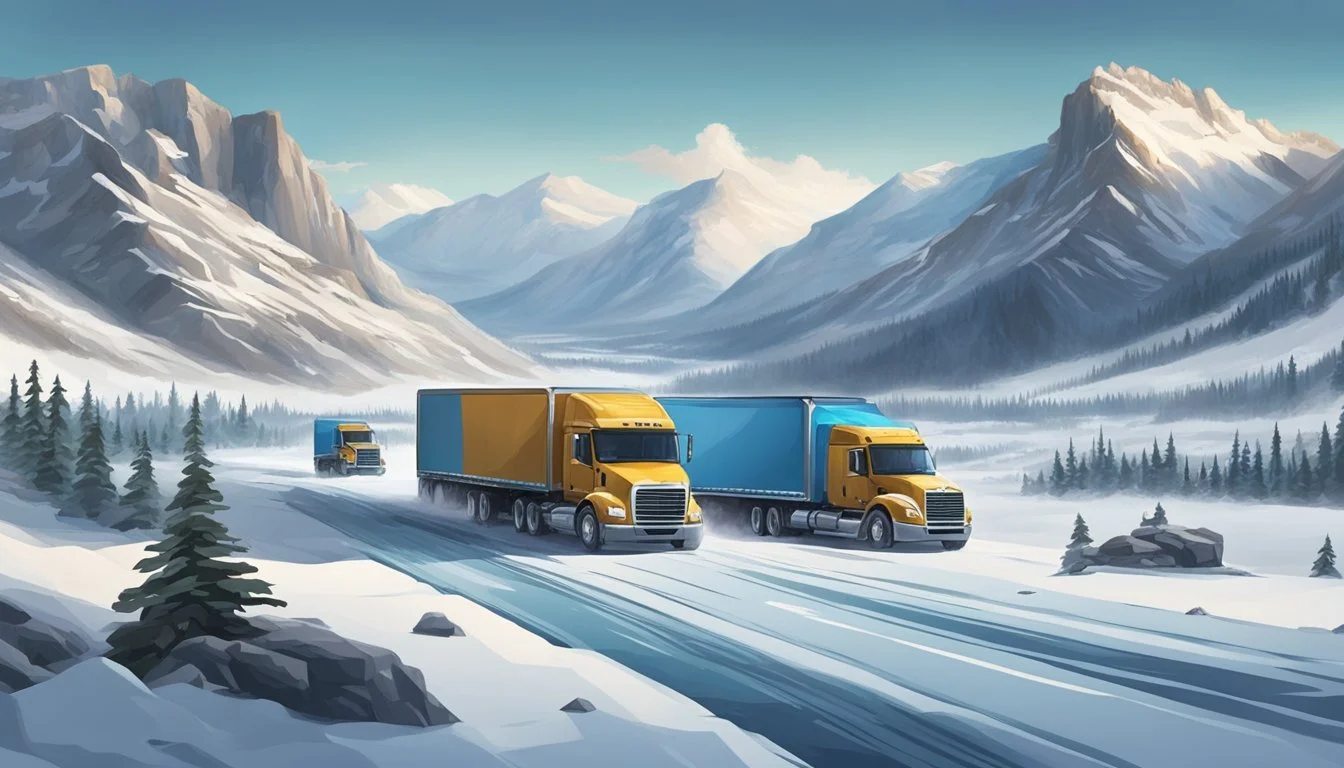
Ice road truckers work in remote and challenging environments that demand both skill and teamwork. Drivers face unpredictable weather and constantly changing ice conditions, relying on experience to keep both themselves and their cargo safe.
Understanding the Ice Road Trucking Industry
Ice road trucking connects isolated communities and worksites in northern regions like Alaska and Canada. During winter, temporary roads are constructed across frozen lakes and rivers. These routes are essential for moving fuel, food, equipment, and building materials.
The drivers operate specialized semi-trucks designed for extreme cold and heavy loads. Many truckers have years of experience and come from various backgrounds.
A typical trip might last several days, with drivers living in their trucks and sometimes traveling in convoys for safety. The limited operational window—usually just a few months per year—means efficiency is critical.
Key roles:
Truckers (drivers)
Mechanics
Dispatchers
Support crews
Without this industry, many Arctic communities would lose access to essential supplies.
Dangers and Risks on the Icy Roads
Ice road trucking is known for its hazards. The most serious risk involves the ice itself—too thin and a truck can break through. Icy roads make traction difficult, and sudden temperature changes can weaken frozen surfaces.
Drivers must also contend with whiteouts, blizzards, and bitter cold that can freeze engines or cause equipment to break down. Long hours and isolation increase the danger, with help often far away.
A single mistake can have serious consequences. Many drivers rely on constant communication and strict safety protocols to reduce risks. The environment rewards alertness and punishes carelessness, making caution essential for survival on the ice road.
Origins of Camaraderie Among Truckers
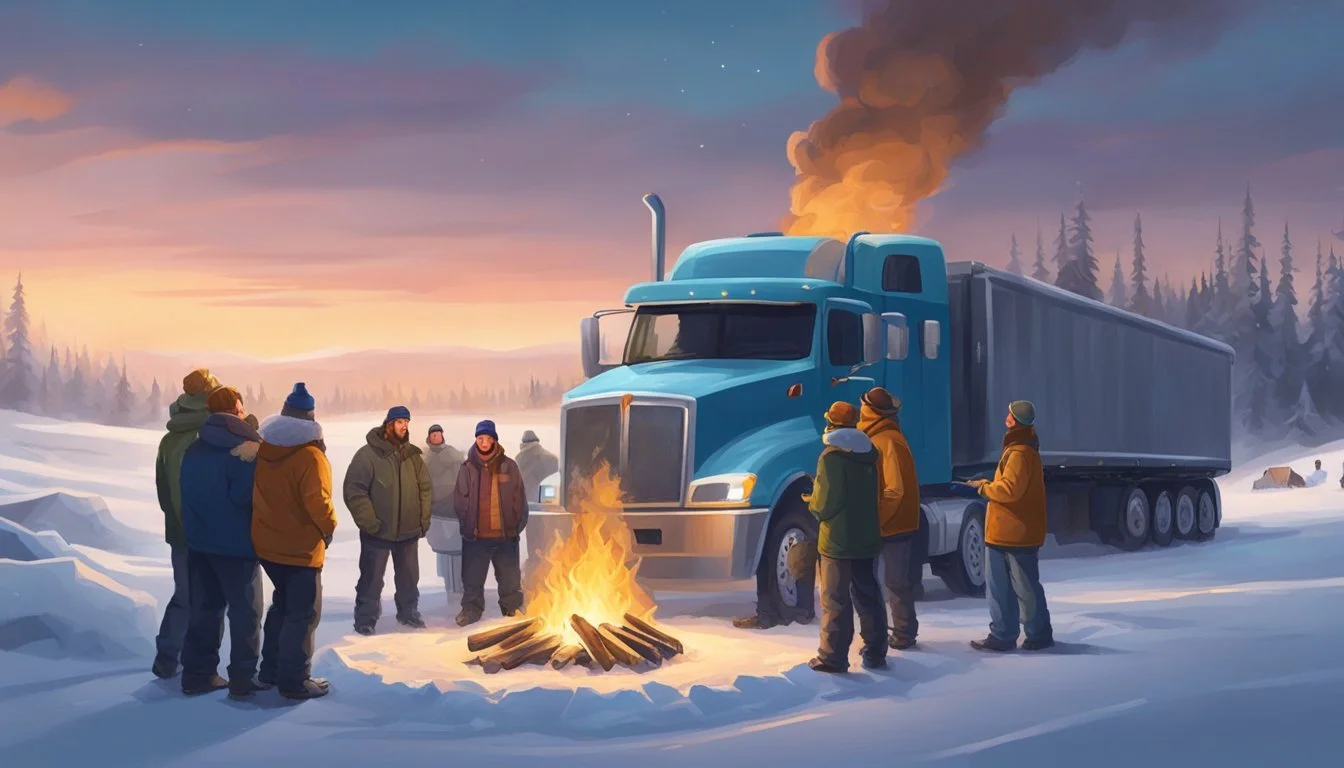
The bonds between ice road truck drivers have roots in the shared realities and tight-knit routines of their work. Facing unpredictable and sometimes life-threatening challenges, drivers develop support systems driven by mutual dependence and respect.
Shared Hazards in High-Stakes Environments
Ice road trucking takes place in extreme conditions, often across frozen lakes or through severe winter storms. Drivers face frequent hazards, such as shifting ice, limited visibility, and subzero temperatures. Mechanical failures or sudden storms can leave a trucker stranded miles from help.
In such environments, individual survival often depends on collective vigilance. When a driver hits trouble—like a breakdown or an ice crack—fellow truckers are usually the first responders. Many coordinate on the radio to warn others of dangers, share real-time updates, or coordinate rescue efforts.
Lists and shared protocols are common:
Use of CB radios for quick communication
Pre-trip equipment checks led by experienced drivers
Informal agreements to stop and assist anyone in distress
For many, this enforced interdependence forms the foundation of camaraderie.
Building Trust on the Ice Road
Trust among truckers develops through daily interactions and repeated displays of reliability. Veteran drivers often mentor newcomers, teaching everything from tire-chain techniques to reading ice patterns. Respect grows as truckers witness each other's expertise and willingness to help under stress.
Small acts—such as pulling a rig out of a snowdrift or sharing food on a closed road—build a culture of mutual support. Crews may even set up check-in schedules to ensure nobody is left behind after a day’s haul.
A table illustrates some trust-building activities:
Activity Impact Equipment sharing Encourages resourcefulness Joint vehicle inspections Increases safety for all Group decision making in storms Boosts confidence, safety
This culture not only improves individual safety but also strengthens the sense of unity within the high-stakes world of ice road trucking.
Daily Life and Teamwork on the Road
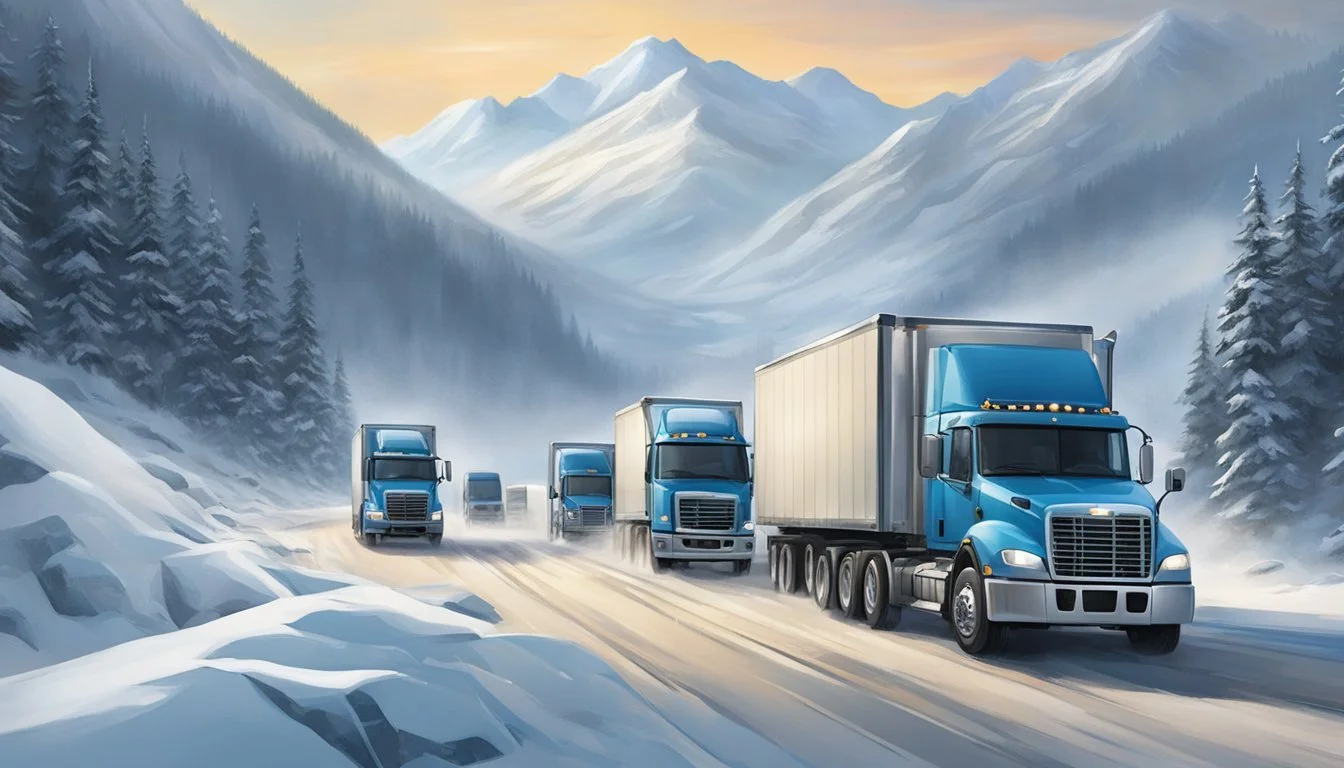
Ice Road Truckers depend on effective communication and fast response to emergencies to stay safe on icy roads. Drivers routinely face hazardous weather, isolation, and unpredictable road conditions, making teamwork an essential part of their daily lives.
Communication and Coordination
Clear communication is central to preventing accidents on treacherous ice roads. Drivers make frequent use of CB radios and satellite phones to share updates about road conditions, possible dangers, and weather changes.
Convoy driving is common, allowing truckers to travel together for safety. Coordinating arrival and departure times, maintaining safe distances between trucks, and updating each other about hazards, such as thin ice or whiteout conditions, minimize risks.
Many drivers develop routine check-ins at designated stopping points. These quick meetings let them assess their trucks, plan the next segment, and discuss any recent issues. This regular coordination helps keep everyone informed and attentive.
Mutual Support During Emergencies
Ice road truckers rely heavily on each other when problems arise. Breakdowns, ice cracks, or getting stuck can happen without warning, and the odds of outside help arriving quickly are low.
Coworkers often stop to assist with mechanical repairs or towing when a vehicle stalls. Emergency supplies, such as blankets, tools, and spare parts, are commonly shared among drivers, ensuring no one is left without essentials.
When a driver faces a medical issue or a severe accident, fellow truckers often organize rescue efforts themselves. Through careful teamwork and prompt response, drivers can prevent injuries from becoming life-threatening, even in extreme cold.
Iconic Moments of Camaraderie on Ice Road Truckers
Ice Road Truckers often face dangerous conditions on frozen roads, relying on each other for safety and support. These truckers form strong bonds through acts of teamwork and daily encounters with the harsh Arctic environment.
Stories of Sacrifice and Solidarity
Throughout the series, drivers have repeatedly risked their own loads and safety to help fellow truckers in distress. When one truck would break down or get stuck, others would often stop and assist, even if it meant delay or added personal risk.
A key example is when Lisa Kelly helped rescue stranded drivers in subzero temperatures. She and others showed how essential mutual aid can be on the ice road, where an error or breakdown can quickly turn dangerous.
Notable Examples:
Helping to free snowbound rigs
Sharing spare parts or repairs
Coordinating recoveries during whiteouts
Camaraderie here isn’t just tradition—it is necessary for survival on shifting and unpredictable ice.
Overcoming Isolation Together
Life on the ice road can be lonely and demanding. Drivers spend long hours alone in their trucks, sometimes in near-complete darkness or whiteout conditions. Simple gestures, like sharing a hot meal or chatting over the radio, provide much-needed connection.
Truckers develop routines for checking in with each other. Radio conversations often offer encouragement, updates on road hazards, or weather advisories. This constant contact helps break the monotony and eases stress.
Some truckers, such as Todd Dewey, are recognized for boosting group morale. Friendly competition and storytelling during rest breaks also strengthen these bonds. The environment’s challenges make even small moments of companionship especially valued among drivers.
Impact of Camaraderie on Truckers’ Well-Being
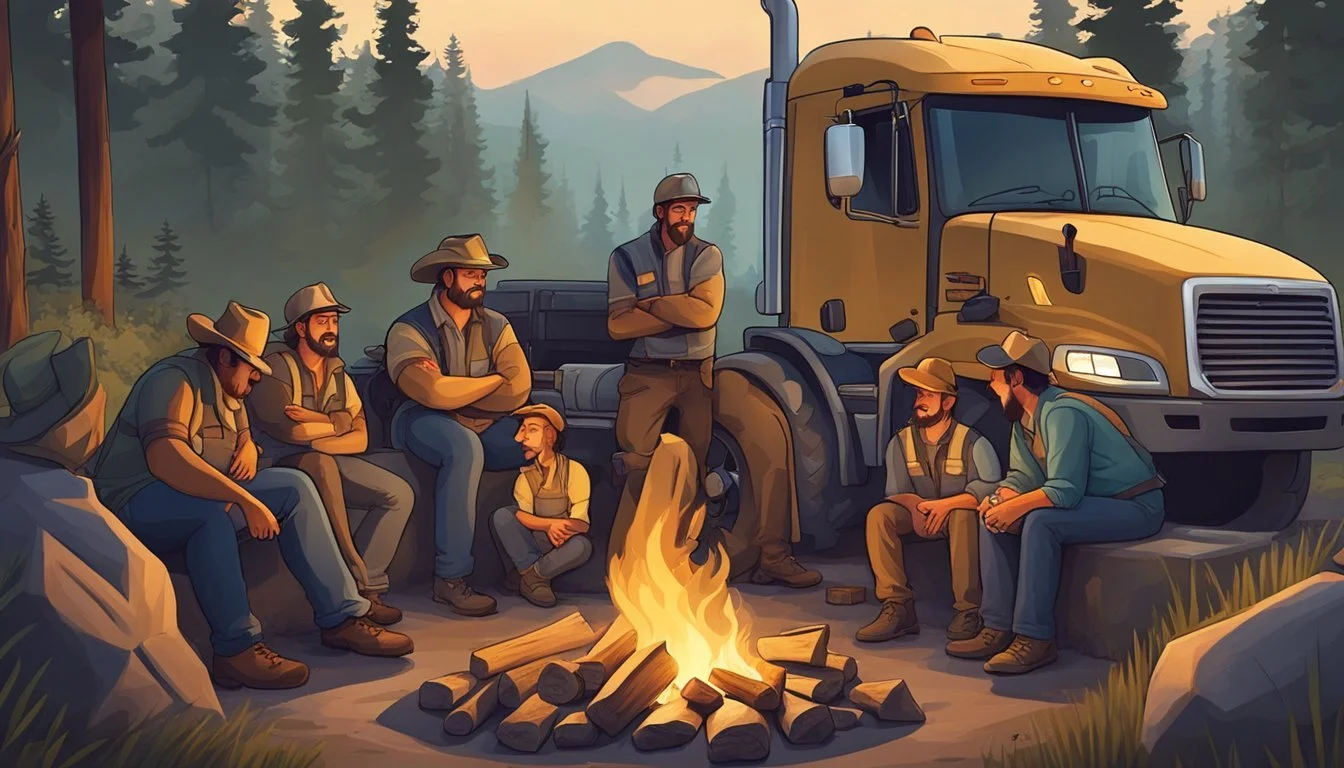
Camaraderie among truck drivers on ice roads has practical benefits for daily life and job satisfaction. It directly supports mental health and also cultivates values that attract new drivers.
Mental Health Benefits
Life on the ice roads exposes truck drivers to isolation, long hours, and dangerous conditions. Camaraderie helps reduce the sense of loneliness, making it easier for drivers to cope with stress.
When drivers share information about road hazards or weather, it creates a sense of shared responsibility. Regular radio check-ins and friendly conversations offer much-needed emotional support.
Older, experienced truckers often guide new arrivals, providing tips that ease anxiety. Strong social ties also make it more likely that drivers will look out for one another in difficult situations.
This network acts as a buffer against burnout and emotional fatigue. Truckers often cite these relationships as a major reason they continue in the profession despite its risks.
Inspiring Future Generations of Truck Drivers
The strong sense of community among ice road truckers sets an example for newcomers. Stories about teamwork and mutual respect attract those who value reliability and trust.
Mentoring plays a key role, with veterans helping newer drivers handle both technical and personal challenges. This guidance goes beyond practical tips to include lessons about safety and ethical behavior.
Recruitment efforts and driver retention improve when prospective drivers see camaraderie as a benefit. Truckers’ code and shared values offer reassurance that support will be available even in harsh conditions. These aspects help the industry remain appealing and resilient.
Conclusion
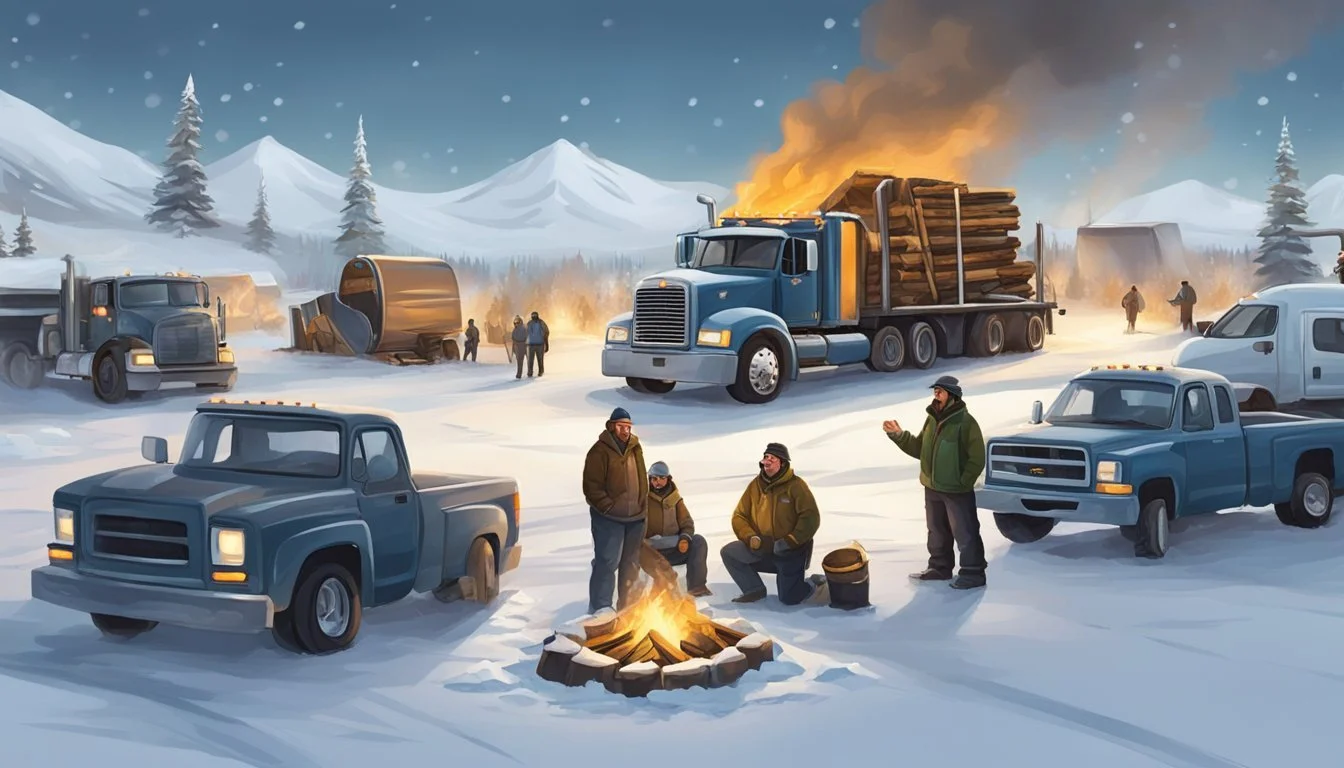
Truckers working the ice roads develop strong bonds shaped by the unique challenges of their environment. Shared time at truck stops and camps creates space for meals, games, and conversations away from the pressures of the job.
Their camaraderie is built on daily cooperation and mutual support. Roadside assistance, tips about conditions, and looking out for one another are all part of the routine.
Key factors fostering connection include:
Shared hardships: Navigating harsh weather and remote routes
Dependence: Relying on each other for safety
Social events: Gathering after long hauls to relax
Despite long hours and isolation, ice road truckers maintain their sense of community. The network they form is essential for morale as well as practical problem-solving.
