
The Evolution of Ice Road Truckers: From Season 1 to Today’s Most Thrilling Ice Road Adventures
Ice Road Truckers, which aired on the History Channel from 2007 to 2017, transformed the perception of reality TV by showcasing the tense, real-world drama of truck drivers navigating Canada’s most dangerous frozen roads. Viewers gained a unique glimpse into the lives of drivers like Alex Debogorski and Hugh Rowland, whose skill and resilience made each season compelling. The show highlighted not only the perils of ice road trucking but also the technological and industrial changes that shaped the industry over a decade.
As the series evolved, so did the challenges, landscapes, and equipment featured on screen. Trucks were continuously adapted for harsher conditions, and new routes pushed both vehicles and drivers to the limit. The legacy of Ice Road Truckers remains deeply connected to the real-world evolution of ice road transport, making it a defining chapter in the history of reality television.
Origins of Ice Road Truckers
Ice Road Truckers began as an ambitious project to showcase the realities of trucking across frozen landscapes. The show would quickly become a signature reality series for the History Channel, drawing on the harsh conditions and unique personalities at the heart of the industry.
Concept and Creation
The concept for Ice Road Truckers was developed in the mid-2000s, aiming to expose the treacherous work of truck drivers traversing remote icy roads in northern Canada and Alaska. The idea evolved from a documentary style presentation, highlighting both the technical challenges and extreme weather faced by these drivers.
Thom Beers, a producer and narrator known for similar reality and documentary series like "Deadliest Catch," played a key role in shaping the show's tone and format. He envisioned combining high-stakes adventure with real-world insights, creating a series that balanced suspense, danger, and authenticity.
The initial focus was to spotlight the ice roads built over frozen lakes and rivers during winter months. These routes, mostly around Yellowknife, were crucial for supplying remote communities and industries, revealing the indispensable work of the truckers.
Early Cast and Production
Producers carefully selected the first cast, prioritizing experienced drivers with distinct backgrounds and personalities. Among the earliest and most recognizable cast members were Alex Debogorski and Hugh Rowland, each bringing a different approach and attitude to the road.
Filming posed logistical hurdles. The crew operated under strict safety protocols to protect both cast and production staff against extreme cold and unpredictable road conditions.
The show's early production leaned into a documentary style, capturing not only the drivers' journeys but also behind-the-scenes operations, maintenance, and the camaraderie at truck stops. Crews had to use specialized equipment to function in subzero temperatures, and each trip was closely monitored for hazards.
Debut on the History Channel
"Ice Road Truckers" debuted on the History Channel in June 2007. The premiere episode introduced audiences to the high-strain world of winter trucking, quickly standing out for its unfiltered look at the logistics and dangers of hauling heavy loads across fragile ice.
The series was commercialized under the abbreviation "IRT," helping to brand it as a flagship reality series for the channel. Its unique premise drove strong initial ratings and drew immediate interest from viewers fascinated by extreme jobs.
The History Channel marketed the show as both a thrilling adventure and an insightful examination of a seldom-seen industry, cementing its status as a leader in reality television programming through raw storytelling and impactful visuals.
Season 1: Setting the Standard
The first season of Ice Road Truckers offered a detailed look at life on the ice roads. It showcased the people, routes, and dangers that shaped the series and brought viewers to the remote wilderness of Canada.
First Routes Across Frozen Lakes
Season 1 began with truck drivers navigating treacherous ice roads constructed over frozen lakes in Canada’s Northwest Territories. The main route, known as the Tibbitt to Contwoyto Winter Road, stretched over 300 miles, with nearly 85% spanning frozen surfaces.
Temperature and ice thickness were critical for safety. Crews constantly measured conditions, as shifting ice or unexpected thaws could threaten both cargo and lives. The isolated landscape included vast, snow-covered lakes, icy winds, and almost no roadside amenities.
Hauls included supplies for gold and diamond mines inaccessible during warmer months. Every journey across the frozen lakes was tightly scheduled, aiming to deliver as much freight as possible before the routes started to thaw.
Challenges and Breakthrough Moments
Ice road trucking in Season 1 was defined by high-risk conditions and technical hurdles. Drivers faced whiteouts, sudden blizzards, and mechanical failures caused by extreme cold, with temperatures often plunging below -40°C.
The pressure was constant. Even a minor driving error could be dangerous—cracking ice could mean total loss. Cameras captured tense moments as trucks crossed stress points on the ice, testing both skill and nerves.
Breakthroughs included the adoption of specialized tires and equipment for subzero operations. Maintenance crews played a pivotal role, working around the clock to keep trucks running and limit breakdowns. These adjustments quickly became a baseline for later seasons.
Main Truck Drivers Introduced
The season introduced a core group of Canadian truckers, each with their own expertise and background. Notable names included Hugh Rowland, known as "The Polar Bear," and Alex Debogorski, whose long experience on northern roads set him apart.
Table: Key Drivers from Season 1
Name Nickname Notable Trait Hugh Rowland The Polar Bear Risk-taker, highly experienced Alex Debogorski - First to drive the ice roads Jay Westgard - Young, ambitious driver
Each driver brought a different approach to tackling routes across the ice. Their competition and camaraderie added personal dimension to the challenges, building the template for many seasons to follow.
Evolution of the Cast
Over the years, the cast of Ice Road Truckers changed to reflect both the demands of the job and the appeal of new personalities. Some truckers became icons, shaping public perception of the ice road driving profession, while others brought fresh perspectives and stories to the series.
Lisa Kelly’s Impact
Lisa Kelly first joined Ice Road Truckers in Season 3, quickly distinguishing herself as one of the few female drivers in a male-dominated field. Her skills and determination made her a fan favorite. Kelly’s ability to handle the same treacherous routes as her male counterparts challenged stereotypes and won respect from colleagues and viewers.
Throughout her run, Lisa became known for her calm demeanor under pressure. She expanded her trucking experience outside Alaska, driving roads in India and South America during special spin-offs. Kelly’s presence was significant in increasing the show's popularity and inspiring many women to consider trucking careers. Her on-screen relationships with other cast members added a unique dynamic to the series.
Hugh Rowland’s Journey
Hugh “The Polar Bear” Rowland was a core cast member from the beginning. Known for his tough persona and candid approach, Rowland became one of the most recognizable faces of the series. His vast experience on the ice roads of Canada and his willingness to take risks highlighted both the dangers and rewards of the profession.
Rowland’s interactions with other truckers, including frequent rivalries and alliances, provided much of the show’s tension and drama. He played a pivotal role in mentoring newer drivers, sharing knowledge and enforcing a high standard of performance. After his departure from the series, Rowland’s legacy continued to influence the trucking community and the fan base.
Introduction of Maya Sieber
Maya Sieber joined the cast in Season 5, representing a new generation of truckers eager to test themselves on the ice roads. Previously a city truck driver in New York, Sieber brought a fresh perspective to the unique trials of far-north hauling. She faced skepticism at first but quickly earned respect through determination and adaptability.
Sieber’s learning curve was steep, and her experiences highlighted the differences between urban trucking and ice road trucking. She became notable for her willingness to tackle difficult loads and navigate hazardous conditions. Maya’s participation illustrated how learning and perseverance are essential traits in extreme trucking environments.
Other Notable Truckers
Several other drivers helped define the evolution of Ice Road Truckers. Alex Debogorski, with his humor and years of experience, remains one of the show’s most enduring personalities. Dave Redmon, Rick Yemm, and Darrell Ward contributed memorable stories and skill sets that appealed to a wide audience.
Shifts in the cast over the years reflected real-world changes in the trucking industry and the show’s locations. The introduction of new faces kept the series engaging, while the departure of veteran truckers marked the end of significant eras. Each driver left a distinct mark on the program and the audience’s understanding of ice road trucking.
Changing Landscapes and Locations
Ice Road Truckers has covered a range of harsh environments, from the frozen lakes of Canada to the perilous mountain roads of the Himalayas. Each setting has shaped the risks, job demands, and the types of hazards faced by drivers.
Alaska and Its Unique Challenges
Alaska stands out for its combination of isolation, severe cold, and unpredictable weather. The Dalton Highway, made famous by the show, stretches over 400 miles through remote wilderness. Drivers cross the Brooks Range, often facing blizzards and whiteout conditions.
The region's treacherous ice roads are prone to cracking and shifting, especially during warmer spells. Deep snowdrifts and hidden ice patches frequently cause trucks to lose traction or get stranded.
Wildlife encounters, including moose and bears, add another layer of unpredictability. The lack of nearby help or infrastructure makes rescue operations difficult and delays extremely costly.
Canadian Routes and Dangers
The show began in Canada, focusing on ice roads across frozen lakes and rivers in the Northwest Territories. Some of these routes, such as the Tibbitt to Contwoyto Winter Road, cover approximately 350 miles and serve remote mining operations north of Yellowknife.
Frozen lakes can be deceptive; a small shift in temperature can weaken ice and cause trucks to break through. Speed limits on the ice are strict to reduce vibrations that could crack the surface.
Dense forests and long stretches without fuel stops require careful planning. Extreme cold, sometimes plunging below -40°C, adds strain to both vehicles and drivers, making mechanical failures more likely.
Expanding Worldwide: Himalayas, Bolivia, and Peru
Later seasons took viewers beyond North America to mountain roads in the Himalayas, Bolivia's Yungas Road, and treacherous routes in Peru. The terrain in the Himalayas is steep with narrow, unguarded cliffs, presenting a risk of fatal drops.
In Bolivia and Peru, drivers face landslides, unpaved tracks, and sudden weather changes. Unlike Alaska or Canada, these roads are not ice-covered but test skills with mud, loose gravel, and tight switchbacks.
Sections of the Bolivian Yungas Road, sometimes called "Death Road," are notorious for their width—often less than one lane—making passing oncoming vehicles hazardous. These international routes introduced new hazards, requiring drivers to adapt quickly to unfamiliar and extreme conditions.
Major Seasons and Milestones
Throughout its ten-season run, Ice Road Truckers introduced new routes, critical logistical partners, and shifting team dynamics. Key developments emerged, especially as some seasons became pivotal for both the cast and the direction of the series.
Why Season 3 Stands Out
Season 3 marked a change of scenery as the show moved from Canada’s Northwest Territories to Alaska’s Dalton Highway. This shift introduced viewers to the treacherous route between Fairbanks and Prudhoe Bay, distinguished by steep grades, unpredictable weather, and isolated stretches.
Notable moments include:
Introduction of new drivers like Lisa Kelly, who brought greater diversity to the cast.
The challenge of hauling massive loads required for North Slope oil operations.
More focus on truck maintenance and the dangers of mechanical failure in extreme cold.
The season’s higher stakes and unique setting increased both the physical and mental demands on the drivers.
Polar Industries’ Role
Polar Industries became a central figure as the series progressed, emerging as a dominant transportation company specializing in seasonal ice road freight. The company was led by Mark Kohaykewych, whose management style and competitive strategies elevated the drama and complexity of the series.
Drivers competed fiercely for loads and loyalty, with Polar often setting the standard for both speed and reliability. Key highlights:
The recruitment of experienced independent truckers to Polar’s roster strengthened its position in the industry.
Rivalries intensified between Polar and competing outfits, shaping much of the narrative during later seasons.
Polar’s presence helped illustrate the broader economic and logistical challenges facing ice road trucking operations in Canada.
Final Years: Season 10 and Beyond
Season 10 marked the culmination of a decade-long run, with the series reflecting on changes in the industry and the personal growth of its veteran drivers. The season documented the mounting challenges posed by deteriorating ice roads due to warmer winters and shifting business needs.
Several long-time drivers returned, offering continuity and closure for viewers. There was also a heavier emphasis on the unpredictable nature of freight delivery as routes became less reliable.
Following Season 10, the show left a legacy of raising awareness about the real-life dangers and demands of ice road trucking, while many cast members continued to be involved in the industry or related ventures.
Behind the Scenes
The long-running production of Ice Road Truckers relies on a dedicated crew, careful vehicle selection, and rigorous safety protocols. These elements shape each episode and ensure the real-life experiences of the drivers are accurately and safely captured for viewers.
Production Techniques
The documentary style of Ice Road Truckers changed over the years, blending reality TV storytelling with factual detail. Early seasons used static cameras mounted inside the cabs, while drones and improved handheld rigs later enabled more dramatic and varied footage.
Crews often filmed in sub-zero conditions, requiring the use of weatherproof equipment. Sound engineers faced constant challenges from engine noise and ice cracking, needing specialized microphones and careful editing.
A typical shoot involved coordinating multiple support vehicles and drivers. Filming schedules were adapted to extreme weather, making flexibility and quick decision-making essential to both the storytelling and safety of those involved.
Vehicle Selection: Western Star Trucks
Western Star trucks became a staple on the show, chosen for their reliability in Arctic environments. The production preferred Western Star for their heavy-duty build, customizable features, and reputation among experienced ice road drivers.
The choice of model affected both the safety and the visual authenticity of the program. Trucks were often equipped with reinforced frames, advanced heating systems, and additional lighting to handle prolonged exposure to darkness and cold.
By featuring Western Star, the show highlighted equipment that matched the genuine needs of ice road trucking, underscoring the documentary intent despite the reality TV format. The trucks themselves became almost as recognizable as the cast members.
Health and Safety on Set
Filming in harsh Arctic conditions introduced significant risks to both cast and crew. The production required strict health and safety protocols, including emergency medical staff on standby and daily equipment inspections.
Episoides could only proceed once ice thickness was verified and weather forecasts confirmed. Everyone on set had to undergo two-way radio training for constant communication, which proved crucial during sudden storms or mechanical failures.
Protective clothing, survival gear, and regular safety drills were mandatory. The crew coordinated closely with local rescue services and always maintained contingency plans for quick evacuations, reflecting the seriousness of shooting a reality TV series in such an unforgiving environment.
Cultural Impact and Reception
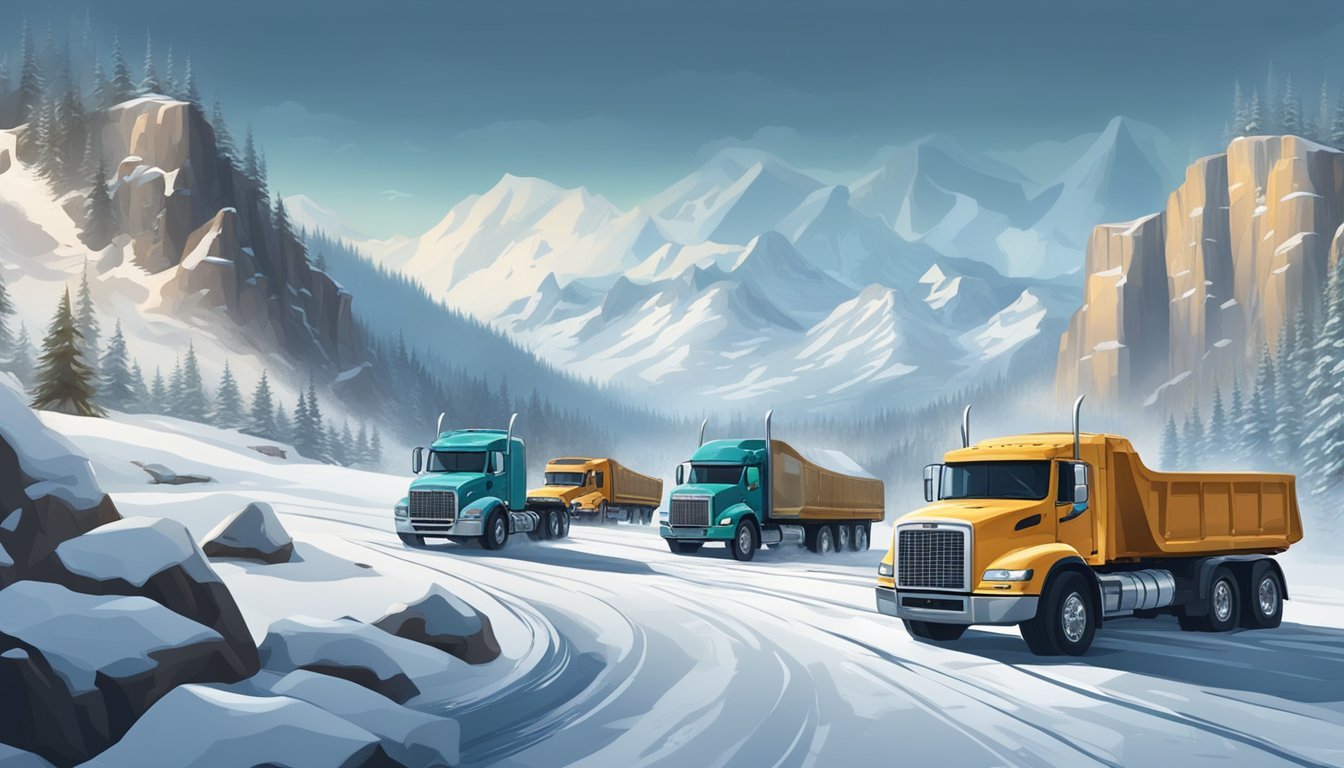
Ice Road Truckers had a significant effect on both television audiences and popular perceptions of truckers. The series not only expanded the visibility of long-haul ice road trucking but also contributed to discussions of risk, resilience, and adventure in everyday professions.
Viewership and Fan Base
Ice Road Truckers debuted on the History Channel in 2007, drawing strong ratings and quickly developing a dedicated fan base. Throughout its run, the show maintained a robust following attracted to its unique depiction of real-life trucking challenges in extreme environments.
Viewers were particularly interested in the personalities and stories of the featured drivers. Online forums, fan groups, and social media communities formed to discuss episodes, speculate about events, and follow the truckers’ off-screen lives.
As the series progressed through 11 seasons, audience engagement remained high, with new viewers discovering the show through reruns and streaming platforms. The reality series’ authentic portrayal of trucker life set it apart from other television programs.
Awards and Recognition
While Ice Road Truckers did not receive major mainstream television awards, it was recognized within the industry and among niche audiences for its production quality and storytelling. Its innovative use of on-truck and in-cab cameras was noted in industry discussions, and the show received nominations from reality TV organizations.
Critics acknowledged its contribution to the reality TV genre by focusing on genuine occupational hazards rather than exaggerated drama. The popularity of the show also led to several spinoff projects and related merchandise, highlighting its notable impact beyond the original broadcast.
Media outlets frequently cited Ice Road Truckers as an example of successful factual entertainment that built a broad audience base without relying on celebrity personalities. This approach is still referenced in articles and retrospectives on reality television’s evolution.
International Influence
The reach of Ice Road Truckers extended well beyond North America. The show aired in numerous countries and was often dubbed or subtitled for international audiences.
Its portrayal of truckers’ resilience, adaptability, and resourcefulness resonated with viewers worldwide. In some regions, the program introduced the concept of ice road trucking to the public for the first time, sparking interest in both trucking culture and northern logistics.
The cultural impact is reflected in documentaries, articles, and discussions that cite the show as an influential depiction of extreme working conditions. Various international television networks have since produced their own programs inspired by the success and format of Ice Road Truckers, demonstrating its global significance within the reality series genre.
Legacy of Ice Road Truckers
Ice Road Truckers has left a significant mark on both the world of trucking and reality TV. The show’s influence is clear in how it depicted the challenges of driving heavy loads in extreme Arctic conditions and in the personal stories of its cast members.
Impact on Trucking Industry
Ice Road Truckers introduced viewers to the unique difficulties faced by truck drivers operating on frozen landscapes. The show highlighted the importance of safety, precise timing, and mechanical skill needed to transport goods across unpredictable, hazardous terrain.
Many in the trucking industry credit the series for increasing public awareness about the risks and technical expertise demanded by ice road hauls. For example, it showcased how trucks were specially engineered for subzero temperatures, including special tires and engine modifications.
Younger audiences gained a new respect for truckers, and some were even inspired to pursue trucking careers. The industry also saw a rise in interest about remote logistics, with more people interested in roles supporting mining and energy projects in northern regions.
Influence on Reality TV Genre
Ice Road Truckers was among the early successful reality shows to blend real-life danger with documentary-style storytelling. Unlike many reality TV programs, it focused on everyday people facing extraordinary risks rather than staged competition or drama.
Its popularity demonstrated that audiences were interested in professions rarely shown on television. The show helped pave the way for other reality series centered on extreme jobs, including logging, fishing, and construction.
Ice Road Truckers used a straightforward format, relying on genuine events and unscripted reactions. This authenticity contributed to a trend in reality TV focusing more on real occupations and less on manufactured conflict, influencing programming approaches across multiple networks.
Where Are the Cast Members Now?
Many of the original cast members, such as Hugh Rowland and Alex Debogorski, became well-known personalities in the trucking world. After their time on the show, several continued working in the industry, taking part in public speaking events and safety campaigns.
Others, like Lisa Kelly, remained in commercial trucking and shared their experiences through social media platforms. Some cast members pursued business ventures connected to trucking, using their fame to launch related services.
Interest in the personal lives of these ice road truckers continues. Viewers frequently seek updates about their careers and current activities, keeping the Ice Road Truckers community active even after the show’s conclusion.
