
Innovative Technology and Heavy-Duty Equipment Powering Ice Road Truckers’ Extreme Hauling
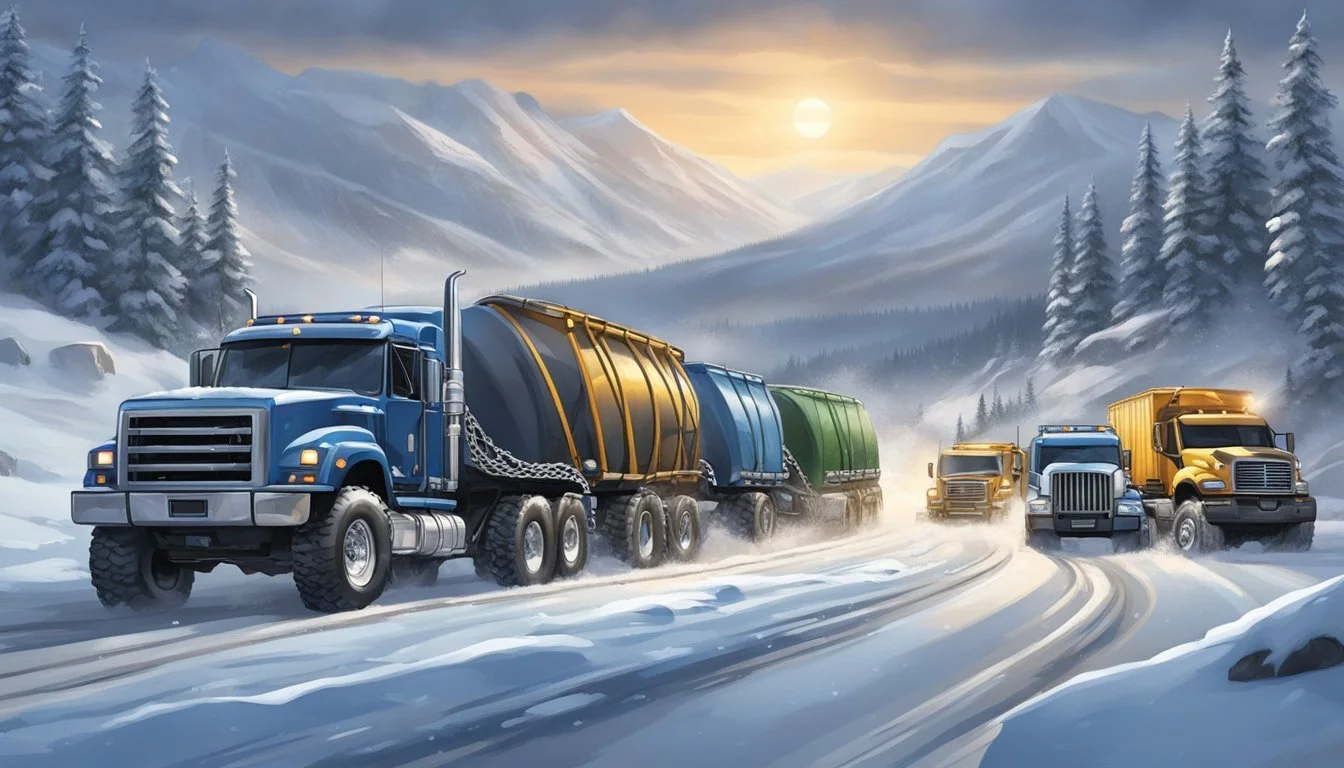
The technology and equipment featured on Ice Road Truckers are purpose-built for some of the harshest driving conditions on Earth, allowing drivers to safely navigate the treacherous ice road routes. Trucks are designed for durability and safety, outfitted with powerful engines, reinforced frames, and specialized systems to handle extreme cold and unpredictable terrain. Many rigs feature 600-horsepower engines, 18-speed transmissions, and robust axles that can handle heavy loads and challenging ice formations.
Beyond just the trucks themselves, drivers rely on essential tools and safety gear to manage emergencies on the ice. Toolboxes are stocked with equipment for quick repairs, and vehicles are often equipped with unique features like escape hatches and protruding arms to prevent accidents through thin ice. This blend of advanced technology and practical gear ensures that both the drivers and their vehicles can endure the demands of each journey while keeping safety as a top priority.
Overview of Ice Road Truckers and the Ice Road Trucking Industry
Ice Road Truckers reveals the demanding conditions faced by truck drivers transporting supplies over frozen landscapes. The series highlights the partnership between drivers, support teams, and the unique challenges of operating heavy equipment on temporary winter routes.
History and Purpose of the Show
Ice Road Truckers premiered on the History Channel, showcasing the lives of truckers working in remote northern regions. The program follows drivers as they navigate ice roads—seasonal routes built over frozen lakes, rivers, and tundra. These routes are critical for delivering fuel, construction materials, and other goods to isolated communities during winter.
The show quickly gained popularity for its focus on real-world challenges. It documents not only the dangers, such as cracking ice and extreme weather, but also the technical expertise required to survive and succeed. The authenticity of the truckers’ experience offered a new perspective on the trucking industry’s hidden frontiers.
Initially filmed in the Northwest Territories of Canada, later seasons expanded to include Alaska and other northern regions. The series brought international attention to this specialized sector of trucking, underlining its importance in supporting economies cut off from regular road access in winter.
Role of Truck Drivers and Support Teams
Truck drivers are central to the ice road supply chain. They operate large, often heavily loaded vehicles across ice surfaces that can flex and crack under excessive weight. Their responsibilities extend beyond driving—constant monitoring of vehicle systems and awareness of ice conditions are critical for safety.
Support teams play a vital role in the operation. These include mechanics, dispatchers, and ice road engineers who construct and maintain the routes. The relationship between drivers and support personnel is essential, as communication ensures informed decisions about route closures or load restrictions.
Drivers face hazards such as sudden snowstorms, whiteouts, and mechanical breakdowns in isolated terrain. Training, experience, and technical knowledge are crucial. A table of key responsibilities is shown below:
Role Key Tasks Truck Driver Operate truck, monitor ice, ensure safety Mechanics Repair vehicles, address emergencies Dispatchers Coordinate loads and schedules Ice Road Engineers Monitor ice thickness, maintain roads
The Significance of Ice Roads
Ice roads are vital logistics arteries in remote northern territories. They enable the transport of essential cargo to mines, Indigenous communities, and construction sites. Without ice roads, reaching these locations in winter would require expensive air support or would be impossible altogether.
The lifespan of an ice road is short, typically spanning only a few months when temperatures are low enough to maintain thick ice. Critical freight—including heating fuel, food, and heavy equipment—must be delivered within this window.
The construction and use of ice roads require expertise in both engineering and environmental monitoring. Safety standards dictate maximum permitted vehicle weights and speeds to reduce the risk of catastrophic ice failure. The success of the ice road trucking industry relies on precise timing and coordination between all participants.
Key Technology on Ice Road Truckers
Specialized technology is essential for drivers navigating ice roads. The focus is on maintaining safety, staying connected, and ensuring that drivers can reach their destinations despite the hazards of driving on ice.
Communication Systems
Reliable communication technology is critical on the ice roads. Drivers often use CB radios to maintain contact within a convoy, quickly relaying road hazards or sudden changes in weather conditions. Satellite phones provide a backup when standard radio or cell coverage fails, allowing drivers to reach dispatchers or emergency services in isolated areas.
Many trucks are also equipped with two-way radios tailored for extreme cold. Communication systems are designed to function even in subzero temperatures, helping drivers respond rapidly to emergencies and coordinate safe passage over thin or cracking ice.
This constant connectivity between truckers and dispatchers not only enhances safety but also improves the efficiency of freight movement. When unexpected delays or accidents occur, effective communication ensures fast, organized response and support.
GPS and Navigation Tools
Accurate navigation is a top priority on ice roads. Trucks are commonly fitted with GPS devices that show the layout of ice crossings, alternative routes, and known weak points in the ice. Unlike standard road mapping tools, these GPS systems often integrate up-to-date satellite imagery and local data about ice thickness and road closures.
Truckers rely on GPS not only to stay on course but also to avoid straying onto unsafe or unapproved paths. When driving in convoy, these navigation tools allow all vehicles to follow the same safe route, reducing the risk of anyone becoming stranded or lost on the ice.
Backup paper maps may still be kept in the cab for redundancy. This layered approach ensures navigation is possible even if electronics fail due to cold or mechanical issues.
Safety Equipment
Precise safety equipment is a necessity for the ice roads. Trucks are equipped with ultracapacitor-powered starting modules, which provide reliable engine startups in extreme cold and cut down downtime caused by battery issues. Emergency gear such as satellite beacons and flares is always kept onboard in case a driver falls through the ice or becomes immobilized.
Most trucks carry specialized winter tires with deep treads, tire chains, and snowplows for clearing fresh snow. Toolkits include ice chisels, reflective vests, and first-aid kits. Some vehicles even feature escape hatches and ice picks to help drivers exit in emergencies.
Table 1 below lists essential safety items found on most ice road trucks:
Equipment Purpose Ultracapacitor module Reliable engine start in extreme cold Winter tires/chains Traction and stability on icy surfaces Emergency beacon Location signaling if stranded Escape tools Aid in escaping if a truck breaks through ice
Thorough attention to safety technology gives drivers a crucial advantage over the unpredictable and dangerous environment of the frozen road.
Trucks and Heavy Equipment Featured on the Show
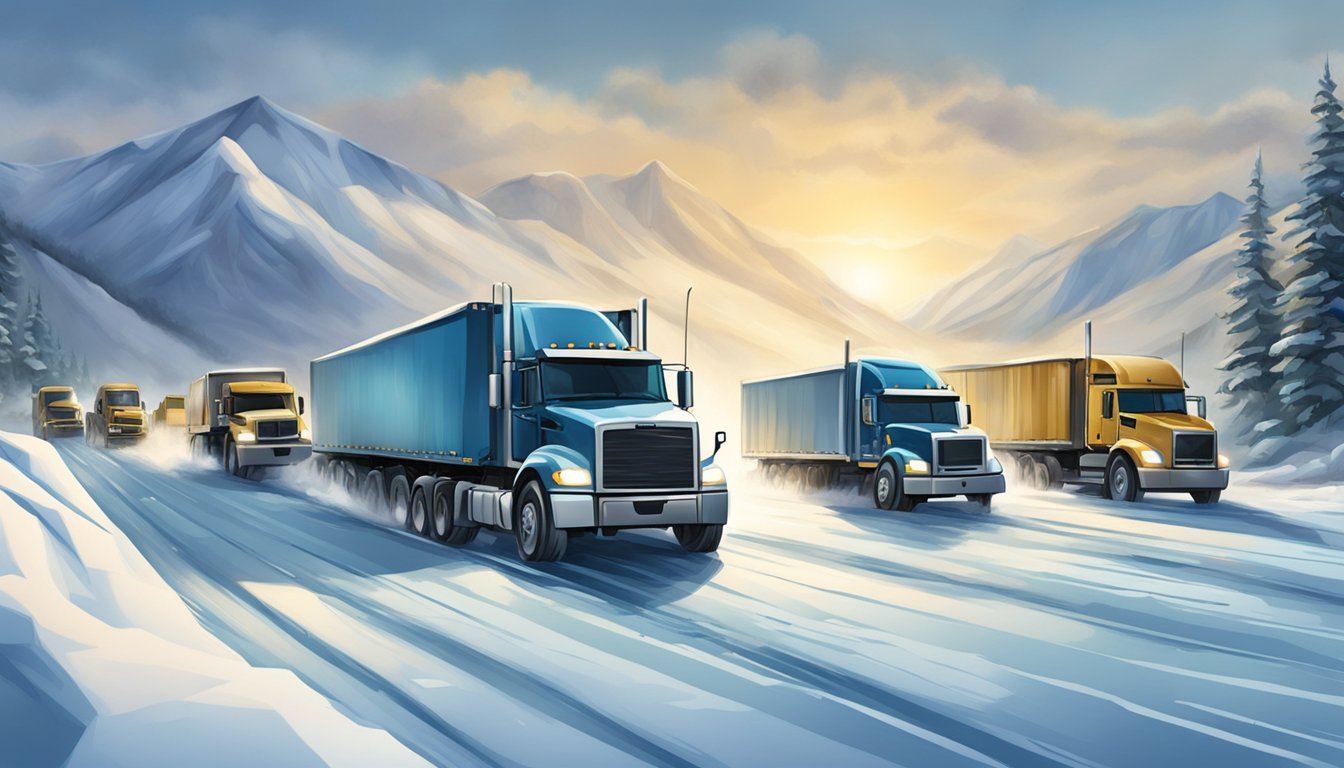
Ice Road Truckers regularly highlights the demanding role of heavy-duty trucks, specialized modifications, and key accessories essential for survival in Arctic environments. The show’s focus on both technology and human skill demonstrates how truck drivers depend on precision equipment to transport oversized freight across treacherous ice roads.
Types of Heavy-Duty Trucks
The majority of trucks seen on Ice Road Truckers are Class 8 semi-trucks, including models from manufacturers such as Peterbilt, Kenworth, and Freightliner. These trucks are typically equipped with powerful engines, often rated between 400–600 horsepower, to handle the weight and resistance of heavy haul loads.
Truckers frequently haul over-sized and overweight freight, including construction equipment and mining machinery. The trailers used include flatbeds, lowboys, and extendable trailers, designed specifically for carrying unusually large or heavy cargo.
In several episodes, trucks are shown pulling double or triple trailer configurations. This increases efficiency but requires experienced drivers who understand the unique challenges of managing multiple articulated loads on slick surfaces.
Truck Modifications for Arctic Conditions
Ice road trucking demands specialized modifications to ensure the trucks can function reliably at temperatures well below freezing. Key upgrades include engine block heaters, heated fuel lines, and high-capacity batteries to prevent cold-weather starting problems.
The trucks are also fitted with heavy-duty insulation in the cab and around critical engine systems. Reinforced air and electrical lines, as well as arctic-grade lubricants, help avoid breakdowns caused by extreme cold.
Tire chains are sometimes used when traction is poor, and some trucks have specially tinted or heated windshields to reduce ice buildup. Extra lighting is added for safety during dark, low-visibility conditions common in northern latitudes.
Essential Accessories and Add-ons
Truck drivers on the ice roads rely on a range of accessories designed to enhance both safety and performance. Two-way radios and satellite phones ensure reliable communication, especially when drivers are out of range of cell service.
Emergency kits are standard and may include flares, first aid supplies, spare warm clothing, and food rations. Many trucks are equipped with GPS and advanced diagnostic systems such as JPRO Professional, which assist drivers and mechanics in monitoring vehicle health.
Additional equipment, like auxiliary fuel tanks, recovery gear (winches, tow hooks), and engine start modules, further boost the operational range and readiness of each rig. These accessories help ensure both cargo and truck drivers complete their routes safely, despite the high-risk environment.
Construction and Maintenance of Ice Roads
Building and maintaining ice roads involves specialized methods and constant monitoring to ensure safety. These practices focus on managing ice thickness, adapting to weather, and using advanced equipment.
Techniques for Ice Road Construction
Crews begin by clearing snow from the route on frozen lakes or rivers. This allows the ice to thicken more rapidly under direct exposure to cold air. Heavy machinery, including graders and plows, is used to remove insulating snow and prepare a smooth path.
Once cleared, water may be pumped from beneath the ice and spread in layers to further build up the road’s thickness and load capacity. This technique stiffens and strengthens the surface, making it safer for truck traffic.
Maintenance is ongoing. Teams must regularly inspect for cracks and weak spots, sometimes using chainsaws or augers to create test holes. Repair methods may include adding slush or flooding areas to rebuild thin sections.
Key equipment for construction and maintenance:
Equipment Purpose Graders/Plows Snow removal and smoothing Water pumps Layering water to build ice Chainsaws/Augers Cutting test holes, ice repairs
Ground-Penetrating Radar for Ice Thickness
Measuring ice thickness is critical for safety on ice roads. Ground-penetrating radar (GPR) is the main technology for this task. GPR devices are mounted on trucks or sleds and send radio waves into the ice to produce detailed profiles of ice layers and depth.
Operators monitor GPR readings to detect thin or weak areas that may not be obvious on the surface. This allows them to identify hazards or areas that require reinforcement without needing to drill frequent test holes.
Data from GPR helps determine load limits and route adjustments. In combination with manual measurements, it ensures that only sections with sufficient thickness are used by heavy vehicles. Regular GPR scans are essential throughout the operating season, especially after temperature swings or heavy use.
Safety Measures and Risk Management
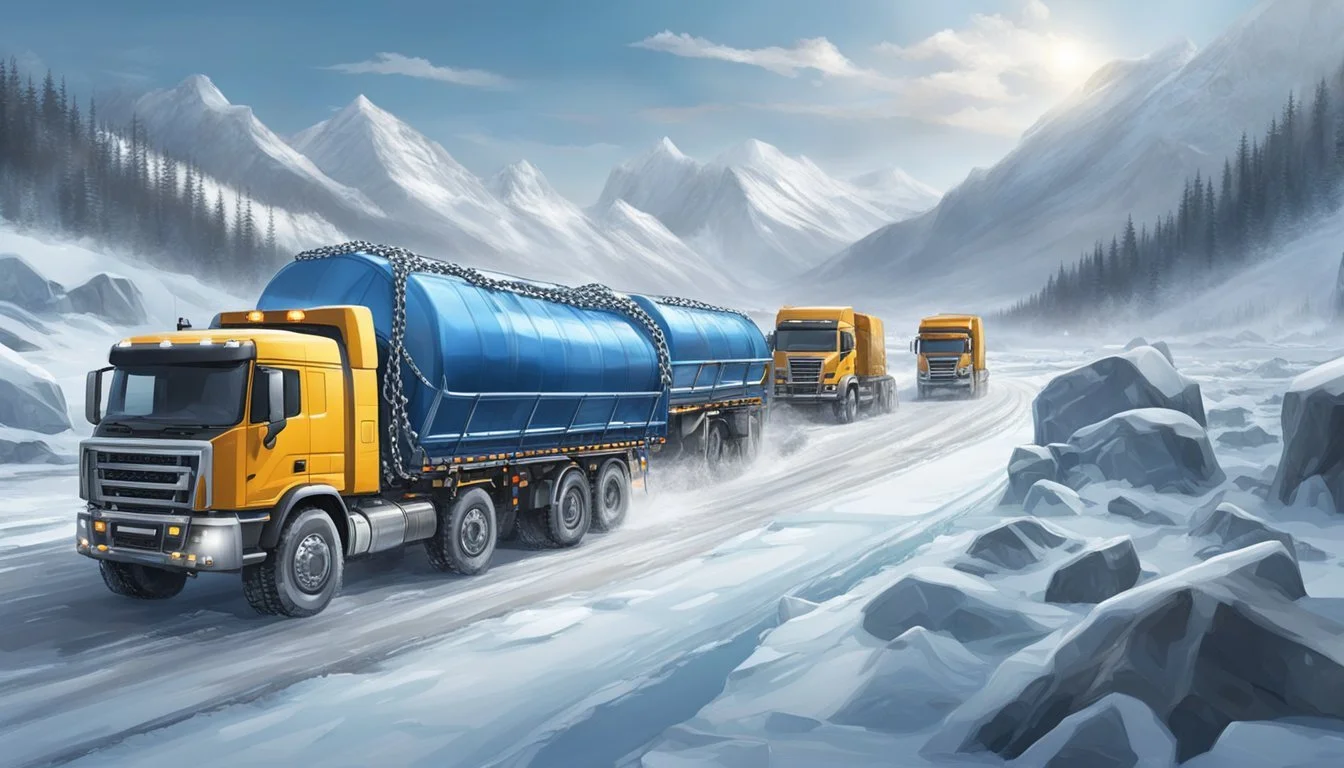
Ice road trucking depends on precise safety measures and stringent risk management to ensure that truckers and their cargo can cross hazardous ice without incident. Specialized protocols target the main hazards of unstable ice, severe weather, and remote isolation.
Managing Hazards on Ice Roads
Drivers routinely assess ice thickness before and during travel. Companies use sonar and ground-penetrating radar devices to monitor ice conditions and spot weak areas. Weight limits for trucks are strictly enforced to prevent overloading, and drivers often travel in convoys to increase safety.
Reduced speeds are mandatory, sometimes as low as 15 km/h, to minimize stress on the ice. Signage clearly marks safe routes and hazardous zones, as noted in safety manuals and regulations. Daily logs help operators keep detailed records of road conditions, truck movements, and any safety incidents.
Personal protective equipment, such as flotation suits, is standard. Communication is maintained with dispatch via satellite phones or radios at all times.
Protocols for Emergencies
Emergency procedures are in place for breakdowns, blizzards, or ice failures. Each truck is equipped with a comprehensive emergency kit including food, water, blankets, first aid supplies, and signaling devices such as flares or electric lanterns.
Truckers are trained to never leave their vehicle unless absolutely necessary. Convoy protocols dictate that trucks provide mutual assistance if there is a problem, ensuring that no one is left stranded.
Emergency communication systems link drivers to support teams for rapid rescue operations if needed. Safety drills and frequent briefings further reinforce preparedness among both new and experienced operators.
Filming Technology and Production Insights
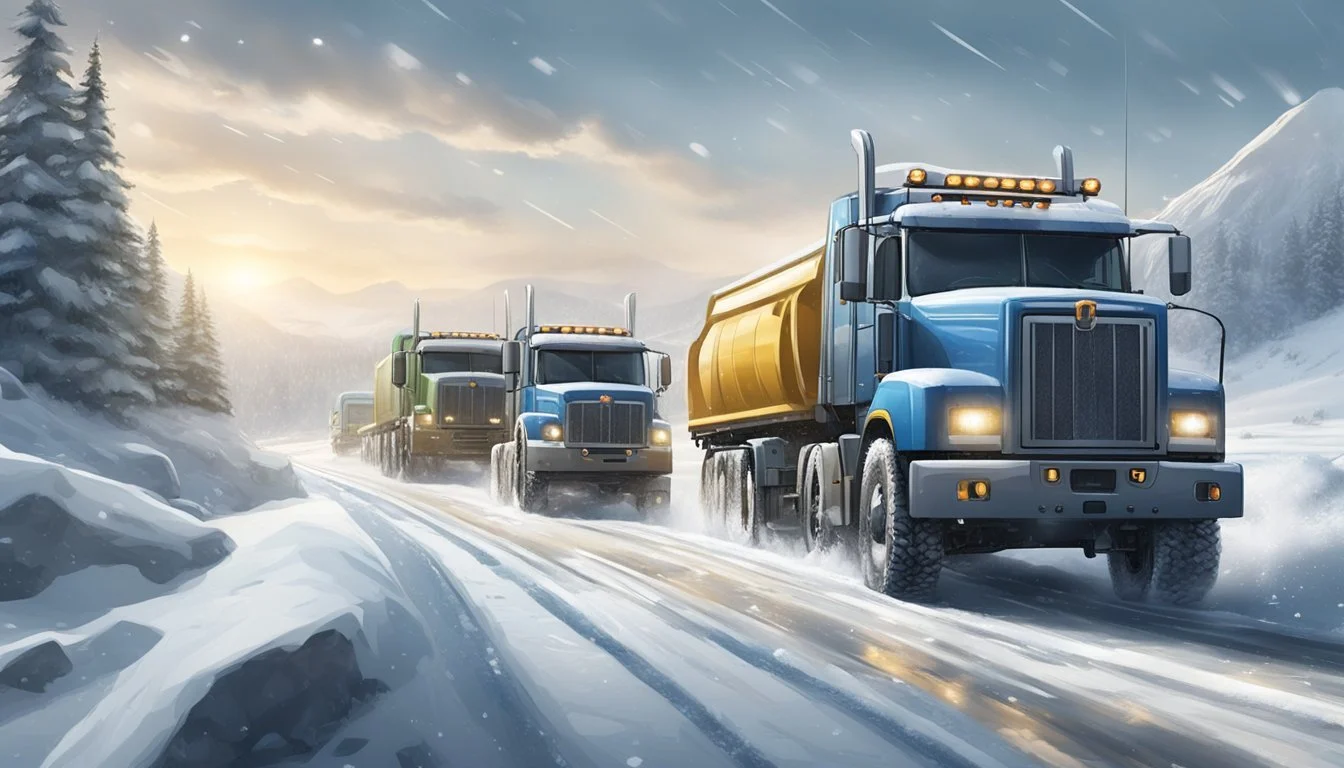
Capturing the harsh reality of ice road trucking required specialized gear and innovative strategies. Film crews had to adapt to the extreme climate of Alaska, the Arctic Circle, and northern Canada while keeping safety and reliability at the forefront.
Camera Equipment and Mounting
Production teams relied on a mix of rugged, weather-resistant cameras and custom mounting rigs to document the action. Common choices included GoPro and DSLR cameras in reinforced housings to protect against moisture and freezing temperatures.
Cameras were mounted inside and outside the truck cabs using suction mounts, clamps, and shock-absorbing arms. This allowed for stable interior shots of drivers and dynamic footage of trucks crossing ice roads. Multiple angles were key to capturing both the vast landscape and the close-up, tense moments within the trucks.
A table of typical camera placements:
Location Purpose Dashboard Driver reactions, road view Exterior mirrors Blind spots, side perspectives Trailer/Rear Cargo, road surface
Challenges of Filming in Arctic Conditions
Film crews faced constant subzero temperatures that threatened equipment function. Batteries depleted rapidly in the cold, requiring backup power sources and frequent replacements. Delicate optics would fog or frost, so cameras had to be warmed and protected during extended outdoor shoots.
Crews wore heavy, insulated clothing and coordinated closely to avoid frostbite or hypothermia. Snow and ice created slippery, hazardous footing, increasing the difficulty of moving camera gear around trucks and onto ice roads. Remote locations in Alaska and northern Canada limited access to power and support, so equipment had to be both portable and self-sufficient.
Unexpected weather changes forced teams to adapt quickly. Safety protocols and contingency plans were in place for sudden storms or ice cracking, with communication gear essential for maintaining contact in isolated filming zones.
Key Locations and Environmental Factors
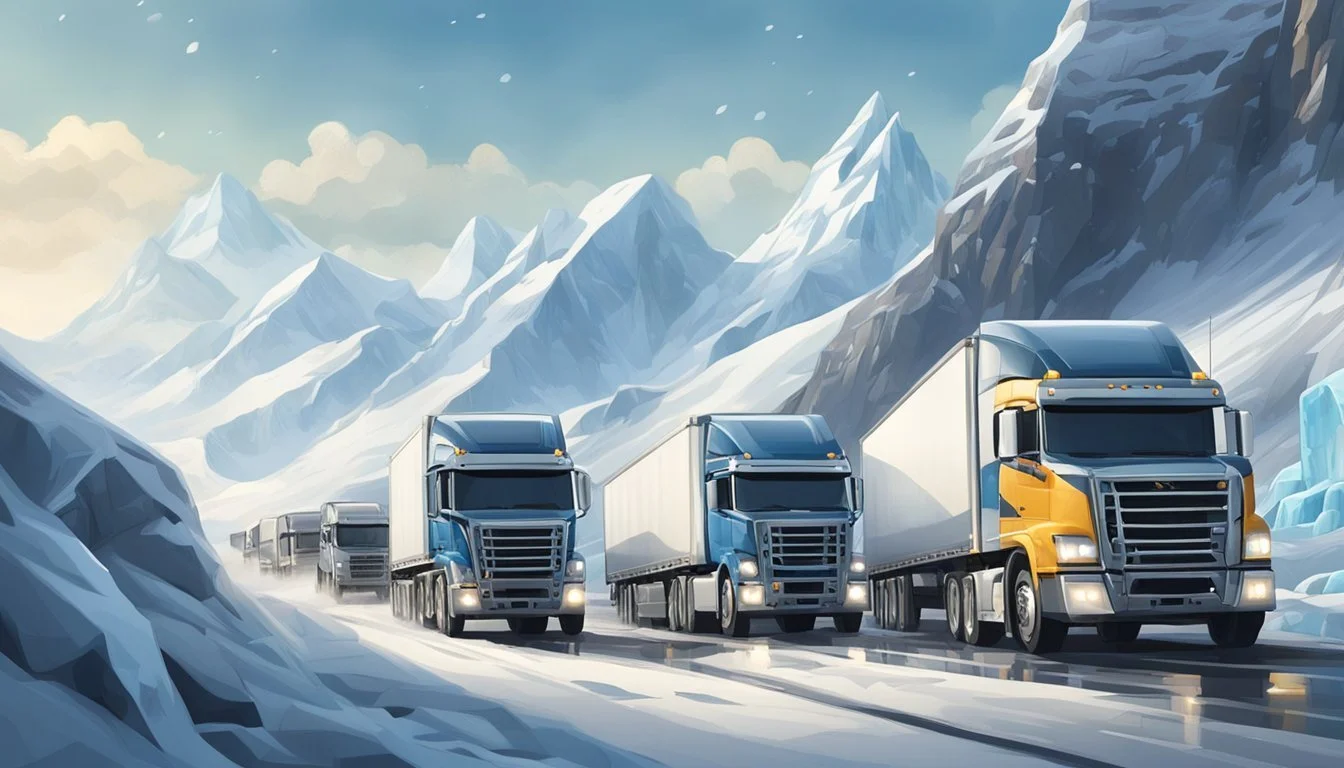
Ice roads cross regions with extreme cold, unpredictable weather, and demanding terrain. Specific environments in Alaska, the Arctic Circle, and northern Canada greatly shape the construction and operation of these vital routes.
Alaska and the Arctic Circle
Ice road operations in Alaska and the Arctic Circle span a landscape of permafrost, tundra, and river crossings. The region’s severe cold, with winter temperatures regularly dropping below -30°C, keeps ice thick but can pose safety risks such as frostbite and equipment failure.
Seasonal darkness and sudden whiteouts create navigation challenges. Technology like GPS and weather monitoring systems are critical for safe travel. The Dalton Highway, leading north from Fairbanks, is a key route running parallel to seasonal ice roads, connecting oil fields to supply centers.
Wildlife encounters are frequent, and environmental regulations require ice roads to be moved or rebuilt each season to reduce long-term ecological impact. The placement of roads must consider shifting river channels, protected habitats, and native lands.
Northern Canada and Frozen Lakes
Northern Canada relies heavily on ice roads, particularly those constructed over frozen lakes. In the Northwest Territories, the Tibbitt to Contwoyto Winter Road is among the longest ice roads, covering hundreds of kilometers over isolated terrain.
Frozen lakes form the safest and flattest surfaces for heavy trucks, but ice thickness is constantly measured for safety. Extreme cold allows for operations from January to March, after which melt makes routes impassable.
Crews use specialized equipment to flood and thickly freeze sections of lake ice. The remoteness of these routes means truckers must be self-reliant, carrying emergency supplies and communicating with support via satellite. Environmental considerations prevent permanent alterations, so roads change locations every season.
Impact on Mining and Local Industries
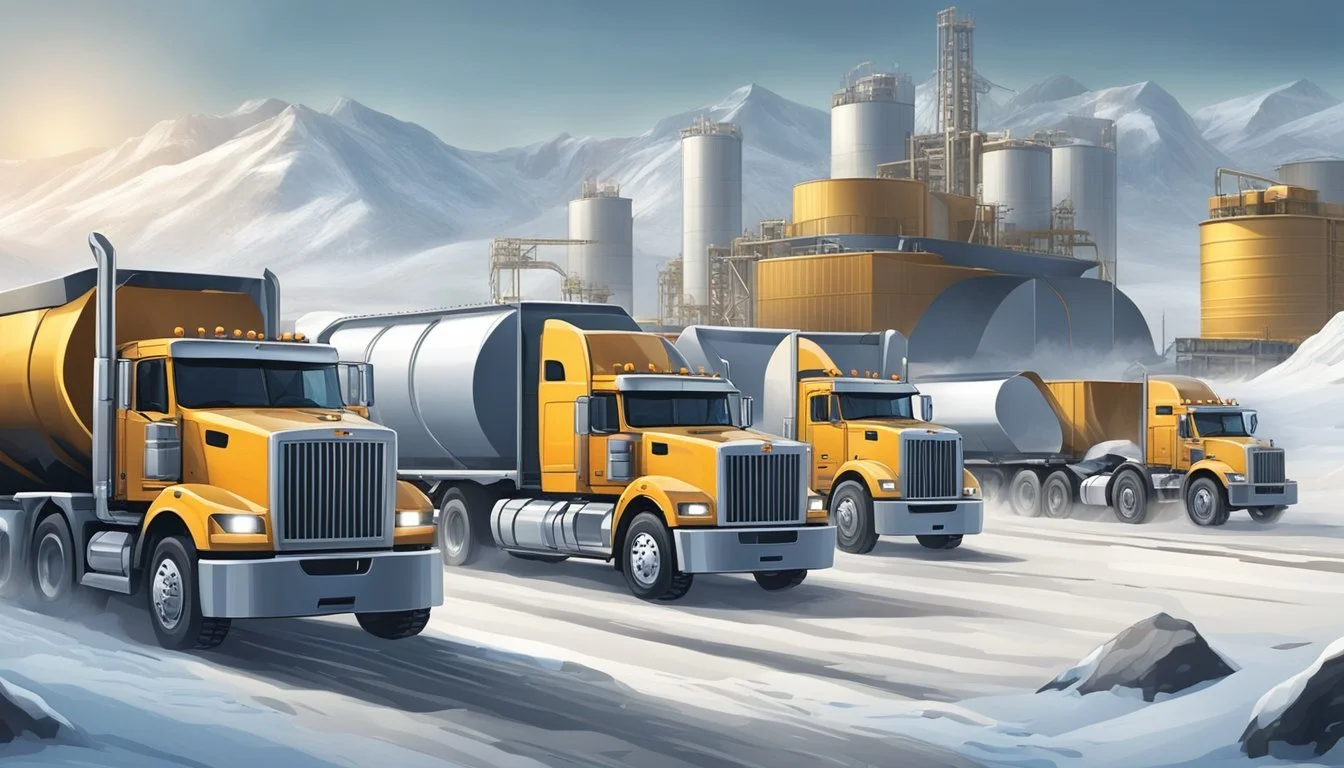
Heavy reliance on ice roads has shaped both mining operations and the economic landscape in northern Canada. Technology and equipment advances have allowed these vital routes to serve as yearly lifelines for both resource extraction and remote communities.
Supplying Mining Operations
Mining companies depend on ice roads for the bulk shipment of supplies, equipment, and fuel needed to operate throughout the year. These shipments often involve up to 10,000 loads sent to remote mine sites during the limited weeks when roads are passable.
Essential deliveries include:
Diesel fuel and explosives
Heavy machinery parts
Construction materials
Food and medical supplies
Without these seasonal deliveries, major mining operations would face severe disruptions or have to cease activity altogether. The trucking industry uses specialized technology, such as tire chains, engine heaters, and satellite communications, to ensure loads are transported safely in harsh Arctic conditions.
Economic Influence on Local Communities
Ice roads connect isolated communities to larger markets, making affordable goods and services accessible during winter months. For many, these roads reduce transportation costs and letting small businesses receive inventory that would be prohibitively expensive by air.
The influx of truckers and support crews temporarily boosts demand for local services, including repairs, accommodation, and food. Local industries, such as fuel suppliers and equipment maintenance firms, often benefit directly, generating seasonal employment and revenue.
Economic data shows that this network is essential not just for mining but for sustaining livelihoods throughout the northern regions of the country. Improved road technology and equipment reliability help extend road lifespans, increasing the positive economic impact each season.
