
How Adaptability Drives Success for Ice Road Truckers Facing Extreme Weather and Road Hazards
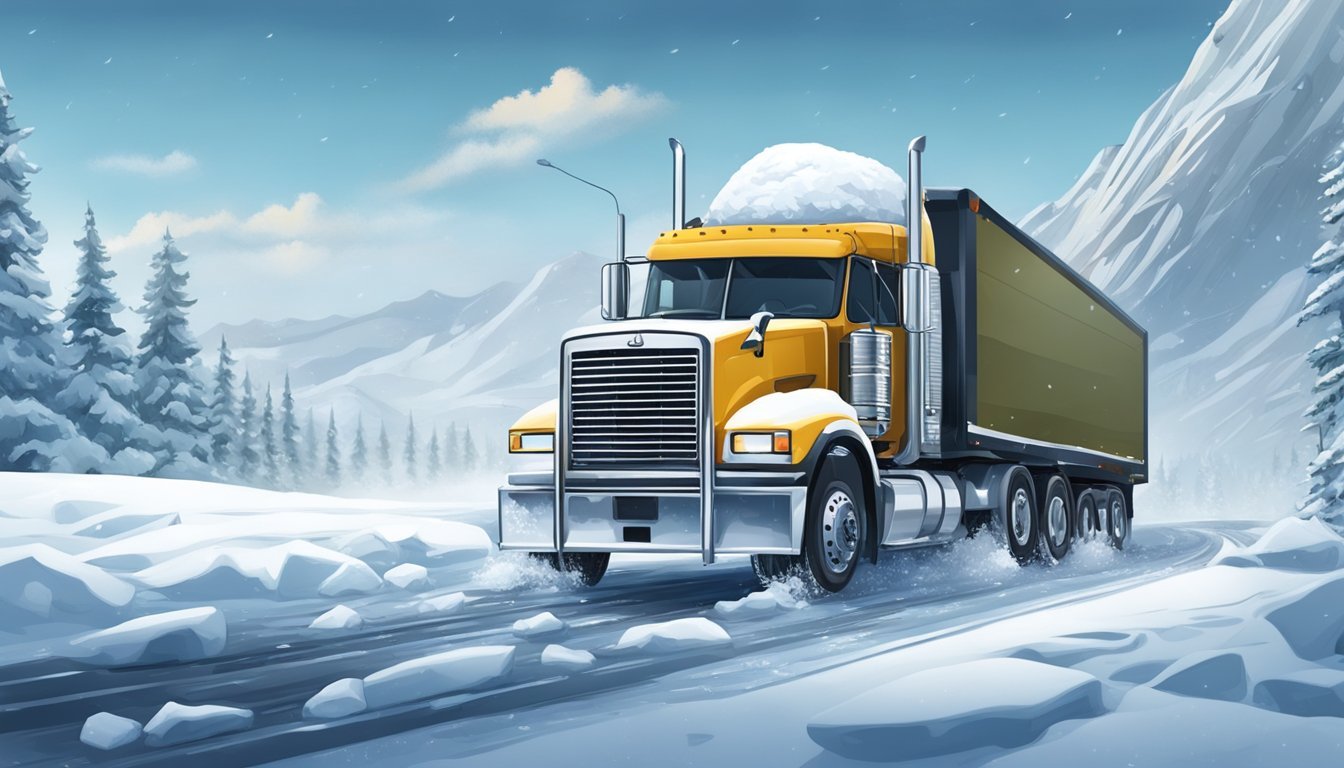
Ice road truckers face an unpredictable environment where weather can shift rapidly and routes become hazardous with little warning. Each trip requires quick thinking, problem-solving, and a readiness to handle mechanical issues or road closures at a moment’s notice. Adaptability is the essential skill that enables these drivers to navigate shifting conditions and unexpected obstacles on some of the world’s most dangerous roads.
The stars of Ice Road Truckers, such as Lisa Kelly, Art Burke, and Alex Debogorski, exemplify adaptability through their willingness to assist others and adjust their strategies as ice roads change beneath them. Whether handling unusually warm temperatures or helping stranded motorists, their ability to pivot and respond to new challenges defines their daily routines and long-term success.
Viewers are drawn to the show not just for the extreme conditions but also to see how these drivers continually adapt to survive and thrive. Their actions provide insight into how crucial adaptability is behind the wheel and beyond, making it a central theme in both their careers and the series itself.
Understanding Adaptability in Ice Road Truckers
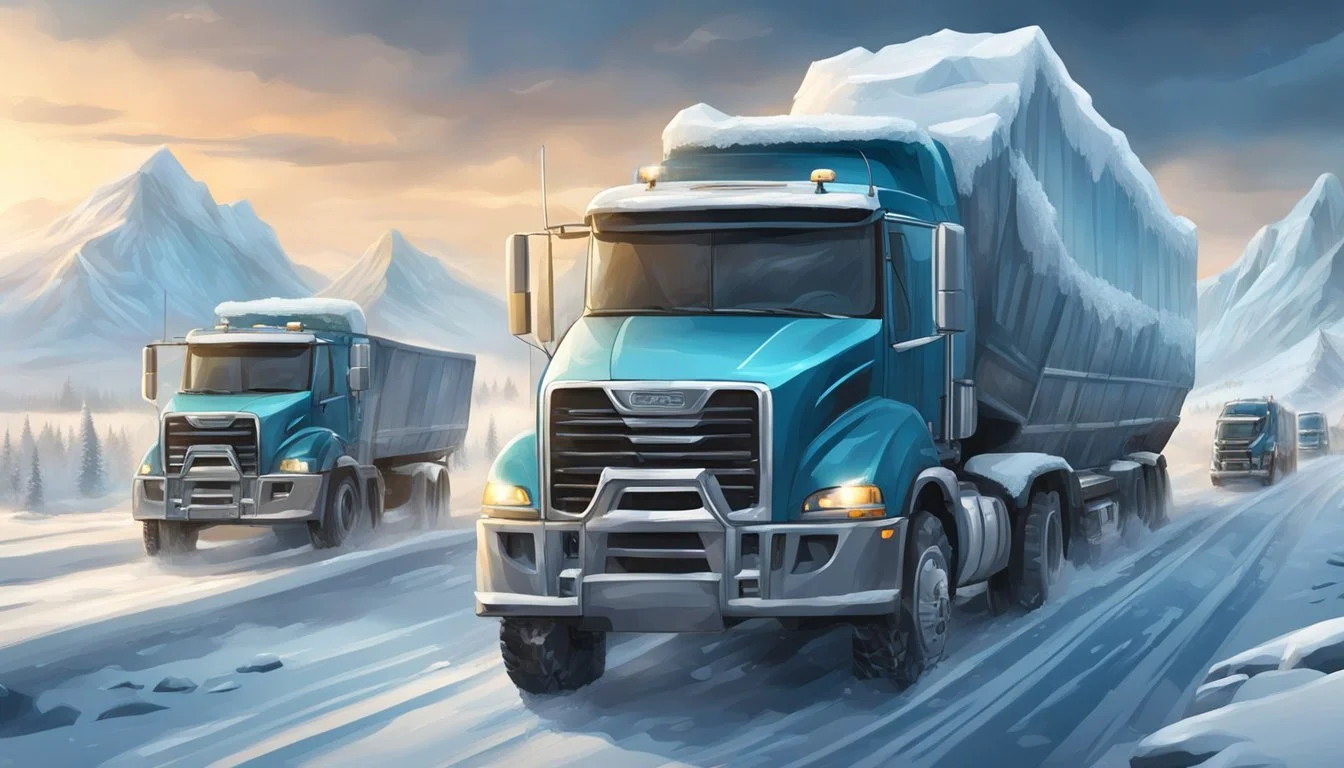
Working as an ice road trucker requires flexibility, quick thinking, and the ability to manage both expected and unexpected difficulties. Success in this field often depends on multiple factors, especially a willingness to learn and adjust as conditions change.
Defining Adaptability in High-Risk Professions
Adaptability means more than just reacting to change; it is the proactive skill of anticipating, preparing for, and adjusting to new challenges—especially in demanding environments. In high-risk professions such as ice road trucking, this skill becomes a necessity rather than an option.
Drivers contend with unpredictable weather, shifting ice, and often hazardous road conditions. Each day may present unique emergencies, such as mechanical breakdowns or sudden storms. Being adaptable helps drivers stay calm, problem-solve efficiently, and avoid making poor decisions under pressure.
Employers in the trucking industry often look for adaptability as a key trait when hiring for high-risk routes. Truckers who can keep safety and professionalism amid constant change are highly valued.
Unique Demands of Ice Road Trucking
Ice road trucking takes place in remote regions of North America, often far from repair shops or emergency help. Drivers must handle extreme cold and long, isolated stretches. The roads are seasonal, built over frozen lakes and rivers, and can change in stability from one hour to the next.
Key challenges include:
Navigating trucks weighing thousands of pounds over unpredictable ice
Maintaining vehicle integrity in harsh temperatures
Responding to sudden changes in weather, road closures, or community needs
Since lives and critical supplies depend on timely deliveries, adaptability affects not just individual drivers but entire communities serviced by these routes.
Importance of Continuous Learning
For ice road truckers, adaptability is closely linked to continuous learning. Ongoing education—formal and informal—is necessary to keep pace with evolving safety regulations, equipment updates, and new driving techniques.
Drivers often learn through experience, mentorship, and peer communication. Many truckers watch for new best practices and adopt fresh strategies for route planning, vehicle maintenance, and situational assessment.
Training programs in the trucking industry stress the value of staying current on regulations and technical skills. By investing in learning, drivers not only improve their own safety but also help uphold the standards of the profession as a whole.
Everyday Challenges Faced by Ice Road Truckers
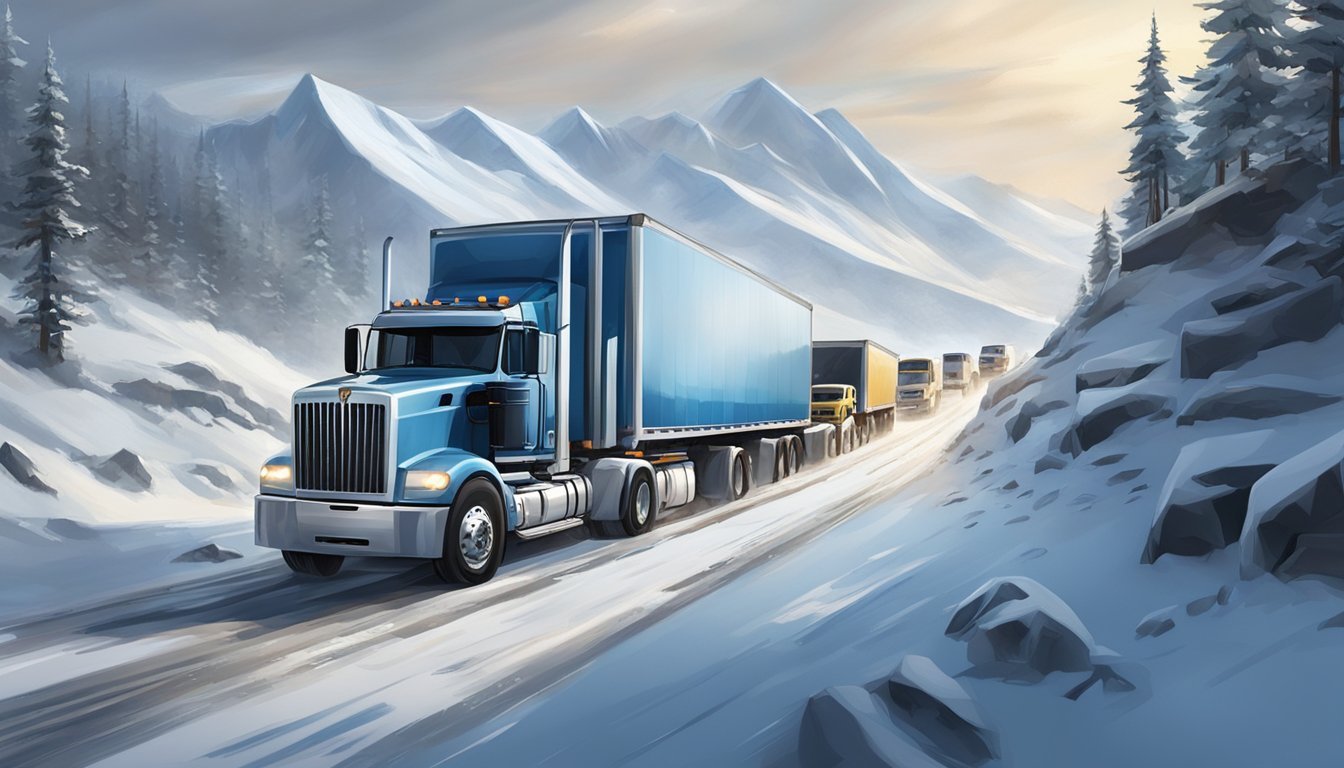
Ice road truckers regularly navigate hazardous environments, strict schedules, and the realities of working far from urban centers. Each day brings new technical, environmental, and personal challenges that test both skill and adaptability.
Adapting to Extreme Environmental Conditions
Drivers face subzero temperatures, blizzards, and rapidly changing weather. Wind chill factors can reach dangerously low levels. Severe cold affects not only the driver’s comfort but also their alertness and reaction time.
Frozen lakes and rivers serve as roads for weeks at a time. When temperatures fluctuate, or ice becomes unstable, truckers must quickly reassess their routes and safety protocols. In many cases, snowdrifts or whiteouts can unexpectedly obscure visibility within minutes, increasing the risk of accidents.
Protective gear and constant weather monitoring become essential. Many rely on quick decision-making and experience to adjust to surprise snowstorms or sudden ice cracks. For those transporting supplies between small towns and remote cities, local weather patterns can change drastically within short drives.
Managing Mechanical and Logistical Obstacles
Truck maintenance is crucial. Extreme cold causes engines to seize, fuel to gel, and metal parts to become brittle. Before every trip, truckers conduct rigorous checks—brakes, tires, and suspension systems are top priorities.
Unexpected breakdowns are common, especially in isolated stretches. Carrying spare parts and basic repair tools is mandatory. For instance, should a truck break down between settlements, waiting for professional help can take hours or even days, especially if the route is far from bigger cities.
Load balancing and securing cargo is especially important on ice roads. Shifting weight can destabilize an entire rig, putting the driver in immediate danger. Strict regulations require that loads are checked at every stop, reducing the risk of accidents caused by cargo movement.
Navigating Isolation and Remote Locations
Routes often connect small towns, mining sites, and distant camps rather than major cities. Truckers may drive for hours without seeing other vehicles or signs of civilization.
Isolation presents both psychological and logistical challenges. Loneliness is a real risk, with drivers sometimes spending multiple nights alone in their cabs. Emergency services can be hours away, so drivers are trained to handle minor injuries, plan for long delays, and remain self-reliant.
Communication technology, such as satellite phones and two-way radios, helps bridge the gap between remote drivers and dispatchers. Experience gained from seasoned residents or descendants of the region’s first settlers can be invaluable, as they share local knowledge of shortcuts, hazards, and emergency procedures.
Key Traits of Successful Ice Road Truckers
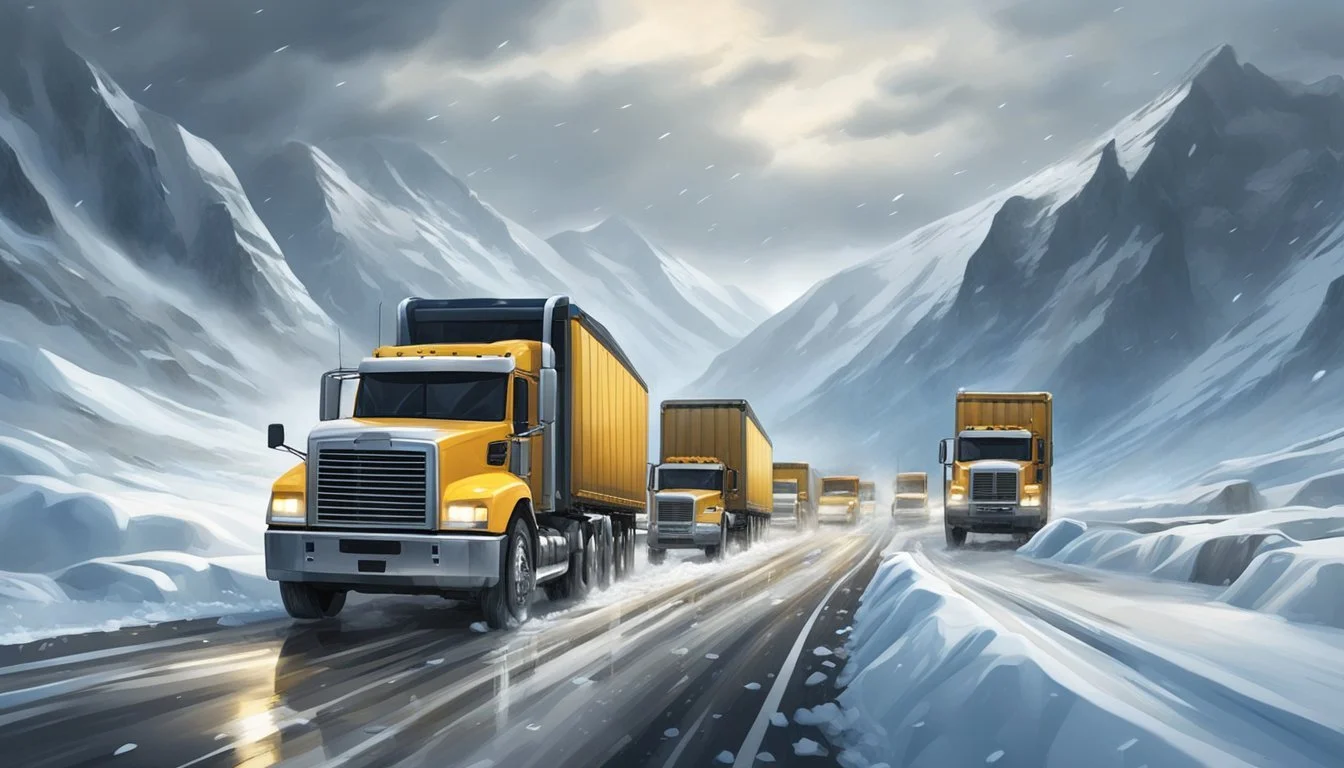
Surviving and excelling on the ice roads requires extraordinary qualities. Consistent success in this extreme niche of the trucking industry comes from the ability to face hazards, make split-second decisions, and form strong professional relationships.
Determination and Mental Toughness
Ice road truckers face relentless cold, unpredictable road conditions, and the constant threat of mechanical breakdowns. Determination is necessary for enduring multi-hour drives across unstable ice with little margin for error.
This line of work tests mental toughness daily. Drivers must stay calm through whiteout conditions, sudden storms, or the nerve-wracking sound of cracking ice below. Mental resilience enables truckers to finish difficult runs that might overwhelm less experienced individuals.
Truckers in this occupation often display steady nerves and a strong work ethic. These traits work together to help them focus on safety protocols and complete demanding jobs even when conditions are at their most challenging.
Problem Solving on the Move
Every haul can present unique challenges, from malfunctioning equipment to unexpected road closures. Ice road truckers must think quickly and use available resources to address problems without outside support.
Examples of common issues:
Engine or tire failures far from repair facilities
Sudden weather changes requiring rerouting
Unexpected obstacles such as blockages or ice cracks
Adaptability and practical know-how are crucial. Successful drivers become adept at diagnosing mechanical failures, rigging temporary fixes, and even assisting with stranded vehicles using their experience and toolkit. Being resourceful ensures cargo arrives safely and on time, minimizing costly delays.
Collaboration Within the Trucking Community
Though much of the job is solitary, collaboration is important for both safety and efficiency. Truckers regularly share information about road conditions, hazards, and changing weather patterns through radios or at rest stops.
Teamwork is essential during emergencies. Drivers may help pull a stuck truck from a snowbank or warn others about a weak patch of ice. In the trucking industry, building trust with dispatchers, mechanics, and fellow truckers helps create a support network that is critical in remote, dangerous environments.
Being willing to communicate and help others not only makes the roads safer but also strengthens the professional community, which is vital for long-term success in this specialized field.
Adaptability in the Broader Context of the Trucking Industry
Adaptability is not just vital in extreme conditions like ice roads but influences how truckers respond to challenges across the industry. Many sectors rely on trucking’s flexibility, especially manufacturing and agriculture where timing and specialized skills are critical.
Connections to Related Industries
Ice road trucking demands quick responses to unpredictable environments, but this skill set directly translates to supporting diverse industries such as construction, mining, and energy. For example, oil and gas operations in Alaska depend on trucks to move equipment and supplies under shifting weather and regulatory constraints.
These industries may require truckers to adjust routes or schedules with little notice, highlighting the advantage of those who thrive in adaptation. Experienced drivers often cross-train to handle various cargo types or equipment, which increases their value and job security. In turn, this flexibility helps maintain the momentum of projects in industries where delays can result in significant financial losses. A chronic driver shortage in sectors like oil trucking has also emphasized the premium placed on adaptability.
Impact on Manufacturing and Agriculture
Manufacturing depends heavily on the timely delivery of raw materials and finished goods. Truckers who quickly adjust to delays, equipment issues, or sudden route changes help prevent costly production stoppages. The ability to switch between hauling different loads, such as machinery or perishables, can be essential for meeting strict delivery windows.
In agriculture, adaptability is especially important during harvest seasons or livestock transport, when weather or market changes demand fast responses. Table: Key Adaptability Demands in Trucking
Sector Example Adaptations Impact Manufacturing Route changes, cargo switching On-time deliveries Agriculture Weather shifts, load adjustments Minimized spoilage
Highly adaptable truckers play a central role in connecting farms and factories to broader markets even when disruptions threaten supply chains.
Life Beyond the Ice Roads
After the cameras stop rolling, many ice road truckers shift their attention to everyday responsibilities, community connections, and financial stability. Their lives off the ice often center around supporting families, finding new opportunities, and participating in local schools and churches.
Community and Family Life
Ice road truckers often live in small northern towns where community ties run strong. They rely on neighbors, friends, and relatives for assistance during difficult winter months and in off-season months.
Family gatherings, local sports events, and community dinners are common and help maintain a sense of belonging. The unpredictable nature of trucking work sometimes means extended absences, so families maximize time together when at home.
Many also contribute to community safety, volunteering with local fire departments or charities. These connections help build resilience and offer social support in a region with few entertainment options.
Opportunities for Prosperity and Growth
Truckers use their experience and savings to seek prosperity outside their driving careers. Some invest in small businesses, such as repair shops, logistics companies, or local convenience stores. Others take on new jobs in nearby mines or oil fields that offer more regular hours.
With increased earnings from hazardous ice road seasons, families manage living costs, pay off debts, or fund children’s education. However, they must also consider the higher tax rates that can reduce net income.
Ice road work teaches adaptability, which is valuable when transitioning to different industries. Many truckers pursue additional training or certifications to broaden employment opportunities after leaving the ice.
Role of Schools and Churches
Schools serve as a social hub for both children and adults. They provide not just education but also community events, cultural programs, and athletic activities. Parents often volunteer for school events when their schedule allows, strengthening community bonds.
Churches offer both spiritual guidance and vital local support. They host social gatherings, help families during crises, and organize charity drives. Many truckers and their families attend church services, relying on pastors or church groups for counseling, especially after high-stress weeks on the road.
Table: Community Institutions and Their Functions
Institution Main Functions Schools Education, events, sports, community center Churches Worship, support, counseling, charity
The Legacy and Influence of Ice Road Truckers
The influence of Ice Road Truckers extends beyond entertainment, impacting how viewers understand the realities of remote living and the trucking profession. The show’s depiction of daily challenges has left lasting impressions on audiences and inspired many to consider similar paths.
Shaping Perceptions of Rural and Remote Life
Ice Road Truckers presented a window into the lives of people in small towns and remote regions of North America. The series highlighted both the isolation and resilience of communities that rely on ice roads during harsh winters.
Through scenes showcasing basic tasks—such as delivering fuel, food, and essential supplies—viewers gained insight into how critical truckers are for survival in places inaccessible by standard roads. The dangers of thin ice, unpredictable weather, and equipment failures demonstrated the unique risks locals face, including first settlers who built these routes out of necessity.
By focusing on the adaptability of truckers and the self-sufficiency of residents, the show helped correct misconceptions about life in the North. It emphasized that education and local knowledge are as important as brute strength for overcoming difficulties. As a result, audiences better understood the daily realities confronting those in remote settlements.
Inspiring Future Generations
The program’s stars, such as Lisa Kelly and Alex Debogorski, became role models for aspiring truckers and young viewers fascinated by logistics and adventure. Their perseverance through intense conditions showcased the value of adaptability, quick thinking, and skill development in challenging environments.
Some fans cited the show as a spark for pursuing careers in transportation or seeking education in trades related to trucking. Career paths that once seemed limited or intimidating became more approachable through the practical examples set by the cast.
The series also served as a platform for promoting safety awareness and respect for the profession. Highlighting the teamwork, planning, and continuous learning required on the ice encouraged viewers to see trucking as a viable and respectable vocation beyond stereotypes.
