
How Ice Road Truckers Use Creativity and Innovation to Conquer Extreme Frozen Road Challenges
Driving on frozen roads in some of the harshest conditions on Earth, ice road truckers face unexpected obstacles and risks every day. Creativity and quick problem-solving are essential for these drivers to navigate mechanical failures, extreme weather, and ever-changing ice conditions. Without creative thinking, many challenges would become impassable barriers rather than manageable setbacks.
The show "Ice Road Truckers" highlights drivers who must often invent solutions on the spot, adapting their strategies to overcome both mechanical and environmental hurdles. This creativity sets skilled ice road truckers apart, enabling them to keep moving where traditional methods might fail.
These experiences offer practical lessons in resilience and adaptability, showing how creativity is not just an advantage, but a critical survival skill for those who work in such unpredictable environments.
Understanding Obstacles Faced on Ice Road Truckers
Ice Road Truckers work in some of the harshest environments, where transportation of critical goods depends on both natural and man-made factors. They confront significant risks tied to extreme climates, isolation, and fragile infrastructure systems.
Extreme Weather Conditions
Ice road trucking occurs primarily in Arctic and sub-Arctic regions, where winter temperatures can drop below -40°C. Drivers face frequent blizzards, whiteouts, and sudden temperature changes that reduce visibility and increase the risk of accidents.
Weather Table:
Condition Impact on Truckers Heavy snowfall Slippery surfaces, reduced traction Freezing rain Ice formation, difficult braking High winds Loss of vehicle control, poor stability
Prolonged exposure to these conditions can damage vehicles and threaten driver safety. Climate change impacts weather unpredictability, sometimes shortening the safe trucking season and leading to unstable ice roads.
Logistical Challenges
Transporting resources such as fuel, building supplies, and food to remote communities requires precise planning. Loads are often oversized or hazardous, demanding strict scheduling and adherence to regulations.
Key logistical obstacles include:
Coordinating vehicle convoys to reduce risk
Monitoring ice thickness constantly to determine safe travel times
Adjusting route plans in real-time due to sudden road closures
Delays result in increased costs and threaten the timely delivery of essential supplies. Efficient communication and adaptability are crucial for successful operations.
Infrastructure Vulnerabilities
Ice roads themselves are temporary, constructed from frozen lakes and rivers. Their strength depends entirely on consistent low temperatures, making them vulnerable to sudden thaws or cracks.
Vulnerable Infrastructure Factors:
Thinner ice due to unseasonal warming
Rapid formation of pressure ridges
Lack of permanent road markers for navigation
Any infrastructure failure poses a high risk of vehicle submersion or strandings. Climate change accelerates the melting season, thereby reducing the window for safe transit and requiring frequent route evaluations.
Isolation and Its Effects
Isolation is a defining aspect for truckers operating many kilometers from the nearest town. Hours or days may pass without encountering another person, with limited access to emergency services or repairs.
Effects of isolation include:
Heightened stress and fatigue
Reduced response time in case of medical emergencies
Heavy reliance on satellite communication systems
Truckers must prepare for self-sufficiency, managing both mechanical and personal challenges. Psychological resilience is just as essential as technical skill in withstanding long periods of solitude and uncertainty.
The Importance of Creativity in Problem-Solving for Ice Road Truckers
Creativity is a critical factor for ice road truckers as they confront dangerous and unpredictable conditions. Effective problem-solving and innovation help them adapt quickly, remain safe, and complete each mission across frozen terrain.
Creative Thinking Under Pressure
Ice road trucking presents constant pressure from severe weather, mechanical failures, and rapidly changing ice conditions. Drivers must rely on creative thought to make quick, practical decisions. When faced with whiteouts or thin ice, traditional solutions may not work.
Truckers often develop mental checklists for assessing risks and use past experiences to imagine new ways to resolve unexpected obstacles. Creativity helps them work calmly under stress, reducing mistakes that can lead to significant dangers. This skill is valuable for efficiently rerouting, adjusting driving techniques, and dealing with limited resources.
Innovation in Route Planning
Route planning for ice roads requires more than following GPS directions. Constantly changing ice thickness, snow drifts, and shifting weather patterns mean truckers must innovate in real-time. They assess satellite images, consult experienced colleagues, and study weather data to predict the safest and fastest paths.
Planning may also involve modifying schedules to avoid anticipated storms or waiting for ice to refreeze. Innovation is essential as routes used one day might become impassable the next. By integrating technology and hands-on knowledge, they can develop adaptive strategies for every journey.
Resourcefulness in Emergency Situations
Emergencies such as truck breakdowns or becoming stranded demand a high level of resourcefulness. Supplies are limited, and rescue can take hours or days. Ice road truckers use creative problem-solving to maintain engines in extreme cold, find temporary repairs, and ration limited fuel or food.
They might use simple tools for repairs, repurpose cargo materials as insulation, or leverage communication equipment creatively to signal for help. Resourcefulness ensures survival and successful recovery, showing how essential creativity is in the adventure of ice road trucking.
Fostering Leadership and Collaboration Through Creative Approaches
Effective teamwork on Ice Road Truckers often relies on adaptable leadership, strategic partnerships, and strong peer connections. Addressing unique challenges requires a blend of creative thinking and proven tactics to help drivers achieve safe outcomes and mutual support.
Leadership in High-Stress Scenarios
Ice road trucking involves frequent encounters with hazardous weather and unpredictable road conditions. Leadership is essential during emergencies, from coordinating safe vehicle recovery to making swift decisions on route changes.
Creative leaders use clear radio communication and delegate tasks based on team strengths. They often facilitate brief check-ins during stops, reinforcing individual roles and boosting group confidence.
A practical approach might include using real-time data apps to warn the convoy of risks ahead or rotating leadership roles to share responsibility. These practices encourage accountability and ensure that team members remain vigilant and prepared under pressure.
Building Partnerships for Success
Collaboration with dispatchers, mechanics, and other drivers enables trucking teams to share knowledge and resources quickly. Creative partnerships might involve setting up joint safety trainings or establishing emergency response plans before the season begins.
Table: Examples of Effective Partnerships
Partner Purpose Creative Strategy Dispatchers Route updates, logistics Dedicated chat channels Mechanics Truck maintenance On-call troubleshooting Fellow drivers Convoy coordination Shared location tracking
Incorporating technology, such as group messaging tools and GPS tracking, helps teams remain synchronized and reduces miscommunication. These collaborative structures provide a support network that minimizes downtime and promotes problem-solving across roles.
Connection Among Drivers
On the ice roads, isolation can lead to stress and decreased morale. Building strong connections among drivers is a key creative approach to maintaining both safety and well-being.
Regular team huddles—whether at stops or over the radio—foster an environment where questions and concerns are addressed openly. Informal check-ins or sharing weather updates can build trust and facilitate real-time advice exchanges.
Recognizing individual contributions, even in small ways, goes a long way in strengthening the group dynamic. These interpersonal bonds make it easier to ask for help and deliver it when needed, reducing the risks associated with operating in harsh, remote settings.
Impact of Research and Higher Education on Creative Solutions
Research and higher education institutions have played a direct part in fostering practical, innovative responses to the challenges faced on Ice Road Truckers. Collaborative efforts, funding sources, and advanced studies have resulted in actionable ideas that improve safety, logistics, and problem-solving under extreme conditions.
Role of Flagship Universities
Flagship universities lead research initiatives in cold-region logistics and engineering. They assemble expert teams across disciplines—engineering, environmental science, and supply chain management.
These institutions offer specialized programs in arctic and subarctic transportation. By partnering with transportation agencies and industry, they provide students and researchers with field experience. This has produced technology like advanced tire designs, remote monitoring systems, and updated safety procedures.
Table: Examples of Flagship University Contributions
Institution Notable Work Outcome University of Alaska Cold-climate logistics labs Ice thickness sensors University of Manitoba Subzero transit research Engine freeze-proofing studies
Contributions from the National Science Foundation
The National Science Foundation (NSF) funds studies relevant to ice road conditions, including materials science, infrastructure resilience, and sensor development. NSF-supported grants enable multidisciplinary teams to analyze ice strength, conduct field experiments, and test new safety protocols directly on icy routes.
For example, NSF grants have supported work on real-time hazard detection using sensor networks. These sensors allow rapid response to new cracks in the ice, minimizing risk to truckers. NSF requirements also promote collaboration with universities, creating a stronger pipeline for research outputs to reach industry practices.
Integration of Advanced Research
Recent advancements driven by higher education and research include machine learning models for predicting ice degradation and weather impacts on road stability. Teams leverage satellite data, drone surveys, and on-ice data loggers to monitor changes and swiftly adapt routes.
Key methods used:
Predictive analytics for dangerous weather
Automated alert systems for truckers
Simulation training based on real-world data
Researchers frequently collaborate with logistics companies, sharing findings in open forums and co-developing tools tailored for drivers and dispatchers. This close integration ensures practical use of new solutions and ongoing improvement based on direct feedback from Ice Road Truckers and their supervisors.
Adaptation and Innovation in the Face of Climate Change
Ice road truckers face shorter seasons and unpredictable ice thickness due to rising temperatures. To stay operational and safe, they use inventive approaches for navigating challenging conditions and develop new technologies that respond directly to climate-driven changes.
Adapting Routes Due to Thawing Ice
Changing freeze and thaw cycles have forced truckers to alter long-established routes. Warmer winters often mean traditional ice roads form later and melt sooner. Drivers and planners must assess ice thickness almost daily, using both physical measurement and satellite data to avoid unsafe areas.
When main corridors become unreliable, alternative overland detours are mapped, often resulting in longer travel times. This requires careful coordination with local communities and authorities. GPS systems and real-time ice monitoring are now standard tools, enabling faster response when route changes are needed. Some operators mark dangerous spots with biodegradable flags for safety.
Inventing New Tools and Methods
Innovation is critical as climate change alters working conditions. One important development is the use of lightweight truck designs, which reduce pressure on thinning ice. Improved tire technology, like low-ground-pressure tires and custom chains, helps distribute weight more evenly and improves traction.
Crews are now equipped with portable sonar devices to measure ice thickness more accurately before crossing. Automated weather stations are installed along major ice routes, providing up-to-the-minute data on temperature and ice conditions. Enhanced communication systems, including satellite phones and app-based fleet trackers, help teams stay updated on changing hazards and reroute as necessary.
Some companies are piloting the use of modular bridges that can be rapidly deployed if ice conditions fail. These inventions aim to extend the safe, usable season of the ice roads wherever possible.
Regional Challenges: The East Coast and Beyond
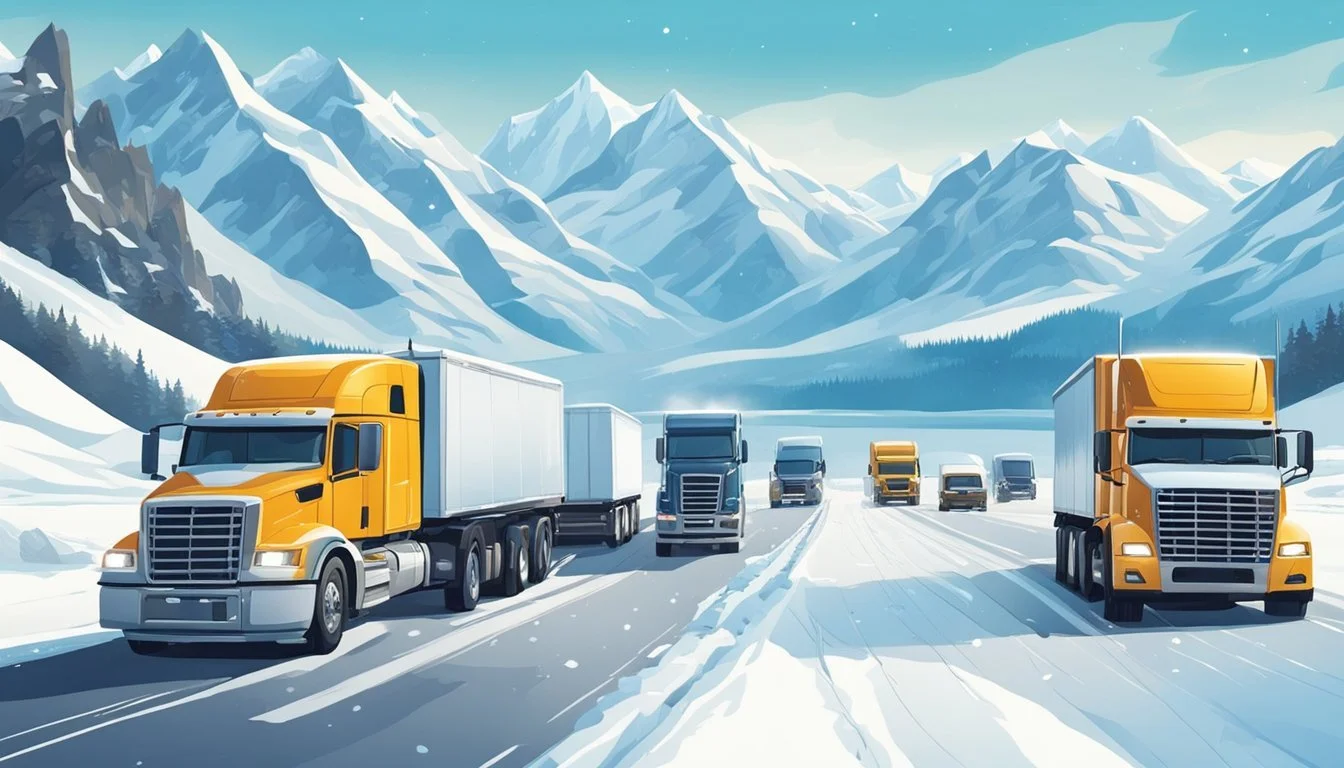
The East Coast presents unique logistical and environmental challenges for ice road truckers. Unlike remote northern routes, the East Coast often features denser traffic, unpredictable weather, and urban obstacles that require constant adaptation.
Drivers must navigate narrower roads, older infrastructure, and increased congestion. Creative problem-solving is essential when dealing with limited maneuvering space and frequent stops.
Environmental conditions vary rapidly, with coastal storms bringing sudden ice, snow, or flooding. Truckers must remain alert and use innovative methods to maintain safety and schedule adherence.
Beyond the East Coast, regions like the Lower East Side or remote northern territories each have distinct obstacles. In the northern areas, extreme cold and isolated stretches test vehicle reliability and driver endurance.
Below is a table summarizing key obstacles in different regions:
Region Key Challenges Creative Responses East Coast Dense traffic, storms Route planning, alternate stops Northern Canada Isolation, deep cold Pre-emptive maintenance, teamwork Urban Areas Infrastructure limits Flexible scheduling, communication
Drivers frequently develop region-specific strategies such as using local traffic data, collaborating with other haulers, or adjusting driving techniques to suit road conditions.
Adaptability to diverse regulations and regional quirks further highlights the creative mindset required for success in these challenging environments.
Recognizing the Profound Impact of Creative Thought on the Industry
Creative thought has continually shaped the methods, technologies, and resilience seen in ice road trucking. By rethinking standard procedures, the industry has improved efficiency, safety, and adaptability when facing harsh and unpredictable conditions.
Long-Term Benefits for Transportation
Creativity has led to innovative solutions for the specific challenges of remote ice roads, such as unpredictable weather, shifting ice integrity, and limited communication infrastructure. Drivers and engineers have collaborated to design vehicles with unique tire systems and chassis reinforcements that better handle uneven, frozen surfaces.
Table: Notable Innovations in Ice Road Trucking
Innovation Description Adaptive Tire Tech Tires designed to grip and flex on the ice Smart Routing GPS and weather data optimize route choices Lightweight Loads Load dispersal to reduce ice pressure
Many logistics companies now use real-time data analytics and sensor networks to monitor routes, allowing for faster response to hazards. These changes not only reduce accidents but lower maintenance costs and minimize environmental disruption. Over time, creative problem-solving has set new standards for other sectors operating in extreme environments.
Inspiration for Future Generations
The creative strategies demonstrated on Ice Road Truckers have become a model for adaptability under pressure. Younger drivers and innovators in transportation, exposed to these stories and solutions, are motivated to pursue technical education, training, and applied research in harsh-climate logistics.
Television and case studies highlight real examples of problem-solving, making the field more accessible and attractive to those interested in transportation. These influences encourage the next generation to seek inventive approaches, fostering a culture where creative thought is valued and actively sought out for resolving complex challenges in the industry.
Supporting Creativity: Donations and Tax-Deductible Initiatives
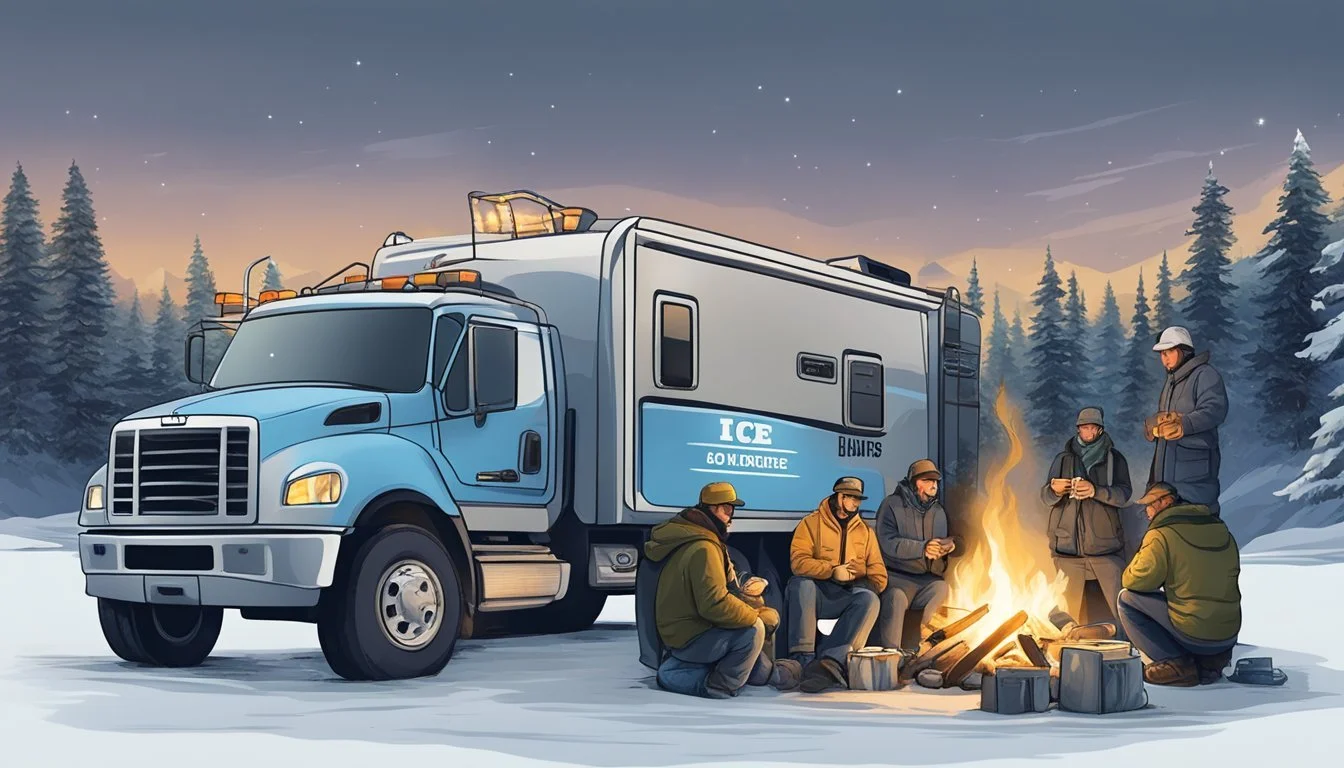
Investing in creativity is essential for ice road truckers facing complex challenges. External donations play a vital role in supporting innovative solutions, specialized training, and new equipment. Grants and charitable giving can fund creative problem-solving efforts, helping drivers adapt to unpredictable conditions on frozen roads.
Many organizations provide tax-deductible options for those wishing to encourage innovation. Donors can often claim charitable deductions when contributing to recognized nonprofits or specific industry programs. This approach motivates individuals and companies to give more, expanding resources available to the trucking community.
Key Benefits of Tax-Deductible Donations:
Benefit Description Financial Incentive Reduces tax burden for donors Increased Contributions Encourages higher donation amounts Broader Support Attracts both private and corporate donors
Programs supported by donations may include safety workshops, technology pilot projects, and creative skills development. These initiatives allow truckers to share new strategies and learn from each other's experiences.
Transparency and accountability in handling donations also build trust. Regular reporting and clear allocation of funds reassure supporters their contributions directly aid innovation within the industry.
By leveraging both direct donations and tax-deductible options, the ice road trucking sector can foster a culture of creativity. This collaborative effort enables truckers to better navigate the demanding environments they face.
