
How Ice Road Truckers Revolutionized Reality TV and Defined the Ice Road Trucking Genre
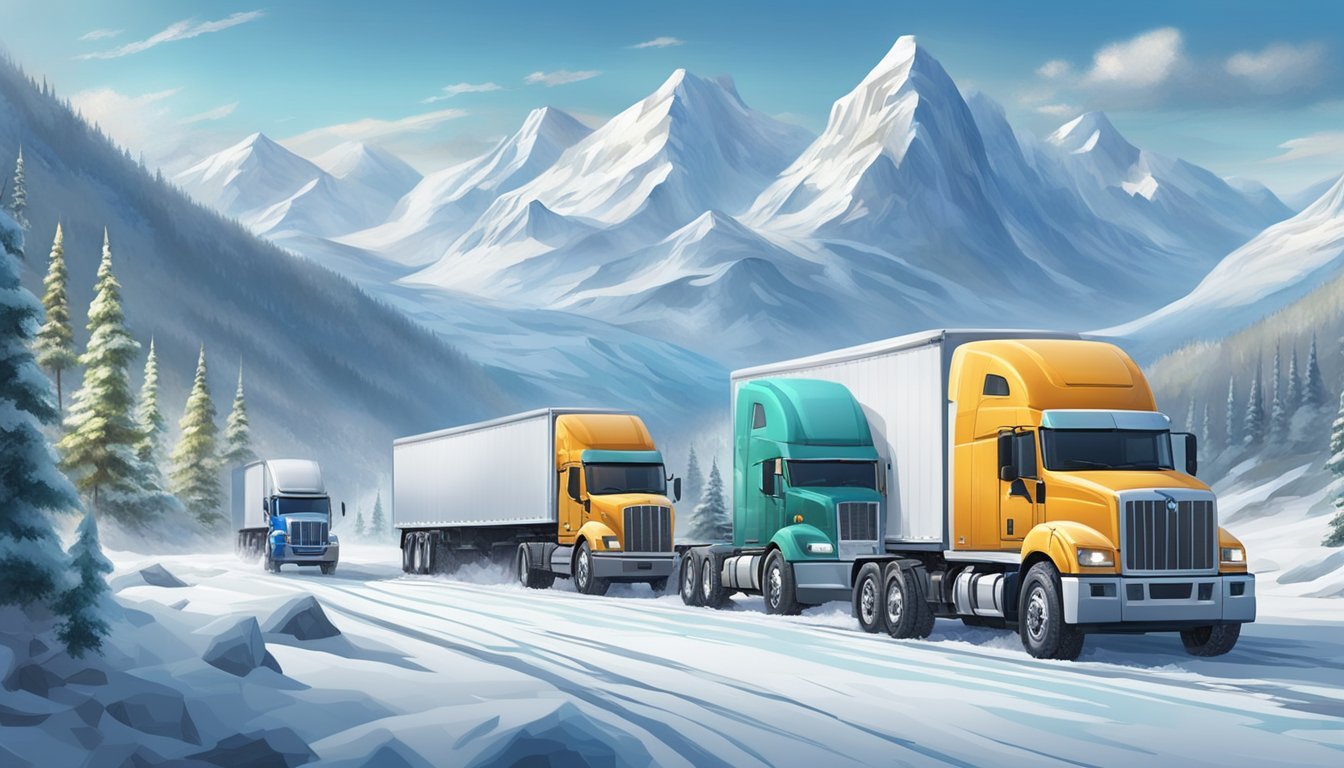
Ice Road Truckers pioneered the ice road genre by bringing mainstream attention to the challenges and realities of driving trucks over frozen lakes and remote arctic terrain. The show's depiction of real drivers navigating harsh weather, unpredictable ice conditions, and isolated routes introduced millions of viewers to a world that was largely unknown outside northern communities.
By focusing on the everyday lives and experiences of veteran ice road drivers, the series created a template for future shows and documentaries about extreme trucking. Its success demonstrated that audiences were interested in the genuine risks and skills involved in transporting essential supplies across hazardous, frozen landscapes.
Origins of the Ice Road Trucking Genre
The ice road trucking genre emerged from a unique mix of real-world danger, evolving reality television formats, and growing interest in high-risk professions. Its foundation was laid by both the progression of unscripted TV and the public's increasing appetite for authentic adventure.
Predecessors in Reality Television
Reality television as a format gained traction in the late 1990s and early 2000s with programs like Survivor, The Real World, and COPS. These shows established the appeal of real people facing unpredictable situations.
Shows focusing on work environments, such as Deadliest Catch and Dirty Jobs, further advanced the reality show landscape. These series demonstrated that ordinary jobs, when set in extreme conditions, could attract significant attention.
Ice road trucking entered this lineage, providing a fresh take on reality entertainment by focusing on truck drivers battling harsh elements. The combination of documentary-style storytelling and unscripted drama was key to its resonance.
Emergence of Dangerous Jobs as Entertainment
By the mid-2000s, TV producers began spotlighting high-risk professions, recognizing that viewers were drawn to authentic danger. Ice Road Truckers debuted in 2007, zeroing in on drivers who hauled heavy loads across frozen rivers and remote northern routes.
The hazards—thin ice, mechanical breakdowns, and extreme isolation—became key elements of the show’s entertainment value. Unlike scripted dramas, these risks were real and ever-present, heightening suspense for the audience.
Ice road trucking as a reality show capitalized on the success of earlier dangerous job programs but carved out its own niche by focusing exclusively on a specific, treacherous environment.
Audience Appetite for Adventure
Viewer demand for high-stakes adventure shaped much of reality television’s trajectory. Audiences sought not only entertainment but experiences that felt immediate and unscripted.
Ice Road Truckers fit this demand by highlighting ordinary individuals performing extraordinary feats. The show offered a rare look into the daily lives and challenges of ice road drivers, blending real life with the thrills of adventure.
Statistics and ratings from its run indicated strong viewership, confirming that the authentic risks and rugged scenery appealed to a wide demographic. For many, it was an opportunity to witness danger and perseverance from the safety of their living room.
How Ice Road Truckers Set the Standard
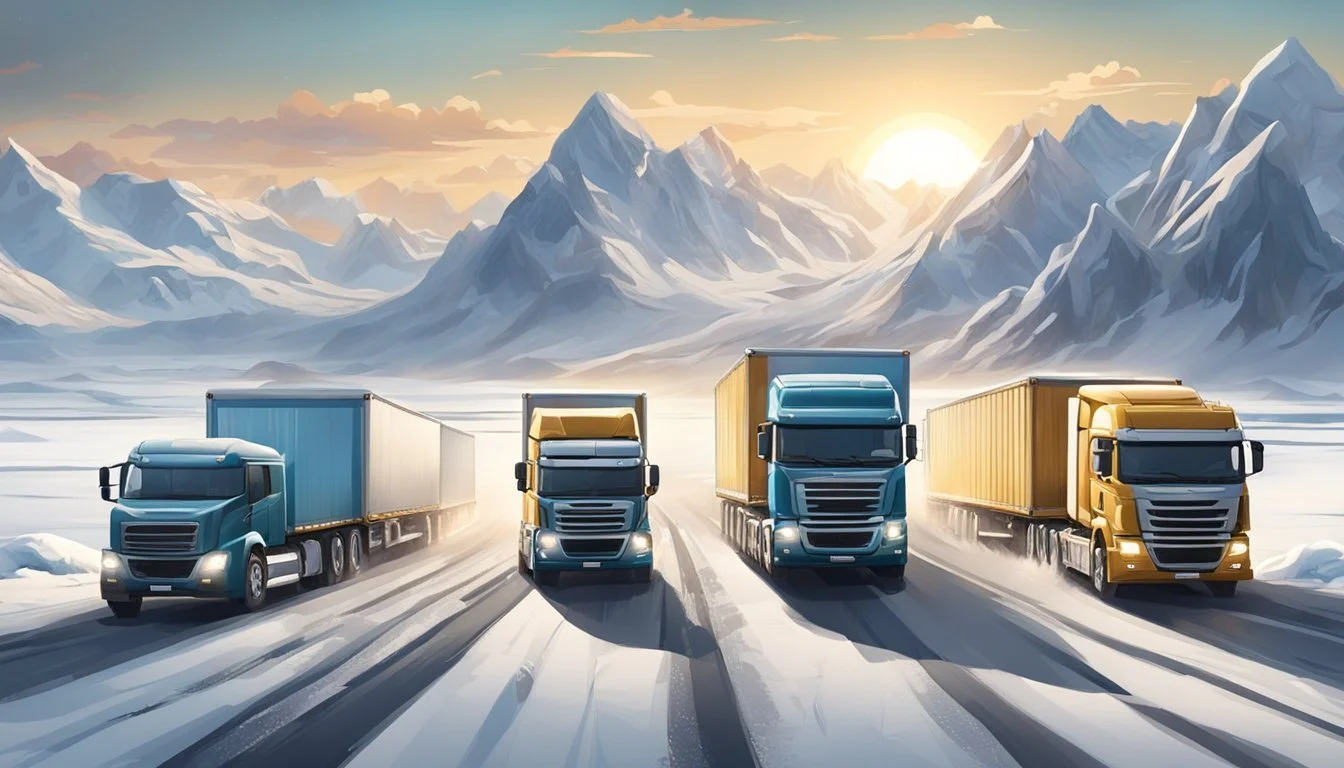
Ice Road Truckers, which debuted on the History Channel, played a defining role in bringing the world of ice road driving to mainstream audiences. Its impact can be traced through its visual techniques, suspense-driven storytelling, memorable personalities, and the practical hurdles faced by the production team.
Unique Visual Storytelling
The show distinguished itself with its clear, gritty cinematography. Camera crews faced extreme conditions to capture close-up shots of trucks careening over cracking ice and sprawling frozen lakes.
Use of dashboard cameras, aerial drone shots, and exterior rigs offered multiple perspectives. This allowed viewers to witness both the vast landscapes of northern Canada and the tense, intimate focus on drivers at the wheel.
By focusing on the detailed operations of loading and unloading, navigation, and mechanical fixes in bitter weather, the show allowed the realities of ice road trucking to unfold visually. Lists, graphics, and scene overlays explained risks and environmental pressures, making complex situations understandable.
High-Stakes Suspense and Drama
Suspense played a central role. Each episode portrayed real consequences: trucks breaking down, drivers facing whiteouts, and potential ice collapses.
The unpredictable environment was made tangible by repeatedly highlighting the consequences of truck weight, speed, and temperature. Cliffhanger scenes at the end of episodes—like trucks stranded in the middle of a lake—created urgency and made the audience invest in each journey.
Frequent weather updates and dispatch calls heightened drama, emphasizing the life-or-death nature of the truckers’ work. The fear of falling through the ice or enduring mechanical failure was never far from viewers’ minds.
Iconic Cast Members
The series featured a rotating cast of real truckers, such as Alex Debogorski, Lisa Kelly, and Hugh Rowland, each with unique backgrounds and personalities.
Viewers learned about their family lives, motivations, and the camaraderie or rivalries between drivers. This character-driven focus made their stories relatable, increasing investment in their successes and setbacks.
The cast’s authentic experience lent credibility to the show. Diverse personalities and viewpoints added depth, allowing the audience to understand the broader culture and stakes of the ice road trucking industry.
Production Challenges on Set
Filming in subzero temperatures came with constant risks. Camera crews had to keep equipment functioning in extreme cold while ensuring their own safety on treacherous routes.
Production teams implemented strict protocols:
Custom-built camera housings to withstand frost
Daily checks for gear functionality
Emergency support vehicles on standby
Logistics of following the truckers also meant adapting to the unpredictable schedules of the drivers and road closures due to weather. Crew training in cold-weather survival and safety was mandatory, ensuring the show’s continuous filming under tough circumstances.
Influence on Other Reality Shows
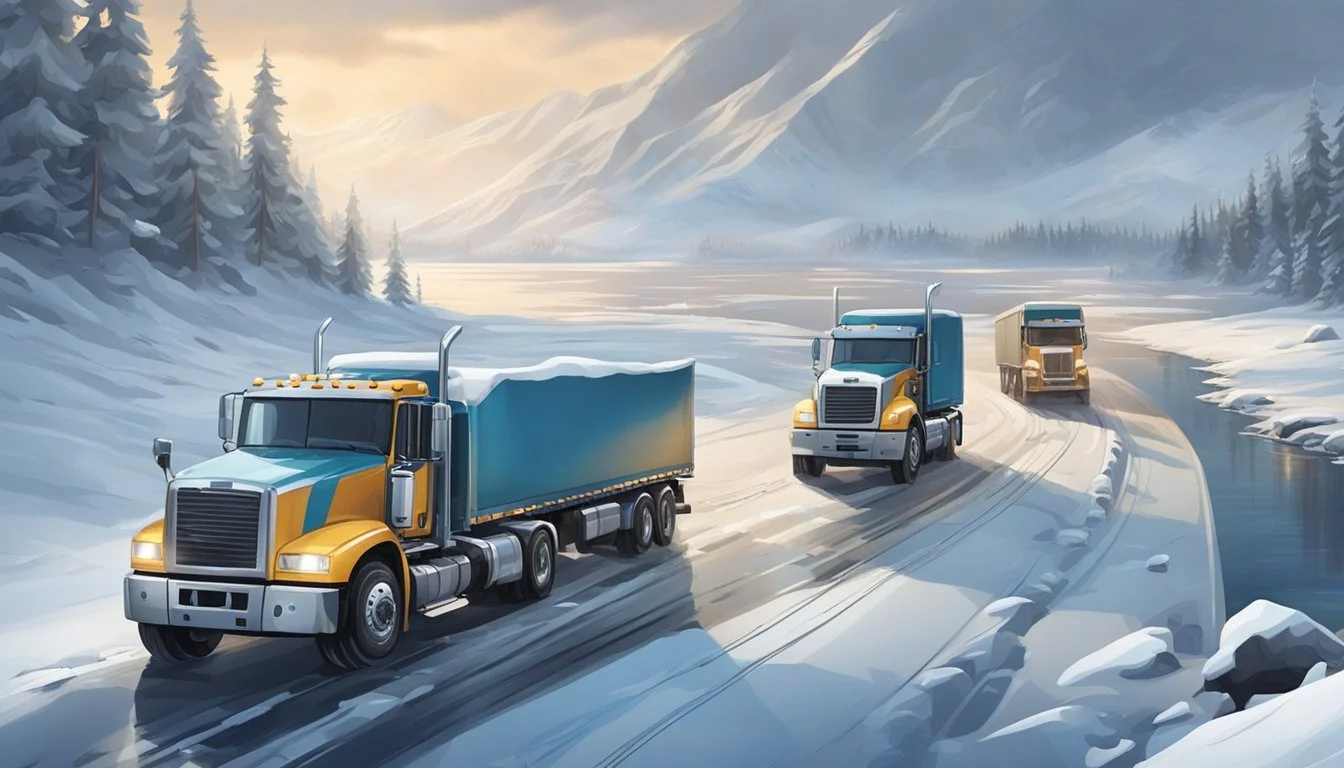
Ice Road Truckers shaped the direction of reality television by highlighting hazardous jobs and bringing niche professions to mainstream audiences. Its format and focus on actual working conditions set a template that other series began to follow, particularly those centered on high-risk tasks.
Comparison With AX Men
Ice Road Truckers and AX Men share a focus on remote, physically demanding, and perilous work environments. Ice Road Truckers documented the lives of drivers facing treacherous frozen roads, while AX Men followed loggers working in dangerous forests.
Both shows emphasized the challenges and unpredictability of these jobs. They also spotlighted the personalities involved, offering a blend of work process, personal conflict, and environmental hazards.
Significantly, Ice Road Truckers debuted before AX Men, giving it an early role in establishing the appeal of job-based reality TV in dangerous settings. The success of Ice Road Truckers demonstrated viewer interest in such themes, which likely encouraged networks to invest in similar series like AX Men.
Expansion of the Dangerous Professions Subgenre
The popularity of Ice Road Truckers contributed to a noticeable increase in reality shows about hazardous professions. Networks recognized the viewer appeal in watching skilled workers face daily dangers under real conditions.
Series covering fishing, logging, and mining, such as Deadliest Catch and Gold Rush, soon appeared. These shows used formats similar to Ice Road Truckers—emphasizing teamwork, risk management, and personal stories within dangerous fields.
A key impact was the expansion of the reality subgenre devoted to dangerous work, offering audiences insight into industries that had rarely been televised before. This shift also led to an increased appreciation for the complexity and hazards involved in these professions.
Global Impact of the Ice Road Genre
Ice Road Truckers established a unique place within reality television by giving viewers an inside look at a challenging and often dangerous profession. Its popularity influenced entertainment trends and perceptions in multiple countries.
International Adaptations
The format used by Ice Road Truckers inspired other countries to explore reality shows centered on remote and treacherous routes. Localized versions have appeared in regions such as Russia and Scandinavia, highlighting their own hazardous winter roads and logistics networks.
Networks in Europe and elsewhere created spinoffs or series with similar themes, adapting the concept to different landscapes, climates, and cultural contexts. This spread helped to solidify the "ice road genre" as an internationally recognized segment of reality TV.
Such adaptations introduced new audiences to the realities of extreme trucking, bridging geographic and cultural divides. The show's influence extended well beyond its original North American setting, prompting broadcasters to seek authentic footage and stories from their own arctic or remote territories.
Cultural Perceptions of Reality TV
Ice Road Truckers shifted how reality television depicts working-class professions and danger in entertainment. Audiences around the world became more aware of the demands and risks that ice road truckers face, as the show focused on physical endurance, quick decision-making, and teamwork.
The series encouraged viewers to view reality TV as a medium for real-world challenges rather than just competition or lifestyle. This contributed to a greater appreciation for unscripted shows centered on everyday jobs rather than celebrity lifestyles.
In some regions, reactions to the dramatization and editing of high-risk moments sparked debates about the authenticity of reality TV. These discussions contributed to broader media literacy and awareness of production techniques in factual entertainment programming.
Legacy and Tribute to Ice Road Truckers
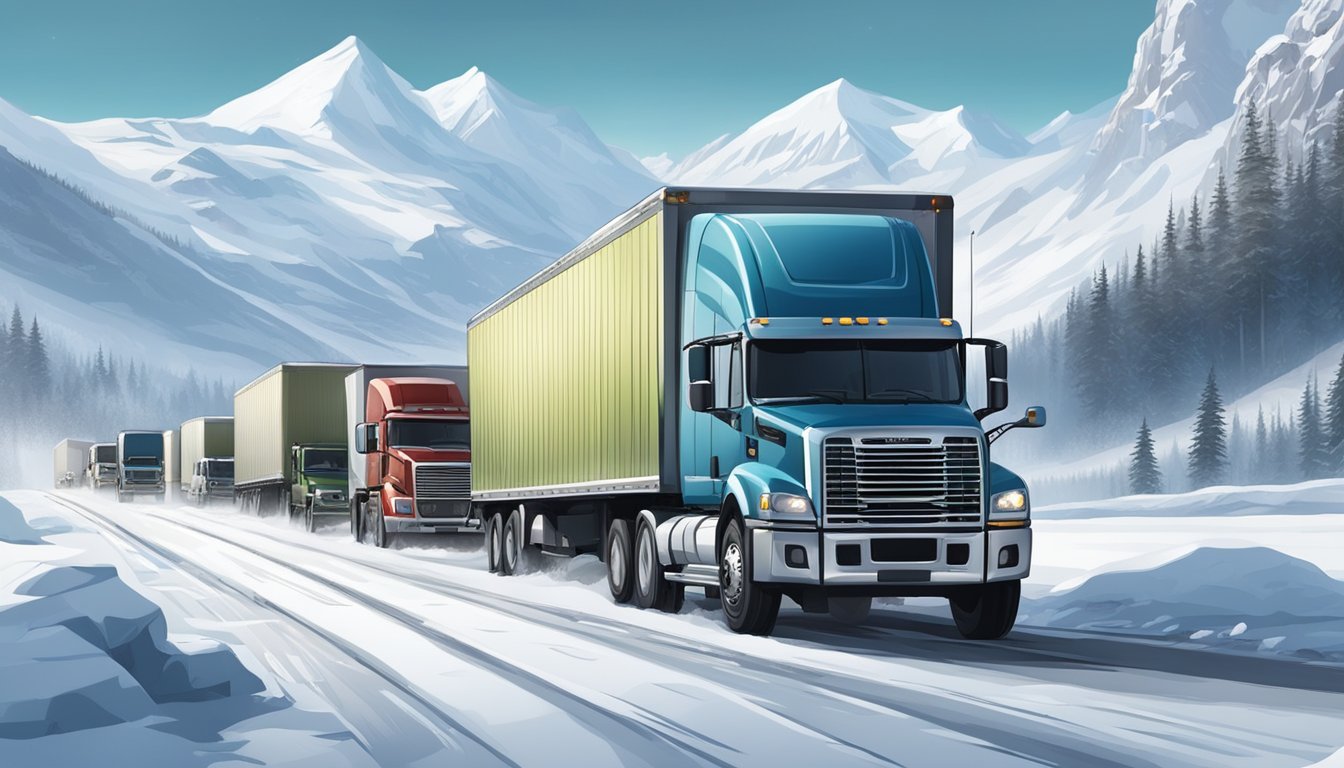
Ice Road Truckers left a clear mark on television and raised public awareness of the realities truck drivers face in remote regions. The series inspired discussions about extreme working conditions and shined a light on the personal stories behind each haul.
Lasting Popularity and Fanbase
Since its debut, Ice Road Truckers has continued to attract viewers from around the world. The show's blend of real-life danger, unique Arctic scenery, and human drama made it a staple for fans of reality television.
Over several seasons, the program developed a strong fanbase across the US, Canada, and Europe. It remains available on streaming platforms, keeping its episodes accessible to new audiences.
Fan forums and social media groups remain active years after the series end. Viewers share favorite moments, discuss episodes, and celebrate the drivers’ achievements. Merchandise such as hats, shirts, and model trucks continue to be sold, showing lasting interest.
Honoring Real-Life Drivers
The series is notable for its authentic portrayal of the truckers who brave some of the world’s most dangerous roads. Several drivers, including the late Darrell Ward, became icons within the trucking and television communities.
Tributes to the cast, especially those who have passed away, are common within the fan community. After Darrell Ward's tragic passing in 2016, fans and fellow drivers paid respects through memorial posts, videos, and special tribute episodes.
Many viewers gained a greater respect for truck drivers through the show. The drivers’ stories highlight the skill, resilience, and risks involved in making vital deliveries under extreme winter conditions. Their work received wider appreciation because of this series.
