
The Origins of Ice Road Truckers: How the Hit Reality TV Series Revolutionized Adventure Television
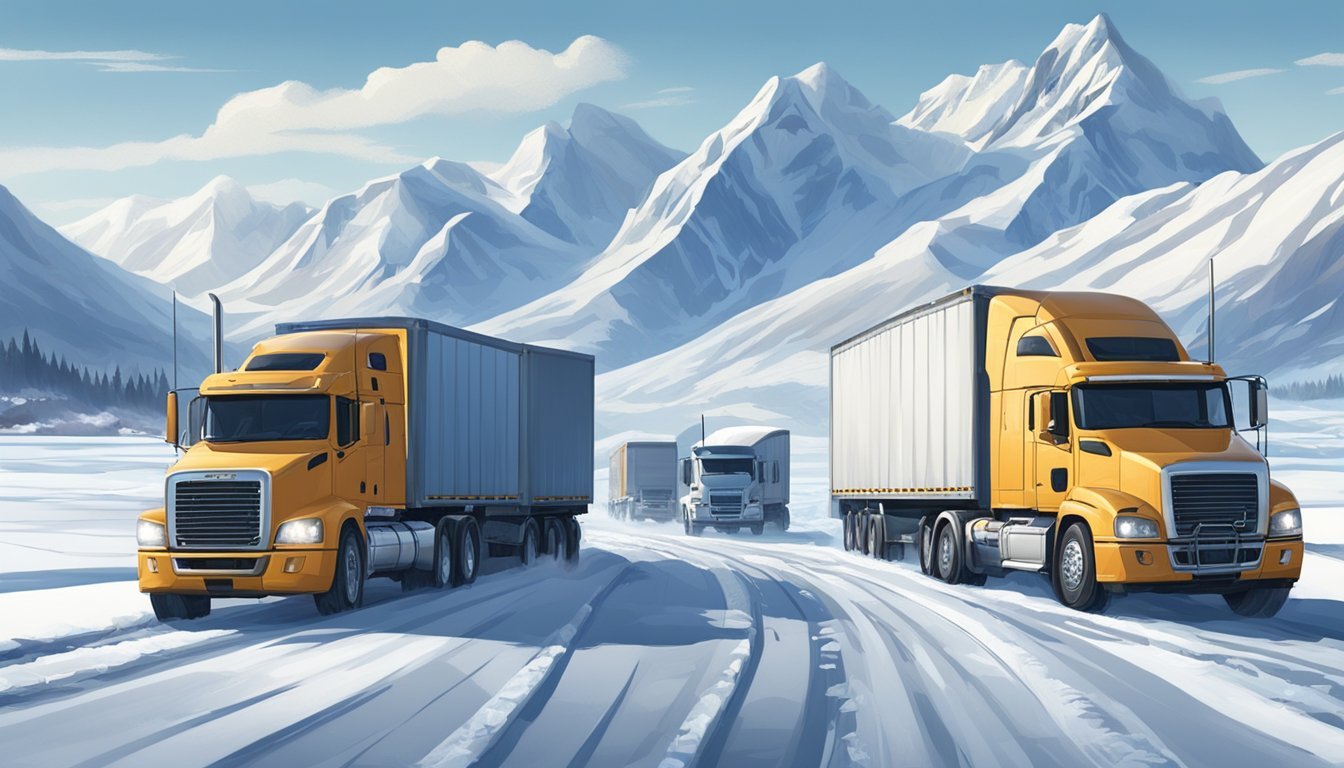
Ice Road Truckers began as a reality television series in 2007, bringing viewers an inside look at the dangers and day-to-day challenges faced by truck drivers navigating frozen roads in remote regions. The show quickly stood out on the History Channel by focusing on real people working under some of the harshest conditions in Canada and Alaska, driving across icy lakes and snowy terrain to deliver vital supplies.
Its appeal came from more than just the extreme environments; audiences were drawn in by the authentic struggles and personalities of the truckers themselves. Over a decade on air, Ice Road Truckers helped shape the reality TV landscape by highlighting a unique profession that few people ever experience firsthand.
The Concept of Ice Road Truckers
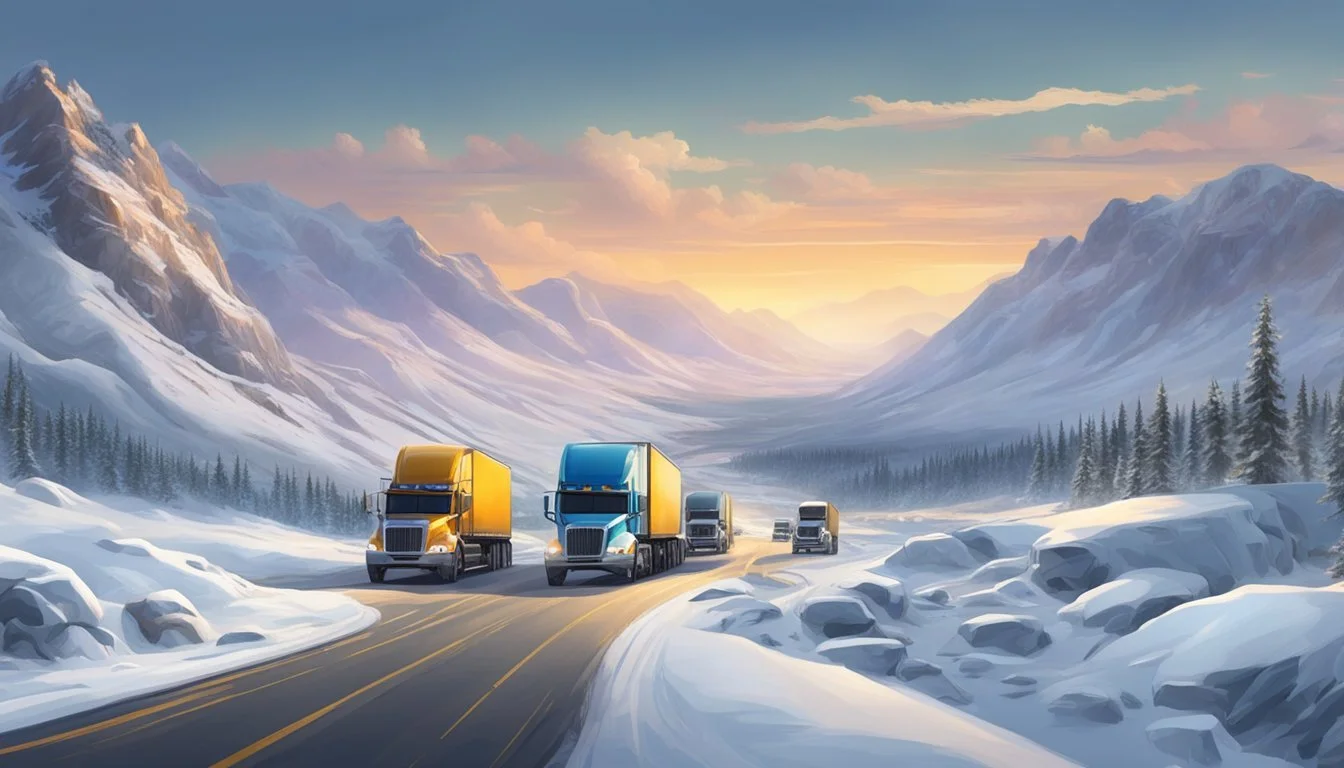
Ice Road Truckers introduced audiences to the unique world of truck drivers navigating frozen roads in northern Canada and Alaska. The series focused on the real dangers, logistics, and human stories behind transporting vital goods across perilous terrain.
The Birth of an Unlikely TV Hit
Ice Road Truckers debuted in 2007 on the History Channel, spotlighting a profession that was largely unknown to television viewers. The show was inspired by actual trucking operations on ice roads—seasonal routes constructed over frozen lakes and rivers.
Producers chose to document the high-stakes journeys and the camaraderie among drivers as they braved the isolated North. This authentic look attracted a broad audience, making the show a long-running reality hit.
Truckers like Lisa Kelly became recognized personalities, with their skill and perseverance showcased each season. The portrayal of their daily risks—thin ice, severe storms, and mechanical failures—offered an honest perspective rather than exaggerated drama.
The show also raised awareness of trucking-related charity events, such as the truck convoy for the Special Olympics. These segments highlighted the community side of the trucking industry.
Exploring the Harsh Environment of Ice Roads
The ice roads cross remote regions in Canada's Northwest Territories and Alaska. Built each winter, these frozen highways are crucial for delivering fuel, equipment, and supplies to isolated communities and work sites.
Temperatures in these regions often fall below -30°C (-22°F), causing the ice to thicken and become suitable for heavy loads. However, even minor temperature changes can create hazardous conditions by weakening the ice surface.
Drivers work alone or in convoys, using CB radios for communication and coordination. Safety procedures are strictly followed, including speed limits and distance between trucks to prevent cracking the ice.
The environment is hostile, with snowstorms reducing visibility and thin ice posing risks of trucks breaking through. Equipment must be reliable and well-maintained due to the lack of support services in these isolated areas.
Developing Reality TV on the History Channel
History Channel played a central role in shaping non-fiction entertainment by investing in projects that highlighted unique professions. This included the development of programs focused on high-risk jobs and authentic challenges.
Collaborative Production Efforts
When developing Ice Road Truckers, History Channel partnered with established production companies skilled in unscripted programming. These teams combined logistical planning with storytelling expertise. The initial pilot required careful coordination between producers, local authorities, and trucking companies operating in the Northwest Territories and Alaska.
Teams gathered input from actual drivers and industry specialists to ensure a realistic portrayal of the work. Safety was always a high priority due to the inherent dangers of filming on icy roads. Production staff collaborated closely with drivers, adapting filming schedules to severe weather and road conditions. This teamwork was essential to capture everyday risks without manufacturing drama.
Selecting the Crew and Equipment
Recruiting the appropriate crew and equipment was a detailed process. Producers needed both experienced camera operators and technical staff familiar with cold, hazardous environments. Camera equipment had to withstand subzero temperatures, vibration, and moisture common to remote ice roads, often requiring custom protective housings.
Casting focused on finding real truck drivers with remarkable skill and strong personalities. The team searched for individuals who could handle high-pressure deliveries and communicate their experiences clearly on camera. This approach allowed everyday professionals to become unexpected reality TV stars, lending the series its authenticity and appeal.
Equipment lists included not just filming gear but also backup supplies, safety kits, and all-weather transport vehicles. Every logistical choice supported both the narrative goals and the crew’s well-being, ensuring smooth operations even under the harshest conditions.
Life on the Ice Roads
Ice road trucking demands specialized skills from drivers as they contend with extreme winter weather, treacherous routes, and the critical responsibility of delivering supplies to remote northern communities. The unique conditions of frozen lakes and temporary roads shape every aspect of their daily work.
Facing the Challenges of Winter
Truck drivers face subzero temperatures that regularly drop below -40°C, which not only pushes human endurance but also tests the reliability of their vehicles. Frostbite and hypothermia are ongoing risks for anyone working outside, forcing drivers to wear layers of insulated gear and to monitor themselves and their trucks carefully.
Harsh winds can turn routine drives into blinding whiteouts. Visibility drops, increasing the likelihood of accidents on narrow, icy paths. Engines are kept running during stops to prevent fuel from freezing, as a stalled truck can quickly become life-threatening in such remote environments.
Regular maintenance is critical. Drivers check tire chains, brakes, and heating systems throughout their trips. They must be prepared for mechanical issues that could arise far from any assistance, often carrying their own repair tools and emergency kits.
Hauling Vital Supplies
Ice road trucking’s primary role is the delivery of vital supplies—fuel, food, building materials, and machinery—across vast, isolated regions where access is possible only in winter months. Communities and industries north of the Arctic Circle depend entirely on these shipments while the ice roads last.
Loads are carefully organized and scheduled. Typical cargo includes:
Type of Supply Examples Fuel Diesel, propane Construction materials Lumber, steel beams Food and medical goods Non-perishables, medicine Equipment Mining gear, generators
Every delivery must be made before the ice thaws and roads vanish for the season. Late shipments can mean shortages that impact entire towns or industries, raising the pressure on drivers to be both fast and cautious.
Navigating Frozen Lakes and Dangerous Conditions
Unlike traditional highways, many routes consist of ice roads built directly over frozen lakes and rivers. Drivers rely on ice thickness measurements and speed limits to reduce stress on the ice, avoiding sudden stops or sharp turns that could cause it to crack.
Transport companies set strict weight restrictions for trucks, with loads matched precisely to daily ice conditions. Convoys are often used for safety, with vehicles spaced far apart to distribute weight.
Weather shifts can quickly make a safe route dangerous. Snowdrifts, cracks, and hidden slush patches create unpredictable hazards. Drivers may need to wait for ice repairs or turn back entirely when conditions deteriorate, highlighting the constant risk and uncertainty of ice road trucking.
Key Figures and Influences in the Series
"Ice Road Truckers" brought global attention to the high-stakes world of long-haul trucking over frozen terrain. The show’s appeal came from both its unforgettable personalities and the tension created by dangerous routes and colorful character rivalries.
Darrell Ward’s Legacy
Darrell Ward became one of the most recognizable and respected figures on "Ice Road Truckers." Known for his calm under pressure, Ward developed a reputation as a skilled and pragmatic driver. His mentorship to younger drivers and willingness to tackle the toughest routes made him a fan favorite.
Ward’s influence on the series extended beyond his driving skills. He brought teamwork and a collaborative attitude to the screen, often stepping in to help others during emergencies or equipment failures. After his untimely passing, his legacy has been credited with shaping the show’s culture and inspiring viewers with a real sense of community on the ice roads.
Memorable Truckers and Villains
The series owes much of its popularity to a cast of memorable truckers and a few so-called "villains." Drivers like Lisa Kelly stood out for breaking stereotypes in the industry, and her determination became an important storyline. Alex Debogorski is another notable personality, known for his humor and years of experience.
Personalities clashed frequently, which fueled the show’s drama. Rivalries between drivers led to tense moments on-screen, with some cast members being portrayed as antagonists. These rivalries added a competitive edge, illustrating not just the dangers of the job but also the strong egos that navigated the icy routes.
Notable Incidents and Behind-the-Scenes Stories
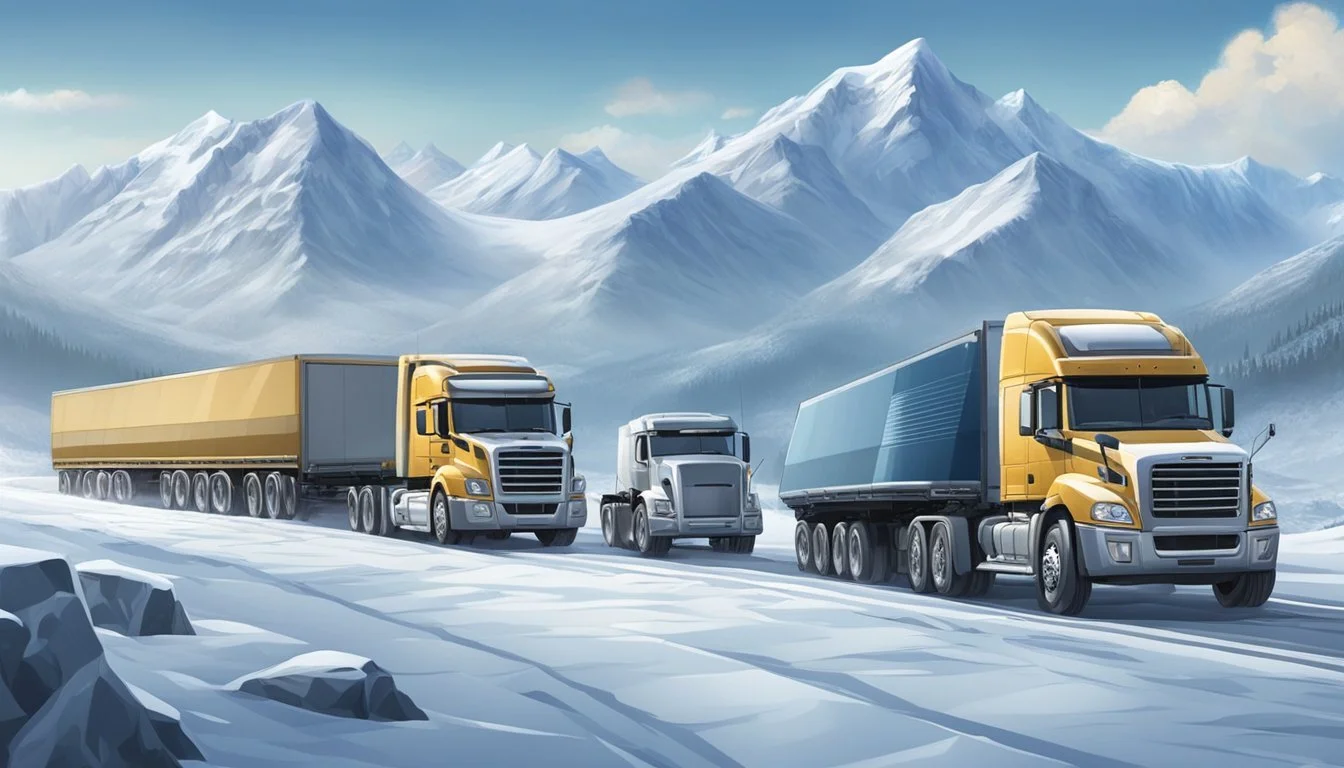
Ice Road Truckers became known for showcasing real on-the-job dangers, unexpected disasters, and the remarkable resourcefulness of its cast and crew. The most memorable incidents often involved accidents in remote areas and the tough recovery operations that followed.
Plane Crash and Recovery Efforts
A significant moment in the series was the documented effort following a plane crash along one of the ice roads. The aircraft, a small private plane, crashed during a winter storm, emphasizing the unpredictable conditions faced in northern regions. Recovery teams worked in frigid temperatures, making logistics challenging.
The process involved securing the wreckage before it sank or was lost under drifting snow. Coordinating between ground crews and available air support, they used specialized equipment to access the crash site. Safety remained a top concern due to unstable ice.
This incident highlighted not only the perils of travel in such remote areas but also the teamwork and perseverance required for recovery missions. Quick response time and local knowledge were essential in preventing further loss or environmental harm.
Missoula and the Plane Wrecks
Missoula, Montana, served as a central location for discussions about aviation-related risks on the show. Several cast members and crew lived or worked in areas where small plane travel is common, resulting in higher exposure to aviation accidents and wrecks.
Notable stories included the challenges faced in identifying downed aircraft in vast, wooded terrain. Locals often played a key role in reporting sightings or suspected crash sites. Recovery efforts in the Missoula region underscored how terrain and weather could slow or complicate these missions.
Table: Factors Impacting Recovery Near Missoula
Challenge Impact on Recovery Efforts Dense forest Delays in locating wreckage Steep terrain Difficult transportation of equipment Sudden weather shifts Increased safety risks for recovery teams
The program shed light on how close-knit communities organized quickly in response, emphasizing cooperation between first responders and residents.
The Cessna 182 Story
One particular case involved the crash of a Cessna 182 in a rugged area accessible only by ice road or small aircraft. The crew highlighted the dangers inherent to single-engine flight across vast, isolated stretches of wilderness. When the Cessna 182 went down, the harsh weather and distance from major resources complicated immediate rescue or recovery.
Key facts about the Cessna 182 incident:
Crash site was isolated, accessible only in winter via temporary ice roads.
Responders had to track the wreckage before snowstorms could erase evidence.
Recovery teams faced risks from unstable ice and cold exposure.
The story displayed the coordination between aviation authorities and local drivers, with logistics planning playing a crucial role. This highlighted the dangerous yet necessary reliance on small aircraft for remote-area travel in the regions featured on Ice Road Truckers.
Documentary Influence and Broader Impact
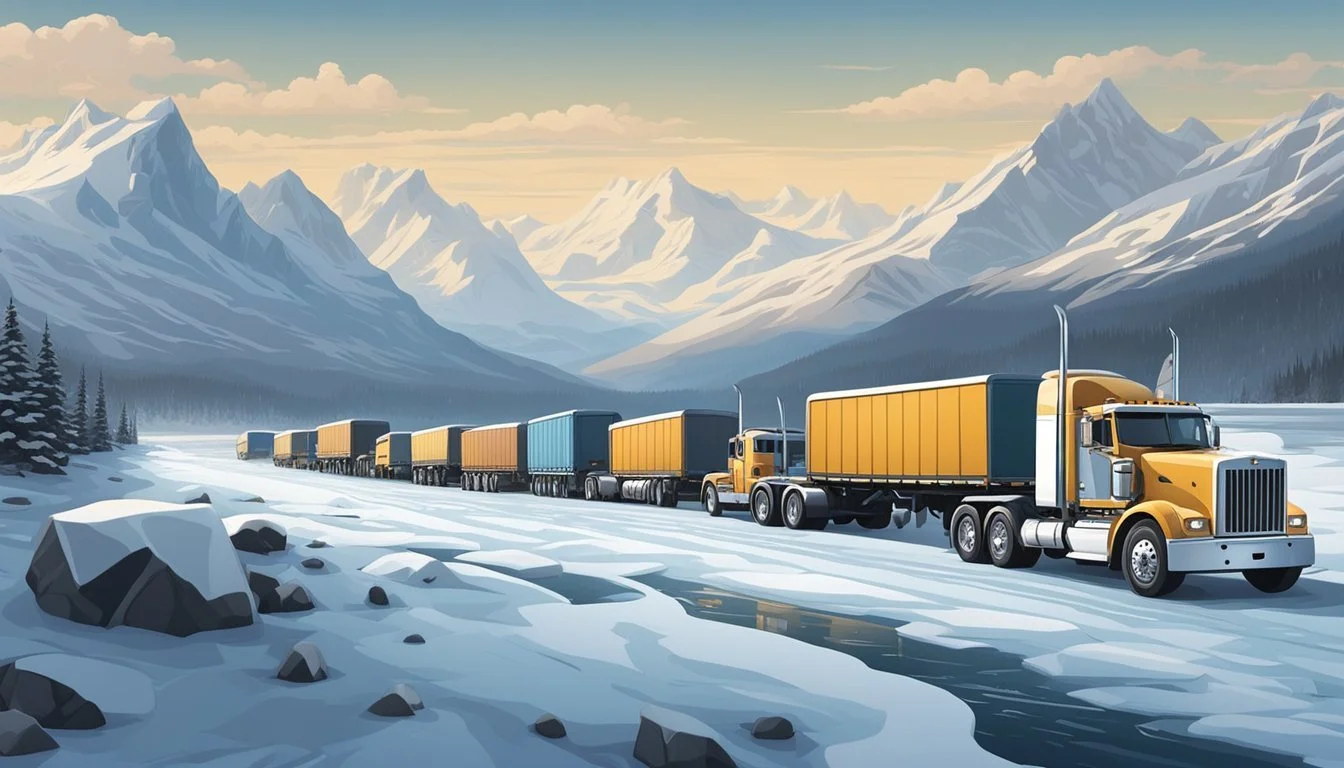
Documentary techniques shaped Ice Road Truckers and turned daily trucking on icy roads into an engaging television subject. The show also contributed to commercial trucking’s image and public understanding in distinctive ways.
Linking Fiction and Reality: The Ice Road
Ice Road Truckers draws on documentary methods, blending staged scenes with authentic moments. The use of real truckers navigating the ice roads of northern Canada and Alaska brings factual elements to the show. However, producers often amplify risk and conflict for entertainment, sometimes blurring the line between reality and storytelling.
Audiences see actual trucks, weather hazards, and the strategic planning that real drivers use to cross frozen lakes. Interview clips, vehicle-mounted cameras, and winter road footage create an authentic atmosphere. This approach helped the series bridge the gap between actual trucking documentaries and reality-based storytelling, making the dangers of the ice road accessible to viewers who might never experience them firsthand.
Contributions to Commercial Trucking Awareness
The series brought visibility to an often overlooked segment of the trucking industry. By showcasing the logistical and physical challenges of extreme winter trucking, the show highlighted both the risks and skills required in this unique field.
It provided insights into technical aspects of the job, including load security, emergency preparedness, and vehicle maintenance in severe cold. This exposure educated audiences about safety practices and regulatory concerns. As a result, Ice Road Truckers increased respect for drivers and broadened public understanding of the complexities behind commercial trucking in remote and hazardous conditions.
Community Engagements and Special Projects
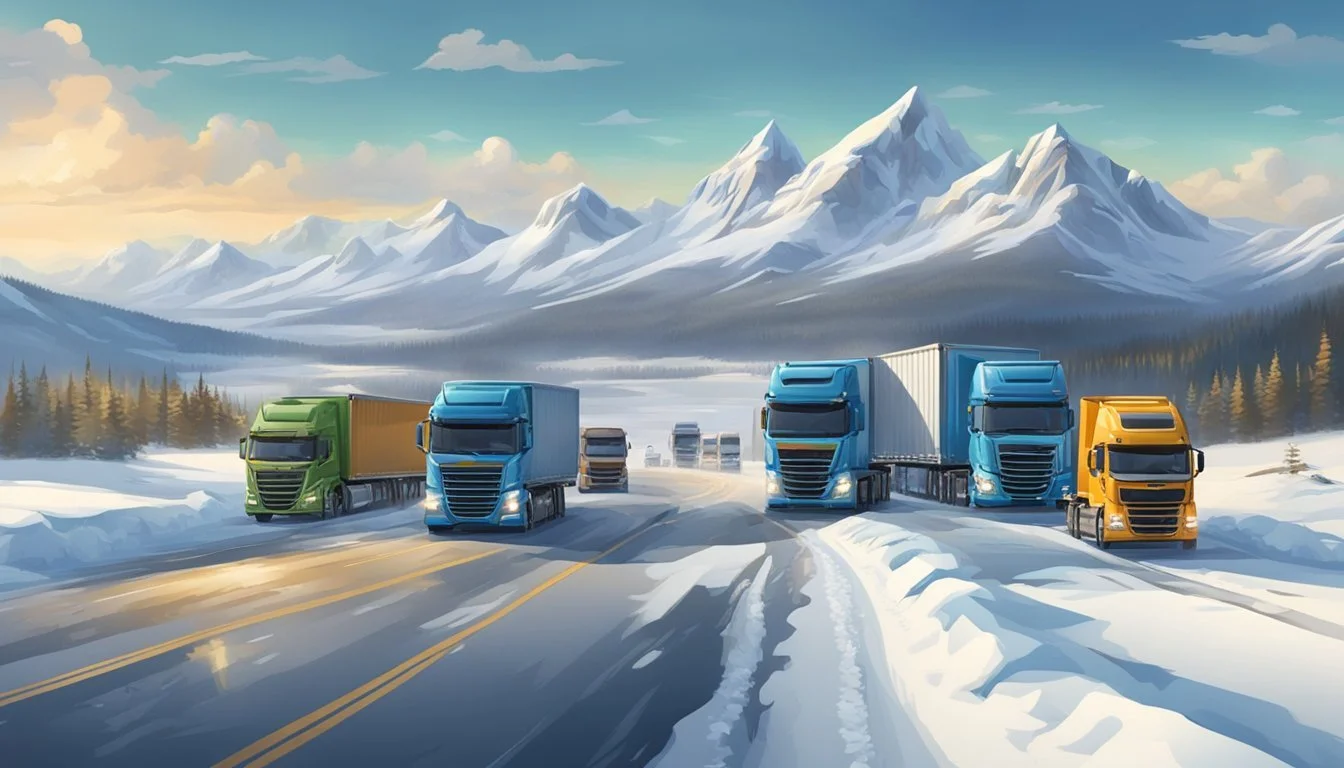
Members of the Ice Road Truckers cast and crew have participated in a range of community initiatives. Their efforts include organized food drives and providing hands-on assistance during disaster events.
Food Drives and Relief Efforts
The Ice Road Truckers have frequently contributed to food drive initiatives throughout their time in the public eye. They have helped gather donations of non-perishable goods for communities facing winter hardships, especially in remote northern regions where supply chain disruptions can be serious.
Key activities include:
Coordinating with local food banks in Canada and Alaska
Delivering supplies using their own vehicles when road access was uncertain
Participating in fundraising events to support relief programs
These efforts have highlighted the team’s ability to use their logistics skills for the benefit of communities in need. Both on and off camera, several truckers have encouraged fans to give back, creating a positive impact beyond their television presence.
Response to Louisiana Floods
Several alumni from the Ice Road Truckers show were involved in special relief efforts following the Louisiana floods. The 2016 floods, in particular, saw overwhelmed road networks and received national attention due to the scale of destruction.
Ice Road Truckers volunteers aided in the delivery of food, water, and essential supplies. Leveraging their experience with challenging routes and difficult terrain, they helped distribute goods to communities that were difficult to reach by standard vehicles.
Their participation included:
Assisting with logistics for nonprofits during immediate recovery
Driving trucks through flood-affected neighborhoods
Supporting local authorities by advising on transport routes
Their involvement reinforced the value of practical experience and community dedication, especially during emergencies.
Cultural Legacy of Ice Road Truckers
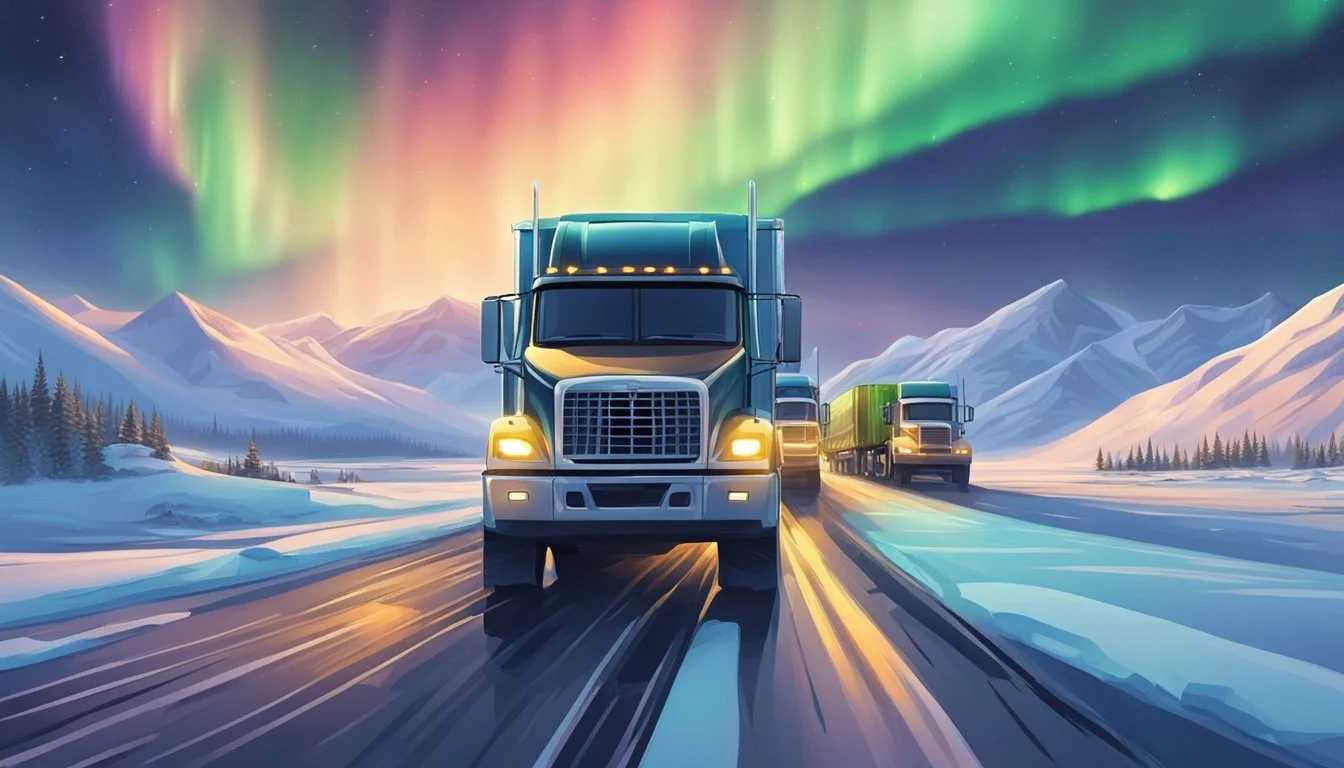
The series Ice Road Truckers brought large audiences face-to-face with the real challenges of driving in Canada’s far north. Its influence extended beyond television, shaping how people see remote communities and essential industries such as mining.
Impact on Yellowknife and Canadian Communities
Yellowknife became a focal point for viewers as the show highlighted the day-to-day life and difficulties faced in the city during winter supply runs. Tourism in Yellowknife increased, as fans were attracted by the scenery and the possibility of witnessing ice road activity.
Many Canadian communities saw their stories represented, including small villages that rely on ice roads for seasonal access to goods and services. Awareness about the logistical challenges and dangers associated with isolation in northern Canada grew.
Local economies sometimes benefited from renewed attention to their regions, with some businesses reporting more interest from both domestic and international tourists. The series also fostered respect for the resilience and adaptability of people living in harsh climates.
Influence on Miners and Related Industries
Ice Road Truckers showcased how critical ice roads are to the mining industry and other resource sectors in Canada. Mines in the Northwest Territories, such as those for diamonds and gold, depend on winter ice routes for transporting heavy equipment and supplies.
The show further clarified the close working relationship between truckers and mining operations. Delays or failures in supply deliveries could impact entire mining schedules and revenue, underlining the importance of these seasonal roads.
While the danger and drama of driving on frozen lakes and rivers often took center stage, the show also increased appreciation for behind-the-scenes logistics that keep mines operating. This visibility helped the public understand both the risks and the strategic importance of ice road infrastructure to Canada’s economy.
