
How Ice Road Truckers Revolutionized the Trucking Industry: Challenges, Impact, and Industry Insights
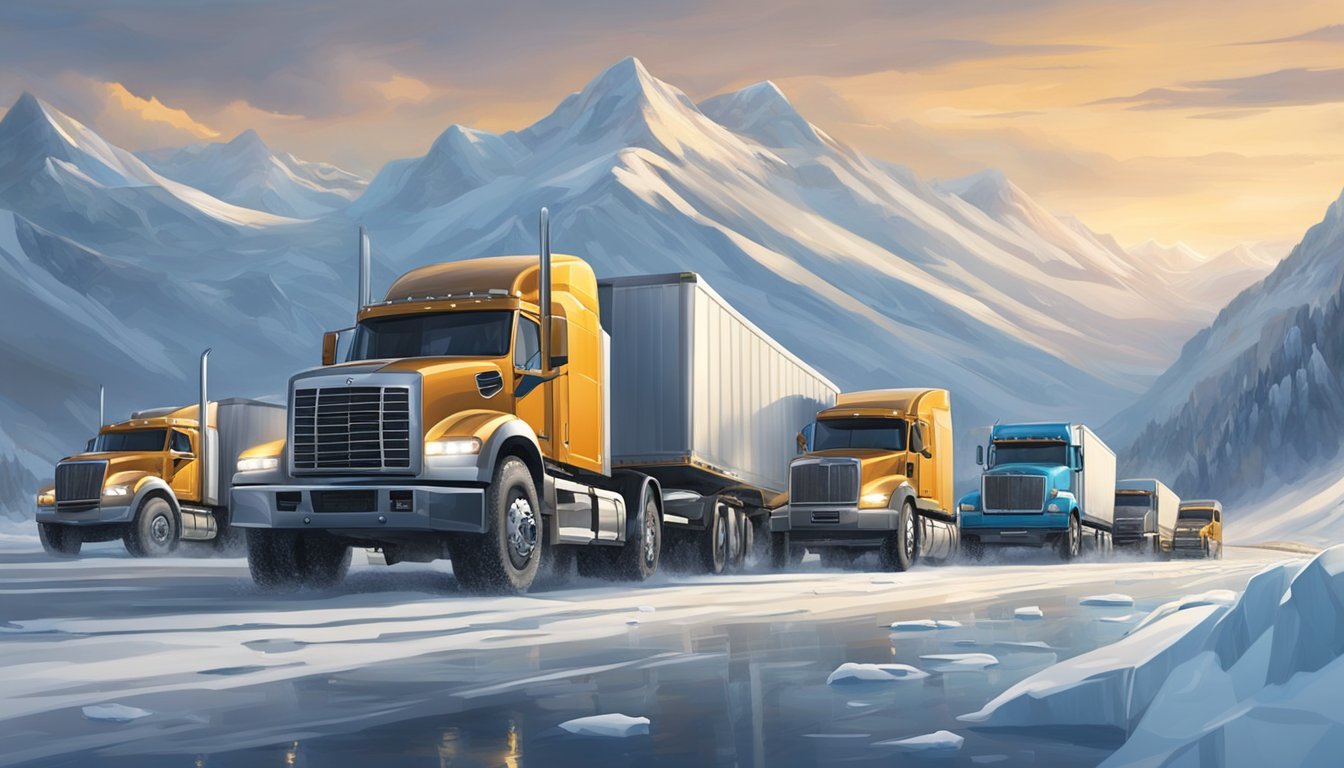
Ice road truckers operate in some of the most challenging environments, navigating temporary roads built over ice to deliver essential supplies and equipment to remote Arctic communities and job sites. Their work has brought national attention to the trucking industry, highlighting not only the unique dangers but also the significant role these drivers play in keeping critical supply chains moving under extreme conditions.
The demand for skilled ice road truckers has driven up wages and attracted interest in both the profession and the broader field of trucking, especially as large projects in isolated regions continue to expand. Their presence has influenced industry standards for safety, endurance, and adaptability, setting a benchmark for what truck drivers are capable of achieving in high-risk scenarios.
For readers interested in how this specialized group impacts the perception, pay, and practices of the trucking industry at large, the story of ice road truckers offers valuable insights into the evolving landscape of freight transport in harsh environments.
Overview of Ice Road Truckers
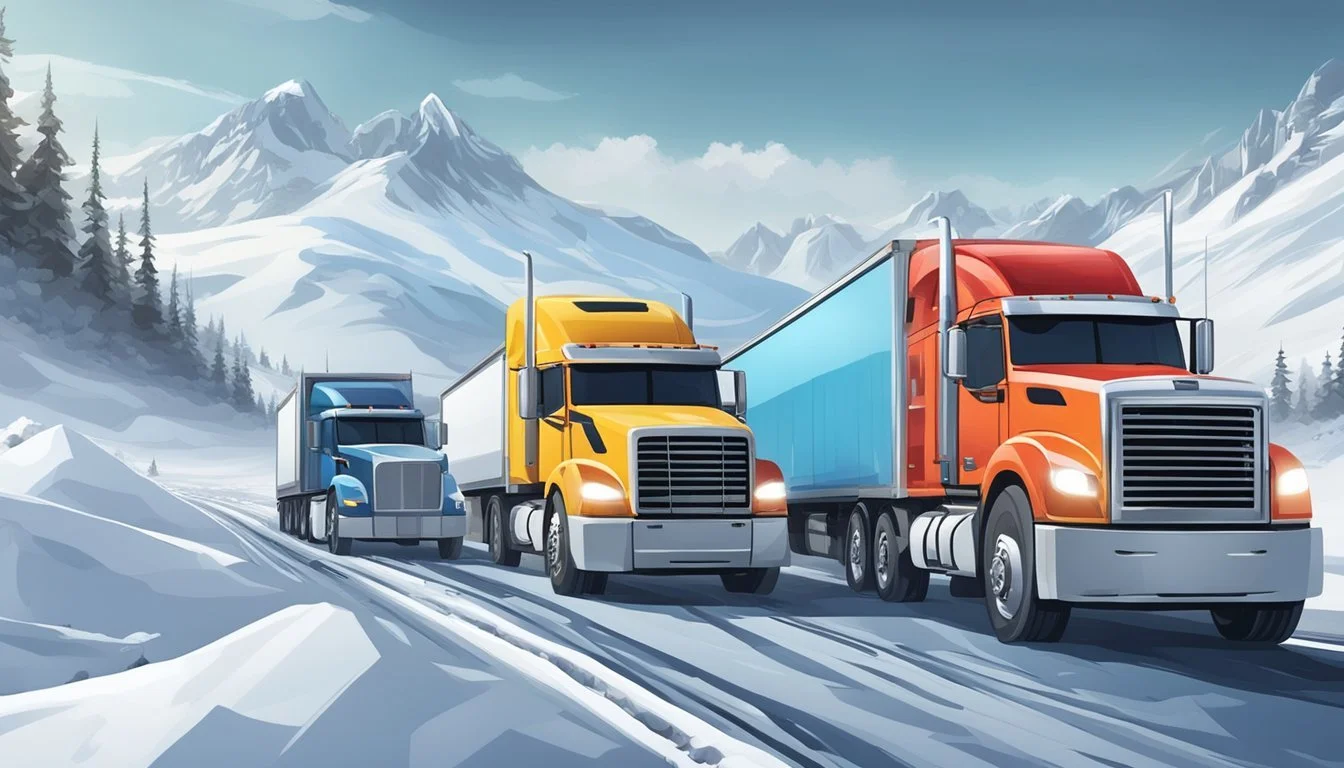
Ice road trucking is a specialized segment of the freight industry. It involves transporting goods over frozen lakes and rivers to reach isolated communities and industries.
Origins and Background
Ice road trucking began in northern Canada and Alaska, where harsh winters made waterways the only access routes to remote regions. These temporary roads exist only a few months each year, typically from January to March.
The need for ice roads grew with the expansion of resource industries, such as mining and oil extraction in the Arctic. Trucks deliver critical supplies, equipment, and fuel to locations inaccessible other times of the year.
The practice is essential for communities and businesses north of the Arctic Circle. Many rely entirely on these seasonal deliveries for the year’s supplies, highlighting the significance of ice road trucking beyond routine logistics.
Key Features of Ice Road Trucking
Driving on ice roads requires specific skills and preparation. Operators must handle extreme temperatures, poor visibility, and the constant risk of ice cracking beneath heavy loads.
Most ice roads are engineered annually by assessing ice thickness, marking safe paths, and setting speed limits to reduce pressure on the ice. The weight limit for trucks and the total number of vehicles allowed on an ice road are strictly regulated by local authorities.
Key challenges faced by ice road truckers include:
subzero temperatures (often -40°C or lower)
unpredictable weather
long stretches without support services
thin or shifting ice in some areas
Despite these conditions, drivers can earn high seasonal wages to compensate for the increased risk and skill required.
Representation in Media
"Ice Road Truckers," a reality television series aired by History, brought global attention to this niche part of the trucking industry. The show followed the daily activities and obstacles faced by truckers driving across ice roads in northern Canada and Alaska.
The program highlighted both the dangers and camaraderie among drivers. It depicted real-life incidents involving ice breaks, mechanical failures, and time-sensitive deliveries.
Media representation has led to increased interest in ice road trucking careers and has shaped public perceptions about the risks and rewards of the job. It has also emphasized the importance of this work in supporting isolated communities and industries.
Influence on the Trucking Industry
The presence of ice road truckers has changed public views of trucking, brought attention to occupational dangers, and revealed specific challenges drivers face under extreme conditions. Their work on remote and temporary routes offers a unique perspective on the profession and its risks.
Shaping Industry Perceptions
Visibility from ice road trucking, especially due to television coverage and news features, has contributed to changing the general public's understanding of the trucking industry. Many people now associate trucking not only with long-haul deliveries but also with hazardous journeys through remote regions.
This shift has also impacted driver recruitment and retention. The job appears both more adventurous and more demanding. Companies may use these perceptions to market positions, attract drivers, or explain industry needs.
Ice road truckers illustrate a specialized sector that highlights logistics challenges, technological innovation, and adaptability. The image of a resourceful, skilled driver operating in extreme environments has become a recurring part of trucking's broader reputation.
Raising Awareness of Dangerous Jobs
Ice road trucking draws attention to the risks that truck drivers often face. Unlike routine freight hauling, these drivers navigate frozen roads, unpredictable weather, and isolation for long stretches.
Statistically, driving is already ranked among the more dangerous occupations, and ice road trucking amplifies those risks. Media coverage and industry reports show how these hazards can impact physical safety, vehicle reliability, and community support resources.
The increased pay for ice road work in places like Alaska—up to $175,000 annually—reflects recognition of these dangers. This compensation helps emphasize the value placed on safety, skill, and the willingness to accept significant risk in the trucking industry.
Highlighting Truck Driver Challenges
Truck drivers on ice roads encounter unique challenges not faced by most drivers. They must deal with changing weather, unpredictable ice conditions, and limited access to emergency services.
Common challenges include:
Hours of Service (HOS) Compliance: Delays from extreme weather consume valuable drive time and complicate legal scheduling.
Mechanical Stress: Extreme cold increases the likelihood of breakdowns and puts additional demands on equipment.
Logistical Obstacles: Supply runs in remote areas require precise planning, as resupply options are scarce.
These factors force companies and drivers to develop new safety protocols, maintenance routines, and contingency plans. The spotlight on ice road trucking continues to drive innovation and policy change within the broader trucking industry.
Ice Road Trucking and Transportation Safety
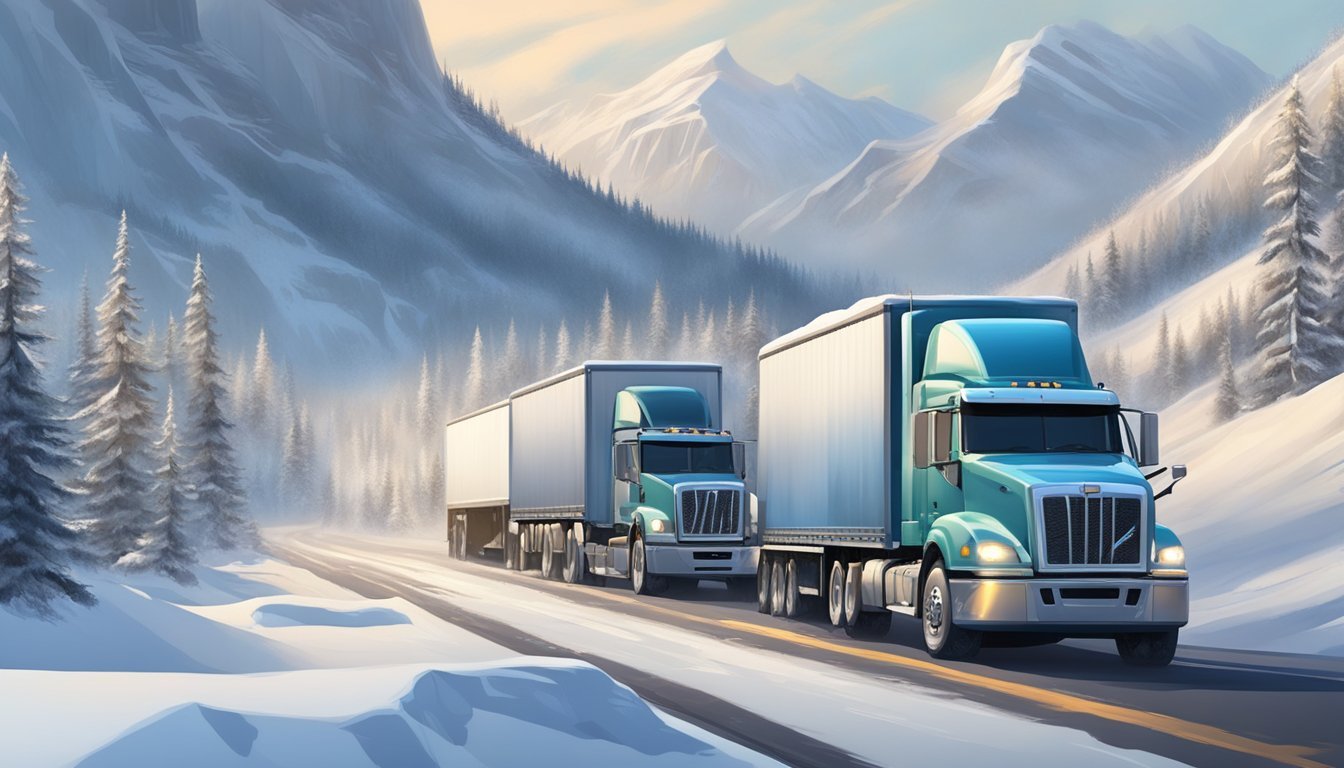
Safety is a critical aspect of ice road trucking due to the risks posed by extreme weather, mechanical breakdowns, and challenging road conditions. Ice road drivers must rely on a mix of specialized equipment, weather forecasting, and adaptive strategies to keep freight moving in hazardous environments.
Impact of Severe Weather Conditions
Severe weather—especially heavy snow, freezing temperatures, and high wind—remains a constant threat on ice roads. Wind can create whiteout conditions, drastically reducing visibility and increasing the risk of collisions or driving off the marked route.
Snow build-up affects traction and slows vehicles as trucks struggle to maintain control on slick surfaces. Temperatures well below freezing can cause ice to crack or shift under the weight of heavy trucks, making accurate weather forecasting essential. Meteorological reports guide drivers on when it is safe to proceed or when they should stop.
Continuous assessment of ice thickness and awareness of weather patterns help prevent accidents, such as ice breaking beneath trucks or becoming stranded in storms. Drivers often monitor weather updates multiple times each day to respond quickly to changing conditions.
Role of Emergency Equipment
Every ice road truck is outfitted with a set of critical emergency tools. Key items include:
Heavy-duty tow chains
Emergency signaling devices (beacons, flares)
Extra fuel and food supplies
Portable heaters
Satellite phones
This equipment is vital if a truck becomes immobilized due to engine failure, ice fractures, or snowdrifts. Because help may be hours away, drivers are trained to handle emergencies independently and sustain themselves in subzero environments.
Portable heaters and sufficient fuel reserves can prevent hypothermia if stranded. Satellite phones and signaling devices allow for constant communication with dispatchers and rescue teams, even when cell networks are unavailable.
Adaptations to Snow and Wind
Ice road trucks are specially prepared to handle persistent snow and gusting wind. Tire chains or specialized winter tires offer traction on icy, snow-packed surfaces, while engine and fuel system modifications prevent freezing.
Trucks are equipped with high-output headlights that cut through blowing snow. Cab insulation and auxiliary heaters protect drivers from wind chill. Plows and brush guards may be installed to push aside drifts during travel.
Crews also limit speed and keep greater distances between vehicles to reduce the risk of accidents caused by sudden gusts. Regular inspections of brakes, tires, and hydraulic systems ensure the truck remains dependable, even in worsening blizzard conditions.
Economic and Logistical Impacts
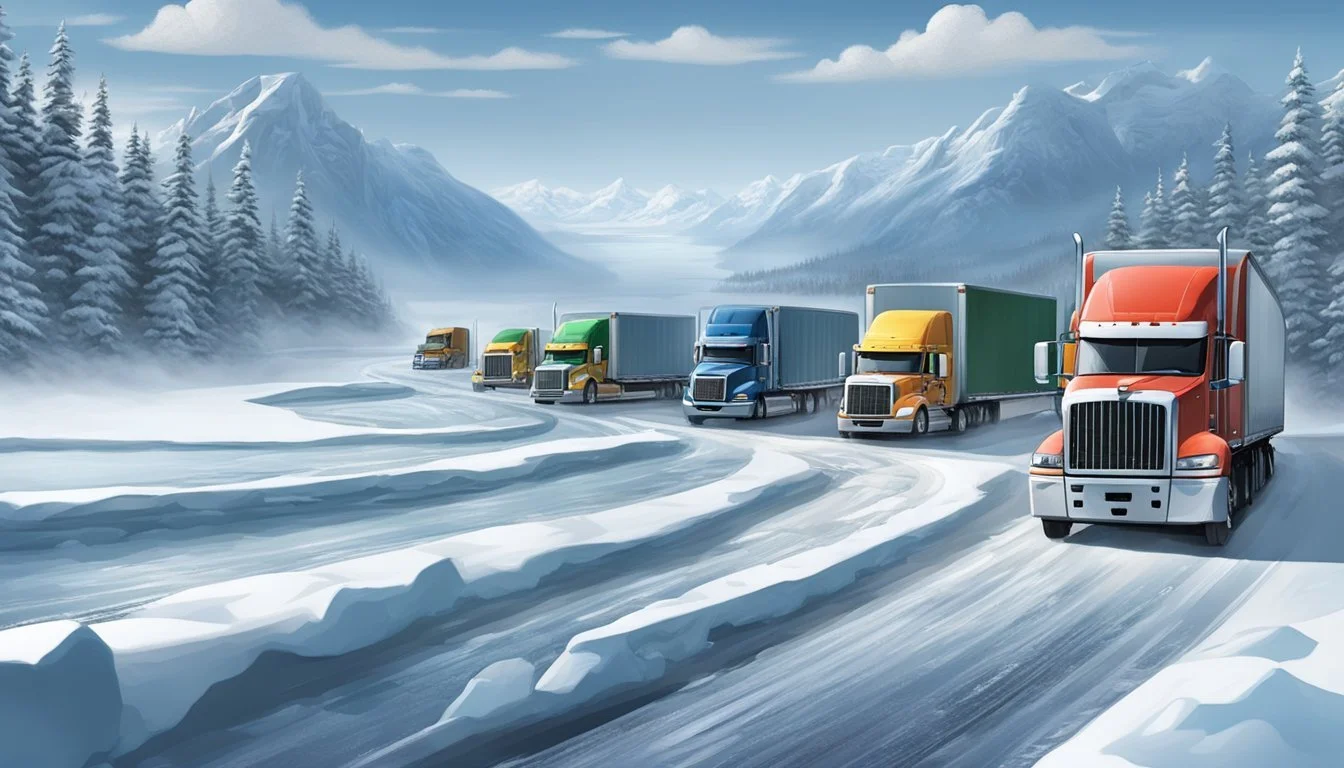
Ice road trucking plays a crucial role in connecting isolated regions, while also facing unpredictable road closures that can disrupt supply chains. These factors directly influence transportation costs, delivery schedules, and community access to goods.
Supporting Remote Communities
Ice road truckers regularly deliver essential goods, building materials, and fuel to remote Arctic and subarctic communities. These deliveries enable year-round operations for towns and industries otherwise inaccessible by regular roadways for much of the year.
Without these seasonal routes, many locations would depend on more expensive air transport. The economic benefit is clear: ice road transport can reduce shipping costs by up to 50% compared to air freight for heavy loads.
Some communities rely on these shipments to stock up on fuel, food, and other critical supplies, especially during the winter when river and lake crossings are possible. This seasonal access helps stabilize prices and supports local businesses.
Managing Road Closures
Ice roads are highly sensitive to weather conditions, including temperature swings and snow accumulation. Sudden thaws or storms can force authorities to restrict or close routes, delaying deliveries and straining logistics planning.
Trucking companies must develop detailed contingency plans and often work with local governments to monitor ice thickness and road integrity. Communication and real-time data tracking are key, allowing companies to quickly reroute shipments or adjust delivery schedules.
Frequent closures also impact driver schedules, leading to overtime or forced downtime. This can raise operational costs and disrupt the rhythm of the supply chain, making efficiency and safety top priorities when dealing with ice road transportation.
Challenges and Risks Faced by Ice Road Truckers
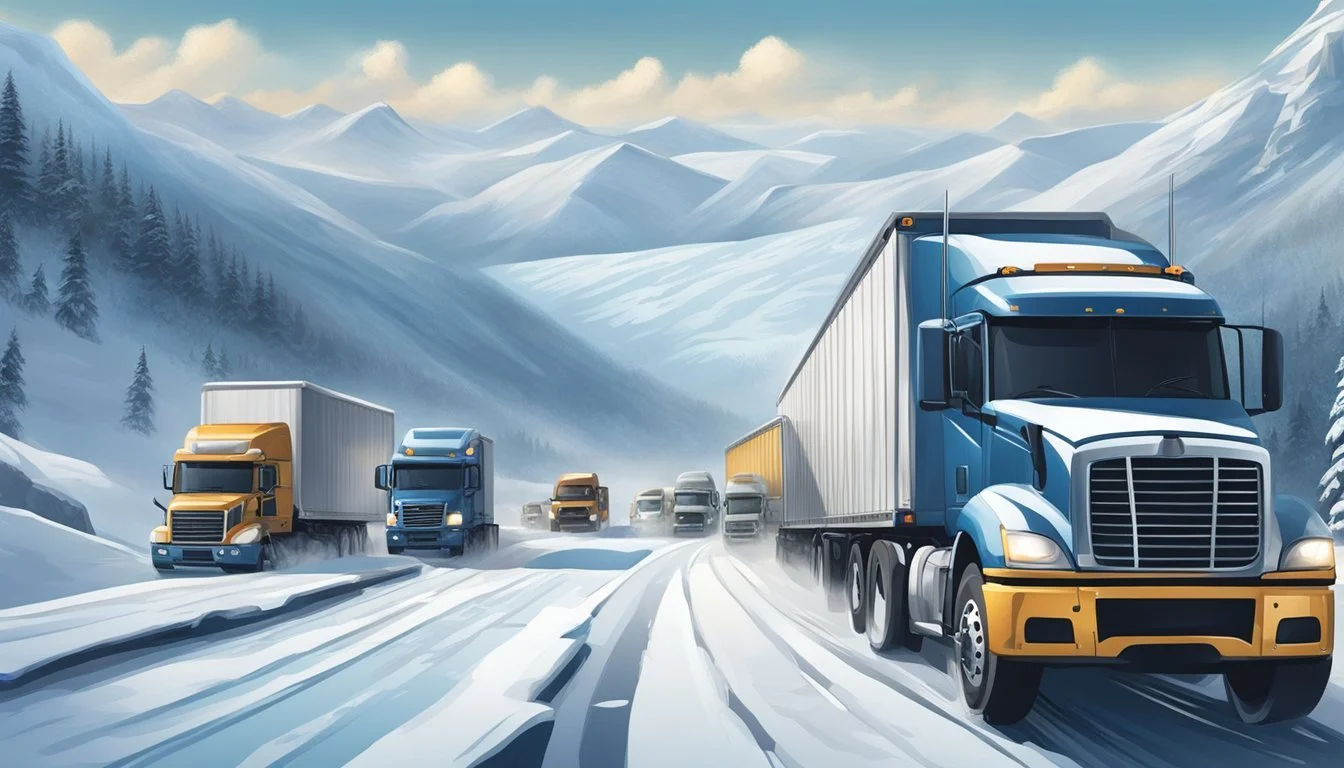
Ice road truckers encounter extreme hazards due to the unique environments in which they work. Exposure to rapidly changing weather, poor visibility, unstable surfaces, and freezing temperatures can threaten their safety and disrupt operations.
Navigating Rain and Snowstorms
Driving on ice roads during rain or snowstorms presents severe challenges. Reduced traction from melting ice or packed snow increases the risk of skidding, while harsh winds can obscure visibility within seconds. Rain can erode the ice’s surface, forming slick patches that are difficult to detect, even for experienced drivers.
Frequent whiteouts during snowstorms limit sight, making it nearly impossible to spot roadway boundaries or hazards. Drivers must maintain optimal speed and spacing to avoid collisions, but sudden drifts and wind gusts can force abrupt maneuvers. Key risks include:
Limited traction
Sudden loss of visibility
Higher accident risk
Maintaining vehicle control requires intense focus and swift reflexes, as misjudgments in poor conditions are costly.
Responding to Unpredictable Ice Conditions
Ice thickness and stability can change with temperature shifts, precipitation, or the weight of passing trucks. When rain or rising temperatures occur, dangerous cracks or weak spots may develop beneath the surface, sometimes hidden by snow.
Truckers rely on local knowledge, ice measurements, and regular road inspections to minimize risk. Common hazards include:
Cracks forming in the ice
Breaks caused by weight or thawing
Pockets of slush or water beneath snow
Sudden breaks can cause vehicles to become stranded or partially submerged. Drivers must be trained in self-rescue techniques, cold-weather survival, and rapid response to mechanical failures to ensure safety when the ice gives way.
Legacy and Continuing Influence
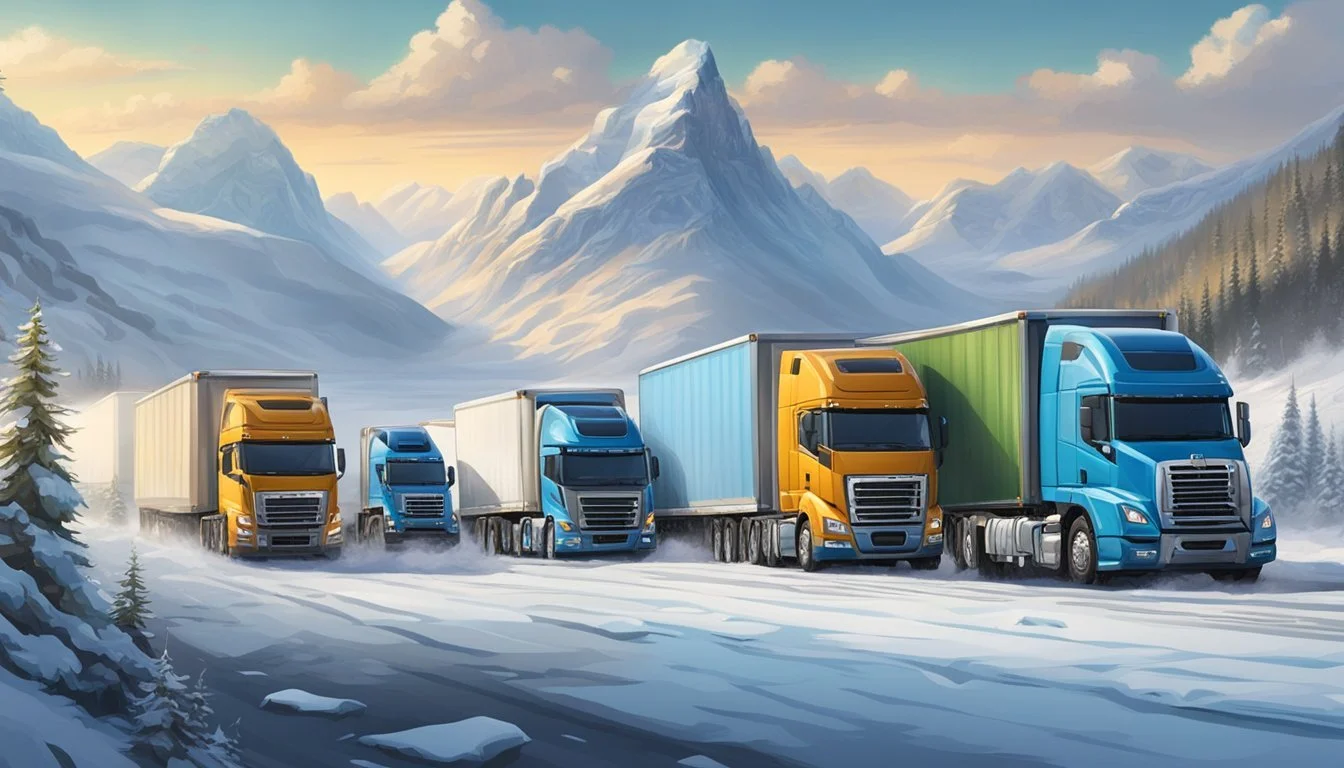
Ice Road Truckers brought international attention to the unique challenges faced by truck drivers on frozen highways. Its visibility led to a better understanding of the risks and skills needed in extreme hauling, influencing both the perception and practice of trucking.
Cultural Impact of Ice Road Truckers
Ice Road Truckers reached audiences worldwide, making the drivers and the remote profession of ice road trucking well known. Key personalities like Lisa Kelly and Darrell Ward became public figures, drawing interest to both their careers and the broader realities of trucking life.
The show sparked discussions about the demands and risks faced by drivers. Its episodes showed how drivers overcame blizzards, navigated dangerous terrain, and delivered essential goods to isolated communities.
It also inspired a wave of documentaries, books, and even recruitment to the industry. Popular media coverage and public interest increased respect for truck drivers and highlighted their crucial role in supply chains.
Lasting Changes in Industry Practices
The series encouraged safety innovations and more rigorous driver training among companies operating in extreme climates. Trucking firms began using modern GPS, satellite phones, and real-time weather systems, which were sometimes highlighted on the show.
Examples of best practices demonstrated on the program, such as load securing, speed management on ice, and close team communication, have been incorporated into standard procedures.
Industry groups started offering specialized courses, focused on cold-weather logistics and emergency preparedness, reflecting the increased awareness brought by the show. Equipment manufacturers also responded by improving winter-ready truck designs and offering more robust safety features.
Conclusion
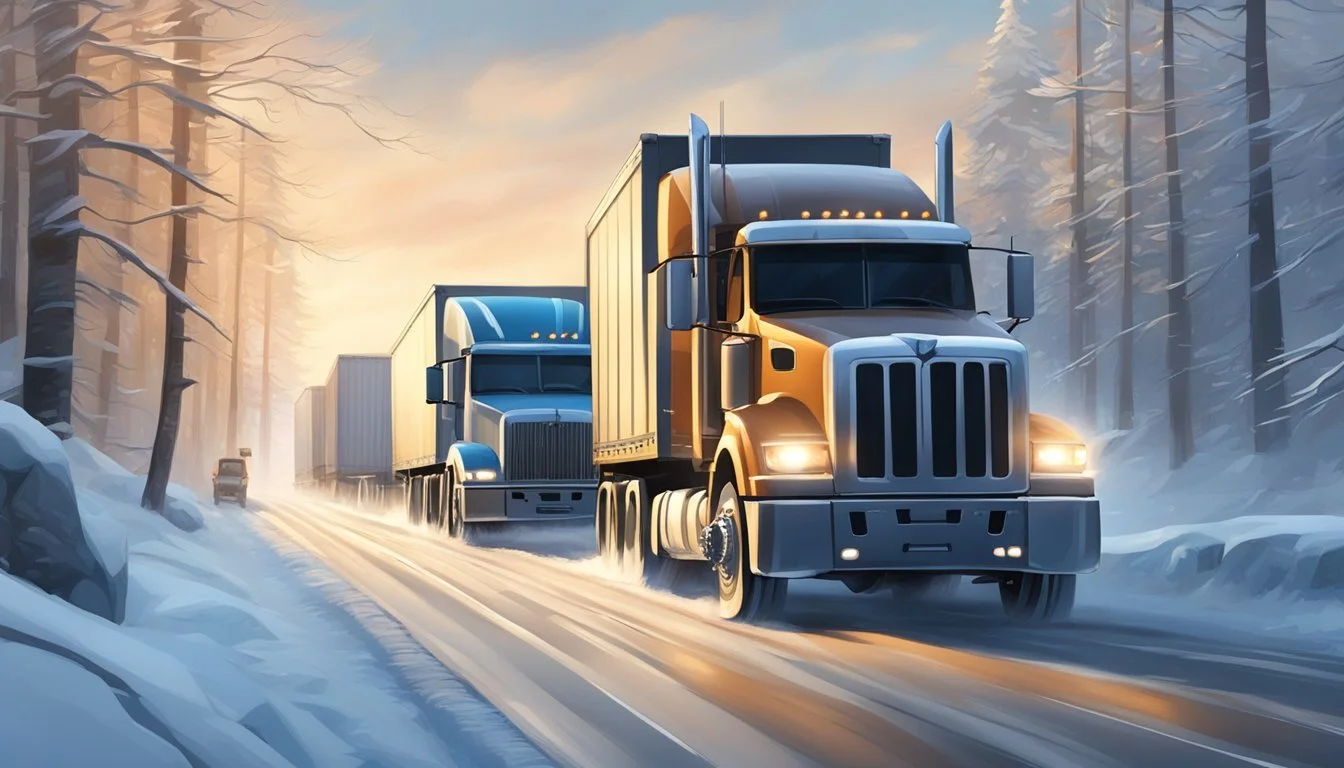
Ice road truckers have introduced specialized skills to the trucking industry. Their work requires a strong understanding of both driving techniques and extreme-weather logistics.
The risks involved are significant. Equipment failure, accidents, and hazardous road conditions are common challenges.
Many companies offer accommodations and food at mining camps to ensure the safety and efficiency of their drivers. This support helps reduce stress and promote better job performance.
Turnover rates among ice road drivers are high, with some sources noting a 70% turnover after the first season. The pressures and demands of this work are not suitable for everyone.
Key Impacts:
Promotion of safety innovations
Increased awareness of trucking in extreme environments
Contribution to remote economic activities
The industry continues to adapt its practices based on the experiences and feedback from ice road truckers. This evolution has influenced both safety protocols and equipment standards throughout the wider trucking sector.
