
The Ultimate Challenges and Triumphs of Ice Road Truckers: Navigating Frozen Highways and Extreme Dangers
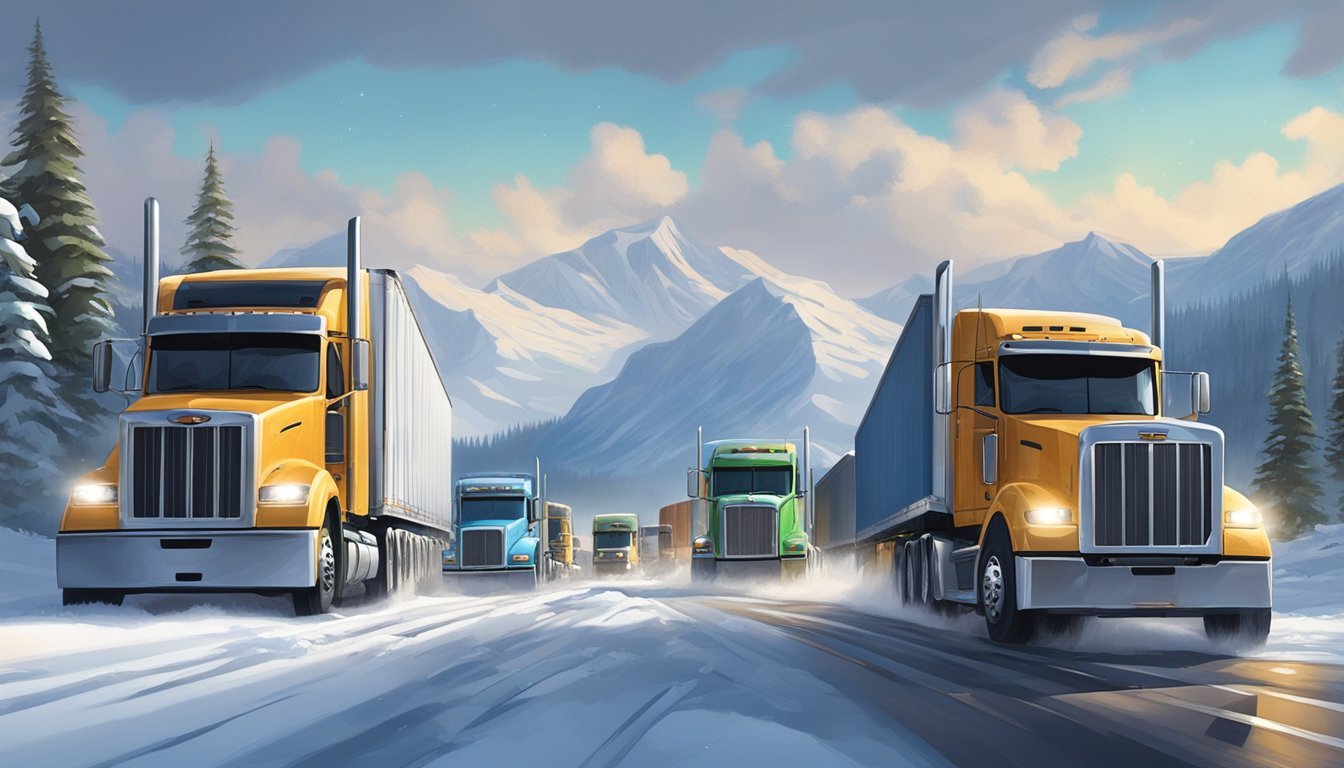
Ice road trucking is a unique job that involves driving trucks over frozen lakes, rivers, and remote tundra roads during some of the harshest winter conditions on earth. The combination of extreme cold, unpredictable weather, and constantly shifting ice creates significant risks every trip. Accidents, sudden whiteouts, mechanical breakdowns, and the danger of falling through the ice are all real threats that truckers must face.
Despite these dangers, ice road truckers are among the highest-paid drivers in the industry, sometimes earning as much in a few months as other drivers earn in an entire year. This high reward is directly tied to the challenging and hazardous nature of the work, attracting seasoned professionals willing to take on the risks for substantial financial compensation.
Readers are drawn to the intense reality behind shows like Ice Road Truckers, where every journey is a test of skill, preparation, and nerve. Understanding what drives these professionals—and what they risk for the reward—offers a deeper appreciation of the essential and perilous work they do.
Overview of Ice Road Trucking
Ice road trucking is a demanding job that takes place in some of the planet’s harshest, coldest environments. Moving heavy loads across frozen bodies of water presents unique risks along with opportunities not commonly found in standard trucking.
What Are Ice Roads?
Ice roads are temporary pathways formed by compacting snow and layering water over frozen surfaces like lakes, rivers, or sections of the Arctic Ocean. These roads become strong enough to support the weight of commercial vehicles, including fully loaded semis.
Construction of an ice road involves careful engineering. Regular inspections and maintenance are needed to detect cracks, weak spots, or changes in ice thickness, ensuring the safety of each crossing.
Ice thickness can range from a few inches to several feet, depending on the specific location and weather conditions. Trucks typically must travel at controlled speeds to minimize stress on the ice and reduce the risk of a break-through.
Purpose and History of Ice Road Truckers
The History Channel’s reality series "Ice Road Truckers" brought attention to the vital work done by drivers who haul supplies into isolated communities or remote mining sites. Before the show’s debut, ice road trucking was a behind-the-scenes industry mostly known to those in Alaska and northern Canada.
Ice roads have been used for decades as a seasonal solution, particularly when summer roads are impassable or nonexistent. They support the transport of fuel, construction materials, and essential goods during the coldest months when frozen surfaces are stable.
By showing the daily routines and extreme risks faced by drivers, the reality series highlighted both the rewards and hazards of the profession. The show often depicted crews transporting huge loads under pressure, racing tight schedules, and tackling unpredictable weather.
Regions and Terrain
Ice road trucking is most common in northern Canada and Alaska, where vast distances separate resource industries from urban centers. Key routes include roads on the Mackenzie River, the Arctic Ocean, and numerous lakes in the Northwest Territories.
Conditions can shift rapidly across the Arctic landscape. Flat, frozen lakes may suddenly give way to snow-covered river crossings or rough portage sections between bodies of water.
Remote mining operations often rely exclusively on these seasonal routes for resupply. Drivers work in sub-zero temperatures, contend with limited daylight, and must be prepared for blizzards or sudden white-out conditions. Most ice road networks close in late spring as surfaces weaken, making timing critical for every haul.
Major Dangers on Ice Roads
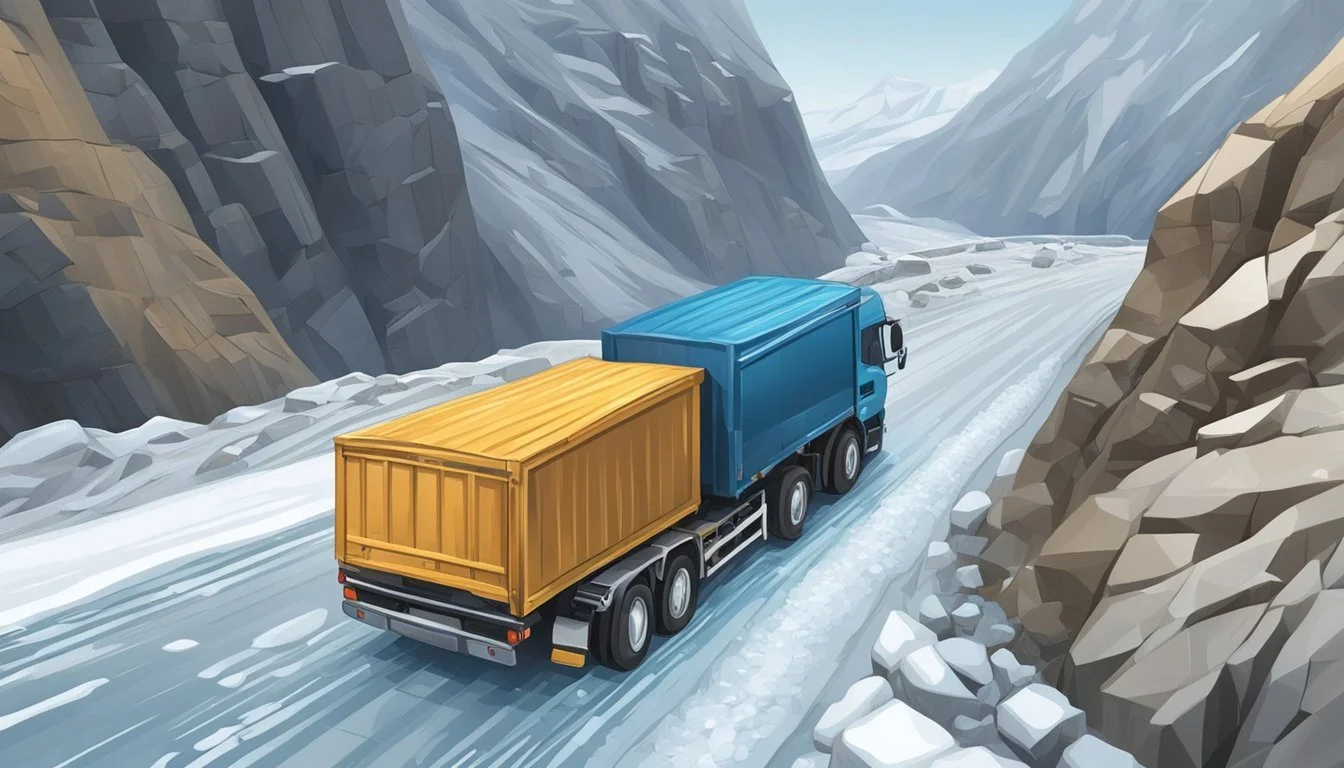
Ice road trucking exposes drivers and equipment to unique hazards. These risks include unstable ice, fierce weather, dangerous gas pockets, and potential for deadly accidents both on the road and in the air.
Unstable Surfaces and Cracking Ice
Ice road truckers rely on frozen lakes and rivers, with truck weight pressing constantly against the ice surface. The thickness of ice can shift quickly due to temperature changes or current activity underneath.
Cracks or shifting can form suddenly, increasing the risk of a break-through. Drivers must observe speed limits strictly, as traveling too fast can trigger wave actions that fracture the ice.
Equipment and vehicles are weighed before heading out to avoid exceeding load limits. When cracks appear, immediate decisions are required: to stop, reroute, or retreat for safety. On weaker ice near the Arctic Ocean, a miscalculation can quickly become fatal.
Extreme Weather Hazards
Blizzards, whiteouts, and sub-zero temperatures define much of an ice trucker's experience. Visibility can drop to zero within minutes, making it easy to lose the road or misjudge distance.
Wind chills often reach -40°C or below, risking hypothermia and frostbite if drivers need to exit their vehicles. Equipment, from brakes to engines, faces extra stress in the cold, increasing the likelihood of mechanical failures.
Precipitation like sleet and freezing rain builds up rapidly, adding weight to vehicles and creating hazardous, slick surfaces. Emergency shelters may be hours away, making self-sufficiency critical.
Methane Explosions
Some ice roads cross natural gas pockets that can build up under the ice. Methane seeps up through cracks, sometimes accumulating in pockets beneath the ice surface. If disturbed—by a moving truck, a crack, or even drilling—the gas can explode.
These explosions can blow open large holes in the ice, swallowing vehicles or causing sudden, violent water upwellings. Crew must watch for visible bubbling, faint odors, or ice discoloration.
In high-risk zones, truckers rely on radar and local spotters for alerts. Methane is odorless, making leaks hard to detect without the right equipment.
Fatal Accidents and Plane Crashes
Operating in remote regions, drivers face a constant risk of collisions, jackknifing, or sliding off the ice. Recovery is complicated by distance from rescue teams and harsh conditions that slow emergency response times.
Not all dangers are limited to the road. Small planes such as the Cessna 182 are often used to scout conditions or ferry supplies. These aircraft have crashed during poor weather or when forced to land on unstable ice, leading to fatal incidents.
Crews have sometimes been tasked with recovering plane wrecks from the ice, a dangerous mission requiring careful navigation over broken or thinning surfaces. Plane crashes on remote segments, especially near the Arctic Ocean, pose logistical challenges for rescue and recovery.
Challenges Faced by Truck Drivers
Ice road truckers encounter some of the harshest conditions in the trucking industry. Their work demands endurance, resilience, and a unique set of skills to transport critical supplies to remote locations.
Physical and Mental Toughness
Truck drivers on ice roads contend with extreme cold, often dipping to -45°F, putting additional strain on both body and machinery. Hypothermia is a constant risk, especially during breakdowns or delays far from help.
Long, monotonous shifts increase fatigue, affecting concentration and reaction times. Visibility can be severely reduced by blizzards and whiteouts, making even short drives dangerous.
Truckers also face physical hazards from icy surfaces when loading or unloading. Injuries from slips, falls, or handling frozen equipment are common.
Isolation and Sacrifice
Drivers spend weeks or months away from families. The routes are remote, with little chance for social interaction or outside assistance.
This isolation affects mental well-being and increases feelings of loneliness. Communication is often limited, especially in areas with no reliable signal.
To keep supply lines open for communities and miners, truckers miss holidays, personal events, and time at home. Their sacrifices support both the economy and the isolated populations that rely on trucking for survival.
Essential Skills for Survival
Successful ice road truckers master a range of vital skills. They must read ice conditions, avoid unsafe sections, and interpret weather data to make timely decisions.
Mechanical skills are crucial. Drivers routinely troubleshoot frozen engines, repair minor breakdowns, and manage maintenance in challenging environments.
Preparedness is important. Packing survival gear, planning emergency shelters, and knowing how to signal for help are all necessary. Adaptability and quick thinking are essential when facing sudden hazards, from avalanches to mechanical failures.
Rewards and Impact of Ice Road Trucking
Ice road trucking provides critical support to remote regions, enabling commerce, humanitarian efforts, and personal achievement. These contributions affect local economies, individuals, and charitable initiatives across Canada and Alaska.
Economic Benefits for Communities
Ice road trucking is essential for the delivery of goods to isolated communities in northern Canada and Alaska.
When traditional roads are impassable during winter, these truckers transport fuel, food, and medical supplies. Local businesses and families depend on these seasonal deliveries for survival.
The high pay associated with ice road trucking, often reaching $30,000–$40,000 in as little as three months, means drivers inject significant income into the areas they serve. This influx of money supports local stores, equipment shops, and service providers.
Seasonal jobs created by the ice road industry further help support employment in these regions. Municipalities benefit from the economic activity generated by the increased flow of goods and services.
Personal Fulfillment
For many drivers, finishing a season on the ice roads brings a sense of accomplishment. They face harsh conditions, including whiteouts and stretches of hazardous ice, requiring significant skill and focus.
Completing contracts safely often leads to professional pride and a strong reputation in the trucking industry. The job’s challenges enhance confidence, resilience, and perseverance.
Ice road trucking allows some individuals to earn a year's equivalent salary in a much shorter time. This financial milestone can fund further ambitions, support families, or allow for longer periods off work.
A sense of camaraderie forms among drivers who share the same dangerous routes. Many value the friendships and teamwork that develop over a season.
Support for Charitable Causes
Ice road truckers and the companies they work for are often involved in charitable activities, especially within the communities they serve.
Regular participants in food drives deliver urgently needed supplies to remote areas. Some trucking companies and drivers support initiatives like the Special Olympics, raising both money and awareness.
Community events often see truckers volunteering their time and equipment. They frequently help local charities by using their expertise to make difficult deliveries or by assisting neighbors in need.
Such efforts enhance the public image of the industry while directly helping vulnerable populations in Canada and Alaska.
Key Figures and Stories from Ice Road Truckers
Several individuals and teams became central to the unfolding stories on Ice Road Truckers. Their unique backgrounds, skills, and personal connections shaped both the dangers they faced and the rewards they earned during their seasons on the ice.
Lisa Kelly and Darrell Ward
Lisa Kelly quickly became one of the show's standout drivers. She gained attention as one of the few women in the field, showing resourcefulness in challenging conditions and a calm approach to high-risk situations. Viewers saw her operate in both Alaska and Canada, delivering loads through storms, breakdowns, and thin ice.
Darrell Ward was well-known for his no-nonsense style and willingness to tackle the most treacherous runs. Originally from Missoula, he brought decades of trucking experience and quickly became a fan favorite. Their partnership, particularly in later seasons, highlighted how trust and teamwork were vital on remote, icy roads.
Their professional relationship was marked by mutual respect and an ability to adapt to the unpredictable. Both drivers faced significant dangers, from equipment failures to shifting ice, often relying on quick thinking and steady nerves. Their stories underscored the human element behind the industry’s risks.
Polar Industries and Notable Teams
Polar Industries became the show’s most prominent trucking company, known for taking on the most dangerous contracts across northern Canada. The team, led by Mark Kohaykewych, attracted experienced drivers willing to face extreme weather, isolation, and logistical obstacles. Polar often delivered essential supplies to communities, making their work both hazardous and necessary.
Key drivers for Polar included longtime professionals such as Art Burke and Todd Dewey. Their different personalities and driving styles led to tense but productive collaborations. Polar's willingness to give drivers second chances, as seen with returning drivers, added layers to the show’s portrayal of the industry.
Polar operated routes over fragile ice that could shift or crack without warning. Drivers had to constantly balance speed and caution, knowing that mistakes could result in costly delays or even life-threatening situations. The competitive environment also pushed drivers to perform at their best.
Missoula Connections
Missoula, Montana, had a distinctive presence through several main cast members, most notably Darrell Ward. His roots in Missoula gave personal context to his tough, pragmatic approach to trucking. The town became associated with the adventurous spirit and resilience needed to succeed on the ice roads.
Missoula’s trucking community contributed several drivers and provided support networks during the most difficult moments. The show occasionally highlighted the return home, reuniting with friends and family after dangerous jobs.
These Missoula connections brought an added layer of authenticity. The drivers' backgrounds in logging and mountain driving proved invaluable, allowing them to handle the unpredictable and harsh conditions unique to each route. The strong ties to their hometown served as motivation throughout their journeys.
Cultural Influence and Media Representation
Ice road trucking has entered mainstream consciousness largely due to its depiction on television and in films. These portrayals focus on both the extreme risks drivers face and the unique environment that defines their work.
history channel’s Documentary Approach
The History Channel’s series Ice Road Truckers debuted in 2007, bringing real ice road conditions and the drivers’ experiences to a broad audience. The show documents daily operations, focusing on hazards like thin ice, remote locations, and mechanical failures.
Viewers are offered insights into the personalities and routines of truckers such as Lisa Kelly. Filming emphasizes actual risks rather than manufactured drama. This documentary style helps educate viewers on logistical challenges, while interviews and on-road footage capture the unpredictable nature of the job.
Editing choices highlight teamwork, resilience, and the economic importance of transporting goods across frozen regions. The program avoids villainizing specific people, instead presenting the environment itself as the major threat.
Notable Film and Netflix Adaptations
Major film adaptations have further popularized ice road trucking. The 2021 Netflix movie The Ice Road, starring Liam Neeson as Mike McCann, blends dramatized fiction with elements inspired by real ice road trucking conditions.
Unlike documentaries, this adaptation uses traditional action-movie tropes, featuring clear heroes and villains. Neeson’s character exemplifies the determined, resourceful trucker archetype. The film visualizes hazards such as cracking ice and sabotage, bringing a sense of urgency and danger to unfamiliar audiences.
Through creative license, the film increases suspense, but draws attention to the job’s genuine dangers. Its international release introduced ice road trucking concepts to viewers who may never watch a documentary.
Popular Narratives and Dialogue
Both documentary and fictional versions contribute to common narratives surrounding ice road trucking. Themes such as bravery, sacrifice, and the unpredictability of nature recur in dialogue and narration.
Common Sense Media describes Ice Road Truckers as focusing on providers who accept risk for family and community. Dialogues in films highlight personal responsibility and struggle, shaping truckers as everyday workers facing extraordinary challenges.
Media representation often sets up “the road” or weather as the true antagonist, rather than relying heavily on human villains. This approach supports a broader understanding of the demanding lifestyle and psychological pressures experienced by drivers.
