
Ice Road Truckers Legends: Meet the Iconic Drivers Who Shaped Extreme Ice Road Trucking
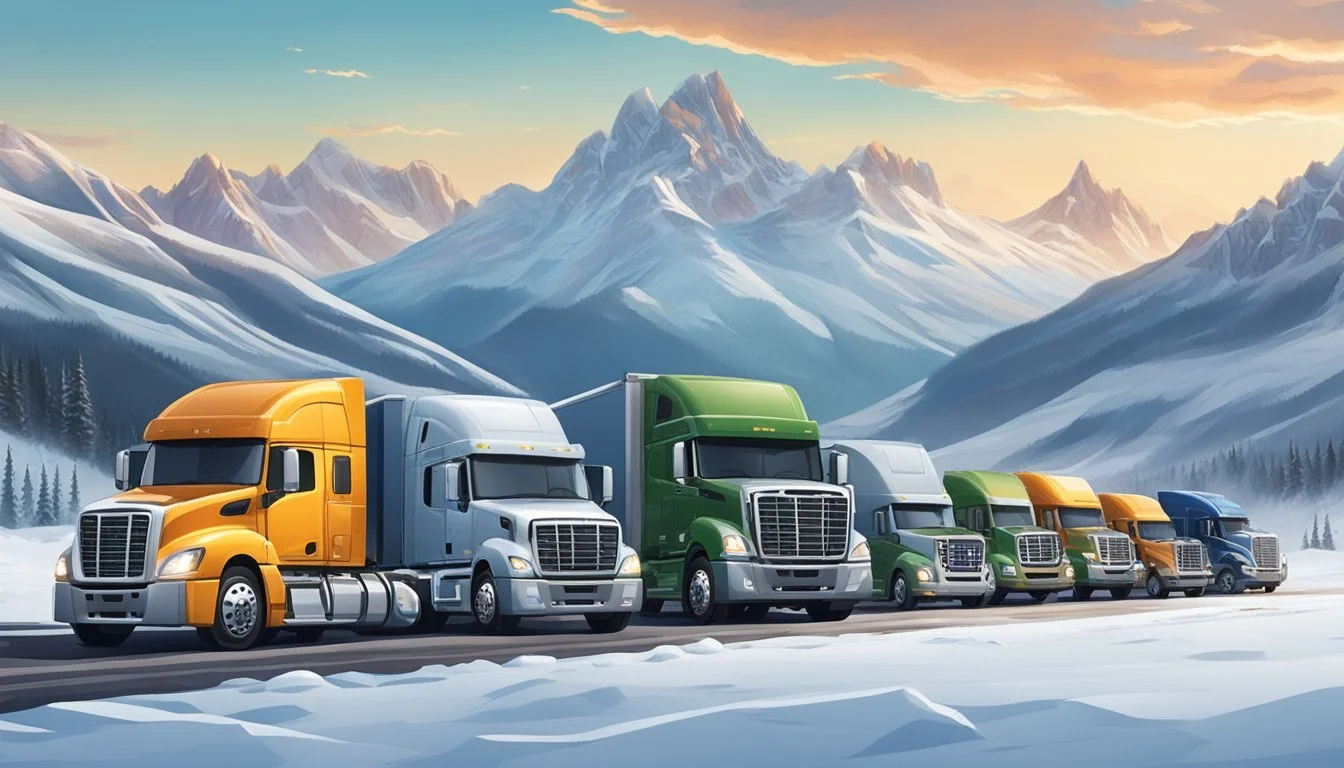
The reality show Ice Road Truckers introduced audiences to the challenging world of extreme trucking, making household names out of drivers who braved some of the world’s most dangerous roads. Viewers followed the journeys of truckers like Hugh Rowland, Lisa Kelly, and other seasoned drivers as they faced unpredictable weather, treacherous ice, and mechanical dangers.
Each figure brought their own skills and personalities to the series, leaving a distinct mark on fans and the trucking community. The stories of these iconic individuals reveal the grit and determination needed to survive in the high-risk environment of ice road trucking.
Through their real-life experiences and on-screen presence, these legends became symbols of endurance and skill, captivating viewers and shining a spotlight on a unique piece of the transport industry.
The World of Ice Road Truckers
Ice Road Truckers operates in some of the harshest environments on earth, dealing with frozen terrain, dangerous weather, and unique logistical challenges. Transporting massive loads across Alaska and Canada, these truckers face real threats every season that test their expertise and endurance.
History of Ice Roads
Ice roads have played a crucial role in northern logistics for decades. In Alaska and Canada, these seasonal routes form across frozen lakes, rivers, and tundra during winter months.
Early builders used local knowledge and careful planning to chart safe paths over thick ice. Modern technology has advanced route mapping, but fundamentals from the past remain essential.
Ice roads provide vital links to remote communities and industries. They enable the movement of fuel, food, and equipment where no permanent roads exist.
Challenges of Sub-Zero Temperatures
Sub-zero temperatures dominate the work environment for ice road truckers. Truck engines and diesel fuel can freeze, requiring constant vigilance and maintenance.
Extreme cold weakens metal and rubber, making tire blowouts and mechanical failures more frequent. Drivers wear special gear to protect themselves against frostbite and hypothermia.
Visibility often drops during sudden blizzards, increasing the risk of accidents. Staying warm and keeping trucks running are daily priorities throughout every journey.
Unique Dangers and Drama
Ice thickness can change quickly, presenting the danger of trucks breaking through into freezing water. Drivers must know how to spot weak ice and avoid known hazards on frozen routes.
The constant threat of isolation on remote stretches creates both tension and drama. Weather can shift suddenly, leaving truckers stranded far from help.
Drama also comes from the tight deadlines and rivalry among drivers. Navigating narrow timelines and unpredictable conditions means that every delivery is a race against time and nature.
Legendary Drivers Who Defined the Series
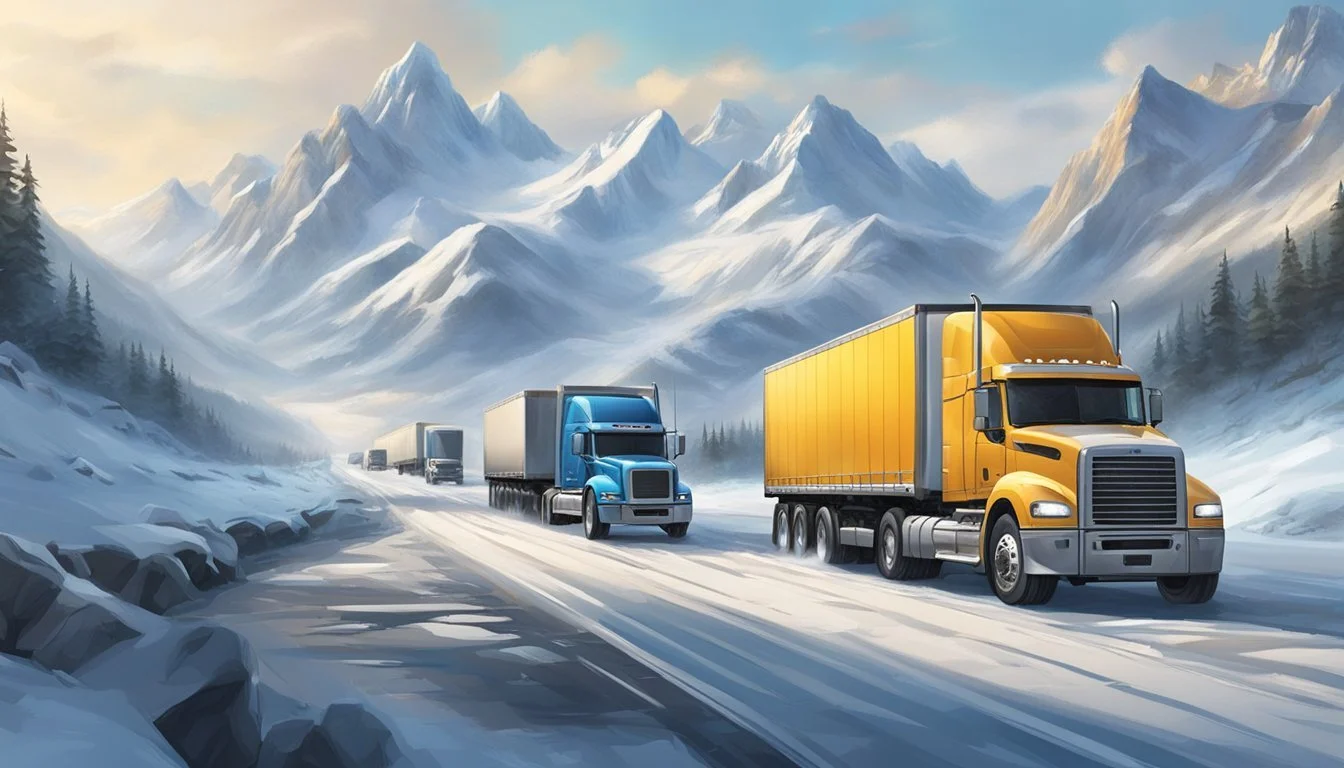
The show “Ice Road Truckers” introduced several standout figures, each with distinct skills and stories that shaped its legacy. These drivers earned respect both for their expertise and their unique personalities, facing demanding conditions from Alaska to remote Canadian routes.
Lisa Kelly: The Trailblazing Woman of Ice Roads
Lisa Kelly became a prominent competitor in a field dominated by men, bringing recognition to women in long-haul trucking. Based in Wasilla, Alaska, Kelly proved her abilities with steady hands and calm decision-making on treacherous frozen roads. Her perseverance and professionalism inspired viewers and helped to challenge industry stereotypes.
Key Facts:
Origin: Wasilla, Alaska
Notable qualities: Persistence, adaptability, mechanical skills
Key routes: Dalton Highway, Alaska’s remote ice roads
Lisa’s approachable personality and willingness to face tough assignments—like hauling oversized loads to Prudhoe Bay—set her apart. Off-screen, she remained dedicated to trucking in Alaska, maintaining a positive reputation in the local community.
Brett Colley: Veteran of Pink Mountain
Brett Colley, known as the veteran of Pink Mountain, regularly operated along the critical stretches between the remote outpost and key delivery points. His depth of experience allowed him to handle hazardous winter runs with efficiency and composure. Colley’s knowledge of the region and weather conditions contributed greatly to the success of many hauls.
Notable Details:
Base: Pink Mountain area
Known for: Veteran status, winter road expertise
Strengths: Route planning, safe driving practices
Colley’s presence on the show brought attention to less-publicized yet essential parts of the ice road network. His cautious yet determined driving style earned him the respect of fellow truck drivers and viewers alike.
Other Iconic Truck Drivers
Several other notable truck drivers were featured throughout the series, each with specific contributions. Darrell Ward stood out for a fearless approach and a larger-than-life personality. Hugh Rowland, called “The Polar Bear,” was known for his tough demeanor and consistent performance in harsh conditions.
Additional Noteworthy Drivers:
Alex Debogorski: The seasoned veteran with extensive experience in Canada’s far north
Jack Jessee: Recognized for driving in extreme weather near Anchorage
These drivers, combined with Lisa Kelly and Brett Colley, established a cast that captured the realities and challenges of ice road trucking. Their skills, regional expertise, and strong personalities remain central to the series’ enduring appeal.
Life on and off the Road
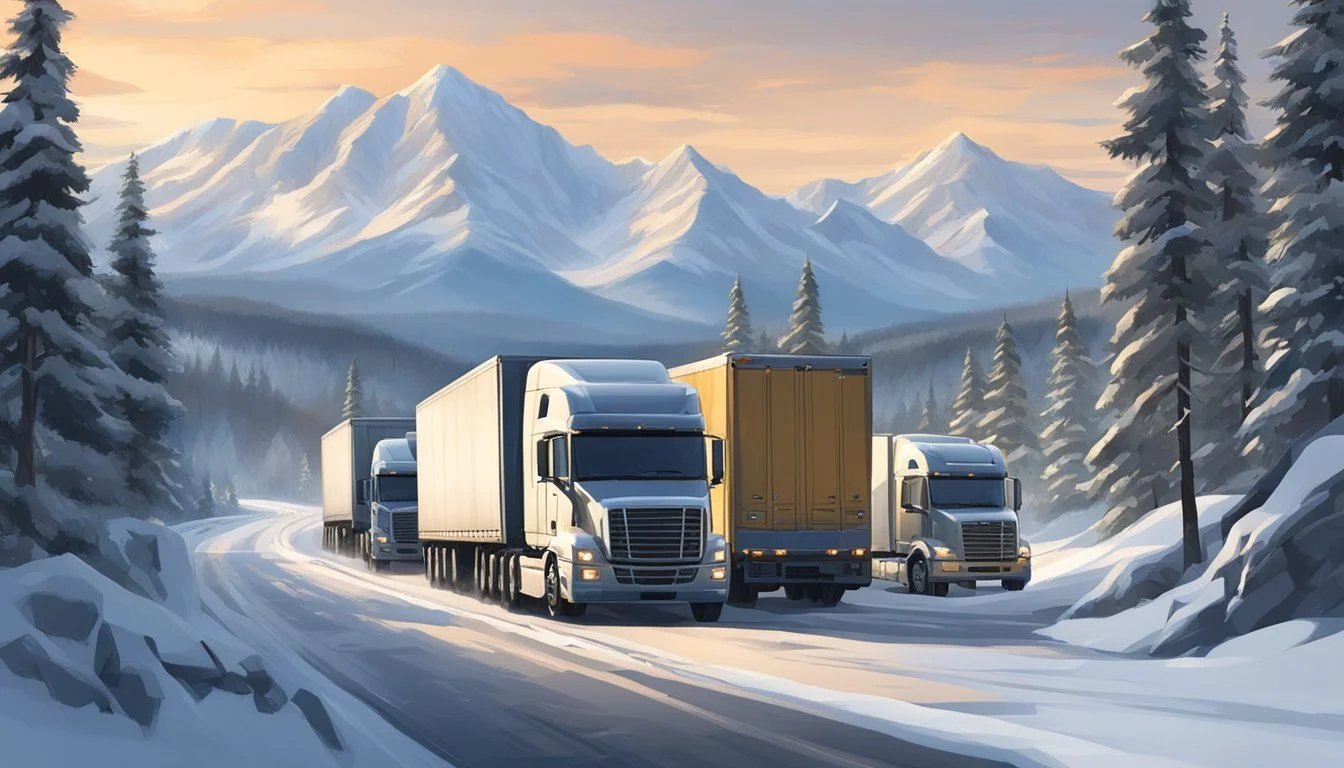
The demanding schedules and high-risk environments faced by ice road truckers directly impact their daily routines and personal relationships. Their lives are shaped by long hauls through Alaska and northern Canada, creating a unique balance between family life and the isolation of the highway.
Balancing Family and Trucking
Ice road truckers often spend weeks away from home each season, putting strain on their roles as parents, spouses, and partners. Hugh Rowland, a well-known driver from Alberta, was known as a dedicated family man, frequently discussing the challenges of missing family events during the peak of trucking season.
Communication is limited by remote locations. Many rely on satellite phones or brief visits home between hauls. Some cast members have shared that their families also take on extra responsibilities, managing the household alone while their loved ones work the icy routes.
To help maintain strong family connections, drivers may establish set routines, such as regular check-ins when possible and celebrating milestones as soon as they return. Resilience and mutual understanding are crucial qualities for those balancing this career and family commitments.
Living Along the Alaska Highway
The Alaska Highway and its surrounding regions present a harsh, isolated lifestyle for many ice road truckers. Drivers like Lisa Kelly and Alex Debogorski have highlighted the necessity of adaptability and self-reliance to cope with unpredictable weather, sparse facilities, and extreme cold.
Small towns and truck stops dotting the Alaska Highway become more than rest areas—they serve as critical hubs of support and supply. Many truckers develop strong ties to these communities, relying on locals for mechanical help and camaraderie during harsh stretches.
Traveling through remote stretches also requires preparation for emergencies. Drivers carry extra supplies such as food, warm clothing, and repair tools. When off duty, some choose to live in areas close to the routes, integrating themselves into northern communities or managing businesses, as Hugh Rowland did in Alberta, to stay close to family while remaining involved in trucking.
Trucking Skills and Expertise
The men and women of Ice Road Truckers rely on precise driving abilities and adaptability to face Arctic roads. Differences between heavy goods vehicle (HGV) drivers in Europe and North American ice road professionals highlight the diverse challenges across the industry.
Essential Truck Driving Skills
Ice road truckers consistently demonstrate technical proficiency and situational awareness. Strong hand-eye coordination is crucial for maneuvering large rigs through snow, over frozen lakes, and along narrow, icy paths. Drivers such as Lisa Kelly and Darrell Ward are known for their controlled acceleration, steady braking, and intelligent use of gears.
Truckers depend on quick decision-making to respond to sudden blizzards, wildlife on the roads, and shifting ice conditions. Maintaining vehicle safety involves frequent inspections of tire chains, brakes, and trailers. In addition to mechanical skills, endurance and the ability to withstand long, isolated hours are essential for anyone hauling freight across the ice roads. Experience with load securing and navigating limited visibility also sets these drivers apart.
Below is a summary of core ice road trucking skills:
Skill Description Precision Handling Maneuvering in tight, icy conditions Hazard Assessment Identifying and reacting to dynamic risks Endurance Remaining alert during long and challenging hauls Maintenance Ensuring vehicle reliability in extreme temperatures
HGV Versus North American Transport
The role of an HGV driver in Europe and a trucker in North America may appear similar, but their operating environments differ significantly. HGV drivers in the UK and Europe manage complex urban deliveries, roundabouts, and strict regulations on vehicle size and hours. In contrast, North American ice road truckers face remote landscapes, fluctuating road surfaces, and extreme cold, with less infrastructure for support.
In North America, the emphasis is on adaptability and risk management in unpredictable conditions. HGV drivers, while less exposed to such hazards, must show expertise in navigation, compliance with logistics schedules, and handling articulated vehicles through cities and motorways. Both require advanced training and licensing, but ice road truckers often need additional safety certifications and survival skills due to their unique environment.
Key Differences
Route Types: Urban versus wilderness
Vehicle Types: Articulated lorries (HGV) versus heavy haul trucks
Challenges: Regulatory compliance for HGVs, temperature and surface volatility for ice road truckers
Behind the Scenes of the Reality TV Show
The production of "Ice Road Truckers" presented unique technical and personal challenges on some of the world's most dangerous roads. The show both depicted daily realities for truckers and had measurable effects on the transport industry and audience perceptions.
Production and Filming Insights
Filming on icy, remote roads required a specialized crew equipped for extreme weather and unpredictable conditions. Crews traveled in convoy with the drivers, using camera cars and sometimes even mounting cameras directly on rigs. The harsh Arctic temperatures caused frequent equipment failures, forcing technicians to adapt continuously.
To capture authentic moments, producers worked long hours alongside drivers from various transport companies. Filming schedules depended on weather conditions and road closures, often leading to delays. Sound recording also proved difficult as engine noise and wind interfered with quality.
Key truckers like Lisa Kelly and Alex Debogorski frequently collaborated with production teams to ensure their safety during dangerous stunts. The show emphasized real risks, sometimes documenting mechanical breakdowns, whiteouts, and medical emergencies as they happened.
Impact on the Trucking Industry
"Ice Road Truckers" increased global awareness of winter trucking and the vital role transport companies play in remote communities. The series led to a greater appreciation for the skills and risks involved in ice road hauling.
Recruitment in trucking spiked in certain areas, with some viewers inspired to pursue the career. Commercial trucking companies reported receiving more inquiries about jobs or partnerships, particularly from fans of the show.
While some industry insiders praised the show’s realism, others felt it dramatized risks for entertainment. Overall, many real truckers noted that public recognition of their work grew, along with respect for the logistics and resilience required to keep supply lines open in harsh conditions.
Connecting with Canadian Culture
The lives and careers of ice road legends have deep ties to Canadian society and processes. These connections go beyond the highways, linking history, community, and national identity.
Permanent Residency in Canada
Permanent residency in Canada is a key status for workers, including those in specialized fields such as ice road trucking. It allows individuals to live and work anywhere in the country, access healthcare, and eventually apply for citizenship. Many truckers who came to drive the ice roads have sought permanent residency to build stable lives and join local communities.
Qualification for permanent residency often involves meeting criteria related to work experience, language ability, and security checks. Truck drivers may enter under the Federal Skilled Worker Program or Provincial Nominee Programs. Provinces like Manitoba and Northwest Territories, where many ice roads exist, welcome skilled labor to support remote regions.
Those with permanent residency become part of Canada’s multicultural landscape. They contribute not only to logistics but also to the social and economic growth of northern towns and cities, ensuring the ice roads’ continued operation and community vitality.
The Role of the Royal Canadian Mounted Police
The Royal Canadian Mounted Police (RCMP) plays an essential role in maintaining safety and law enforcement along Canada’s ice roads. Officers serve both as law enforcers and as part of the community in many remote northern outposts.
RCMP responsibilities typically include:
Ensuring road safety and responding to accidents
Enforcing transportation and environmental regulations
Assisting during emergencies or severe weather conditions
Ice road truckers regularly interact with the RCMP, particularly during routine inspections or road closures. Coordination between truckers and the RCMP helps prevent accidents and illegal activities. Their presence reinforces the critical importance of law and order in Canada’s rugged and often hazardous northern environments.
Military Backgrounds and Ice Road Trucking
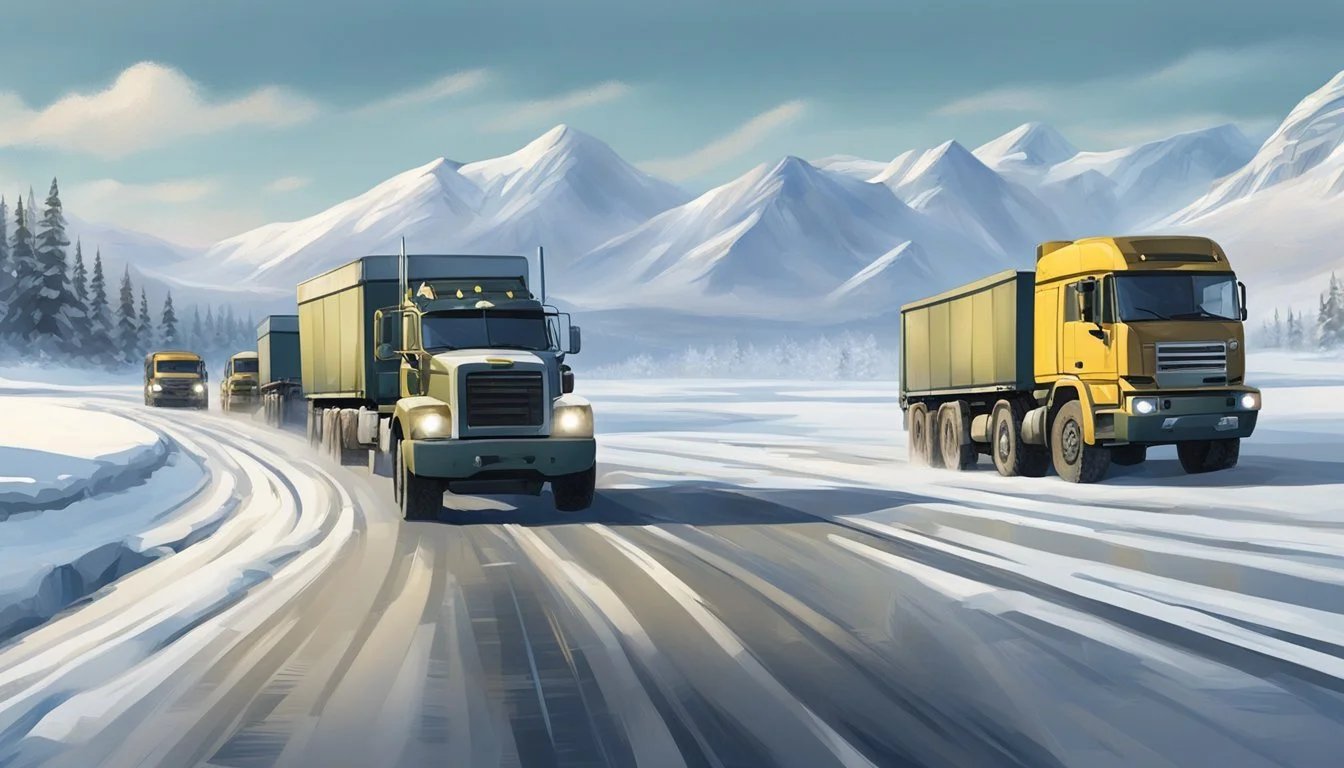
Several drivers featured on Ice Road Truckers have backgrounds in the military, which shaped their skills and approach to driving under extreme conditions. The capabilities developed through military service, especially in demanding units, often translated well to the rigors of ice road trucking.
The 39th Regiment Royal Artillery
The 39th Regiment Royal Artillery is a unit that has historically focused on operating advanced artillery systems and supporting ground operations across various terrains. Members who transition into civilian life often find themselves drawn to high-pressure, logistically complex careers, such as ice road trucking.
Service in this regiment required adaptability and precision, qualities that are essential for navigating the treacherous ice roads. The regiment’s training put emphasis on maintaining discipline, managing equipment in cold environments, and rapid decision-making.
Former soldiers from the 39th Regiment may possess advanced mechanical skills, resilience, and leadership qualities. These attributes are invaluable for enduring the physically and mentally challenging conditions encountered on iced-over routes in North America and beyond.
Army Influences on Truck Drivers
Many ice road truckers credit their military experience—whether from the British Army, United States Army, or other forces—for a successful transition to this demanding occupation. Regular exposure to high-stress environments prepared them to stay calm during unexpected mechanical failures or shifting weather conditions.
Training in the army emphasizes risk assessment and teamwork, aligning closely with the requirements of long-haul trucking across hazardous ice roads. These drivers often rely on routines and checklists learned in service to maintain safety standards.
A disciplined approach, forged in military service, allows them to manage fatigue, isolation, and emergencies with minimal error. Their background frequently sets them apart from other drivers when tackling some of the most dangerous routes in the world.
The Adventurous Spirit of Ice Road Legends
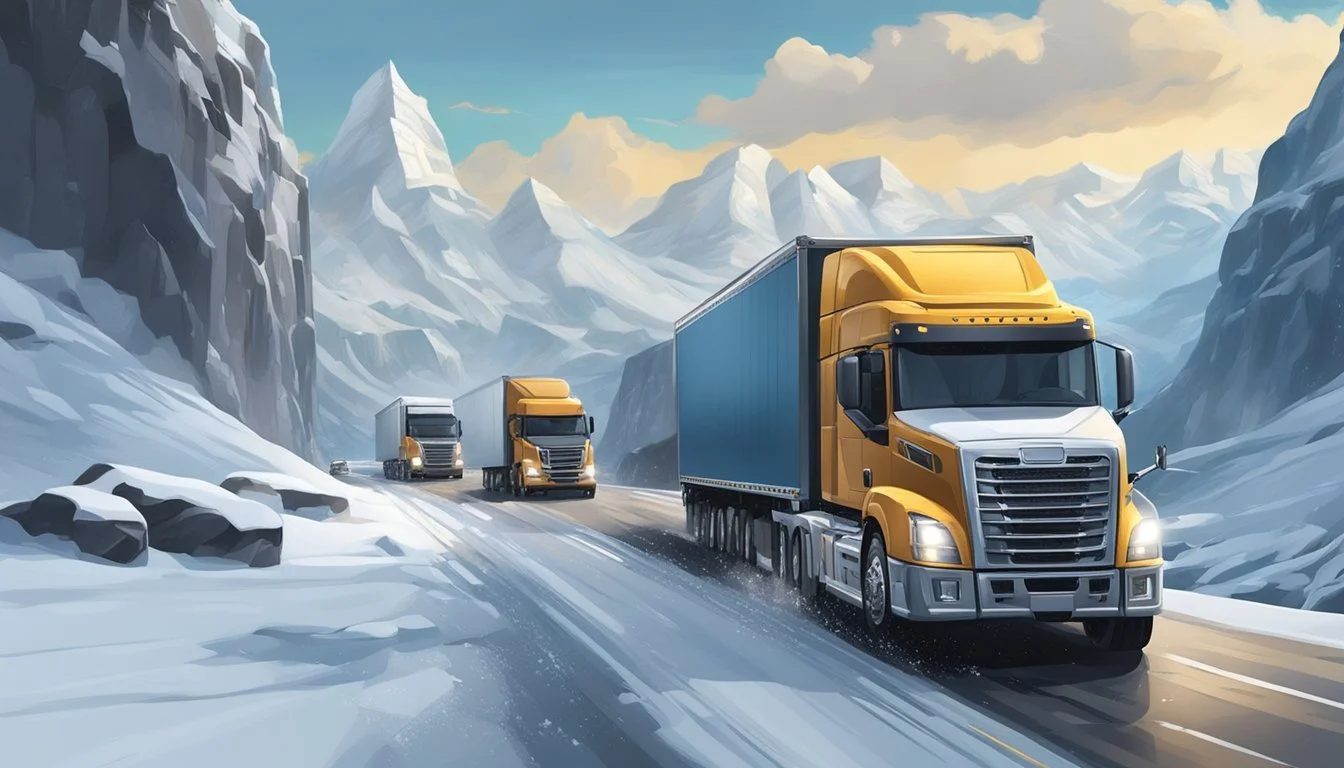
Ice road truckers operate in some of the harshest conditions on Earth, relying on skill, resilience, and trust in their equipment. Their daily routines reflect a balance between calculated risk and deep commitment to a demanding profession.
Risk and Reward on Frozen Routes
Adventure is an inseparable part of life for ice road legends. Each journey across frozen lakes and rivers poses unique hazards, including unpredictable weather, shifting ice, and remote locations far from immediate help.
Key Challenges:
Navigating thin ice and whiteout conditions
Managing long, isolated stretches with minimal radio contact
Equipment malfunctions in subzero temperatures
The risks are considerable, but so too are the rewards. Delivering supplies to secluded northern communities and remote job sites makes a tangible impact, fueling vital industries and supporting entire regions. The danger is matched by a sense of accomplishment that few other jobs can provide.
Despite the perils, many truckers are drawn to the challenge. Their adventurous spirit is shown not only in their willingness to endure tough journeys but also in their creative problem-solving and quick decision-making under extreme pressure.
Shaping the Legacy of Trucking
Through their work, ice road truckers have built a distinct legacy within the trucking world. Notable figures, such as Alex Debogorski—a devout Christian and a father of 11—demonstrate how commitment and character shape the culture of ice road trucking.
These legends help establish standards for safety, resilience, and professionalism. They are often seen as mentors and role models for new drivers entering the field.
Stories from the road are passed down between generations, preserving knowledge about safe practices and smart strategies. The reputation of ice road trucking as a challenging yet rewarding career owes much to those who braved the routes before.
Key Contributions:
Setting best practices and safety measures
Sharing expertise and community spirit
Promoting the value of adventure and perseverance in trucking
