
Inside Ice Road Truckers: Behind the Scenes of Filming Extreme Arctic Trucking Challenges
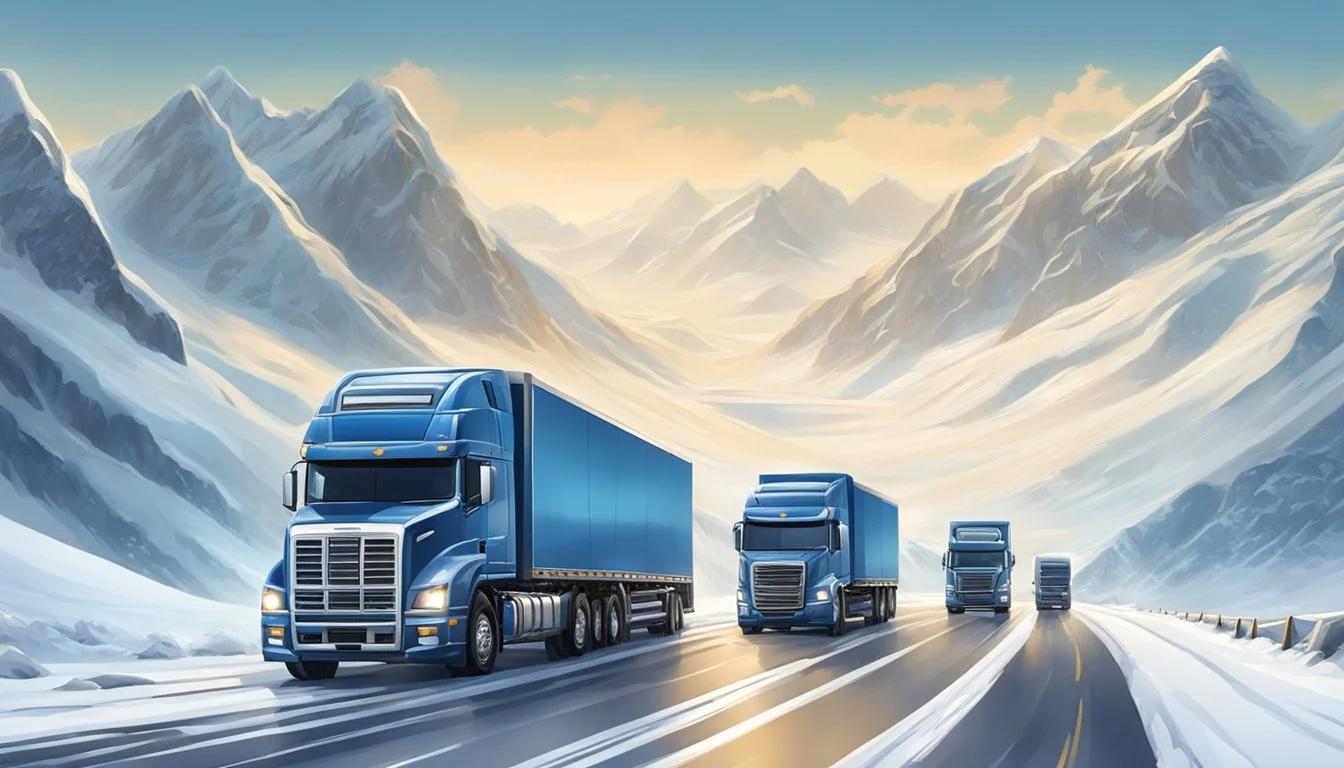
“Ice Road Truckers” reveals the demanding world of truck drivers who haul heavy loads across frozen roads in remote Arctic regions, facing unpredictable weather, technical breakdowns, and relentless deadlines. The reality show documents the preparation, risk assessment, and split-second decisions that define this line of work, giving viewers a firsthand look at the obstacles that shape every journey.
Filming “Ice Road Truckers” presented a unique set of production challenges, including ensuring the safety of the crew, capturing authentic moments of tension, and working under conditions so harsh that even seasoned drivers face constant threats from the extreme environment. Each episode highlights not just the dangers, but the expertise and grit needed to succeed in this high-stakes setting.
The combination of authentic storytelling and real-life challenges made the series a standout in reality television, offering a rare look at a profession that is both hazardous and vital.
Origins of Ice Road Truckers
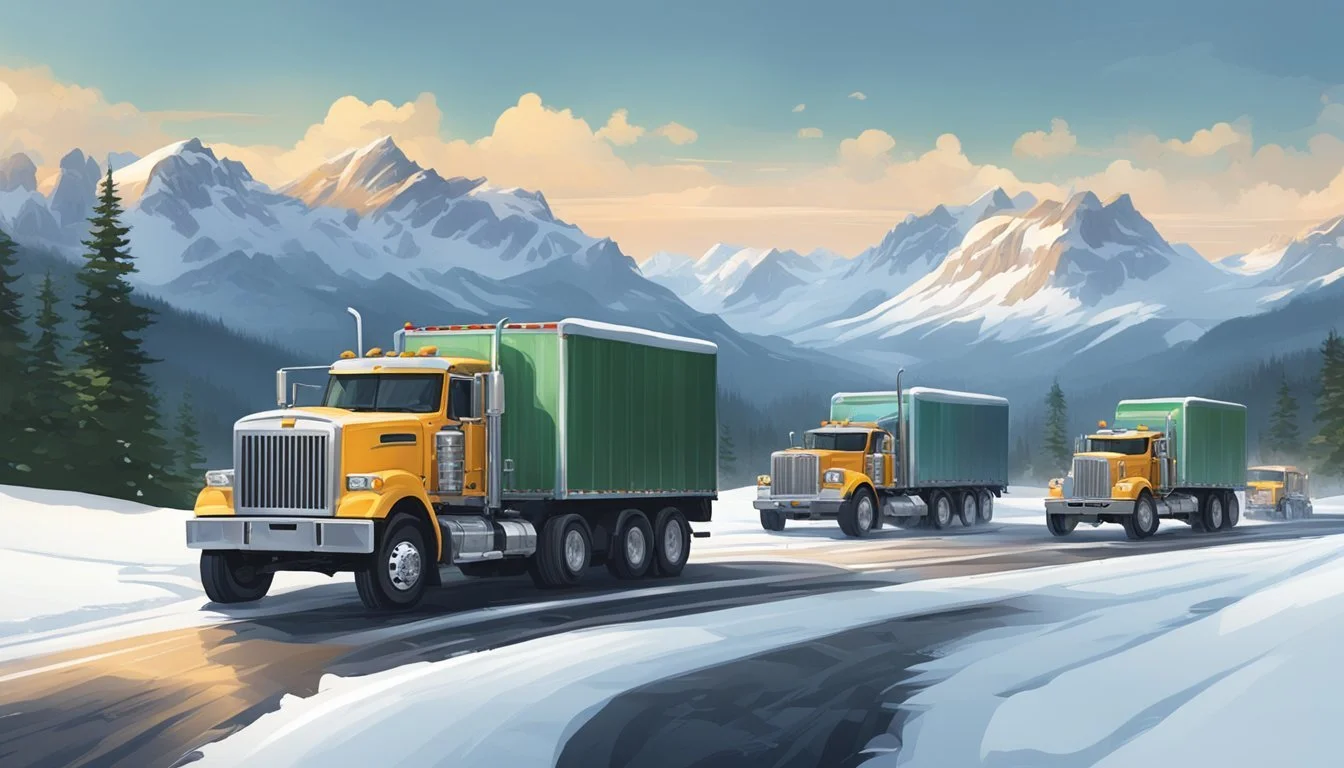
The TV series Ice Road Truckers emerged from real-world challenges faced by drivers transporting goods across frozen terrain in the northern regions of North America. The show brought heightened focus to remote communities and the vital supply routes that sustain them during winter months.
Concept Development
Ice Road Truckers was developed as a reality show to authentically portray the dangerous work of drivers crossing ice roads in remote Canada and the U.S. The production team identified the unique risks associated with hauling heavy loads on temporary ice highways as a compelling premise.
They worked closely with experts in transportation and northern climates to ensure accurate representation. The goal was to highlight daily realities, such as fluctuating weather, mechanical breakdowns, and the constant threat of falling through the ice.
Research included reviewing historical documentation and current practices in ice road trucking. Producers aimed to balance tension and education, showing both the personal skill required and the broader impact on isolated communities.
The Role of the Country’s Frozen North
The series is set primarily in Canada and the U.S. state of Alaska, regions where frigid winter temperatures make ice roads usable for a limited time each year. These roads cross frozen lakes and rivers, forming critical supply lines for industries and communities otherwise inaccessible during winter.
Logistics in these areas require careful planning, as weather and ice thickness dictate the window of opportunity for trucking. The unpredictable conditions make each journey a test of skill and nerve.
By filming on location, the show captures the stark beauty and hazards of the northern environment. The icy wilderness is not just a backdrop but a constant, dynamic challenge that shapes every aspect of life and work for ice road truckers.
Casting for Ice Road Trucking Experts
Choosing the right drivers was essential to the show's authenticity. Casting focused on experienced truckers who already worked the ice roads, ensuring they could provide first-hand insights into the job’s demands and dangers.
Notable cast members include Lisa Kelly, whose background and expertise offered a distinctive perspective on women in this predominantly male profession. The producers sought individuals with varied backgrounds to showcase different approaches to the challenges of ice road trucking.
The application process included interviews, background checks, and evaluation of driving experience. By selecting recognized experts, the show was able to highlight real personalities and stories, reinforcing the reality aspect and credibility of the series.
Production Challenges
Filming the reality show Ice Road Truckers required careful planning, specialized equipment, and round-the-clock efforts to capture the dangers and daily operations of ice road trucking. The crew needed to adapt quickly to unpredictable hazards, technical obstacles, and strict safety rules while documenting the work of drivers in extreme environments.
Harsh Weather Conditions
The Arctic and sub-Arctic settings featured sub-zero temperatures, blizzards, and white-out conditions. Crew members and equipment were frequently exposed to wind chills dropping below -40°F. Crew had to prepare for sudden weather changes that could halt filming for hours or days.
Frozen diesel fuel, battery failures, and frostbite risks were all realities. Production gear needed winter-specific maintenance, like insulated camera housings and hand warmers for operators. Icy roads and the threat of sudden snow squalls required constant monitoring of both weather updates and crew well-being.
Technical Difficulties in Filming
Extreme cold affected nearly every piece of electronic equipment used by the crew. Camera batteries drained unusually fast and required frequent changes, sometimes every hour. Lens fogging and ice buildup on equipment presented ongoing challenges.
Microphones and audio systems would malfunction in cold, dry air, forcing sound engineers to shield and insulate their gear. Vehicle-mounted cameras needed secure installations to withstand rough rides over uneven and slippery ice. Re-shoots were often impossible since the trucking work could not be paused or repeated at will.
Safety Protocols and Risk Management
To reduce risks, the production company enforced strict safety procedures for both crew and drivers. Teams were provided with survival gear, radio communications, and mandatory check-ins. Safety officers were present on-site to monitor road conditions and halt filming during unsafe periods.
Daily safety briefings included updates on ice thickness, emergency exits, and evacuation plans. Crews received cold weather training and learned to recognize early signs of hypothermia and frostbite. In the event of an accident or equipment failure, every team member had to know how to reach help quickly despite isolation and harsh terrain.
Table: Key Safety Measures Implemented
Measure Reason Survival gear issued Protection against exposure Daily check-ins Quick response to emergencies Ice thickness monitoring Prevent vehicle/equipment incidents On-site safety officers Immediate hazard evaluation
Logistical Complexities
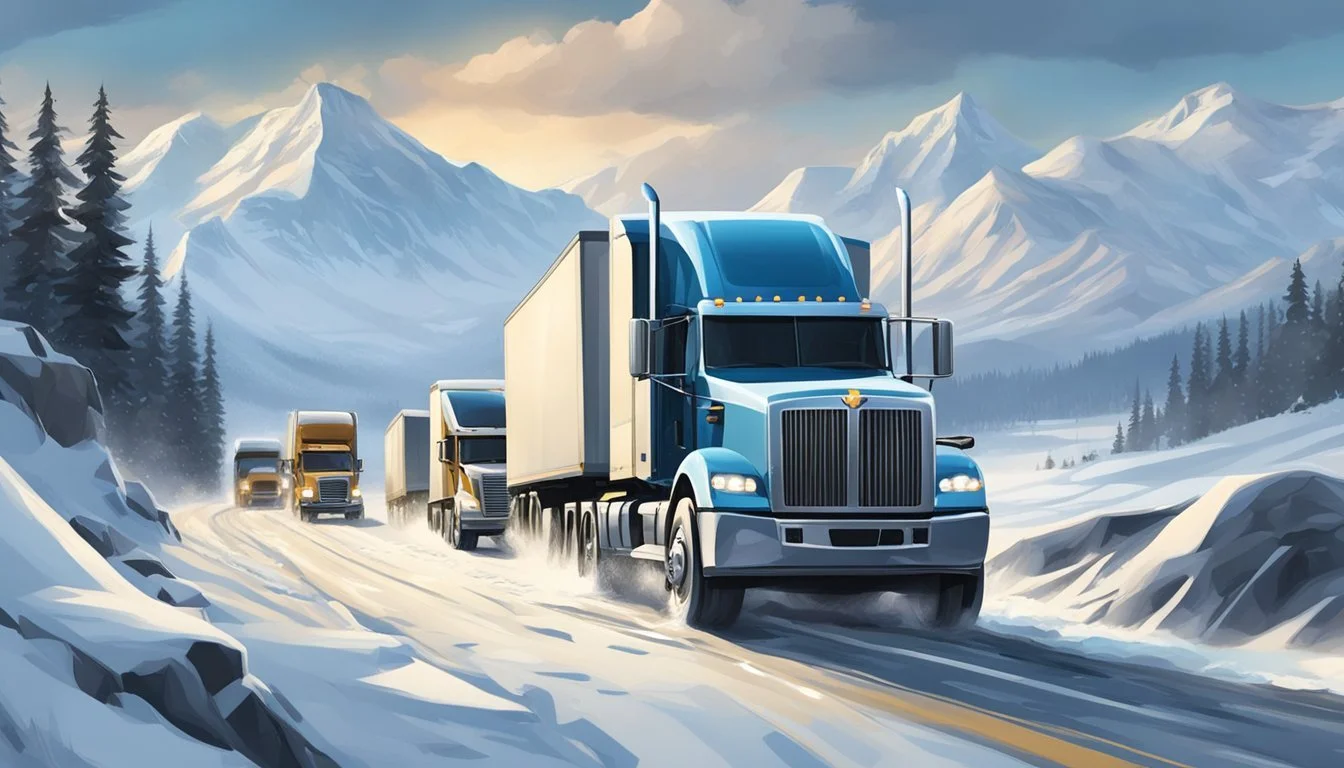
Ice road trucking production involves strategic coordination and constant attention to environmental and operational detail. Teams must address transportation obstacles in harsh climates while also ensuring that people and machines remain safe and functional throughout every trip.
Remote Locations and Transportation
Filming and operating in remote Arctic zones, including areas in Alaska and Canada, presents significant difficulties. Most ice roads lie outside standard shipping routes and often lack a regular zip code. This affects both supply chain logistics and the ability to respond quickly to emergencies.
Access requires not only specialized vehicles but also careful planning to schedule deliveries during brief windows when roads are frozen and stable. Unpredictable weather quickly alters travel plans, creating added urgency to move materials and people before thawing or storms.
Communication with local authorities and coordination with regional infrastructure services becomes essential. The crew must always be prepared with contingency plans, as even short delays can lead to extended isolation in subzero temperatures.
Managing Crew and Equipment
Ensuring the safety and efficiency of everyone involved calls for rigorous management of both human and material resources. The crew is often composed of both seasoned ice road truckers and technical staff with specialized training for harsh environments.
Inventories of spare parts, fuel, and tools are regularly checked since resupply runs can be delayed by weather or road closures. Equipment must be inspected before every journey, with any mechanical issues addressed at once due to the limited availability of repair facilities.
Depending on the country, crew members may require specific licenses and safety clearances, adding administrative hurdles. Well-organized rotation schedules help maintain performance, reduce fatigue, and decrease the likelihood of accidents in such an extreme setting.
Personal Stories and Camaraderie
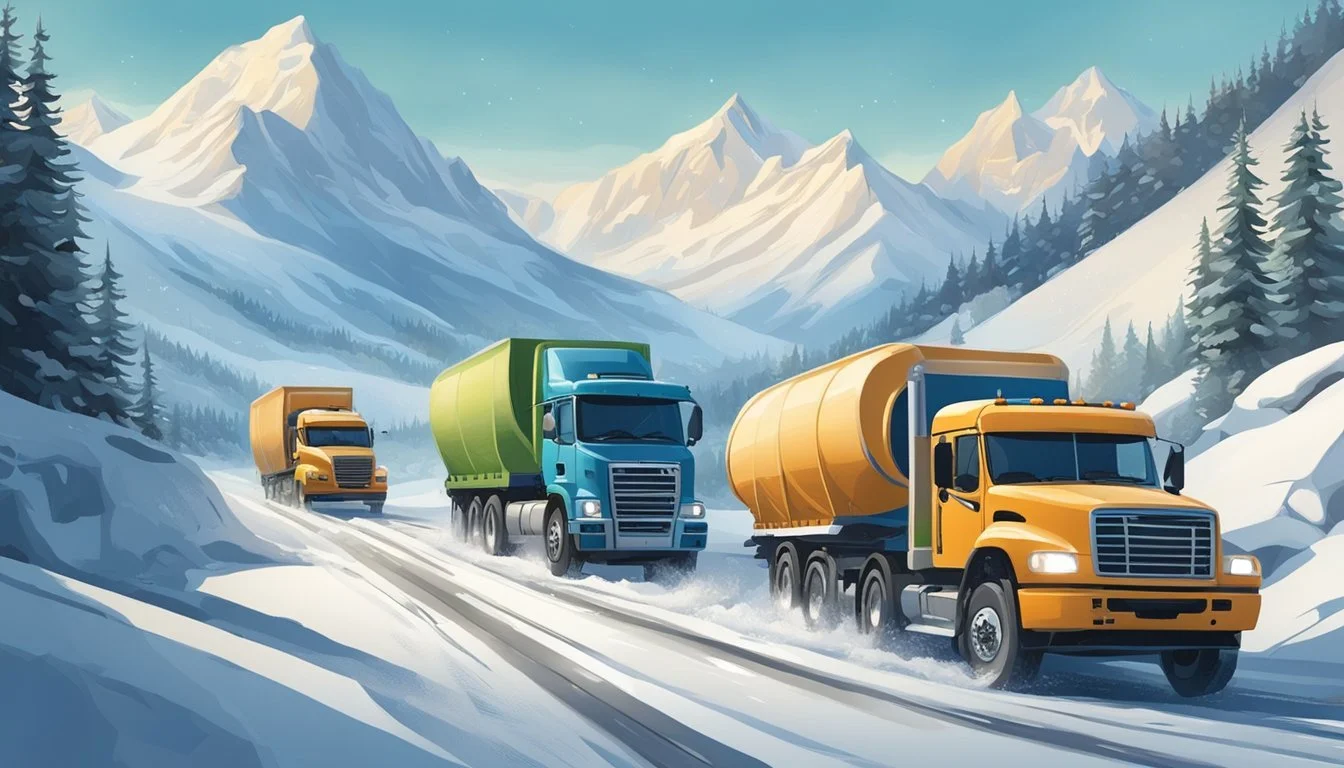
Life on the ice roads is shaped not only by the terrain and weather, but by the deep relationships that develop between drivers and crew. The solidarity that emerges under such demanding conditions is built on everyday actions and shared risk.
Building Trust On Set
Trust among the cast and crew is crucial during filming. Camera operators often need to ride along in the trucks, relying on the driver’s skills to ensure everyone’s safety across unstable ice and rough terrain.
Miscommunication or carelessness can quickly lead to hazardous situations, so everyone must be vigilant. Drivers like Lisa Kelly and Alex Debogorski have often shared how important mutual respect is for both filming logistics and everyday survival.
The production team structures schedules and rest times to guard against fatigue. Safety briefings and gear checks are routine. In this environment, trust isn’t just a feeling—it’s a set of reliable behaviors critical to keeping all participants out of harm’s way.
Truckers’ Bonds in Extreme Conditions
Ice road trucking forges strong camaraderie due to the intense isolation and pressure of the job. Drivers often travel for hours without seeing anyone else, except for the few colleagues making the same journey.
Simple acts—like helping a fellow driver repair equipment or sharing a meal while waiting for a road to clear—form the backbone of these bonds. Many describe these friendships as being more like a family than coworkers.
Table: Ways Camaraderie Shows Among Truckers
Situation Common Responses Breakdown on the ice Drivers stop to help immediately Dangerous weather Shared warnings via radio Long runs Regular check-ins and encouragement
Facing danger together, ice road truckers develop trust that extends far beyond the workplace, shaping their views on loyalty and teamwork.
Triumphs and Milestones

Ice Road Truckers achieved rare international recognition for a reality show centered on remote and dangerous trucking. Its production established important benchmarks for the reality television industry and reflected broader trends in global entertainment.
Critical Reception and Global Impact
Ice Road Truckers premiered in 2007 on the History Channel and quickly became one of the network’s top-rated programs. Its appeal spanned audiences in both the United States and countries such as Canada, the UK, and Australia.
The show was praised for its realistic depiction of extreme trucking and the hazards faced by drivers crossing treacherous ice routes. Stories of resilience, teamwork, and problem-solving helped change perceptions about truck driving as a profession.
Viewer engagement was high, with social media buzz and online forums dedicated to episode analysis and driver personalities. International broadcasting deals brought the show to millions, and it inspired documentaries and books expanding on the subject.
Evolution of the Reality Show Format
Ice Road Truckers contributed key innovations to the reality show format. The production integrated dashboard cameras, aerial shots, and on-the-fly interviews, allowing for an immersive, documentary-style portrayal of life in extreme conditions.
Producers balanced authentic danger with strong narrative arcs, highlighting not just peril but also the daily strategic decisions made by drivers. These creative choices set a precedent for other occupational reality shows.
The series’ longevity, spanning over a decade and multiple spin-offs, demonstrated the viability of blending real-world risk with entertainment. Its milestones include introducing new routes each season, featuring diverse cast members from different countries, and tackling logistical challenges rarely seen on television.
Legacy and Influence
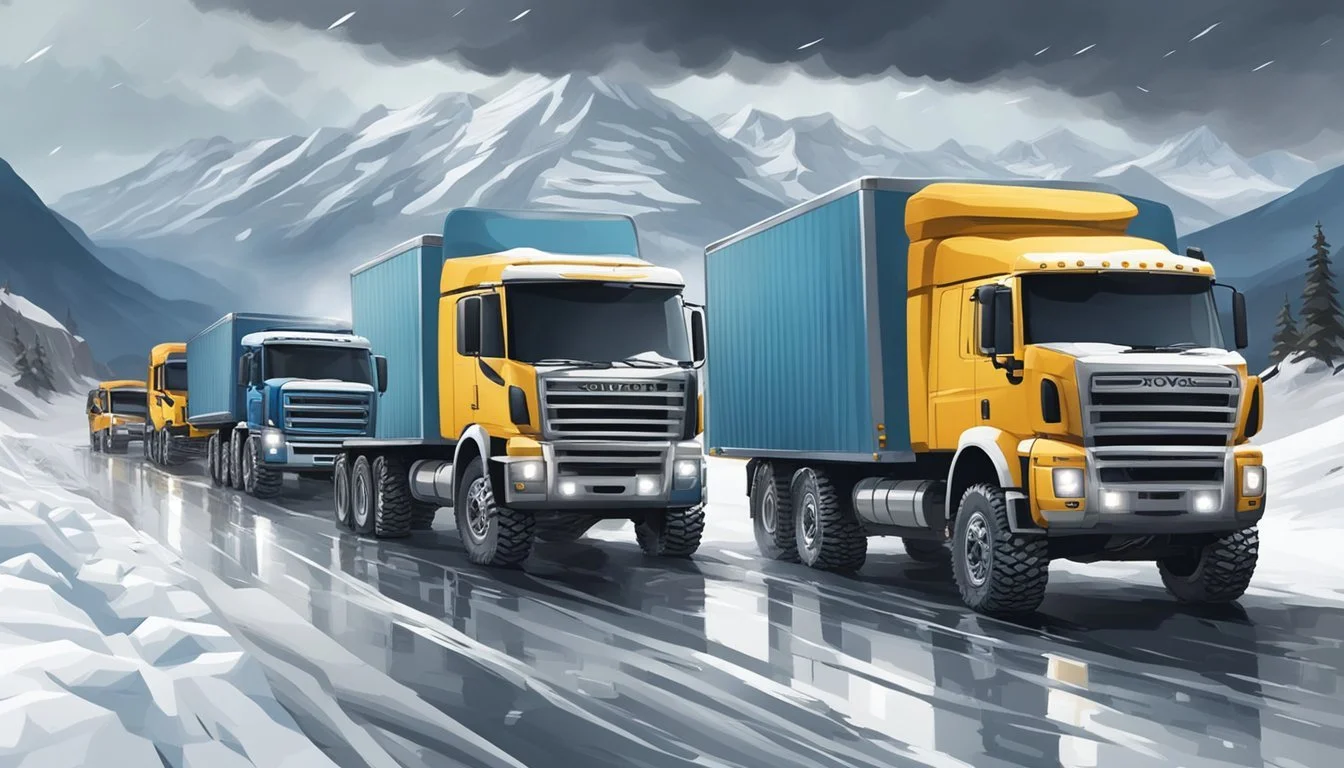
Ice Road Truckers expanded public awareness of the extreme conditions and tough realities faced by drivers in remote northern regions. The show left a mark both within the trucking industry and among viewers fascinated by the blend of danger, skill, and endurance it required.
Inspiring a New Generation
Ice road trucking was brought to the forefront by the series, showing a side of commercial driving rarely seen on television. The show portrayed real drivers, including Lisa Kelly and her colleagues, navigating hazardous ice roads across Canada and Alaska.
This visibility encouraged more people, including women and younger drivers, to consider careers in trucking. Recruitment saw an uptick, and training programs highlighted examples from the show to prepare recruits for extreme conditions.
Industry organizations noted how the program positively influenced the public's perception of truckers, presenting them as professionals facing unique, technical challenges. Stories of perseverance in the face of sub-zero temperatures and mechanical failures provided relatable examples of grit and problem-solving.
Cultural Representation of Ice Road Trucking
Through its focus on actual truckers, the series brought attention to the communities and remote industries relying on winter road supply routes. The daily struggles with frozen fuel, shifting ice, and limited daylight were depicted plainly, countering common stereotypes about trucking.
By filming on location in places like the Canadian Northwest Territories, Ice Road Truckers showcased the logistics needed to keep northern settlements supplied. The show became a cultural reference point, introducing terms and practices unique to ice road trucking into mainstream conversations.
Local economies and a broader audience gained respect for the essential role of ice road truckers. Their work, once unknown or misunderstood by many, was recognized as both vital and hazardous, impacting how people viewed goods transportation in extreme climates.
