
How Ice Road Truckers Show the Critical Role of Preparedness in Extreme Winter Trucking
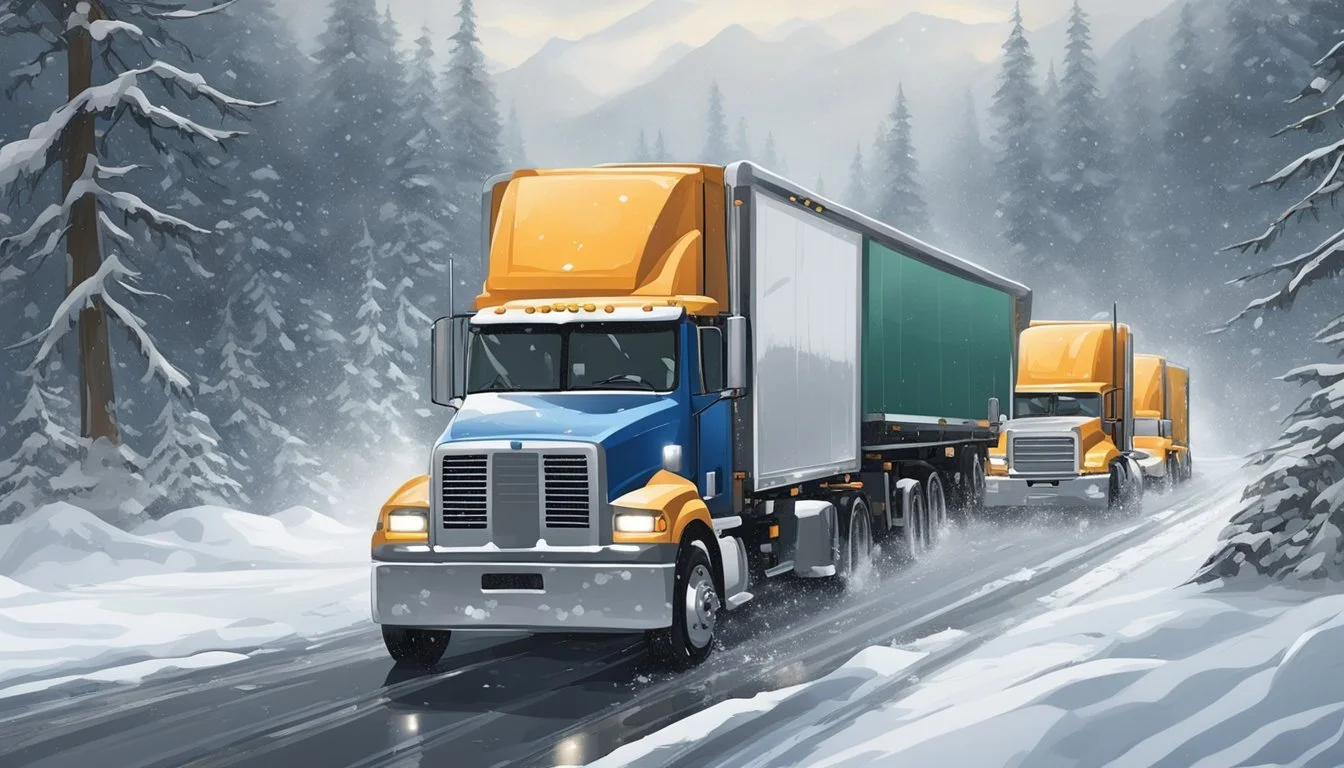
Ice road trucking is one of the most demanding and hazardous jobs in the transport industry, where each journey depends on planning, caution, and resilience. The popular show "Ice Road Truckers" brings this reality to the forefront, offering a close look at how professional drivers tackle dangerous routes under extreme winter conditions.
"Ice Road Truckers" highlights the critical need for thorough preparedness, from vehicle maintenance and emergency kit supplies to route planning and safety training. The daily challenges faced by these drivers—unpredictable ice, subzero temperatures, and isolation—underscore that survival and success depend on careful preparation and the ability to handle emergencies.
Viewers gain real-world insight into why readiness is not just an advantage but a necessity in extreme environments. The lessons learned are valuable for anyone on the road, not just ice road truckers.
The Premise of Ice Road Truckers
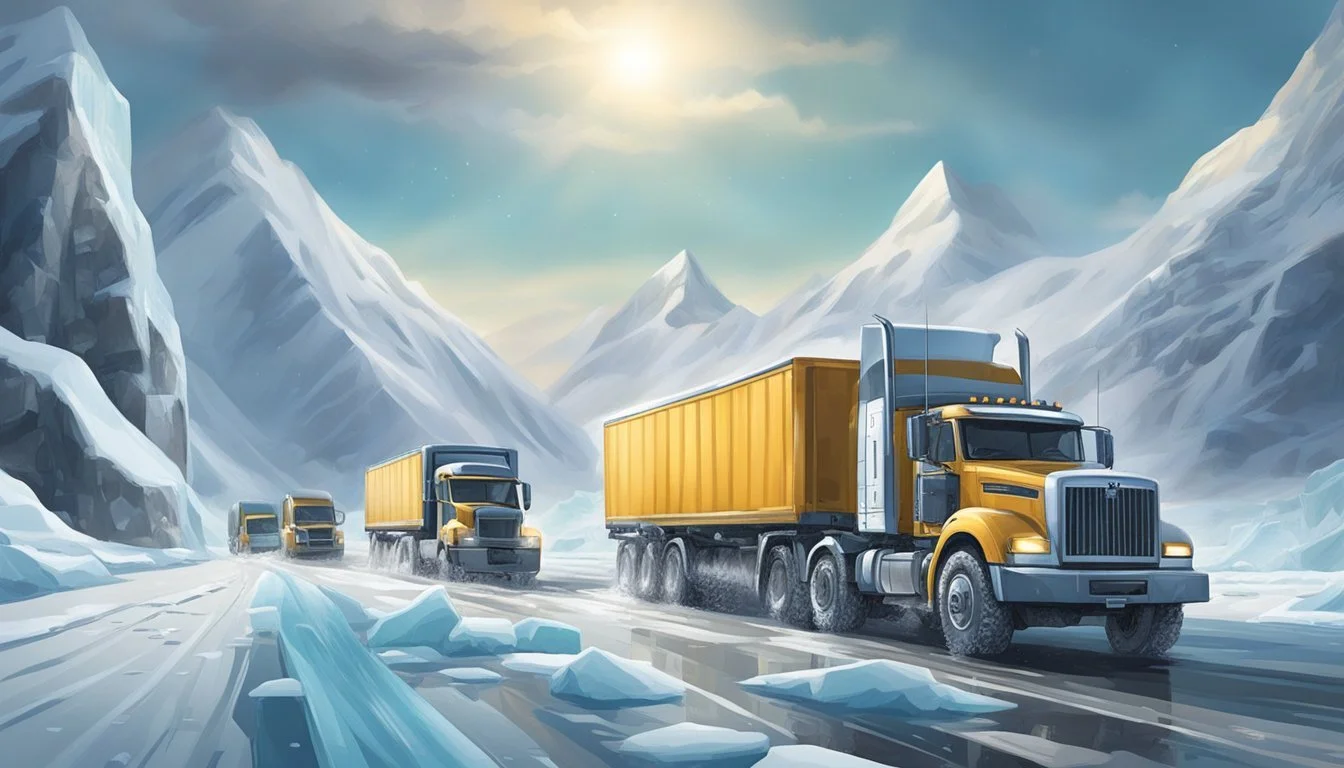
Ice Road Truckers documents the hazardous journeys of truck drivers who haul goods over frozen roads in remote regions. The series emphasizes the environmental dangers, technical challenges, and vital planning required in these extreme conditions.
Setting and Overview
The primary backdrop of Ice Road Truckers is northern territories such as Alaska and parts of Canada, where winter roads form only during the coldest months. These icy routes traverse frozen lakes and snow-packed terrain, serving as essential lifelines for isolated communities.
Temperatures frequently drop below -40°C, causing machinery to seize and ice to fracture unpredictably. Drivers must deal with blizzards, poor visibility, and shifting road conditions daily. The remoteness of routes increases risk, as help may be hours away if trouble arises.
Roads are not permanent infrastructure. Each season, crews must prepare ice surfaces by clearing snow and monitoring ice thickness to ensure trucks can safely cross. This preparation is critical, as a mistake can lead to trucks breaking through the ice.
The Role of Truck Drivers
Truck drivers in the series are responsible for transporting fuel, food, heavy equipment, and other crucial supplies to remote areas cut off from regular transportation. Each trip requires comprehensive pre-trip planning, vehicle maintenance, and preparedness for unexpected events such as breakdowns or sudden storms.
Their jobs are physically and mentally demanding. Drivers often work long hours under strict deadlines while ensuring their loads do not compromise the structural integrity of the ice. They must constantly monitor truck weight, speed, and route conditions.
Preparedness is not optional in these environments. Drivers carry winter survival kits, extra fuel, and communication equipment. A small oversight can endanger lives, delay supplies, and jeopardize community survival in harsh northern climates.
Why the Series Resonates Globally
The series attracts viewers worldwide because it provides a real look into the logistics and human tenacity required in some of the world’s most difficult driving conditions. Ice Road Truckers showcases the essential work behind supply chains in areas where roads exist only through careful planning and engineering.
Audiences relate to themes of risk, resilience, and problem-solving. The program highlights how ordinary individuals rise to meet challenges through expertise and preparation. Safety measures and adaptability shown by the drivers are universally relatable, regardless of a viewer's background or country.
By focusing on specific, real-world challenges in Alaska and other northern territories, the show brings awareness to the importance of preparedness in any high-risk profession. This resonates with professionals in various countries who face demanding or hazardous working conditions.
Preparedness in the Face of Dangerous Conditions
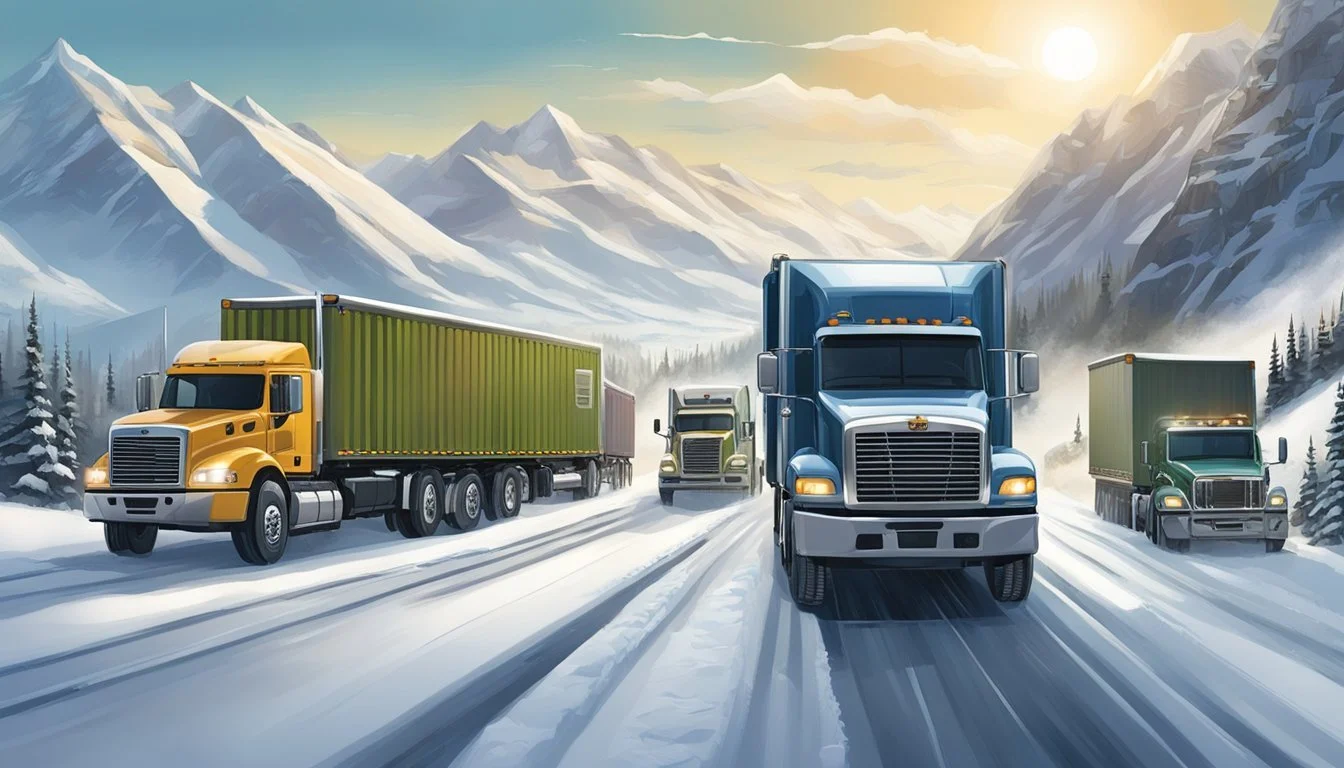
Ice road trucking demands careful attention to road surfaces, shifting weather patterns, and quick adaptation to keep both cargo and drivers safe. Preparation centers on a mix of skill, awareness, and the right equipment.
Assessing Road Conditions
Identifying and evaluating road conditions is a core part of every ice road trucker’s responsibilities. Drivers frequently check the thickness and integrity of ice, watching for cracks, refrozen slush, and weak spots. Signs posted by authorities supply critical warnings and updates for trouble areas.
Surface conditions can change throughout the day. Early morning temperatures may result in harder, more stable ice, while midday sun can soften surfaces and increase risk. Drivers must remain observant, especially near river crossings or areas known for thin ice.
Truckers also rely on physical cues—listening for unusual sounds from the ice, watching how it flexes under load, and noting patches of snow or slush that could signal hidden hazards. Maintaining a slow, steady speed helps prevent accidents on uncertain terrain.
Dealing With Icy Roads
Driving on icy roads requires strict adherence to safety protocols and the use of specialized equipment. Snow chains offer essential traction, especially during climbs or sharp turns. Drivers routinely inspect and install chains according to both road and weather demands.
Reducing speed and increasing following distance limits the chance of skids or jackknifing. Gentle braking and smooth steering preserve control, particularly when black ice is present. These adjustments help ensure the truck’s heavy load does not shift unexpectedly.
Truckers keep necessary tools like shovels and sand ready to improve grip on particularly slippery patches. Routine brake checks and tire inspections are essential maintenance tasks before navigating icy routes.
Weather Monitoring and Adaptation
Constant weather monitoring is vital for anticipating hazards. Drivers use reliable sources such as CB radio, GPS-based weather apps, and roadside alerts to stay updated on changes in temperature, snowfall, and wind conditions. Sudden snowstorms can create whiteout situations, which make visibility a serious challenge.
Adaptation means pulling over if visibility drops below a safe threshold or if new snow makes routes impassable. Many companies establish strict protocols requiring truckers to stop and wait out severe conditions. Scheduled check-ins with dispatch help ensure prompt response in case of emergency.
Quick adaptation extends to route planning. Drivers adjust their routes or even return to base if forecasts show deteriorating ice or extreme cold. Preparation includes packing extra supplies—food, water, insulated clothing, and emergency kits—to handle delays or being stranded.
Essential Skills for Truck Drivers
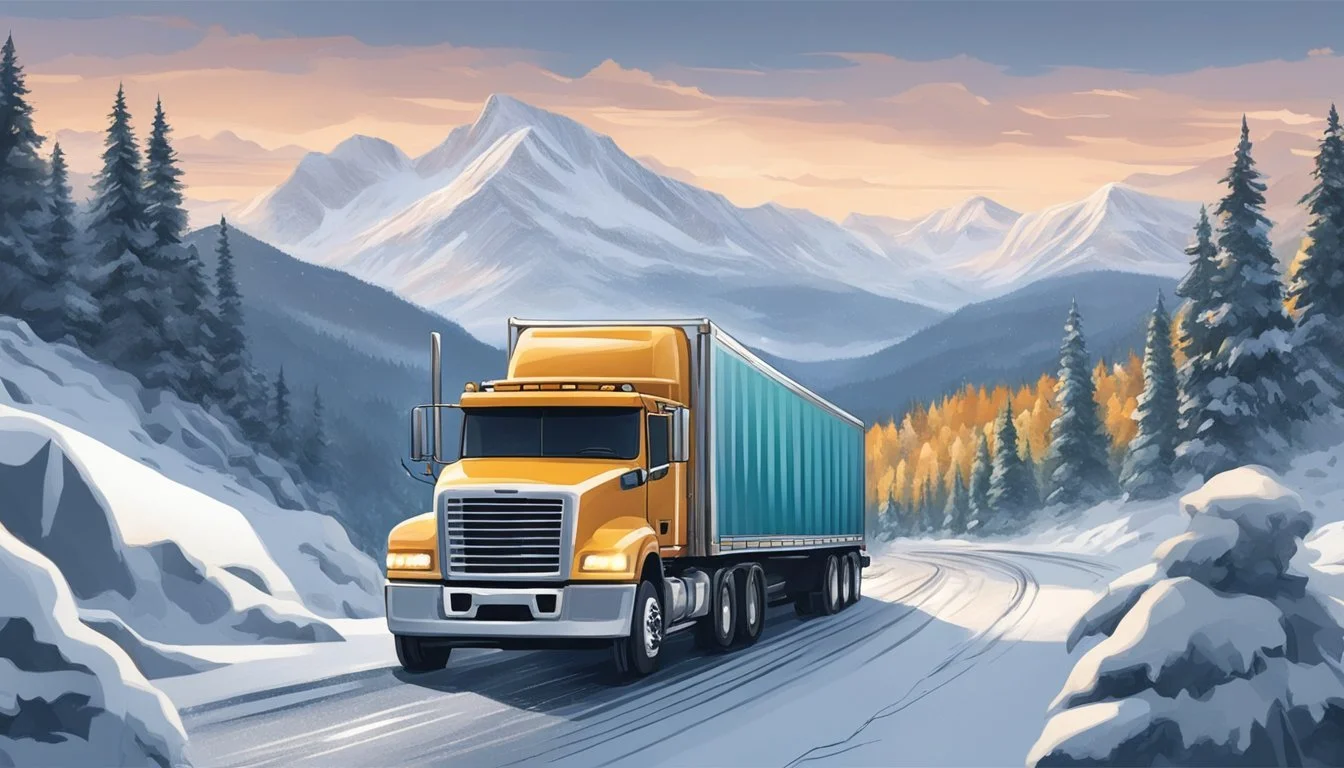
On ice roads, drivers depend on precise skills and consistent discipline. Success relies on both technical know-how and the mental ability to withstand isolation, stress, and hazardous conditions.
Technical Competence With Commercial Trucks
Operating commercial trucks in extreme cold requires a high degree of mechanical understanding. Skilled drivers inspect tires for proper inflation, monitor brake lines for ice build-up, and routinely check that all lights and reflectors remain clear of snow or dirt.
Knowledge of engine management is crucial. Cold weather can quickly degrade performance and cause equipment issues. Knowing how to start diesel engines in low temperatures, handle frozen fuel lines, and use block heaters extends truck reliability.
Navigation also demands familiarity with specialized equipment. Truckers often use satellite communication systems and GPS tailored for remote areas. Accurate map reading and interpreting changing ice conditions are everyday requirements.
A quick reference for technical tasks:
Task Purpose Pre-trip Inspections Identify mechanical vulnerabilities Tire Chain Installation Improve traction on ice Mirror/Light Maintenance Ensure visibility and safety Engine & Fluid Checks Prevent breakdowns
Stress Management Techniques
Driving for days under severe weather, limited daylight, and isolation can create stress. Truck drivers rely on structured routines to stay focused and maintain mental health.
Methods such as deep breathing, listening to calming audio, and maintaining regular check-ins with dispatch can reduce anxiety. Setting scheduled rest breaks helps manage fatigue and break up monotony.
Support networks are critical. Truckers frequently share advice or discuss challenges with colleagues by radio or messaging apps. Having clear emergency procedures and knowing when to seek help can prevent stress from escalating.
Key techniques:
Scheduled breaks
Active check-ins with team members
Breathing and relaxation exercises
Clear action plans for emergencies
Avoiding Distractions
Avoiding distractions is essential when driving across unstable ice. Even minor lapses in focus can lead to accidents or equipment damage.
Truck drivers keep mobile devices out of reach and mute unnecessary alerts. Navigation and weather monitoring, while necessary, are planned before driving to minimize adjustments on the road.
They adjust the truck’s environment by organizing the cab and keeping critical items close. Eating and handling paperwork are reserved for designated stops, not while in motion.
A practical checklist includes:
Store devices securely before starting out
Review route and weather before departure
Organize essential tools and documents within easy reach
Delay non-driving tasks until parked
Tools and Equipment for Safe Ice Road Trucking
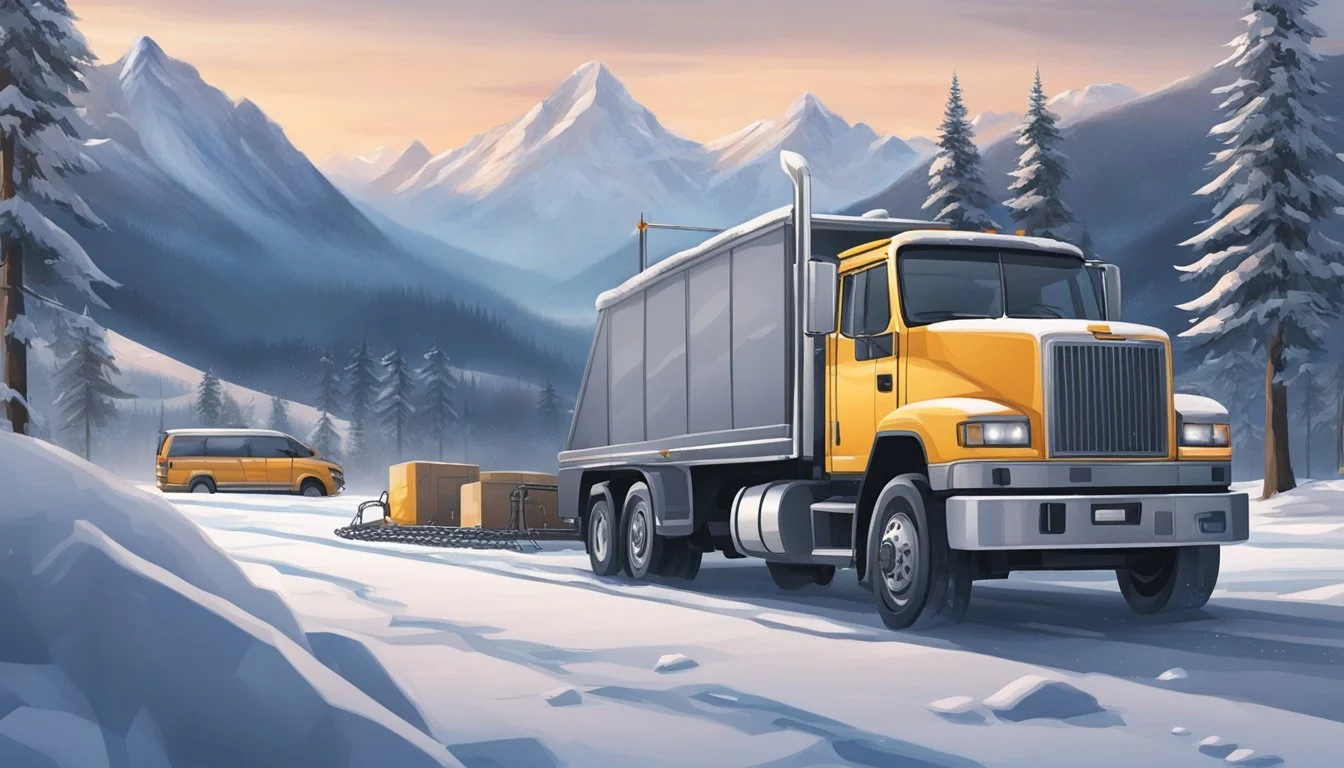
Truckers need specialized gear to handle extreme ice road conditions. Reliable traction gear and emergency supplies play a vital role in preventing incidents and supporting rescue efforts if problems occur.
Importance of Chains and Traction Gear
Proper traction is essential for safe ice road trucking. Tire chains are one of the most important tools. Truckers fit them to drive wheels before tackling icy patches, increasing grip and reducing the risk of sliding.
Some use traction mats or sand to aid movement if stuck. These items are kept within easy reach in the truck cab. Drivers regularly inspect chains for wear and replace any broken links before each trip.
A summary table for traction gear:
Gear Type Purpose Key Benefit Tire Chains Enhanced grip on ice Reduced sliding Traction Mats Temporary aid for stuck tires Easier self-recovery Sand/Kitty Litter Extra tire traction Helps escape ice patches
Routine checks on all traction equipment ensure continuity and lower the risk of breakdowns in isolated areas.
Essential Emergency Supplies
Carrying a comprehensive emergency kit is critical on ice roads. Basic kits include blankets, non-perishable food, and water for warmth and hydration if delays occur.
A flashlight and extra batteries are important for visibility in darkness or stormy conditions. Other crucial tools include a shovel for clearing snow and a broom to remove buildup underneath the truck.
Truckers should also carry a first aid kit, spare clothing, and a charged communication device to contact rescue services. The list below highlights top emergency supplies:
Heavy blankets or sleeping bags
High-energy food, such as granola or protein bars
Bottled water
Flashlight and batteries
Shovel and broom
First aid kit
Extra clothing and gloves
Emergency flares or reflectors
Truckers often review and replenish these supplies before every ice road journey to prepare for emergencies and long waits for assistance.
Preparedness and Its Broader Impact on the Trucking Industry
Effective preparedness in ice road trucking not only ensures safety but also strengthens the reliability of the entire trucking sector. Decisions made in extreme environments often set standards for operational efficiency and risk management across supply chains and financial outcomes.
Ensuring Resilient Supply Chains
Preparedness is critical for keeping supply chains functional, especially in remote and harsh environments. Ice road truckers routinely face unpredictable weather, ice thickness variations, and changing routes, all of which demand precise planning and adaptability.
These practices translate well to the broader trucking industry. By developing robust emergency protocols, carrying essential supplies like food, water, and blankets, and using real-time weather and route updates, trucking companies reduce delays and cargo losses.
A resilient approach lessens the risk of delivery interruptions that can ripple through markets and industries worldwide. For businesses dependent on timely shipments, preparedness directly supports reliability and customer satisfaction.
Impact on Profit Margins
Preparedness reduces both direct and indirect costs by minimizing equipment failures, accidents, and lost loads. In ice road trucking, preventive maintenance and contingency planning help avoid expensive repairs and insurance claims.
Meticulous planning results in fuel savings, lower overtime expenses, and optimized logistics. These efficiencies have a direct effect on profit margins, as reduced downtime and fewer disruptions translate into greater on-time delivery rates.
The financial benefits of preparedness extend across the trucking industry, especially for those operating in challenging regions. Companies focused on readiness see measurable gains, making preparedness not just a safety issue but an economic necessity.
Lessons for the Global Economy
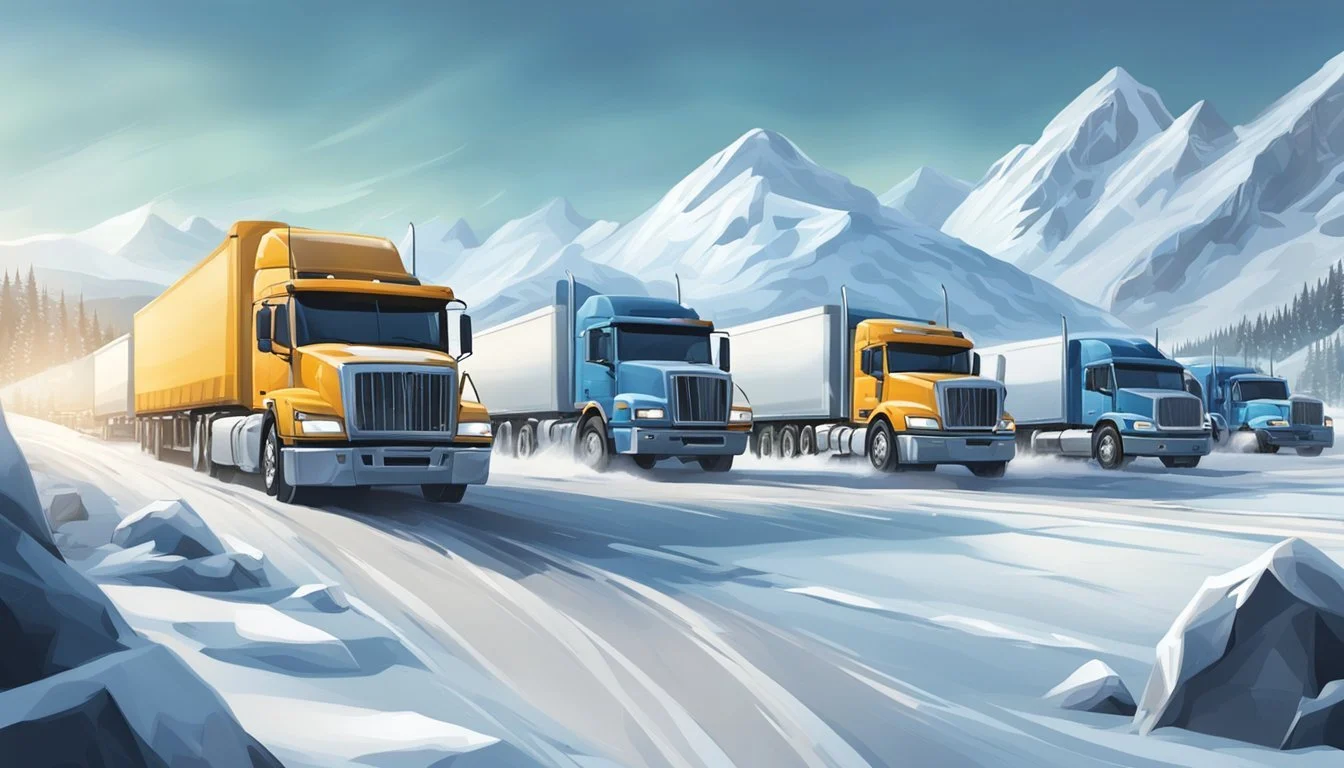
Ice road trucking provides a clear example of how supply chains function under extreme challenges. It reveals the direct connection between logistics resilience and the smooth operation of broader economic systems.
Ice Road Truckers as a Microcosm of International Transport
The conditions faced by ice road truckers—unpredictable weather, limited infrastructure, and long distances—mirror issues seen in many parts of the global economy. Critical goods delivered to remote communities often depend on a few skilled drivers managing high-risk routes, just as certain commodities worldwide rely on vulnerable transit corridors.
This setting models the fragility and interdependence of international transport networks. For example:
Delays or disruptions can halt production or lead to shortages in distant markets.
Ice road trucking demands contingency planning, similar to global logistics strategies used in ports or railways affected by strikes or natural disasters.
Just-in-time delivery methods are stressed by these challenges, highlighting the need for adaptable forecasting.
By examining how the ice road trucking industry manages these risks, global supply chain leaders can identify and mitigate weak points in their own networks.
Promoting Safety Standards Worldwide
Safety regulations in ice road trucking are strict because the risks are high. Drivers must prepare extensively, undergo emergency training, and maintain their trucks for peak performance. This culture of safety is a direct response to the harsh environment.
The trucking industry worldwide can draw lessons from these protocols. Mandatory training, regular vehicle inspections, and real-time monitoring help protect both people and cargo. These measures not only prevent accidents but also minimize economic losses from damaged goods or delayed shipments.
Regulators and industry leaders often study best practices from high-risk environments to update international safety standards. Adopting stringent safety protocols reduces costs, protects human lives, and ensures the continued flow of goods vital to the global economy.
