
Trust and Teamwork on Ice Road Truckers: How Drivers Rely on Each Other in Extreme Conditions
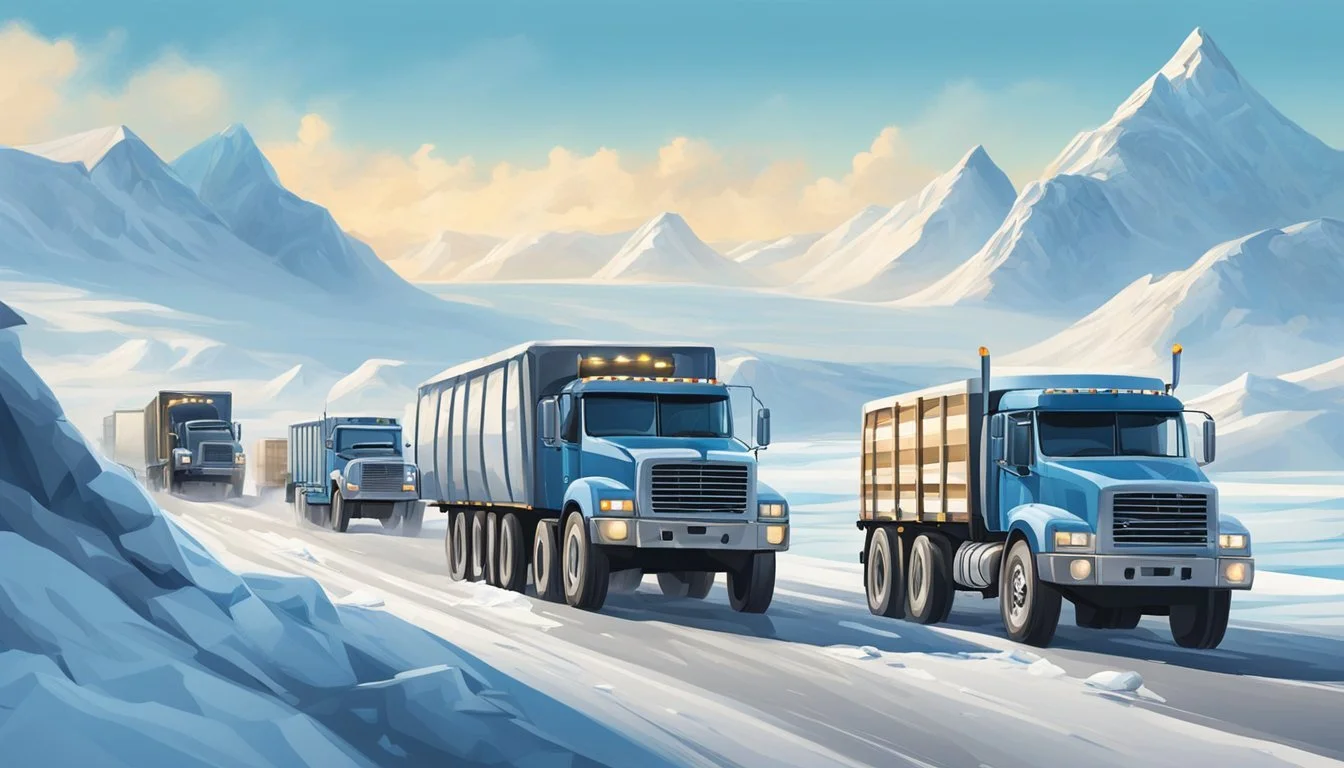
Trust is at the core of every decision and every mile for the stars of Ice Road Truckers, shaping not only how they face the dangers of the road but also how they work as a team. Crossing frozen lakes and remote highways demands that drivers depend on each other, their vehicles, and the people who keep routes safe. The intense conditions mean that even a small mistake or a lapse in judgment can have serious consequences.
On these ice roads, drivers often travel in convoys, carefully spaced to reduce risk, and rely on constant communication through CB radios. Trusting fellow drivers to share timely updates and warnings can be the difference between reaching their destination safely or running into trouble. These shared experiences foster a unique bond built on mutual respect and necessity.
Fans of the show see the drama and excitement of the ice roads, but behind the scenes, every successful delivery depends on trust—between drivers, their support teams, and the equipment that carries them across some of the harshest terrain in North America.
Defining Trust in the Ice Road Truckers Environment
Trust is essential for ice road truckers as it directly shapes their safety, performance, and ability to handle the dangers of remote, frozen routes. In this environment, trust must be practical, earned, and continuously reinforced through experience and communication.
Foundational Aspects of Trust on Ice Roads
On the ice roads of northern regions, drivers face extreme weather, unstable ice, and isolation. Trust begins with believing in the reliability of vehicles, road maintenance teams, and the information provided by dispatchers. Truckers depend on honest weather reports, equipment checks, and vehicle maintenance logs to make critical decisions.
A simple error can put both cargo and lives at risk. To address this, trucking companies in countries like Canada and the United States enforce strict protocols and regular training. Patience, transparency, and a shared sense of responsibility are fundamental, as drivers must have confidence in the support systems that sustain them throughout their journey. Their adventure depends on this foundation.
Trust Within High-Risk Professions
Operating in a high-risk profession, ice road truckers rely on trust not just for comfort but for survival. Unlike many jobs, a moment of doubt or a breakdown in communication can have deadly consequences on icy, remote highways.
To mitigate risk, truckers adhere to strict chains of command and established emergency procedures. Contingency plans, backup communication channels, and real-time monitoring are non-negotiable parts of their work. Knowing colleagues will act predictably and professionally during crises is more important than camaraderie. In this field, trust is continually evaluated against results and adherence to safety practices rather than emotional bonds.
The Importance of Trust Among Team Members
Mutual trust among team members is vital given the dangers of ice road trucking. Drivers often travel together in convoys through isolated country terrain, relying on one another when facing unexpected challenges such as mechanical failures or rapidly shifting ice conditions.
Effective teams use coded radio language, share route updates, and stop for safety checks. Confidence in a colleague’s judgment or skill can be lifesaving. When weather closes in fast, or a rig stalls at the worst moment, team members who trust each other respond faster, communicate clearer, and provide practical support—minimizing risk and helping everyone complete their journey safely.
Interpersonal Trust Among Ice Road Truckers Stars
On the dangerous and isolated roads of the Arctic, ice road truckers like Lisa Kelly and Alex Debogorski rely heavily on each other's dependability and honesty. These truckers face a mix of adventure and risk, making trust not just important, but vital for safety and job success.
Building Reliable Partnerships
Partnerships on frozen roads demand more than basic teamwork. Drivers often form close working relationships, sharing routes, weather updates, and emergency plans. Trust is built when each person demonstrates reliability—showing up on time, keeping promises, and maintaining equipment to keep others safe.
In extreme climates, one small mistake can have serious consequences. Because of this, drivers choose partners who have proven their skills and judgment. It is common to see more experienced drivers mentoring newcomers, helping them understand not just road techniques, but also how to look out for others in the crew.
These partnerships grow stronger with each successful delivery. Shared challenges, such as navigating thinning ice or sudden storms, create lasting bonds founded on confidence and shared responsibility.
Communication and Mutual Respect
Effective communication is at the center of trust. Ice road truckers constantly exchange information about weather risks, road hazards, and truck conditions, often using radios and short messages. Clear, honest communication signals reliability and makes problem-solving quicker during emergencies.
Respect is shown by listening and acknowledging the skills and experience of others. On this dangerous job, dismissing someone’s advice or ignoring a warning can create tension and lead to mistakes. Respectful exchanges, such as double-checking information before acting, help drivers avoid misunderstandings that could put lives at risk.
A culture of mutual respect encourages learning and skill advancement. Truckers appreciate and celebrate the unique strengths of each crew member, fostering a positive environment where everyone’s input is valued.
Resolving Conflicts on the Road
Conflicts are inevitable when people work long hours under stress. Resolving disagreements quickly is crucial for the safety and functionality of the team, especially during challenging adventures like crossing unstable ice or responding to breakdowns.
Truckers typically handle disputes directly, favoring conversations that focus on facts rather than blame. Many veteran drivers set an example by staying calm and solution-oriented during tense situations. They discuss issues openly during rest stops or over the radio, seeking compromises to prevent future problems.
Consistent and fair conflict resolution helps maintain strong working relationships. When everyone trusts that issues will be addressed respectfully, they are more willing to take necessary risks and support one another through the toughest parts of the journey.
Role of Trust in Challenging Ice Road Conditions
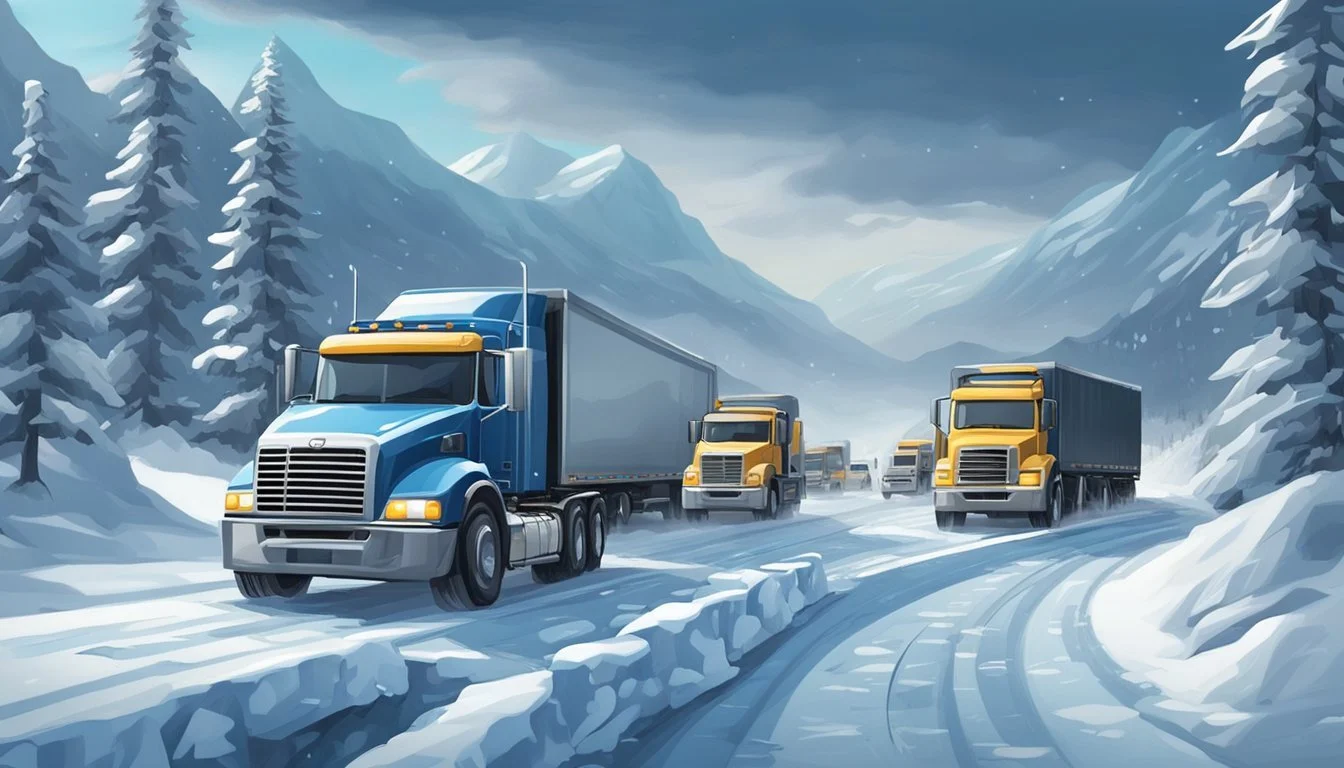
Trust shapes the way ice road truckers navigate extreme weather, treacherous ice routes, and high-pressure situations. Their survival and success often depend on collaboration, reliable information, and disciplined procedures designed for the unique risks they face in regions like Alaska or Canada.
Safety Protocols and Shared Responsibility
Ice road trucking involves strict safety protocols that demand unwavering trust among drivers and support personnel. One missed radio check or overlooked regulation puts everyone at significant risk. Each driver is expected to communicate conditions, hazards, and mechanical issues as soon as they arise.
Job checklists and daily inspections are required, but trust plays a role in honest reporting and adherence to every procedure. Emergency drills train truckers to depend on their teammates, whether for quick rescues or accurate condition assessments.
When hauling heavy cargo over unstable ice, trust becomes essential. A single lapse can compromise not just an individual but the entire convoy, highlighting the role of mutual reliance.
Decision-Making Under Pressure
Truckers frequently make high-stakes decisions alone or in small groups, often with little time to consult others. Situations like sudden whiteouts or ice cracks force them to depend on the judgment of others who have already traversed the path or are relaying information via radio.
Drivers share route experiences, warn about weak spots or wildlife crossings, and rely on each other's quick thinking to prevent accidents. Decision-making becomes a blend of personal experience and the lessons learned from trusted colleagues.
Convoys highlight this dynamic: the lead trucker’s choices in response to hazards dictate the actions of those following. Open, direct communication is prioritized. Trust in peers ensures that split-second calls are respected, reducing incidents and building a sense of unity.
Trust in Navigation and Weather Information
Accurate navigation and weather updates are vital due to the unpredictability of northern routes in the US and Canada. Truckers trust specialized dispatch teams, GPS updates, and local weather stations to stay aware of shifting ice, snowstorms, or warming spots that signal danger.
Navigation tools are only as reliable as the data and those providing guidance. Drivers must trust dispatchers, route planners, and equipment calibrations to avoid becoming stranded or entering unsafe zones. They cross-check tools with real observations and radio messages from fellow drivers.
Open lines of communication minimize risk. Trusted weather forecasts and navigation support help drivers negotiate tight delivery deadlines while keeping safety as the top priority. Inconsistent or questionable data can trigger delays or reroutes, underscoring the importance of dependable sources in these high-stakes environments.
Trust and Public Perception of Ice Road Truckers Stars

Visibility from television exposure puts the stars of Ice Road Truckers under constant public scrutiny. Their credibility, both on and off the road, shapes how audiences interact with the show and its personalities.
Building Audience Connection
Many viewers follow Ice Road Truckers not just for the challenges of the icy roads, but for the individual stories of the drivers. When stars like Lisa Kelly or Alex Debogorski share personal experiences, it forms a foundation for trust between the audience and the cast.
Social media and public appearances provide drivers with a platform to interact with fans. Responses to fan questions, behind-the-scenes updates, and honest storytelling often help establish a sense of authenticity.
A direct connection with the audience can influence the show's reputation. Engagement through real stories and direct communication builds a loyal viewer base, making public trust a core part of the show's success.
Trustworthiness and Media Representation
How media portrays Ice Road Truckers stars affects their public image. Networks highlight their professionalism, resilience, and ability to handle high-risk situations, presenting them as dependable and competent.
Sensitive editing can sometimes create conflict-driven narratives. While this may raise drama, most fans value accuracy and integrity. Any misrepresentation or exaggerated drama risks undermining trust.
Key elements driving perceived trustworthiness include:
On-screen behavior: Consistency in actions and words
Transparency: Addressing real-life challenges versus scripted drama
Conduct outside the show: Community involvement, interviews, and industry reputation
Balanced media coverage helps ensure the drivers are viewed as skilled professionals rather than mere television personalities. Accurate representation helps to maintain a trustworthy relationship with both new and longtime viewers.
Operational Trust in Equipment and Technology
Ice road truckers constantly depend on their vehicles and tools to perform safely in extreme conditions. Equipment reliability and improvements in technology directly impact their ability to manage risk and complete deliveries.
Reliance on Vehicle Maintenance
Trust in a truck’s mechanical integrity is fundamental for every driver tackling remote ice roads. Routine inspections and strict maintenance schedules are essential due to subzero temperatures and rugged terrain. Drivers pay close attention to tire condition, brake functionality, and fluid levels to prevent breakdowns.
Small mechanical failures can lead to life-threatening situations when help is hours away. Many drivers carry spare parts, such as belts or hoses, and basic tools for quick repairs. Maintenance records are meticulously kept and reviewed to ensure each truck is ready for the hazards of frozen routes.
Checklist for Vehicle Readiness:
Tire pressure and tread depth
Brake responsiveness
Engine coolant and oil levels
Electrical system checks
Emergency repair kits
Technological Advances for Safety
Modern technology has increasingly become a cornerstone of operational trust among ice road truckers. GPS navigation aids drivers in tracking safe routes over unpredictable ice, reducing the likelihood of getting lost or stranded. Satellite communication devices enable rapid calls for help in emergencies, bridging the gap created by isolated locations.
Innovations such as onboard diagnostic systems alert drivers to engine or system irregularities before failures occur. Advanced weather monitoring provides real-time updates, helping them plan or adjust routes to avoid dangerous ice cracks or storms.
Key Safety Technologies Used:
Technology Purpose GPS Navigation Accurate routing over frozen terrain Satellite Phones Emergency communication in remote areas Onboard Diagnostics Early warning for mechanical issues Real-time Weather Updates Decisions for safer travel and timing
Community Trust and Regional Dependence
Community trust and regional dependence are fundamental to the operations and reputation of Ice Road Truckers stars. Their daily work connects isolated towns across wide territories, often becoming an essential link for both goods and news.
Trust from Local Communities
Ice road truckers regularly drive through remote communities, some identified by unique zip codes in the northern United States and Canada. These drivers depend on the goodwill and trust of local residents to navigate challenging routes and receive timely updates about road conditions.
Locals rely on the truckers to deliver essentials like fuel, building supplies, and groceries during winter, making mutual trust critical. Residents often provide information on recent weather changes, road hazards, or safe gathering points, which helps drivers manage risks along unpredictable routes.
In return, truckers are expected to act responsibly, respect local customs, and support the community by lending a hand where needed. This balance forms a cycle of trust that keeps isolated areas supplied and connected, especially during harsh conditions.
Impact on Northern Regions and Zip Codes
Ice road trucking has a direct influence on the economic stability of northern regions, including areas with limited infrastructure, like those found in Alaska and northern Manitoba. Specific zip codes and postal regions depend on accurate, dependable deliveries for their communities to function through the winter.
Truckers’ ability to maintain their schedules despite weather and logistical challenges means communities can reliably plan and operate. Larger cities and small villages alike benefit, but the impact is most visible in small postal code areas where a missed delivery can mean a critical shortage.
This dependence builds respect for the drivers’ professionalism and skills. The country’s infrastructure in these regions often features seasonal road networks, emphasizing the need for experienced truckers who can collaborate with local services and adapt to regional demands.
Long-Term Effects of Trust on Career Longevity
Trust is a central factor in shaping how ice road truckers are viewed by colleagues and the public. It plays a key role in determining both their day-to-day relationships and their place in the history of the series.
Reputation Among Peers
A trucker's reputation depends heavily on consistent reliability and honesty. When a driver is trusted to deliver loads safely, follow protocols, and support teammates, this trust directly impacts their standing within the trucking community. Peers quickly take note of those who keep their word and treat others with respect.
Failure to meet these expectations can lead to isolation or fewer job opportunities. Experienced truckers value colleagues who share information, watch out for each other's safety, and handle challenges without cutting corners. In an environment where weather and mechanical issues can turn dangerous, knowing that a fellow driver can be trusted builds a practical safety net.
Truckers who maintain good relationships due to trust often see more long-term stability in their careers. Their reputations can translate into regular work, recommendations for key routes, and informal leadership positions within the team.
Legacy Within the Ice Road Truckers Series
Stars of "Ice Road Truckers" who demonstrate trustworthiness often leave a lasting mark on both the show and its viewers. Their actions, whether helping a stranded driver or sticking to their commitments during difficult situations, become notable moments that are remembered across multiple seasons.
Viewers and producers recognize individuals who consistently uphold their responsibilities. Trust-related storylines—such as keeping promises on delivery deadlines or supporting new drivers—have shaped the public's perception of key figures in the series. This positive portrayal often extends a driver’s involvement in the show.
Certain truckers, such as Lisa Kelly and Alex Debogorski, have built ongoing fan followings partly because of their reliability and open attitude with teammates and camera crews. Their trusted status contributes significantly to their ongoing visibility and impact within the franchise.
Conclusion
Trust shapes every aspect of an ice road trucker's life. This trust is not just between drivers, but also between each individual and their vehicles, the road, and support teams.
Drivers such as those featured on Ice Road Truckers depend on strong bonds with their coworkers. Open communication over CB radios and mutual respect keep everyone safe while navigating dangerous conditions.
Decision-making under pressure frequently relies on faith in one’s own judgment and training. There are no guarantees on the ice, so drivers must trust the process, equipment, and their fellow truckers.
A summary table of key trust relationships:
Trust Between Reason Importance Drivers Safety & survival High Driver & Vehicle Mechanical safety Essential Crew Members Communication Critical Truckers & Dispatch Accurate info Important
Trust becomes a silent but powerful force, guiding choices and ensuring that every journey across the ice has the best possible outcome.
