
How Ice Road Truckers Transformed Emergency Response Protocols and Modern Safety Standards

Ice road truckers have directly shaped emergency response protocols by highlighting the unique dangers of transporting goods over unstable, frozen terrains. Their daily experiences on seasonally frozen waterways underscore the need for specialized safety measures and preparedness training, especially given the remote locations and harsh weather involved.
Their influence is seen in the adoption of rigorous survival gear requirements, thorough driver training, and clearly defined emergency procedures. These protocols ensure that drivers and support teams are better equipped to handle breakdowns, accidents, and environmental threats while minimizing risk.
By raising awareness of the practical realities and hazards of ice road trucking, the industry's approach has set a standard for emergency response that benefits anyone navigating extreme and unpredictable conditions.
Understanding the Premise of Ice Road Truckers

Ice Road Truckers highlights the realities of commercial transport across frozen landscapes in northern regions. The series documents real challenges associated with transporting goods over ice during winter, particularly the risks and emergencies that truckers often face.
Overview of Ice Road Trucking
Ice road trucking takes place in remote areas where traditional roads are inaccessible for much of the year. During winter, frozen lakes and rivers serve as temporary highways, making it possible to deliver supplies to mining camps, isolated communities, and industrial sites.
Truckers navigate thick snow, sheets of ice, and low visibility caused by winter storms. The trucks are specially equipped to handle heavy loads, extreme cold, and treacherous driving conditions. Regular checks on tire pressure, fuel lines, and engine performance are routine due to the risk of freezing rain and sub-zero temperatures.
Key elements of ice road trucking include:
Monitoring ice thickness for safety
Adapting driving speeds to weather and ice conditions
Using specialized emergency gear
Coordinating with dispatchers to track location and weather alerts
The truckers’ schedules are dictated by weather patterns and the brief annual window when the ice roads are safely navigable.
Depiction of Emergencies and Extreme Conditions
The show frequently documents dangerous situations, such as trucks breaking through thin ice, getting stranded in blizzards, or dealing with whiteout conditions. Episodes often show drivers managing engine failures or mechanical issues brought on by extreme cold and heavy snowfall.
Emergencies highlighted include sliding off the road during freezing rain, being trapped for hours in sub-zero temperatures, and handling minor injuries with limited medical support available. Truckers are trained in emergency response procedures to address these risks, carrying survival kits with insulated blankets, food rations, and communication devices.
Key challenges faced:
Sudden ice cracks under heavy trucks
Reduced traction from snow and ice
Limited visibility in winter storms
Rapidly dropping temperatures impacting both people and machinery
The depiction of these scenarios informs both viewers and the industry about the necessity of robust protocols and preparedness for crisis situations unique to ice road environments.
Impact of Ice Road Truckers on Emergency Response Protocols
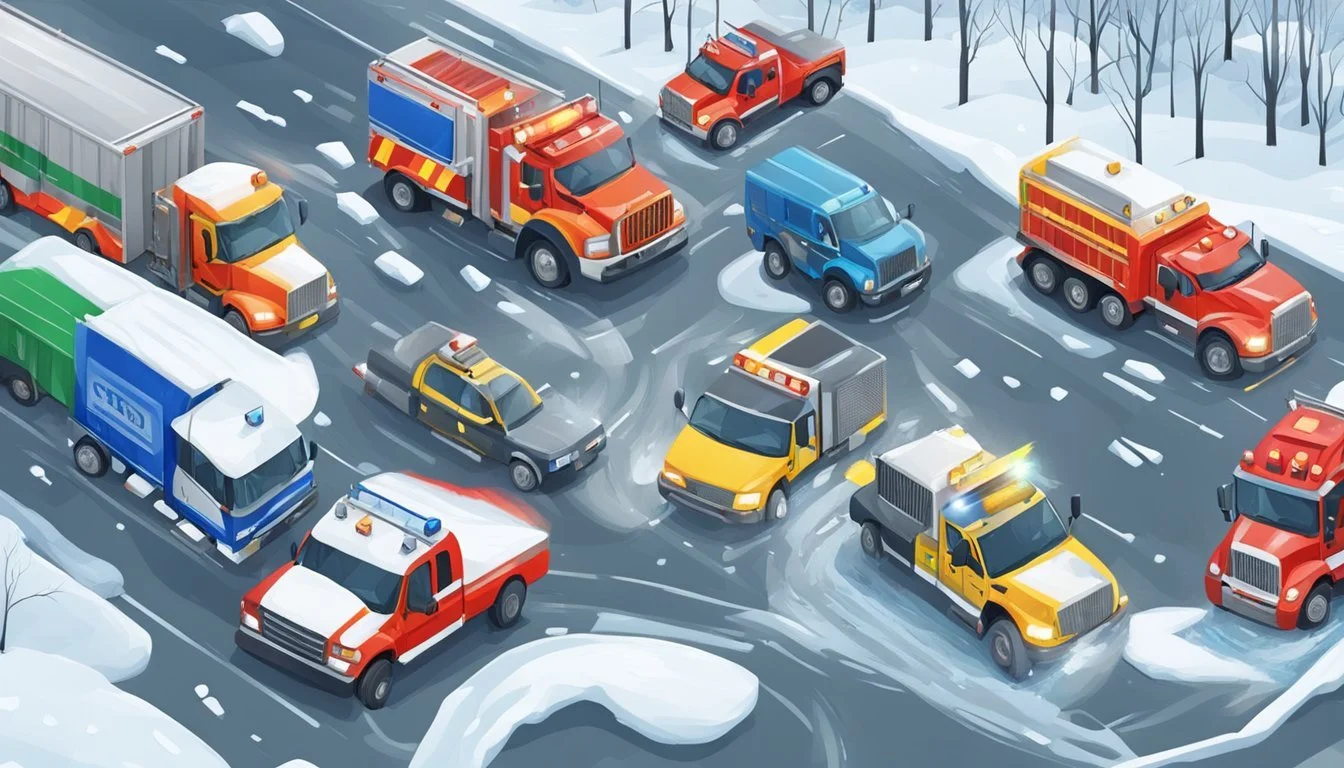
The presence of ice road truckers has contributed to changes in emergency response protocols in remote and hazardous environments. Their experiences have informed approaches to preparedness, operation planning, and response coordination.
Influence on Preparedness Strategies
Ice road truckers regularly face severe weather, isolation, and unstable road conditions. These factors require specific emergency preparedness strategies. Regular training in navigation, first aid, and vehicle recovery is standard for drivers.
Emergency kits are customized for freezing temperatures and long wait times. Planning includes contingency routes, real-time communication tools, and vehicle modifications to withstand extreme cold. Lists of critical supplies, such as insulated clothing and satellite phones, are maintained to ensure readiness.
Shaping Emergency Response Plans
The challenges of ice road transportation have led to specialized emergency response plans for these unique conditions. Transport companies and local agencies collaborate to create incident response protocols that address breakdowns, accidents, and sudden weather changes.
Protocols emphasize immediate notification of authorities, coordination with medical teams, and the use of local rescue resources. Plans also specify safe locations for shelter if drivers are stranded, and formal partnerships with ice road monitoring agencies help to keep response routes clear.
Highlighting Real-World Emergencies
Ice road truckers’ experiences have highlighted the realities of emergencies in isolated regions. There are documented cases where drivers have encountered vehicle failures far from assistance or have had to evacuate due to rapidly changing ice conditions.
These real-world scenarios have prompted updates to protocol, such as more robust communication systems like satellite-linked distress beacons. Lessons from incidents have reinforced the importance of redundancy in safety gear and consistent training for worst-case situations.
Engaging Emergency Responders
The relationship between ice road truckers and emergency responders has grown as both groups adapt to the unique demands of remote roadways. Responders are briefed on the types of emergencies likely on these routes and are given direct lines of communication with trucking companies.
Joint exercises and response drills are conducted to simulate rescues or environmental hazards. Emergency teams work with ice road operators to track vehicle locations, share weather updates, and coordinate rapid deployment. This ongoing collaboration ensures that real emergencies are met with efficient, informed action.
Case Studies: Lessons From Ice Road Truckers
Ice Road Truckers has highlighted several emergency response scenarios relevant to those working in hazardous environments. The program and real-world cases have provided insight into adapting protocols for rapid response, clear reporting, and crew recovery following severe incidents.
Response to Natural Disasters
Operators navigating ice roads have confronted blizzards, ice breakage, and sudden thawing. They rely on up-to-date weather intelligence and rapid decision-making to reroute trucks or suspend operations. For example, in 2012, unexpected warm temperatures caused early ice melting, forcing teams to evacuate equipment before routes became impassable.
The protocols involve clear communication chains, real-time risk assessments, and coordination with local emergency services. These practices informed broader protocols by showing the importance of preparation and adaptive strategies during unpredictable conditions.
Key protocols adopted:
Automated weather alerts
Emergency stop zones
Evacuation checklists
Managing High Winds and Distractions
High winds remain one of the most common hazards. Truckers have adopted stricter wind speed thresholds for halting movement, using onboard sensors to gauge gusts. When crosswinds become dangerous, drivers communicate via radio and engage in convoy driving to stabilize their loads in formation.
Distraction management is also crucial. Ice Road Truckers illustrated the impact of in-cab distractions like communication devices and fatigue. Strict no-device policies and scheduled rest stops have been introduced to reduce incidents linked to driver inattention.
Mitigation strategies:
Use of wind speed monitoring
Scheduled driver fatigue checks
Communication blackout periods during known hazard zones
Incident Reporting and Recovery
Incident reporting on ice roads was once basic, but standardized logging and digital reporting now help capture accident details and near-misses. Crews submit incident reports using tablets or mobile apps, documenting the sequence of events, weather data, and vehicle telemetry.
Recovery follows a risk-based assessment. Extraction teams use detailed reports to plan response logistics, ensuring safety for both the driver and recovery team. This approach has minimized secondary accidents during the recovery phase and set new expectations for thorough post-incident analysis.
Incident response workflow:
Immediate electronic incident report submission
Checklist-based safety assessment
Staged recovery using real-time data
Post-recovery debrief and log updates
Integration of Ice Road Truckers Insights in Government Protocols
Key lessons from Ice Road Truckers have prompted adjustments in how state and local agencies approach emergency response. These changes appear in official plans, communication strategies, and public resources, with the Commonwealth of Pennsylvania and related government entities actively improving protocols.
Updates to State and Local Emergency Management
State and local agencies, such as the Commonwealth of Pennsylvania, have drawn from the practical experience of Ice Road Truckers to refine emergency management procedures. Emphasis is now placed on adaptability in extreme conditions, including improved coordination for hazardous weather and remote area access.
Recent plans highlight the value of redundancy—for example, clearer chains of command and multiple access routes for emergency vehicles during winter storms. Agencies embed these updates into documents such as transportation emergency preparedness plans, adjusting checklists and contact protocols.
Key enhancements seen include:
Pre-positioning snow-clearing assets
Updating route mapping for ice and snow
Reassessing equipment standards for cold-weather durability
These steps ensure faster, safer movement of emergency responders in conditions inspired by challenges shown on Ice Road Truckers.
Government Websites and Official Communication Channels
Government websites like pennsylvania.gov and pa.gov have incorporated specialized sections with guidelines reflecting best practices from Ice Road operations. Users can find updates on winter storm protocols and emergency travel routes directly on the official state website.
Communication channels, including .gov domains and secure state and local agency email systems, deliver advisories based on cases where Ice Road Truckers data informed decision-making. For example, official alerts may include route status, equipment recommendations, and public service announcements.
Important information is often structured in tables or bullet lists for accessibility. Live updates, PDF manuals, and interactive maps enhance situation awareness, helping both responders and residents make informed decisions during winter emergencies.
Influence on Specific Emergency Situations
Ice road trucking has driven innovations in safety planning for hazardous conditions, increasing preparedness for rare or severe events. Procedures developed for high-risk transport are shaping how organizations approach emergency scenarios across remote and challenging environments.
Evacuation Planning in Extreme Weather
Ice road truckers operate in regions prone to sudden blizzards, whiteouts, and freezing temperatures, making traditional evacuation unreliable. Their protocols often include pre-set evacuation routes, each marked for rapid guidance back to safe locations.
Emergency kits are standard, with insulated shelters, food, water, and communication tools kept on every vehicle. This approach helped set a precedent for evacuation plans that now include redundant communication systems and contingency escape paths for workers in cold, isolated zones.
Authorities and transport companies draw from these protocols to inform region-wide evacuation plans. Lessons learned from truckers have led to more detailed emergency maps and regular drills, emphasizing clear roles and procedures during a severe weather evacuation.
Shelter in Place and Lockdown Scenarios
When weather conditions or mechanical failures prevent movement, ice road truckers rely on robust shelter-in-place protocols. These include staying in well-insulated cabs, shutting down non-essential equipment, and conserving supplies.
Standard practice enforces strict check-in intervals to confirm driver status. Trucks are equipped with backup generators and emergency rations for periods when outside rescue isn’t possible, which has influenced guidelines for lockdown situations in other sectors.
Organizations now adopt similar measures, ensuring employees have access to secure spaces, reliable communication, and emergency provisions. Documentation and real-time tracking are prioritized to maintain accountability and safety during prolonged shelter-in-place events.
Handling Serious Injury, Death, and Hostage Situations
The remoteness of ice roads makes professional medical help or law enforcement slow to arrive. As a result, protocols require drivers to have first aid certifications and carry trauma kits. Emergency response plans include step-by-step actions for stabilizing serious injuries and communicating with dispatch before help arrives.
Ice road trucking companies have also established direct links with regional authorities, providing clear incident reporting paths in the event of a fatality or a rare hostage situation. Truckers are trained in crisis de-escalation and instructed to maintain radio contact to relay real-time information.
The structured approach taken by ice road truckers—detailing exact procedures for each scenario—has contributed to updating emergency response plans for remote transport workers and organizations operating in isolated regions.
Data Privacy, Community Input, and Public Awareness

Effective emergency response in remote regions often depends on how well data privacy is managed and how thoroughly local communities are engaged. Addressing the protection of personal information and integrating local feedback both play crucial roles in shaping emergency protocols for ice road operations.
Protecting Personal Information During Emergencies
In emergency situations involving ice roads, truckers and affected communities may be required to provide sensitive details such as names, contact information, and vehicle identifiers. Emergency managers must use clearly defined privacy protocols to safeguard this data.
Key steps include:
Restricting access to personal information to authorized personnel
Using encrypted communication channels for internal updates
Storing records only as long as necessary for incident management
Local, state, and federal guidelines require precise documentation to track individuals and resources. However, the collection and use of this information must always balance operational needs with the right to privacy. Training staff in data protection is essential for compliance and trust.
Incorporating Comments and Feedback for Protocol Improvement
Regular collection of comments and feedback from truckers, community members, and public safety officials is key to identifying gaps in current emergency protocols. This input often highlights risks not visible to distant planners.
Common approaches for gathering community input include:
Town hall meetings
Anonymous online surveys
Post-incident reviews involving truckers
Input from those using or living near ice roads can reveal real dangers, such as weak ice spots or communication blind zones. Integrating this information helps agencies refine response strategies, making protocols more practical and locally relevant. Continuous feedback ensures that emergency procedures remain adaptive to changing conditions and incorporate lessons learned from actual events.
