
Inside Ice Road Truckers: Exclusive Insights from the Show’s Creators and Producers
The creators and producers of Ice Road Truckers played a pivotal role in turning Arctic trucking into must-watch television, bringing real-life danger and resilience to audiences worldwide. By focusing on the hard-working drivers braving frozen highways, the show's production team crafted a compelling look at one of the most challenging jobs on the planet.
The minds behind the series blended raw storytelling with impressive logistics, capturing the harsh environment and unpredictable weather the truckers face each season. Their commitment to authenticity and safety shaped the unforgettable moments and personalities viewers came to know.
These creators and producers worked behind the scenes to ensure each episode delivered tension, drama, and realism, highlighting the unique challenges of filming in remote northern regions. Exploring their vision and dedication reveals how Ice Road Truckers became a standout in reality television.
Overview of Ice Road Truckers and Its Impact
Ice Road Truckers captured international attention with its focus on the demanding work of long-haul drivers navigating treacherous frozen roads in remote regions. The series played a significant role in shaping perceptions of extreme transportation jobs in Alaska, Canada, and beyond.
Origin and Global Appeal
Ice Road Truckers premiered on the History Channel in 2007 and quickly became a global sensation. Filmed primarily in Alaska and northern Canada, the show followed the lives of professional truck drivers hauling critical supplies over slippery ice roads used during the winter months.
The series gained widespread interest due to its authentic depiction of extreme weather, mechanical breakdowns, and the constant threats truckers faced. Its dramatic footage and real-life challenges engaged viewers worldwide, making it an international success.
Broadcast in over 100 countries, the show introduced audiences to the logistics and transportation networks required in isolated communities. It highlighted the importance of trucking for economic survival in places cut off by snow, ice, and harsh climates.
Real-Life Inspiration Behind the Series
The concept for Ice Road Truckers was based on actual frozen routes used during the winter to deliver food, fuel, and equipment to isolated northern settlements. These roads, built temporarily atop lakes and rivers, have been vital lifelines for towns and industries, especially in arctic regions of Canada and Alaska.
Many elements reflected real events and daily routines of truckers operating in Yukon, Manitoba, and Alaska. The series showcased risks such as cracks in the ice, freezing temperatures, and the possibility of trucks breaking through to the water below.
In reality, the ice road network has existed for decades, with trucks running extensively during the pipeline construction boom of the 1970s. The show captured the perseverance and technical expertise required, giving viewers insight into one of transportation’s most hazardous but necessary jobs.
Creators of Ice Road Truckers
Ice Road Truckers emerged from the minds of experienced reality television creators, focusing on real challenges faced by truck drivers in extreme Arctic conditions. The show's development and production were shaped by key creative leaders in the reality TV industry.
Conceptualization and Vision
The idea for Ice Road Truckers originated from a desire to highlight the danger and determination involved in hauling freight over frozen lakes and remote highways. Producers aimed to capture the lived reality of truckers who braved hazardous environments to deliver essential supplies.
The show's concept was built on authentic storytelling, emphasizing the unpredictable weather, shifting ice, and technical skill needed to survive the journey. Arctic scenery and workplace hazards became main visual elements, illustrating both risk and resilience.
From the start, the creators opted for a documentary-reality hybrid, relying on real-life events, unscripted scenarios, and genuine truck drivers instead of actors. These creative choices set Ice Road Truckers apart within the reality television landscape.
Key Figures and Their Roles
Thom Beers was a central figure in the development of Ice Road Truckers. As an executive producer and creator, he was also known for similar reality hits such as Deadliest Catch. His company, Original Productions, played a crucial role in bringing the initial vision to screen.
Beers assembled a production team with extensive experience in non-fiction television, ensuring a focus on real truckers and authentic stories. The executive roles involved overseeing the show's direction, from creative decisions to ensuring accuracy in depicting the trucking world.
No single CEO or showrunner took exclusive public credit, but Beers' leadership and guidance proved vital. Field producers and directors handled day-to-day filming and built close relationships with drivers, shaping the series' content and tone. The focus on teamwork ensured the show's consistency across multiple seasons.
Producers and Production Teams
Ice Road Truckers relied on a skilled group of producers and crews, whose tasks covered everything from on-location logistics to creative decision-making. Their work demanded strong attention to safety, logistical coordination, and adapting to unpredictable conditions in regions like Alaska and Canada.
Executive Producers and Responsibilities
Executive producers such as Thom Beers played central roles in shaping the show’s direction and tone. They managed the overall production, secured financing, and ensured the series delivered compelling narratives about truck driving over frozen lakes and remote roads.
Responsibilities included overseeing casting, determining which regions of Alaska or Canada to feature, and guiding the editorial focus toward high-risk moments. They also collaborated closely with each production department, handling crisis management in dangerous situations.
Executive producers reviewed episode content for accuracy and drama, making sure each story met both network requirements and safety standards. Their leadership set the foundation for each season’s structure and pacing.
Production Challenges
Filming in remote areas of Alaska and northern Canada introduced significant challenges, including unpredictable weather, extreme cold, and logistical hurdles. The crew faced equipment failures due to freezing temperatures and had to transport all supplies over the same icy roads as the truck drivers.
Key challenges involved keeping camera and sound equipment operational in subzero temperatures. Batteries drained quickly, lenses fogged, and communication equipment often malfunctioned. Specialized gear and backup systems were always on hand.
Coordinating large teams on moving vehicles across frozen lakes demanded precise safety protocols. Production teams worked in close consultation with local experts to assess ice thickness and route safety, often delaying shoots to avoid hazardous conditions.
Filming in Extreme Locations
Locations across the frozen Arctic, especially in Alaska and remote Canadian territories, shaped the visual narrative of Ice Road Truckers. The crew frequently filmed on ice roads formed over lakes, rivers, and tundra, where temperatures could plunge below minus 40 degrees Fahrenheit.
Careful planning was required to move production vehicles and personnel safely along the same treacherous paths as the truckers. Filming on moving trucks meant installing rugged camera mounts and using drones for aerial shots without disturbing drivers’ focus.
The natural environment influenced daily shoot schedules. Long periods of darkness and rapid weather shifts required quick adaptation, while remote locations made emergency support and resupply slow and difficult. Every aspect of filming was affected by geography and climate, pushing the production team’s skills and preparation.
Casting and Depicting Real Truck Drivers
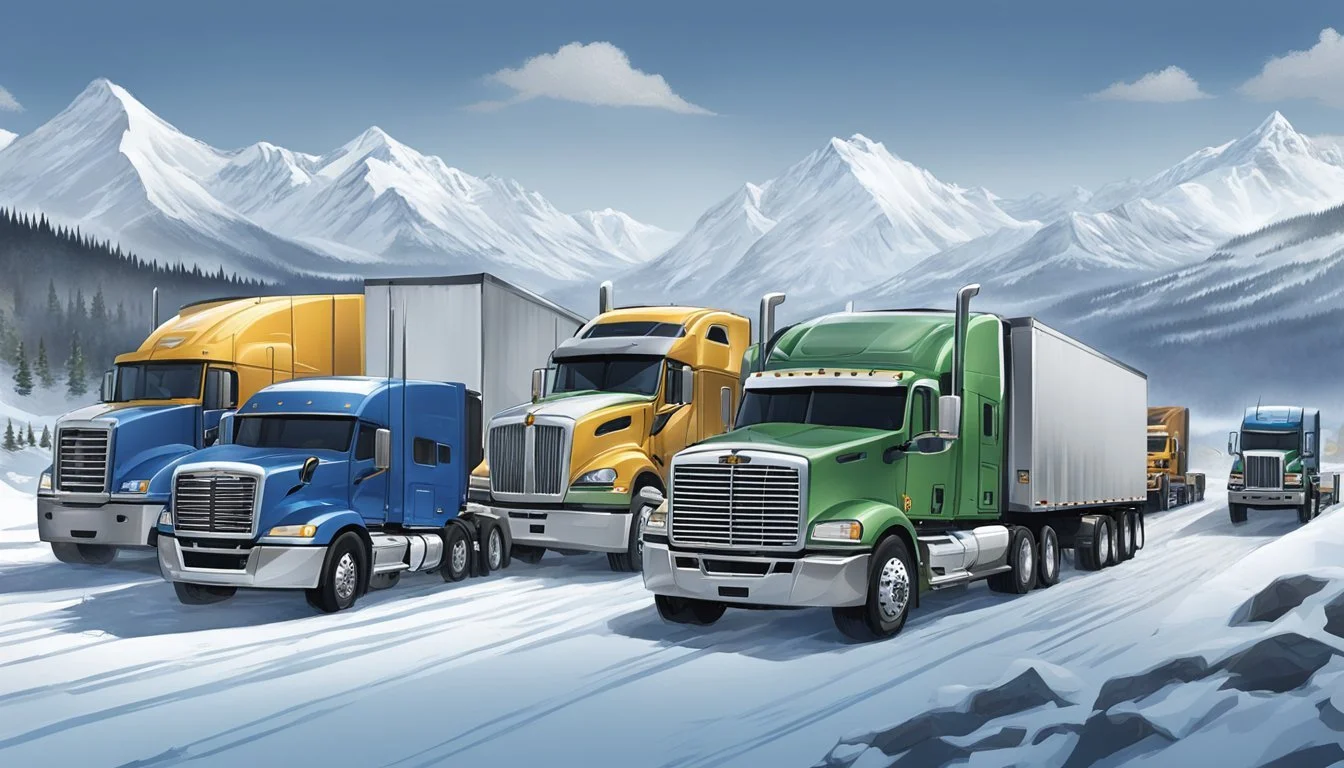
Producers of Ice Road Truckers used a thorough casting approach to find drivers whose experience and personalities matched the extreme challenges of the ice roads. Special attention was given to representing the daily realities and risks faced by real truckers in the northern trucking industry.
Casting Process and Selection Criteria
The casting team actively sought out drivers working on Canada’s and Alaska’s most hazardous ice roads. Recruitment often happened through industry contacts and open calls targeted at family-owned businesses and independent contractors.
Selection emphasized hands-on experience, especially with ice road or harsh winter driving. Drivers needed proven skill navigating large rigs over ice-covered lakes and remote highways.
Personality and communication were also key factors. Producers looked for individuals comfortable on camera, able to tell their stories, and interact with both teammates and the dangers they faced.
Truckers chosen for the show included men and women with varying years of experience, giving viewers a broader look at the industry. Some cast members became recurring figures due to their expertise and audience appeal.
Portraying the Trucking Industry
The series aimed to present an accurate reflection of what life on the ice roads entails. Viewers saw the long hours, frequent mechanical problems, and tense interactions with dispatchers and colleagues.
The show highlighted the unique working culture of the northern trucking industry. It put a spotlight on close-knit relationships between drivers and the sense of responsibility each trucker held for their cargo and fellow drivers.
Ice Road Truckers included details on logistics challenges, such as route planning and equipment checks, along with how extreme weather impacts schedules. This helped paint a realistic picture of what it takes to keep supply lines open in harsh conditions.
Dedication and Realism
Authenticity was a central goal, with producers following drivers through real deliveries and breakdowns rather than scripting dramatic events. Every episode documented true events, with cameras capturing both routine and critical moments.
Truckers demonstrated remarkable dedication, braving freezing temperatures, perilous black ice, and the risk of accidents. Their focus on safety procedures and teamwork was consistently stressed throughout the series.
The show often included scenes of drivers making personal sacrifices, spending weeks away from families, and responding calmly to emergencies. By highlighting these aspects, the series underscored the resilience and professionalism that define the trucking community in extreme environments.
Cultural Influence and Industry Recognition

Ice Road Truckers has shaped mainstream views of the trucking industry while also receiving notable attention from both viewers and critics. Its real-life perspectives and production values have led to recognition within the television landscape.
Impact on Perceptions of Truck Driving
The series presented truck drivers as skilled professionals facing extreme conditions, breaking down stereotypes that had often portrayed them as one-dimensional. By documenting routes across frozen lakes and remote territories, the show highlighted both the dangers and the technical expertise required for ice road trucking.
Casting drivers like Lisa Kelly and Alex Debogorski brought diversity to the screen, showing that the trucking industry includes people from varied backgrounds. The show’s popularity inspired greater understanding of the logistics behind keeping remote regions supplied.
Viewers witnessed first-hand the level of collaboration and resilience needed in the trucking community. As a result, interest in trucking careers and respect for the profession increased after the series aired.
Awards and Achievements
Ice Road Truckers consistently drew strong ratings in its early seasons, becoming one of the History Channel’s top programs. While it did not win major television awards, it received nominations for editing and non-fiction series categories, reflecting the industry’s recognition of its production standards.
The program helped strengthen History Channel’s reputation for reality-based content. It also contributed to discussions within the trucking industry, with trade publications such as Fleet Owner and Overdrive covering the show’s impact.
Beyond awards, its influence persists in spin-offs and documentaries that explore extreme truck driving. The show’s legacy continues in the way it has inspired similar productions around hazardous professions and logistics.
Legacy and Ongoing Contributions

The creative team behind Ice Road Truckers has maintained a noticeable presence in factual television, continuing to produce projects with similar grit and realism. Their work also set a template that influenced how unscripted adventure and job-based reality TV series are produced and structured.
Continuing Projects of the Creators
After the success of Ice Road Truckers, several key producers and creators pursued new series focused on the real lives of workers in challenging environments. Thom Beers, for example, went on to produce Deadliest Catch and Ax Men, both of which similarly highlight high-risk occupations.
The team has contributed to a number of other History Channel programs, leveraging their expertise in unscripted, documentary-style production. Many have stayed within the nonfiction television genre, either consulting for or producing series that require a nuanced approach to danger and remote locations.
Their projects emphasize authentic storytelling and have often featured real workers, not actors. This strategy, central to Ice Road Truckers, remains a hallmark of their subsequent work.
Influence on Subsequent Television Series
Ice Road Truckers established a blueprint for reality shows based on occupations in extreme settings. Its focus on real challenges, personal stories, and logistics inspired a wave of similarly themed programming across multiple networks.
Producers and networks adopted the show's techniques, such as following multiple storylines, using on-the-ground camera crews, and fostering viewer investment in cast members’ fates. The show's success led to the commissioning of series about other perilous jobs, including Swamp People, Deadliest Catch, and Gold Rush.
Elements such as the blend of interview footage, dramatic narration, and coverage of unpredictable environments became standard practice for many adventure-based reality shows. The formula pioneered by Ice Road Truckers continues to shape factual television and remains influential in the genre.
