
The True Real-Life Stories and Harsh Realities Behind Ice Road Truckers
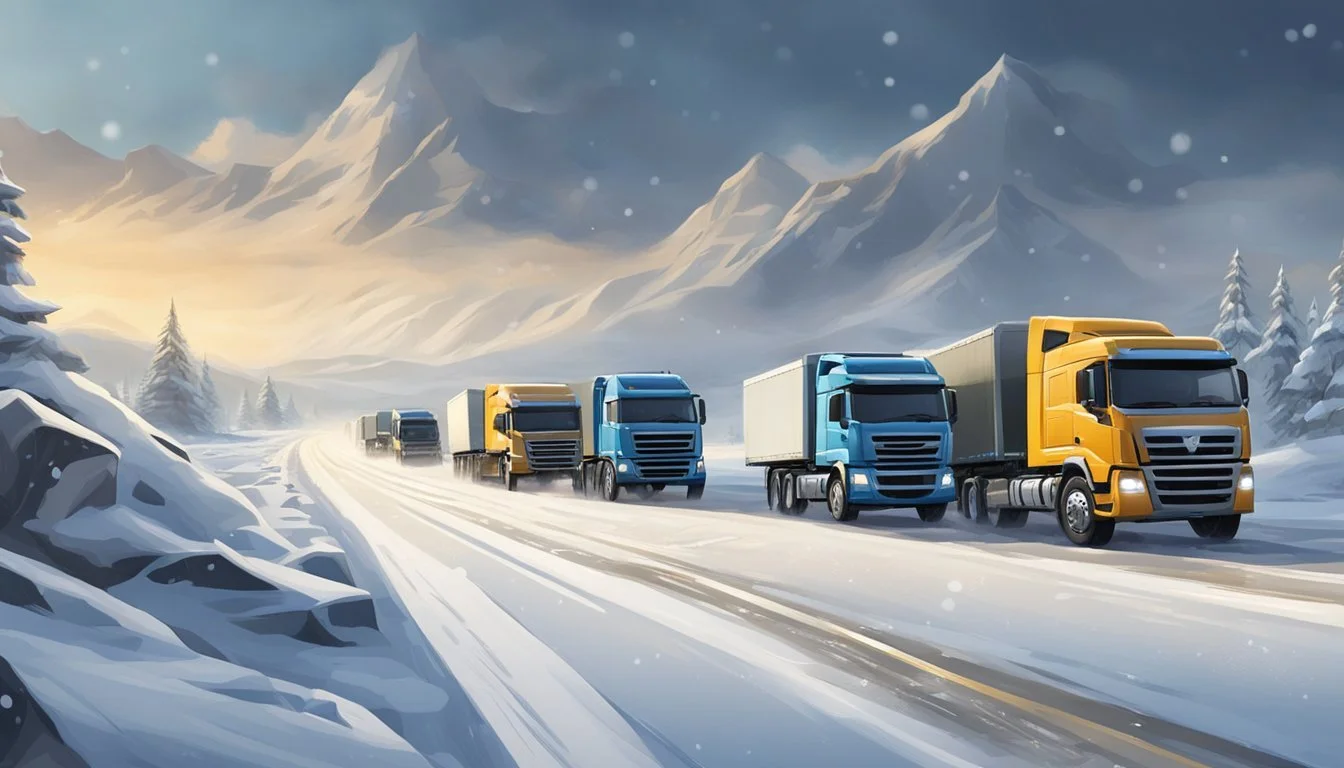
Fans of the TV show Ice Road Truckers may be surprised to learn just how real the dangers and challenges depicted on-screen truly are. The inspiration for the series comes directly from the lives of actual truckers navigating treacherous frozen routes in remote regions like Canada’s Northwest Territories and Alaska. These real ice roads are seasonal highways carved across vast expanses of snow and ice, connecting isolated communities with much-needed supplies for part of the year.
The reality of driving on these routes often involves long hours, extreme cold, and unpredictable conditions that push both vehicles and drivers to their limits. True stories from seasoned ice road truckers reveal a world where careful calculation and nerves of steel are daily requirements. Their experiences offer a glimpse into a profession that combines technical skill with survival instincts, providing the raw material that brought the drama of Ice Road Truckers to life.
While television may heighten the drama, the real accounts from the truckers themselves tell of an environment where every journey could be the most challenging yet. These stories highlight the endurance and dedication required to keep remote communities connected when the world is frozen over.
The Origins of 'Ice Road Truckers'
'Ice Road Truckers' draws directly from the challenging lives of drivers who traverse Canada’s and Alaska’s treacherous ice roads. The History Channel transformed these real conditions into a compelling television series by showcasing the true risks and logistics behind remote northern transportation.
Inspiration from Real-Life Ice Road Truckers
The show’s foundation comes from the work of professional truck drivers hauling loads across frozen lakes and rivers in northern Canada and Alaska. These routes often include the world’s longest and most dangerous seasonal ice roads, such as those in Canada’s Northwest Territories. Drivers face hazards like thin ice, rapidly changing weather, and isolated conditions.
Most years, the ice roads open for just a few weeks, providing a limited window for hauling supplies to remote communities or mining operations. The drivers need technical skill and local knowledge to avoid accidents or getting stranded in areas far from help. Actual truckers became local legends, with their stories drawing attention long before the series aired.
Development of the Concept
Producers at the History Channel recognized the intensity and appeal of these stories and began developing the premise for a reality series focused on ice road trucking. They conducted extensive research, interviewing experienced drivers and collaborating with local experts in Canada and Alaska.
Filming began by embedding crews with real drivers, using specialized camera equipment to capture both the harsh environment and the high-stakes decision-making involved. Promotion included clips and behind-the-scenes looks on platforms like YouTube, helping to generate viewer interest. The show became a standout program on the History Channel, combining authentic footage with in-depth storytelling.
The Real Ice Roads: Danger and Survival

Ice roads provide crucial connections across frozen lakes and rivers in remote regions, enabling the movement of goods where permanent infrastructure is impossible. Constructing these roads and surviving their hazards require specialized skills and strict caution.
Construction of Ice Roads
Building an ice road involves monitoring ice thickness and quality daily. Crews use augers and sonar to check that the ice meets minimum safety standards, often at least 40 centimeters for loaded trucks.
Workers clear snow, which acts as an insulator, to help the water below freeze harder and faster. Flag markers, reflective signs, and GPS-guided routes help drivers stay on safe paths, avoiding weak spots or cracks.
Engineers must factor in:
Ice strength variations from currents
Underwater springs
Methane pockets that can create sudden soft areas or even holes
Regular maintenance is key. When cracks appear, workers fill them with slush or pump water on top to refreeze, ensuring the road holds heavy vehicles through the season.
Natural Hazards and Survival Skills
Nature poses constant threats on ice roads, from blizzards and whiteouts to sudden thaws. In some areas, methane pockets trapped under the ice can cause unexpected breaks or surface bubbles, making precise route selection critical for safety.
Truckers must recognize changing ice sounds or unexpected shifts beneath their wheels. Many keep essential survival gear on board, like insulated clothing, emergency blankets, and food rations. If a truck breaks through, there's little time to escape; training in ice water rescue and self-rescue is vital.
Visibility can disappear within minutes during a storm. Drivers rely on experience and regular communication with dispatchers to track weather changes and road closures, increasing their odds of completing each trip safely.
Key Locations That Shaped the Series
The routes featured in Ice Road Truckers brought viewers into the heart of some of the harshest and most remote regions in North America. Specific locations, such as Canadian diamond mines and lengthy Arctic supply lines beginning in major hubs, played an essential role in shaping the challenges and fame of these journeys.
Trucking Across Canadian Diamond Mines
A significant portion of the show’s real-life drama unfolded on ice roads that serviced Canada's diamond mines. These roads, constructed each winter across frozen lakes and tundra in the Northwest Territories, provided vital seasonal access for hauling fuel, construction materials, and mining equipment.
The most famous of these routes leads to the Ekati and Diavik diamond mines, both considered among the largest diamond operations in North America. For several months, truckers faced subzero temperatures, fierce winds, and the constant threat of breaking through the ice.
These extreme conditions meant that every trip was high-stakes, as resupplying the mines was only possible during a small seasonal window. The hazards were so real that the Government of the Northwest Territories implemented strict safety protocols and speed limits.
Notable facts:
Road length: Over 400 km each winter
Active mines: Ekati, Diavik, Snap Lake
Typical haul: Diesel, explosives, equipment, building materials
Routes from Winnipeg to the Arctic
Another major focus involved the vast supply routes extending northwest from Winnipeg, Manitoba, toward Canada’s Arctic regions and even into Alaska. Winnipeg served as a logistical gateway, with trucking companies organizing convoys that connected distant communities and industrial sites.
Traveling these routes meant navigating thousands of kilometers, with highways giving way to less developed ice and gravel roads as they moved north. Truckers had to be self-reliant, handling breakdowns, limited facilities, and long stretches where help was hours—or even days—away.
Supplies destined for the far north included groceries, medical supplies, and general goods, in addition to freight for industries like mining and oil exploration. Connections through Yukon and up into Alaska demonstrated the continental scale of this work.
Quick Reference Table: Key Route Highlights
Start Point Destination Region Distance Winnipeg Northwest Arctic Northern Canada ~2,000 km+ Fairbanks North Slope Alaska ~800 km
The sheer remoteness and dependence on timely delivery made these routes indispensable to northern life.
Famous Figures and Real-Life Stories
Ice road trucking has a rich history shaped by both legendary drivers and key figures whose work brought attention to the extreme world of northern freight transportation. The roads and the people who risked their lives on them inspired the reality series and the stories that followed.
Notable Ice Road Truckers
Several real-life truckers have become synonymous with ice road hauling due to their skill and courage. Alex Debogorski is one of the most recognized, earning respect for his decades of work delivering goods across Canada’s frozen north. His reputation for facing harsh weather and unpredictable ice conditions set a standard for others.
Darrell Ward, with 30 years of trucking experience, brought a mix of personality and professionalism, gaining admiration for his dedication and community spirit. These drivers faced constant threats such as ice cracking beneath their wheels, whiteouts, and isolation. Their stories are told through interviews, articles, and firsthand accounts, showing the day-to-day dangers and camaraderie among the truckers.
Other figures like Marcus Thomas made their mark by navigating some of the most treacherous stretches, emphasizing the importance of teamwork and local knowledge. Collectively, these individuals highlight the reality behind the dramatization of ice road trucking.
The Influence of Tony and Others
Tony stands out as a key individual who helped popularize the profession both before and during the rise of televised ice road trucking. Recognized in the industry for logistical expertise and risk management, Tony provided guidance for less experienced drivers, especially on unfamiliar routes over shifting ice.
His reputation for safety protocols and route planning made him a go-to resource. Stories about Tony often mention his quick thinking during emergencies and his leadership during blizzards or breakdowns. While not as publicly known as some, his contributions underline the importance of experienced mentors in this challenging field.
Marcus Thomas and others also influenced policies around ice road safety, leading to improvements in emergency response and vehicle standards. The legacy of these figures endures through both TV portrayals and industry practices that continue to protect drivers today.
From Documentary To Pop Culture: The 'Ice Road' Movie
The 2021 film The Ice Road brings the fascination with ice road trucking to a wider audience, moving beyond documentaries into the realm of dramatic storytelling. While drawing inspiration from real Canadian winter roads, the plot remains a fictional account centered on high-stakes adventure and personal sacrifice.
The Making of 'The Ice Road'
The Ice Road was written and directed by Jonathan Hensleigh, who is known for his work on action films. The movie is set on the Tibbitt to Contwoyto Winter Road, which is a genuine seasonal route in Northern Canada used to supply diamond mines. In the film, the stakes are raised with a story about a rescue mission to save trapped miners after a collapse.
Key production elements included filming in wintery conditions to mimic the harsh environment faced by truck drivers. The filmmakers aimed to capture the tension and risk associated with hauling heavy loads across unstable, frozen terrain. Although the storyline is fictional, real-life challenges of ice road trucking were reflected in the action sequences and set design.
Liam Neeson's Role and Preparation
Liam Neeson plays Mike McCann, an experienced truck driver and the story's main protagonist. For this role, Neeson researched the routines and hazards faced by actual ice road truckers. He incorporated their cautious approach and physical endurance into his portrayal of McCann.
Neeson's character required practical driving skills. The actor worked closely with truck drivers to understand the mechanics of maneuvering large vehicles on ice. Neeson also endured filming in cold, harsh environments to lend credibility to his performance, emphasizing realism over Hollywood glamour.
Lasting Impact on Media and Audiences
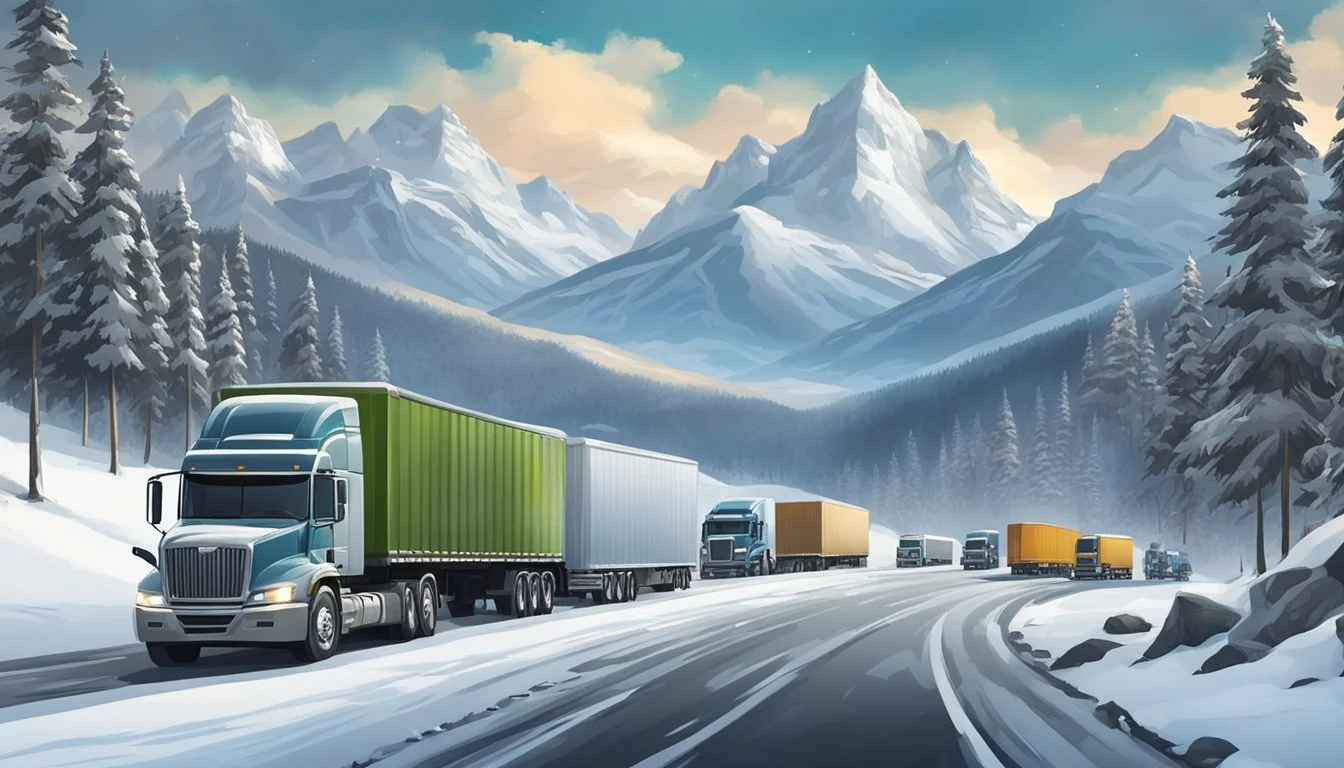
The influence of Ice Road Truckers extends beyond its initial broadcast, shaping how audiences engage with trucking stories and real-life challenges. Its reach has continued across digital platforms and through persistent demand from viewers.
Rise in Popularity on YouTube
After airing on the History Channel, Ice Road Truckers found new audiences on platforms like YouTube. Clips, full episodes, and behind-the-scenes content have accumulated significant views and ongoing engagement.
YouTube viewers are drawn to the unique footage of ice road conditions, vehicle maintenance in extreme cold, and the personalities featured in the series. Comment sections highlight how scenes have sparked discussions about trucking safety and logistics. Lists of top moments and compilations of tense situations remain popular.
Ice Road Truckers is frequently featured in documentary playlists and trucking channels, allowing it to reach both longtime fans and those interested in transportation or hazardous jobs. The show’s presence on YouTube also helps preserve its cultural relevance by making episodes accessible to a worldwide audience.
Enduring Legacy of Ice Road Truckers
Ice Road Truckers increased awareness of the dangers faced by real-life truck drivers in Arctic environments. According to audience analytics, it continues to outperform many average TV shows in terms of demand, showing that interest remains strong.
Many spin-offs and similar reality series about transportation and extreme jobs appeared after Ice Road Truckers gained popularity. The terminology and visuals associated with ice road trucking are now widely recognized in both popular media and documentaries.
The series contributed to a greater appreciation for the logistics industry, especially the risks taken to deliver essential goods to remote regions. Fans and industry insiders alike reference the show as a key example of compelling, reality-based programming on the History Channel.
