
The Ultimate Guide to Ice Road Truckers: Thrills, Dangers, and Real-Life Adventures on Frozen Highways
Driving a massive truck across a road made entirely of ice is a challenge few are willing to face. Ice road truckers encounter both the thrill of remote, ever-changing scenery and the constant peril of shifting, unstable conditions under their wheels. As Alaskan drilling and exploration expand, demand for skilled drivers navigating these treacherous routes continues to grow.
From hours of isolation in freezing temperatures to split-second decisions that can mean the difference between safety and disaster, each trip across the ice brings a unique set of risks. It is a job that demands not just technical skill, but also endurance and resolve.
The perspective of those who make these journeys provides direct insight into what it really takes to survive and succeed in this high-stakes profession. The following article reveals what life is like on the ice roads, straight from the truckers themselves.
Understanding Ice Road Trucking
Ice road trucking requires expert knowledge, precise skill, and an understanding of unique risks. These roadways—often forged across frozen lakes or rivers—support seasonal supply chains vital to remote communities and industries, particularly in regions like Alaska and Northern Canada.
History and Evolution
Ice road trucking emerged in the early 20th century, becoming prominent as a practical solution for transporting heavy loads to areas inaccessible by standard roads. Temporary winter routes enabled mining, oil, and gas operations to receive equipment and supplies while rivers and lakes were solid ice.
The evolution of these routes was driven by necessity. Over time, improvements in trucking technology, ice thickness measurement, and weather forecasting enhanced safety and efficiency. In Alaska and northern territories, these changes allowed longer and heavier hauls, but the basic premise remains unchanged: using nature’s frozen surfaces as transportation corridors.
Regulations now govern ice road use. Authorities monitor weather and ice conditions, restricting access when safety cannot be guaranteed. This close regulation has decreased accidents, but unpredictability remains a constant challenge.
Types of Ice Roads
Ice roads can be divided into three main categories:
Lake and River Ice Roads: These are the most traditional routes, formed over large, stable bodies of water. Their flat surfaces are ideal for heavy cargo but vulnerable to rapid changes in temperature.
Overland Frost Roads: Built over frozen ground, these roads support lighter loads and are used when water routes are inaccessible. They often require extra maintenance to remain usable.
Hybrid Routes: Some haul roads combine land and ice segments. This approach offers flexibility but involves added coordination and risk assessment.
Each type has distinct requirements for construction, load limits, and maintenance. The safe operation of these roads depends on careful monitoring of ice thickness—typically 40 inches or more for the heaviest loads.
The Role of Ice Road Truckers
Ice road truckers are at the core of this seasonal industry. They must possess advanced driving skills, particularly in handling large vehicles on slick, unpredictable surfaces. A strong understanding of mechanics is essential, since breakdowns in isolated regions can be dangerous.
Truckers also rely on meteorological data to plan routes and loading schedules. Unexpected warming or storms can halt travel instantly, so constant vigilance is required. In Alaska, drivers can expect long hours, extreme cold, and the mental challenge of driving on shifting ice.
The work of ice road truckers supports critical supply chains for remote communities and industries. Their expertise ensures the safe delivery of everything from fuel to construction materials, especially when no other form of ground transportation is possible during winter months.
The Physical and Environmental Challenges
Ice road trucking involves a unique set of physical and environmental obstacles, especially in regions like Alaska where weather and infrastructure are unpredictable. Operators must be prepared for sudden ice shifts, machinery failures, and environmental changes driven by factors such as climate change.
Unpredictable Ice Conditions
Truckers depend on frozen lakes and rivers as major routes. The ice must be thick enough to support heavy loads, but thickness can fluctuate with little warning. Sudden thaws, hidden cracks, and pressure ridges present constant threats.
Increased variability in freeze and thaw cycles, influenced by climate change, complicates route planning. Drivers must trust ice specialists and monitoring equipment but are still at risk during crossings.
Some stretches require a spotter, especially on newly formed ice. Weight limits are strictly enforced, as excess weight increases the risk of breakthrough incidents. Night driving makes hazards harder to see, adding another layer of risk.
Extreme Weather Hazards
Conditions in Alaska and other northern regions expose drivers to severe cold, blizzards, and whiteout conditions. Temperatures can plunge below -40°F, causing frostbite within minutes.
Strong winds reduce visibility and make navigation treacherous. Snow accumulation obscures markings, and drifting snow can hide hazards like open water or thin ice.
Weather often changes quickly. Storms can move in within hours, stranding trucks or even causing accidents. Communication systems and emergency equipment become essential in these conditions.
Vehicle Performance and Maintenance
Trucks endure harsh wear from ice, snow, and rough terrain. Engines and hydraulic systems face extra strain from starting and running in extreme cold.
Routine maintenance includes checking antifreeze, inspecting tires for cracks, and ensuring batteries are fully charged. Oil and fuel can thicken in low temperatures, requiring pre-heating.
Breakdowns are especially dangerous on remote roads. Many companies schedule frequent overhauls during the season to prevent mechanical failures. Parts can be difficult to source in Alaska’s isolated communities, so drivers often carry essential spares and repair kits. Regular inspections are critical for both driver safety and cargo security.
Perils and Dangers Faced on the Ice
Ice road trucking exposes drivers to severe environmental risks, unique transport hazards, and unpredictable emergencies. Safety requires knowledge, constant vigilance, and rapid decision-making in life-threatening situations.
Risk of Falling Through the Ice
The ice roads used by truckers are not static or uniformly thick. Temperatures, traffic, and underwater currents continually change ice stability. Heavily loaded trucks can trigger cracks or even break through if the ice is too thin.
Operators rely on ice thickness measurements before driving. Generally, a minimum of 40-50 centimeters is required to support a loaded truck. Drivers watch for signs of weakness like water seepage, visible cracks, or unusual sounds from the ice.
Traveling at controlled speeds is essential. Excess speed creates a wave pattern in the ice ahead of the vehicle, which increases the risk of collapse. Ice monitoring crews and regular inspections help reduce incidents but cannot eliminate the threat entirely.
Avalanches and Snowdrifts
Mountainous and exposed sections of some ice roads can be susceptible to avalanches and severe snowdrifts. After heavy snowfall or due to wind activity, snow can collect in drifts or suddenly collapse onto the road, burying trucks or blocking critical routes.
Truckers must monitor weather updates closely and communicate with dispatchers about hazards. Equipment lists usually include powerful shovels, chains, and emergency traction aids in case a vehicle is buried or immobilized.
Unexpected drifts often obscure road edges, making navigation hazardous. Clearing these obstacles requires teamwork with support crews and sometimes waiting for specialized snow removal equipment. Avalanche-prone zones may mandate crossing only in scheduled convoys for safety.
Isolation and Emergency Response
Ice road routes span long, remote stretches with no nearby towns, creating significant risks if breakdowns or accidents occur. Communications can be unreliable, with radio contact sometimes lost due to weather or distance.
Truckers carry emergency kits with food, water, insulated blankets, and first-aid supplies. Many trucks are equipped with GPS beacons or satellite phones to call for help if stranded or in distress.
Rescue response times can be hours or even days when severe storm conditions or shifting ice prevent travel. Survival knowledge, self-reliance, and the ability to perform basic repairs are critical until help arrives.
The Thrill of Ice Road Trucking
Ice road trucking is shaped by environments where everyday actions carry unique challenges and new skills are essential. Drivers find satisfaction in both the demanding journeys and the strong bonds they build with others on the road.
Sense of Adventure and Accomplishment
The sense of adventure in ice road trucking comes from navigating some of the world's most dangerous and remote roads. Drivers need sharp focus and quick reflexes as they cross frozen lakes and snow-covered paths that can shift unpredictably. Every trip tests their resilience and ability to make critical decisions under pressure.
Successfully completing a delivery under these extreme conditions brings a real sense of accomplishment. It is not simply about finishing the job; it is about proving one’s capability to handle unpredictable weather, limited visibility, and the constant risk of breaking through thin ice. Many drivers track their progress with route logs, checklists, and personal notes to measure success and areas for improvement.
Learning to use tools like CB radios effectively becomes part of the adventure. Communication helps alert others about hazards, and offers crucial support in emergencies. Some drivers listen to podcasts during long hauls, turning hours of isolation into moments of learning or entertainment, adding to the overall experience.
Camaraderie Among Drivers
The shared dangers of ice road trucking foster a strong sense of camaraderie. Drivers rely on one another for updates about the road ahead and for help if problems arise, such as getting stuck or facing a mechanical failure far from help.
CB radios are central to building these connections. Drivers talk regularly, sharing warnings about thin ice, detours, or oncoming storms. They use simple codes and agreed signals, which create a sense of shared purpose and trust. These quick exchanges can often make the difference between a smooth trip and a hazardous one.
Many drivers also develop informal networks, sometimes meeting at roadside stops or helping each other with repairs. Some share recommended podcasts and music to pass the time during solo hauls. These simple acts of support contribute to a close-knit community, helping make even the most challenging journeys feel less isolating.
Technologies and Communication on Ice Roads
Modern ice road trucking relies on both advanced and time-tested technologies to enhance safety and efficiency in extreme Arctic conditions. Reliable navigation tools and effective communication systems are essential for preventing accidents and coordinating the movement of large convoys across unstable ice.
Navigation and Safety Tools
Ice road truckers depend on a combination of GPS navigation, paper maps, and local knowledge to chart safe paths across frozen lakes and rivers. Many trucks are equipped with ice thickness sensors and temperature monitors, providing real-time data about the road’s stability.
Drivers often use digital log-in systems to record entry and exit times on specific road segments. This helps operators track truck locations and vehicle performance, as well as monitor driving hours to maintain legal compliance.
Dash cameras and tracking technology add further safety. They serve as documentation in case of incidents and support dispatchers with up-to-date information for decision making. Trucks are also fitted with emergency beacons and satellite phones as backups in areas with weak signal coverage.
Importance of CB Radio Communication
CB radio remains a critical tool for communication on ice roads, despite advances in satellite phones and digital messaging. CB radios allow direct, real-time conversations between drivers, escorts, and dispatchers, which is vital in areas without cellular reception.
Truckers use specific CB channels to share updates on weather changes, road hazards, and ice conditions. Quick exchanges, such as alerts for thin ice or breakdowns, help prevent chain-reaction accidents and costly delays.
Clear CB communication protocols exist to avoid confusion during convoy operations. Drivers identify themselves and log in their position, ensuring everyone knows who is on the road and where. This streamlines traffic flow and improves overall safety, especially when visibility is poor or during whiteouts.
Environmental Impact and Conservation
Ice road trucking, while vital for regional supply chains, interacts directly and indirectly with sensitive Arctic and subarctic ecosystems. Transportation routes can disturb natural habitats, affect water systems, and introduce pollutants that impact both wildlife and human communities.
Effects on Marine Life and Biological Diversity
Ice road construction and truck operations often cross frozen lakes, rivers, and coastal zones, where vibrations, fuel spills, and waste runoff can reach fragile aquatic habitats. Marine life such as fish, invertebrates, and migratory birds may experience disrupted breeding patterns or habitat loss.
Arctic waterways are home to species with specific temperature and water chemistry needs. The loss of biological diversity is a concern when excessive noise, contaminants, or sediment are introduced due to repeated trucking or road maintenance. Displacement of native species sometimes occurs, leading to shifts in ecosystem dynamics and food webs.
Concerns About Microplastics and Pollution
Ice roads frequently use sand, gravel, and sometimes even chemical agents for traction, with remnants entering lakes and waterways when roads thaw. Microplastics can originate from truck tire degradation, road debris, or plastic-based equipment.
Once in the environment, microplastics are ingested by fish and invertebrates, causing health issues and entering the human food chain. Pollution from diesel, oil leaks, and accidental spills can further degrade water quality, impacting both ecological health and community drinking sources.
Pollution Type Source Ecological Impact Microplastics Tire wear, equipment Bioaccumulation, toxicity Fuel/oil spills Vehicle leaks/spills Water contamination, toxicity Road debris Construction/traffic Habitat alteration
Invasive Species and Their Impact
Trucks traveling between regions may inadvertently introduce invasive species via mud, seeds, or aquatic organisms attached to vehicles and equipment. These invaders can outcompete local species or introduce new diseases, upsetting established ecological balances.
Preventative measures, such as vehicle washing and route management, help reduce these risks. However, the remote and mobile nature of ice road trucking makes monitoring and compliance challenging. Highlighting the need for ongoing vigilance, even a single incident can alter plant or animal communities for years.
Relationship to Coral Reefs and Dam Removal
While ice road trucking rarely intersects directly with coral reefs, disturbances in freshwater systems can eventually reach coastal zones, affecting oceanic habitats. Runoff from thawed roads can carry sediments and contaminants downstream, where they threaten nearshore marine environments—potentially including cold-water corals in Arctic waters.
Dam removal in northern rivers can influence ice road routing, as changing water levels and currents alter where safe, driveable ice can form. Adjustments in river flow may also help restore natural migration pathways for fish, indirectly benefiting biological diversity. The interplay of infrastructure and ecosystem restoration shapes both conservation efforts and future transportation planning.
The Future of Ice Road Trucking
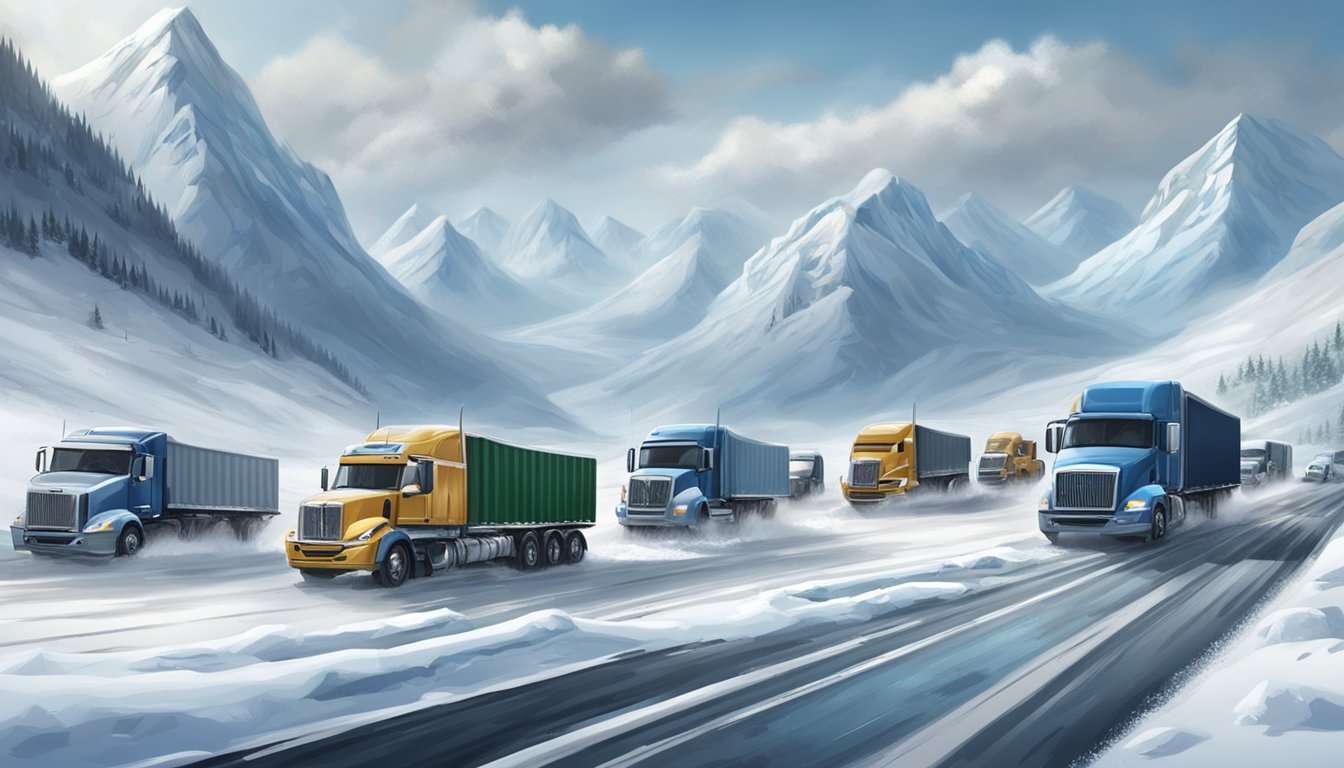
The landscape of ice road trucking is quickly shifting due to unpredictable weather, new technology, and changes in industry demand. These factors shape the future for drivers, fleets, and the broader trucking industry.
Changing Climate and Route Viability
Climate change is significantly shortening ice road operating seasons. Warmer temperatures mean the ice forms later and thaws earlier, reducing the safe period for transport. This makes route planning less reliable each year.
Reduced ice thickness also increases risks for trucks and drivers. Some traditional passageways are now inaccessible, pushing companies to find alternative routes or switch to different transport methods.
Communities and industries that rely on winter roads for essential goods face increased logistical challenges. Delays can lead to product shortages and increased costs for supplies.
Below is a simple overview of recent climate impacts:
Year Typical Opening Date Typical Closing Date Notable Incidents 2010s Early December Late March Standard seasons 2020–2023 Mid-December Early March Early thaw, thin ice 2024 Late December Late February Route closure, overloads
Technological Advancements and Overhauls
Modern technology is changing the face of ice road trucking. Enhanced GPS, real-time ice monitoring, and improved truck sensors allow for better route planning and increased driver safety.
Vehicles are being equipped with updated traction control, tire systems for ice, and advanced braking features. These upgrades increase reliability on unstable or thinner ice routes. Some companies are also piloting remote-controlled or semi-autonomous trucks for high-risk runs.
Communication and emergency response systems now integrate satellite tracking, which lowers response times if incidents occur. These overhauls aim to reduce risks to drivers and minimize losses for companies and communities relying on vital deliveries.
Industry Outlook and Opportunities
Demand for skilled ice road truckers remains high, especially as industries in northern regions expand or increase operations. Alaskan and Canadian fleets, according to recent reports, are struggling to fill open positions.
The trucking industry is adapting with targeted recruitment, specialized training programs, and improved safety protocols. Opportunities exist for drivers with experience in extreme environments and for those who can operate advanced vehicle systems.
Despite challenges, the sector offers competitive wages and seasonal bonuses due to the elevated risk. Logistics companies are investing in both personnel and technology to ensure that critical supply lines remain open, even as road conditions become more unpredictable.
