
Why Ice Road Truckers Became America’s Most Thrilling Reality Show About Dangerous Trucking
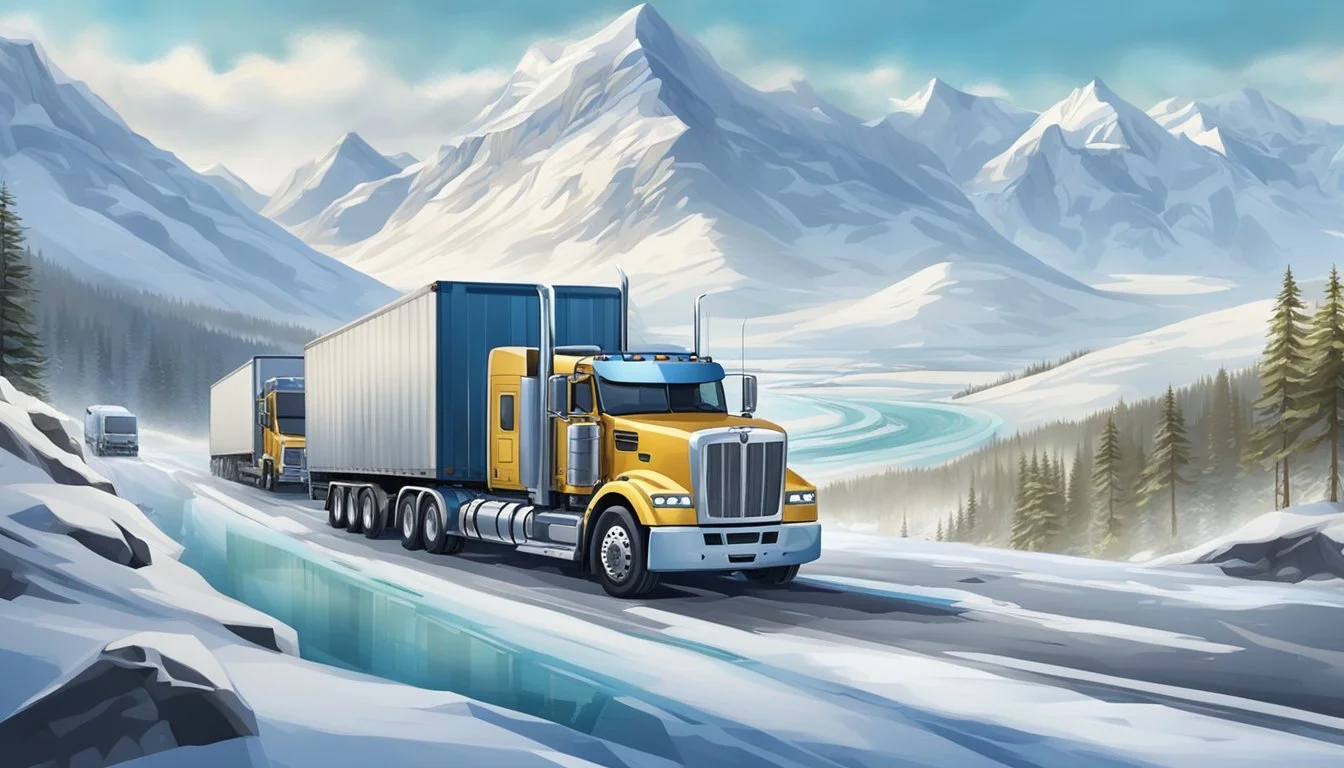
Ice Road Truckers became an American favorite because it offered a rare look into one of the world's most dangerous and demanding jobs, combining real-life risk with fascinating stories of perseverance. Viewers were drawn to the series by its unique focus on drivers navigating treacherous ice roads in remote regions of North America. The show stood out from typical reality entertainment by capturing authentic risks and challenges, rather than manufactured drama.
Audiences appreciated learning about the complex logistics and courage involved in hauling vital supplies over frozen lakes and rivers. The program's blend of breathtaking scenery, unpredictable conditions, and resilient personalities turned everyday trucking into compelling entertainment that resonated with viewers across the United States.
Origins of Ice Road Truckers
The early development of Ice Road Truckers saw a partnership between experienced television producers and the History Channel. Its concept drew real-life inspiration from Canadian and Alaskan trucking and was refined into a format that showcases both high-stress transportation and personal stories.
History Channel’s Role
The History Channel was instrumental in shaping Ice Road Truckers into a successful reality series. Seeking content that connected viewers to real North American history and culture, the network saw potential in the perilous job of ice road trucking.
By commissioning the series, the History Channel helped create a platform that revealed the challenges and skills required to navigate frozen roads. This partnership involved careful consideration of the show's educational and entertainment balance, ensuring both authenticity and accessibility. The network’s approach prioritized dramatic, real-world occupations, a trend that broadened its programming beyond documentaries into unscripted series.
The Creation of a Reality Series
The concept behind Ice Road Truckers was based on the harsh conditions faced by drivers crossing frozen terrain in Canada and Alaska. The original idea emphasized the seasonality, risk, and need for reliability in this unique transportation network.
Producers worked to present these journeys authentically, offering viewers insight into the technical challenges and personal determination behind each trip. Cameras followed real truckers as they transported supplies across icy routes, showing both the logistics and human stories at play.
Careful editing and production focused on the drama of each job without straying from factual events. The decision to spotlight specific drivers and intense moments made the series engaging while remaining grounded in actual trucking work.
Thom Beers and the Development Team
Thom Beers, known for creating Deadliest Catch and other reality hit series, played a central role in developing Ice Road Truckers. His vision brought together a team adept at producing compelling, documentary-style television centered on demanding professions.
Beers and the production group conducted thorough research, reaching out to real-life truckers and logistics experts. Their approach was informed by a desire to showcase real risks, minimal scripting, and the diverse personalities on the ice roads.
This development team’s commitment to realism influenced casting, production style, and overall narrative tone, resulting in a series that stood out in the growing world of reality television.
Depiction of Extreme Trucking
Ice Road Truckers captured the reality of moving heavy loads through harsh winter conditions. The show highlighted technical skill, constant risks, and the logistical challenges unique to ice-covered routes in Alaska and Canada.
Navigating Frozen Lakes
Truckers on the series routinely drove across thick, frozen lakes. The ice, sometimes over three feet thick, served as the only passable "road" for weeks or months each year.
Drivers carefully monitored ice thickness, temperature changes, and weather patterns. Even a small change in weather could weaken the ice, turning routine runs into emergencies.
Weight limits for vehicles were strictly enforced. Too much weight could crack the ice surface, so every load was carefully calculated. Drivers also moved at slow, steady speeds to reduce vibrations and avoid triggering breaks or fissures below them.
Crews often worked overnight to take advantage of the coldest temperatures, when ice was at its strongest. The constant threat of the ice shifting or breaking kept drivers alert throughout the journey.
The Challenge of Dalton Highway
The Dalton Highway, stretching over 400 miles from Fairbanks to Prudhoe Bay, is regarded as one of North America’s most dangerous roads. Ice Road Truckers featured it prominently, showing relentless climbs, steep descents, and ever-present permafrost.
Steep grades and sharp turns became even more hazardous due to frequent whiteouts and icy surfaces. Broken-down vehicles were a common sight, and sudden blizzards could trap truckers miles from help.
Navigation relied not just on skill but close communication with other drivers and dispatchers. Roadside assistance was hours away, so preparedness with supplies, cold-weather gear, and emergency rations was required.
Convoys were sometimes formed for safety, but each driver had to be ready for the road’s unpredictable hazards at any moment.
Dangers of the Ice Road Season
The ice road season was short and dictated by temperature. As soon as the lakes and rivers froze deeply enough, transportation began, but any warming spell marked the end of safe passage.
Risks ranged from sudden ice fractures to whiteout blizzards and machinery failures in subzero temperatures. Falling through weakened ice could be fatal, so drivers checked for cracks or water seepage during every stop.
Mechanical breakdowns required immediate troubleshooting, often with limited parts in remote areas. Truckers carried survival kits, knowing help could be days away in the most isolated regions.
Throughout the season, every trip combined physical endurance, technical expertise, and the constant calculation of risk versus reward.
Truck Drivers: Heroes of the Road
Truckers who brave the ice roads are known for their grit, resourcefulness, and ability to handle life-threatening challenges. Their stories highlight not only their unique personalities but also the specific expertise required to haul loads in extreme conditions.
Profiles of Iconic Truckers
Some drivers on Ice Road Truckers became household names due to their distinct backgrounds and approaches on the road. Alex Debogorski, for example, is recognized for his storytelling ability and decades-long career hauling across the Arctic. He authored King of the Road: True Tales from a Legendary Ice Road Trucker, sharing insights and memorable experiences.
Hugh Rowland, also called "The Polar Bear," stood out for his bold attitude and competitive edge. Other influential figures like Lisa Kelly drew attention for breaking barriers as a skilled female driver in a male-dominated environment.
These personalities resonated with viewers, offering a window into the camaraderie and rivalry that defined the show. Each trucker showcased a unique combination of resilience, humor, and professionalism.
Skills and Daily Realities
Operating vehicles on ice roads requires technical skill and intense focus. Truckers routinely adapt to subzero temperatures, unstable road surfaces, and sudden blizzards. They are trained to identify cracks and thin ice, respond to equipment failures, and plan safe routes.
Drivers begin their routines early, inspecting vehicles and reviewing weather updates. Loads must be secured precisely because even minor mistakes can have serious consequences. The work is physically demanding and mentally taxing, with fatigue and isolation common.
Despite the challenges, truckers rely on teamwork, radio communication, and problem-solving skills to keep supply lines open. Their actions are critical in supporting remote communities that depend on timely deliveries for food, equipment, and essential goods.
Popularity and Cultural Impact
The success of Ice Road Truckers can be traced to a mix of genuine human drama and captivating visuals from the Arctic environment. Its popularity grew by highlighting one of the most demanding jobs on television, attracting a wide audience interested in both reality TV and unique American stories.
Appeal of Reality Shows
Ice Road Truckers stood out among reality shows for its focus on real dangers and authentic working conditions. Viewers connected with the personal challenges faced by drivers, from isolation and harsh weather to mechanical breakdowns.
The show consistently spotlighted the resilience required in ice road trucking, setting it apart from more conventional entertainment. Its straightforward depiction of risk and reward provided a contrast to manufactured drama seen in other reality TV formats.
Lists of most-watched reality shows often include Ice Road Truckers because it delivers a blend of suspense and relatable personal stories. The human element—drivers’ motivations, camaraderie, and rivalries—kept audiences invested across multiple seasons.
Influence on Reality TV Landscape
The debut of Ice Road Truckers in 2007 signaled a growing interest in blue-collar professions within reality TV. It inspired networks to develop more series about dangerous jobs and remote lifestyles, broadening the genre’s appeal beyond celebrity-centered programming.
Ice Road Truckers popularized the use of cinematic techniques—such as aerial highway shots and dramatic narration—in non-fiction entertainment. This style became common in later series focusing on high-risk occupations, like "Deadliest Catch" and "Ax Men."
According to polling data, the show remains well-known, achieving longevity compared to other reality TV programs. Its influence extended beyond television, helping reshape how American audiences perceive reality entertainment and those who work in overlooked professions.
Connection to Other Notable Series
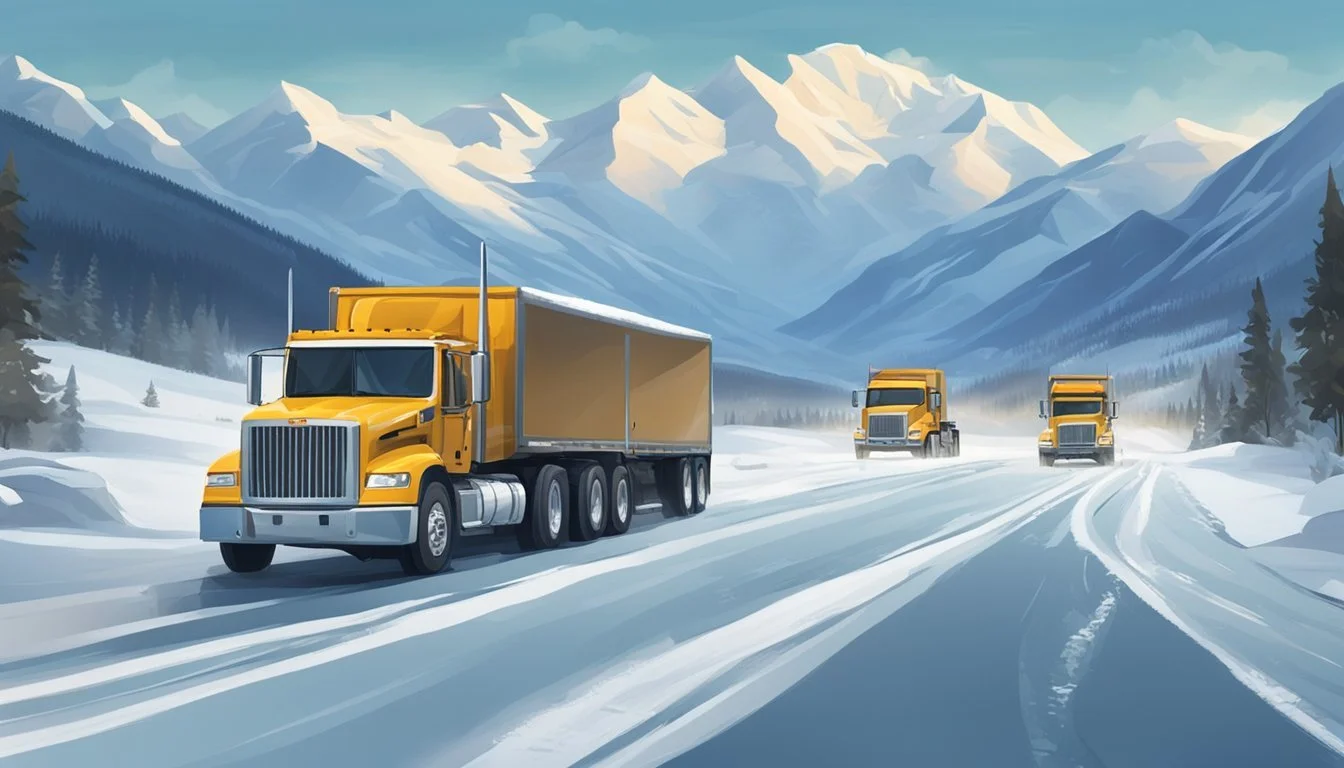
Ice Road Truckers drew from a tradition of reality series that spotlighted high-risk professions. It found an audience similar to those captivated by the dangerous, often unseen, labor shaping North American industries.
Parallels with Deadliest Catch
Both Ice Road Truckers and Deadliest Catch aired on the Discovery Channel and focused on real people tackling perilous jobs. Each show highlighted extreme environments—the ice roads of Canada and Alaska for truckers, and the Bering Sea for crab fishermen.
They used a documentary style to detail the unpredictable, sometimes life-threatening challenges faced. This approach built suspense and emotional investment through authentic portrayals rather than scripted drama.
The production emphasized teamwork, resilience, and the personal sacrifices required in these jobs. Viewers saw not only the dangers but also the camaraderie among crew members, making the professional risks relatable.
Both series contributed to a greater appreciation of the hidden labor behind common products—goods delivered on treacherous ice, or seafood caught in the icy waters. This direct look at high-stakes industries helped drive audience engagement and loyalty.
Comparisons to Dirty Jobs
Dirty Jobs, also from the Discovery Channel, shared Ice Road Truckers’ focus on professions that most people rarely see. While Dirty Jobs followed host Mike Rowe as he took part in various messy and hazardous tasks, it differed in format and tone.
Dirty Jobs was episodic, exploring different industries weekly, while Ice Road Truckers offered a season-long narrative centered on recurring drivers and routes. This continuity let viewers form relationships with specific cast members and follow their progress across episodes.
Both series valued realness and used minimal scripting. However, Dirty Jobs leaned more on humor and education, with Rowe serving as both participant and guide. Ice Road Truckers centered more on suspense, competition, and survival in each episode.
Despite these differences, the shows shared an intent: to reveal the importance and difficulty of everyday work that supports society but is seldom recognized. Lists and short interviews, used in both series, made expert knowledge accessible and entertaining.
Filming Locations and Real-World Setting
"Ice Road Truckers" stood out by showcasing real truckers, hazardous ice roads, and authentic northern communities. The show's settings highlighted both the unique challenges of daily life in these regions and the broader network of ice roads stretching across harsh, remote territories.
Life in Yellowknife
Yellowknife, capital of Canada’s Northwest Territories, served as a primary setting and starting point for many journeys on "Ice Road Truckers."
The city is located on the edge of Great Slave Lake, close to some of the most famous seasonal ice roads.
Local truckers often navigate frozen lakes and rivers in this region each winter. The ice roads enable vital deliveries to isolated mining operations and small northern communities that are inaccessible by traditional highways for much of the year.
Daily life here balances modern amenities with the challenges of subarctic weather. Residents, including many truckers, contend with long, dark winters, extreme cold, and risky travel conditions.
Truckers are respected members of the community, providing essential supplies during the winter months.
Diversity of Global Ice Roads
While "Ice Road Truckers" focused heavily on routes near Yellowknife, the show also featured ice roads in other areas such as Alaska and northern parts of the United States.
Each location presented a unique set of obstacles, from varied weather patterns to differences in ice thickness and road maintenance.
Notable Ice Road Regions:
Northwest Territories, Canada
Alaska, USA
Manitoba and other Canadian provinces
The diversity of ice roads globally includes routes over frozen lakes, rivers, and swamplands.
Many of these roads exist only a few months each year, requiring careful monitoring and constant adaptation by drivers.
Across all regions, navigating ice roads demands specialized equipment, local knowledge, and strict safety practices to mitigate serious risks.
These factors contributed to both the drama and authenticity that drew viewers to the series.
Spin-Offs and Franchise Expansion
Expansions of the Ice Road Truckers franchise brought new challenges and environments into focus. These projects introduced wider global contexts and maintained viewer interest by exploring fresh, high-stakes trucking routes.
IRT: Deadliest Roads
Following the success of Ice Road Truckers, History launched IRT: Deadliest Roads. The spin-off sent veteran drivers to some of the world’s most dangerous roads in India, Bolivia, and Peru.
Unlike the original’s icy conditions, the new series pushed drivers into unpredictable terrains like mountain passes, sheer cliffs, and congested cities. The shift demanded not only technical skill, but also adaptability to local customs and hazardous traffic conditions.
IRT: Deadliest Roads featured familiar faces, including Lisa Kelly and Rick Yemm. Their experiences highlighted the universal challenges of trucking under extreme pressure, extending the franchise’s appeal to fans interested in global adventure.
Legacy of Spin-Off Series
While IRT: Deadliest Roads stands out as the most recognized spin-off, the franchise’s expansion did not lead to numerous, long-running series. Attempts to broaden the brand included special episodes and themed content focusing on specific drivers or regions.
The franchise’s legacy endures through its influence on similar reality shows about high-risk occupations. Documentary specials and interviews with cast members continue to draw viewer interest, reflecting the strong connection fans have with the Ice Road Truckers world.
Although spin-offs were fewer than other franchises, the original series’ success inspired a wave of reality TV centered on real-life danger and resilience that persists in programming today.
