
The Crucial Role of Community and Teamwork in Ice Road Truckers’ Survival and Success
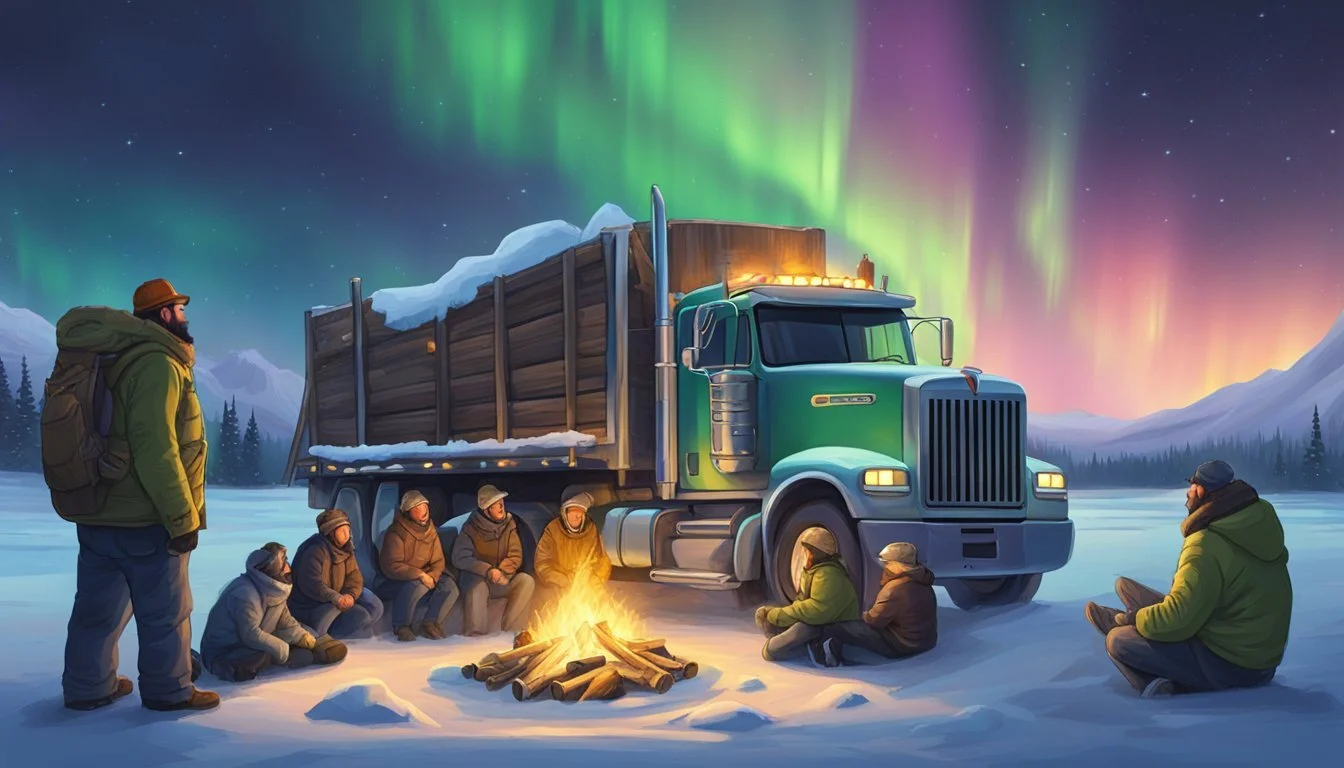
Navigating ice roads in remote regions is a unique test of both skill and resilience. For the drivers featured on Ice Road Truckers, the experience is not just about conquering extreme environments but also about forming strong connections with fellow truckers. The sense of community among Ice Road Truckers is essential, as it fosters teamwork, support, and safety in one of the world’s harshest driving conditions.
Whether they are sharing tips at a truck stop or helping each other through breakdowns on dangerous frozen routes, these drivers rely on each other daily. Their bonds often go beyond work, creating lasting friendships and a shared understanding that few outside their profession can fully grasp.
This supportive network is a significant part of what keeps ice road truckers moving forward, both physically and mentally. The role of community remains central, shaping not just the way they drive, but the way they handle the unique challenges of their demanding work.
Understanding the Ice Road Truckers Community
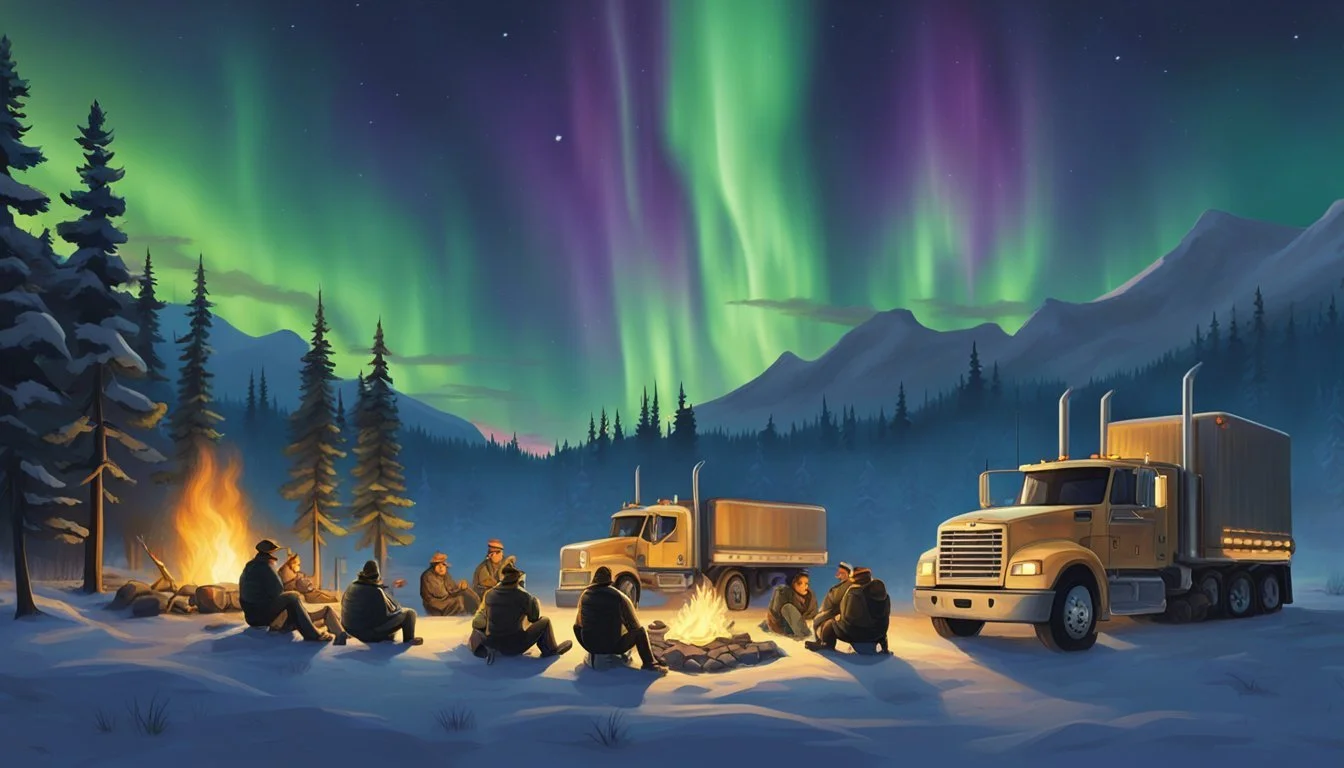
The community of ice road truckers is defined by mutual support, a sense of belonging, and unique working conditions. Drivers form close relationships as they confront the isolation and hazards of remote, frozen routes in Canada and Alaska.
Definition and Structure
Ice road truckers are a specialized group within the trucking industry who transport goods across temporary, ice-covered routes. These roads typically connect isolated communities, especially in northern Canada and Alaska, during winter months when frozen lakes and rivers can support heavy vehicles.
Community structure is often informal but tightly knit. Drivers rely on radio communication, convoy formations, and local knowledge to navigate dangers such as thin ice and severe weather. Veteran drivers often mentor newcomers, passing down skills and essential safety protocols.
Company bases and truck stops serve as gathering points for social interaction and resource sharing. Mutual trust is crucial since drivers often operate in areas far from emergency services. The small size of the ice road trucking community leads to familiarity and high accountability among its members.
Shared Experiences and Challenges
Extreme weather is a constant challenge, with temperatures sometimes dropping below -40°C. Blizzards, whiteouts, and shifting ice require split-second decisions and high levels of alertness. Drivers share advice and warnings about dangerous conditions via CB radio and informal networks.
Long hours and isolation are routine. Spending days on end in a truck, far from urban centers, leads to a strong sense of camaraderie among those who understand the job’s pressures. Peer support on the road is essential for morale and safety.
The risks are significant—ice road truckers face breakdowns in freezing temperatures, limited access to help, and the ever-present risk of falling through thin ice. Community members often assist each other with repairs, shelter, and supplies, reinforcing a culture where cooperation is a critical survival mechanism.
The Impact of Harsh Environments on Bonds
Harsh climates on the ice roads force drivers to rely on each other in ways uncommon to other areas of trucking. Challenges such as severe weather and isolation directly shape the way community bonds form and persist.
Surviving Extreme Weather Together
Ice road trucking in regions like Alaska and northern Canada means navigating temperatures that can drop below -40°C. Blizzards, whiteouts, and freezing rain are common hazards. These conditions often turn what could be a solitary job into a shared struggle, requiring communication and mutual support to ensure survival.
Drivers share weather updates over CB radios, warn others of thin ice or sudden snow drifts, and sometimes convoy together for greater safety. Stranded truckers may rely on others to bring fuel, food, or even just company until help arrives. Dependence on peers for real-time information and emergency assistance is not just practical—it builds deep trust.
Isolation for days or weeks at a time can foster camaraderie among those confronting the same perils. Shared experiences with unpredictable weather and dangerous ice roads become a foundation for strong, resilient relationships among drivers.
Teamwork and Safety Practices
The hazardous conditions on ice roads demand strict adherence to safety protocols and a culture of teamwork. Pre-trip briefings, coordinated stops, and group travel are often the norm, especially when the forecast predicts rapid weather changes or unstable ice.
Ice road truckers regularly check in with each other and share details about road quality and potential hazards. Teams might work together to inspect ice thickness, deploy safety equipment, or free a stuck vehicle. These collective actions reduce risk and emphasize that safety is a shared responsibility.
Training and mentorship are crucial in ice road environments. Veteran drivers often guide newcomers, teaching them how to manage difficult stretches of road and respond to emergencies. This support system reinforces the bond between truckers, making the community stronger and safer for everyone facing the Arctic and sub-Arctic elements.
Media Influence and Public Perception
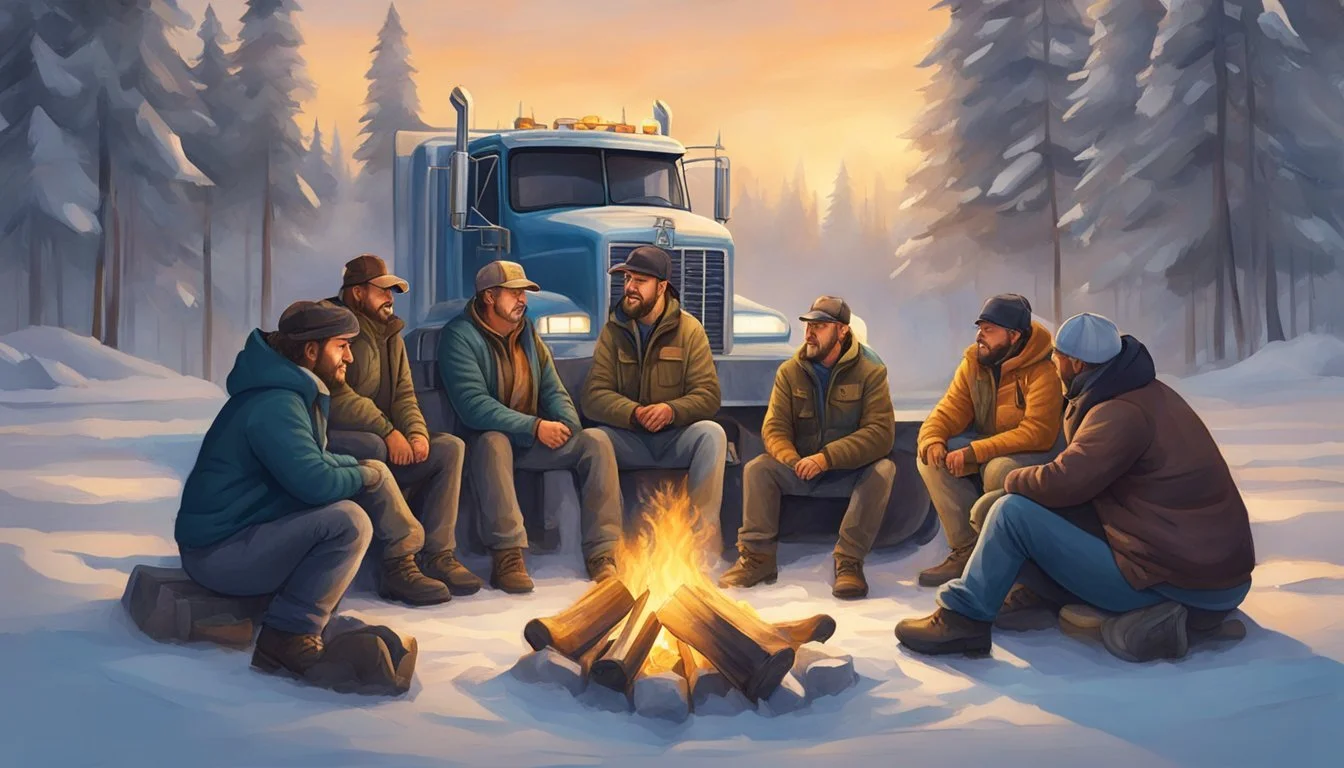
Media coverage, especially through widely watched television, has shaped how audiences view the ice road trucking profession and its community. Popular portrayals affect not only truckers' reputations but also public understanding of their daily challenges and relationships.
Popular TV Series Spotlight
The reality television series Ice Road Truckers brought unprecedented visibility to the lives of those who drive on frozen routes in Alaska and Canada. By following drivers through hazardous conditions and complex logistics, the show highlights the technical skills and mental resilience required for the job.
Episodes often focus on moments of teamwork under pressure, showcasing the camaraderie and mutual support among truckers. Competition and cooperation are depicted in balance, making the profession appear both challenging and highly collaborative.
Regular exposure on television has given viewers insight into not only the dangers but also the significance of ice road trucking for remote communities. Ratings success means that thousands witnessed aspects of teamwork, trust, and shared risk that would otherwise remain hidden.
Changing the Image of the Trucking Community
Before mainstream television attention, the public often pictured truckers as isolated, rugged individuals. Media depictions—especially in Ice Road Truckers—shifted this perspective by offering a closer look at interpersonal relationships and problem-solving on the ice roads.
Television narratives typically emphasize the strong bonds formed on the job. Drivers rely on one another for safety, advice, and emergency help, replacing old stereotypes with images of a tight-knit, resourceful group.
These broadcasts have also led to increased respect for the profession. Audiences now recognize ice road truckers as essential contributors to northern communities, transporting crucial supplies across treacherous terrain and supporting each other through extreme conditions.
The portrayal of these interactions has reframed truckers as vital members of both their professional circle and the broader society they serve.
Technological Advances and Community Connection
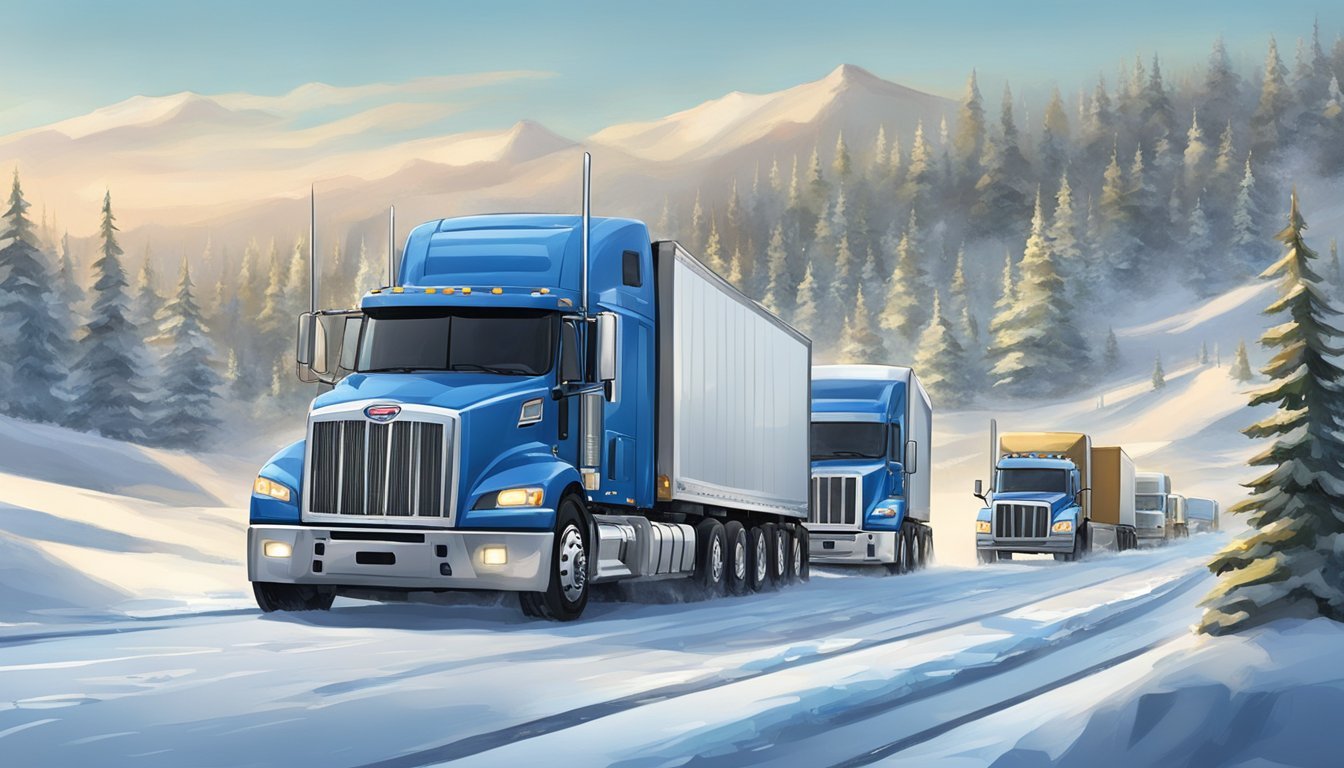
Technology has transformed the way ice road truckers communicate and work together, improving both safety and social bonds within remote regions. Innovations not only protect drivers but also foster stronger connections among team members and local communities.
Communication Tools and Social Networks
Modern communication technology plays a critical role in linking truckers during long, isolated journeys. Satellite phones and real-time radio systems replace older, unreliable methods, making it easier for drivers to share important updates about road conditions, weather changes, and emergencies.
Social networking platforms and trucking-specific apps give drivers a space to exchange advice, coordinate trips, and share support. These tools help break down geographic barriers and create a sense of belonging, even when truckers are hundreds of miles apart.
Key technologies in communication:
Satellite and CB radios
GPS-enabled messaging systems
Private trucker forums and chat channels
By using these resources, drivers can quickly alert others to hazards and access assistance, strengthening the fabric of the trucking community on and off the ice roads.
Innovation Enhancing Safety and Collaboration
Advancements in safety-related technology have significantly influenced daily routines for ice road truckers. Improved ice-thickness sensors, onboard monitoring systems, and real-time tracking increase both safety for individuals and collaborative problem-solving within groups.
Digital mapping tools and remote sensors provide crucial data that everyone can access. This information allows coordinated planning for safe passage and prevents accidents in hazardous zones.
Recent innovations allow for immediate sharing of route updates and weather shifts, reducing isolation and enabling faster response to developing risks. The result is a more resilient, tightly-connected community that leverages technology for both practical safety measures and collective well-being.
The Role of Official Oversight and Industry Support
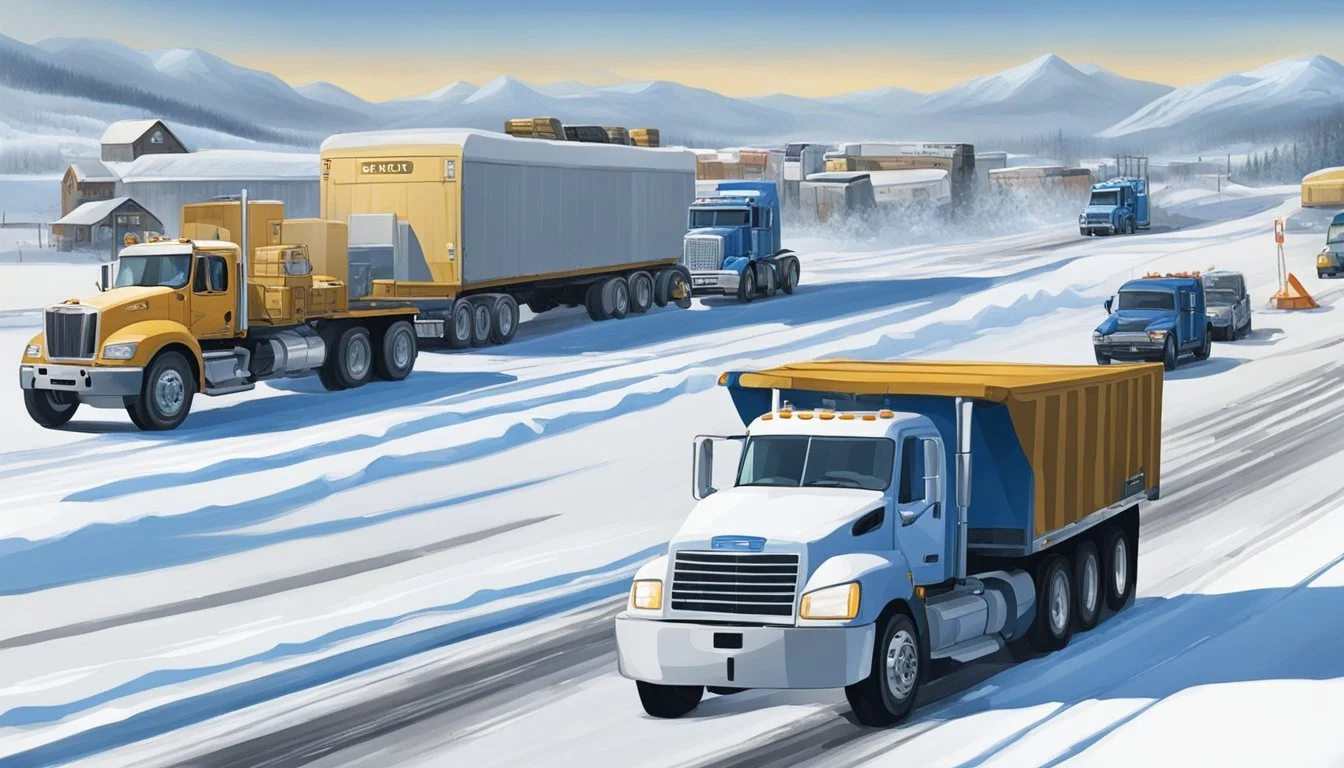
Regulatory standards and professional organizations both play a significant part in shaping the working conditions and community life of ice road truckers. These elements contribute to structure, safety, and the ongoing ability of the trucking industry to operate in extreme environments.
Government Regulations Shaping Community
Government agencies such as the Department of Transportation (.gov) set the core safety and environmental standards that govern ice road operations. Rules cover vehicle weight limits, permissible driving hours, and emergency equipment requirements. Such regulations are strictly enforced due to the unique hazards posed by frozen roadways and unpredictable weather.
Oversight impacts daily routines for ice road truckers. Routine inspections and compliance checks are common. Truckers must also adhere to seasonal road closures based on ice thickness surveys and local authority directives.
Compliance fosters a baseline of trust and cooperation within the trucking community. It ensures that all operators meet the minimum standards, which can reduce accidents and improve collective safety. Shared experiences navigating regulatory demands can strengthen communication and support among drivers.
Industry Organizations and Support Systems
Industry groups and unions provide additional support systems for ice road truckers. The trucking industry maintains associations dedicated to advocating for truckers' rights, delivering up-to-date safety information, and negotiating fair working conditions.
Organizations often arrange training seminars, mentorship programs, and forums for knowledge sharing. These systems allow less experienced drivers to learn from veterans and provide a channel for voicing concerns directly to stakeholders.
Support can include access to legal advice, mental health resources, and assistance during emergencies. Industry bodies may also work with government agencies to advise on policy changes affecting ice roads.
Table: Key Support Functions of Industry Organizations
Function Benefit Advocacy Stronger voice for members Training Improved skills and safety Peer Support Shared knowledge and mentorship Emergency Assistance Resources during crises
Legacy and Influence Beyond the Road
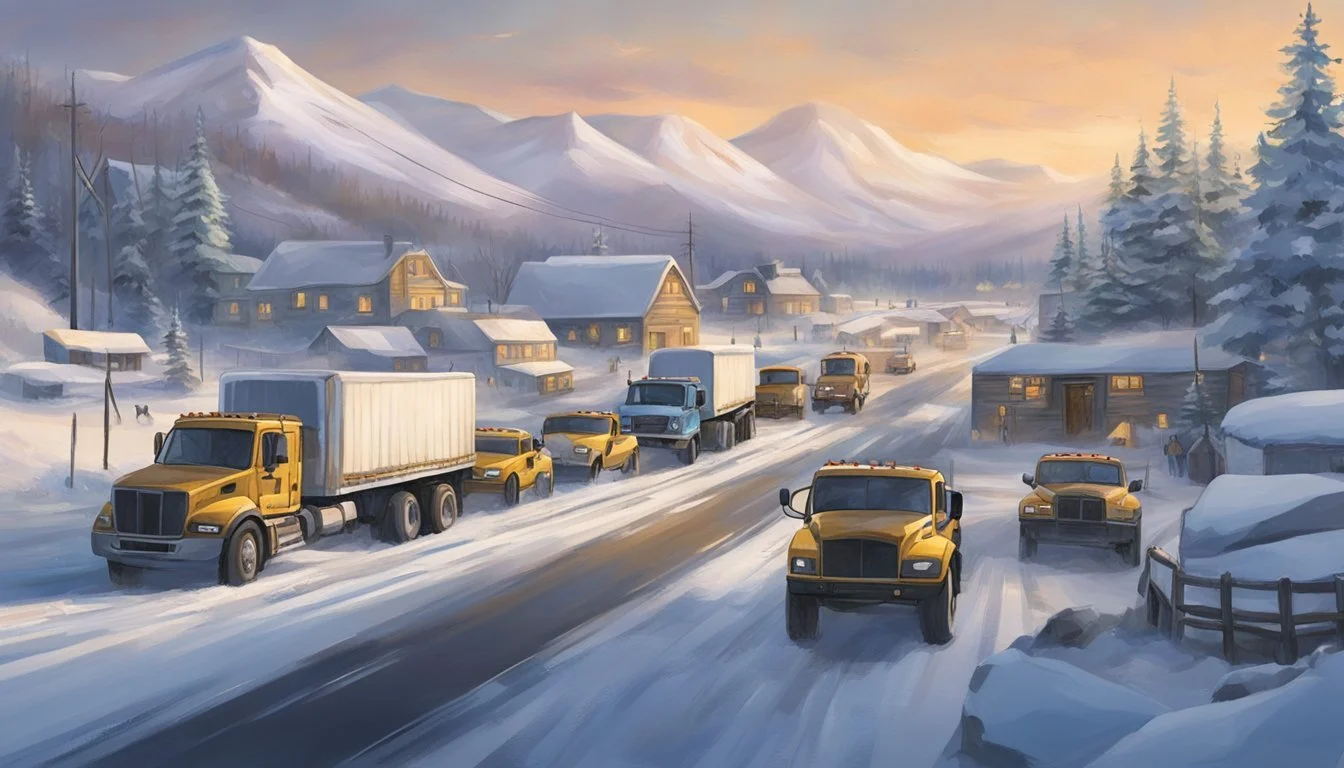
Ice Road Truckers left a lasting mark on viewers and the trucking industry, highlighting the unique challenges faced by drivers in remote parts of Canada. Its influence extends beyond the series, shaping perceptions of trucking as both a career and a community force.
Inspiring New Generations of Drivers
The series showcased the demanding conditions and skill required to drive on ice roads, encouraging a renewed respect for truckers. Many younger viewers saw the camaraderie and teamwork displayed by the cast as reasons to consider trucking themselves.
Lisa Kelly and Darrell Ward, among others, became role models for aspiring drivers, especially in Canada where the ice road industry has deep local roots. The show also underscored the technical knowledge, resilience, and adaptability necessary for this career.
Fans often reached out to cast members for advice on entering the field. Trucking schools and companies reported increased interest, crediting the show's wide media exposure for helping recruit new talent to the industry.
Cultural and Economic Contributions
Ice Road Truckers brought attention to the importance of ice roads in connecting isolated northern communities in Canada to vital resources and goods. By featuring local drivers and their stories, the show contributed to the preservation and recognition of northern Canadian culture.
The series also highlighted the economic impact of trucking in remote regions. Reliable ice roads made it possible for businesses and communities to receive construction supplies, fuel, and food during harsh winter months.
Media portrayals broke down stereotypes about truckers by focusing on their expertise and commitment. This helped improve public perception and fostered deeper community respect for the profession.
