
The Emotional and Gritty Reality of Ice Road Truckers: Behind the Scenes of Extreme Trucking Challenges
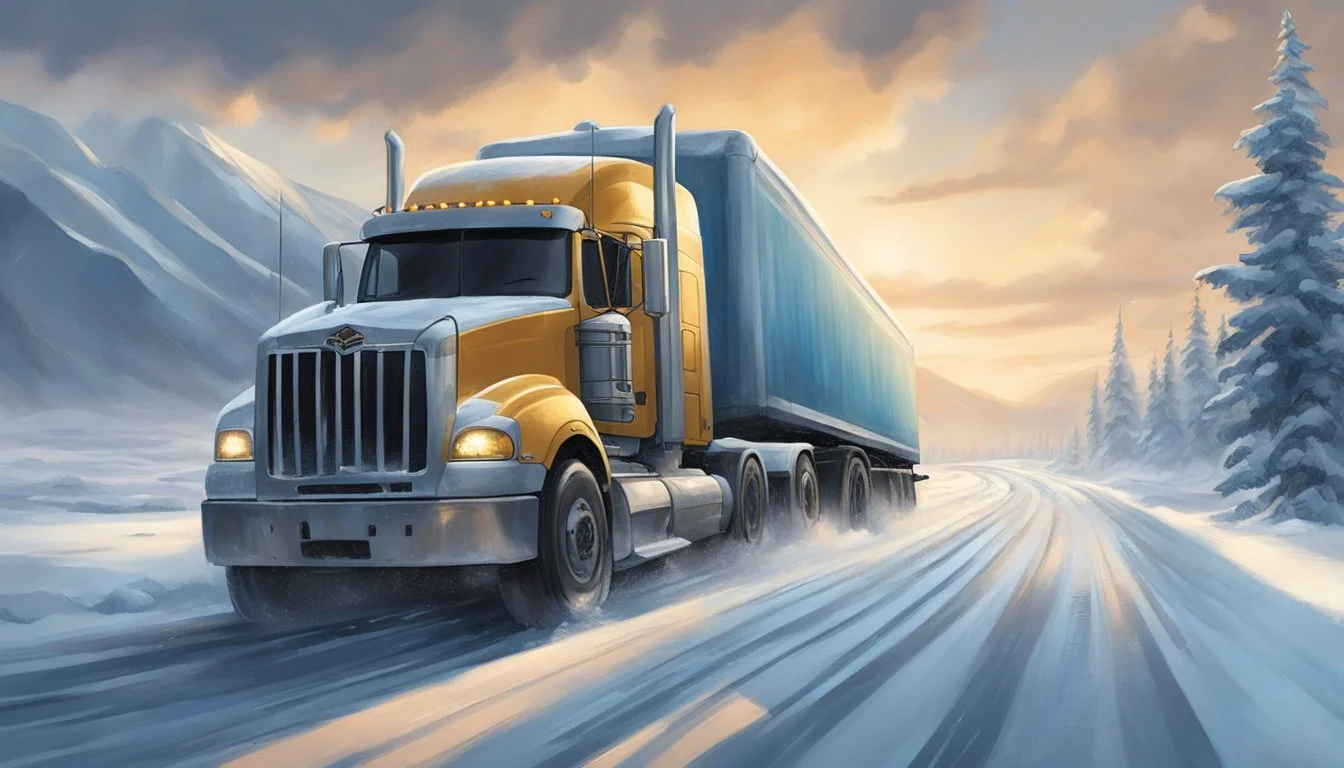
Ice Road Truckers brought the demanding world of extreme trucking into the spotlight, following drivers as they navigated dangerous, icy roads in remote regions. Behind the adrenaline and determined faces, the stars like Lisa Kelly and Alex Debogorski faced emotional highs and lows that went far beyond the cameras. The emotional journey of Ice Road Truckers stars is marked by personal challenges, loss, resilience, and the constant tension between risk and reward.
Viewers saw more than tough jobs—they saw individuals carrying the weight of family expectations, career uncertainties, and the physical dangers of their profession. The series showed how these truckers managed severe weather, isolation, and the stress of decisions made on a frozen highway, revealing the courage needed both on and off the road.
By diving into their stories, it becomes clear that life for the Ice Road Truckers cast was shaped not just by treacherous routes, but by the personal setbacks and triumphs that defined their journeys. This blend of real-life adversity and accomplishment made their experiences compelling to watch and continues to resonate with audiences even after the show's end.
Understanding the Emotional Journey of Ice Road Truckers Stars
Ice Road Truckers face both physical risks and deep psychological pressure while driving in the Arctic. Isolation, unpredictable weather, and intense schedules test their resilience, both on and off the camera.
The Reality of Life on the Road
Ice road truckers spend long stretches driving in Alaska and across the Arctic, where roads are often just frozen lakes and rivers. They must remain alert at all hours because a small mistake can be fatal.
Most truckers work alone for days at a time, separated from loved ones and regular comforts. The noise of the engine and the monotony of mile after mile in icy darkness can lead to fatigue and stress.
Drivers such as Lisa Kelly and Alex Debogorski have described battling loneliness and the psychological weight of responsibility. The physical dangers are clear, but the emotional toll of this demanding profession is often overlooked.
Unique Emotional Challenges in the Arctic
Operating large trucks in Arctic conditions means contending with extreme cold, blizzards, and rapidly changing weather. Temperatures often drop far below zero, amplifying the sense of vulnerability.
The remoteness of the Alaskan wilderness increases anxiety, as help can be hours away if something goes wrong. Many truckers must rely solely on themselves and their training to handle emergencies.
Breakdowns and accidents are routine worries, but so is the emotional strain of being isolated in a vast, silent landscape. The environment itself becomes a psychological challenge that tests everyone involved.
Balancing Fame and Isolation
Appearing on Ice Road Truckers has brought many drivers unexpected public attention and a unique form of celebrity. Many of the show’s stars, including Lisa Kelly, have discussed feeling honored by fan support.
However, fame doesn’t erase the reality of isolation in Alaska or the Arctic roads. Public recognition can clash with the solitude they experience during months of hauling freight in hazardous conditions.
Sudden shifts from being alone for days to being in the public eye at events or through media interviews creates a contrast that some find difficult to reconcile. The tension between personal privacy and fame adds another layer to their emotional journey.
Emotional Highs: Adventure, Accomplishment, and Survival
Ice Road Truckers face unique emotional highs, drawn from close encounters with danger, mastery of survival skills, and transformative personal achievements. Each aspect adds depth to their experiences navigating some of the harshest roads on earth.
Facing Daily Danger and Adventure
Every trip over the ice roads presents a new challenge. Drivers like Lisa Kelly and Alex Debogorski constantly adapt to unpredictable weather, thin ice, and mechanical failures. These dangers require both physical skill and steady nerves.
The sense of adventure in remote travel is a motivating force. Truckers encounter breathtaking Alaskan and Canadian wilderness, navigating snowy forests and frozen lakes. Each journey comes with risks, but also with the thrill of working on the edge.
Their days are built around managing emergencies, from whiteout conditions to sudden storms. Despite the risks, many describe a deep satisfaction in performing complicated maneuvers and pushing boundaries—both geographic and personal.
Wilderness Survival Skills and Resilience
Truckers on these routes must master wilderness survival. Temperatures can reach -40°F, and help may be hours away. Basic survival equipment includes insulated clothing, emergency heaters, and food supplies in each cab.
Adaptability is essential. Whether making roadside repairs with limited tools or spending nights in the truck, drivers draw heavily on resilience. They learn to recognize signs of hypothermia and frostbite, and to navigate by instinct when technology fails.
The work demands constant vigilance. Drivers plan for long stretches without cell service and often communicate with local communities and indigenous guides. Their survival skills are not just practical—they help build confidence to face each new season.
Achievements and Personal Growth
Completing each run is viewed as a real accomplishment. Drivers chart every successful journey across shifting ice and treacherous routes as proof of their capabilities. Recognition from peers and audiences, such as through reality television coverage, also reinforces their achievements.
For many, the job brings significant personal growth. The pressures of isolation, extended travel, and harsh environments teach patience and mental strength. Overcoming setbacks—from breakdowns to near-misses—shapes a reputation for reliability and grit.
These experiences often foster leadership and mentorship. Seasoned truckers share their knowledge with rookies, passing on routes, safety practices, and stories that encourage others to pursue the adventure with equal dedication.
The Burden of Loneliness and Separation
Ice road truckers often spend weeks or months on remote routes far from cities or towns, facing long stretches of solitude and demanding schedules. This lifestyle brings unique personal challenges, especially when working in places like Alaska, where isolation can be intense and communication is limited.
Coping with Extended Isolation
Drivers on ice roads are typically alone in their cabs for hours, sometimes crossing frozen wilderness without seeing another person. This isolation can affect their mental health and general well-being over time. Many truckers develop routines such as listening to music, audiobooks, or radio channels to break the silence.
Satellite phones and CB radios serve as lifelines, allowing brief contact with colleagues or dispatch. Still, signal quality in Alaska and on more remote ice roads is inconsistent. Some drivers carry journals or document their journeys with photos, creating a personal record of their experiences.
Without access to entertainment or social outlets, maintaining motivation is difficult. The lack of human contact means emotional support is often limited to the occasional message or call home. Support networks among fellow truckers help, but these connections are sometimes fleeting due to constant travel.
Relationships and Family Sacrifices
Extended absences from home strain relationships with spouses, children, and friends. Many ice road truckers miss birthdays, school events, and holidays, which can lead to feelings of guilt or regret. Partners at home often manage households alone, making decisions that truckers would otherwise share.
Some families establish routines to stay connected, such as scheduled video calls or exchanging messages when possible. However, unreliable connections and sudden weather delays can interrupt even these limited moments. For children, a parent’s prolonged absence can create emotional distance, requiring added effort to maintain close bonds.
Truckers sometimes report tension and conflicts resulting from these separations. Despite these challenges, many families develop resilience and mutual understanding, finding ways to adapt to the unique demands of ice road trucking. The ability to balance work obligations with family needs remains one of the profession’s most persistent burdens.
Training, Preparation, and Psychological Endurance
Starring on Ice Road Truckers requires more than just driving skill. Each trucker must master survival tactics for the Arctic, and maintain their mental strength during weeks of isolation and extreme weather.
Intensive Training for Harsh Environments
New truckers typically undergo hands-on instruction to prepare for icy highways and snowstorms. They complete defensive driving drills, practice vehicle recovery, and review emergency response procedures. This training is tailored for the Arctic, where dangers like sudden whiteouts and ice cracks are common.
Wilderness survival is also emphasized. Drivers learn to use equipment like satellite phones, flares, and first aid kits. Packing a survival bag—containing thermal blankets, food rations, and fire-starting tools—is mandatory.
Truckers often participate in mock scenarios covering vehicle breakdowns or getting stranded in remote areas. These simulations build skills and confidence, reducing risks on isolated routes.
Mental Health and Coping Strategies
Months of high-stress driving in the Arctic can strain anyone’s mental health. The relentless isolation, long hours, and pressure to meet delivery deadlines are major challenges.
Veteran drivers have shared that they rely on routine communication with family and fellow drivers to maintain morale. Staying connected helps reduce feelings of loneliness. Short breaks for rest, hot meals, and simple self-care routines are essential to avoid burnout.
Some trucking companies also provide access to counseling or peer support programs. Practicing mindfulness or breathing exercises can help truckers manage anxiety during dangerous situations. Developing resilience and adaptability is key to enduring the psychological demands of the ice roads.
Interactions with Fans: Fame, Obsession, and Unexpected Challenges
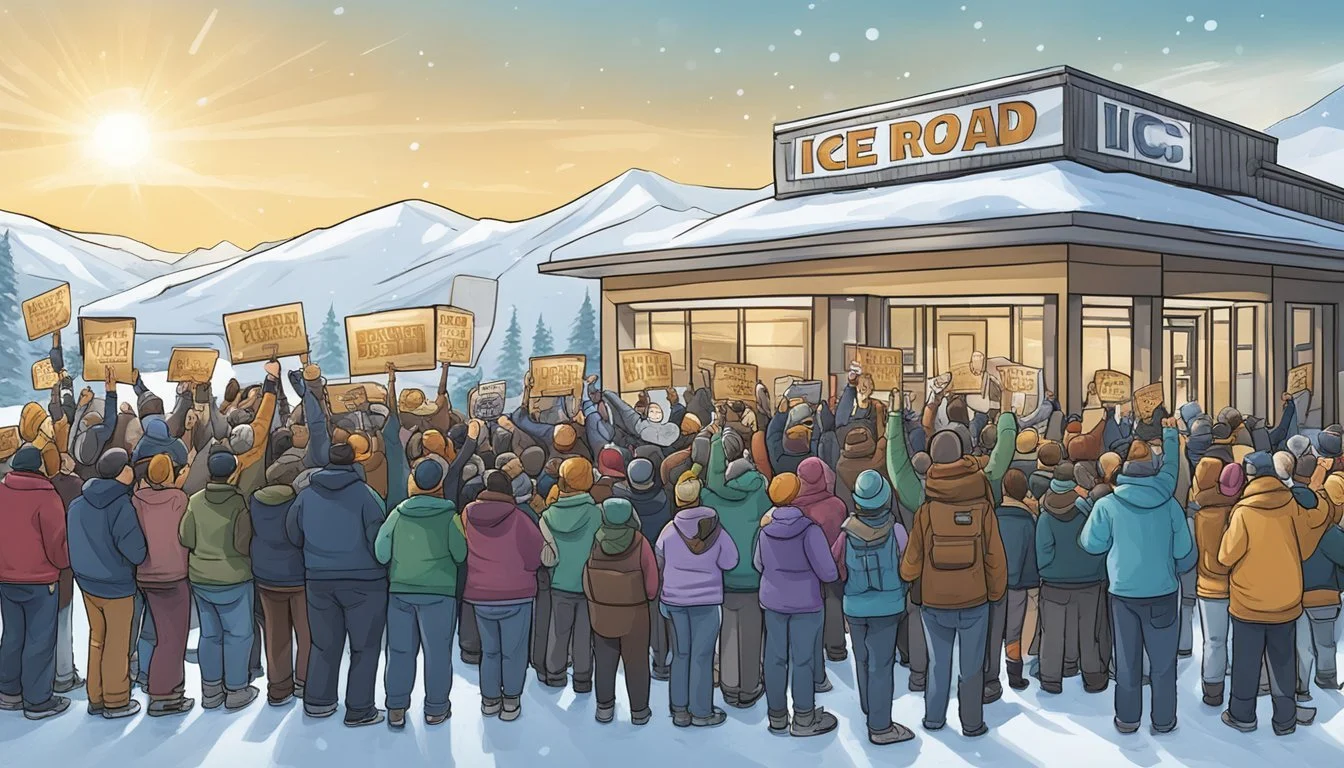
The rise to fame for the stars of Ice Road Truckers dramatically shifted their daily lives. Public attention has brought both positive and negative experiences, including admiration, unwanted obsession, and new hurdles in maintaining privacy.
The Impact of Fame on Personal Lives
Cast members like Lisa Kelly, Darrell Ward, and Alex Debogorski became household names after appearing on the show. The sudden recognition often resulted in frequent fan encounters during their regular routines.
Many received large volumes of mail, social media messages, and requests for autographs. Ice Road Truckers stars often found themselves recognized in public places, such as truck stops or airports. Managing fame required adapting to constant scrutiny and adjusting to changes in how they could interact with others.
Fame also placed strain on personal relationships. Each star had to balance the demands of filming, travel, and public expectation while safeguarding their family and private time from the spotlight.
Handling Obsession and Stalking
While fan admiration is common, some interactions crossed into obsession and stalking. Certain cast members reported individuals following them on the road or tracking their locations through social media.
Security concerns arose for both the stars and their families. Lisa Kelly, in particular, has stated in interviews that she received threatening messages and sometimes felt unsafe due to persistent fans.
These issues required new privacy measures, such as limiting public updates and changing travel routines.
Producers offered support and guidance, but some stars still struggled with the emotional impact. The intensity of unwanted attention was an unexpected challenge for many who once enjoyed relative anonymity.
Positive Connections with Fans
Despite the hardships, many cast members found genuine satisfaction in positive fan interactions. Fans often expressed appreciation for the truckers’ dedication and shared their own stories of overcoming difficult conditions.
Some stars maintained active social media pages to engage with viewers, answer questions, and share behind-the-scenes moments. At truck shows and fan events, cast members like Alex Debogorski and Lisa Kelly made appearances to sign autographs and discuss their experiences.
These supportive exchanges fostered a sense of community between the truckers and their audience. Good fan relationships helped boost morale and reminded the cast of the value Ice Road Truckers brought to viewers worldwide.
Beyond the Show: Life After Ice Road Truckers
Many cast members from Ice Road Truckers faced significant changes when filming ended, adapting to life outside of reality TV. Some moved into new careers, while others continued to embrace adventure or share their experiences digitally.
Transitioning to Ordinary Life
Adjusting to daily routines after the intense schedules of the show was a challenge for several stars. Some returned to regular trucking in Canada and Alaska, preferring the steady rhythm over television demands.
Others pursued quieter lives with family, valuing privacy after years in the public eye. Balancing the identity of a TV personality with that of a working trucker sometimes proved difficult.
A few cast members faced personal hardships or health issues that shaped their lives post-show. Their experiences reflect how reality TV fame can be fleeting, and returning to normalcy takes resilience.
New Adventures in Canada, Alaska, and Beyond
Several former truckers continued to seek adventure. For example, Lisa Kelly still hauls loads across Alaska's remote highways, maintaining a presence in the trucking community.
Alex Debogorski explored opportunities in Canada, traveling to truck events and meeting fans. Some, like Darrell Ward before his passing, remained active in trucking and occasionally joined charitable hauls across North America.
Travel remained central for many, with some sharing stories from the Arctic Circle or northern supply roads. Their willingness to take on new routes and challenges highlights the adventurous spirit that made the show compelling.
Sharing Experiences on Platforms like Amazon Prime
Many cast members embraced social media, vlogs, and streaming services to connect with fans. Exclusive behind-the-scenes content and updates on projects can be found on platforms like Amazon Prime, where episodes continue to attract viewers.
Lisa Kelly and other veterans occasionally participate in online interviews and fan Q&A sessions. Their commentary provides insight into the real hazards of ice road trucking and their lives off camera.
Streaming availability has helped maintain interest in the series and its personalities. It allows new audiences to discover the show's challenges and the resilience of its stars, even years after original airings.
Broader Perspectives: Social Impact and Environmental Realities
The lives of Ice Road Truckers are shaped by both economic strains and the demanding environments in which they work. Their experiences not only reflect individual perseverance, but also shine a light on wider societal and environmental issues.
Portrayal of Poverty and Hardship
Ice road trucking often highlights the economic struggles faced by individuals in remote regions. Drivers endure months of harsh conditions to earn a living, revealing the limited job opportunities available in these cold climates. Many truckers come from modest backgrounds and take on this dangerous work to support their families.
Episodes frequently depict how financial pressures drive people to take on high-risk jobs. They also show the resourcefulness required to overcome obstacles such as breakdowns and isolation. The series underscores the impact of poverty and job scarcity in shaping these career choices.
Additionally, viewers get insight into the challenges faced by entire communities reliant on seasonal work. The harsh environment intensifies the difficulties, making every trip a test of endurance and determination. These portrayals help the audience understand the real-life hardships that exist beyond the television screen.
The Influence of Central America and Global Perspectives
While Ice Road Truckers focuses primarily on North America, the show's themes resonate globally, including in Central America. Many regions around the world face similar social and economic hardships, driven by poverty and lack of stable employment.
Remote areas in Central America experience hazardous working conditions and environmental risks, paralleling those seen in ice road trucking. Stories from the series echo the struggles of marginalized workers worldwide, bringing awareness to shared challenges despite geographic differences.
The show indirectly prompts discussions on how global inequality affects workers everywhere. It draws parallels between the realities of Northern truckers and laborers in other regions who must navigate tough environments and economic uncertainty. Through these connections, Ice Road Truckers fosters a broader understanding of social and environmental issues faced by similar communities globally.
