
Ultimate Guide to Ice Road Truckers Routes, Locations & Famous Destinations
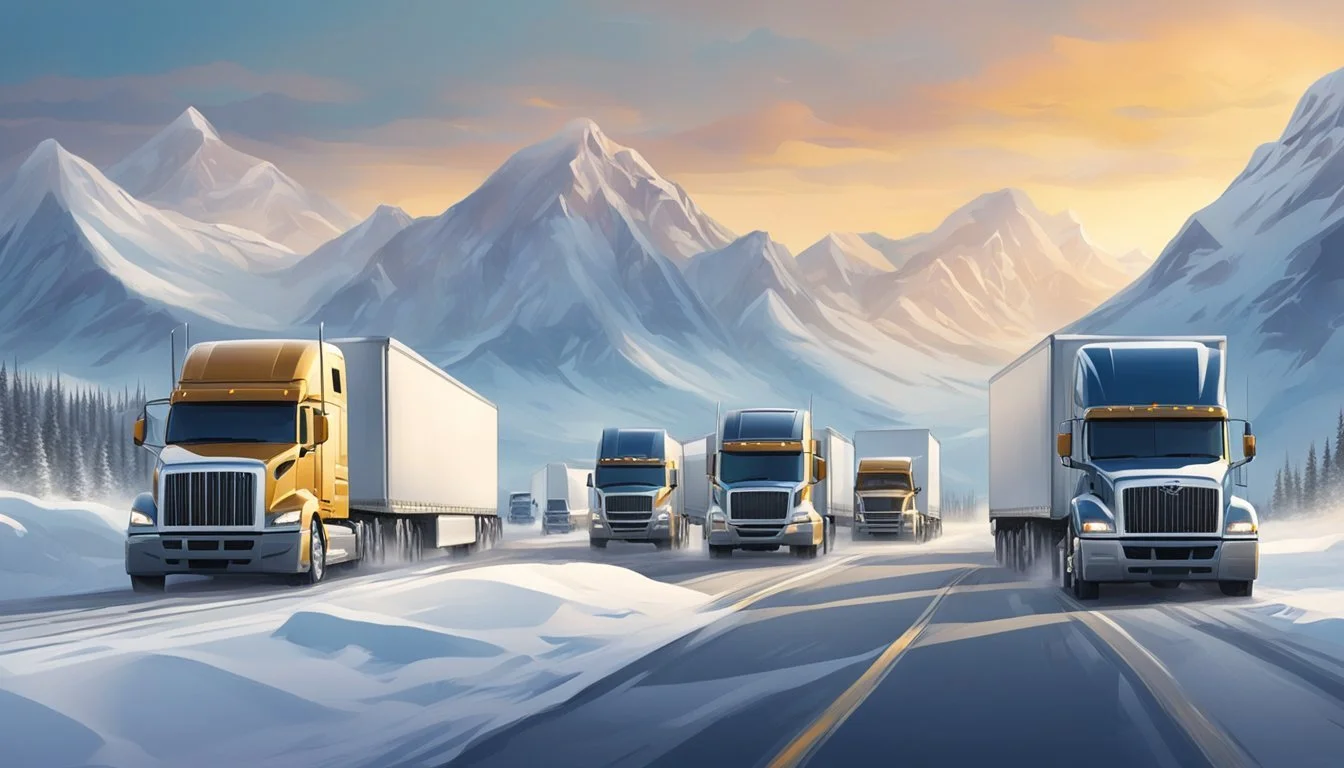
Ice Road Truckers takes viewers deep into the heart of some of the most challenging winter routes on the planet, including Alaska’s Dalton Highway and the vast frozen lakes and rivers of northern Canada. These ice roads are specially constructed every winter, allowing semi trucks to deliver vital supplies to remote communities and mining operations.
The Dalton Highway, also known as the Haul Road, stretches through Alaska where drivers face unpaved sections, harsh weather, and treacherous ice. In Canada’s Northwest Territories, massive trucks cross seasonal ice roads built over frozen water, a unique landscape highlighted in the series for both its beauty and hazards.
Each route on Ice Road Truckers tells a story of resilience and precision, where truckers must navigate unpredictable conditions to keep communities and industries connected during the long, isolating winter months.
Overview of Ice Road Truckers and Ice Roads
Ice Road Truckers documents the high-stakes journeys of truck drivers navigating icy and remote transport routes. These roads, such as the Dalton Highway, play a crucial role in connecting isolated regions with essential supplies during extreme winter conditions.
History of Ice Road Truckers
Ice Road Truckers is a reality series that premiered on the History Channel, focusing on truck drivers as they haul heavy cargo across frozen landscapes. The show debuted in the mid-2000s and quickly gained a dedicated audience due to its authentic portrayal of dangerous long-haul freight routes.
Filming mainly occurred in remote areas of northern Canada, including the Northwest Territories, and occasionally in Alaska. The series highlighted not only the challenges faced by drivers but also the unique engineering required to build and maintain these temporary ice roads.
As the seasons progressed, more routes and locations were featured, such as the Dalton Highway in Alaska, broadening the scope of the show. Many viewers were introduced to the realities of extreme weather, logistical planning, and the resilience required for ice road trucking through detailed coverage of various routes and personalities.
Definition and Role of Ice Roads
Ice roads are seasonal transport routes constructed over frozen lakes, rivers, and tundra, allowing access to regions otherwise unreachable during much of the year. Each winter, when temperatures drop low enough, crews prepare these paths by measuring ice thickness, clearing snow, and carefully calibrating routes to ensure structural integrity.
The main function of ice roads is the delivery of supplies—fuel, machinery, food, and essential goods—to mining sites, remote communities, and oil and gas operations. These roads support local economies and are critical for industries that rely on wintertime delivery windows.
Because they exist only for a few months each year, precise planning and adherence to safety protocols are necessary. Ice roads are closely monitored, and weight restrictions help prevent accidents and maintain the road’s integrity throughout the season.
Significance of the Dalton Highway
The Dalton Highway, featured on Ice Road Truckers and known as one of the most isolated roads in the United States, stretches over 400 miles from Fairbanks to Deadhorse, Alaska. It follows the Trans-Alaska Pipeline and is a vital supply line for the oil fields at Prudhoe Bay.
Conditions along the Dalton are among the harshest faced by truck drivers, with extreme cold, high winds, and hazardous road surfaces. There are only a few small settlements along its length, and services are limited, adding to its reputation for danger.
Key characteristics of the Dalton Highway:
Length: 414 miles (666 km)
Main destinations: Fairbanks, Coldfoot, Deadhorse
Notable feature: Follows pipeline route; limited facilities
As a central focus in various seasons of Ice Road Truckers and in media coverage generally, the Dalton Highway exemplifies the risks and significance of ice road logistics in supporting Alaska's remote industries.
Key Locations Featured in Ice Road Truckers
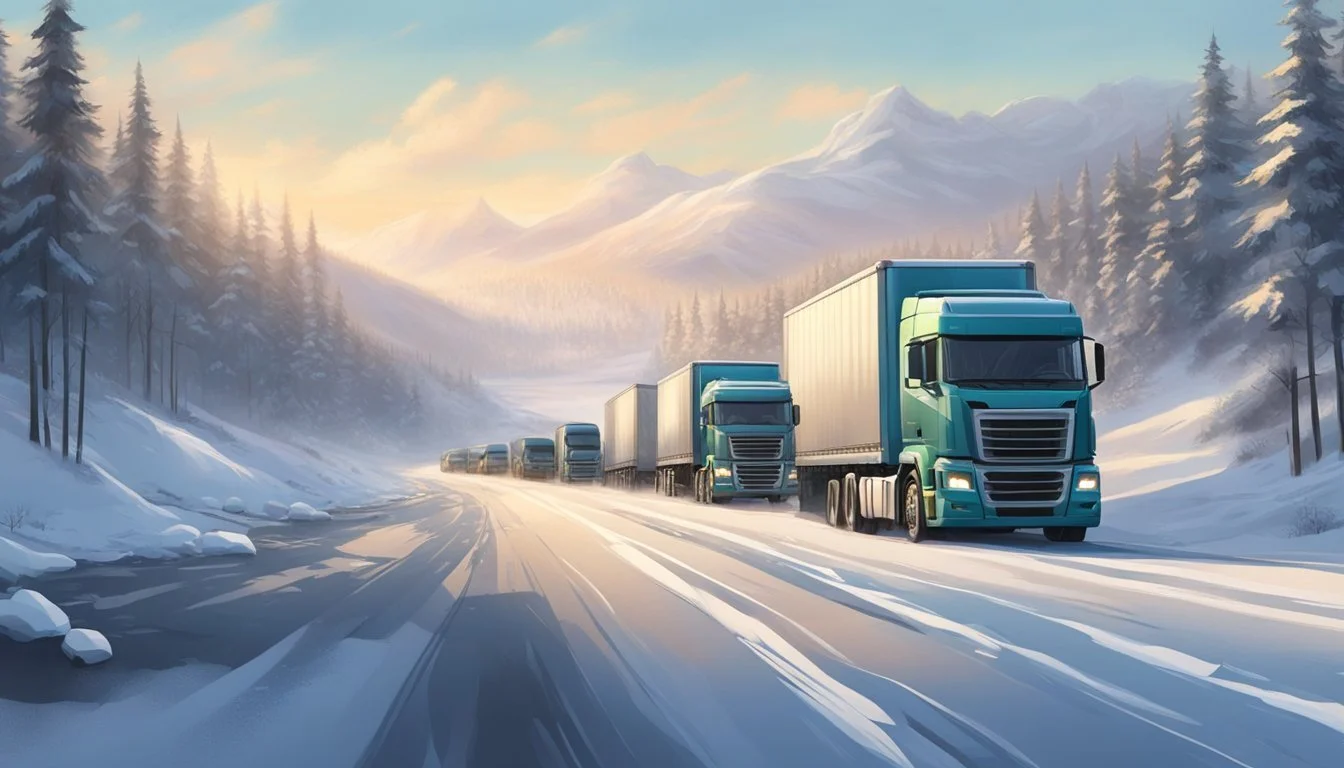
Ice Road Truckers highlights challenging routes through Alaska’s remote wilderness. Key stops like Fairbanks, Coldfoot, and Yukon River Camp play essential roles as logistical centers, staging areas, and vital rest points for drivers navigating extreme winter conditions.
Fairbanks
Fairbanks is the starting point for many journeys featured on the show. Serving as a major city in interior Alaska, it acts as a central hub where truckers load up on essential supplies and cargo before heading north. The city’s infrastructure supports heavy-duty trucking operations, with several large depots and fuel stations.
Located at the crossroads of the Alaska Highway and Dalton Highway, Fairbanks connects to the critical supply routes heading to the Arctic. Truckers rely on Fairbanks for maintenance, rest, and last-minute checks before departing.
Its strategic location makes it an indispensable waypoint in the trucking network for oil fields and remote towns.
Coldfoot
Coldfoot sits approximately halfway between Fairbanks and Prudhoe Bay along the Dalton Highway. This isolated truck stop is famous for its basic but essential facilities, including fuel pumps, a café, and limited lodging.
The stop provides drivers with a place to rest, refuel, and check weather or road updates.
Winter conditions are severe here, with frequent temperatures far below freezing and limited daylight during peak season.
Coldfoot’s small community supports truckers and services, making it one of the few reliable stops along the long, icy journey north.
Yukon River Camp
Yukon River Camp is positioned at the Dalton Highway’s crossing of the Yukon River.
The camp is a lifeline for truckers, offering fuel, meals, and emergency repair services in the midst of the Alaskan wilderness. The location is particularly significant because truckers must cross the long, often precarious, Yukon River bridge right after stopping here.
Extreme winter temperatures and ice formation on the river add to the hazards.
Yukon River Camp’s accessibility and essential services make it a major checkpoint and safety point for those traveling toward the oil fields or continuing to the Arctic coast. It is also a vantage point for observing local wildlife and the isolation of the state’s interior.
Major Ice Road Routes and Their Challenges
Key ice road routes such as the Dalton Highway, Brooks Range, and Yukon River crossings are vital for seasonal freight transport. Each presents unique hazards, from isolated mountain passes to unpredictable river ice conditions.
Dalton Highway Route Details
The Dalton Highway, also known as the Haul Road, runs for 414 miles between Fairbanks and the oil fields at Prudhoe Bay. Nearly 75% of the route is gravel, making tire and vehicle maintenance essential. Key stops include Coldfoot and Deadhorse, which provide limited services for drivers.
Extreme remoteness defines this road. Cell coverage is scarce, and emergency assistance can be hours away. Winter temperatures on the Dalton often plunge to -40°F or lower, which increases risk of mechanical failure due to freezing fluids or brittle materials.
Rugged terrain and abrupt changes in weather can limit visibility or create ice buildup, especially in shaded curves. Maintenance crews work continuously, but drifting snow and black ice demand constant vigilance from drivers.
Brooks Range Traverse
The Brooks Range section of the Dalton Highway is a critical and daunting stretch. Drivers ascend and descend steep grades such as Atigun Pass, the highest highway pass in Alaska at 4,739 feet. High winds, heavy snowfall, and avalanches are common, leading to frequent closures or delays.
Navigating the Brooks Range requires skill and preparation. Essential hazards:
Sudden whiteouts
Icy switchbacks
Sharp drop-offs with little guardrail protection
Engineers designed the road for ice road trucking, but limited passing lanes and narrow shoulders leave minimal room for error. Breakdowns or losing traction can be dangerous due to the isolation and exposure.
Crossing the Yukon River
Crossing the Yukon River is a major challenge along the Dalton Highway route, particularly in winter. The river is spanned by a 2,295-foot bridge just south of the Arctic Circle. In deep winter, the bridge can become extremely slick, with black ice hidden under accumulations of blowing snow.
Weight restrictions on the bridge mean trucks must be carefully loaded. Strong winds can cause sway, making vehicle control difficult, especially for lightly loaded or empty trailers.
Approach roads to the bridge can be treacherous, with sharp descents that may require chains or reduced speeds. Any incident or breakdown here can block a critical route, making recovery slow due to the remote location and harsh weather conditions.
Arctic Circle Journeys: Highlights and Sights
Travelers crossing the Arctic Circle on the iconic Ice Road Truckers routes traverse remote and challenging terrain. The journey features distinct landscapes, the famed Atigun Pass, and rare opportunities for wilderness encounters.
Atigun Pass Experience
Atigun Pass stands as the highest point on the Dalton Highway, reaching approximately 4,739 feet (1,444 m) above sea level. This mountain pass is a crucial gateway between Alaska’s Interior and the oil-rich North Slope.
The crossing is known for its steep grades, sharp turns, and rapidly changing weather. Drivers and visitors often face ice, wind, and low visibility, even in late spring. Safety precautions and proper vehicle preparation are essential for anyone attempting the route.
Snow-capped peaks and expansive tundra landscapes dominate the scenery. Atigun Pass is the only road-accessible route through the Brooks Range, making it a highlight for adventurous travelers seeking the stark beauty of northern Alaska.
Quick Facts Table:
Feature Details Elevation 4,739 feet (1,444 meters) Notable For Steep grades, changing weather Location Dalton Highway, Brooks Range
Wildlife and Sightseeing Opportunities
The remote wilderness along the Arctic Circle routes supports a range of Arctic wildlife species. Travelers may spot caribou herds, Dall sheep, Arctic foxes, and the occasional grizzly bear near the roadside or open stretches of tundra.
Long daylight hours or, in winter, the possibility of witnessing the northern lights, enhance the sightseeing experience. The region’s isolation means that encounters with wildlife are often undisturbed by crowds.
Birdwatchers can observe golden eagles, gyrfalcons, and ptarmigans. Landscape photographers find dramatic backdrops in the sweeping valleys and stark mountains, especially around Coldfoot, a base for excursions northward.
Travelers are advised to keep a respectful distance from wildlife and to bring binoculars or a camera with a strong zoom for safe viewing.
Northern Destinations: Deadhorse and Prudhoe Bay
Deadhorse and Prudhoe Bay are the northern end points of Alaska’s Dalton Highway, sitting right at the edge of the Arctic Ocean. Travelers encounter remote industrial outposts, unique arctic landscapes, and the chance to experience regions typically reserved for workers and supply convoys.
Reaching the Arctic Ocean
Deadhorse is located at the northern tip of Alaska’s road system, serving as the final stop before the Arctic Ocean. The Dalton Highway connects Fairbanks to Deadhorse, covering nearly 500 miles of tundra, boreal forest, and alpine terrain.
Access to Prudhoe Bay and the Arctic Ocean is restricted due to oil field operations. Visitors must typically book guided tours to visit the shoreline, as independent travel past Deadhorse is not allowed.
Depending on the time of year, ice roads and heavy industrial traffic present unique challenges for drivers. The area is known for its cold temperatures, wildlife sightings, and views of the Trans-Alaska Pipeline running parallel to the highway for much of the route.
Staying at the Prudhoe Bay Hotel
The Prudhoe Bay Hotel is the primary accommodation for visitors and workers in Deadhorse. This facility offers essentials including 24-hour dining, laundry services, and shuttle transportation to and from the airport and work sites.
Rooms are basic and functional, reflecting the harsh environment and the practical needs of the area’s workforce. Guests often share common areas like mess halls and lounges.
Staying here provides a rare look into life at the center of Alaska’s oil industry. Due to oil field security, independent sightseeing is limited, but the hotel serves as a secure and convenient base for authorized excursions to the Arctic Ocean.
Ice Roads in Canada: Locations and Distinctions
Canada’s ice roads are essential winter routes, connecting remote communities and industrial sites when northern landscapes freeze. These seasonal roadways differ from Alaskan counterparts in length, construction, and the environments they traverse.
Comparison with Alaskan Routes
Canadian ice roads often span much longer distances than most Alaskan winter roads. For example, the Tibbitt to Contwoyto Winter Road in Canada stretches about 475 km (300 miles), primarily crossing frozen lakes and muskeg, while key Alaskan ice roads, like those near Prudhoe Bay, are generally shorter.
Construction requirements also differ. In Canada, extreme subarctic conditions allow for thicker, more stable ice, supporting heavier loads crucial for mining supply operations. By comparison, Alaskan ice roads often serve oil fields and are constructed with more frequent maintenance due to sea ice’s instability.
Both networks face risks like sudden thaws, but Canadian routes deal more with remote boreal forests and tundra, while Alaskan roads may run closer to coastal or mountainous regions. These factors influence the types of vehicles used and the safety protocols required.
Notable Canadian Ice Roads
The most prominent ice road in Canada is the Tibbitt to Contwoyto Winter Road, which links Yellowknife to major diamond mines such as Ekati, Diavik, and Snap Lake in the Northwest Territories. This road is used primarily from late January to March and is vital for transporting heavy equipment and fuel.
Other important routes include seasonal roads serving remote Indigenous communities throughout the provinces of Manitoba and Ontario. Many of these routes cross large frozen lakes and rivers, opening up areas that are otherwise inaccessible by land for much of the year.
Ice road maintenance crews monitor thickness continually, using specialized drills and radar to ensure safety. Loads are strictly regulated and convoys are common, especially for delivery of essential goods and industrial materials.
Travel Planning and Road Conditions

Travel on the famous ice roads requires careful planning. Understanding local weather, current road conditions, and vehicle requirements can make the difference between a safe journey and a hazardous one.
Weather and Road Conditions
Severe cold, frequent snowstorms, and fluctuating temperatures shape the state of Canada’s ice roads. Ice thickness is routinely measured, and roads may close suddenly if safety minimums are not met.
Wind can blow snow across the road, reducing visibility and hiding surface cracks or ridges. Drivers must prepare for rapidly changing conditions, with temperature swings affecting road stability.
Official bulletins, such as from the Northwest Territories Department of Infrastructure, provide up-to-date information. Travel outside posted speed limits, especially with heavy loads, can damage the roads or lead to accidents.
Weather Factor Impact on Ice Roads Heavy Snowfall Decreased traction, low visibility High Winds Drifting snow, snow cover Thawing Road closures, weak ice
Driving Tips and Safety
Operating a vehicle on an ice road is different from standard winter driving. Speed limits are strictly enforced, especially for loaded trucks, which often must not exceed 25 km/h for safety.
Safe distances between vehicles help prevent stress on the ice. Hard braking or sharp turns should be avoided to reduce the risk of skidding or cracks in the surface.
Essential safety equipment includes winter-rated tires, a shovel, traction devices, and thermal blankets. Drivers should inform local authorities of their travel plans and carry a satellite phone in areas with no cellular coverage.
It is important to watch for signage indicating thin ice or load restrictions. Weather can change quickly, so being prepared for delays or rapid evacuations is crucial.
Rental Car Advice
Most rental companies prohibit taking regular vehicles onto ice roads because of the elevated risks. Only certain models, like four-wheel drives with winter tires, may be allowed by specialty rental providers.
Renters must check the company’s policies and ensure full insurance coverage before attempting any ice road travel. Some providers require proof of winter driving experience or specialized training.
Inspecting the vehicle before departure ensures proper equipment: studless tires, an engine block heater, a working heater, and functional lights.
A short checklist to review:
Is the vehicle permitted on ice roads by the rental policy?
Are the tires suitable for deep snow and ice?
Is the car equipped with survival gear and emergency supplies?
Travelers should return vehicles promptly after use, as breakdowns or recovery on remote ice roads can be costly and slow.
Famous Ice Road Truckers and Their Journeys
Several drivers gained recognition for their skill and determination while navigating the perilous routes featured on Ice Road Truckers. Their experiences offer insight into both the demands of ice road hauling and the unique stories behind those at the wheel.
Lisa Kelly’s Adventures
Lisa Kelly is one of the most prominent figures from Ice Road Truckers. She started driving trucks in Alaska and quickly became known for her professionalism and resilience.
Kelly faced extreme weather conditions, icy roads, and high-pressure deadlines. She frequently transported heavy cargo across routes such as the Dalton Highway and the ice roads to Prudhoe Bay.
Her presence challenged stereotypes in a male-dominated industry. Viewers saw her navigate dangerous turns, mechanical breakdowns, and moments requiring quick thinking.
As one of the few female drivers on the show, Kelly’s journeys highlighted not only the technical obstacles but the everyday perseverance needed to succeed in the field. Her approach to teamwork and road safety made her an influential figure among fans and trucking communities.
