
Beth and Monica
Yellowstone’s Most Complex Women Explored Through Relationships and Power
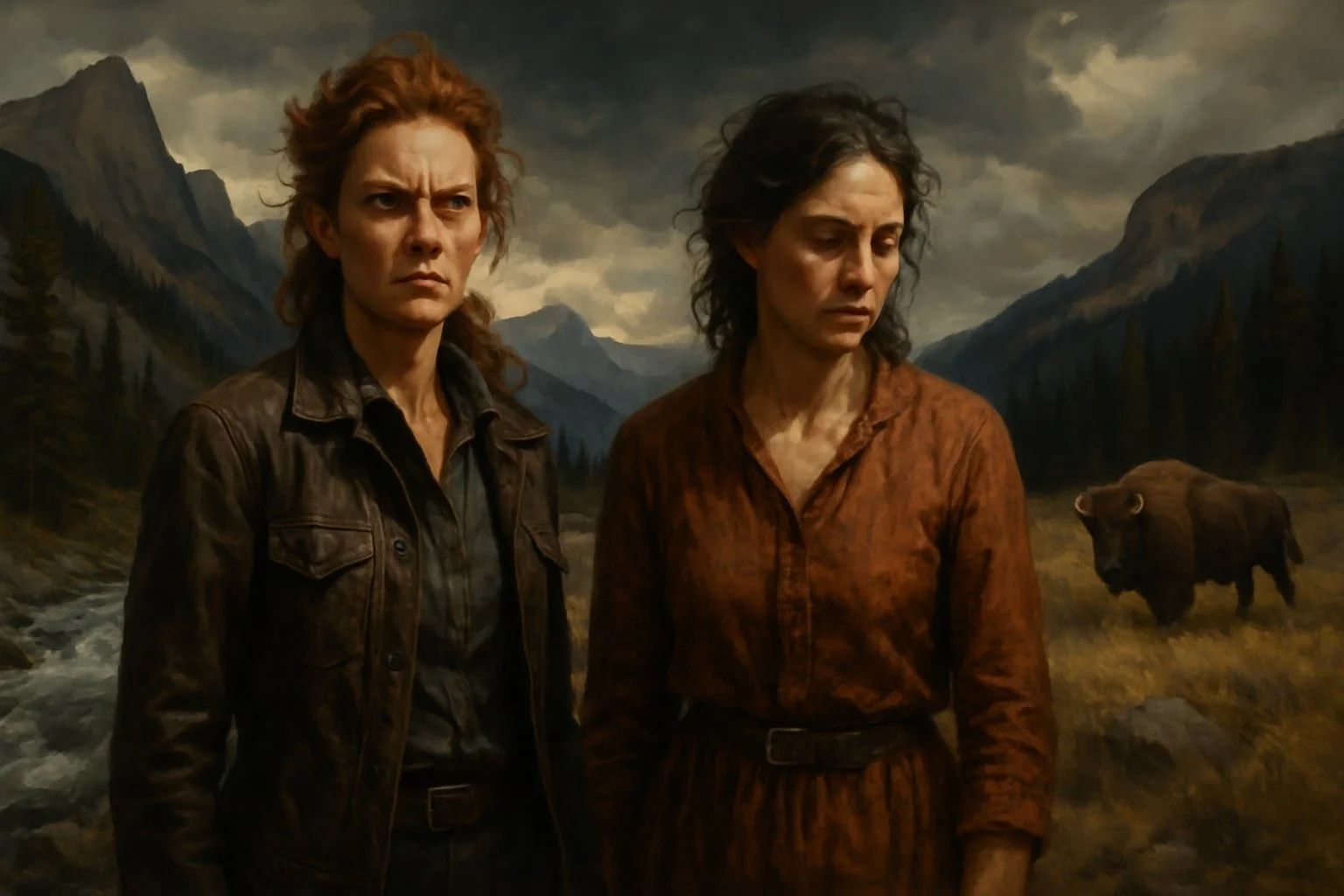
Beth Dutton and Monica Dutton stand out as Yellowstone’s most complex women, each representing a different but equally compelling dimension of strength within the Dutton family. Played by Kelly Reilly, Beth is known for her sharp wit, fierce loyalty, and unyielding spirit, never hesitating to protect her family’s legacy at any cost. Monica, portrayed by Kelsey Asbille, brings a sensitive yet resilient presence, often serving as the moral conscience and emotional center amid the harsh realities of ranch life.
Their contrasting personalities and life experiences not only reveal deep layers of vulnerability and determination but also highlight the changing dynamics within the Yellowstone universe. Audiences are drawn to how Beth and Monica navigate loyalty, heritage, and personal sacrifice, making their journeys essential viewing for anyone interested in the true heart of the series.
The Roles of Beth and Monica In Yellowstone
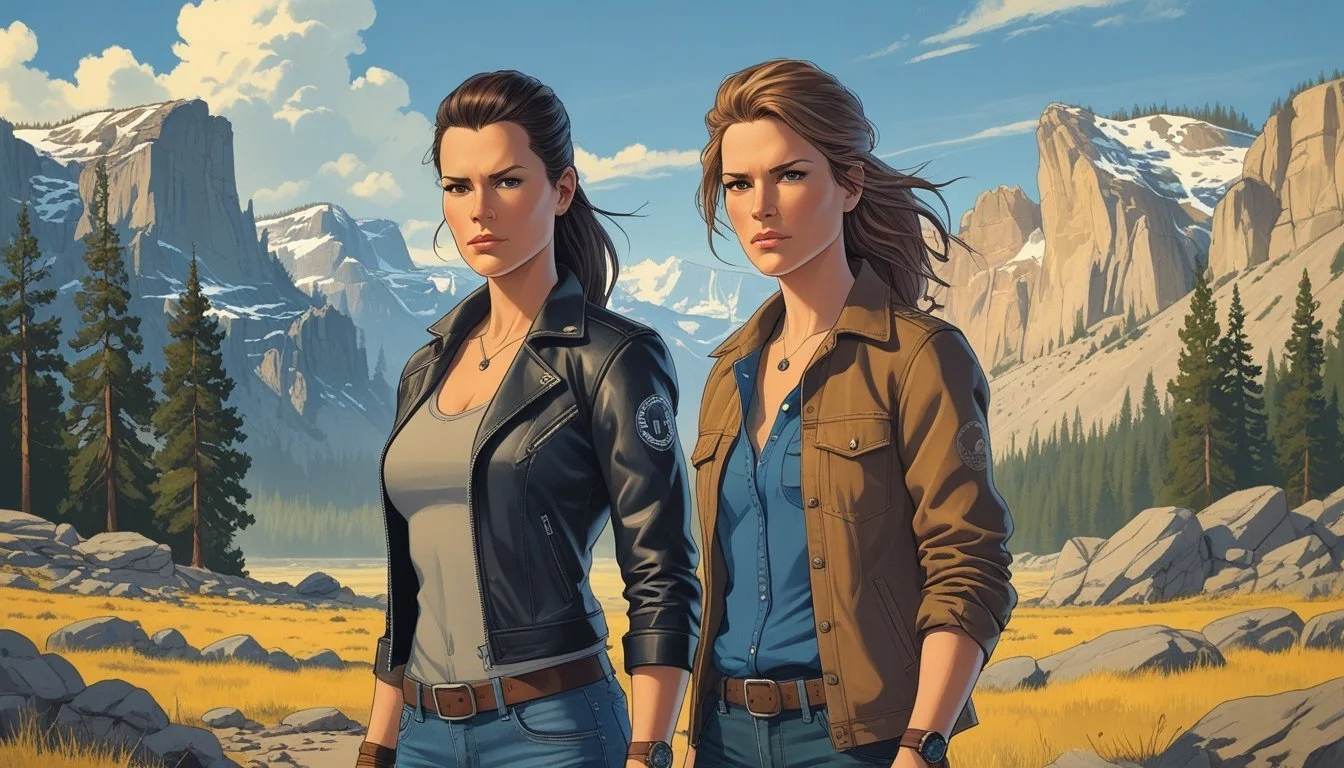
Beth Dutton and Monica Dutton represent two of the most multifaceted characters in Yellowstone. Their stories examine deeply rooted family loyalty, contrasting personalities, and evolving relationships to the Yellowstone ranch and John Dutton.
Contrasting Personalities
Beth Dutton is defined by her fierce confidence and resilience. She faces her enemies head-on and rarely hesitates to use her sharp intelligence and wit to protect her family’s interests. Her demeanor is often aggressive, with a blend of vulnerability that only a few, like her father John Dutton, get to see.
Monica Dutton, on the other hand, embodies compassion and quiet strength. Her background as a Native American and wife to Kayce Dutton adds unique perspective and complexity to her character. Monica’s approach is thoughtful and empathetic, balancing gentleness with an inner determination.
This contrast is central to their dynamic, frequently setting them on opposing sides of conflict and family crises. Their personalities underline Yellowstone’s thematic exploration of modern femininity within the Western genre.
Family Loyalty and Obligations
Beth’s loyalty to the Dutton family is absolute. Her sense of duty to her father, John Dutton, drives many of her decisions. She takes on significant burdens and risks without hesitation, proving herself as a protector of the family legacy. Her personal sacrifices highlight the weight of family obligations in her life.
Monica’s obligations are shaped by her roles as both a Dutton by marriage and a member of her own Native American family. This dual loyalty often places her in difficult positions, navigating tension between her commitment to Kayce and the broader social-political conflicts affecting her people. The challenges she faces illustrate the complexity of balancing individual beliefs with family expectations.
Both women exhibit resilience and complexity in their commitment to those they love, but the nature of those commitments frequently differs—Beth’s is rooted in legacy, while Monica’s is grounded in cultural and personal values.
Connection to the Yellowstone Ranch
Beth’s relationship with the Yellowstone ranch is direct and deeply personal. She sees the land as both a symbol of her family’s resilience and the center of their identity. Beth works closely with John Dutton, acting as a key advisor and often helping make strategic decisions to secure the ranch’s future.
Monica’s connection is more complicated. While she lives on the ranch with Kayce and their son, she never fully feels at home. Her outsider perspective leads her to question the cost of maintaining the ranch at the expense of other values. She often acts as a voice of conscience, critiquing the sacrifices demanded by the ranch and challenging the priorities that drive the Dutton family.
Their differing relationships with the ranch highlight the broader tensions at the heart of Yellowstone: tradition versus change, loyalty versus personal belief, and legacy versus individual morality.
Beth Dutton: The Ruthless Warrior
Beth Dutton, played by Kelly Reilly, stands out as one of Yellowstone’s most layered and formidable characters. With a combination of sharp intelligence, unwavering loyalty, and a willingness to cross moral lines, she exerts extraordinary influence within both the Dutton family and Montana’s political landscape.
Strength and Fierce Protector
Beth’s reputation as a fierce protector is grounded in her loyalty to John Dutton and the legacy of the Yellowstone ranch. She routinely puts herself in harm’s way to defend her family and their interests. Her physical and emotional endurance allows her to weather crises that would break many others.
She also challenges traditional gender roles in the ranch’s world, fighting alongside the men without hesitation. Beth doesn’t shy away from direct confrontation, and her fearlessness often serves as a shield for those she cares about. This willingness to fight for her family extends to brutal retaliation when she senses a threat.
Beth’s actions—such as avenging Monica by confronting those who wrong her—show her readiness to take charge and act decisively.
Strategic Manipulation
Beth is known for wielding psychological warfare, making her as dangerous with her mind as with her fists. She rarely approaches a problem head-on without first mapping out how to gain the upper hand. Her business acumen is evident through calculated financial moves that safeguard the Dutton property.
She navigates power struggles with precision. Whether acting as her father's chief of staff or orchestrating complex maneuvers against rivals, Beth leverages every asset at her disposal. She’s willing to manipulate allies and enemies alike, often using their weaknesses to secure an advantage.
Her ruthlessness is not just personal, but tactical—she fights dirty when the stakes are high, showing a keen understanding of when to use force and when to play a longer psychological game.
Trauma and Vulnerability
Beneath her hardened exterior, Beth carries considerable emotional scars. Her mother’s death, difficult relationship with her father, and past traumas have shaped her into someone who expects pain and betrayal. Yet, Beth refuses to let vulnerability define her.
She sometimes reveals her suffering through raw honesty, particularly with Rip Wheeler. These moments highlight the cost of her choices and the toll of living in constant battle mode. Her openness about pain, although rare, makes her complexity stand out among the show’s characters.
Despite her trauma, Beth keeps moving forward, using her struggles as a source of strength rather than a reason to withdraw.
Sharp Wit and Ambition
Beth’s dialogue is marked by quick, biting humor and relentless candor. Her sharp wit serves both as weapon and armor, deflecting attacks and keeping those around her off balance. She often uses sarcasm and blunt statements to communicate truths others are afraid to voice.
Her ambition is not just for herself but for the Dutton legacy. Throughout the series, she pursues power both within the family and in Montana politics, often working as the governor’s chief of staff. Beth’s goals are clear: protect her family and ensure their survival in a changing world.
These traits make her a formidable presence and underscore her status as one of the most influential women in Yellowstone.
Monica Dutton: Identity and Resilience
Monica Dutton, portrayed by Kelsey Asbille, stands out in Yellowstone as a woman balancing personal struggles with her role as both a Dutton and a member of the Broken Rock Indian Reservation. Her story highlights the complexity of cultural identity and the ongoing challenges of navigating two worlds.
Navigating Cultural Identity
Monica’s character faces the ongoing tension of being married into the Dutton family while belonging to the Broken Rock tribe. Her background as a Native American woman shapes her values and influences every major decision she makes.
She often acts as a bridge between two conflicting worlds: her Indigenous family heritage and her life with Kayce Dutton. This duality brings constant challenges, especially as she tries to pass on cultural traditions to her son.
Her struggle for cultural preservation is seen through her teaching and activism, especially around issues of land rights and representation. Monica’s navigation of identity is central to her character and directly impacts her family dynamics with both her husband and the broader Dutton legacy.
Adversity and Personal Growth
Throughout the series, Monica faces repeated adversity, including violence, personal loss, and cultural prejudice. Rather than breaking under pressure, she consistently demonstrates resilience, finding ways to adapt and move forward.
Monica’s experiences force her to confront difficult choices about her marriage, health, and place within both communities. For example, after suffering a traumatic brain injury, she chooses rehabilitation over retreat, illustrating her determination to heal.
Key moments of growth come from her willingness to stand up for what she believes in, even when it puts her at odds with both the Dutton family and the reservation. Monica’s journey is defined by her resolve to protect her son, Tate, and preserve her Native American identity despite immense obstacles.
Life at Broken Rock Indian Reservation
Daily life at the Broken Rock Indian Reservation adds another layer to Monica’s character. She works as a schoolteacher, striving to educate and support Native youth while addressing systemic problems within the reservation community.
Monica’s deep connection to her people influences how she approaches issues such as land disputes, cultural erasure, and the well-being of the reservation’s families. These challenges often spill into her relationship with Kayce Dutton, further complicating family dynamics.
She is regularly involved in community efforts to defend Indigenous rights and maintain cultural heritage. Monica’s presence in both the Dutton family and the reservation community makes her a central figure in Yellowstone’s exploration of Native American identity and resilience.
Complex Female Characters in the American West
In Yellowstone, the depiction of women steps beyond common stereotypes, challenging the expected roles of female characters in western settings. The storylines for Beth and Monica reveal a landscape where gender dynamics and cultural identity impact every decision and relationship.
Breaking Female Stereotypes
Beth Dutton and Monica Dutton defy traditional female stereotypes seen in popular representations of the American West. Beth, portrayed as a strong woman, combines ruthlessness in business with emotional complexity that challenges the idea of women as passive or secondary figures. She displays both vulnerability and aggression, making her a dangerous woman in a world dominated by men.
Monica, on the other hand, asserts her independence through unwavering determination, especially as she balances her Native American heritage and her role within the Dutton family. Both characters exhibit forms of female empowerment not rooted in a single characteristic, but through layered, specific choices that shape their identities and influence those around them. Their actions and beliefs reshape what it means to be complex characters in Montana's often harsh landscape.
Key points:
Beth and Monica actively shape their environments, instead of reacting to others’ decisions.
Each character resists simplification into classic archetypes by embracing flawed, nuanced personalities.
Gender Roles and Cultural Divide
The show places gender roles and cultural divide at the forefront of its narrative, especially through Beth’s and Monica’s experiences. Beth navigates a patriarchal ranching industry, frequently subverting expectations placed upon her as a daughter and as a woman in business. Her willingness to challenge her father, John Dutton, and other male counterparts tests the boundaries of established gender roles.
Monica’s journey is distinct but equally significant. As a Native American woman, she faces the intersection of gender and cultural identity, highlighting the divide between the Duttons and the local tribe. Monica’s perspective on tradition, family, and justice differs sharply from those around her, sparking conflicts and conversations that underscore the region’s social complexity.
A clear contrast between Beth and Monica illustrates how complex female TV characters in Yellowstone represent both the persistence and the evolution of gender dynamics and cultural identities in the modern American West.
Power Struggles and Justice
Beth and Monica navigate complex challenges at the Yellowstone ranch, while confronting shifting power dynamics and persistent social injustices. Their stories reflect the realities of seeking justice within a landscape shaped by legacy, discrimination, and instability.
Racial Discrimination and Lawlessness
Monica faces the effects of racial discrimination as a Native American woman, which shapes her experience with both local authorities and the larger community. She regularly encounters prejudice, both directly and indirectly, highlighting the ongoing tension between the Dutton family and the Native population.
Lawlessness often complicates Monica’s pursuit of justice. Responding to violence or injustice, she finds that official systems are unreliable and sometimes hostile. Monica’s efforts to challenge systemic inequities—such as when seeking better treatment for Indigenous people—expose the lack of institutional protections for marginalized groups.
Beth, on the other hand, confronts lawlessness within the family’s business dealings. She uses her influence ruthlessly to protect family interests, sometimes blurring ethical lines. While Beth has more privilege due to her family legacy, she recognizes the ways lawlessness undermines real justice and complicates alliances.
Key Issues:
Prejudice against Indigenous people
Ineffective law enforcement
Use of unconventional methods for justice
Challenges to family legacy and land ownership
Negotiations and Relationships
Beth and Monica’s approach to negotiation is shaped by their personal histories and the pressures of their relationships within the Dutton family. Beth’s negotiation style is aggressive and strategic, often leveraging her emotional intelligence and business acumen to maintain control over family assets. Her loyalty to the legacy of Yellowstone fuels her willingness to confront adversaries directly.
Monica, by contrast, tends to seek common ground and cooperation. She often acts as a mediator, trying to bridge the gap between Native concerns and the interests of the Dutton family. Her relationships require her to balance competing loyalties—supporting her husband, Kayce, while also advocating for her heritage and broader social justice.
These negotiation tactics reflect the broader power struggles at play. Beth’s methods are often transactional and uncompromising, while Monica prizes dialogue and moral clarity. Both women’s choices in negotiation influence not only their personal relationships but also the legacy and future of the ranch.
Notable Dynamics:
Beth’s assertiveness vs. Monica’s diplomacy
The strain on marriage and family bonds
Influence of cultural identity on conflict resolution
Negotiation as a means of achieving justice
Influence on Modern TV and Pop Culture
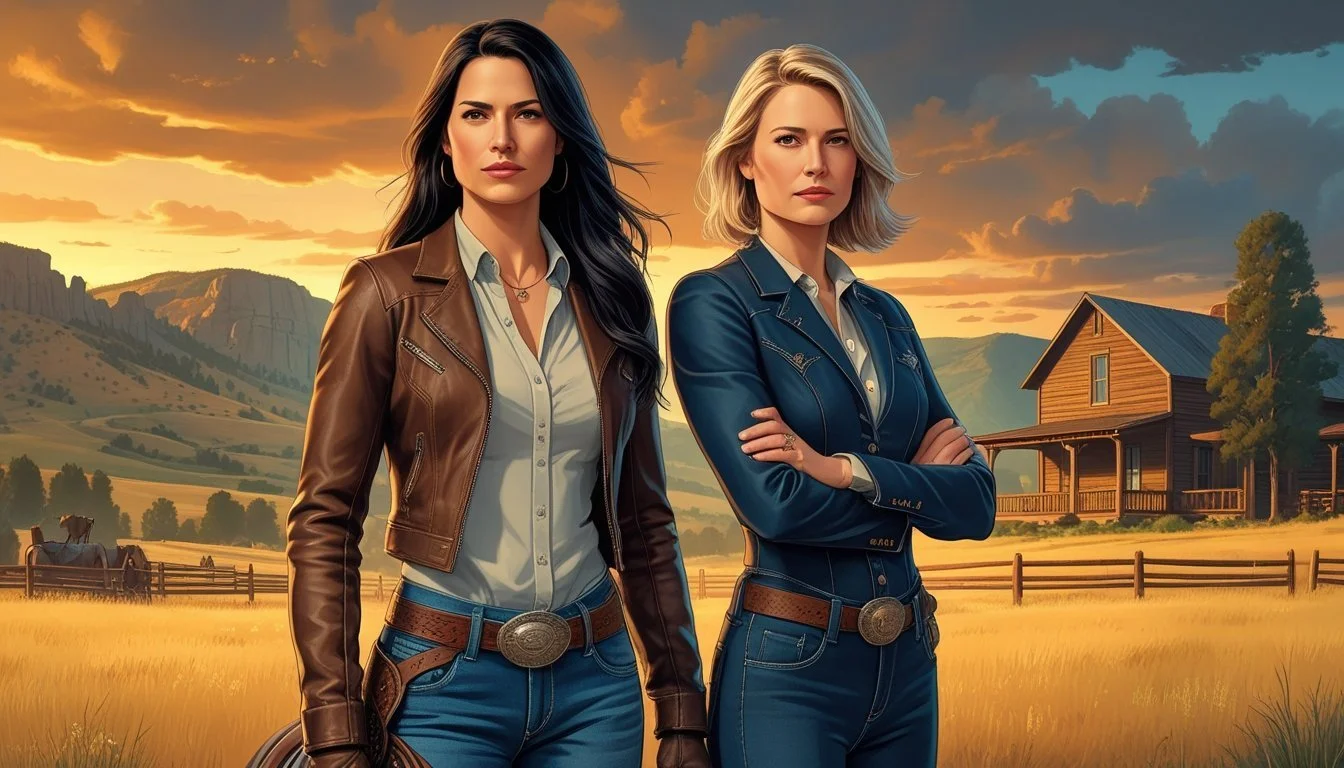
Beth Dutton and Monica Long have changed expectations for complex female characters in Western TV dramas. Their roles have sparked conversation about female empowerment and on-screen diversity, shaping both how audiences view women in power and how Native American experiences are represented.
Impact on Native American Representation
Monica Long, an assistant professor at Montana State University in the series and a teacher at Heartsong Middle School, is one of the few Native American women to hold a central role in a mainstream Western drama.
Her storyline addresses real-world issues, like land rights, family trauma, and cultural identity. Monica's experiences highlight the struggles and resilience of Native communities. This depth has influenced writers to strive for more authentic Native American representation in TV.
By collaborating closely with Taylor Sheridan, Yellowstone’s creator, the series has avoided shallow stereotypes. Monica’s presence gives nuance to the Dutton family's relationship with the local reservation and serves as a reference point for broader discussions on representation. While not without criticism, her character continues to push the genre towards more realistic portrayals.
Legacy in TV History
Beth Dutton, shaped by Kelly Reilly’s performance, has become an iconic figure in female empowerment on television. Her fierce loyalty, aggression, and vulnerability challenge common depictions of women in Westerns.
Unlike traditional roles limited to romance or side stories, Beth competes as an equal to male adversaries such as Malcolm Beck. She demonstrates strategic thinking and personal agency, influencing other shows to write multidimensional female leads.
Yellowstone’s impact, guided by Taylor Sheridan’s vision, is visible in both its popularity and the expansion of similar dramas. The presence of strong women like Beth and Monica has helped redefine TV history’s expectations for what female leads can achieve in complex, morally grey worlds.
