
Yellowstone Drama Reflects Real-Life Land Battles
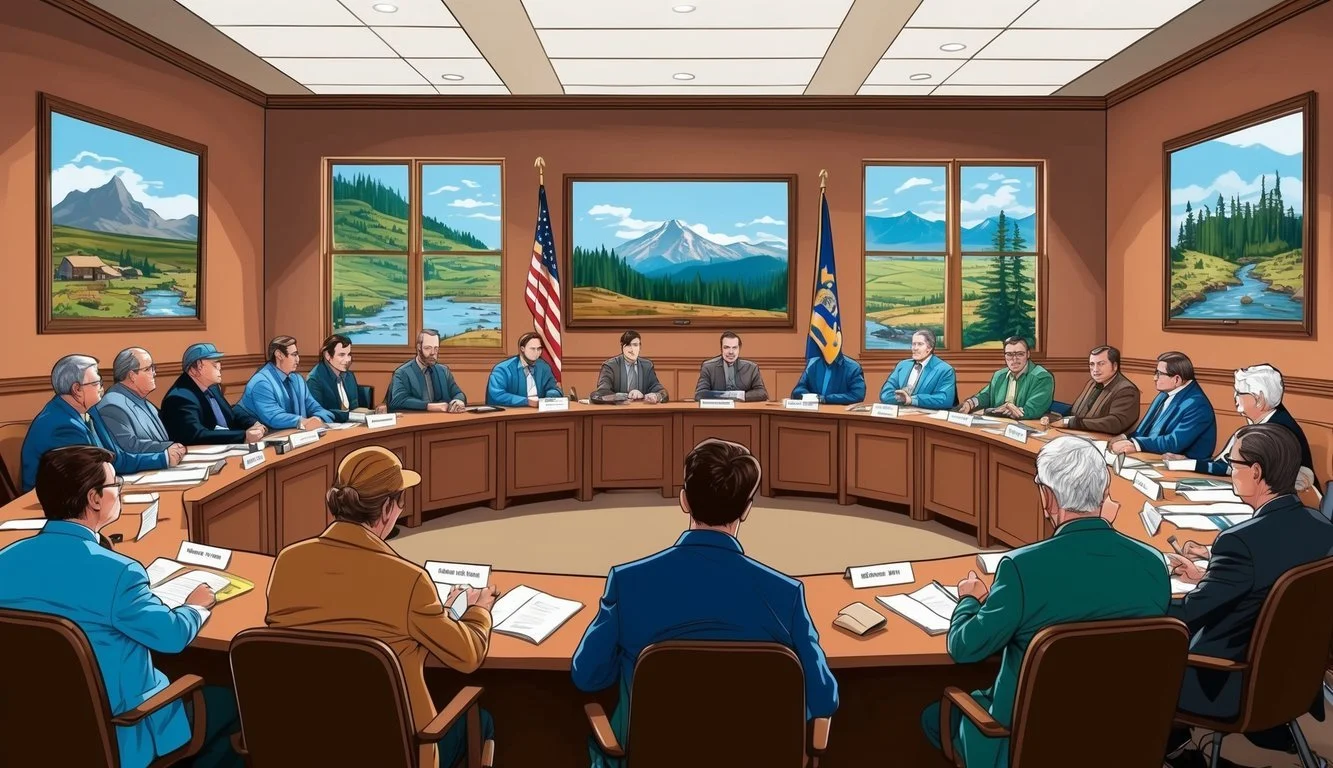
Land development in America represents a complex interplay of economic opportunity, environmental stewardship, and community impact—themes that the popular television series Yellowstone dramatizes through its fictional conflicts. The ethical questions surrounding real estate development mirror scientific inquiry processes, requiring careful examination of evidence, consideration of multiple perspectives, and acknowledgment of the values that influence decision-making. These parallels offer valuable insights for both developers and communities navigating actual land use disputes.
Public education about land development ethics has become increasingly important as communities face challenges similar to those portrayed in the show. When developers propose new projects, stakeholders must evaluate potential impacts on ecosystems, indigenous rights, and local economies—all while recognizing that scientific data alone cannot resolve value-based disagreements about land use priorities. This reality creates tension between development advocates and conservation proponents, each citing different evidence to support their positions.
The scientific method provides a framework for addressing these conflicts through systematic analysis of environmental impacts and community needs. Researchers studying development ethics emphasize the importance of transparent processes that acknowledge both empirical facts and the underlying values shaping land use decisions. These approaches help communities move beyond the oversimplified narratives often portrayed in entertainment toward more nuanced, collaborative solutions to real-world development challenges.
Historical Context of Land Ethics
The concept of land ethics has evolved significantly throughout human history, shaped by changing cultural practices and our understanding of humanity's relationship with nature. This evolution reflects both philosophical developments and practical responses to environmental degradation.
Evolution of Conservation Thought
Early land ethics emerged from indigenous cultural practices that viewed humans as integral parts of natural systems rather than separate from them. Native American tribes often maintained sophisticated ecological knowledge that guided sustainable resource use for centuries.
The industrial revolution marked a significant shift, as utilitarian approaches to land use became dominant in Western societies. This period prioritized economic development and resource extraction with little consideration for long-term consequences.
By the late 19th century, conservation movements began forming in response to visible environmental degradation. Figures like John Muir advocated for preservationist approaches, while Gifford Pinchot promoted "wise use" conservation that balanced resource extraction with sustainable management.
These competing philosophies created tension within early conservation movements but established important foundations for modern land ethics.
Aldo Leopold and the Land Ethic Legacy
Aldo Leopold transformed conservation thought with his landmark work "A Sand County Almanac" (1949), which introduced the concept of a formal "land ethic." Leopold's ideas emerged from his experiences as a forester and wildlife manager in the early 20th century.
His land ethic proposed extending ethical consideration beyond humans to include soils, waters, plants, and animals—what Leopold called "the land community." This represented a revolutionary shift from seeing land as property to viewing it as a community to which humans belong.
Leopold wrote: "A thing is right when it tends to preserve the integrity, stability, and beauty of the biotic community. It is wrong when it tends otherwise." This simple yet profound statement continues to influence environmental thought today.
The land ethic concept created a cultural memory that persists in modern environmental movements, conservation biology, and ecological restoration. Leopold's legacy lives on through organizations like the Aldo Leopold Foundation, which applies his philosophy to contemporary challenges in land management and development.
Real-World Land Development Challenges
Land development in America reflects complex tensions between profit motives and community needs. These tensions manifest through environmental degradation and socioeconomic disparities that disproportionately affect marginalized populations.
Balancing Economic Growth with Environmental Preservation
Development projects often prioritize economic returns over ecological health. In California's Central Valley, agricultural expansion has depleted groundwater reserves by over 60% in certain regions, threatening both ecosystem viability and long-term agricultural productivity.
Key Environmental Impacts of Development:
Habitat fragmentation affecting wildlife corridors
Wetland destruction compromising water filtration
Soil erosion increasing flooding risks
Air quality deterioration in developed areas
Economic analyses frequently undervalue ecosystem services. The 2021 Dasgupta Review demonstrated that conventional economic models fail to account for approximately $125 trillion in annual environmental benefits provided by intact natural systems.
Corporate developers and local governments continue struggling with this balance. In Colorado, new legislation requires environmental impact assessments that incorporate both immediate and long-term ecological costs before approval.
Racial and Social Inequality in Land Development
Discriminatory land development patterns persist across American landscapes. Studies show that low-income neighborhoods receive 30% less investment in green infrastructure despite experiencing greater environmental hazards.
Historical redlining practices continue to influence modern development. These neighborhoods face:
2.4 times more industrial zoning
62% less tree canopy coverage
Higher flood risks and heat island effects
Decreased property appreciation rates
In Houston, predominantly Black neighborhoods experience flooding duration 43% longer than predominantly white neighborhoods with similar topography. This reflects systematic infrastructure investment disparities.
Indigenous communities face particular challenges as development encroaches on tribal lands. In Arizona, the San Carlos Apache continue fighting against copper mining that threatens sacred sites while offering minimal economic benefits to local residents.
Philosophical and Ethical Frameworks
Land development conflicts arise from deeply rooted philosophical differences about how humans should interact with the natural world. These ethical frameworks shape debates similar to those dramatized in Yellowstone, where different worldviews collide over resource allocation and land use rights.
Environmental Ethics and Human Rights
Environmental ethics examines the moral relationship between humans and the natural environment. The preservation ethic, championed by figures like John Muir, argues that nature has intrinsic value beyond human utility. This contrasts with conservationist approaches that prioritize sustainable resource management for human benefit.
Indigenous rights often clash with utilitarian development models. Many Native American tribes maintain that land has spiritual significance beyond economic considerations—a perspective that challenges Western property concepts.
Rights-based frameworks ask: Who has legitimate claim to determine land use? Property owners assert development rights while environmental advocates argue for the rights of future generations and non-human species.
The public trust doctrine suggests governments must protect natural resources for all citizens, not just those with economic interests. This principle underpins many environmental protection laws.
Ideology vs. Pragmatism in Land Management
Ideological positions on land development span from market fundamentalism to deep ecology. Free-market advocates contend that private ownership ensures optimal resource allocation through economic incentives. Environmental preservationists argue that some lands should remain untouched, regardless of economic potential.
These ideological differences manifest in practical policy debates. For instance, the concept of "wise use" promotes access to public lands for logging and mining, while conservation biology advocates for large undeveloped corridors for wildlife.
Pragmatic approaches seek compromise through adaptive management strategies. These methods acknowledge both economic realities and ecological imperatives.
The gap between fantasy and reality often appears when idealized visions meet implementation challenges. Land management requires navigating competing values rather than adhering to rigid ideological purity.
Consensus-building approaches have achieved some success through collaborative conservation, where diverse stakeholders jointly develop solutions that respect multiple perspectives.
Scientific Approaches to Land Development
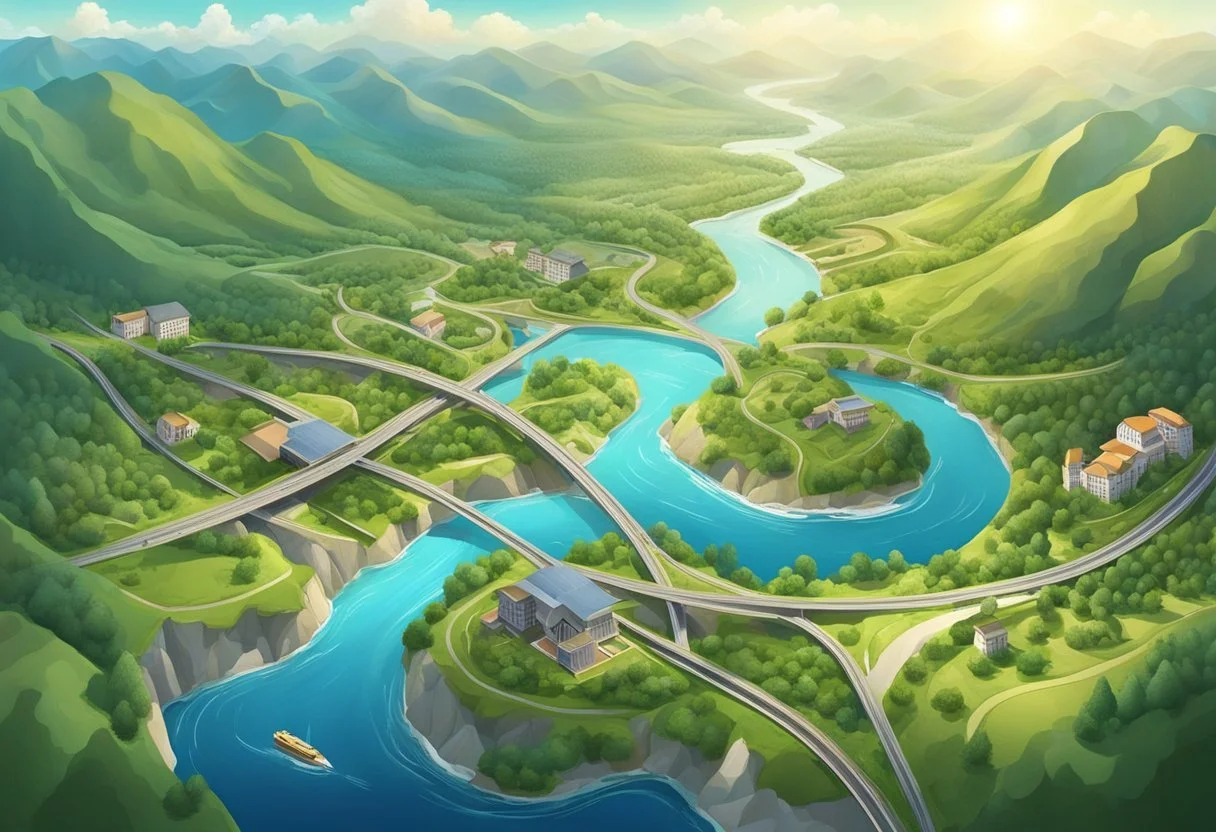
Modern land development increasingly relies on scientific methodologies to balance economic interests with environmental sustainability. These approaches incorporate research data, genetic conservation techniques, and climate adaptation strategies to minimize ecological footprints while maximizing development benefits.
Applying Scientific Research in Development
Scientific research provides crucial insights for responsible land development practices. Developers now utilize geographical information systems (GIS) and remote sensing technologies to assess potential environmental impacts before breaking ground.
Key research applications include:
Soil composition analysis to determine construction viability
Hydrological studies to prevent watershed disruption
Biodiversity surveys to identify sensitive ecological zones
Environmental impact assessments (EIAs) have become standard practice in many jurisdictions, requiring scientific evidence to support development proposals. These assessments evaluate potential consequences on local ecosystems and provide mitigation recommendations.
Research from ecological sciences also helps establish appropriate buffer zones between developments and sensitive habitats. This science-based approach helps prevent fragmentation of wildlife corridors, preserving natural migration patterns.
Genetic Engineering and Wildlife Protection
Genetic technologies offer innovative solutions to wildlife challenges arising from development pressures. DNA analysis provides precise information about population demographics and genetic diversity of affected species.
Conservation geneticists now maintain genetic libraries of endangered species in development-threatened areas. This preserves genetic material and offers options for future reintroduction programs if necessary.
Examples of genetic approaches in conservation:
Selective breeding programs for threatened species
Genetic monitoring to track wildlife population health
Cryopreservation of genetic material from at-risk species
While controversial, genetic engineering techniques like gene editing could potentially help wildlife adapt to changing habitats caused by development. Scientists are researching ways to enhance resistance to environmental stressors in key species.
Genetic approaches, however, raise ethical questions about human intervention in natural processes. The balance between technological solutions and natural selection remains contentious.
Climate Change Considerations in Development Plans
Development planning increasingly incorporates climate science to create resilient projects. Computational climate models help predict how developments will perform under various climate scenarios over decades.
Materials science contributes sustainable building components that reduce carbon footprints while withstanding extreme weather events. These climate-adapted materials often utilize recycled content and minimize energy requirements.
Climate-smart development strategies:
Passive cooling/heating designs based on local climate data
Integration of renewable energy infrastructure
Water management systems accounting for changing precipitation patterns
Scientific evidence regarding rising sea levels has fundamentally altered coastal development approaches. Setback requirements, elevated foundations, and natural buffer preservation have become standard in vulnerable areas.
Carbon sequestration potential now factors into land use decisions, with development plans often including preservation of carbon-rich ecosystems or creation of new carbon sinks through landscaping choices.
Educational Impact and Public Awareness
Land development ethics education builds critical awareness across generations, shaping how communities engage with development decisions. Informed citizens become better advocates for balanced approaches that protect both economic interests and environmental resources.
Role of Elementary Schools in Fostering Land Stewardship
Elementary schools increasingly incorporate land stewardship into their curricula through hands-on learning experiences. Students participate in garden projects, nature walks, and conservation activities that establish early connections to the environment.
These educational foundations help children understand the complex relationships between humans and the natural world. When taught about responsible land use through age-appropriate lessons, students develop values that influence their perspectives as future voters and community members.
Many schools partner with local conservation groups to enhance these educational efforts. Teachers receive professional development training specifically designed to integrate land ethics across subject areas, from science to social studies.
This approach creates a generation more attuned to the nuances of development issues. Research shows that early environmental education correlates with higher civic engagement on land use matters in adulthood.
Public Input and Its Influence on Policy Making
Public hearings and comment periods represent formal channels for community feedback on development proposals. When citizens actively participate in these processes, final projects often better reflect local values and concerns.
Digital platforms have democratized public input by making information more accessible. Online surveys, interactive maps, and virtual town halls allow diverse stakeholders to voice opinions without attending in-person meetings.
The quality of public input improves with education initiatives that explain technical aspects of development plans. Communities with robust land use education programs tend to provide more substantive feedback rather than simply opposing all development.
Decision-makers increasingly recognize that well-informed public input strengthens policy outcomes. The most effective land use policies emerge when citizens understand both economic necessities and environmental implications of development choices.
Social and Collective Action
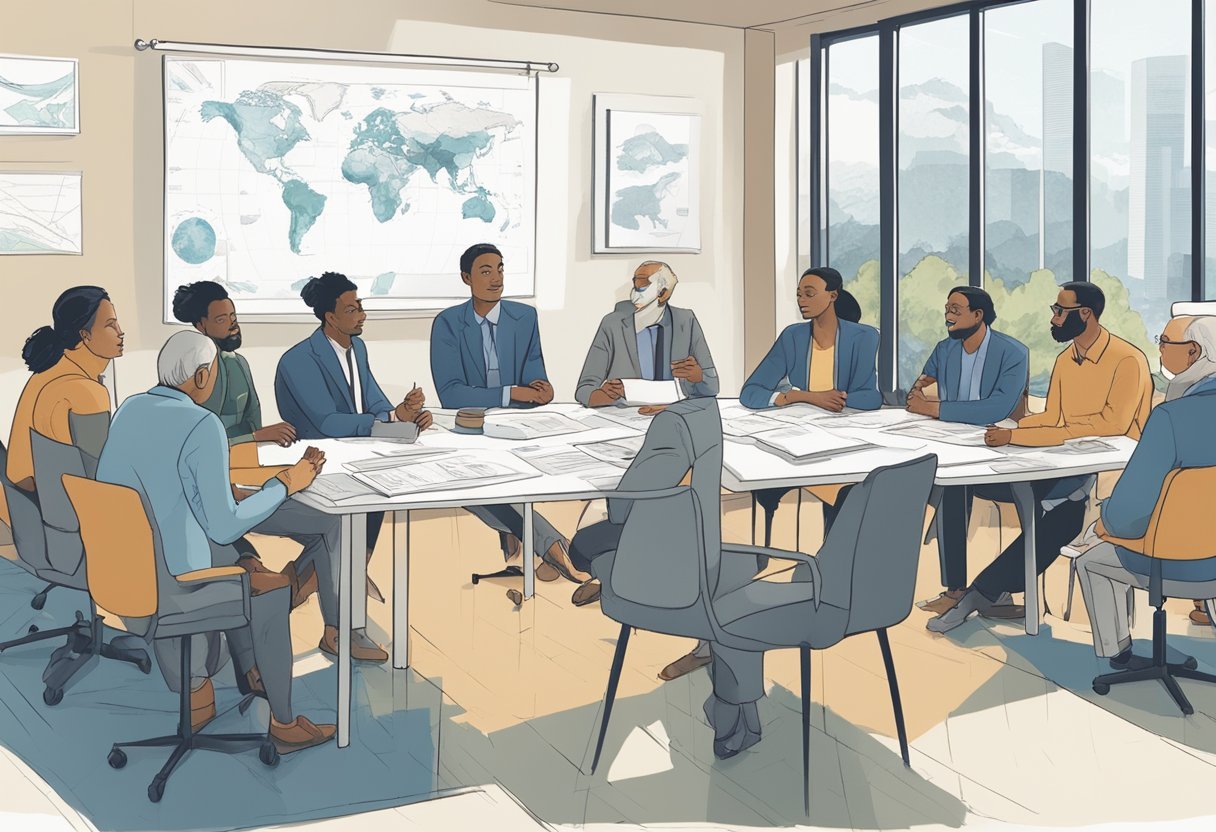
Addressing ethical land development requires more than individual efforts; it demands organized community responses and innovative approaches to decision-making. These collective approaches have proven effective in creating sustainable solutions to development challenges.
Social Movements in Land Development Ethics
Social movements have emerged as powerful forces challenging problematic land development practices across America. Standing Rock protests against the Dakota Access Pipeline demonstrated how indigenous communities and environmental allies can unite against threats to water resources and sacred lands. These movements often utilize social media campaigns to mobilize supporters and create pressure for policy changes.
Local grassroots organizations frequently form in response to specific development threats. In Montana and Wyoming, rancher coalitions have successfully opposed extractive industries that mirror conflicts portrayed in Yellowstone.
Research shows these movements are most effective when they combine community organizing with legal action. The Save Our Mountains campaign in Appalachia stopped harmful mining operations through persistent community pressure and strategic lawsuits.
Citizen Science and Collective Decision-Making
Citizen science initiatives have transformed how communities participate in land development decisions. When residents collect water quality data or document wildlife populations, they generate evidence that can influence regulatory outcomes. This approach bridges the gap between scientific expertise and local knowledge.
Several innovative models of collective decision-making have emerged:
Community benefit agreements that ensure local populations receive tangible advantages from development projects
Participatory budgeting processes allowing residents to allocate resources for sustainable infrastructure
Design charrettes bringing together diverse stakeholders to collaboratively plan development
These approaches prioritize public safety while ensuring development serves community needs. The Resilient Cities Network demonstrates how collaborative planning can address climate vulnerabilities in urban development.
When communities establish formal roles in development processes, outcomes typically better reflect local values and ecological concerns.
Sustainable Practices and the Future
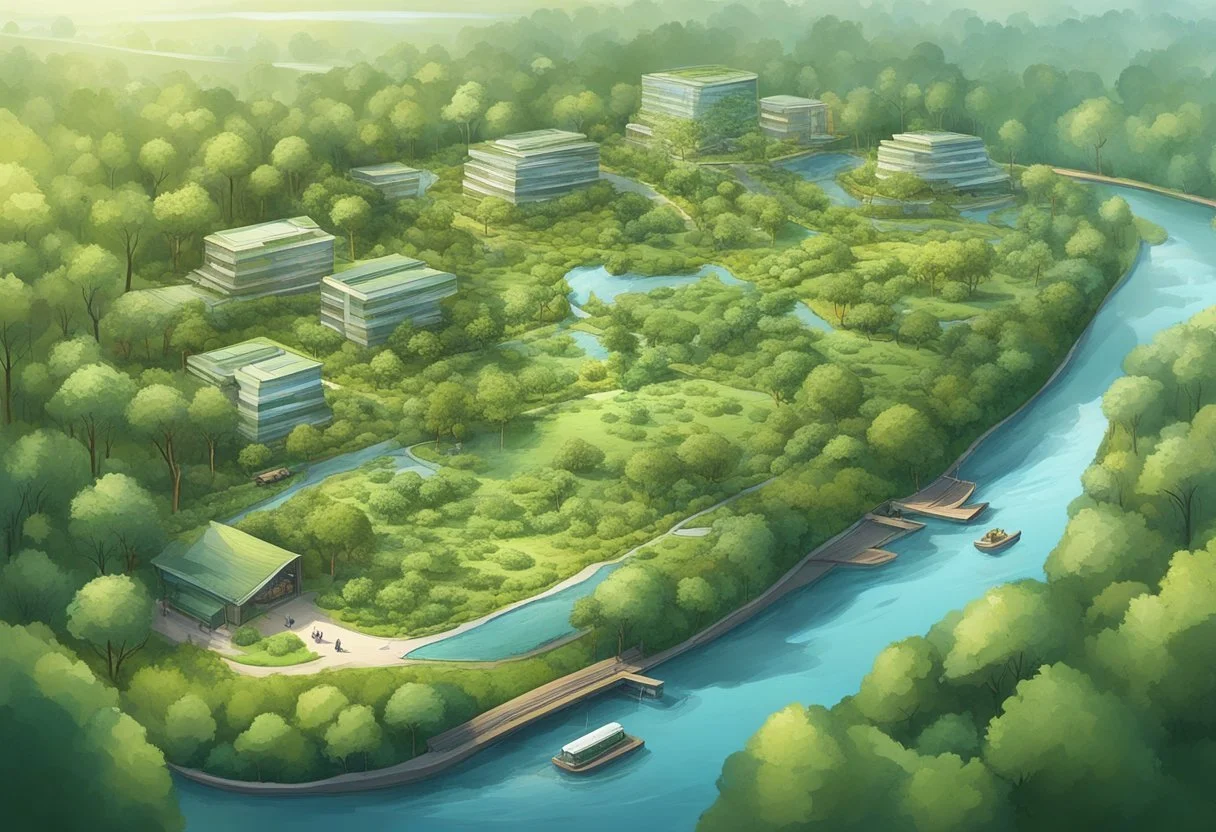
Land development patterns are evolving toward more environmentally conscious approaches that balance economic interests with ecological preservation. These shifts mirror growing awareness about biodiversity loss and habitat destruction that often features in dramatic narratives like Yellowstone.
Integrated Approaches to Sustainable Development
Sustainable development practices now incorporate ecological considerations from the planning stage rather than as afterthoughts. Developers increasingly adopt green building certifications like LEED and BREEAM, which reduce environmental impacts through energy efficiency, water conservation, and sustainable materials.
Several municipalities have implemented conservation development ordinances that require 40-60% of land to remain as open space. These regulations protect sensitive ecosystems while allowing responsible growth.
Smart growth principles focus on infill development and urban density to minimize sprawl. This approach preserves rural landscapes and reduces infrastructure costs substantially.
The economic benefits of sustainable development are becoming clearer. Properties with green features command 4-7% higher values, and sustainable communities experience lower turnover rates and higher resident satisfaction.
Prairie Restoration and Biodiversity Conservation
Prairie ecosystems, once covering 170 million acres of North America, have declined by over 99% in some regions. Restoration efforts now focus on reestablishing these vital habitats that support hundreds of plant and animal species.
Modern prairie restoration techniques combine traditional ecological knowledge with scientific research. Land developers increasingly incorporate native prairie corridors in projects to support pollinators and wildlife movement.
Several high-profile developments have demonstrated successful prairie integration. The Prairie Crossing community in Illinois dedicated over 60% of its land to restored prairies and wetlands.
The biodiversity benefits are substantial. Restored prairies support 5-10 times more bird species than conventional landscapes and dramatically increase beneficial insect populations. These ecosystems also serve as carbon sinks, sequestering 1-3 tons of carbon per acre annually.
Prairie restoration creates resilient landscapes that require minimal irrigation and maintenance after establishment, reducing long-term costs for communities.
Methods and Tools for Analysis
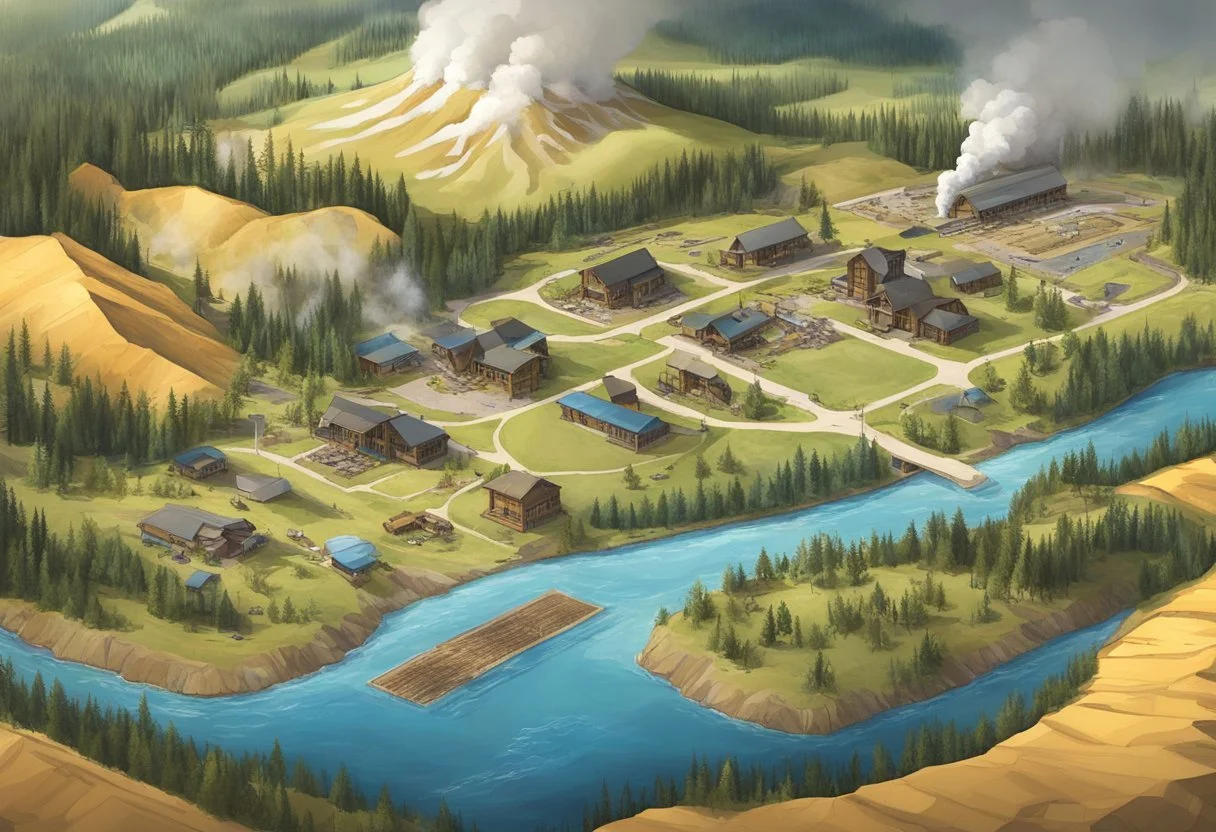
Analyzing land development ethics requires robust methodologies that balance ecological concerns with economic realities. Modern analytical approaches combine traditional research methods with advanced technological tools to provide comprehensive evaluations of development impacts.
Utilizing Data Analysis in Ecological Studies
Geographic Information Systems (GIS) represent a cornerstone technology in modern land development analysis. These systems integrate spatial data with environmental metrics to create detailed visualizations of potential development impacts. Researchers employ satellite imagery to track land use changes over time, identifying patterns that may not be visible through ground-level observation alone.
Remote sensing technologies complement GIS by providing real-time data on vegetation health, soil composition, and wildlife habitats. These tools enable scientists to establish baseline ecological conditions before development begins.
Key Data Collection Methods:
Biodiversity surveys and species inventories
Soil and water quality sampling
Climate and meteorological monitoring
Migration pattern tracking through wildlife tagging
Statistical modeling further enhances these approaches by predicting how ecosystems might respond to various development scenarios. Machine learning algorithms increasingly help identify subtle correlations between development activities and environmental outcomes.
Assessing the Impact of Development Initiatives
Environmental Impact Assessments (EIAs) provide the regulatory framework for evaluating proposed developments. These structured analyses examine potential consequences across multiple dimensions including wildlife, water resources, and community welfare.
Cost-benefit analysis tools help quantify both tangible and intangible values associated with land use. Modern approaches incorporate ecosystem services valuation to assign monetary worth to natural resources that traditionally lacked market prices.
Community-based participatory research has emerged as a critical complement to technical assessments. This approach incorporates local knowledge and stakeholder perspectives through:
Public forums and town halls
Stakeholder interviews
Cultural resource mapping
Traditional ecological knowledge documentation
Multi-criteria decision analysis frameworks help balance competing interests by systematically evaluating alternatives against established criteria. These tools provide transparency in decision-making processes that often involve complex trade-offs between development goals and conservation priorities.
