
Native American Consultants Revolutionize Yellowstone's Cultural Narrative
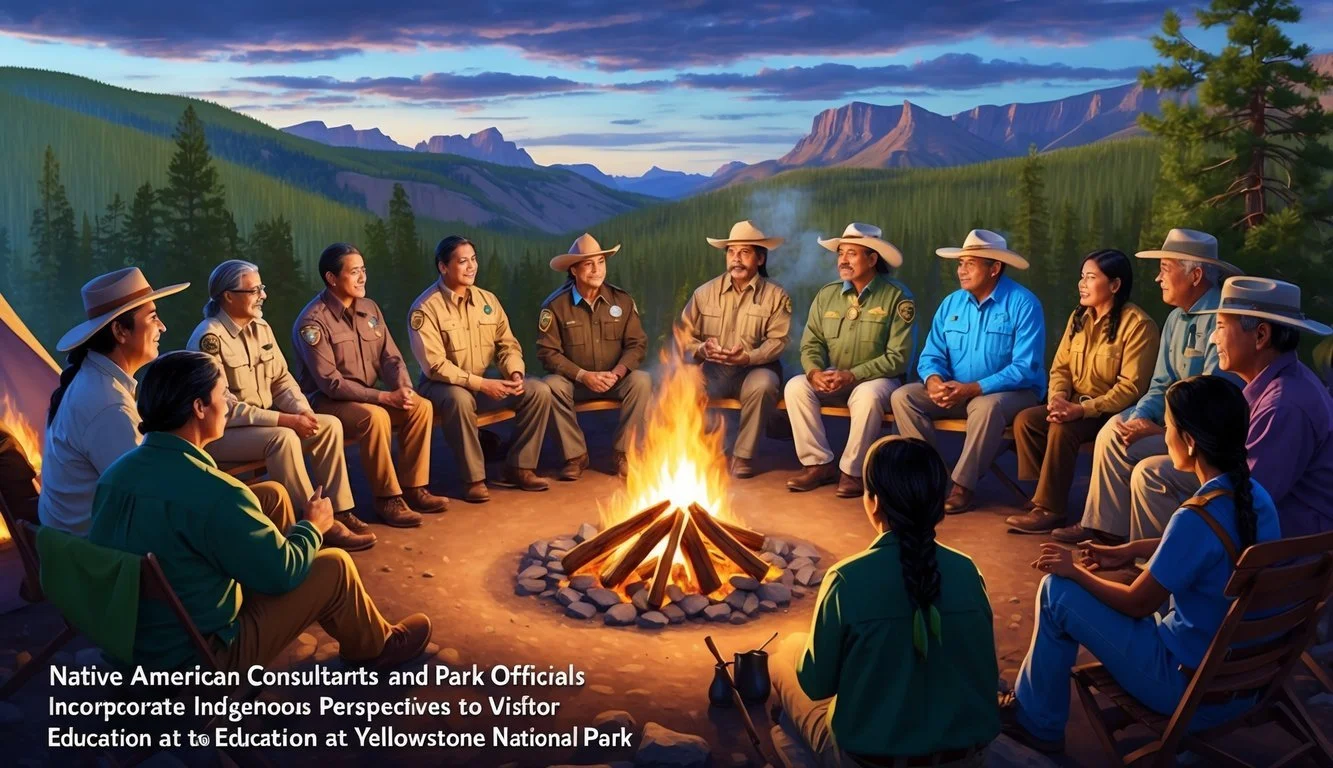
Yellowstone National Park carries rich cultural histories often overlooked in traditional tourism narratives. Native American consultants have become essential voices in reshaping how these stories are told, bringing authentic perspectives that honor the land's first stewards. Their collaborative work with park officials has transformed visitor education by incorporating indigenous knowledge, oral traditions, and cultural context that had been absent from mainstream interpretations for over a century.
These consultants, representing tribes with historical connections to Yellowstone like the Blackfeet, Crow, Shoshone, and Bannock, bring critical insights about traditional land use, sacred sites, and ecological relationships. Their influence extends beyond simple cultural acknowledgment, creating more honest dialogues about displacement, sovereignty, and ongoing relationships between tribal nations and public lands.
The integration of Native American perspectives has not only corrected historical omissions but also enriched the visitor experience through meaningful storytelling that connects past and present. This shift represents a significant move toward decolonizing public lands interpretation while building bridges between diverse cultural understandings of America's first national park.
Exploring Yellowstone's History
Yellowstone's historical narrative encompasses both a period of significant development and essential conservation initiatives. This sacred landscape has evolved from a wilderness destination to a model for preservation efforts, with ongoing collaboration from Native American tribes who maintain deep cultural connections to the region.
From 1883 to 1923: A Timeline
The period between 1883 and 1923 marked transformative decades for Yellowstone National Park. In 1883, the Northern Pacific Railroad reached the park's northern entrance, dramatically increasing visitor accessibility and tourism.
This era saw the establishment of Fort Yellowstone in 1891, which facilitated military management of the park until 1918. The U.S. Army played a crucial role in combating poaching and protecting the park's resources during this time.
The year 1904 brought the dedication of the Roosevelt Arch at the north entrance, featuring the inscription "For the Benefit and Enjoyment of the People." By 1915, automobiles were permitted in the park, forever changing visitation patterns.
The National Park Service was established in 1916, taking over management from the military. By 1923, Yellowstone had already developed many of its iconic facilities and infrastructure that visitors recognize today.
Conservation Efforts in Yellowstone National Park
Conservation in Yellowstone began as a reaction to concerns over wildlife exploitation and thermal feature damage. Early protection measures focused primarily on preserving the park's most visible natural wonders rather than ecosystem management.
The bison population, nearly exterminated by 1902, became a focus of conservation efforts. Park managers established a captive herd that would eventually help restore these iconic animals to Yellowstone's landscape.
Wolf reintroduction, though occurring much later in 1995, had its philosophical roots in these early conservation discussions about natural balance within the park ecosystem.
Fire management policies evolved significantly during this period. Initially, all fires were suppressed, but scientific understanding later revealed the ecological importance of natural burning cycles.
Water conservation emerged as a priority as park managers recognized the importance of protecting the headwaters of major river systems that begin within Yellowstone's boundaries.
Native American Heritage and Influence
The rich tapestry of Native American heritage forms an essential but often overlooked foundation of Yellowstone National Park's history. Indigenous peoples maintained deep connections to these lands for thousands of years before European colonization, developing sophisticated knowledge systems about the region's ecology and spirituality.
Boarding Schools and Assimilation Policies
Native American communities with historical ties to Yellowstone faced devastating cultural disruption through government-imposed assimilation policies. Between the 1870s and 1970s, thousands of indigenous children were forcibly removed from their families and placed in boarding schools designed to eradicate Native culture and language.
The infamous "Kill the Indian, Save the Man" philosophy guided these institutions, where children were punished for speaking their native languages. Many Navajo, Hopi, and other tribal children endured physical abuse, inadequate nutrition, and cultural erasure.
These traumatic experiences created generational wounds that continue to affect Native communities today. Knowledge transmission about sacred Yellowstone sites was severely interrupted during this period, as elders had fewer opportunities to teach children traditional practices and stories.
Tribal Nations of the Yellowstone Region
At least 27 tribes maintain historical and cultural connections to the Yellowstone region, including the Shoshone, Bannock, Crow, and Nez Perce. These indigenous peoples developed intimate relationships with the land through seasonal migration patterns and spiritual practices centered around the park's unique geological features.
The Shoshone practiced annual pilgrimages to Yellowstone's thermal areas for ceremonies and medicinal uses. Similarly, Crow tribal members considered certain mountain peaks within the region as sacred sites for vision quests.
Many tribes viewed the geysers and hot springs as powerful spiritual manifestations rather than mere geological curiosities. This perspective contrasts sharply with early European-American views that often focused solely on scientific explanations and tourism potential.
Today, tribal nations actively work to reclaim their voice in Yellowstone's management and interpretation. Their ecological knowledge, embedded in centuries of observation, provides valuable insights for contemporary conservation efforts.
Modern Portrayals and Representation
Authentic Native American representation in Yellowstone National Park storytelling has evolved significantly in recent years, with indigenous consultants playing crucial roles in shaping narratives about their cultural heritage.
Chief Thomas Rainwater's Role
Gil Birmingham's portrayal of Chief Thomas Rainwater in the popular television series "Yellowstone" has brought unprecedented attention to Native American leadership issues. The character navigates complex political landscapes while advocating for tribal sovereignty and land rights.
Birmingham, of Comanche descent, brings authenticity to the role through his personal understanding of indigenous experiences. His performance has been praised for avoiding stereotypical tropes that have historically plagued Native American characters in entertainment.
Chief Rainwater's character demonstrates the modern challenges faced by tribal leaders when balancing traditional values with contemporary political realities. His storylines often highlight the ongoing struggles for resource protection, economic development, and cultural preservation.
Native Representation in Media
Native representation in Yellowstone-related media has improved through mandatory consultation protocols with tribal representatives. These guidelines ensure that indigenous perspectives are incorporated into documentaries, exhibits, and educational materials about the park.
Consent from tribal councils is now standard practice before depicting ceremonial practices or sharing traditional knowledge. This approach acknowledges the historical exploitation of Native American cultures and establishes respect as a fundamental requirement.
Documentary filmmakers increasingly feature indigenous voices directly rather than relying on outside narration. This shift allows for more nuanced portrayals of the complex relationships between tribal nations and the lands that became Yellowstone.
Digital platforms have created new opportunities for Native American storytellers to share authentic narratives about their ancestral connections to park lands. These self-directed projects bypass traditional media gatekeepers and allow for direct communication with audiences interested in genuine indigenous perspectives.
Collaboration and Consultation Practices
The involvement of Native American consultants in Yellowstone's storytelling efforts has evolved significantly over the past decade. These collaborative relationships now form the foundation for authentic cultural representation within the park's educational programs and visitor experiences.
The Role of Native American Consultants
Native American consultants serve as essential bridges between indigenous knowledge and public education at Yellowstone. These experts, including prominent figures like Mo Brings Plenty, provide critical guidance on cultural accuracy and appropriateness of interpretive materials.
Consultants typically work with park staff through formal agreements that outline the scope of involvement and compensation. Many travel from tribal communities across multiple states, including California, to participate in seasonal training sessions for park rangers and interpreters.
The consultation process frequently involves multi-day workshops where traditional knowledge about the landscape, wildlife, and cultural practices is shared. These collaborations require building relationships based on trust and mutual respect over extended periods.
Influencing Authentic Storytelling
Native American consultants have transformed Yellowstone's narrative approach by emphasizing the importance of informed consent when sharing indigenous stories. Their influence has led to the revision of outdated signage and interpretive materials throughout the park.
Mo Brings Plenty, who consulted on the 2023 visitor center renovation, insisted that storylines acknowledge the continued presence of Native Americans rather than relegating them to historical exhibits only. This perspective shift has created more nuanced interpretations of the land.
Consultants regularly review script drafts for ranger-led programs to ensure cultural elements are portrayed accurately. They help identify which stories are appropriate for public sharing and which should remain within tribal communities.
Training sessions now include specific guidance on pronunciation of indigenous terms and place names. This attention to detail demonstrates respect while enhancing the visitor experience through more authentic engagement with Yellowstone's complex cultural landscape.
Yellowstone in the Arts
Yellowstone National Park has profoundly influenced American arts and entertainment, serving as both backdrop and character in numerous creative works. Its rugged landscapes and complex cultural history have inspired authentic storytelling across various media.
Yellowstone Prequel and Cultural Impact
Taylor Sheridan's "1883," the prequel to the hit series "Yellowstone," stands as a landmark production in showcasing Native American perspectives with greater authenticity. The show incorporated Indigenous consultants to ensure accurate portrayal of tribal histories and traditions during America's westward expansion.
Unlike earlier Western productions, Sheridan's work attempts to address the complex relationship between settlers and Indigenous peoples. This approach mirrors films like "Hostiles" (2017), which similarly aimed to depict the nuanced reality of frontier life rather than perpetuating stereotypes.
Indigenous actors in these productions have repeatedly emphasized the importance of having Native consultants behind the camera. Their influence has helped shift narrative control, allowing for stories that respect tribal sovereignty and cultural complexity.
Representation in Literature and Libraries
Literary works about Yellowstone increasingly incorporate Indigenous perspectives, moving beyond romanticized or simplified portrayals. Modern authors collaborate with tribal historians to create more balanced narratives about the region's complex past.
The Library of Congress maintains extensive collections documenting this evolution in Yellowstone storytelling. Their Native American History and Culture archives include oral histories from tribes with historical connections to the park lands.
Academic journals now regularly publish research highlighting the contributions of Indigenous knowledge to understanding Yellowstone's ecosystem. These scholarly works acknowledge traditional ecological knowledge that predates the park's establishment by millennia.
Children's literature has similarly evolved, with new titles featuring Native American characters as knowledge-keepers rather than background figures in Yellowstone stories.
