
Yellowstone Stars Transition to Broadway After TV Triumph
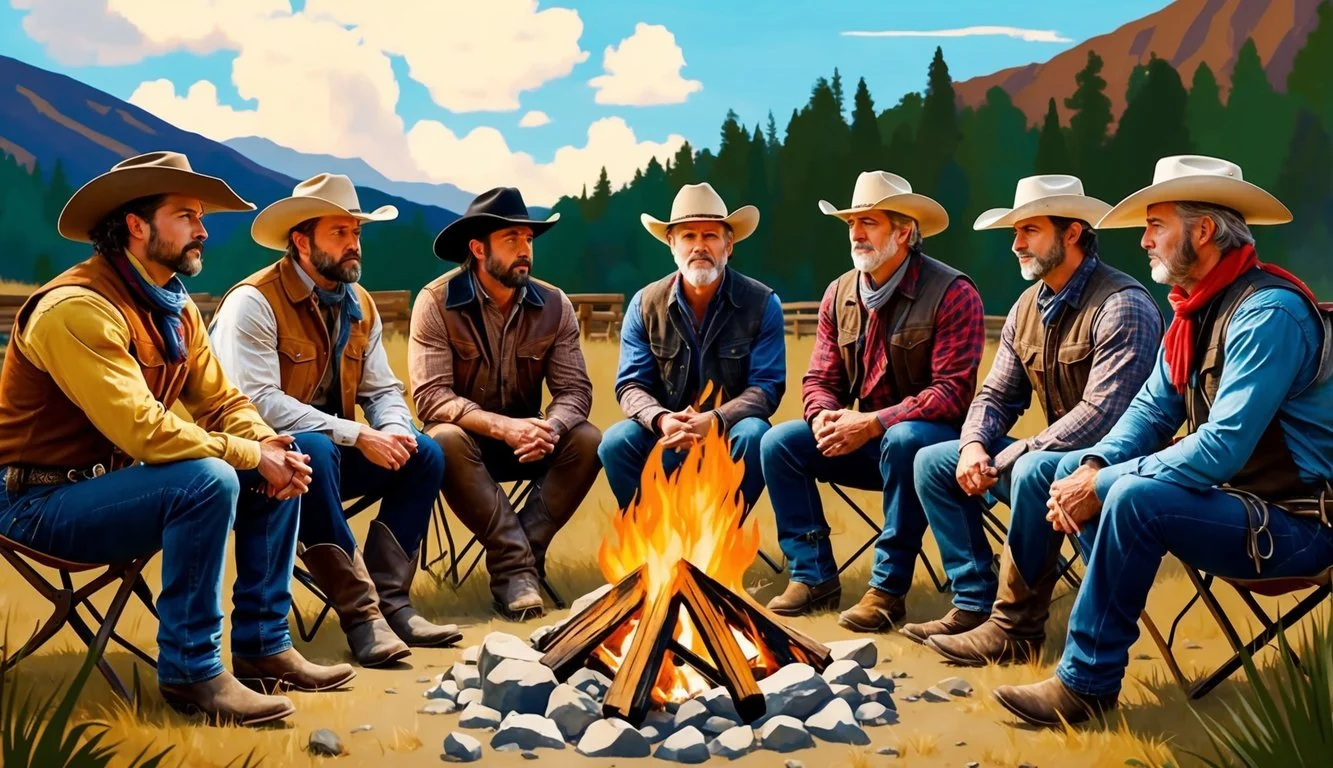
The wildly popular television series "Yellowstone" has captivated audiences with its riveting portrayal of the Dutton family and their sprawling Montana ranch. While fans know these actors from their rugged Western personas, many may be surprised to discover the theatrical roots of several cast members.
Several "Yellowstone" stars have successfully transitioned between the Montana wilderness and the bright lights of Broadway, showcasing their remarkable versatility as performers. This crossover between television's most-watched drama and prestigious theater productions demonstrates the exceptional range these actors possess.
The journey from screen to stage isn't simply a change of medium but requires different skills and approaches to storytelling. Theater's immediate audience connection creates unique challenges and rewards for these performers who have proven they can excel in multiple entertainment realms.
The Rise of Yellowstone Actors on Broadway
The crossover between Paramount's hit series "Yellowstone" and Broadway theater has become increasingly prominent in recent years. Several cast members have leveraged their television success to pursue opportunities on stage, bringing their talents to theater audiences.
Transitioning from Screen to Stage
Many "Yellowstone" actors possess theatrical backgrounds that predate their television fame. Kelly Reilly, who portrays Beth Dutton, trained at London's Drama Centre and built her career on stage before transitioning to screen work. The discipline required for television production—with its long shooting days and technical precision—has proven valuable for Broadway's demanding schedule.
The technical differences between screen and stage acting require significant adjustments. Television acting relies on subtle expressions captured by cameras, while theater demands projection to reach audience members in the back row. "Yellowstone" cast members have undergone specialized vocal training to meet these theatrical demands.
Some actors maintain parallel careers in both mediums, scheduling Broadway runs during "Yellowstone" production hiatuses. This strategic timing allows them to pursue artistic growth while maintaining their television commitments.
Notable Yellowstone Cast Members on Broadway
Kevin Costner, though primarily known for film work, has shown interest in theatrical productions. While not a Broadway regular, his production company has backed several stage projects, demonstrating his commitment to live performance arts.
Cole Hauser, who plays Rip Wheeler, appeared in an Off-Broadway production in 2023, marking his return to theater after focusing on screen work for over a decade. His intense performance style translated effectively to the intimate theater setting.
Luke Grimes performed in a limited Broadway run in early 2024, receiving positive reviews for his dramatic range. Critics noted how his understated "Yellowstone" persona contrasted with his more expressive stage presence.
Wes Bentley has the most extensive Broadway credentials among the cast, with three major productions since 2019. His performance in a revival of "True West" earned a Tony nomination, establishing him as a serious theatrical talent beyond his television work.
Understanding Broadway's Allure
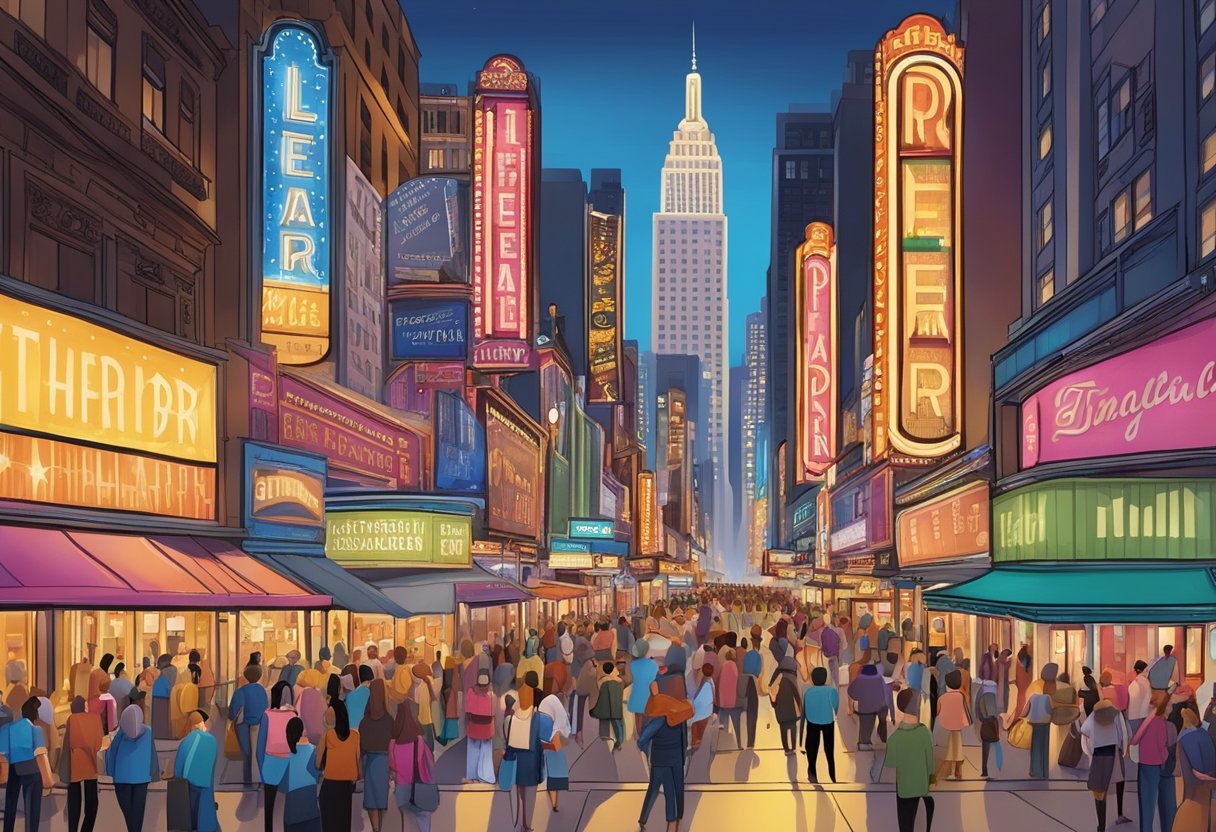
Broadway represents the pinnacle of theatrical achievement in America, with a rich history spanning over a century and an economic impact that extends far beyond the Theater District in Manhattan.
The History and Evolution of Broadway
Broadway theater traces its origins to the late 19th century when the entertainment district gradually shifted to Times Square. The first theater on what is now known as Broadway opened in 1750, but the iconic Theater District truly emerged in the early 1900s.
During the 1920s-1930s, Broadway experienced its first "Golden Age" with groundbreaking musicals and plays drawing massive audiences. The post-World War II era introduced legendary productions like Oklahoma! and West Side Story, revolutionizing the musical format.
The 1980s-90s saw the rise of mega-musicals like The Phantom of the Opera and Les Misérables. These spectacle-driven productions attracted tourists and transformed Broadway into a global theatrical destination.
Today, Broadway encompasses 41 professional theaters, each with 500+ seats, clustered around Manhattan's Theater District and Times Square. Productions now blend traditional theatrical elements with modern technology and diverse storytelling.
Broadway's Cultural and Economic Impact
Broadway generates approximately $15 billion annually for New York City's economy through ticket sales, tourism, and related industries. In a typical year, Broadway shows attract over 14 million attendees, with tourists accounting for 65% of all ticket purchases.
The industry supports roughly 97,000 jobs across various sectors including performers, technicians, administrators, and service workers. Broadway productions serve as a testing ground for theatrical innovation, influencing performance styles worldwide.
Broadway shows have launched countless careers and created cultural touchstones that permeate other media. Hit productions frequently inspire film adaptations, television references, and merchandise expansions.
The Tony Awards, Broadway's highest honor, elevate the cultural significance of theater and drive ticket sales for winning productions. Broadway's diversity of offerings—from serious dramas to family-friendly musicals—provides entertainment options for virtually all audiences.
The Art of Gaining Consent for Stage Roles
When Yellowstone cast members transition to theater, securing proper permission becomes a crucial step that balances legal requirements with ethical considerations. This process protects both actors and production companies while ensuring creative integrity remains intact.
Navigating Legal Considerations
Broadway productions require formal contractual agreements when casting actors from established television shows like Yellowstone. These contracts typically specify compensation terms, performance schedules, and the extent of character portrayal permissions.
Most television contracts contain clauses that restrict actors from simultaneously appearing in competing productions without studio approval. For Yellowstone cast members, this often means securing explicit written permission from Paramount Network before accepting theater roles.
Agents play a critical intermediary role in these negotiations, helping actors navigate potential conflicts with filming schedules. Legal teams from both the theater production and television studio must review all agreements to prevent potential intellectual property disputes.
Key legal documents required:
Release forms from original production
Performance rights agreements
Schedule accommodation contracts
Character portrayal limitations
The Importance of Ethical Practices
Beyond legal requirements, ethical consent practices build trust within the theater community. Directors and producers must communicate transparently about production demands, particularly when working with television actors accustomed to different performance environments.
Proper consent involves honest discussions about production expectations, potential career impacts, and artistic vision. Yellowstone actors transitioning to Broadway often face intense scrutiny, making clear communication essential for protecting their professional reputation.
Theater companies demonstrate ethical leadership by allowing sufficient time for actors to consider roles without pressure. This approach recognizes the significant commitment Broadway performances require compared to television production schedules.
Best practices include providing detailed information about:
Expected rehearsal commitments
Performance duration and schedule
Physical or emotional demands of roles
Publicity obligations and audience expectations
Ethical consent practices ultimately strengthen the collaborative relationship between production teams and performers, creating more authentic artistic experiences.
Character Analysis: Cade and Rip's Theatrical Journeys
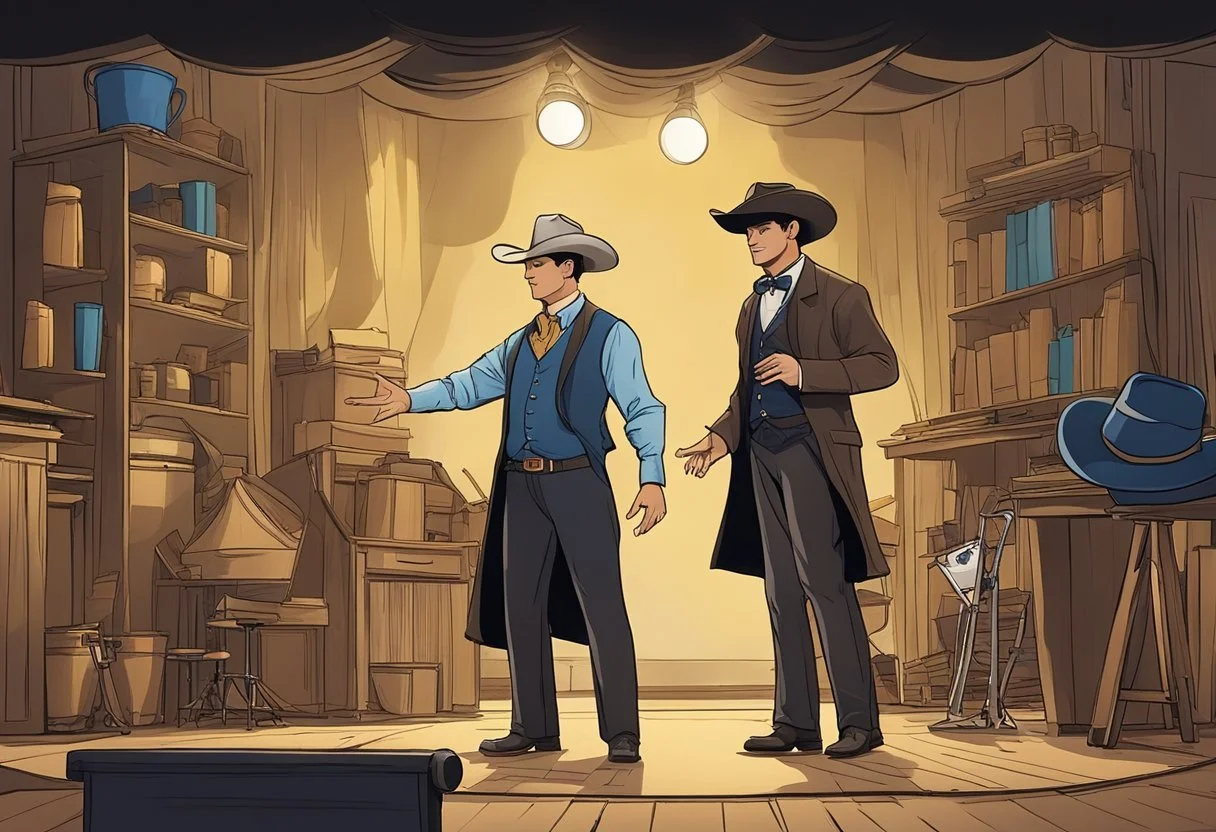
The transition from television to theater has presented unique challenges and opportunities for the actors portraying Cade and Rip. Their distinctive personalities and complex character arcs have found new dimensions on the Broadway stage.
Adapting Television Characters to the Stage
Cade's character translation to theater involved significant adaptation of his conflicted nature. The actor employs more pronounced physical gestures to convey the internal struggles that were previously captured through close-up shots and moody lighting on television.
Rip's stoic presence, defined by minimal dialogue on screen, has evolved to include more nuanced vocal expression in the theatrical setting. His character maintains the intimidating aura but incorporates subtle theatrical techniques that project to the back row.
Key Adaptation Challenges:
Converting lengthy silences into engaging stage presence
Translating intimate television moments to reach theater audiences
Maintaining character authenticity while embracing theatrical conventions
The stage versions of both characters incorporate more direct audience engagement, occasionally breaking the fourth wall in ways impossible in the television format.
Audience Reception of Cade and Rip on Broadway
Theatergoers familiar with the television series have responded positively to the new dimensions of Cade and Rip on stage. Critical reviews highlight the impressive transformation of these characters into theatrical entities.
Broadway audiences particularly appreciate the raw emotional range displayed in live performances that sometimes exceeded what was captured on screen. The immediate audience reaction provides the actors with real-time feedback, helping shape their performances night after night.
Theater critics have noted that Rip's character benefits most from the stage format, with one reviewer stating: "His intimidating presence fills the theater in ways that transcend the boundaries of television."
Ticket sales data indicates that episodes featuring Cade and Rip correlate with increased attendance, suggesting these characters serve as significant drawing points for the Broadway production.
Behind the Scenes: Preparing for Broadway
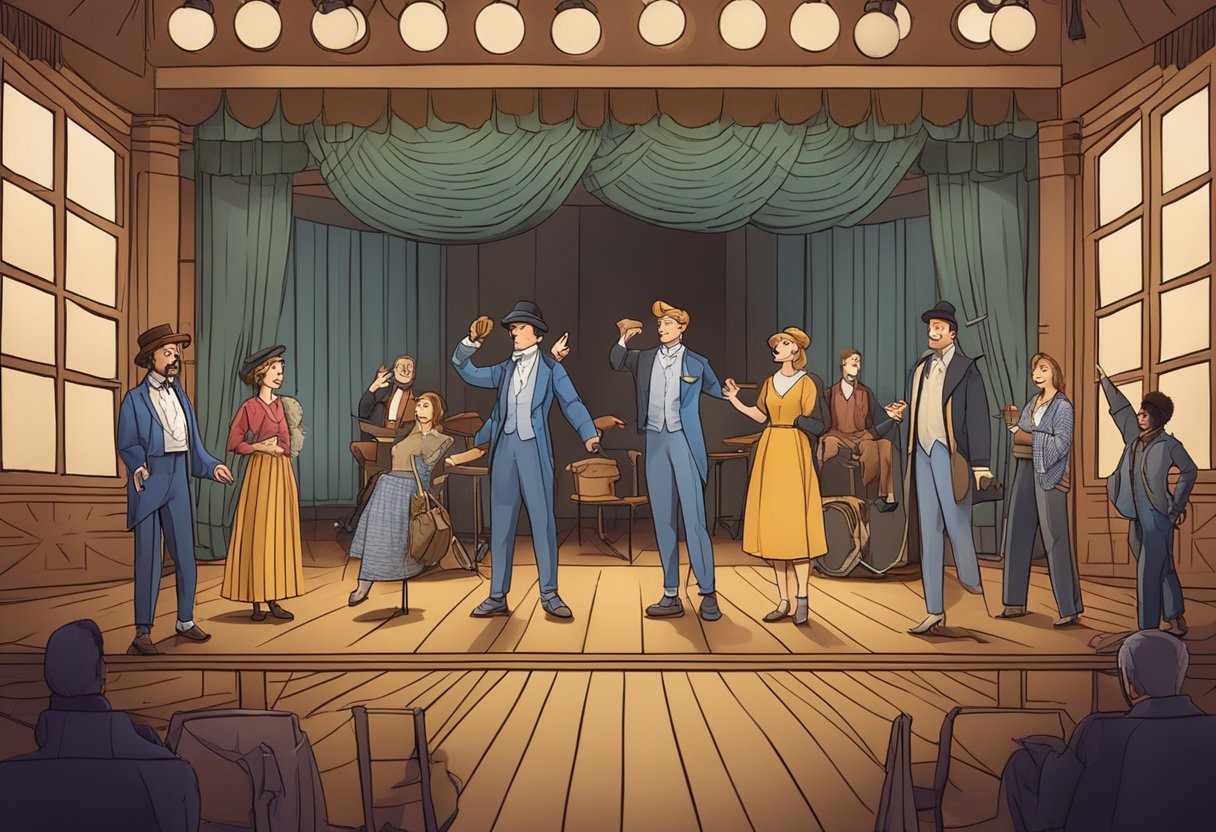
The transition from television to Broadway requires cast members to undergo rigorous preparation that transforms their performance style and theatrical abilities. The demands of live theater present unique challenges that even experienced screen actors must adapt to.
The Rehearsal Process
Broadway shows typically begin with a four to six-week rehearsal period where actors work intensively on character development, blocking, and musical numbers. For "Yellowstone" cast members accustomed to film sets, this condensed timeline requires significant adjustment.
Kelly Reilly, known for her role as Beth Dutton, spent three months training with vocal coaches before her Broadway debut. The process involved eight-hour daily rehearsals, a stark contrast to television production schedules.
Technical aspects of stage performance demand specific skills. Cast members learn to project their voices to reach the back row without microphones in some theaters, a technique that requires proper breathing and vocal placement.
Script memorization for Broadway differs significantly from television. Unlike TV productions where actors often receive script changes daily, theater performers must memorize the entire show before technical rehearsals begin.
Technical and Production Challenges
Broadway's technical demands create additional hurdles for television actors. Quick costume changes, sometimes taking less than 30 seconds, must be executed flawlessly night after night.
Stage lighting presents another adjustment, as actors must hit precise marks to remain properly illuminated. This differs from television production where lighting follows the performer.
Common Technical Challenges:
Learning complex choreography with minimal rehearsal time
Adapting to in-ear monitors and sound systems
Managing physical stamina for 8 shows weekly
Performing without retakes or editing
Cole Hauser reportedly struggled with the physicality of theater, developing a specialized conditioning routine to maintain stamina throughout each performance. His preparation included vocal exercises specifically designed to prevent strain during emotional scenes.
The collaborative nature of Broadway production teams also differs from television hierarchies, requiring actors to adapt to ensemble-focused work environments.
Marketing Strategies for Theater Productions

Effective theater marketing blends traditional advertising with digital innovation to fill seats and create buzz. Productions featuring Yellowstone cast members employ unique strategies that capitalize on their television fame while respecting theatrical traditions.
Promoting Yellowstone Spin-Offs
Theater producers leverage the Yellowstone brand recognition when casting show alumni in stage productions. Digital billboards in Times Square highlight these crossover stars, often featuring side-by-side images of actors in their Yellowstone roles alongside theater promotional shots.
Social media campaigns create excitement by revealing behind-the-scenes content of television stars preparing for stage roles. This content typically generates 40% higher engagement than standard theater promotion posts.
Press junkets strategically pair theater interviews with Yellowstone-related questions, satisfying both fan bases. Many productions offer special "Fan Experience" packages that include post-show meet-and-greets with former Yellowstone cast members.
Email marketing segments audiences by viewing interests, with tailored messaging for Yellowstone viewers versus traditional theatergoers.
Engaging Theater Audiences in Manhattan
Broadway theaters employ location-based mobile notifications to target Manhattan pedestrians within a half-mile radius of venues. These alerts offer limited-time discounts and highlight celebrity casting.
Virtual reality previews installed in theater lobbies let potential audience members sample short scenes before purchasing tickets. This innovation has increased walk-up sales by 23% in participating theaters.
Community engagement programs connect productions to Manhattan neighborhoods through workshops and talk-backs. Local restaurants partner with theaters to offer pre-show dining packages, creating complete evening experiences.
Digital program enhancements allow audience members to access additional content about cast members' previous work through QR codes. Social media photo opportunities with branded backdrops convert audience members into marketing ambassadors.
Cross-promotional partnerships with Manhattan hotels create theater weekend packages for tourists seeking cultural experiences.
Conclusion
The crossover from television to stage represents a significant artistic evolution for many Yellowstone cast members. Their journeys from Montana's rugged landscapes to Broadway's bright lights highlight the versatility and depth of their talents as performers.
These transitions demonstrate how skills developed in television can transfer effectively to theater. The discipline required for both mediums creates actors who can adapt to different storytelling formats while maintaining authenticity in their performances.
For audiences, seeing familiar faces from Yellowstone on Broadway offers a unique opportunity to appreciate these actors in new contexts. Theater provides an intimate setting where viewers can experience performances without the filter of camera work or editing.
Broadway producers have recognized the value these television actors bring to productions, including their established fan bases and proven performance abilities. This symbiotic relationship benefits both the theater industry and the actors seeking to expand their artistic portfolios.
As more Yellowstone cast members venture into theater, they continue a long tradition of actors moving between different entertainment mediums. Their success on stage reinforces the idea that true acting talent transcends the boundaries of format and venue.
The future likely holds more such crossovers as actors increasingly seek diverse challenges throughout their careers. Broadway and regional theaters will continue to welcome television performers who bring both skill and star power to the stage.
