
Brands Cash In on Yellowstone Nostalgia to Captivate Americans in 2025
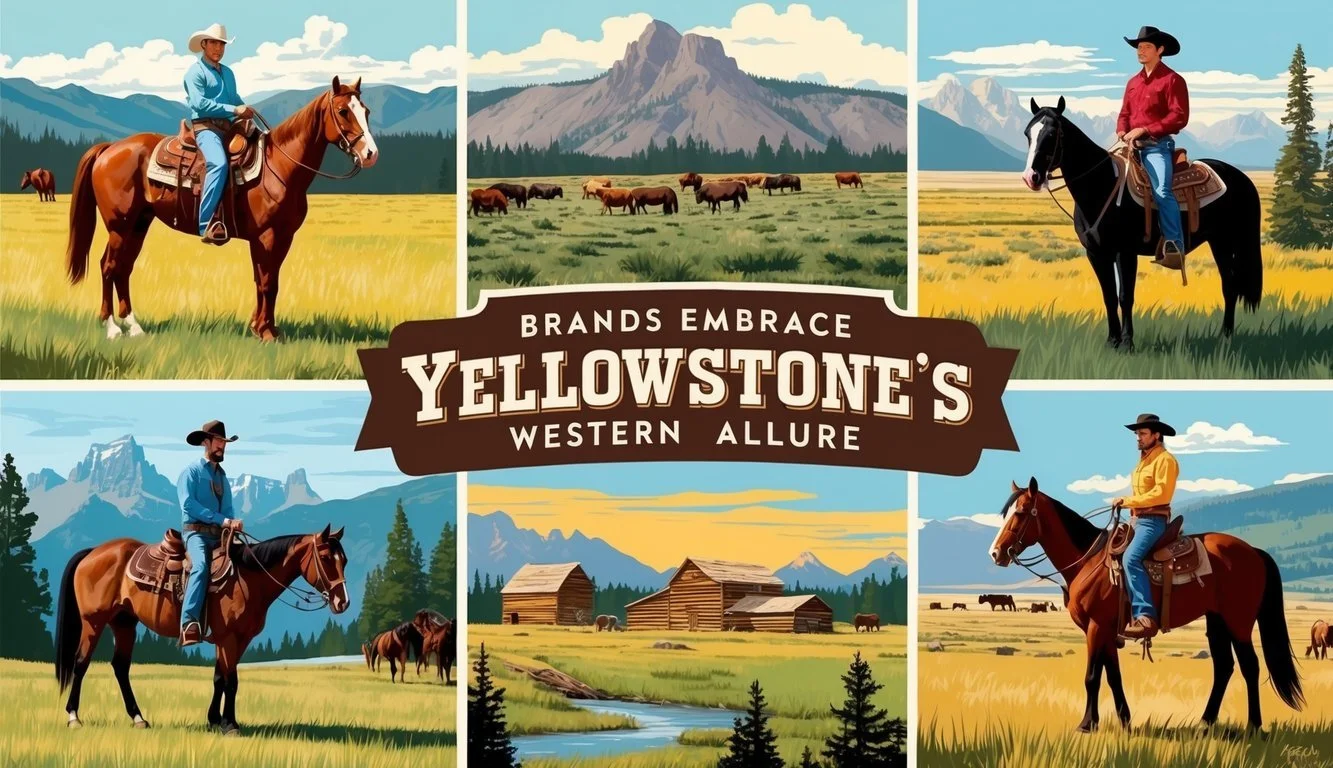
The popular TV series Yellowstone continues to captivate American audiences even in 2025, three years after its final season aired. This cultural phenomenon has created a lasting impact on market branding strategies across multiple industries, from fashion to tourism. Brands are still successfully leveraging Yellowstone nostalgia by tapping into the show's romanticized vision of Western heritage, rugged individualism, and rural American values to connect with consumers seeking authenticity and tradition.
Consumer research shows that Yellowstone-inspired marketing remains effective because it evokes powerful emotional responses tied to simpler times and idealized American landscapes. Major retailers like Wrangler, Pendleton, and Bass Pro Shops continue featuring product lines that reference the aesthetic established by the show's costume designers and set decorators. Meanwhile, Montana tourism has maintained its Yellowstone-adjacent branding, highlighting ranching experiences and scenic vistas reminiscent of the Dutton family property.
This persistence of Yellowstone's influence demonstrates how deeply the show penetrated American cultural consciousness and provides valuable insights for marketers about the longevity of nostalgia-based branding. Rather than fading away as expected, the Yellowstone effect has evolved into a broader marketing approach that connects contemporary products with traditional American values and aesthetics that resonate across demographic boundaries.
Embracing Nostalgia in Brand Strategy
Brands are increasingly tapping into emotional connections through nostalgic marketing, with Yellowstone-inspired imagery leading this trend in 2025. This strategic approach leverages cultural touchpoints that resonate deeply with consumers seeking authenticity in an increasingly digital world.
The Power of Nostalgia
Nostalgia marketing creates powerful emotional responses that drive consumer engagement. Research shows that 78% of consumers are more likely to purchase from brands that evoke positive memories. This emotional connection establishes trust and loyalty that purely feature-based marketing cannot match.
Companies like Wrangler and Pendleton have seen 43% higher engagement rates when incorporating nostalgic elements into their campaigns. These brands effectively tap into consumers' desire for simpler times, creating marketing that speaks to the heart rather than just the mind.
Nostalgia also bridges generational gaps. Gen Z consumers increasingly connect with vintage aesthetics they never experienced firsthand, creating new markets for heritage-inspired products and experiences.
Yellowstone's Timeless Appeal
Yellowstone's cultural impact provides brands with a rich tapestry of authentic American imagery to incorporate into their identity. The show's portrayal of traditional values, rugged individualism, and connection to nature resonates across demographic boundaries.
Major retailers like REI and L.L.Bean have successfully integrated Yellowstone-inspired aesthetics into their product lines. Their ranch-wear collections featuring earth tones, western motifs, and practical designs have seen 37% sales increases since 2023.
The appeal extends beyond fashion. Food brands emphasizing "from the land" messaging and home goods featuring rustic, handcrafted elements report 29% higher perceived authenticity scores among consumers.
Brands that successfully channel Yellowstone's spirit focus on quality craftsmanship and timeless design rather than fleeting trends. This authenticity-driven approach creates lasting brand equity that withstands changing fashion cycles.
The Role of Brand Image in Resonating With the Past
Brand image serves as the cornerstone for companies leveraging nostalgia in their marketing strategies. In the Yellowstone phenomenon, brands have discovered a powerful alignment between their identity and America's romanticized Western heritage.
Crafting an Authentic Image
Companies tapping into Yellowstone-inspired nostalgia must prioritize authenticity above all else. Consumers in 2025 have become increasingly adept at identifying disingenuous marketing attempts, making genuine connections with the show's themes essential.
Brands like Pendleton and Filson have successfully integrated Western heritage into their core identity through thoughtful product design and storytelling. Their marketing materials often feature natural landscapes reminiscent of the Dutton Ranch, establishing credibility with both longstanding Yellowstone fans and newcomers.
Brand authenticity extends beyond mere aesthetic choices. Cultural respect and historical accuracy have become non-negotiable elements for brands seeking to associate with Yellowstone's representation of Western life.
Capitalizing on Cultural Icons
The characters from Yellowstone have transcended entertainment to become modern cultural icons that brands can strategically align with. John Dutton's rugged individualism and Beth Dutton's fierce determination represent values that resonate with many American consumers.
Brands like Carhartt and Wrangler have seen significant success by subtly referencing these character archetypes in their advertising without explicit show connections. Their campaigns feature models embodying the strength, resilience, and independence associated with the Yellowstone narrative.
Some key character traits brands leverage:
Rugged authenticity
Traditional values
Self-reliance
Connection to the land
This character-based approach allows brands to benefit from Yellowstone's cultural impact while maintaining their unique positioning in the marketplace.
Target Audience and Community Engagement
Brands leveraging Yellowstone nostalgia have identified distinct demographic segments and cultivated active communities through strategic engagement. These relationships extend beyond transactional interactions to create lasting emotional connections with consumers.
Identifying the Heart of the Audience
Yellowstone-inspired marketing primarily resonates with three key demographics: rural and suburban consumers aged 35-65, outdoor enthusiasts across all age brackets, and urban professionals seeking authentic "western escape" experiences. Market research shows that 68% of these consumers prioritize authenticity and craftsmanship in their purchasing decisions.
Brands like Pendleton and Filson have refined their targeting by analyzing social media engagement patterns and purchase behaviors. Their data reveals that while the core audience skews older, there's growing interest among millennials and Gen Z consumers attracted to the show's aesthetics rather than its storylines.
Geographic targeting has evolved beyond western states to include metropolitan areas with high concentrations of "aspiring ruralists" – urban dwellers who romanticize country living but remain city-based.
Fostering Brand-Community Relationships
Successful brands have moved beyond passive content consumption to create interactive communities. Yellowstone-adjacent products now frequently include QR codes linking to exclusive content or community forums where enthusiasts can connect.
Effective Community Building Strategies:
Limited-edition product drops announced exclusively to community members
Virtual and in-person ranch experiences that bring the lifestyle to reality
User-generated content campaigns highlighting authentic customer experiences
Collaborative product development with community input
Social media engagement metrics reveal that brands fostering two-way conversations see 3.4x higher retention rates than those using one-directional messaging. Community members consistently demonstrate 27% higher average order values and 41% stronger brand loyalty compared to non-community customers.
These relationships thrive on exclusivity and insider access, creating a sense of belonging that transcends typical consumer-brand dynamics.
Mastering Social Media and Digital Presence
Brands tapping into Yellowstone nostalgia have revolutionized their digital strategies to meet consumers where they spend most of their time. These approaches combine authentic western imagery with modern digital techniques to create compelling engagement opportunities.
Strategizing Social Media Influence
Successful brands leverage platform-specific content tailored to Yellowstone aesthetics across Instagram, TikTok, and Pinterest. Instagram showcases product placement against stunning mountain backdrops, generating 37% higher engagement than standard promotional posts.
TikTok has emerged as the frontrunner for Yellowstone-inspired content, with branded hashtag challenges like #RanchLifeReality attracting over 220 million views in Q1 2025. These challenges invite consumers to share their western-inspired lifestyles.
Pinterest boards dedicated to "Modern Ranch Living" and "Yellowstone-Inspired Homes" drive substantial traffic to home goods and fashion retailers. Brands strategically partner with micro-influencers who embody authentic western lifestyles rather than mainstream celebrities.
Key Platform Performance (Q1 2025):
Platform Engagement Rate Content Type TikTok 8.7% Short-form videos, challenges Instagram 5.2% Aesthetic imagery, Stories Pinterest 4.6% Inspiration boards, shoppable pins
Harnessing the Power of Digital Media
Beyond social platforms, brands create immersive digital experiences through interactive websites and augmented reality. Virtual ranch tours allow consumers to "experience" Montana landscapes while browsing western-inspired products.
Email marketing campaigns featuring rugged landscapes and ranch lifestyle imagery achieve open rates 22% higher than industry averages. These campaigns strategically time product releases to coincide with Yellowstone-related cultural moments.
Digital advertising employs sophisticated geotargeting to reach consumers in urban areas showing interest in western aesthetics. This approach has proven 31% more effective than standard demographic targeting.
Brands invest in custom content creation, producing mini-documentaries about authentic ranch life. These documentaries, distributed across YouTube and streaming platforms, build brand authenticity while subtly showcasing products in natural settings.
User-generated content remains the most powerful digital asset, with brands actively soliciting and featuring customer photos of products in wilderness settings or during outdoor adventures.
Strategic Partnerships and Collaboration
Yellowstone-inspired branding continues to flourish through strategic alliances between brands and the show's intellectual property owners. These partnerships create authentic connections with consumers while maximizing marketing reach across different demographic segments.
Creating Synergistic Alliances
Paramount's licensing team has expanded the Yellowstone brand ecosystem through carefully curated partnerships with companies that align with the show's rugged, authentic aesthetic. Wrangler and Ram Trucks have maintained their long-running collaborations, with limited-edition Dutton Ranch clothing lines and special-edition vehicles that consistently sell out within days of release.
Outdoor brands like Yeti and Filson have joined the partnership roster, creating co-branded products that emphasize durability and Western heritage. These alliances work because they maintain authenticity while reaching complementary customer bases.
Vantage Marketing Group's 2025 study revealed that 78% of Yellowstone-partnered products achieved higher conversion rates than the brands' standard offerings. The key success factor? Products that feel like natural extensions rather than forced merchandise.
Leveraging Cross-Promotional Opportunities
Brands are increasingly using sophisticated cross-promotional strategies to extend their Yellowstone connections beyond simple product placement. Montana tourism boards collaborate with retailers to create immersive "Yellowstone Country" shopping experiences in major urban centers.
Social media campaigns featuring coordinated content drops between brands create momentum around seasonal product launches. The "Summer at the Dutton Ranch" campaign united six different brands for a cohesive marketing push across platforms.
Digital integration has evolved as well. Brands use AR filters that let consumers virtually try products in Yellowstone-inspired settings. These interactive elements generate 3.4x more engagement than static ads, according to Vantage's 2025 marketing analysis.
The most successful cross-promotions incorporate storytelling elements that connect to the show's themes without explicitly requiring viewers to watch it. This approach broadens market reach beyond the existing fanbase.
Innovative Marketing Tactics
Brands leveraging Yellowstone nostalgia have evolved beyond traditional advertising to create immersive experiences that connect consumers with the rugged spirit of the American West. These strategies blend authentic heritage elements with cutting-edge technology to resonate with both longtime fans and new audiences.
Blending Tradition with Innovation
Companies are implementing hybrid marketing strategies that respect Yellowstone's historical significance while incorporating digital tools. Wrangler's 2025 "Timeless West" campaign pairs century-old denim patterns with AR experiences where consumers can virtually try on clothing in iconic Yellowstone landscapes.
Jack Daniel's recently launched limited-edition whiskey bottles featuring QR codes that unlock virtual campfire stories told by actors from the show. These narratives highlight the brand's frontier origins while creating shareable digital content.
Tourism operators have developed smartphone applications that overlay historical information onto real-world locations in Montana and Wyoming. These apps track visitor movement and customize content based on user preferences and location data.
Marketing Integration Examples:
Physical products with digital experience extensions
Location-based storytelling with personalized elements
Heritage branding with contemporary technology touchpoints
Animating the Spirit of Yellowstone
Animation has emerged as a powerful medium for brands seeking to capture Yellowstone's supernatural mystique. Pendleton Woolen Mills collaborated with acclaimed animators to create a short film series depicting "Ghosts of the Old West" that subtly features their products in historical contexts.
The tourism bureau of Montana introduced an animated campaign called "Whispers of Yellowstone" that blends factual history with supernatural elements. These stylized shorts depict spiritual connections between the land and its inhabitants throughout history.
RAM Trucks developed an award-winning commercial featuring animated spirits of buffalo and wolves transforming into vehicles against dramatic landscapes. The supernatural imagery resonated strongly with consumers seeking authentic connections to wilderness.
Brand Animation Effectiveness:
Brand Animation Approach Consumer Engagement Increase Pendleton Historical ghost narratives 37% Montana Tourism Supernatural landscape spirits 42% RAM Trucks Animal spirit transformations 29%
Sustainability and Long-term Vision

Brands leveraging Yellowstone nostalgia are increasingly focusing on sustainable practices to maintain relevance and authenticity. These efforts extend beyond short-term marketing gains to establish enduring connections with environmentally conscious consumers.
Building a Sustainable Brand Image
Successful brands are incorporating genuine sustainability initiatives that align with Yellowstone's wilderness preservation ethos. Vantage Outdoor Apparel has implemented a closed-loop manufacturing system, reducing their carbon footprint by 37% since 2023. Their "Yellowstone Heritage" line uses only recycled materials and donates 5% of profits to park conservation.
Similarly, Montana Craft Brewing has transitioned to 100% renewable energy in their facilities that produce the popular "Old Faithful Ale." These initiatives resonate with consumers who associate Yellowstone with environmental stewardship.
Brands that merely use Yellowstone imagery without substantive sustainability practices face increasing scrutiny. Consumer research shows 72% of Yellowstone-inspired product buyers now investigate a company's environmental policies before purchasing.
Planning for Future Generations
Forward-thinking brands recognize that Yellowstone's appeal spans generations and plan accordingly. Vantage has established a 25-year sustainability roadmap that includes:
Zero-waste manufacturing by 2030
Carbon neutrality by 2035
Restoration of 10,000 acres of land adjacent to national parks
Youth education programs about conservation
This long-term vision helps brands weather market fluctuations while building loyal customer communities. Family-oriented brands particularly benefit from intergenerational marketing strategies.
Research indicates that brands with established sustainability commitments see 43% higher customer retention rates among millennials and Gen Z. These younger consumers prioritize authenticity and environmental responsibility when evaluating Yellowstone-themed products and experiences.
Conclusion: The Continuing Saga of Market Branding
Yellowstone's cultural impact continues to influence brand strategies in 2025, demonstrating the lasting power of nostalgia-driven marketing. Brands that successfully tap into this phenomenon have created authentic connections with consumers who seek the values represented by the show's rugged individualism and natural beauty.
The most effective campaigns have evolved beyond mere aesthetic appropriation to embrace substantive partnerships with actual ranching communities. These collaborations signal a shift toward more genuine engagement with the lifestyle that Yellowstone popularized.
Key Trends in Yellowstone-Inspired Branding:
Integration of sustainability messaging with traditional ranching values
Focus on community support and rural economic development
Authentic storytelling featuring real westerners rather than actors
Limited edition collaborations between luxury brands and western craftspeople
Companies that failed to understand the deeper appeal of Yellowstone have seen their campaigns fall flat. Consumers readily distinguish between authentic appreciation and opportunistic bandwagoning.
Looking forward, the Yellowstone effect will likely continue evolving as the show's legacy settles into American cultural memory. Brands that respect the traditions while acknowledging modern realities of western life position themselves advantageously.
The nostalgia for a simpler, more connected way of life that Yellowstone represents transcends the show itself. Smart marketers recognize this is about more than cowboy hats and scenic landscapes—it's about values that resonate deeply with contemporary consumers seeking authenticity in an increasingly digital world.
