
Unveiling Yellowstone's Animal Stars: Where Are the Horses and Livestock Now?
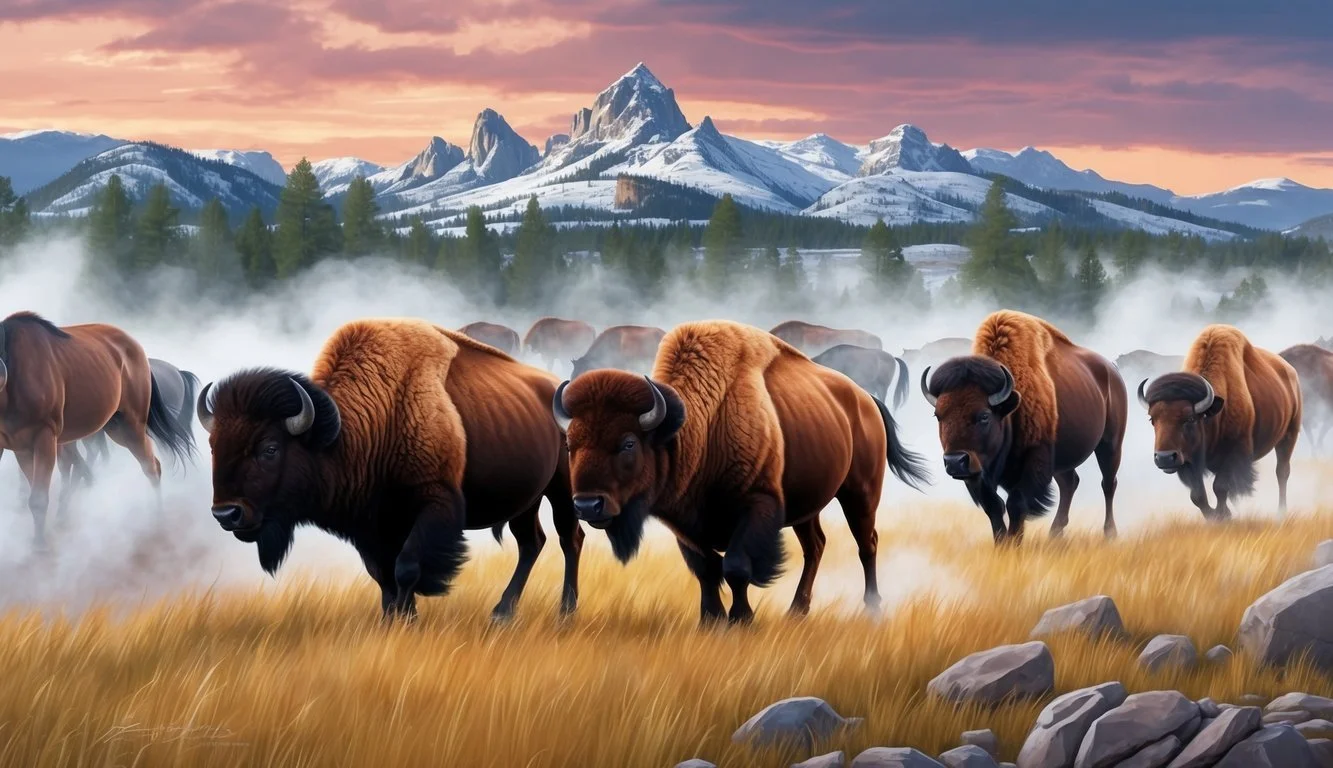
Yellowstone National Park is home to diverse wildlife that captivates visitors year after year. From majestic bison to elusive wolves, the park's animal inhabitants have become iconic symbols of American wilderness. While many visitors expect to see horses and livestock among these animal stars, their presence in Yellowstone has significantly changed over time.
Horses and livestock are no longer permanent residents of Yellowstone, as the National Park Service removed domestic animals from the park in the early 20th century to preserve the natural ecosystem. This decision was part of a larger conservation effort to restore Yellowstone to its natural state and protect native species from competition with domesticated animals.
Today, the only horses you'll find in Yellowstone belong to park rangers or guided tour operators who use them for backcountry patrols and wilderness trips. These working animals have strictly limited access to specific areas of the park, ensuring minimal impact on the delicate balance of this protected wilderness.
Yellowstone's Equine History
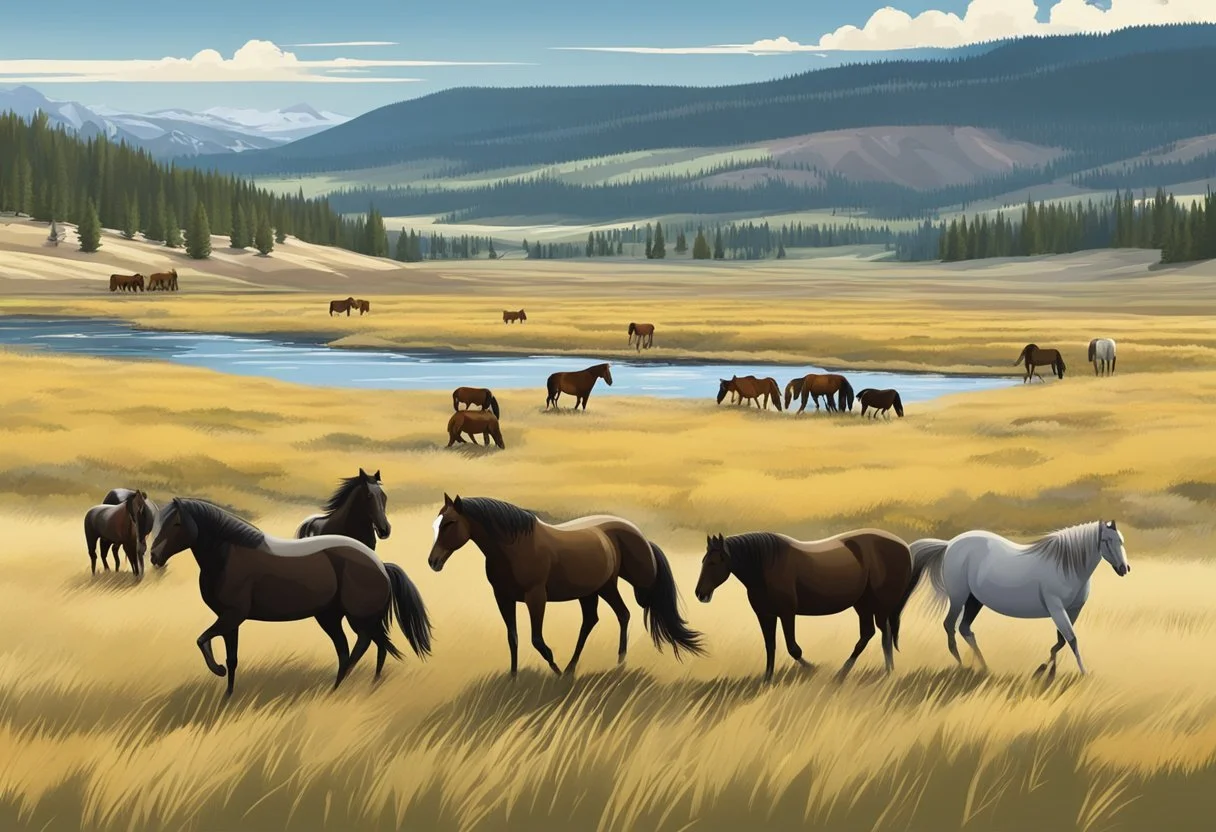
Horses have played a significant role in Yellowstone's history since long before it became the first national park in 1872. Native American tribes used horses extensively throughout the region for hunting, transportation, and warfare.
When European settlers and explorers first ventured into the Yellowstone area, they relied heavily on horses to navigate the challenging terrain. These equine companions were essential for early expeditions that eventually led to the park's establishment.
By 1883, horses had become integral to park operations. The U.S. Army, which administered Yellowstone from 1886 to 1918, depended on cavalry horses for patrolling the vast wilderness and protecting it from poachers and vandals.
The park's first transportation concessioners used horse-drawn wagons and stagecoaches to bring visitors through Yellowstone's wonders. These guided tours allowed early tourists to experience the geysers, hot springs, and wildlife from the relative comfort of horse-drawn vehicles.
In the early 20th century, horses gradually began sharing their transportation duties with automobiles. By 1923, automobiles had largely replaced horse-drawn vehicles for visitor transportation, marking a significant transition in how people experienced the park.
The park's mounted ranger division continued using horses for backcountry patrols, trail maintenance, and emergency response. This tradition continues today, with the park maintaining a small population of working horses for activities in areas inaccessible to vehicles.
Domestic livestock, including horses, were once permitted to graze in certain areas of Yellowstone. However, these practices were gradually phased out to protect the park's natural ecosystems and prevent competition with native wildlife.
The Role of Horses in Yellowstone
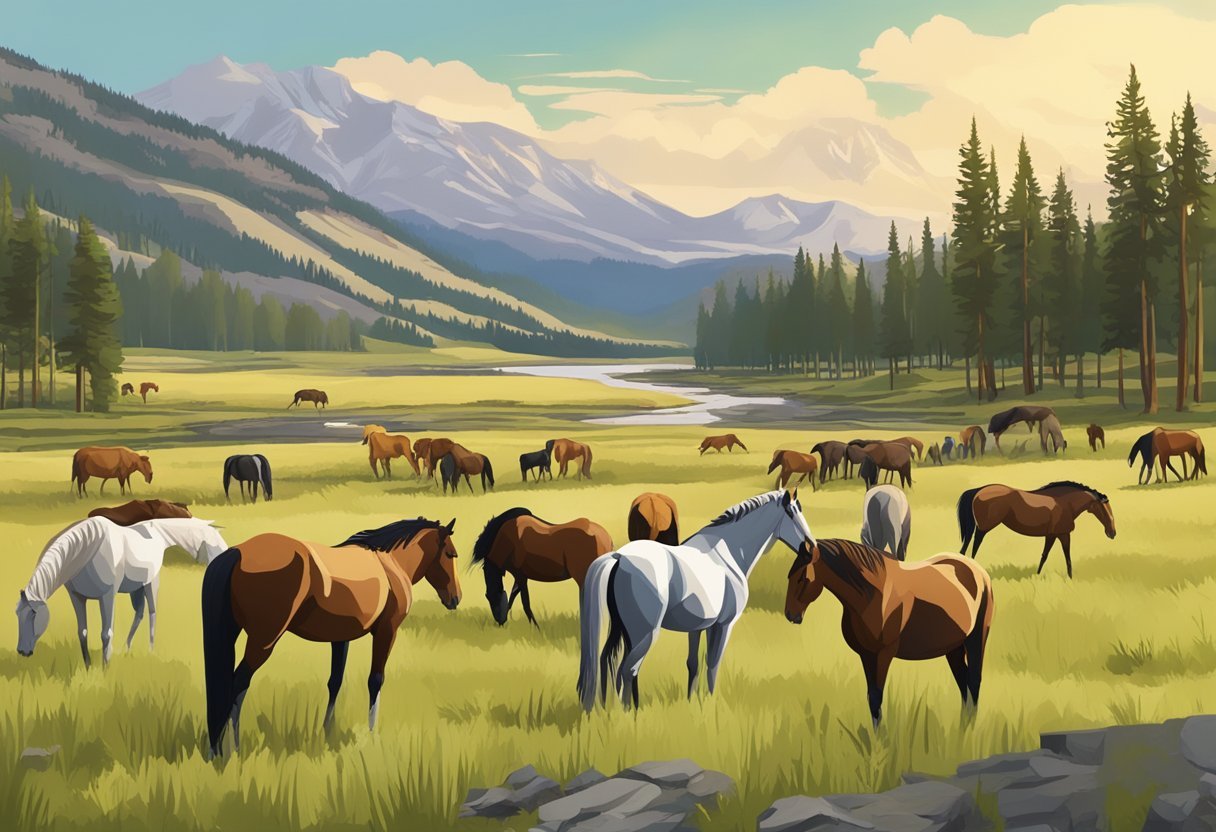
Horses have shaped the Yellowstone landscape and visitor experience in profound ways since the park's establishment. These animals have transitioned from essential transportation to symbolic figures representing the park's rich heritage.
Historical Significance
Horses were vital to early Yellowstone expeditions, carrying the first official explorers through the region in 1870. The Washburn-Langford-Doane Expedition relied entirely on horseback travel to document the park's natural wonders.
When Yellowstone became America's first national park in 1872, horses remained the primary transportation method for both rangers and visitors. The U.S. Cavalry, who protected the park from 1886 to 1918, patrolled exclusively on horseback, covering vast areas otherwise inaccessible.
Early tourism in Yellowstone centered around horses, with stagecoaches being the main visitor transportation until automobiles arrived in 1915. Many of the park's original trails were designed specifically for horse travel, following natural contours of the land.
Park infrastructure development also depended on horse power. Pack animals transported construction materials to remote areas for building ranger stations and visitor facilities.
Modern-Day Contributions
Today, horses continue to serve critical functions within Yellowstone's operations. The park maintains a dedicated mounted patrol unit, allowing rangers to access backcountry areas where vehicles cannot reach.
Trail maintenance crews often use horses to transport heavy equipment and supplies to remote locations. This method proves particularly valuable in designated wilderness areas where motorized vehicles are prohibited.
Horses also enhance visitor experiences through guided trail rides offered by authorized concessionaires. These popular excursions provide a unique perspective of the park while reducing environmental impact compared to motorized tours.
Search and rescue operations benefit significantly from mounted teams. Horses can navigate difficult terrain efficiently during emergencies, reaching injured hikers in areas inaccessible to vehicles.
Park biologists occasionally utilize horses for wildlife monitoring in remote regions. Their quiet presence creates less disturbance to wildlife than motorized transportation, allowing for more accurate observations.
Livestock in Yellowstone's Ecosystem
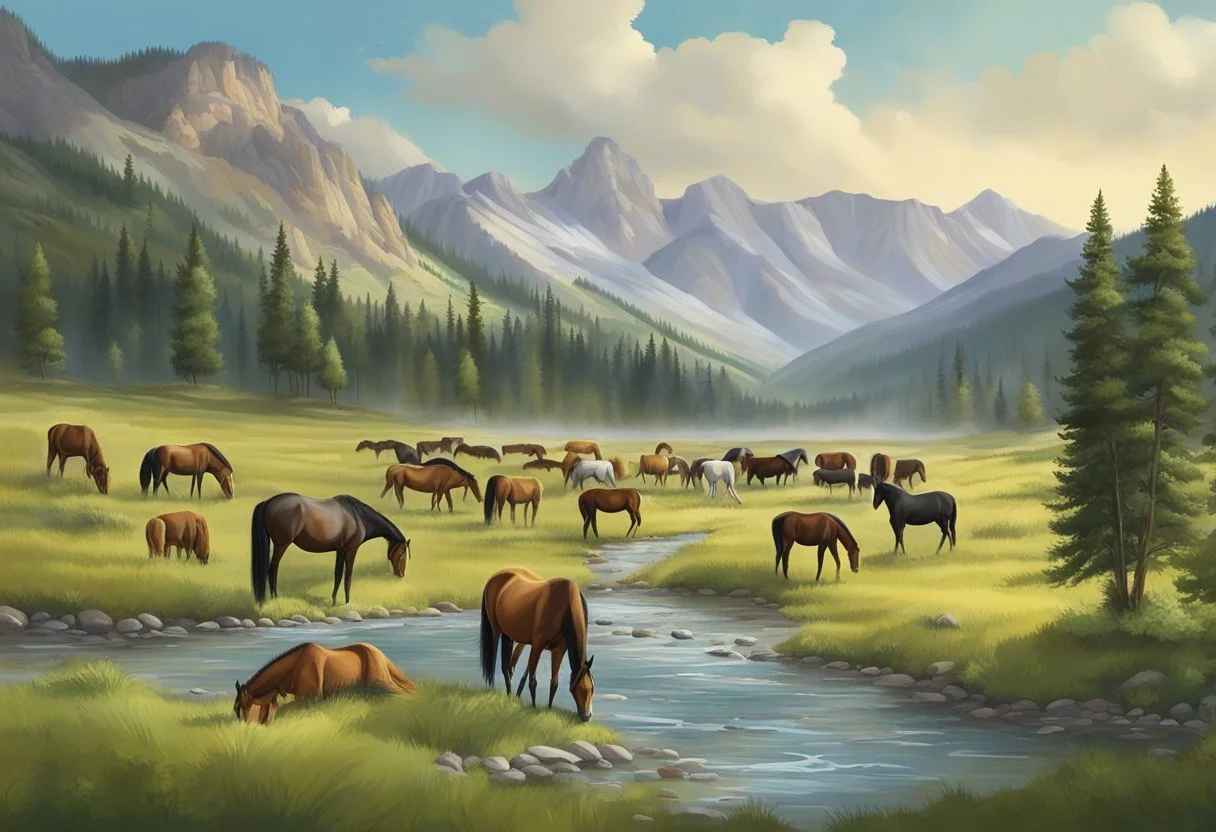
Livestock management around Yellowstone National Park represents a delicate balance between conservation and economic interests. The interaction between domestic animals and wildlife shapes ecosystem dynamics in significant ways.
Cattle Grazing and Management
Cattle grazing operates on multiple private and public lands surrounding Yellowstone National Park. Approximately 30,000 cattle graze seasonally on lands adjacent to the park boundaries, primarily during summer months.
The National Park Service maintains strict boundaries to prevent domestic livestock from entering Yellowstone's protected areas. This separation aims to prevent disease transmission, particularly brucellosis, between cattle and wild bison.
Several collaborative programs between ranchers and conservation authorities have emerged in recent decades. These initiatives promote sustainable grazing practices that minimize environmental impact while maintaining economic viability.
Buffer zones established in the 1990s create transition areas between grazing lands and wild habitats. These zones reduce conflict points between predators like wolves and domestic livestock through enhanced monitoring and management strategies.
Species Interaction and Balance
Livestock presence near Yellowstone creates complex ecological relationships with native wildlife. Bison and elk occasionally compete with cattle for grazing resources when they migrate outside park boundaries during harsh winters.
Research conducted between 2018-2023 shows that strategic livestock management can actually enhance biodiversity in certain scenarios. Controlled grazing prevents single plant species dominance and creates varied habitats beneficial for diverse wildlife.
Disease management remains a critical concern in the Yellowstone ecosystem. Park officials and ranchers collaborate on vaccination programs and testing protocols to prevent transmission between wild and domestic animals.
Predator-livestock conflicts represent ongoing challenges. Since 2015, compensation programs have reimbursed ranchers for verified losses to wolves and other predators, reducing retaliatory killings of these important apex species.
Conservation Efforts for Horses and Livestock
Conservation initiatives for Yellowstone's horses and livestock have evolved significantly over the past decades. These programs balance ecosystem preservation with the cultural and historical significance of domesticated animals in the region.
Protective Legislation
The Wild Free-Roaming Horses and Burros Act of 1971 marked a turning point for equine protection in areas surrounding Yellowstone. This legislation specifically protects wild horses from capture, branding, and harassment on public lands.
In 2008, amendments to the Yellowstone Regional Conservation Plan expanded protections to include heritage livestock breeds that once roamed the park. These measures established designated safe zones where traditional cattle breeds can be maintained without threatening native wildlife populations.
The Bureau of Land Management enforces strict quotas on horse populations in areas adjacent to Yellowstone, maintaining approximately 3,500 wild horses across Wyoming management areas. These quotas help prevent overgrazing while ensuring genetic diversity.
Park-adjacent ranchers now receive tax incentives when they participate in conservation easements that protect historical grazing patterns. This balanced approach recognizes both ecological and cultural heritage values.
Reintroduction Programs
The Yellowstone Heritage Livestock Initiative, launched in 2016, focuses on reintroducing historical cattle breeds to designated areas outside park boundaries. This program has successfully reestablished small herds of Texas Longhorns and Highland cattle that represent the region's ranching history.
Horse reintroduction efforts focus primarily on heritage breeds like the Spanish Mustang and Appaloosa that have historical connections to the Greater Yellowstone Ecosystem. Rangers monitor these populations carefully to prevent ecological disruption.
The Equine Conservation Corridor established in 2019 created protected migration routes connecting three wild horse management areas near the park. This innovative approach allows for seasonal movement patterns that mimic historical grazing behaviors.
DNA testing programs now help conservationists maintain genetic diversity in both horse and cattle populations. By 2024, scientists had developed comprehensive genetic profiles for six distinct heritage livestock lineages with historical ties to the Yellowstone region.
Cultural Impact of Yellowstone's Animal Stars
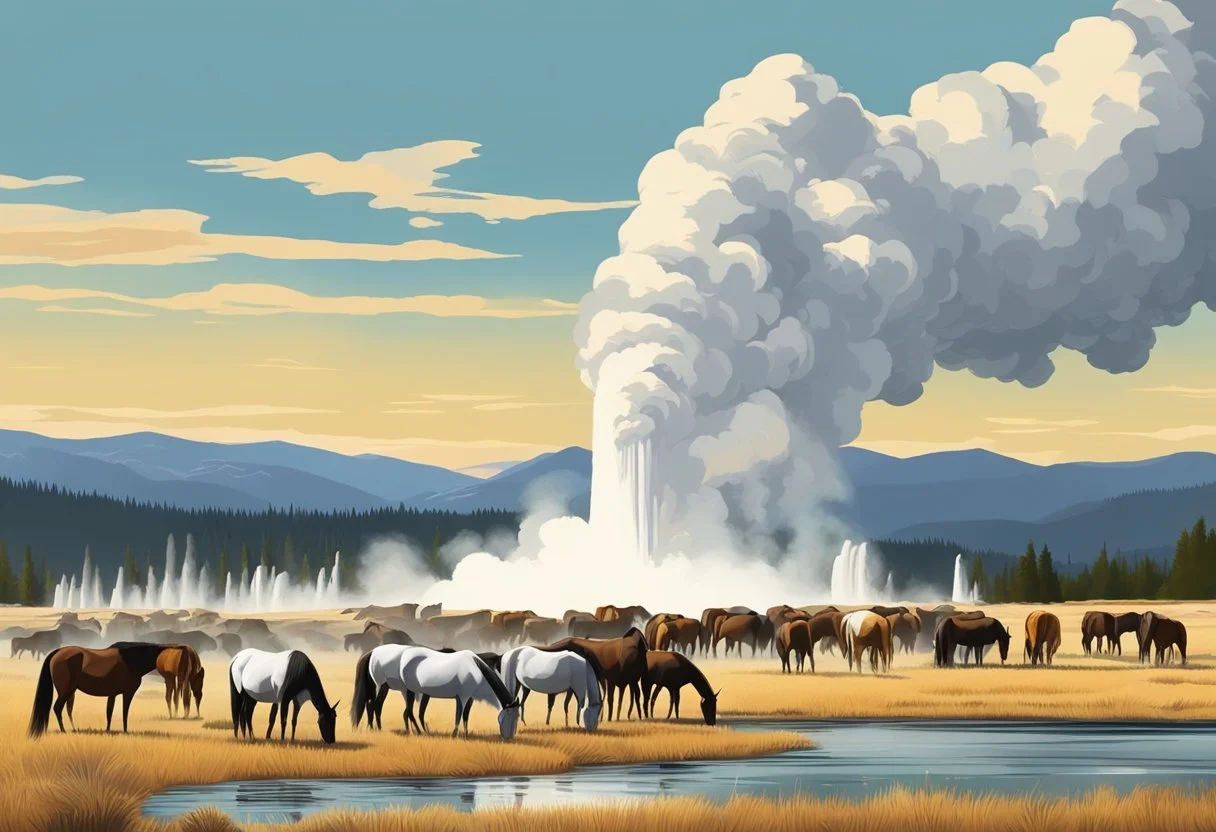
Yellowstone's animal residents have left an indelible mark on American culture, particularly the horses and livestock that feature prominently in the show's portrayal of modern ranch life against the backdrop of wild nature.
Influence on Art and Media
Yellowstone's portrayal of horses has sparked renewed interest in equestrian culture across America. The series showcases over 30 working horses, many performing intricate riding sequences that highlight the bond between ranchers and their mounts. These equine stars have inspired a wave of western-themed artwork, with painters like Jim Landwehr creating popular pieces featuring the iconic Dutton Ranch horses against Yellowstone's landscapes.
Several of the show's horses have garnered their own fan followings. Walker's buckskin and Rip's black quarter horse are particularly celebrated, appearing on merchandise ranging from t-shirts to coffee mugs.
The cattle drives depicted in the series have also influenced documentaries about modern ranching practices, including America's Last Working Ranches (2023) and Living with the Land (2024), both examining the cultural significance of livestock management in the American West.
Tourism and Education
The popularity of Yellowstone's animal stars has directly impacted tourism in Montana and Wyoming. Ranch vacations offering "Yellowstone experiences" have increased by 42% since 2018, with guests specifically requesting to ride horses similar to those seen on the show.
The Chief Joseph Ranch in Darby, Montana—which serves as the filming location for the Dutton Ranch—now offers tours highlighting:
The horse barns and pastures featured in the show
Working cattle operations similar to those portrayed on screen
Educational programs about modern ranching methods
Several universities with agricultural programs report increased enrollment in equine studies and livestock management courses since Yellowstone's debut. Montana State University's 2024 survey indicated that 28% of new agricultural students cited the show as influencing their career interests.
Educational initiatives like "Know Your Ranch Animals" have emerged in rural schools, using the show's popularity to teach children about the historical and contemporary importance of horses and cattle in western economies.
Taylor Sheridan's Portrayal of Yellowstone
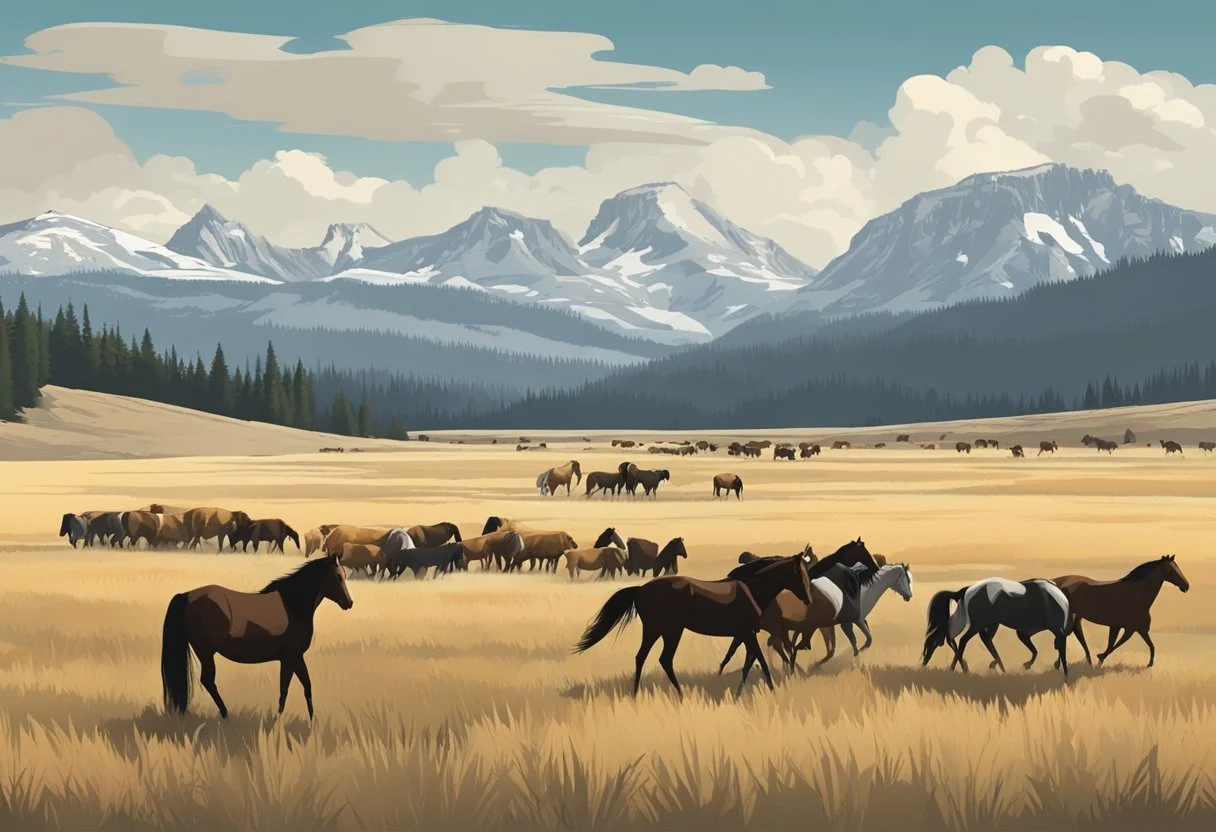
Taylor Sheridan's vision of Yellowstone has significantly influenced public perception of Western landscapes and ranch life. His meticulously crafted shows bring historical accuracy and authentic portrayal of livestock management to television screens across America.
Impact of TV Series '1883' and '1923'
1883 transports viewers to the arduous journey westward, showcasing the vital role horses played in frontier expansion. The series features historically accurate horse breeds, including Quarter Horses and Morgans, that were essential for survival during this era.
1923 continues this tradition, depicting the evolution of livestock management during the early 20th century. The show illustrates how drought and economic hardship affected ranching operations, with particular attention to horse training techniques and cattle handling practices from that period.
Both series highlight the symbiotic relationship between humans and animals at Yellowstone. Sheridan's production team works closely with equine historians and livestock experts to ensure accuracy in every scene involving animals.
The attention to detail extends to the proper representation of period-appropriate tack, feeding methods, and seasonal challenges faced by ranchers.
Authentic Representation of Livestock and Life
Sheridan prioritizes authenticity in his portrayal of Yellowstone's working animals. Many scenes feature actual working cowboys rather than actors for horse-riding sequences, bringing genuine horsemanship to the screen.
The production employs specialty wranglers who maintain historical accuracy in how livestock is managed and handled. This dedication extends to depicting realistic seasonal challenges like winter feeding protocols and spring calving operations.
Unlike romanticized Westerns of the past, Sheridan's shows present the harsh realities of animal husbandry in the Yellowstone region. Horses are shown as working animals rather than merely transportation or background elements.
The series also accurately portrays the economic value of quality livestock during different historical periods. Viewers gain insight into how selective breeding and animal care evolved alongside the development of the legendary Yellowstone ranch.
Economic Significance of Livestock in Local Communities
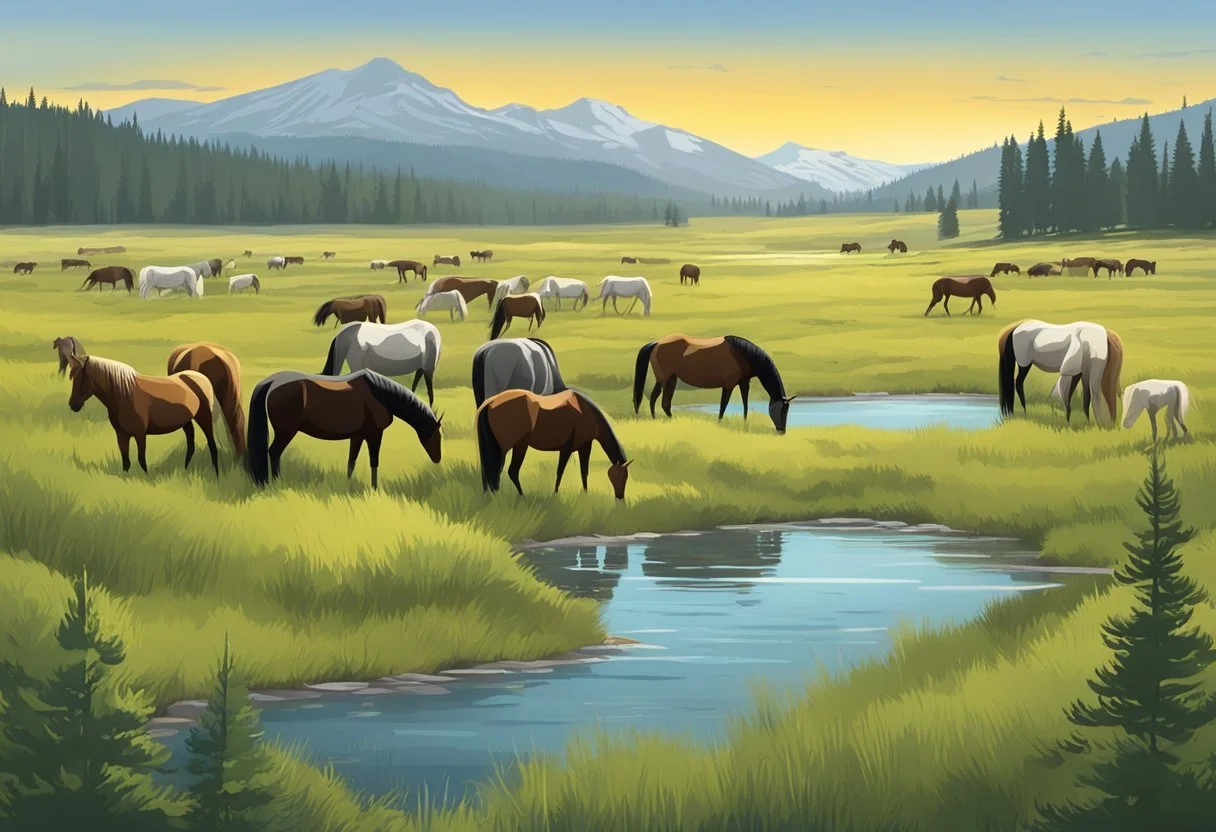
Livestock operations form the economic backbone of many communities surrounding Yellowstone, creating jobs while preserving traditional ways of life that date back generations.
Employment and Economic Growth
Cattle ranching generates substantial revenue for communities bordering Yellowstone National Park. A typical medium-sized ranch employs 5-10 full-time workers and numerous seasonal employees during peak periods.
The economic ripple effect extends beyond direct employment. Veterinarians, feed suppliers, equipment dealers, and transportation services all depend on healthy livestock operations for their livelihoods.
In areas like Fort Worth, Texas, the cattle industry contributes over $5 billion annually to the regional economy. Even smaller operations near Yellowstone create significant tax revenue that supports local schools and infrastructure.
Key Economic Contributors:
Livestock auctions
Meat processing facilities
Tourism related to ranch experiences
Agricultural equipment sales
Sustainable Ranching Practices
Modern ranches near Yellowstone increasingly embrace sustainable practices that benefit both business and environment. Rotational grazing techniques preserve grassland health while maximizing cattle productivity.
Many Texas ranch operations now implement water conservation strategies that reduce costs by 15-30% while protecting vital resources. These approaches include improved irrigation systems and drought-resistant forage varieties.
Carbon sequestration programs offer ranchers new revenue streams. By managing grazing to maximize soil carbon capture, ranchers can earn carbon credits worth $10-20 per acre annually.
Consumer demand for sustainably raised livestock products continues growing at 8-12% annually. This premium market allows forward-thinking ranchers to command higher prices while reducing environmental impacts.
From Yellowstone to Texas: Tracking the Trails
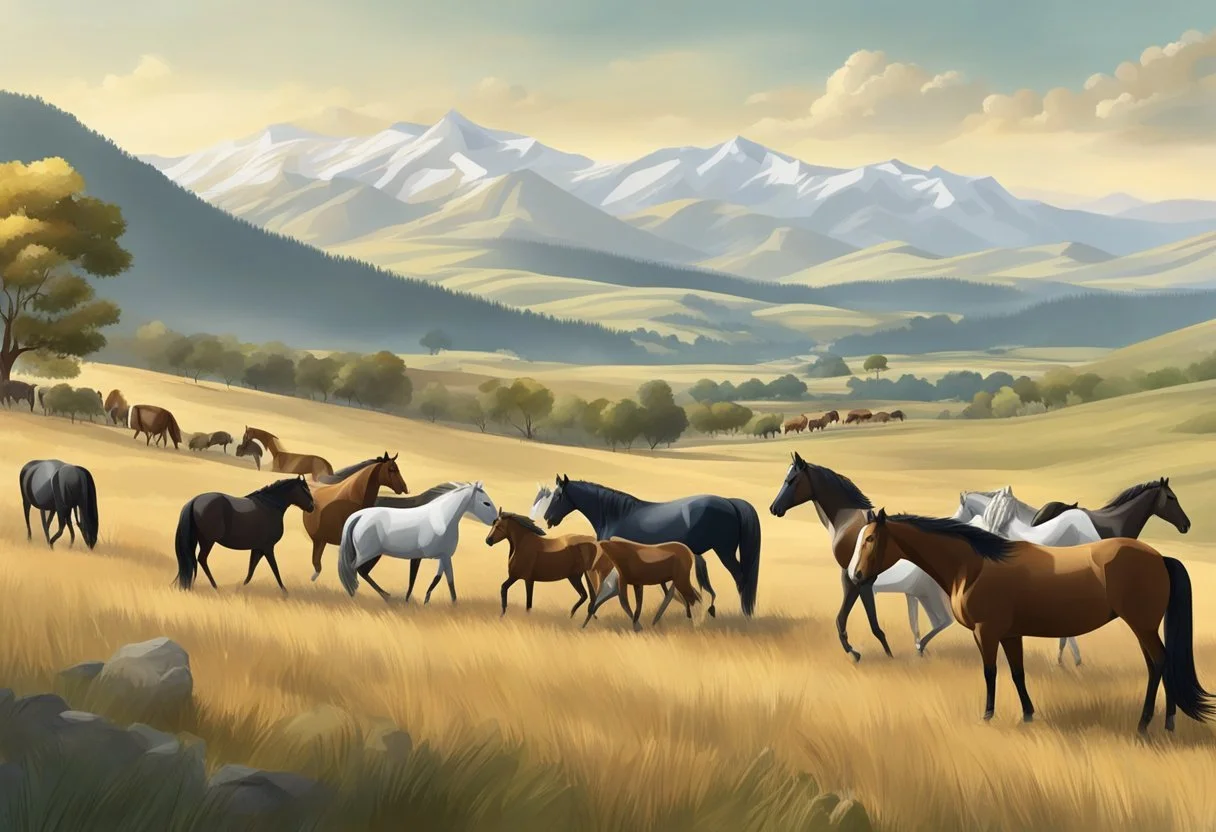
The migration of horses and livestock from Yellowstone to Texas involves complex logistical operations and follows established transportation corridors that have been refined over decades of ranching traditions.
Migration Patterns and Ranges
Horses and cattle from Yellowstone typically travel along three primary southern routes to reach Texas ranches. These established corridors follow historical cattle drives, though now utilizing modern transportation methods.
The eastern route passes through Wyoming and Colorado before entering the Texas Panhandle, covering approximately 1,200 miles. This path is favored during summer months when mountain passes are clear.
The central corridor cuts through Utah and New Mexico, entering Texas near El Paso. This 1,400-mile journey accommodates larger herds but faces challenges with desert terrain and water availability.
Seasonal Factors Affecting Migration:
Spring: Peak movement period (March-May)
Summer: Reduced transportation due to heat concerns
Fall: Secondary movement surge (September-October)
Winter: Minimal movement except for emergency relocations
Most livestock complete the journey within 3-5 days using specialized transport vehicles designed for long-distance animal welfare.
The Journey from Park to Pasture
The transition from Yellowstone to Texas ranches requires careful preparation and handling. Before departure, horses and cattle undergo veterinary inspections and receive necessary vaccinations to comply with interstate transport regulations.
Professional livestock transporters use specially designed trailers with ventilation systems, water access, and cushioned flooring. These vehicles typically travel in convoys with experienced handlers who monitor animal welfare throughout the journey.
Rest stops occur every 4-6 hours at designated facilities equipped to temporarily house livestock. These locations provide fresh water, feed, and veterinary services if needed.
Upon arrival in Texas, animals enter a 7-10 day acclimation period. This crucial phase allows them to adjust to the dramatic climate change from Yellowstone's alpine environment to Texas's warmer temperatures.
The transport logistics industry supporting this migration generates approximately $42 million annually and employs over 2,000 specialized workers across the western states.
The Future of Yellowstone's Horses and Livestock
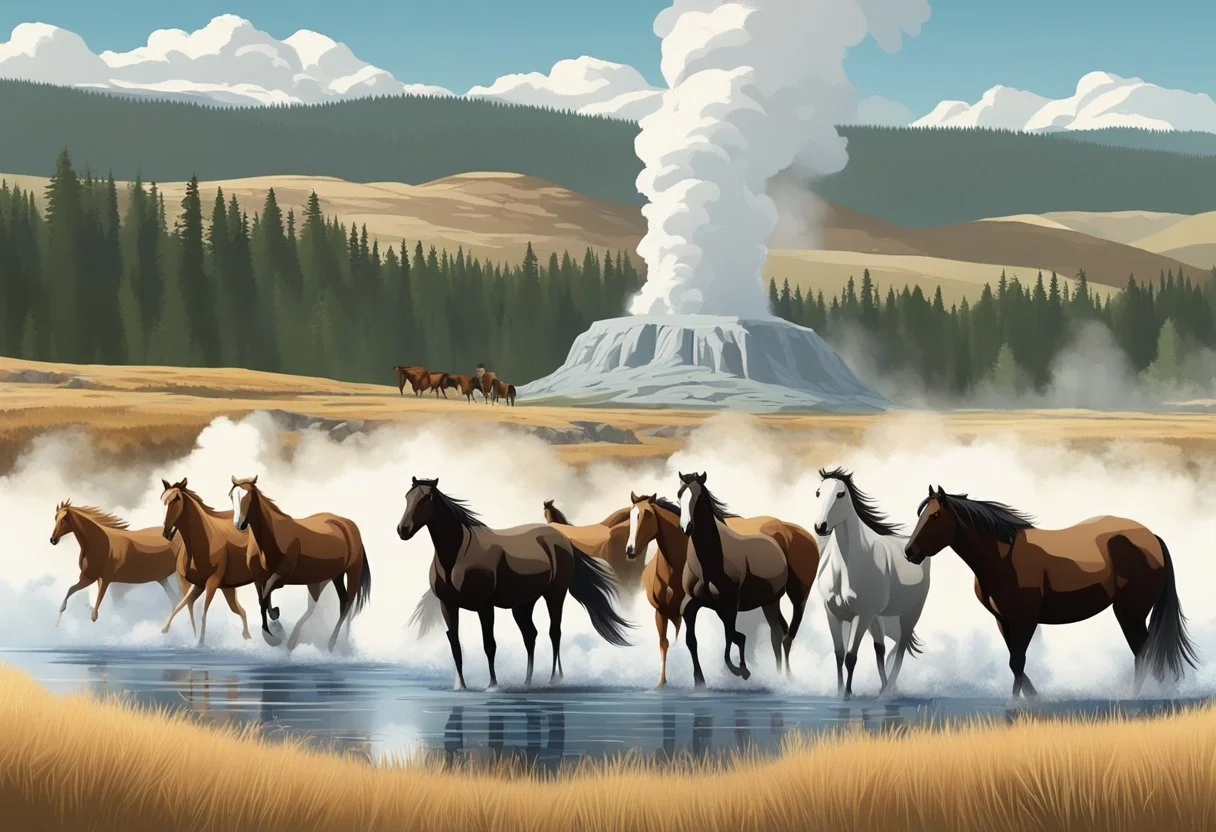
Yellowstone's relationship with horses and livestock continues to evolve as park management balances ecological preservation with historical heritage. The coming decades will likely bring significant changes in how these animals are managed within and around the park boundaries.
Predicting Population Trends
Horse populations in Yellowstone and surrounding areas are expected to remain stable but carefully controlled. Recent surveys indicate approximately 150-200 horses currently exist within the Greater Yellowstone Ecosystem, primarily as working animals for park operations and guided tours.
Cattle numbers in gateway communities will likely decrease by 15-20% over the next decade according to agricultural forecasts. This reduction stems from changing land use policies and economic pressures on ranching operations.
Wildlife biologists project that free-roaming livestock encounters within park boundaries will become increasingly rare as buffer zone management improves. The Park Service has implemented GPS tracking systems for both horses and cattle in adjacent areas to prevent unauthorized grazing.
Several regional ranches have transitioned to bison-based operations, reducing traditional cattle herds while capitalizing on the growing market for bison meat and tourism opportunities.
Innovations in Animal Management
Yellowstone officials have adopted several forward-thinking approaches to manage horses and livestock:
Virtual fencing technology using collar-mounted sensors
Remote health monitoring systems for working horses
Drone surveillance of boundary areas to detect unauthorized grazing
Specialized feed formulations that reduce environmental impact
These technological solutions allow for precise management while minimizing human intervention in sensitive areas. The park's horse program now emphasizes sustainable practices including certified organic feed and improved waste management systems.
Research partnerships between Yellowstone and agricultural institutions have yielded promising developments in livestock management. Studies on low-impact grazing patterns help ranchers in gateway communities maintain viable operations while protecting the ecosystem.
Climate change projections have prompted park managers to develop contingency plans for both horses and livestock during extreme weather events or natural disasters.
