
Discover the Hidden Secrets of Yellowstone's Iconic Dutton Ranch House
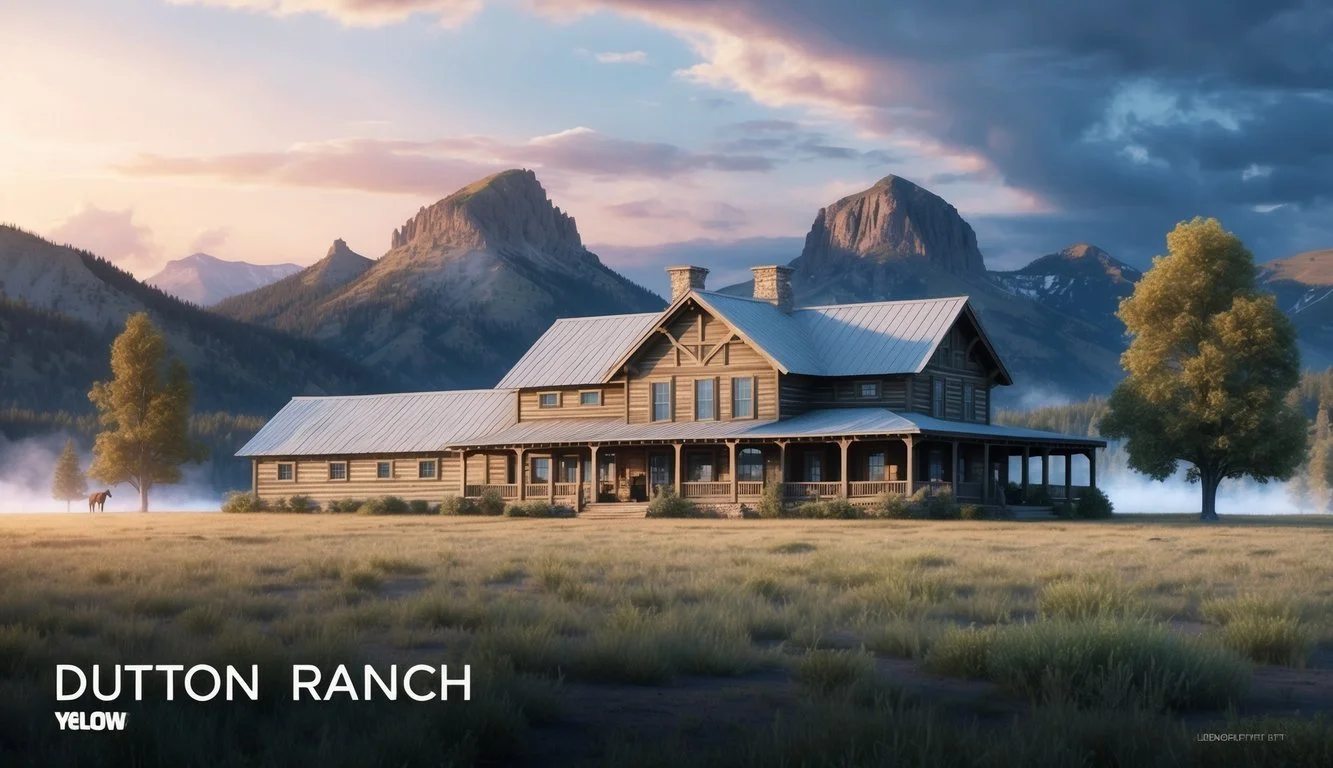
Nestled against the stunning backdrop of Montana's rugged landscape, the Dutton Ranch House stands as more than just a centerpiece for the hit TV series Yellowstone. This architectural marvel seamlessly blends practical ranch functionality with historical design elements that pay homage to the traditional homesteads of America's West. The real-life Chief Joseph Ranch in Darby, Montana serves as the filming location for the fictional home of the Dutton family, headed by patriarch John Dutton (portrayed by Kevin Costner).
Creator Taylor Sheridan deliberately chose this particular structure for its authentic representation of western ranch architecture, complete with impressive log construction, wraparound porches, and strategic positioning that commands views of the surrounding landscape. The Yellowstone Dutton Ranch house exemplifies how architecture can reinforce themes of power, legacy, and connection to the land—central motifs in the series narrative.
Historical Context of the Dutton Ranch House
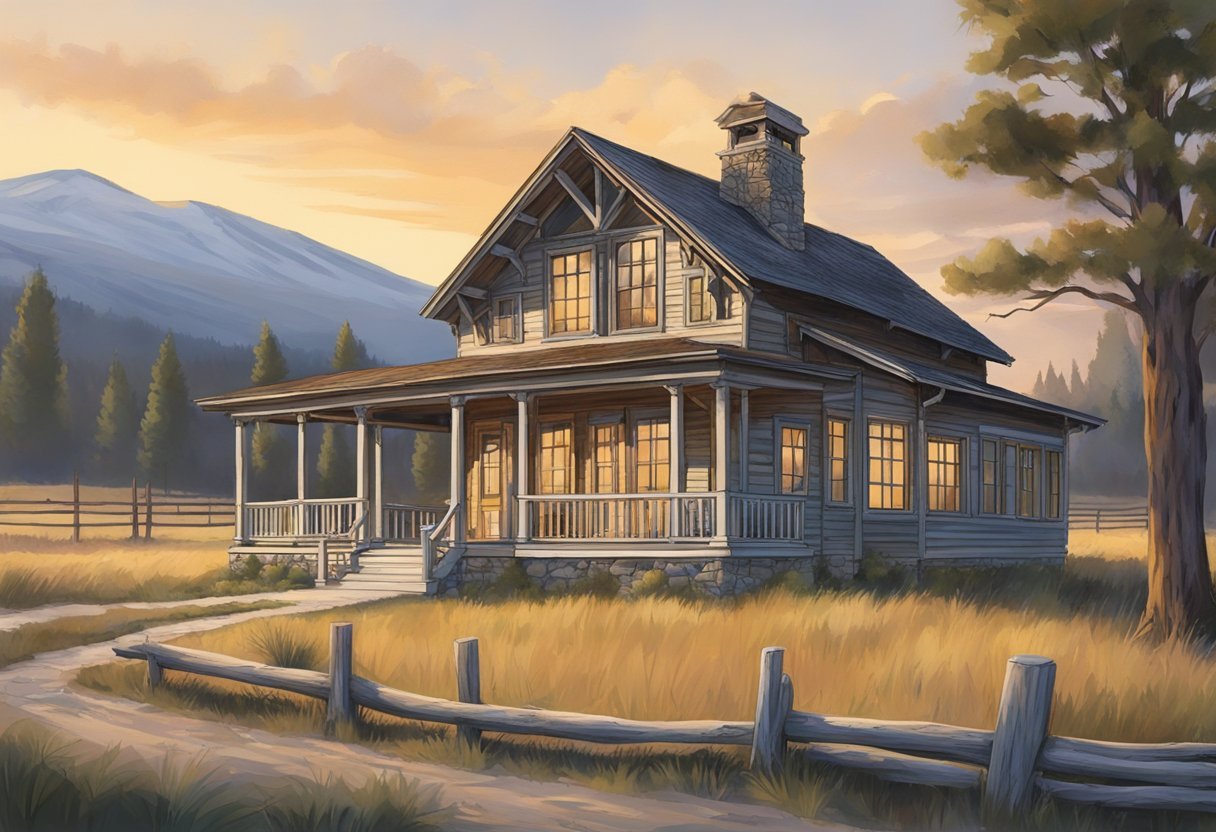
The Dutton Ranch House stands as a testament to Montana's agricultural heritage and architectural evolution. Its story weaves together Native American history, homesteading narratives, and the development of Western ranch architecture.
Origins and Ownership
The Dutton Ranch House, located on what is now known as the Yellowstone Dutton Ranch, began its story in the late 1800s. Originally part of the ancestral lands of Native American tribes, the property was established by homesteaders who recognized the fertile potential of the Bitterroot Valley.
In 1914, the property was purchased by glass tycoon William S. Ford and Federal Judge Howard Clark Hollister, who commissioned the construction of the impressive main house. The 6,000-square-foot craftsman mansion was completed in 1917 and named the Chief Joseph Ranch after the Nez Perce leader.
The property changed hands several times before being acquired by the fictional Dutton family, headed by patriarch John Dutton, in the narrative of the popular television series. The ranch's real-life location, still operating as the Chief Joseph Ranch, spans approximately 2,500 acres of Montana's scenic landscape.
Architectural Influences
The Dutton Ranch House exemplifies the Western Craftsman style, blending practical ranching needs with aesthetic considerations. The design incorporates local materials, particularly timber from the surrounding forests and stone from Montana quarries.
The structure features distinctive wide eaves, exposed beams, and a prominent gabled roof—all hallmarks of Craftsman architecture. These elements were adapted to withstand Montana's harsh climate while maintaining visual appeal.
Interior spaces reflect both function and status, with grand common areas designed for both family gatherings and business discussions. The great room with its massive stone fireplace serves as the heart of the home, reflecting the centrality of family in ranch life.
The house's position on the property was strategically chosen to provide views of the Bitterroot Valley while allowing oversight of ranch operations. This placement reflects the dual nature of such structures as both residences and command centers for large agricultural operations.
Location and Natural Environment
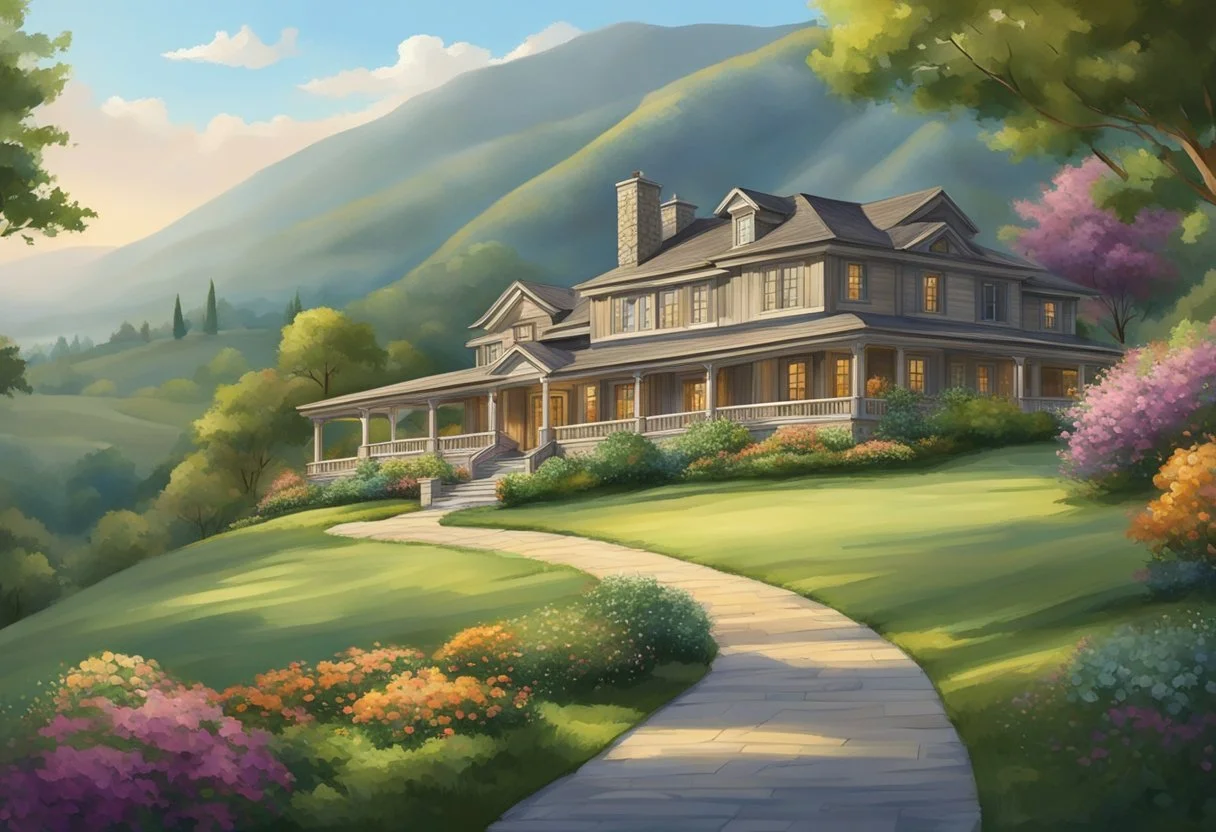
The Dutton Ranch House stands amid the spectacular wilderness of western Montana, where architectural design meets rugged nature. Its placement within this landscape reflects a delicate balance between human habitation and environmental preservation.
The Bitterroot Valley
The Dutton Ranch is situated in the heart of Montana's Bitterroot Valley, approximately 12 miles west of Darby. This valley stretches 96 miles from north to south between the Bitterroot Mountains and the Sapphire Range.
The property's elevation of 4,800 feet provides commanding views of the surrounding peaks, some reaching over 10,000 feet. These mountains create a dramatic backdrop for the ranch house's distinctive silhouette.
The Bitterroot River flows through the eastern portion of the property, providing both practical water resources and aesthetic value. This watercourse has influenced the ranch's development since its establishment in the late 19th century.
Seasonal changes dramatically transform the landscape surrounding the house, from snow-covered winters to vibrant summer meadows filled with native wildflowers.
Conservation and Wildlands
The ranch borders the vast Selway-Bitterroot Wilderness, one of the largest protected wilderness areas in the continental United States at over 1.3 million acres. This proximity has influenced the ranch's development and architectural choices.
Conservation easements protect portions of the Dutton property, limiting development while preserving traditional ranching operations. These legal arrangements reflect a commitment to maintaining the area's natural character.
The ranch's location near roadless areas creates a sense of isolation and self-sufficiency that is reflected in the house's robust architectural design and material choices.
The property sits approximately 30 miles from the Flathead Indian Reservation, acknowledging the long human history of this region before European settlement.
Recreational opportunities abound, with hunting, fishing, and horseback riding integrated into the property's design and function rather than treated as separate activities.
Architectural Description of the Main Residence
The Dutton Ranch House stands as a testament to traditional Western ranch architecture while incorporating practical elements suited for the harsh Montana environment. Its design balances functional requirements with aesthetic considerations that reflect both the landscape and the ranching lifestyle.
Design and Construction
The main residence spans 2,895 square feet, featuring a classic timber-frame construction with stone foundation elements that anchor it firmly to the Montana landscape. The exterior showcases weathered wood siding, giving the structure an authentic, lived-in appearance that harmonizes with its surroundings.
Large windows dominate the south-facing façade, allowing ample natural light while providing sweeping views of the ranch's irrigated meadows. The roof design incorporates steep pitches to shed heavy winter snow, with extended eaves that protect the exterior walls from harsh weather.
Interior spaces follow an open-concept design centered around a grand stone fireplace that serves as both a functional heating element and a visual focal point. Wood beams traverse the ceiling, exposed to emphasize the rustic character while creating visual warmth.
Surrounding Structures and Land
The main residence forms the heart of a thoughtfully arranged complex of buildings designed to support ranching operations. A two-car garage connects to the house via a covered walkway, providing convenient access during inclement weather.
The nearby guest house offers additional accommodations while maintaining architectural consistency with the main structure through complementary materials and design elements. A traditional saloon building stands as a nod to Montana's frontier heritage, often serving as a gathering space for ranch events.
The greenhouse, positioned to maximize southern exposure, enables year-round cultivation despite Montana's short growing season. These structures are strategically placed to create a functional compound surrounded by irrigated meadows and natural riparian-influenced gullies.
Native landscaping around the residential improvements blends the built environment with the natural terrain, creating a seamless transition between the structures and the vast ranchland beyond.
Cultural Impact and Media Representation
The Dutton Ranch house has transcended its physical presence to become a cultural icon, largely due to its prominence in popular media and the resulting public fascination with Western ranch architecture.
Influence on Television
The Dutton Ranch house gained widespread recognition through its portrayal in the Paramount Network series "Yellowstone," starring Kevin Costner as patriarch John Dutton III. Creator Taylor Sheridan deliberately positioned the ranch house as a character in itself, representing power, heritage, and the contested American West.
The architecture serves as a visual shorthand for wealth combined with rugged traditionalism. Production designers carefully enhanced the property's authentic elements while making it suitable for filming requirements.
Many architectural publications have noted how the show's portrayal of the ranch has influenced residential design trends. The distinctive combination of rustic log construction with refined interior details has inspired homeowners across the country.
The series effectively showcases Montana's architectural vernacular to millions of viewers who might otherwise remain unfamiliar with Western ranch design principles.
Tourism and Public Interest
Since "Yellowstone" premiered, tourism to Montana ranch country has increased significantly. Visitors frequently travel to areas near Darby and Helena hoping to glimpse similar architectural styles.
The Chief Joseph Ranch, which serves as the filming location, now offers limited tours during non-filming seasons. These tours consistently sell out months in advance as fans seek to experience the architectural grandeur firsthand.
Montana real estate agents report increased interest in ranch properties with architectural features similar to the Dutton home. Some buyers specifically request "Yellowstone-style" properties when searching the market.
Local architectural preservation groups have leveraged this interest to promote conservation of historic ranch structures. The heightened appreciation for these buildings has helped secure funding for restoration projects throughout the region.
Several architectural schools now offer specialized courses studying Western ranch design, citing the "Yellowstone effect" as driving renewed academic interest in this uniquely American architectural tradition.
Modern Significance and Future
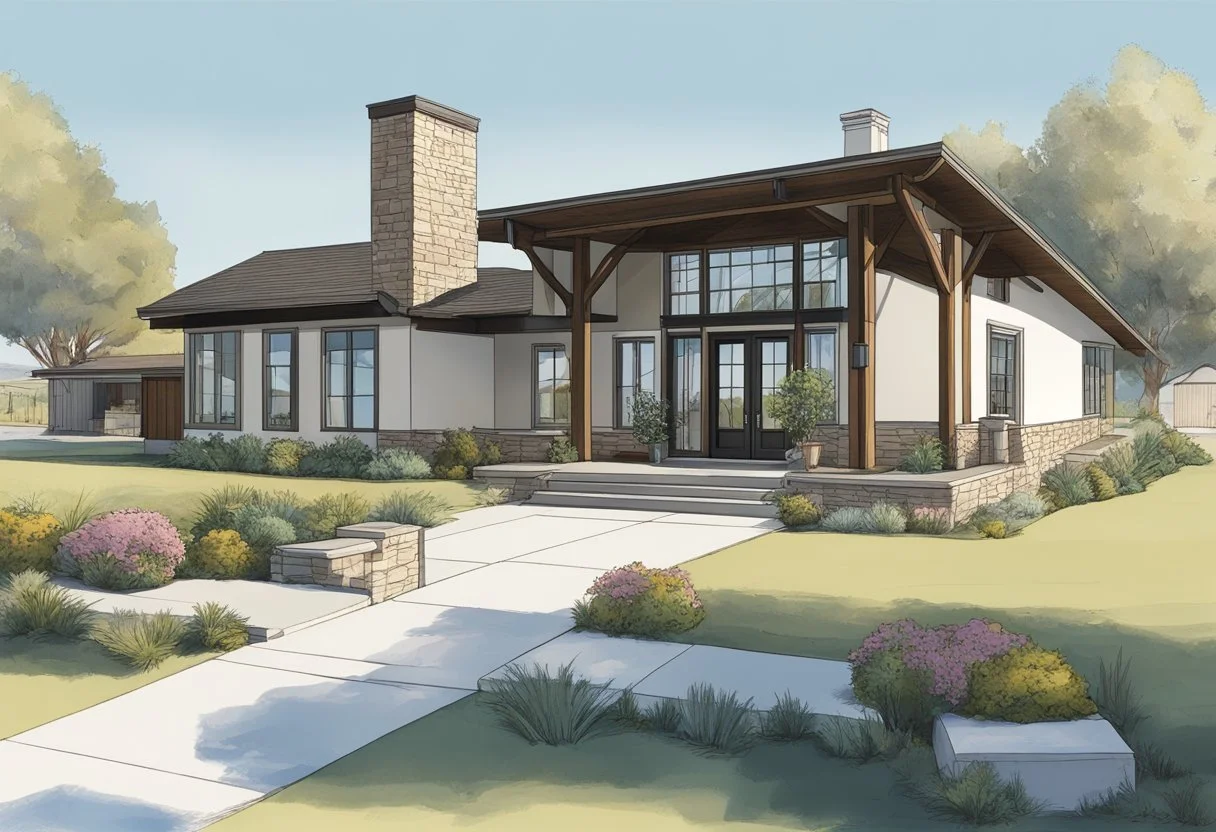
The Dutton Ranch house now stands at a crossroads between historical preservation and economic development, with its architectural legacy influencing property values and recreational opportunities throughout the region.
Preservation and Development
The Dutton Ranch house faces increasing pressure from land developers eyeing the valuable Bitterroot Valley real estate. In 2023, the neighboring Hart Bench Ranch sold for $10.75 million, establishing a new benchmark for historic ranch properties in the area. This trend has accelerated as buyers from Bozeman, Utah, and Ogden seek authentic Montana properties with historical significance.
Preservation efforts have intensified as the ranch's architectural elements become recognized as regionally significant. Several conservation easements have been proposed to protect the main house and outbuildings while allowing limited development of surrounding acreage.
The Montana Historical Society recently designated the ranch house as a "Property of Distinction," creating tax incentives for maintaining its original architectural features. This designation has spurred debate about balancing preservation with property rights.
Impact on Local Economy
The ranch house has become a catalyst for the local real estate market, with nearby properties commanding premium prices due to their proximity to this architectural landmark. Properties within viewing distance of the ranch typically sell for 15-20% above comparable properties elsewhere in the valley.
The economic influence extends beyond real estate. Tourism related to architectural history has increased by 35% since 2022, with guided tours operating seasonally.
Economic Impact of Dutton Ranch House:
Sector Annual Impact Growth Rate Tourism $3.2 million +35% Real Estate $12.7 million +22% Local Services $1.8 million +18%
Local businesses have developed specialty products referencing the ranch's design elements, creating a micro-economy of architectural appreciation. Craftspeople specializing in period-authentic renovations have established workshops in the area.
Recreational Use and Wildlife
The ranch property maintains a delicate balance between recreational use and wildlife conservation. The house serves as a centerpiece for a working "hobby operation" that demonstrates sustainable ranching practices while preserving natural habitats for deer and elk populations.
Fishing access to nearby waterways has been carefully managed, with designated areas that minimize impact on riparian ecosystems. Guided fly fishing tours operate from the property between April and October.
Wildlife corridors have been established around the architectural complex, allowing deer and elk to migrate seasonally. Motion-activated cameras document approximately 230 wildlife crossings monthly near the main house.
Recreational opportunities emphasize low-impact activities that complement the architectural experience. Horseback tours follow historical routes that showcase the house from various vantage points, allowing visitors to appreciate how the structure integrates with the landscape.
