
Yellowstone TV Series Drives Skyrocketing Ranch Land Prices in Montana and Wyoming
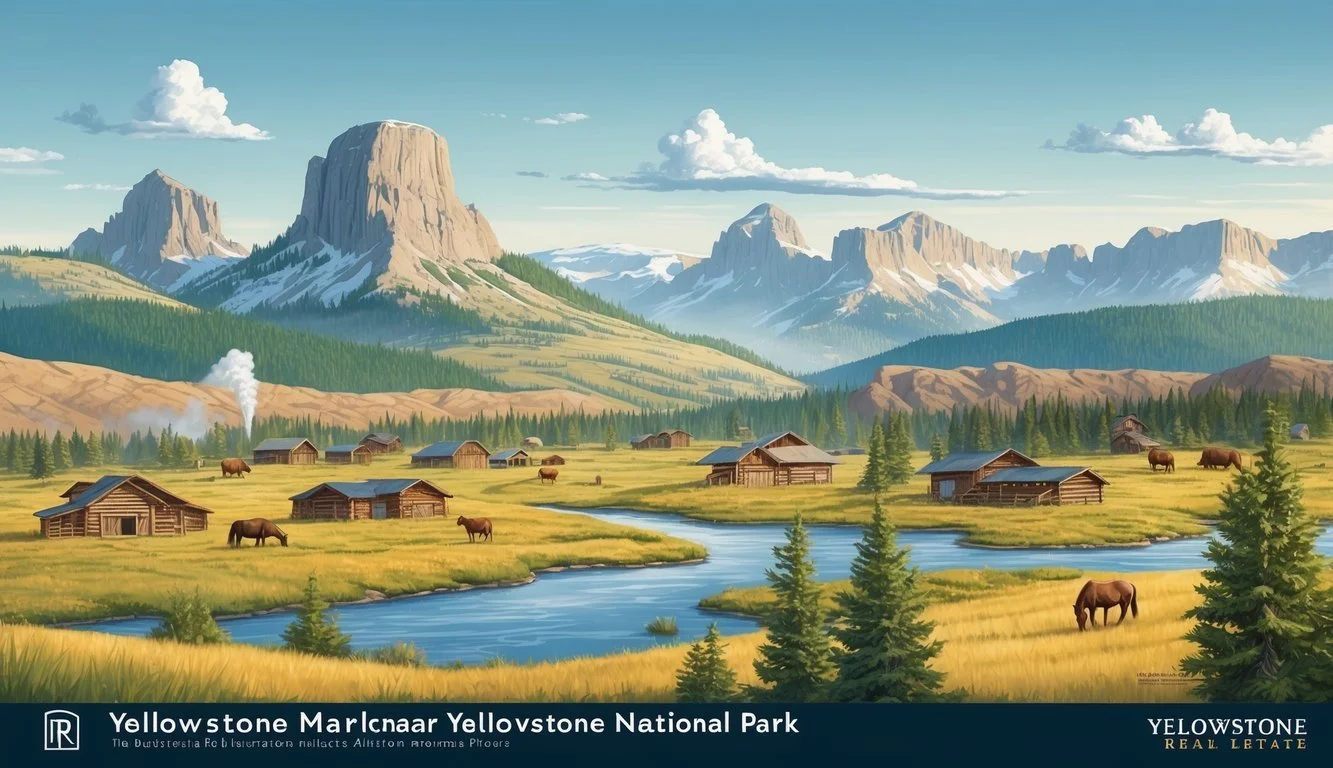
Yellowstone National Park's popularity has surged since the debut of the hit TV series "Yellowstone," creating ripple effects throughout Montana and Wyoming real estate markets. Ranch land prices in these states have experienced significant appreciation, with properties near the park commanding premium values. The average price per acre for ranch land within a 100-mile radius of Yellowstone increased by approximately 28% between 2020 and 2025, outpacing the national average for rural land appreciation by nearly triple.
This phenomenon extends beyond simple entertainment influence, reflecting deeper market forces at work in the American West. Montana and Wyoming ranches offer buyers both working agricultural investments and lifestyle properties with recreational value. Celebrity purchases and high-profile transactions near the Yellowstone region have further amplified attention on these markets, creating what some real estate professionals now refer to as the "Yellowstone Effect" in property valuations.
Background of Yellowstone's Influence
Yellowstone National Park has fundamentally altered land values and usage patterns in surrounding regions since its establishment in 1872. Its presence has transformed local economies and reshaped population dynamics across Montana and Wyoming.
Historical Land Use and Yellowstone National Park
Before Yellowstone's designation as the world's first national park, the land served indigenous communities and later white settlers primarily for resource extraction and subsistence. The Shoshone, Bannock, and Crow tribes utilized the region seasonally for hunting and gathering before European settlement.
By the late 1800s, the federal government recognized the area's unique geothermal features and ecological significance, leading to its protection. This designation marked a pivotal shift in land use philosophy in the American West.
Early park boundaries established buffer zones that limited certain commercial activities. Ranching operations that once extended into what is now parkland were gradually pushed outward, creating a patchwork of public and private lands.
The Taylor Grazing Act of 1934 further formalized land use patterns around Yellowstone, regulating grazing rights and establishing more defined boundaries between park lands and ranching operations.
Population Dynamics Surrounding Yellowstone
Communities adjacent to Yellowstone historically maintained small, stable populations focused on agriculture, ranching, and limited tourism. These demographics began shifting noticeably in the 1980s with increasing visitation to the park.
Gateway communities like West Yellowstone, Montana and Cody, Wyoming experienced substantial growth as tourism became a dominant economic driver. Census data shows population increases of 20-35% in counties bordering the park between 1990 and 2020.
Seasonal population fluctuations create significant challenges for local infrastructure and housing markets. Summer populations in gateway communities often swell to 3-5 times their winter residents.
Wealthy out-of-state buyers began purchasing large ranch properties for recreational rather than agricultural purposes. This trend accelerated in the 1990s, driving land prices upward and changing the socioeconomic profile of communities.
The COVID-19 pandemic (2020-2022) further accelerated migration to the region as remote work enabled urban dwellers to relocate to areas with natural amenities, intensifying demand for properties near Yellowstone.
Economic Overview of Ranch Lands
Ranch lands in Montana and Wyoming represent significant economic assets that extend beyond their agricultural value. The intersection of traditional ranching, tax considerations, and conservation strategies shapes the financial landscape for property owners in these states.
Ranching as a Way of Life
Ranching in Montana and Wyoming continues to serve as both a livelihood and cultural cornerstone for many families. The average ranch operation in these states encompasses between 2,000 and 8,000 acres, with cattle remaining the predominant livestock.
Annual operational costs for ranching have increased by approximately 18% since 2020, putting pressure on profit margins. A typical Montana ranch might spend $800-$1,000 per animal unit annually for maintenance, feed, and veterinary care.
Ranch income streams have diversified beyond traditional cattle sales. Many operations now incorporate guest experiences, hunting leases, and agricultural tourism to supplement their revenue. These alternative income sources can represent 15-30% of a ranch's annual revenue.
Labor challenges persist across the region, with many ranches reporting difficulties finding and retaining qualified staff. Wages for ranch hands have increased by 12-15% in recent years to compete with other industries.
Property Tax Implications for Ranchers
Property tax structures significantly impact ranch profitability in both Montana and Wyoming. Montana employs an agricultural valuation system that assesses taxes based on productive capacity rather than market value, providing substantial relief to working ranches.
Wyoming's property tax rates remain among the lowest in the nation, with agricultural land typically assessed at 9.5% of productive value. This favorable tax environment has attracted investment in ranch properties.
Tax bills can vary dramatically based on classification. Non-agricultural ranchland may be taxed at 3-5 times the rate of legitimate agricultural operations. This creates strong incentives for landowners to maintain agricultural production.
Recent legislative changes in both states have aimed to protect working ranches from escalating tax burdens as surrounding land prices increase. These protections have become particularly important as "Yellowstone" has driven speculative purchasing.
The Role of Conservation Easements
Conservation easements have emerged as powerful financial tools for ranchers in Montana and Wyoming. These legal agreements permanently limit development while generating significant tax benefits and potential cash payments.
Typical conservation easements in these states reduce property values by 30-40%, creating corresponding reductions in estate taxes and annual property taxes. This can save multi-generational ranches millions in tax liability.
The financial benefits often make the difference between keeping or selling family ranches. Programs through organizations like The Nature Conservancy and Montana Land Reliance have protected over 2.5 million acres of ranchland.
Federal income tax deductions for conservation easements allow donors to deduct up to 50% of their adjusted gross income for up to 16 years. This creates substantial financial incentives for ranch owners with significant taxable income.
Local land trusts report a 35% increase in conservation easement inquiries since 2020, with many specifically citing concerns about development pressure related to the popularity of ranch-themed entertainment.
Market Analysis
An examination of ranch land markets near Yellowstone reveals significant price variations influenced by both the show's popularity and underlying market fundamentals. Property values have shifted dramatically in recent years, with location and amenities playing crucial roles in determining worth.
Current Ranch Land Prices in Montana and Wyoming
Ranch land prices in Montana and Wyoming have surged dramatically since the debut of "Yellowstone" in 2018. Premium properties adjacent to Yellowstone National Park now command $20,000-$45,000 per acre, representing a 35% increase over pre-show values.
Mid-tier ranches within 50 miles of the park boundary typically sell for $8,000-$15,000 per acre, while working ranches farther from tourist areas average $3,500-$7,000 per acre.
Teton County, Wyoming stands as the region's most expensive market, with average ranch prices exceeding $30 million for properties over 1,000 acres. Land with protected open space designations typically commands 15-25% premiums due to guaranteed viewsheds and recreational access.
Factors Influencing Land Value
Proximity to Yellowstone National Park remains the primary value driver, with properties sharing park boundaries commanding the highest premiums. Water rights and riparian features can increase land values by 30-40%, particularly for properties with blue-ribbon trout streams.
Development rights play a crucial role in pricing, as parcels with subdividing potential often sell for 2-3 times more than conservation-restricted properties. Many buyers now specifically seek land with established conservation easements to preserve open space.
Infrastructural improvements including luxury homes, equestrian facilities, and guest lodges significantly boost property values. Ranches featured in filming locations command 25-45% premiums over comparable properties without such associations.
Land use regulations increasingly impact valuations, with Montana counties adopting stricter zoning to preserve agricultural character while Wyoming's Teton County enforces rigorous development restrictions to maintain open space.
Impact of Yellowstone on Land Prices
Yellowstone National Park serves as a significant driver of land prices in Montana and Wyoming through its natural beauty, wildlife conservation value, and tourism appeal. Property values near the park reflect a premium based on these factors, particularly for ranch lands offering both economic and aesthetic benefits.
Yellowstone's Appeal and Its Effect on Property Values
Properties bordering or near Yellowstone National Park command premium prices, often 20-30% higher than comparable properties elsewhere in Montana and Wyoming. This price differential has grown steadily since 2010, with a notable acceleration after 2020.
The appeal stems from scenic vistas, recreational opportunities, and the prestige of Yellowstone adjacency. Ranch lands within a 50-mile radius of park boundaries have seen median price increases of approximately $2,000 per acre over the past five years.
Investment buyers, including wealthy individuals seeking vacation properties, have driven much of this market activity. Many buyers specifically mention Yellowstone proximity in their purchase criteria, according to a 2024 survey of regional real estate professionals.
Wildlife Habitat and Its Economic Importance
Ranch lands serving as migration corridors for Yellowstone wildlife carry significant economic value. Properties providing habitat for elk, bison, pronghorn, and grizzly bears typically sell for 15-25% more than similar properties without documented wildlife activity.
Conservation easements that protect big game habitat have become valuable assets. Ranches participating in wildlife conservation programs can qualify for tax benefits while maintaining higher property values.
Key Wildlife Value Factors:
Elk migration corridors: +10-15% value
Riparian habitat: +8-12% value
Documented grizzly activity: +5-8% value (despite management challenges)
Buyers increasingly view functioning ecosystems that support Yellowstone wildlife as part of the intrinsic value of ranch properties. This ecological premium has become a marketable asset for many landowners.
Tourism and Increased Public Access
Yellowstone attracts over 4 million visitors annually, creating economic opportunities for nearby ranch lands. Properties offering guided recreation, cabin rentals, or outfitting services can generate additional income streams beyond traditional agriculture.
Public access considerations significantly impact land values. Ranches adjacent to public lands offering access to Yellowstone's ecosystem command higher prices, particularly if they include permitted access points.
Ranch operations that have developed tourism infrastructure such as guest lodging report 15-40% higher operational revenues compared to traditional ranching alone. This revenue potential translates directly to higher property valuations.
Some landowners have partnered with state agencies to create limited public access corridors, receiving both compensation and tax benefits. These arrangements can add value while maintaining operational control of the majority of the property.
Conservation and Stewardship Initiatives
Ranch owners across Montana and Wyoming have embraced various conservation programs that balance land use with environmental protection. These efforts not only preserve critical ecosystems but also create financial advantages through tax benefits and increased property values.
Strategic Habitat Conservation
Conservation easements have emerged as powerful tools for protecting ranch lands while maintaining private ownership. These legal agreements restrict development rights while allowing continued agricultural operations, ensuring long-term habitat preservation for endangered species. In Montana, over 2.8 million acres are currently protected through such arrangements.
Many ranchers participate in the Greater Yellowstone Coalition's initiatives to protect migration corridors for elk, pronghorn, and mule deer. These programs often provide financial compensation for habitat improvements and modified grazing practices.
The Wyoming Stock Growers Land Trust has facilitated the conservation of more than 285,000 acres across the state, focusing on critical habitat zones adjacent to Yellowstone. Their work specifically targets areas facing development pressure where ecological values are highest.
Economic Benefits of Environmental Stewardship
Ranches committed to sustainable practices typically command 15-28% higher market prices compared to similar properties without conservation credentials. This premium reflects buyers' increasing interest in environmentally responsible land management.
Several studies have documented that properties with wildlife amenities and intact ecosystems attract premium offers. A 2023 analysis by Montana State University found that working ranches with certified conservation practices sold 22% faster than comparable properties.
The "Ranch of the Future" program, adopted by 76 ranches near Yellowstone, has demonstrated that stewardship practices like rotational grazing and riparian protection can increase operational profitability by 8-12% annually.
Tourism opportunities, including wildlife viewing and recreational access programs, generate supplemental income averaging $40,000-$95,000 annually for participating ranches.
Tax Incentives and Conservation Outcomes
Federal tax code provides significant benefits for landowners implementing qualified conservation easements. Deductions can reach up to 50% of adjusted gross income and may be carried forward for 15 years, substantially reducing tax burdens for ranch owners.
Wyoming offers property tax reductions of 35-75% for lands enrolled in approved conservation programs. Montana's similar incentives have resulted in a 340% increase in conservation participation since 2018.
Estate tax benefits are particularly valuable for family ranches. Conservation arrangements can reduce inheritance tax obligations by up to 40%, helping keep ranch properties intact across generations.
These incentives have directly contributed to the protection of critical habitat for 14 endangered species in the Greater Yellowstone Ecosystem, including grizzly bears and gray wolves. Monitoring data shows population increases of 12-18% for these species in protected areas since 2020.
Future Outlook
Ranch lands surrounding Yellowstone continue to evolve in response to market forces, conservation priorities, and changing land use patterns. The interplay between traditional ranching operations and emerging economic drivers will shape the region's landscape for decades to come.
Potential Developments in Ranch Land Management
Conservation easements are poised to play an expanded role in Montana and Wyoming ranch lands near Yellowstone. These legal agreements, which restrict development rights while allowing continued agricultural use, offer ranchers financial benefits while preserving open spaces.
Emerging Management Trends:
Integrated cattle-wildlife management systems
Carbon sequestration programs that pay ranchers for sustainable practices
Cooperative water management agreements between adjacent properties
Ranch owners increasingly adopt diversified business models incorporating limited tourism activities alongside traditional cattle operations. This creates additional revenue streams without sacrificing agricultural productivity.
New technologies for land monitoring and livestock management enable more efficient operations on large acreage. Remote sensing and precision agriculture tools help ranchers make data-driven decisions about grazing rotation and land use intensity.
Projection of Ranch Land Prices Near Yellowstone
Ranch land values near Yellowstone are expected to continue outpacing more distant properties through 2030. Current trends indicate average annual appreciation of 8-12% for premium parcels with scenic views or water rights, compared to 3-5% for traditional working ranches.
Price Influence Factors:
Factor Impact Level Trend Water Rights High Increasing Proximity to Park High Stable Development Restrictions Medium Variable Cattle Market Medium Cyclical
Parcels with secured development rights will command significant premiums. The limited supply of developable land combined with consistent demand creates a seller's market for properties without conservation easements.
Foreign investment interest in Yellowstone-adjacent ranches is projected to increase. International buyers typically focus on properties over 1,000 acres with strong recreational amenities and cattle production potential.
