
Experience Yellowstone's Wonders Through Cutting-Edge Virtual Reality
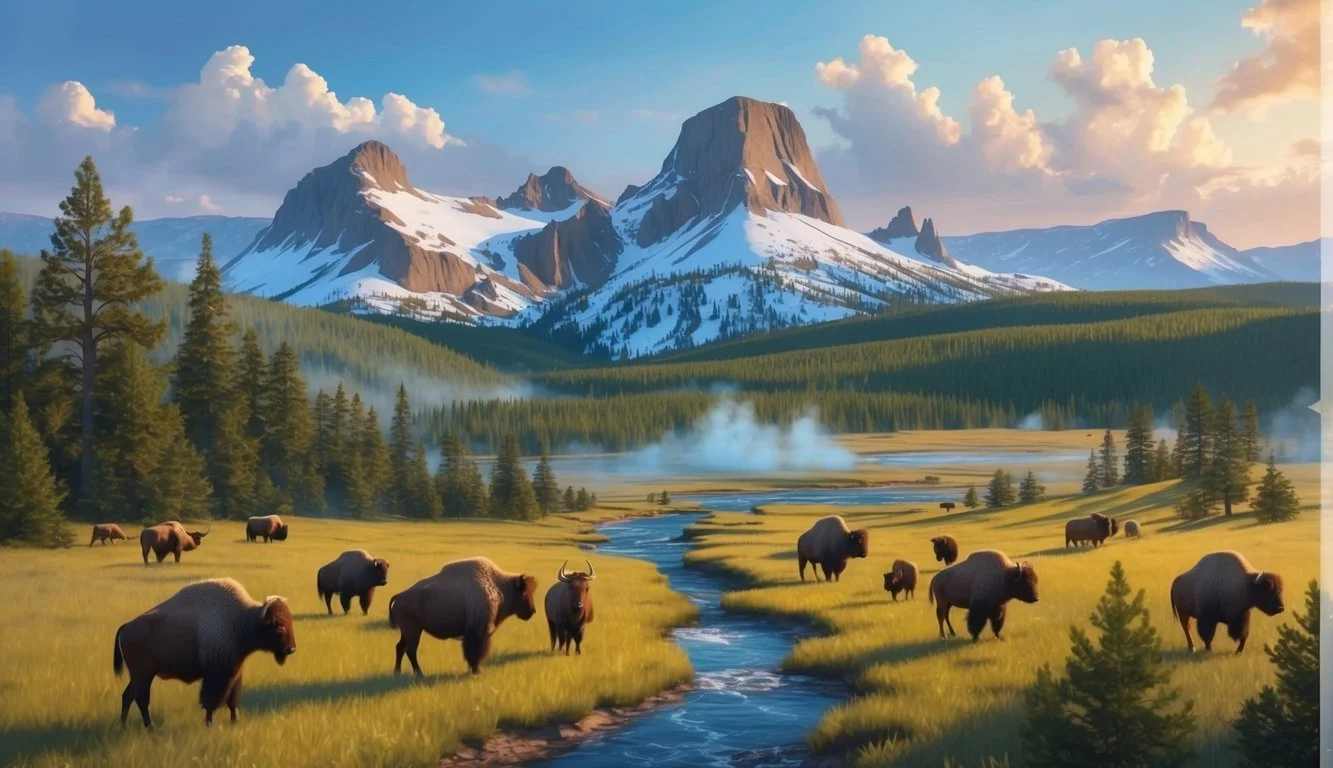
The majestic landscapes of Yellowstone National Park have captivated visitors for generations, but increasing visitor numbers and environmental concerns have created new challenges for conservation efforts. Innovative virtual reality technology now offers a solution that balances accessibility with preservation.
Virtual Reality Ranch transforms the Yellowstone experience by creating immersive digital environments that allow people worldwide to explore the park's wonders without contributing to overcrowding or ecological impact. These digital experiences capture everything from the thunderous eruptions of Old Faithful to the delicate ecosystems of remote backcountry areas that few visitors ever see in person.
Conservation experts and technologists have partnered to ensure these virtual experiences remain authentic while serving as educational tools that foster greater appreciation for America's first national park. The project combines high-definition photography, binaural audio recordings, and interactive elements that respond to user choices, creating a personalized journey through Yellowstone's diverse terrains.
The Evolution of Virtual Reality
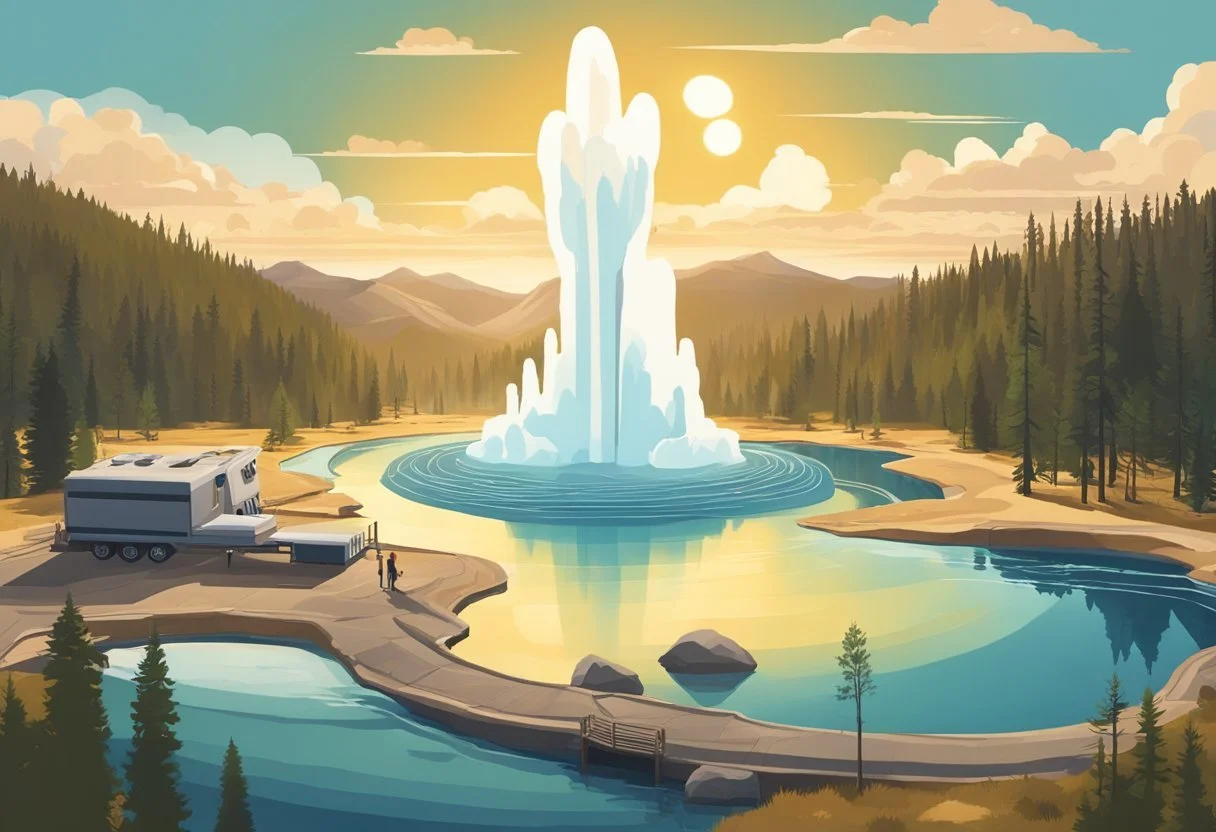
Virtual reality technology has transformed from theoretical concept to practical application over several decades, revolutionizing how we experience remote environments like Yellowstone National Park. This evolution represents a remarkable journey of technological innovation that has particularly impacted tourism and environmental preservation.
From Science Fiction to Tourist Attraction
Virtual reality first appeared as a concept in science fiction literature and films, inspiring technologists to create immersive digital worlds. The term "virtual reality" was popularized in the 1980s by computer scientist Jaron Lanier, founder of VPL Research, one of the first companies to develop VR products.
By the 1990s, primitive VR systems began appearing in arcades and entertainment centers, offering limited but novel experiences. These early systems featured bulky headsets and rudimentary graphics that could barely replicate real-world environments.
The transition from novelty to practical tourism tool occurred in the early 2010s as technology advanced sufficiently to create convincing natural environments. Tourism destinations like Yellowstone began exploring VR as both a marketing tool and an alternative experience for those unable to visit in person.
Technological Milestones in Virtual Reality Development
The VR industry has achieved several critical breakthroughs that enabled today's Yellowstone virtual experiences. Resolution improvements have progressed from pixelated landscapes to photorealistic renderings that capture minute details of geysers, wildlife, and terrain.
Key Technical Advances:
Increased display resolution (from 640×480 to 4K per eye)
Wider field of view (from 90° to nearly 180°)
Motion tracking precision (sub-millimeter accuracy)
Haptic feedback systems that simulate physical sensations
Processing power advances have enabled real-time rendering of complex natural environments with accurate physics. Modern VR systems incorporate spatial audio technology that reproduces the sounds of bubbling geothermal features and distant wildlife calls with directional accuracy.
The Impact of Virtual Reality on Tourism
VR has fundamentally changed how people engage with destinations like Yellowstone by offering preview experiences that drive interest in physical visits. Research indicates that virtual tours often increase rather than decrease desire to experience attractions in person.
For visitors with mobility limitations, VR provides unprecedented access to remote backcountry locations previously inaccessible. Conservation efforts benefit as VR can redirect foot traffic from delicate ecosystems while still providing educational experiences.
Tourism operators have integrated VR throughout the visitor journey—from pre-trip planning to post-visit souvenirs that can be revisited at home. This technology has proven particularly valuable during park closures due to natural disasters, pandemics, or seasonal limitations.
The economic impact has been substantial, creating new revenue streams for parks and surrounding communities through virtual ticket sales and special digital experiences.
Yellowstone National Park: A Historical Overview
Yellowstone National Park stands as America's first national park, a testament to the nation's commitment to preserving natural wonders. Its rich history spans over a century of conservation efforts, scientific discoveries, and evolving management practices.
The Founding of Yellowstone National Park in 1872
On March 1, 1872, President Ulysses S. Grant signed the Yellowstone National Park Protection Act, establishing the world's first national park. This groundbreaking legislation set aside 2.2 million acres of public land "for the benefit and enjoyment of the people."
The park's creation followed the Washburn-Langford-Doane Expedition of 1870, which documented the area's geothermal features and stunning landscapes. Ferdinand V. Hayden's subsequent geological survey in 1871 produced comprehensive scientific reports and photographs by William Henry Jackson that proved instrumental in convincing Congress to protect the area.
Early management fell to the U.S. Army from 1886 to 1918, addressing challenges like poaching and vandalism. The Army established Fort Yellowstone and implemented the first conservation regulations to protect the park's natural resources.
Significant Events in Yellowstone's History
The 1916 creation of the National Park Service marked a pivotal turning point in Yellowstone's management. This new agency brought professional stewardship and scientific approaches to park administration.
The devastating fires of 1988 burned approximately 36% of the park, challenging conventional wisdom about fire management. These events ultimately led to more nuanced fire policies based on ecological understanding rather than simple suppression.
Yellowstone's wolf reintroduction program in 1995 represented one of the most significant wildlife restoration efforts in American history. This initiative helped restore ecological balance by bringing back a keystone predator that had been eradicated from the ecosystem in the 1920s.
Tourism patterns have evolved dramatically, from 300 visitors in 1872 to over 4 million annually in recent years. This growth has required continuous adaptation in visitor management strategies.
The Role of 1944 in Yellowstone's Conservation Efforts
The year 1944 marked a crucial transition period for Yellowstone's conservation approach. During World War II, park visitation dropped significantly, allowing natural systems to recover from heavy pre-war tourism.
This period saw the implementation of new scientific research protocols that would form the foundation of modern conservation biology. Researchers began documenting wildlife populations systematically, establishing baseline data that remains valuable today.
In 1944, park management drafted the first comprehensive conservation plan incorporating ecological principles. This departure from earlier utilitarian approaches prioritized ecosystem health over merely preserving scenic views.
The Yellowstone Wildlife Monitoring Program, established during this era, continues to inform conservation decisions through long-term population studies of key species like bison, elk, and grizzly bears.
Virtual Reality and Conservation
The integration of virtual reality with conservation efforts represents a groundbreaking approach to environmental protection. VR technology enables people to experience natural wonders remotely while reducing physical impact on fragile ecosystems.
Preserving Nature Through Technological Means
Virtual reality serves as a powerful tool for conservation by creating digital alternatives to physical visitation. These immersive experiences can significantly reduce the ecological footprint caused by tourism at sensitive locations like Yellowstone National Park.
VR platforms allow visitors to "experience" geothermal features, wildlife habitats, and geological formations without contributing to trail erosion or wildlife disturbance. This technology proves especially valuable for protecting Yellowstone's unique landscapes such as fragile thermal areas and endangered species habitats.
Conservation organizations have begun utilizing VR to document ecosystems in their current state, creating digital time capsules that preserve natural areas in virtual form. These digital preserves may become invaluable as climate change alters these environments.
Case Studies: Virtual Reality in National Parks
Yellowstone National Park has implemented several successful VR initiatives to balance conservation with public engagement. The Yellowstone Virtual Field Trip program allows thousands of students to explore the park's biodiversity without leaving their classrooms.
Similarly, the Geyser Basin VR Tour provides visitors with mobility limitations access to areas they couldn't otherwise experience. This initiative has reduced foot traffic around sensitive thermal features while expanding accessibility.
Other national parks have followed suit:
Grand Canyon NP: Launched virtual hiking experiences to reduce trail congestion
Yosemite NP: Created VR wildlife watching programs to minimize human-animal encounters
Great Barrier Reef Marine Park: Developed underwater VR tours to protect coral ecosystems
These programs demonstrate how technology can satisfy visitor demand while advancing conservation goals.
The Future of Virtual Reality in Environmental Education
Environmental education stands to benefit tremendously from advances in VR technology. Researchers predict VR-based education will cultivate stronger emotional connections to natural places among younger generations.
New developments in haptic feedback and environmental modeling promise even more realistic experiences. Users might soon feel the spray of Old Faithful or experience the microclimates of Yellowstone's diverse ecosystems through their VR headsets.
Conservation scientists are exploring AI integration with VR to create predictive models of ecosystem changes. These tools could help visualize the potential impacts of climate change on Yellowstone's thermal features or wildlife migration patterns.
VR conservation programs are expanding to include citizen science components, allowing virtual visitors to contribute to real research by identifying wildlife or monitoring environmental changes in the digital space.
Experiencing Yellowstone Virtually
Virtual technology has revolutionized access to Yellowstone's natural wonders, allowing people worldwide to experience the park's geysers, wildlife, and landscapes from anywhere. These digital experiences combine cutting-edge visual technology with educational content to create immersive encounters that capture the essence of America's first national park.
Virtual Tours: Bringing the Park to the People
The Yellowstone Virtual Experience offers 360-degree panoramic views of iconic locations like Old Faithful, Grand Prismatic Spring, and the Lamar Valley. Developed by Montana Tech University in partnership with the National Park Service, these tours feature high-resolution imagery captured across seasons.
Users can navigate between viewpoints using intuitive controls, simulating the journey through Yellowstone's diverse ecosystems. Audio narration by park rangers provides context about geological formations, wildlife habitats, and conservation efforts.
Several platforms now offer these experiences, including dedicated websites, mobile apps, and social media channels. The Yellowstone Virtual Field Trip program has reached over 2 million students since 2018, bringing the park into classrooms across the country.
Interactive Elements and Realism
Modern VR Yellowstone experiences incorporate realistic sensory elements beyond visuals. Spatial audio captures the bubbling of geothermal features and distant wolf howls, while haptic feedback in controllers simulates different terrain textures.
Real-time Features:
Weather simulation reflecting actual Yellowstone conditions
Wildlife movement patterns based on seasonal behaviors
Time-lapse options showing geothermal activity cycles
The "Digital Yellowstone" project utilizes photogrammetry to create scientifically accurate 3D models of the park's geological features. This technology allows users to examine formations from angles impossible in real life, even viewing underground magma chamber representations.
Machine learning algorithms adapt experiences based on user interests, highlighting wildlife sightings or geological information according to preference patterns.
Virtual Reality as an Accessibility Tool
VR technology has made Yellowstone accessible to individuals who might never experience it otherwise. Seniors with mobility limitations can "hike" challenging trails like Mount Washburn through specialized programs at assisted living facilities throughout Montana.
For people with disabilities, customizable interfaces allow navigation through eye-tracking, voice commands, or adaptive controllers. The "Yellowstone For All" initiative provides free VR equipment to rehabilitation centers and disability advocacy organizations.
These tools also serve educational purposes for those unable to visit due to geographic or financial constraints. International visitors can preview trips, while school groups use VR to prepare for field studies or experience the park when travel isn't possible.
Healthcare applications include "nature therapy" programs using Yellowstone VR experiences to reduce stress and anxiety in hospital settings, with documented improvements in patient wellbeing.
The Intersection of Drama and Virtual Reality
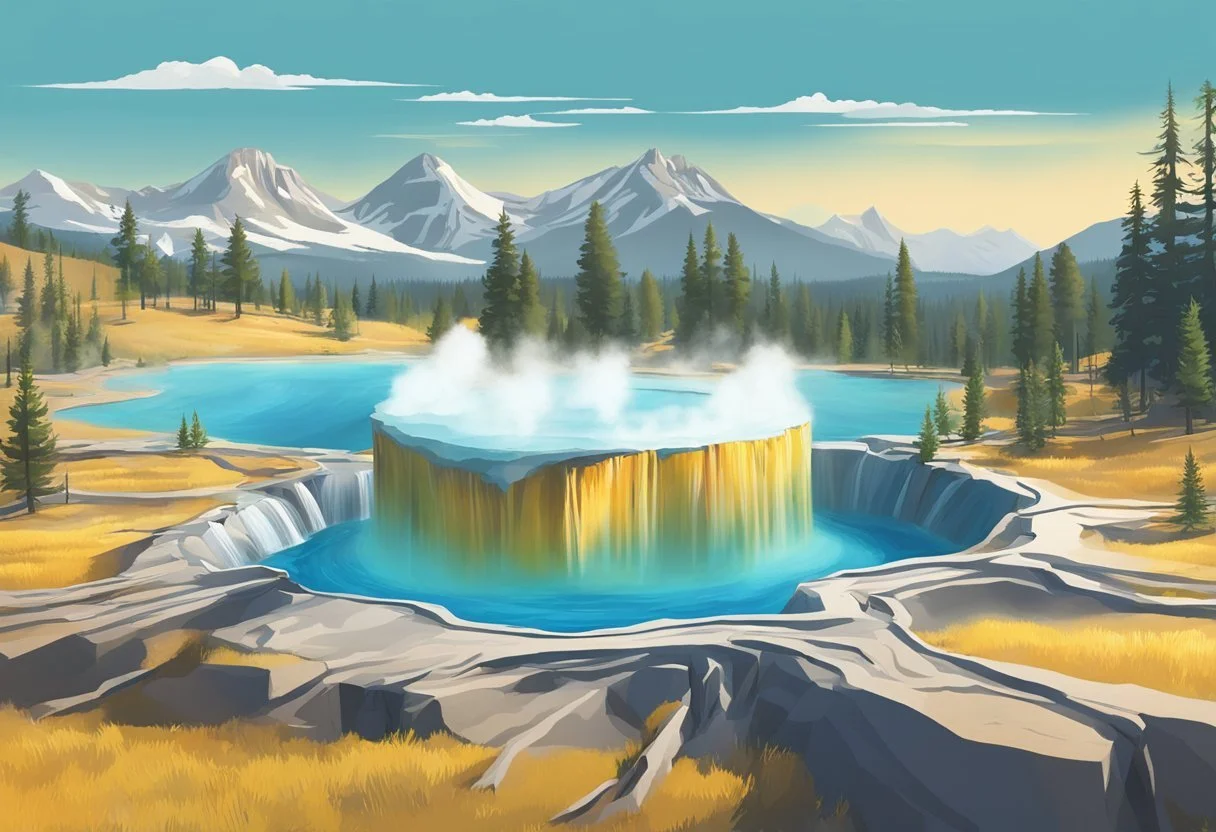
Virtual reality fundamentally transforms how we experience storytelling by placing users directly within immersive narratives. This technological approach brings new dimensions to how we connect with natural environments like Yellowstone, allowing visitors to engage emotionally with landscapes and wildlife through carefully crafted dramatic elements.
Narrative Techniques in VR Experiences
VR developers utilize several narrative techniques to create compelling Yellowstone experiences. Environmental storytelling allows users to discover park history through interactive elements embedded within virtual landscapes. Multiple storylines provide different perspectives, from wildlife biologists tracking wolf packs to geologists studying geothermal features.
Temporal shifts enable visitors to witness seasonal changes or geological processes that typically occur over centuries. Interactive decision points allow users to shape their experience, choosing whether to follow a herd of bison or investigate a steaming geyser basin.
Sound design plays a crucial role, with spatial audio recreating the authentic soundscape of wind through pine forests, distant geysers, and wildlife calls. These techniques transform passive observation into active participation.
Enhancing Emotional Engagement with VR
Emotional engagement in VR Yellowstone experiences stems from carefully designed sensory immersion. The technology triggers genuine emotional responses through realistic visual representations of iconic landscapes and wildlife encounters.
Users report stronger memory formation and retention after VR experiences compared to traditional video or text-based learning. This emotional connection helps build conservation awareness by creating personal investment in Yellowstone's preservation.
Key emotional triggers in Yellowstone VR:
Close encounters with digitally recreated wildlife
Witnessing dramatic weather patterns and seasonal changes
Experiencing rare natural phenomena like geyser eruptions
Participation in historical moments of park conservation
The physiological responses to these virtual experiences—increased heart rate during wildlife encounters or feelings of awe at panoramic vistas—mirror reactions visitors have in the actual park.
Virtual Reality Storytelling and Yellowstone
Yellowstone's rich narrative potential makes it ideal for VR storytelling applications. Developers have created experiences that follow the life cycle of a wolf pack through multiple seasons, allowing users to understand predator-prey relationships and pack dynamics firsthand.
Geological narratives take visitors beneath the park's surface, visualizing magma chambers and hydrothermal systems that would be impossible to witness in reality. These scientific stories make complex natural processes tangible and understandable.
Historical recreations transport users to different eras of park history, from indigenous peoples' interactions with the landscape to the establishment of America's first national park. Cultural storytelling incorporates Native American perspectives on the sacred landscape.
The dramatic arc of Yellowstone's natural cycles—destruction by fire, rebirth through new growth, the eternal rhythm of wildlife migrations—provides perfect structure for compelling VR narratives that connect users to this unique ecosystem.
Technology Behind the Virtual Reality Ranch
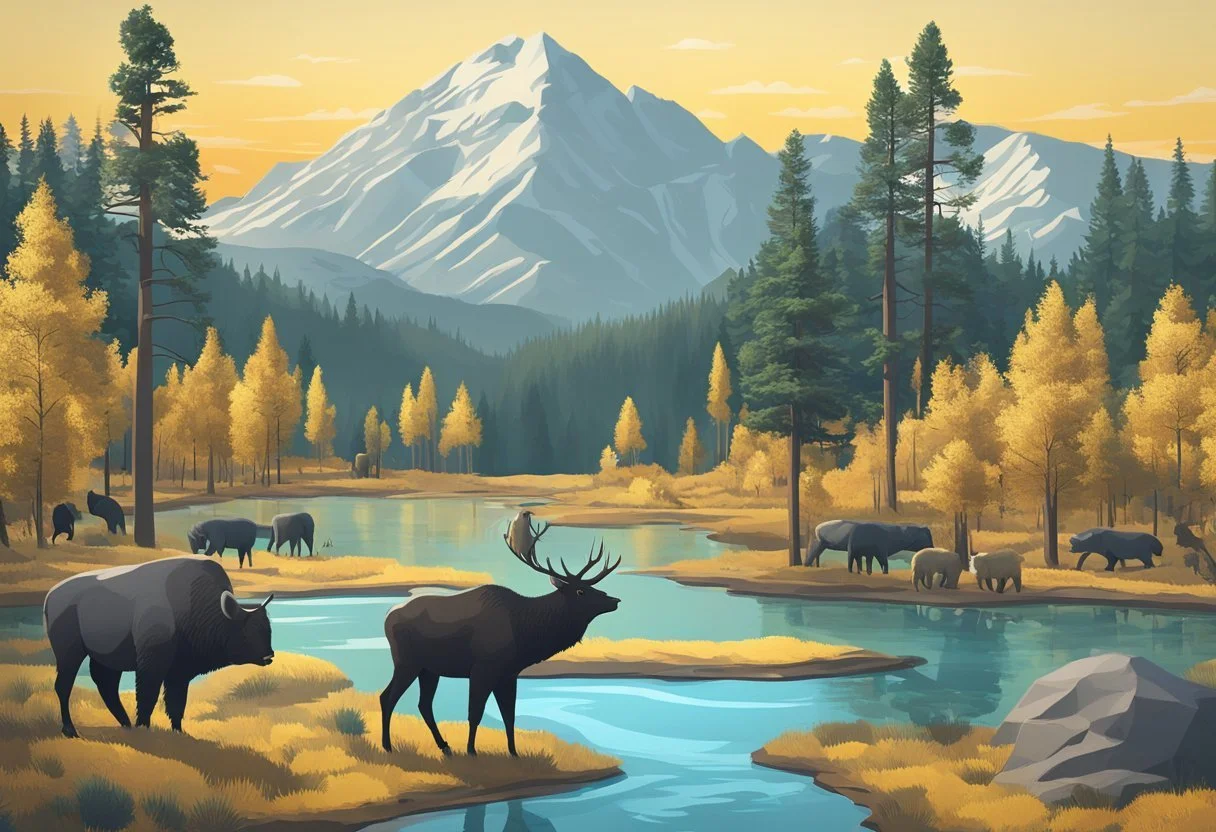
The Virtual Reality Ranch employs cutting-edge systems designed specifically to recreate the Yellowstone experience with remarkable fidelity. Advanced hardware and specialized software work together to transport visitors into a digital version of the national park while ensuring seamless connectivity.
The Hardware: VR Headsets and Accessories
The VR Ranch relies on high-resolution headsets featuring 8K displays per eye to deliver crystal-clear visuals of Yellowstone's landscapes. These devices incorporate eye-tracking technology to optimize rendering based on where users look, creating more natural visual experiences.
Haptic feedback gloves allow visitors to "feel" virtual textures like rough tree bark or smooth river stones. Temperature control systems subtly adjust to mimic environmental conditions – cooling when near virtual waterfalls or warming beside digital geysers.
Core Hardware Components:
Wireless headsets with 120Hz refresh rates
Full-body tracking sensors
Omnidirectional treadmills for natural movement
Spatial audio headphones for 360° soundscapes
Motion platforms gently tilt and vibrate to simulate terrain changes, making hiking experiences more authentic without causing motion sickness.
The Software: Creating Immersive Environments
Specialized rendering engines process photogrammetry data collected from thousands of high-resolution scans of Yellowstone. This creates geometrically accurate 3D models of the park's features down to individual rock formations and tree branches.
AI-driven wildlife simulation algorithms govern the behavior of virtual animals based on years of biological research. Bison herds move naturally across meadows, while wolves display pack behaviors that mirror their real-world counterparts.
The system utilizes dynamic weather patterns that change based on historical data and seasonal variations. Summer visitors might experience afternoon thunderstorms, while winter guests encounter realistic snowfall accumulation.
Real-time environmental physics simulate water flow, wind effects on vegetation, and even the eruption cycles of geysers with scientific accuracy.
Connectivity and User Experience
Fiber-optic infrastructure enables near-zero latency connections between the system components, eliminating disruptions that might break immersion. Edge computing nodes process local interactions while cloud servers handle more complex environmental simulations.
User profiles store individual preferences and accessibility requirements, automatically adjusting experiences to accommodate different physical capabilities. Vision correction is built into the optics, eliminating the need for glasses inside headsets.
User Experience Features:
Intuitive hand gesture controls
Voice recognition for park information queries
Adaptive difficulty for hiking trails
Optional guided tours with virtual rangers
Multi-user synchronization allows friends and family to share experiences despite being in different physical locations, creating shared memories of virtual Yellowstone visits.
Challenges and Opportunities
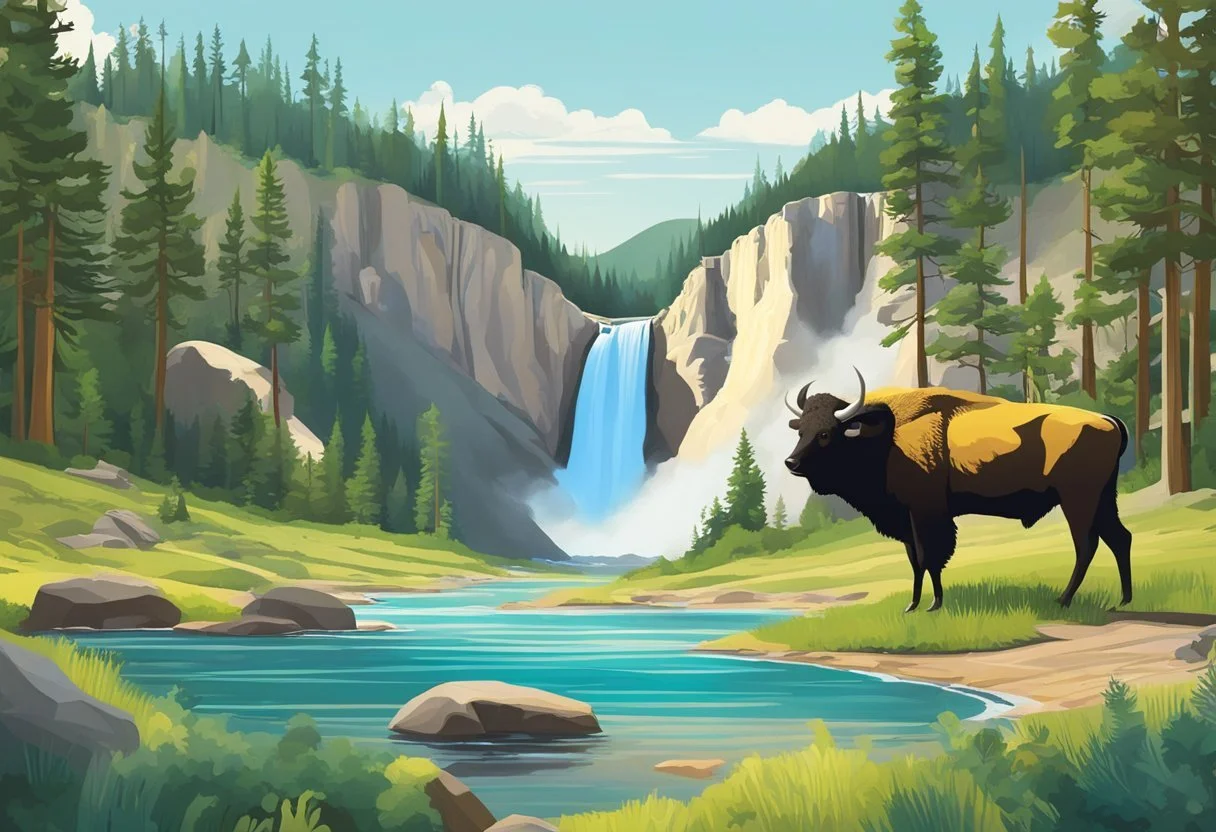
While virtual reality offers innovative ways to preserve and share the Yellowstone experience, several complex challenges and unique opportunities arise as this technology evolves. The intersection of cutting-edge technology with natural conservation creates both tension points and possibilities for growth.
Balancing Technology with Tradition
Virtual Reality (VR) experiences of Yellowstone must complement rather than replace actual visits to the park. Rangers and conservation experts worry that overly immersive digital experiences might diminish public interest in supporting physical conservation efforts.
This concern is not unfounded. When the first VR Yellowstone experiences launched in 2023, park donations temporarily decreased by 8% as some supporters believed digital preservation was sufficient.
However, research by the National Park Conservation Association shows that thoughtfully designed VR experiences can actually increase visitation intentions by 23%. The key lies in creating digital experiences that showcase Yellowstone's grandeur while emphasizing elements that can only be appreciated in person.
Park administrators now collaborate directly with VR developers to ensure technology enhances rather than competes with traditional conservation approaches.
Ethical Considerations in Virtual Conservation
The digitization of natural spaces raises important ethical questions about representation and access. Who controls the narrative of these virtual experiences? Which aspects of Yellowstone are highlighted or omitted?
Indigenous communities with historical connections to Yellowstone have expressed concerns about their stories being excluded from virtual experiences. The Northern Cheyenne and Blackfeet Nations now participate in VR development committees to ensure cultural perspectives are accurately represented.
Data collection within these virtual environments also presents privacy challenges. When users explore virtual Yellowstone, their gaze patterns, emotional responses, and interaction data are often captured for experience improvement.
Conservation technologists have established new frameworks for transparent data usage, including the "Digital Conservation Ethics Charter" adopted by 87% of organizations developing nature-based VR experiences.
Potential for Global Impact
The virtual preservation of Yellowstone establishes a powerful model for endangered ecosystems worldwide. Areas facing immediate threats from climate change or development can be digitally preserved for future generations.
The Yellowstone VR platform has been adapted for 12 at-risk ecosystems across six continents. This adaptable framework allows conservation teams to quickly document and share spaces that may undergo significant change.
Education represents another significant impact area. Since 2024, over 1.8 million students without means to visit national parks have experienced virtual Yellowstone through classroom VR programs.
International collaboration has accelerated dramatically, with conservation teams sharing technological solutions and methodologies. The Virtual Conservation Consortium now includes 53 protected areas globally using shared technical resources to reduce implementation costs by approximately 60%.
Conclusion
Virtual reality technology has emerged as a powerful tool for preserving and sharing the Yellowstone experience, offering solutions to both conservation challenges and accessibility concerns. The integration of VR with conservation efforts represents a significant shift in how we approach nature preservation and public education.
The Takeaway on Virtual Reality in Yellowstone
VR experiences of Yellowstone National Park deliver tangible benefits to both conservation efforts and visitor engagement. The technology allows researchers to monitor environmental changes without physical intervention in delicate ecosystems. Historical data captured through VR provides valuable baselines for tracking climate change impacts on the park's thermal features and wildlife habitats.
For visitors unable to travel to Yellowstone, VR offers an immersive alternative that captures the essence of the park's unique features. These virtual experiences have proven effective in building public support for conservation funding and initiatives.
Schools across the country now incorporate Yellowstone VR content into science curricula, educating a new generation about ecological principles and conservation ethics. The emotional connection fostered through these virtual experiences often translates to real-world conservation action.
The Future of Virtual Reality in Nature Preservation
The next generation of Yellowstone VR technology will likely incorporate AI-powered predictive modeling to visualize potential environmental changes. This capability will allow park managers to simulate different conservation approaches and their outcomes before implementation.
Sensory elements beyond visual and audio components are being developed to enhance immersion. Temperature variation, subtle scent diffusion, and haptic feedback will soon make virtual visits nearly indistinguishable from physical ones.
Cross-park collaborations are expanding, with Yellowstone's VR preservation model being adopted by national parks worldwide. These shared platforms enable comparative research and collective problem-solving across different ecosystems.
Citizen science initiatives integrated with VR applications will allow virtual visitors to contribute to actual research projects. This democratic approach to conservation science promises to greatly expand data collection capabilities while engaging the public in meaningful ways.
