
Yellowstone's Cinematic Brilliance Redefines Western TV
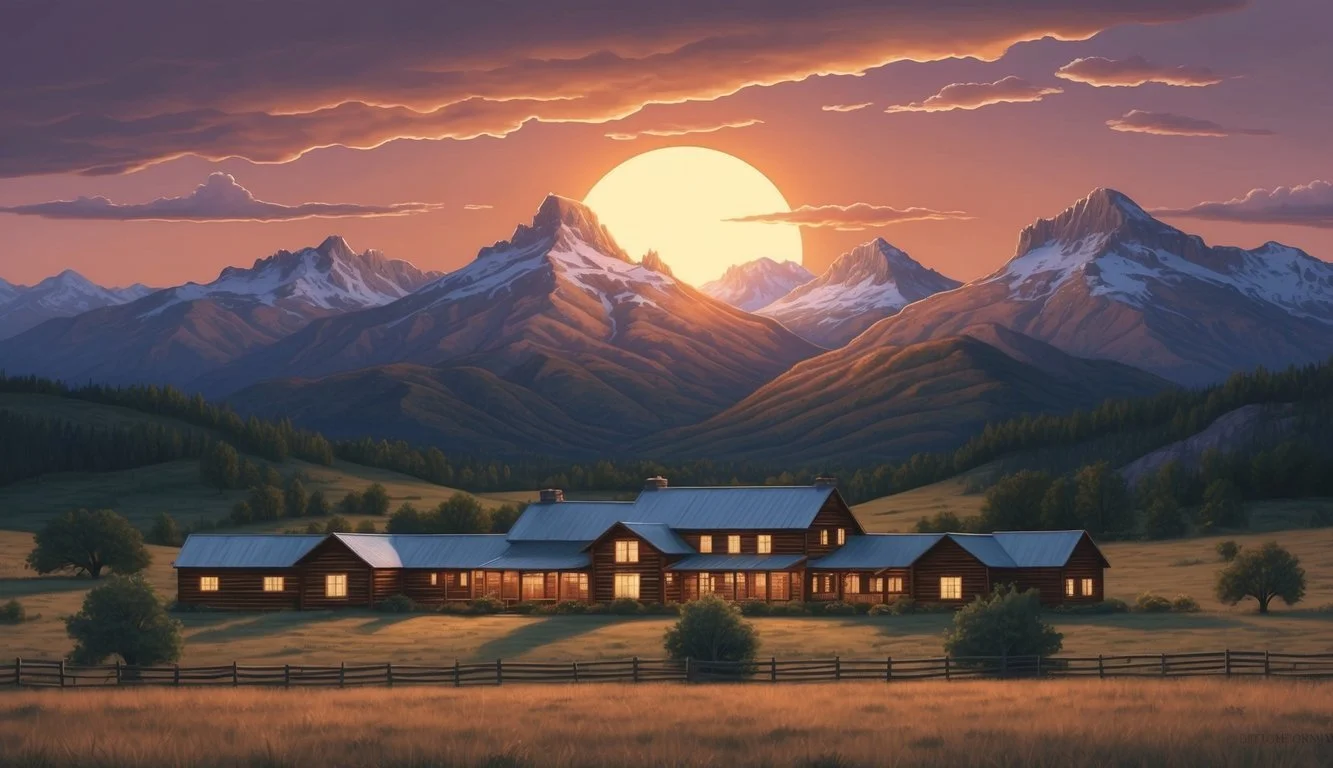
When "Yellowstone" premiered on Paramount Network in 2018, few could have predicted how its striking visual language would redefine modern Western television. Created by Taylor Sheridan, the series uses breathtaking cinematography to tell the story of the Dutton family and their vast Montana ranch.
The show's masterful camera work transforms Montana's landscapes into a character as complex and compelling as Kevin Costner's John Dutton, using wide panoramic shots that contrast with intimate close-ups to reflect the internal struggles of each family member. This visual approach isn't merely aesthetic—it's narrative storytelling that communicates the themes of land preservation, family legacy, and the changing American West.
The cinematographers behind "Yellowstone" employ distinctive color grading techniques that shift subtly with the emotional tone of each season, creating a visual signature that viewers can instantly recognize. Their work demonstrates how technical excellence in filming can elevate a family drama into a visual epic worthy of the sweeping vistas it portrays.
Series Overview and Production Background
Yellowstone emerged as a television phenomenon that captured the American landscape through stunning visual storytelling and masterful cinematography. The series' visual identity developed alongside its compelling narrative, becoming inseparable from the story of the Dutton family and their sprawling Montana ranch.
The Genesis of Yellowstone
Yellowstone premiered on June 20, 2018, on the Paramount Network, quickly establishing itself as the channel's flagship series. The show centers on the Dutton family, led by patriarch John Dutton (Kevin Costner), who controls the largest contiguous ranch in the United States.
The series' conception began when Taylor Sheridan sought to create a modern western that explored land conflicts, family dynamics, and the changing American West. Sheridan drew inspiration from real-world issues affecting ranching communities and indigenous populations.
Initial production challenges included finding locations that could authentically represent the vast Montana landscape. The crew eventually settled on filming primarily in Montana and Utah, with the iconic Dutton Ranch headquarters located at the real-life Chief Joseph Ranch in Darby, Montana.
Taylor Sheridan's Vision and Direction
Sheridan's background as a former actor informed his directorial approach to Yellowstone's visual language. His experience growing up in rural Texas provided authentic insight into the ranching world portrayed in the series.
As creator, writer, and occasional director, Sheridan established strict visual guidelines for the series. He insisted on shooting with natural light whenever possible and capturing the landscape as an essential character rather than mere backdrop.
Sheridan's Cinematographic Principles:
Wide, expansive shots that emphasize the vastness of the land
Contrasting intimate interior scenes with grand exterior vistas
Minimal artificial lighting to maintain authenticity
Strategic use of color grading to enhance seasonal qualities
His collaborative relationship with cinematographers has been crucial in maintaining visual consistency across multiple directors and episodes. Sheridan's frequent references to classic western films, particularly those of John Ford, are evident in Yellowstone's compositional choices.
Paramount's Role and Contributions
Paramount Network made a substantial financial commitment to Yellowstone, allowing for production values rarely seen in television. Their investment enabled shooting on location rather than relying on studio sets or cheaper alternatives.
The network's marketing strategy positioned Yellowstone as premium content, emphasizing its cinematic quality. Paramount's parent company ViacomCBS leveraged their experience from film production to support the series' ambitious visual goals.
Key Paramount executives, including Kevin Kay and Keith Cox, championed Sheridan's vision against industry pressure to compromise on production costs. This support allowed for innovations like specialized camera mounts for dynamic horse-riding sequences and aerial photography that has become synonymous with the show.
The contrast between Yellowstone's rural setting and urban storylines (particularly those set in Chicago) was deliberately enhanced through Paramount's technical resources, employing different color palettes and shooting styles for each environment.
Season 5 Highlights
Season 5, which began airing November 13, 2022, marked a visual evolution for the series. The cinematography team implemented new techniques to reflect the changing power dynamics as John Dutton assumed the Montana governorship.
Director of Photography Christina Voros introduced subtle shifts in the visual language for Season 5:
More formalized framing for scenes in political settings
Increased use of steadicam for fluid movement through the governor's office
Contrasting lighting schemes between the ranch and capitol
Season 5's expanded 14-episode format allowed for more experimental visual sequences, including dream sequences and flashbacks with distinctive visual treatments. The production faced new challenges with Kevin Costner's reduced filming schedule, requiring creative visual solutions to maintain his character's presence.
Weather conditions during the Season 5 shoot created both challenges and opportunities, with unexpected snow allowing for striking winter landscapes not originally planned in the script. The mid-season finale utilized particularly bold visual choices to leave viewers with memorable images during the extended break.
Cinematic Style and Aesthetic
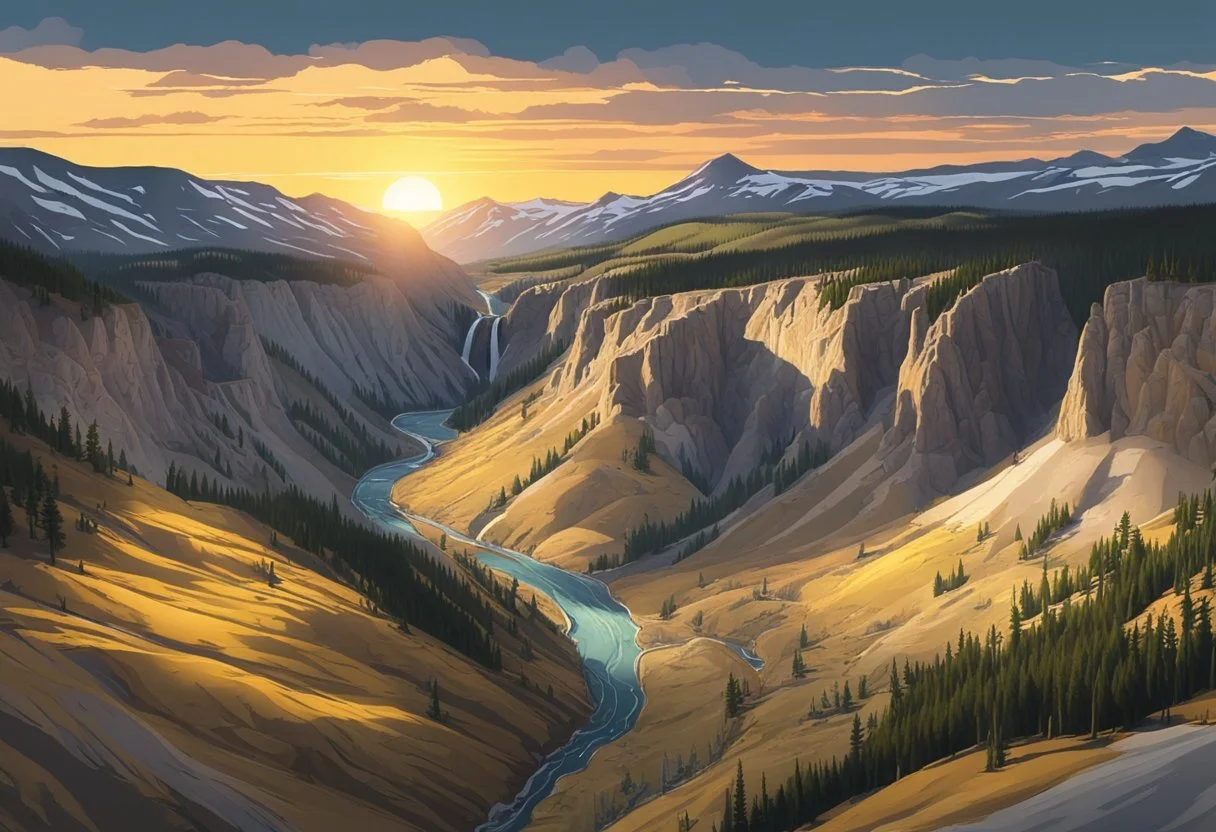
Yellowstone's visual identity emerges through its distinctive color palette, framing techniques, and environmental integration. The series employs specific visual language to convey power dynamics, family relationships, and the harsh beauty of Montana's landscape.
Defining the Visual Narratives
Yellowstone's cinematography features wide, sweeping vistas that establish the ranch as a character in itself. The series employs a consistent color palette dominated by earth tones, amber-tinged interiors, and stark blue-gold contrasts during outdoor scenes.
Directors of photography utilize low angles when framing John Dutton to emphasize his power and control over the landscape. Conversely, antagonists are often shot from above, subtly diminishing their presence.
The series incorporates natural lighting conditions to enhance storytelling, with dawn and dusk scenes serving as visual metaphors for beginnings and endings. This technique creates a visual rhythm that mirrors the cyclical nature of ranch life.
Motion is carefully controlled through steady, deliberate camera movements that reflect the deliberate pace of ranch operations. These techniques ground viewers in the physical reality of the Yellowstone ranch.
The Dutton Family Saga Visualised
The cinematography intentionally differentiates each Dutton family member through specific visual signatures. John Dutton is frequently framed against expansive landscapes, emphasizing his connection to the land and his patriarchal status.
Beth Dutton's scenes feature high-contrast lighting and tighter framing, reflecting her intensity and emotional complexity. Her urban scenes employ cooler color temperatures compared to ranch sequences.
Kayce Dutton's narrative is visualized through unstable camera work and transitional spaces, illustrating his divided loyalties between family and personal identity.
Jamie Dutton appears in more sterile, composed frames with formal composition, highlighting his professional ambitions and emotional distance from family. These visual choices create a subtle psychological portrait of family dynamics without relying on dialogue.
Visual Effects and VFX
While Yellowstone emphasizes practical filming, VFX plays a vital supporting role in creating the series' seamless visual world. Digital set extensions enhance the scale of landscape shots without requiring extensive location shoots.
Weather effects, particularly the addition or enhancement of atmospheric conditions like fog or snowfall, help maintain continuity between scenes shot months apart. These subtle VFX interventions remain largely invisible to viewers.
The VFX team specializes in environmental augmentation rather than dramatic digital creations. This approach supports the show's commitment to authenticity while enabling creative flexibility.
Digital color grading establishes the show's signature look – slightly desaturated exteriors with enhanced blue in shadows and warmth in highlights. This treatment creates a contemporary visual aesthetic that still honors Western film traditions.
Notable Cinematographers and Their Techniques
Ben Richardson's work on early Yellowstone episodes established the show's visual foundation. His implementation of anamorphic lenses created the characteristic wide aspect ratio that captures Montana's expansiveness while maintaining intimate character moments.
Christina Voros brought distinctive techniques to later seasons, including more dynamic camera movement during action sequences and thoughtful composition of interior spaces. Her background in documentary filmmaking contributed to the authentic feel of ranch operations.
Cinematographer Bjorn Charpentier introduced greater contrast in night scenes, employing practical light sources like campfires and vehicle headlights to create dramatic silhouettes against dark landscapes.
All cinematographers maintain consistent use of the ARRI Alexa camera system paired with Panavision lenses, ensuring visual continuity despite director rotations. This technical consistency supports the show's unified visual identity across multiple seasons.
Technical Aspects of Cinematography
Yellowstone's visual identity hinges on sophisticated technical approaches that elevate it beyond typical television production. The series employs masterful lighting techniques, dynamic camera movements, and distinctive color grading to create its signature look.
The Role of Lighting in Yellowstone
Cinematographer Ben Richardson established Yellowstone's naturalistic lighting style in the early seasons, favoring practical light sources whenever possible. Morning and evening shoots utilize the "golden hour" extensively, capturing Montana's sprawling landscapes in warm, amber tones that contrast with the harsh realities of ranch life.
Interior scenes often feature motivated lighting from visible sources like windows, lamps, and fireplaces. This approach reinforces the show's authenticity while creating dramatic shadows that frame characters in moments of tension.
The lighting team regularly employs silhouettes against Montana's vast horizons, turning characters into iconic figures against breathtaking backdrops. This technique visually reinforces themes of human insignificance against nature's grandeur.
Night scenes employ subtle moonlight effects rather than typical television high-key lighting, maintaining the show's commitment to visual realism while creating a distinctive noir-inspired aesthetic.
Innovative Camera Work
Yellowstone's cinematography team employs a diverse arsenal of equipment to achieve its sweeping visual style. Aerial photography from helicopters and drones captures the expansive Montana landscapes, establishing the Dutton ranch's enormous scale.
The series utilizes a combination of steadicam, dolly shots, and handheld camera work to create visual diversity. Stable, composed frames often represent the established order, while handheld sequences signal chaos or emotional turmoil.
Camera movements are deliberately paced, with slow, confident pans across landscapes contrasting with quick, intimate movements during intense character interactions. This visual rhythm helps maintain viewer engagement across episodes.
Wide-angle lenses capture the enormity of the Yellowstone setting, while telephoto compression is used for intimate character studies. This technical versatility creates visual tension between the vastness of the land and the personal struggles of the characters.
Color Grading and Its Impact
Yellowstone's distinctive color palette emerges during post-production color grading, where blues and greens are subtly enhanced to emphasize Montana's natural beauty. This approach creates a visual signature immediately recognizable to viewers.
The series employs contrast strategically, with exterior scenes featuring rich saturation that interior scenes often lack. This technical choice visually reinforces the theme of civilization versus wilderness that runs throughout the narrative.
Digital color timing adjustments create seasonal variations that support storytelling. Winter scenes utilize a cooler palette with heightened blue tones, while summer scenes emphasize golden warmth.
The cinematography team collaborates with production designers to ensure location colors complement the planned color grade. This attention to detail creates a cohesive visual experience where costumes, set design, and natural environments work harmoniously within the established color system.
Collaborative Efforts in Filmmaking
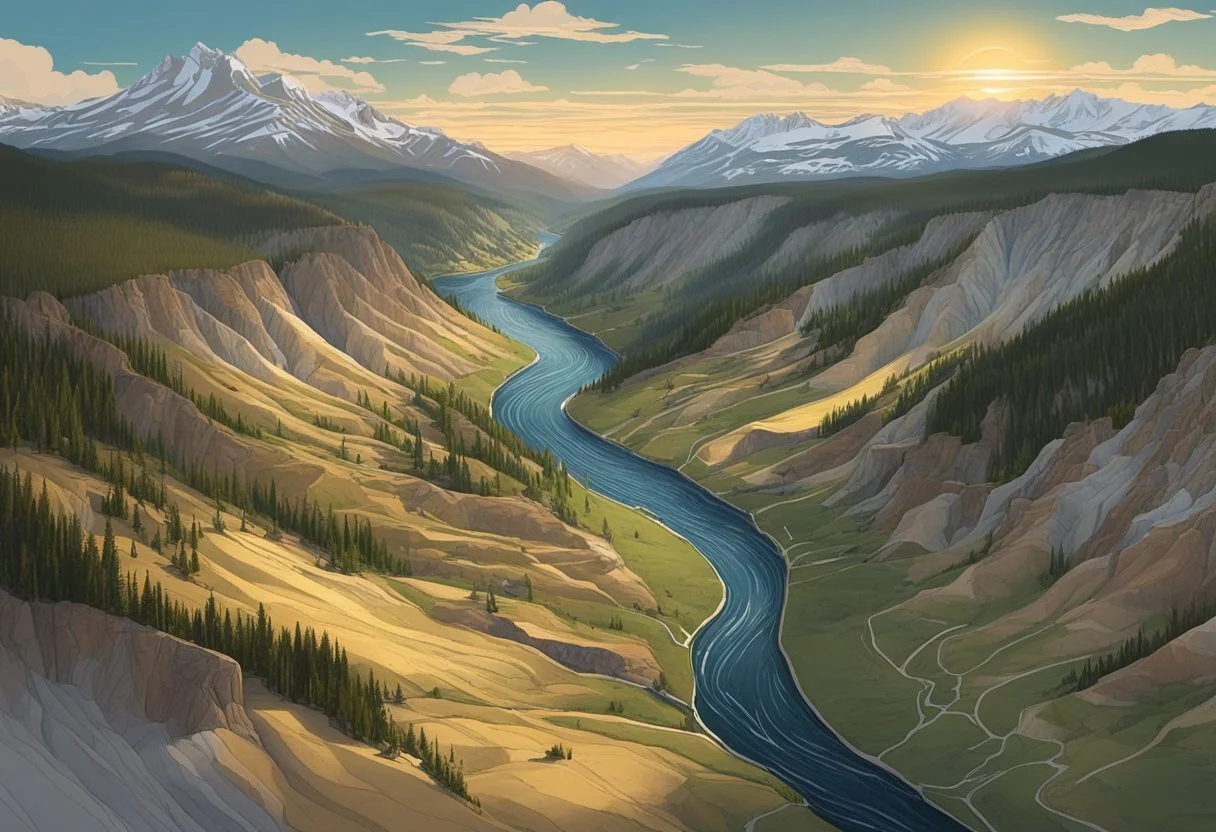
The visual mastery displayed in Yellowstone emerges from intense creative partnerships across multiple production levels. Consistent communication between directors, cinematographers, and cast members establishes the show's distinctive aesthetic while technical crews transform creative visions into tangible scenes.
Working with the Cast
Kevin Costner's collaboration with the cinematography team has been instrumental in shaping Yellowstone's visual identity. His experience as both actor and director brings valuable insights to camera positioning and lighting choices.
The cinematographers work closely with cast members to capture authentic emotional moments through thoughtful framing. This partnership allows actors to understand how their performances translate visually, creating more impactful scenes.
Cast input often influences shooting decisions, particularly during intense character moments. When filming sweeping landscape scenes, cinematographers coordinate with actors to ensure their movements complement the natural backdrop rather than competing with it.
These collaborative efforts extend to blocking sessions where camera movements are synchronized with actor positions for maximum visual impact.
The Synergy Between Directors and Cinematographers
Directors and cinematographers on Yellowstone maintain exceptionally close working relationships. This partnership begins in pre-production with detailed storyboarding and shot planning sessions.
The show's distinctive look emerges from this collaborative process where artistic visions merge. Directors communicate narrative priorities while cinematographers suggest visual techniques to enhance storytelling.
Camera movement decisions often result from joint problem-solving sessions. When shooting complex sequences, both parties coordinate to determine the most effective angles and lighting setups.
This synergy creates visual consistency across episodes despite rotating directors. Cinematographers act as custodians of the show's visual language, ensuring continuity while accommodating each director's creative approach.
Communication remains constant during filming, with real-time adjustments based on changing conditions or creative opportunities.
Behind-the-Scenes Crew Contributions
Yellowstone's visual achievements extend far beyond directors and cinematographers to include numerous specialized crew members. Lighting technicians create the show's signature golden-hour glow and moody interior atmospheres.
Grip teams masterfully execute complex camera movements across challenging Montana terrain. Their technical expertise enables the sweeping landscape shots that have become Yellowstone hallmarks.
Production designers coordinate closely with the cinematography department to ensure sets complement the visual style. Color palettes and set materials are selected specifically for how they'll translate on camera.
Post-production colorists maintain the show's distinctive visual identity through careful color grading. Their work enhances the cinematographer's original vision while creating consistency across episodes.
Special effects crews seamlessly integrate practical and digital elements, allowing cinematographers to capture impossible shots. This technical collaboration happens with minimal disruption to the filming process.
Impact and Reception
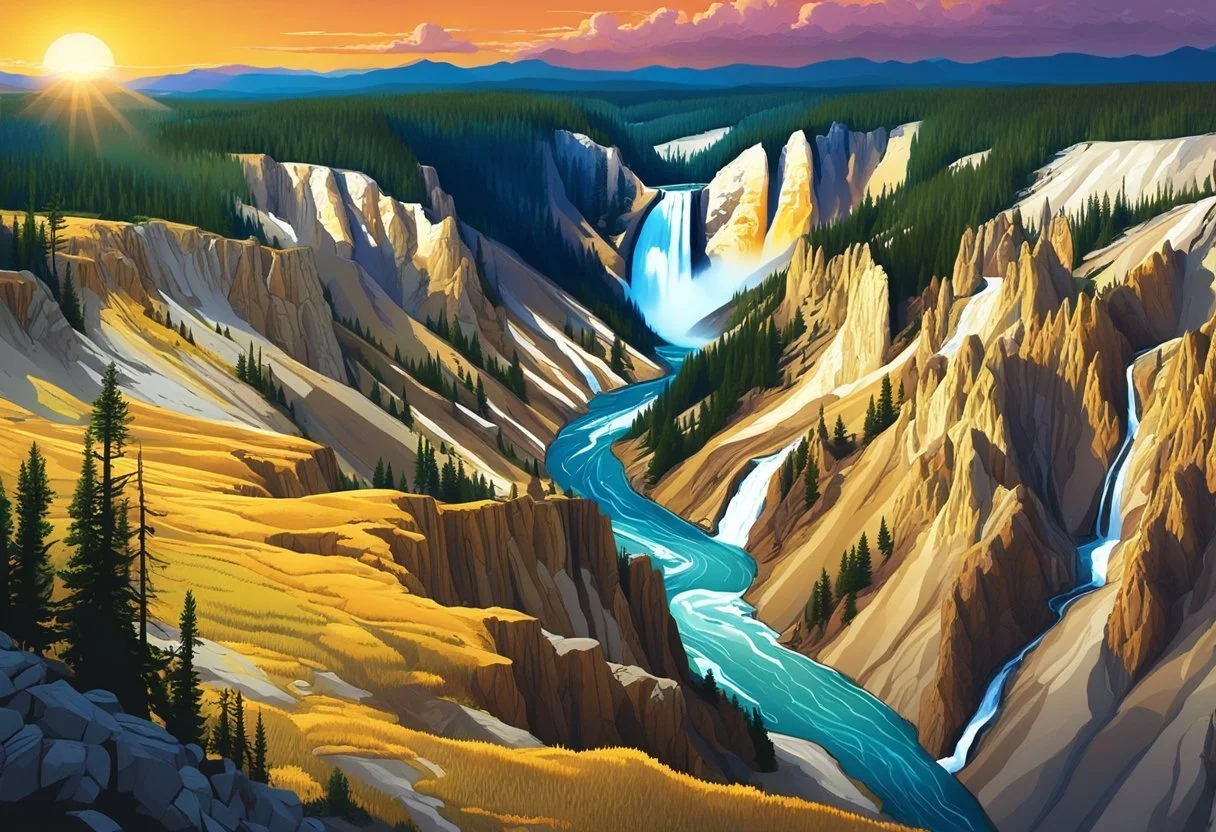
Yellowstone's distinctive cinematography has resonated deeply with both critics and viewers, establishing new visual standards for television drama. The show's breathtaking landscape shots and intimate character moments have become signature elements that audiences immediately recognize and appreciate.
Critical Acclaim and Viewer Reception
Critics have consistently praised Yellowstone's cinematography as one of its strongest attributes. The sweeping vistas of Montana's mountains and plains have been described as "practically characters themselves" by multiple reviewers. Many critics note how the show's visual language enhances its storytelling, particularly in Season 5 where the visual scale expanded alongside the narrative scope.
Viewer response to the show's cinematography has been overwhelmingly positive. Social media discussions frequently highlight specific shots and sequences, with fans sharing screenshots of particularly striking moments. The visual authenticity has fostered a deep connection with audiences, especially those familiar with the American West.
Ratings data confirms this appreciation, with viewership growing steadily through each season. By Season 5, Yellowstone had become cable television's most-watched drama series, with its cinematic quality frequently cited as a primary reason for tuning in.
Influence on Contemporary Television
Yellowstone's visual approach has significantly impacted television production standards. Following its success, several new western and rural-set dramas have adopted similar filming techniques, particularly the juxtaposition of intimate character moments against expansive natural backdrops.
The show pioneered the use of wide-format cinematography on television, encouraging other series to embrace more cinematic aspect ratios. Production companies have increasingly allocated larger budgets for location shooting rather than relying on studio sets and digital effects.
Industry insiders point to Yellowstone as proof that audiences respond to visually sophisticated television. The show's success has encouraged networks to invest in higher production values, particularly for dramas set in visually distinctive locations.
Several cinematographers who worked on Yellowstone have gone on to lead photography departments on other prestigious series, spreading the show's visual influence throughout the industry.
Awards and Recognitions
Yellowstone's cinematography has garnered numerous industry accolades. The series received Emmy nominations for Outstanding Cinematography in both 2021 and 2022, with Season 5's visual work generating particular attention from the Television Academy.
The American Society of Cinematographers (ASC) has recognized the show multiple times, awarding it the Outstanding Achievement in Cinematography for Commercial Television Series in 2020. This prestigious technical recognition highlighted the show's innovative use of natural light and challenging location work.
Individual episodes have received specific praise, with the Season 5 premiere "One Hundred Years Is Nothing" winning the Hollywood Professional Association's Award for Outstanding Visual Storytelling in a Broadcast Series. The episode's opening sequence, featuring a dawn cattle drive filmed in near-darkness, was singled out for its technical mastery.
The series has also collected numerous satellite awards and Critics' Choice Television Awards nominations specifically citing its visual achievements.
Privacy and Data in the Digital Age
The entertainment streaming landscape intersects with significant privacy concerns as viewers engage with content across multiple platforms. Digital media consumption creates unique challenges for protecting personal information while allowing services to function effectively.
Navigating Privacy in Streaming Services
Streaming platforms like those hosting Yellowstone collect various types of viewer data. When users watch content, services typically gather IP addresses, viewing patterns, and device information to improve user experience. Most platforms offer privacy settings that allow some control over data sharing, though these options are often buried in account menus.
Users should regularly review consent preferences for personal data usage. Many viewers don't realize that pausing episodes, rewinding scenes, or abandoning content midstream creates valuable behavioral data that platforms analyze.
Geolocation data helps services enforce regional viewing restrictions and licensing agreements. This explains why certain shows become unavailable when traveling internationally or why content libraries differ between countries.
Data Collection and Use by Media Platforms
Media platforms collect data for multiple legitimate purposes beyond simply delivering content. User information helps with:
Content measurement to determine show popularity
Audience research to guide future programming decisions
Service development to enhance features and fix technical issues
Authentication to prevent unauthorized account access
Search data reveals viewer preferences, influencing recommendation algorithms that suggest similar content. This explains why watching one Western drama might prompt suggestions for shows like Yellowstone.
Platforms typically outline data practices in their cookie policies and terms of service. These documents describe how viewer information supports personalized advertising, which funds many streaming services and keeps subscription costs manageable.
Implementing Security Measures
Viewers can take several steps to enhance privacy while enjoying streaming services:
Use strong, unique passwords for each streaming account
Enable two-factor authentication when available
Review connected devices regularly and remove unfamiliar connections
Limit social media integration with streaming platforms
Reputable services encrypt personal data during transmission and storage to prevent unauthorized access. They implement security measures to protect against data breaches.
Virtual Private Networks (VPNs) offer additional privacy by masking IP addresses, though some services block VPN usage to enforce geographic restrictions. Clearing cookies periodically can reduce tracking across websites related to streaming content.
Users should be cautious about phishing attempts disguised as service emails requesting account verification. Legitimate platforms rarely request sensitive information via email.
