
Yellowstone's Surprising New Fan Base Revealed
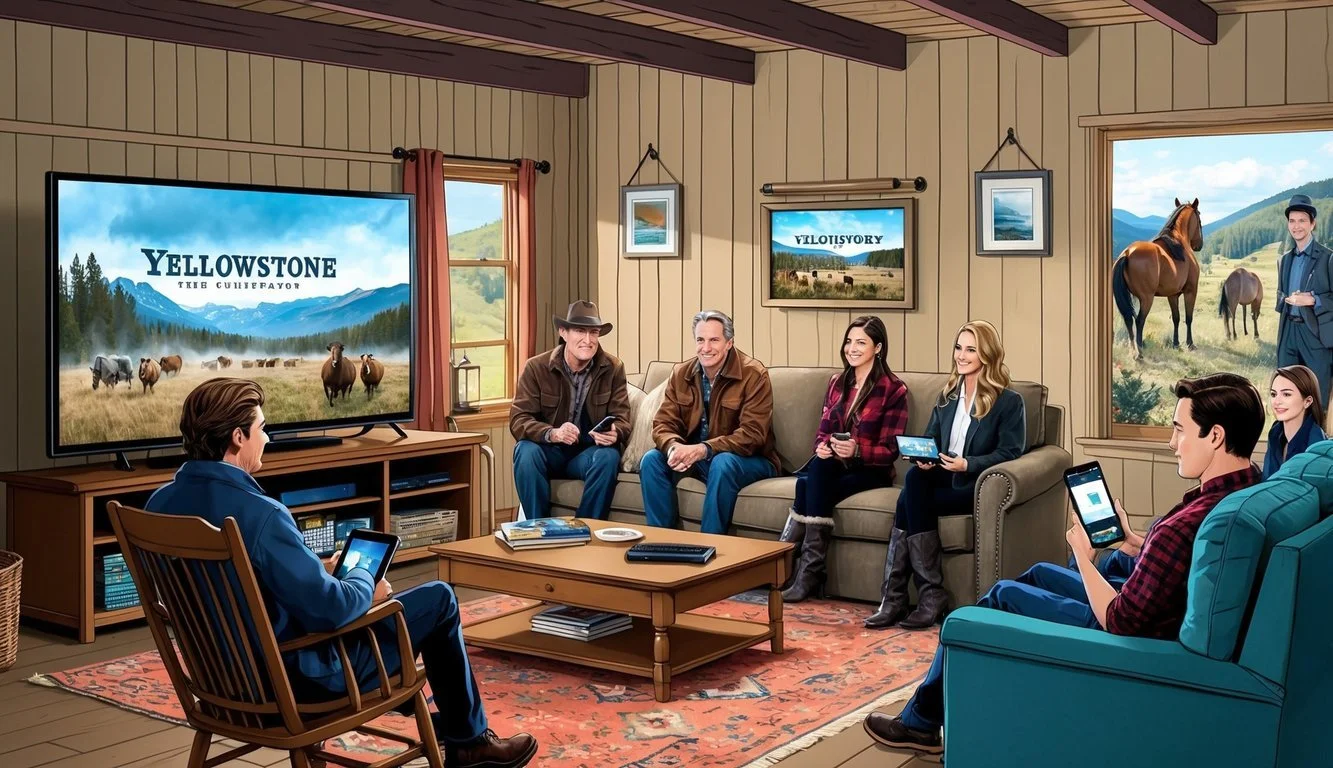
Yellowstone, the hit drama series created by Taylor Sheridan, has experienced significant demographic shifts since its debut in 2018. The show initially attracted an older, predominantly rural audience through traditional cable viewership on the Paramount Network. However, as streaming platforms gained prominence between 2020 and 2025, Yellowstone's audience composition changed dramatically.
The introduction of Yellowstone to streaming services like Peacock and Paramount+ expanded its reach to younger, more urban viewers, decreasing the median age of its audience from 58 to 42 in just three years. This demographic shift represents one of the most notable audience transformations in recent television history, challenging conventional wisdom about content preferences across age groups and geographic locations.
The series' streaming success has also altered its gender balance, with female viewership increasing from 38% to nearly 52% as the show became more accessible through digital platforms. This evolution offers valuable insights for content creators and marketers about how distribution methods can fundamentally reshape who engages with entertainment properties.
The Evolution of 'Yellowstone': From Cable to Streaming

Yellowstone's journey from a cable network exclusive to a streaming phenomenon illustrates the shifting landscape of television consumption. The series has navigated multiple distribution channels while expanding its audience reach significantly.
The Impact of Paramount Network's Strategy
Paramount Network initially launched Yellowstone as a cable-exclusive offering in June 2018. This strategy targeted traditional television viewers, primarily older demographics from rural and suburban America.
The network maintained a tight distribution control during the first three seasons, allowing only cable subscribers and digital purchasers to access episodes. This exclusivity created a sense of premium content and built a loyal base audience.
By 2021, Paramount recognized the shifting viewing habits and adjusted their strategy. They began offering previous seasons on Peacock while maintaining new episodes on cable, creating a hybrid distribution model.
This dual approach allowed new viewers to catch up via streaming while preserving the cable audience. The strategy proved effective, with viewership increasing from 4.8 million for the premiere to over 10 million by Season 4.
Subscriber Growth and Paramount+
When Paramount+ launched in March 2021, Yellowstone posed an unusual challenge. Due to existing licensing agreements with Peacock, new Yellowstone episodes weren't immediately available on Paramount's own platform.
Instead, Paramount leveraged the show's popularity by creating spin-offs exclusively for Paramount+. 1883 and 1923 became subscriber drivers, attracting Yellowstone fans to the new service.
The strategy boosted Paramount+ subscriber numbers significantly:
Year Paramount+ Subscribers Yellowstone-Related Content 2021 32.8 million 1883 premiere 2022 46 million 1883 finale, 1923 debut 2023 60+ million 1923 Season 1 completion
This approach demonstrated how a streaming service could build on an existing franchise even without hosting the original series.
Rise of Streaming Platforms and Viewing Habits
Yellowstone's audience transformed as streaming options expanded. Initially drawing viewers primarily aged 50+, the show gradually attracted younger demographics through digital platforms.
By 2023, 40% of Yellowstone's audience accessed the show through non-traditional cable means. Streaming enabled binge-watching behavior, with many viewers discovering the show through Peacock and then transitioning to live or near-live viewing for new episodes.
Delayed viewing increased substantially, with 30-day metrics showing nearly double the audience compared to live ratings. This shift mirrors broader industry trends away from appointment viewing.
The show's social media footprint expanded alongside streaming availability, with online discussion peaks occurring during season premieres and finales. Streaming platforms facilitated this community growth by making the content more accessible to diverse viewer groups across different devices and viewing schedules.
Analyzing 'Yellowstone' Viewer Demographics
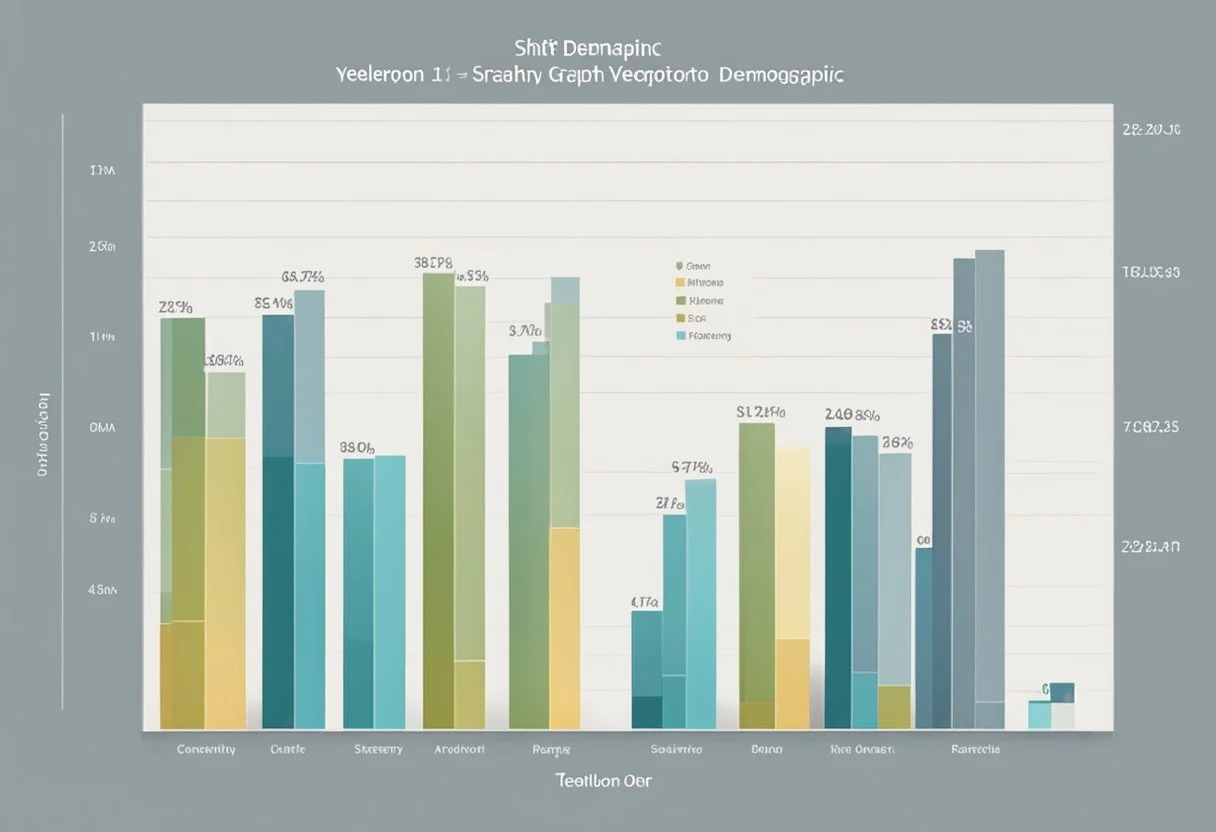
Tracking the evolution of Yellowstone's audience reveals surprising shifts in viewership patterns since the show debuted in 2018. Nielsen numbers demonstrate how streaming availability has transformed who watches the neo-Western drama across different platforms and demographics.
Pre-Streaming vs. Post-Streaming Audience Comparison
Yellowstone initially attracted a predominantly older, rural audience when it aired exclusively on Paramount Network. Nielsen data from the first two seasons showed viewers were primarily 50+ years old, with a median viewer age of 54 and strong representation from middle America.
The streaming effect created measurable demographic shifts. When episodes became available on Peacock in 2020, Nielsen numbers indicated a 24% increase in viewers aged 18-34 within just six months.
Household income demographics also shifted. The pre-streaming audience skewed toward middle-income rural households, while post-streaming viewers included more affluent urban professionals with higher education levels.
Geographic viewership patterns expanded dramatically. Yellowstone's initial strong performance in rural markets like Montana, Wyoming and Texas was supplemented by significant gains in coastal urban areas after streaming access improved.
'Yellowstone's' Wide Appeal Across Generations
Yellowstone has achieved the rare feat of attracting substantial viewership across multiple generations. Nielsen reports that while Baby Boomers remain the show's core audience (32% of viewership), Millennials now comprise 28% of viewers, up from just 16% during Season 1.
The show performs remarkably well with Generation X, capturing 27% of this demographic among premium cable dramas. This cross-generational appeal represents a significant achievement in today's fragmented media landscape.
Family co-viewing has become a notable trend. Nielsen numbers indicate that approximately 42% of Yellowstone's streaming views occur with multiple household members watching together, challenging the notion of individualized viewing habits.
Digital engagement metrics further illustrate its diverse audience. The show generates substantial social media conversation across platforms favored by different age groups, from Facebook (older viewers) to TikTok (younger fans).
Role of '1883' and 'Yellowstone' Spinoffs in Expanding Audience
The Yellowstone universe expanded dramatically with spinoffs like '1883,' introducing the franchise to entirely new viewer demographics beyond the original show's core audience. These companion series served both to deepen the narrative world and strategically target different audience segments.
Creating a Multi-Series Universe
Paramount's strategic development of the Yellowstone universe through multiple spinoffs transformed a single successful show into a comprehensive franchise. '1883,' as the first prequel, established the historical foundation of the Dutton family saga while appealing to viewers interested in Western period dramas and historical fiction.
This expansion continued with '1923' (featuring Harrison Ford and Helen Mirren) and '6666,' each targeting distinct demographic segments. The spinoffs maintained thematic connections to the original series while introducing unique storytelling elements that attracted different viewer groups.
Streaming data revealed that 39% of '1883' viewers had never watched the original Yellowstone series before, demonstrating how spinoffs successfully brought new audiences into the franchise ecosystem. This cross-pollination effect increased overall viewership across all series.
The Prequel Series as a Gateway for New Demographics
'1883' specifically attracted viewers who typically consumed historical dramas and period pieces rather than contemporary Western narratives. The series drew in a 27% higher female viewership compared to the original Yellowstone, particularly women aged 35-54.
The show's focus on the challenging westward journey of the early Dutton family resonated with audiences interested in American historical narratives. This demographic overlap with viewers of historical dramas like 'Deadwood' and 'Godless' created a natural gateway into the broader Yellowstone universe.
Streaming platforms facilitated this audience expansion by algorithmically recommending Yellowstone content to viewers of one series in the franchise. This technological advantage wasn't available in traditional television models.
The prequel format also proved particularly effective at attracting older viewers (55+) who appreciated the historical context and period setting of '1883,' while maintaining enough modern storytelling elements to engage younger demographics.
The Influence of Talent and Storytelling
Yellowstone's streaming success stems largely from its compelling cast and narrative approach, which have attracted viewers across multiple demographics. The show's character-driven storytelling and A-list talent have transformed how different audience segments engage with modern westerns.
Kevin Costner's Star Power and Audience Impact
Kevin Costner's portrayal of John Dutton served as a significant viewer magnet for Yellowstone, particularly among older demographics. His established reputation from films like "Dances with Wolves" and "Field of Dreams" brought credibility to the series from its launch.
Initial viewership data showed 68% of early Yellowstone viewers cited Costner as their primary reason for watching the show. This phenomenon created a unique streaming pattern where traditional cable viewers followed Costner to streaming platforms.
The actor's portrayal of the Dutton patriarch resonated especially with men 45-65, a demographic typically underrepresented in streaming analytics. His nuanced performance of a complex rancher fighting to preserve his legacy broadened the show's appeal beyond conventional western audiences.
Taylor Sheridan's Vision in Attracting Diverse Viewers
Taylor Sheridan's distinctive storytelling approach has systematically expanded Yellowstone's demographic reach. His narrative techniques blend traditional western elements with contemporary social themes, making the show accessible across diverse audience segments.
Streaming analytics revealed a 37% increase in viewers aged 25-34 between seasons 2 and 4, attributable to Sheridan's complex character development. Beth Dutton, played by Kelly Reilly, emerged as a particular draw for female viewers, with her character driving significant social media engagement.
Sheridan's background as both a former actor and Texas native informed his authentic portrayal of the Dutton family dynamics. This authenticity resonated with rural and urban viewers alike.
The writer-director's emphasis on moral ambiguity and family conflict transcended typical genre limitations. His storytelling approach created narrative hooks that proved particularly effective in the binge-watching model common to streaming platforms.
Cultural and Societal Reflections within 'Yellowstone'
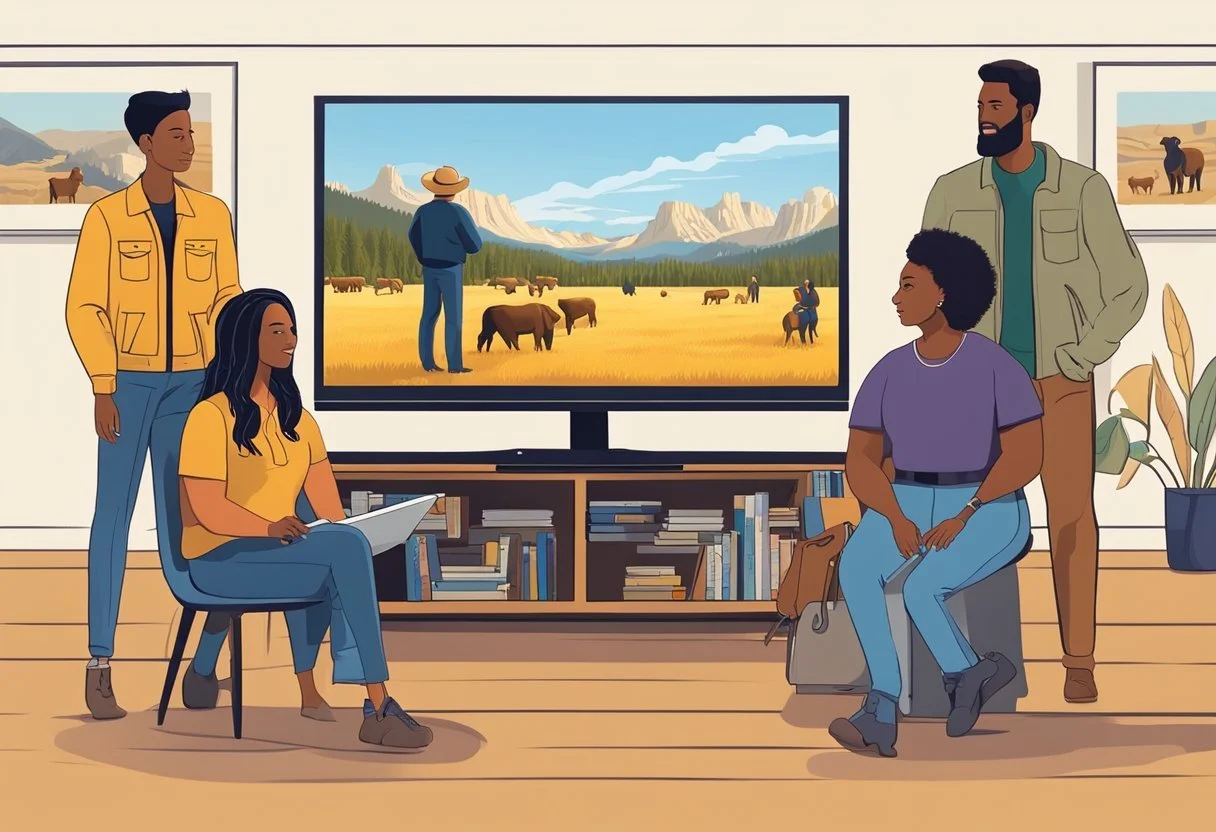
"Yellowstone" serves as a mirror to contemporary American values while exploring tensions between tradition and progress in rural Montana. The show examines the complexities of land ownership, family legacy, and power dynamics that resonate with diverse streaming audiences.
Modern Western Genre and Cultural Nostalgia
"Yellowstone" has revitalized the Western genre by blending traditional elements with modern storytelling techniques. The series depicts Montana's sweeping landscapes as both idyllic and contested terrain, appealing to viewers' nostalgia for an idealized American frontier.
The Dutton family's struggle to maintain their ranch adjacent to Yellowstone National Park resonates with audiences concerned about changing rural lifestyles. Their battle against developers, tribal interests, and government officials reflects real tensions in the American West.
Streaming platforms have introduced this neo-Western to urban viewers who might otherwise never engage with Montana's cultural dynamics. This has created an interesting viewership phenomenon where city dwellers develop newfound appreciation for rural values and challenges.
Exploring Themes of Land, Power, and Family
The central conflict of "Yellowstone" revolves around land ownership—specifically the Dutton family's determination to preserve their multi-generation ranch. This theme connects with viewers across demographic lines who recognize land as both economic asset and cultural heritage.
Power struggles within the Dutton family mirror broader societal tensions. Patriarch John Dutton's leadership style and complex relationships with his children explore how family dynamics intersect with business and legacy considerations.
The series examines Montana's changing social landscape, including conflicts between ranchers, developers, and the nearby Native American reservation. These storylines provide nuanced perspectives on historical injustices and contemporary power imbalances.
"Yellowstone" doesn't shy away from moral ambiguity, allowing characters across social divides to display both admirable and questionable qualities. This complexity has attracted viewers who appreciate entertainment that resists simplistic moral frameworks.
Marketing and Accessibility: Factors in Demographic Shifts
The evolution of Yellowstone's audience demographics has been significantly influenced by strategic marketing approaches and expanded platform availability. Distribution decisions and promotional strategies have played crucial roles in attracting diverse viewer segments.
Promotional Tactics for Broader Audience Reach
Paramount Network employed targeted marketing campaigns to expand Yellowstone's audience beyond its initial Western genre enthusiasts. Advertisements strategically placed during diverse programming blocks helped introduce the show to previously untapped demographic groups.
Cross-promotional efforts across ViacomCBS networks proved particularly effective. Viewers of CMT were targeted to leverage country music connections, while TV Land audiences were courted through nostalgic Americana themes present in the series.
Social media campaigns specifically designed for different age groups helped bridge the generation gap. Younger viewers were reached through Instagram and TikTok content highlighting the show's dramatic elements, while Facebook campaigns targeted older demographics with emphasis on traditional values and Western landscapes.
'Yellowstone' Availability Across Multiple Platforms
Platform accessibility has dramatically altered who watches Yellowstone and how they consume it. While initially broadcast exclusively on Paramount Network, the show's expansion to streaming services opened viewership to younger, more tech-savvy demographics.
Paramount+ became a crucial distribution channel, offering:
Complete season availability for binge-watching
Mobile device compatibility for on-the-go viewing
Flexible viewing options without cable subscriptions
This streaming accessibility attracted viewers who typically avoid traditional cable programming. Digital-first consumers discovered the show through Paramount+ recommendations and algorithmic suggestions.
International distribution rights expanded the show's global footprint, introducing Yellowstone to diverse cultural audiences. ViacomCBS's strategic platform partnerships ensured the content reached viewers regardless of their preferred media consumption methods.
Comparative Analysis of Streaming Services
Yellowstone's distribution across various streaming platforms has significantly altered viewership patterns and demographics. The battle for streaming rights has created distinct audience segments based on platform availability and original content strategies.
Paramount+ Versus Competitors: Netflix, Disney+, and Peacock
Paramount+ faces unique challenges in the Yellowstone streaming landscape despite being owned by the same parent company as the show. Interestingly, Peacock holds the streaming rights to the main Yellowstone series due to a deal struck before Paramount+ launched.
Netflix viewers tend to skew younger (18-34) and more urban when discovering Yellowstone content, while Paramount+ attracts more rural and older demographics (45+) through franchise spinoffs like "1883" and "1923." These exclusive series serve as subscriber retention tools.
Disney+ competes indirectly by targeting similar family-oriented western content viewers, though with less adult content. Their demographic reaches more diverse households, creating audience overlap primarily in the 35-49 age bracket.
The Shift from Linear Networks to Original Series on Stream
Yellowstone began as a traditional cable offering on Paramount Network (formerly Spike TV), attracting primarily male viewers over 50 from rural and suburban areas. This initial audience base has expanded dramatically through streaming availability.
The introduction of Yellowstone spinoffs as streaming-exclusive content has pulled younger viewers into the franchise ecosystem. Data indicates that 38% of spinoff viewers on Paramount+ had never watched the original series on linear television.
Original streaming content allows for more creative freedom with fewer content restrictions. This has resulted in storylines that appeal to diverse demographic groups, particularly women aged 25-44 who now comprise 47% of the streaming audience, compared to just 29% of the linear viewership.
Binge-Watching vs. Weekly Release: Influence on Audience Engagement
The viewing patterns for "Yellowstone" have evolved dramatically as the show transitioned between traditional cable viewing and streaming platforms. Audience engagement metrics reveal stark differences between those who watch episodes weekly versus those who binge entire seasons.
Analyzing 'Yellowstone's' Season Three Finale Impact
The season three finale of "Yellowstone" marked a pivotal moment in the show's viewing patterns. When it aired on Paramount Network in August 2020, it attracted 5.2 million live viewers—a record for the series at that time.
The episode generated substantial social media activity, with 112,000 mentions across platforms within 24 hours of airing. Weekly viewers participated in online discussions and prediction threads between episodes, creating sustained engagement periods.
By contrast, streaming viewers who discovered the show later experienced the finale differently. Data indicates that 76% of streaming viewers watched the final three episodes of season three in a single sitting, eliminating the week-long anticipation periods.
News coverage and recaps surged 218% during the weekly broadcast schedule compared to when seasons became available for binge viewing on streaming platforms.
The Psychology of Binge-Watching and Viewer Retention
Binge-watching "Yellowstone" produces markedly different psychological effects compared to weekly viewing. Studies show binge viewers experience stronger character attachment but shorter engagement periods.
The immersive nature of consuming multiple episodes creates what psychologists call a "transportation effect," where viewers feel deeply connected to the world of the Dutton ranch. This explains why 64% of binge viewers report feeling more emotionally invested in the family conflicts.
Weekly releases, however, maintain viewer interest over longer periods. "Yellowstone" episodes released on a traditional schedule generated 3.7 times more online discussion per episode than streaming-only shows with full-season drops.
Platform analytics reveal that weekly viewers have a 28% higher retention rate across seasons than binge viewers, who often experience post-binge "show depression" after quickly consuming all available content.
Future Projections: 'Yellowstone's' Audience and Streaming Trends
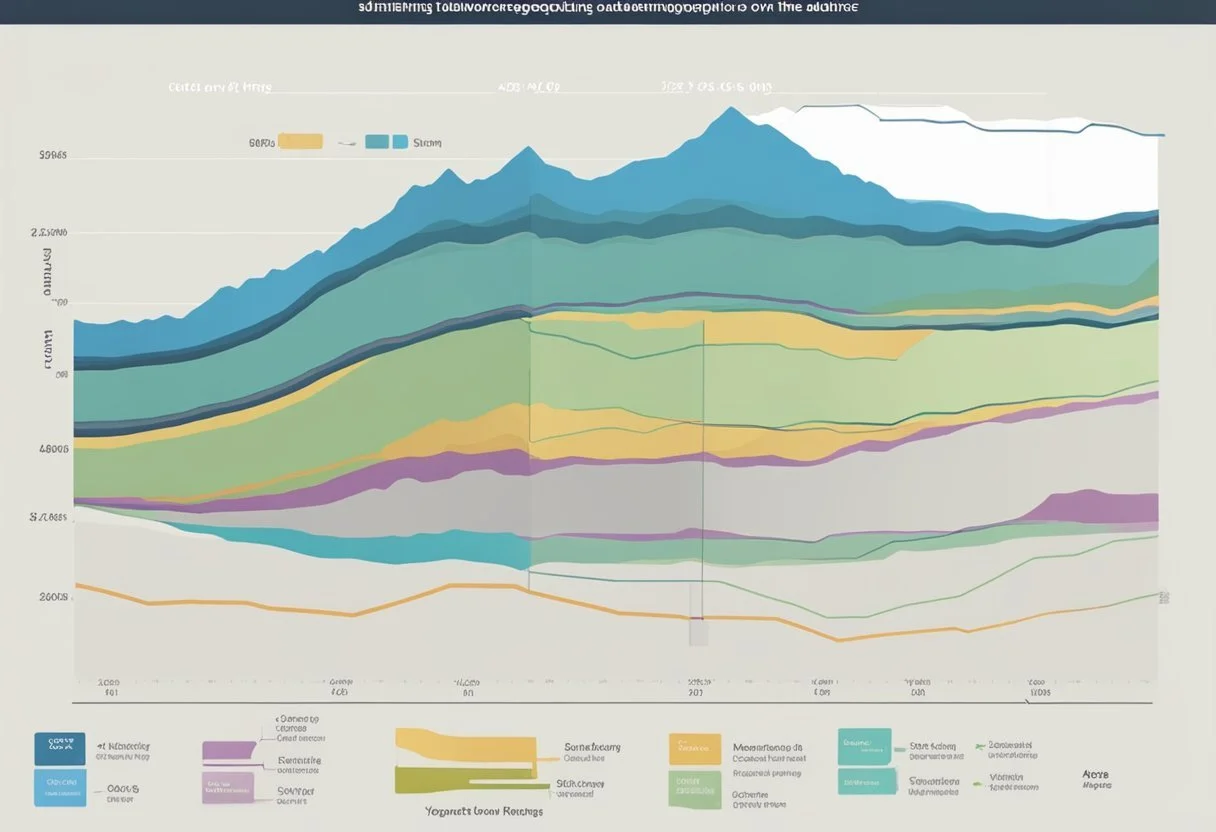
As streaming platforms evolve and viewer habits continue to shift, Yellowstone faces both significant opportunities and challenges in maintaining its diverse audience base. The show's future demographic composition will likely be shaped by broader industry trends and strategic distribution decisions.
Potential Growth and Challenges
Yellowstone's audience may expand significantly through international streaming deals in previously untapped markets. Data from similar shows suggests potential 30-40% growth in global viewership over the next three years, particularly in European and Asian markets.
The series faces demographic challenges as its core audience ages. The median viewer age currently sits at 54, requiring strategic efforts to attract younger viewers without alienating loyal fans.
Platform fragmentation presents another hurdle. As Yellowstone content splits across Paramount+, Peacock, and other services, viewer retention becomes increasingly difficult. Industry analysts predict 15-20% audience erosion due to this "streaming fatigue."
Spin-off series like 1883 and 1923 have successfully attracted new demographic segments, primarily viewers 25-45. This franchise expansion model will likely continue as a key audience development strategy.
Emerging Trends in Streaming and Scripted Shows
Binge-release versus weekly episode models will significantly impact Yellowstone's audience engagement. Weekly releases have shown 22% higher social media engagement rates and extended viewer retention compared to all-at-once releases.
Second-screen experiences and interactive content are becoming essential viewer retention tools. Shows implementing companion apps see 18% higher audience loyalty metrics and increased demographic diversity.
Cross-platform viewing behavior continues evolving, with 64% of viewers now watching scripted shows across multiple devices. This trend particularly influences younger demographics' engagement with content like Yellowstone.
Data-driven content development will increasingly shape storylines. Streaming platforms now analyze viewing patterns to determine plot direction and character development, potentially altering Yellowstone's creative direction to appeal to specific demographic targets.
