
Surprising Actors Who Almost Starred in Yellowstone Revealed

Yellowstone has become one of television's most successful dramas since its 2018 debut, with Kevin Costner's portrayal of rancher John Dutton serving as the show's cornerstone. While fans might find it difficult to imagine anyone else in these now-iconic roles, the casting process explored numerous other possibilities before landing on the perfect ensemble.
Several high-profile actors nearly stepped into the boots of characters we've come to love, with the Dutton family patriarch almost being portrayed by someone other than Costner. The 2024 announcement of Costner's departure from the series has only intensified interest in the show's original casting decisions and what might have been.
The alternate casting scenarios represent fascinating "what-if" moments in television history, potentially creating entirely different dynamics for the hit series. These near-misses and close calls in the casting office shaped Yellowstone into the cultural phenomenon it eventually became.
The Casting Vision of Yellowstone
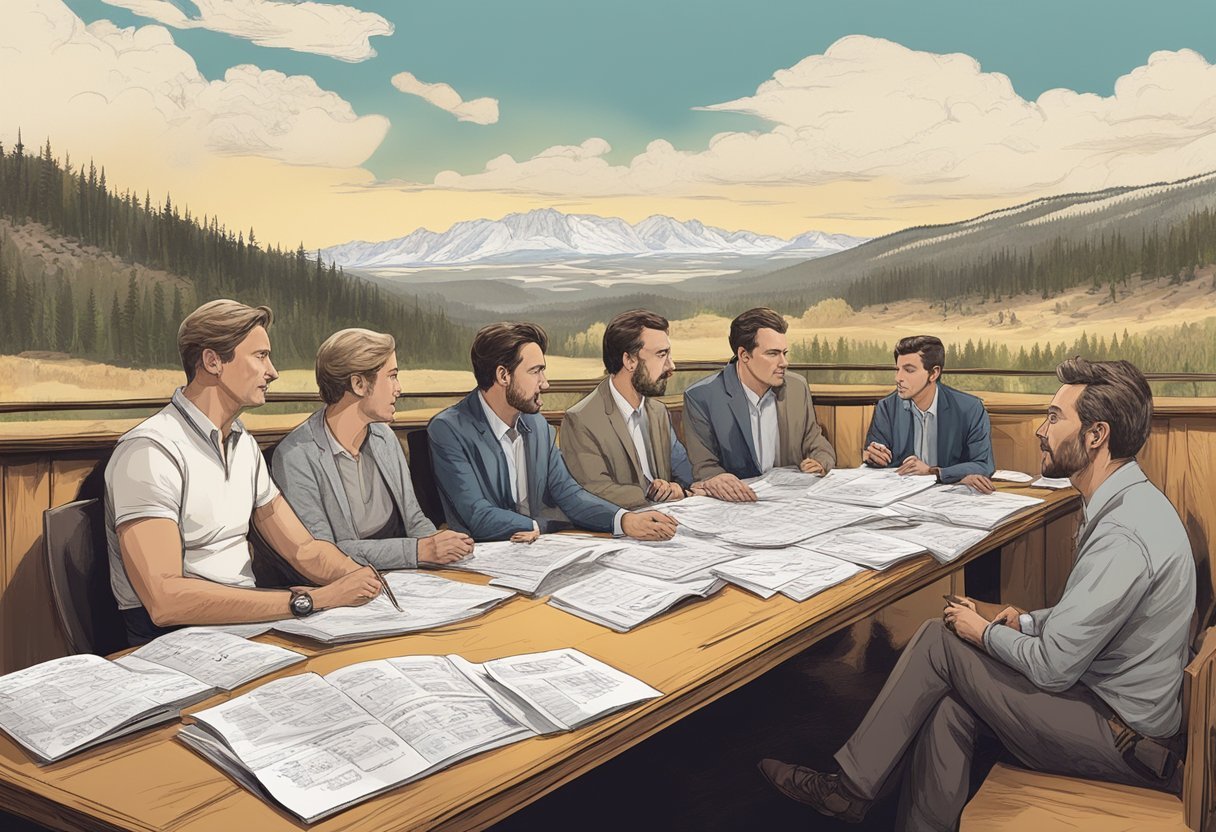
The creation of the hit series Yellowstone involved careful casting decisions that helped bring Taylor Sheridan's vision of modern Montana ranch life to the screen. The selection of actors who could authentically embody the rugged characters of the Dutton family and their associates required deliberate choices that shaped the show's identity.
Taylor Sheridan's Inspiration
Taylor Sheridan drew from his personal experiences growing up in rural Texas when creating the characters for Yellowstone. His vision required actors who could portray the grit and complexity of modern ranching life in Montana. Sheridan was particularly adamant about casting performers who understood or could convincingly adapt to the western lifestyle.
The creator often spoke directly with potential cast members about their comfort with horses and outdoor environments. This authenticity mattered deeply to him, as he wanted viewers to believe the characters had lived their entire lives on the land.
Sheridan's writing specifically tailored certain roles for particular actors. Kevin Costner was his only choice for John Dutton, believing the actor's previous western roles and commanding presence made him perfect for the patriarch.
Casting Director's Role in Yellowstone
The casting team for Yellowstone, led by experienced professionals, faced the challenge of finding actors who could balance the show's dramatic requirements with physical authenticity. They sought performers who possessed both the acting chops for intense family drama and the physical capabilities for demanding ranch scenes.
The directors conducted extensive searches beyond typical Hollywood channels, sometimes finding talent with genuine ranching backgrounds. They valued actors who could ride horses convincingly and appear comfortable in the rugged Montana landscape.
Several cast members were selected after demonstrating unexpected chemistry during auditions. The team prioritized finding performers who could convey the complex family dynamics central to the show's appeal.
Regional authenticity was another priority, with the casting team seeking actors who could master the specific cadences and mannerisms of Montana ranch culture. This attention to detail helped create the show's immersive and believable world.
Actors Considered for the Role of John Dutton
Before Kevin Costner was cast as the iconic patriarch of the Dutton ranch, several notable Hollywood actors were considered for the role. The casting process involved complex negotiations and specific contractual requirements that shaped the final decision.
Early Choices Before Kevin Costner
Sam Elliott was initially approached for the role of John Dutton, bringing his western credibility and commanding presence to the table. His schedule conflicts with other projects ultimately prevented his involvement.
Kurt Russell was another serious contender, with producers drawn to his rugged charm and proven track record in both westerns and family-driven dramas. Sources close to the production indicate Russell was very interested but couldn't commit to the show's demanding filming schedule.
Ed Harris reportedly read for the part and impressed creators with his intensity. The production team admired his ability to convey complex emotions with minimal dialogue, a trait they sought for the Dutton patriarch.
Jeff Bridges was also on the shortlist, with his Oscar-winning gravitas making him an attractive option for the powerful rancher role.
Contractual Agreements and Consent
The role of John Dutton required specific contractual commitments that influenced the final casting decision. Actors needed to consent to multi-season agreements spanning potentially 5+ years of production.
Location filming requirements became a major consideration, as shooting in Montana for extended periods eliminated several candidates unwilling to commit to the remote shooting schedule.
Physical demands written into the contract required actors to perform certain stunts and outdoor activities. This included horseback riding proficiency, which Kevin Costner already possessed from previous western roles.
Salary negotiations played a significant role in the selection process. The production offered a competitive per-episode rate, but required exclusivity windows that restricted other project involvement.
Costner ultimately signed after producers modified certain contractual clauses to accommodate his film directing schedule, demonstrating the production's flexibility to secure their ideal John Dutton.
Auditions and Screen Tests
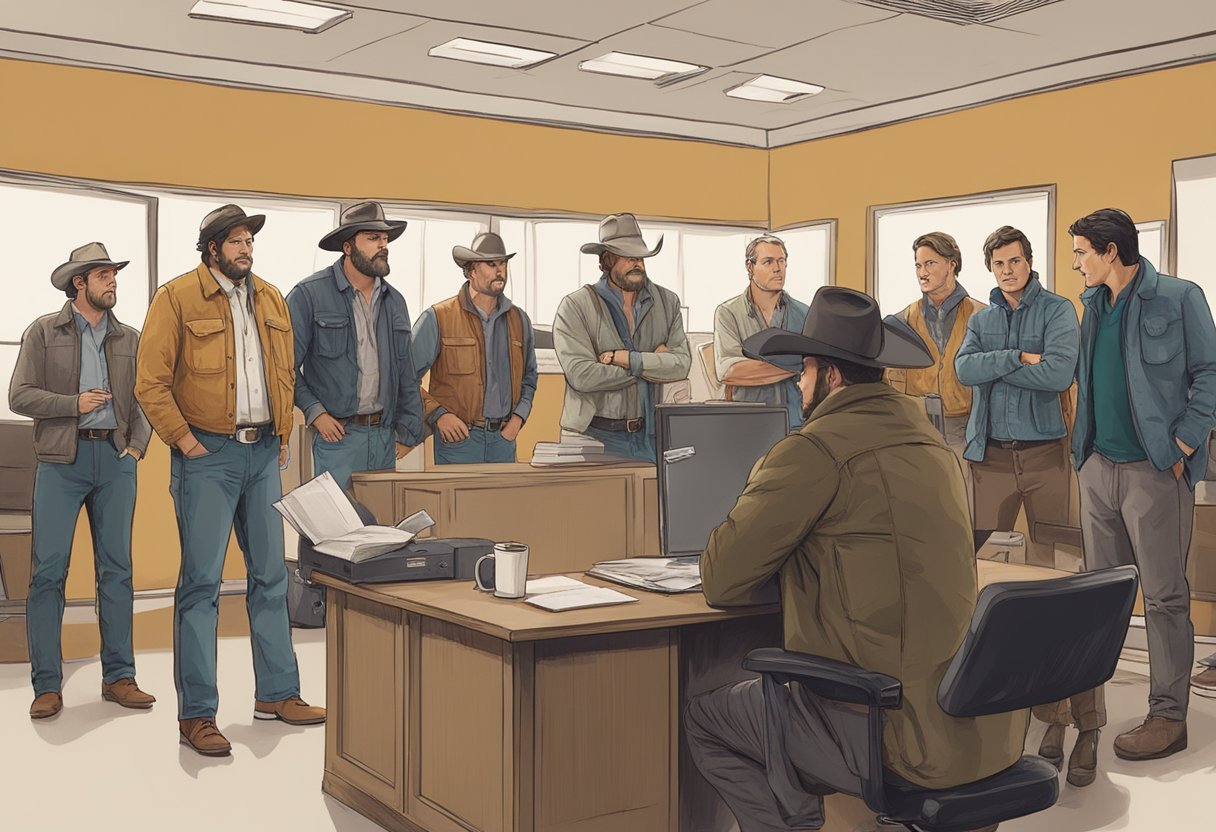
The casting process for Yellowstone involved extensive auditions and screen tests that shaped the show's iconic character lineup. Behind-the-scenes decisions created the perfect ensemble that made the series a cultural phenomenon.
The Quest for Kayce
Luke Grimes wasn't the only actor considered for the complex role of Kayce Dutton. Several rising Hollywood talents participated in rigorous audition sessions during early 2017.
Top Contenders for Kayce Dutton:
Scott Eastwood reportedly read for the part twice before scheduling conflicts eliminated him
Garrett Hedlund advanced to chemistry reads with Kelly Reilly
Charlie Hunnam briefly discussed the role before declining due to other commitments
The audition process demanded actors demonstrate both physical prowess and emotional range. Casting directors set up specialized screen tests involving horseback riding assessments and intense emotional scenes.
Taylor Sheridan personally supervised final auditions, seeking an actor who could convey Kayce's military background and inner turmoil. These sessions often lasted hours as actors worked through complex dialogue and physical scenarios.
Supporting Cast Selection
Finding the perfect ensemble around the Dutton family required equally meticulous casting work. The ranch hands and antagonists went through multiple audition phases before final decisions were made.
Notable Audition Stories:
Cole Hauser initially read for a different role before being redirected to Rip Wheeler
Four actresses screen-tested with Kevin Costner for Beth before Kelly Reilly secured the part
Jefferson White's audition for Jimmy reportedly involved learning basic rope skills just hours before his final read
Casting directors utilized location-specific auditions in Montana and Utah to find authentic ranch workers and local talent. This approach helped maintain the show's credibility with rural viewers.
Chemistry tests between potential cast members played a crucial role in final decisions. The production team filmed improvised scenes between various actor combinations to evaluate their dynamic interactions before making offers.
The 'What-If' Scenario
Alternative casting choices for Yellowstone could have dramatically altered the show's dynamics and audience reception. These hypothetical scenarios have sparked countless discussions among fans, particularly when considering how actors from popular shows like The Office might have fit into the Dutton family saga.
Imaginary Cast Line-Ups
Several prominent actors were reportedly considered for key Yellowstone roles before the final cast was selected. Matthew McConaughey was rumored to have been an early consideration for John Dutton before Kevin Costner secured the role. His laid-back charisma would have created a distinctly different patriarch.
For Beth Dutton, Jennifer Lawrence was allegedly approached, potentially bringing a younger but equally fierce energy compared to Kelly Reilly's portrayal.
The role of Rip Wheeler almost went to Tom Hardy, whose intensity matches Cole Hauser's but would have added a different physical presence and accent to the beloved character.
Jamie Dutton might have been played by Jake Gyllenhaal, potentially bringing more sympathetic qualities to this complicated character than Wes Bentley's interpretation.
Fan Speculations and The Office Crossover Fantasies
Fans have enthusiastically created fantasy castings, with surprising popularity surrounding potential crossovers with The Office cast. Steve Carell is frequently mentioned in fan forums as an interesting alternative for John Dutton, imagining his dramatic acting skills in a serious Western context.
Rainn Wilson's name surfaces in discussions about playing the eccentric ranch hand Jimmy, with fans speculating his physical comedy could add dimension to the character.
Jenna Fischer has been fan-cast as a gentler version of Beth Dutton, while John Krasinski is often suggested as a more approachable Jamie Dutton.
These Office crossover fantasies highlight how casting decisions fundamentally shape a show's identity. The chemistry between actors from The Office might have created a Yellowstone with more humor but potentially less of the raw intensity that defines the actual series.
Digital Footprints in Casting
The digital landscape has revolutionized how casting decisions are tracked and influenced in Hollywood productions like Yellowstone. Search data and online speculation often reveal early casting considerations long before official announcements.
Online Searches and Casting Rumors
Casting directors for Yellowstone frequently evaluate actors' popularity through digital metrics. Yahoo search trends have become valuable indicators of public interest in potential cast members. When Kevin Costner was being considered for the role of John Dutton, his name generated significant search volume, confirming his drawing power.
Industry insiders rely on search data to gauge audience anticipation for specific actor-role pairings. Before Cole Hauser was cast as Rip Wheeler, several other actors' names circulated in online forums, creating digital breadcrumbs of the casting process.
These digital footprints often reveal early-stage negotiations that never materialized. Hugh Jackman and Matthew McConaughey both appeared in casting rumors for Yellowstone, with search trends spiking whenever their names were connected to the show.
The Role of Social Media Buzz in Actor Selection
Social media conversations significantly influence modern casting decisions. Producers closely monitor Twitter, Instagram, and Facebook reactions to casting rumors, using this real-time feedback as an informal focus group.
Audience research firms now provide detailed reports on social sentiment around potential casting choices. For Yellowstone, certain actor mentions generated measurable enthusiasm that helped secure roles.
When Luke Grimes was rumored for the part of Kayce Dutton, positive social media response helped solidify his position. Similarly, Kelly Reilly's casting as Beth Dutton generated substantial online excitement that validated the selection.
Casting directors increasingly value an actor's social media presence and engagement metrics. Stars with strong digital followings bring built-in marketing advantages, with their personal platforms becoming valuable promotional channels for shows like Yellowstone.
Personal Data and Privacy in the Casting Process
The entertainment industry handles significant amounts of personal information during casting processes. This includes sensitive data about actors' backgrounds, physical characteristics, and contact details that require careful management and protection.
Protecting Actor's Information
Casting directors for shows like Yellowstone manage extensive personal data from thousands of actors. This includes headshots, résumés, addresses, phone numbers, and sometimes even financial information.
Production companies typically implement robust security measures to safeguard this sensitive information. Digital casting platforms often encrypt personal data and limit access to authorized personnel only through secure authentication methods.
IP addresses and digital footprints are tracked during online submissions, raising additional privacy concerns. Many studios now anonymize data when possible and purge unnecessary information after casting decisions are made.
Top-tier productions like Yellowstone frequently require non-disclosure agreements specifically addressing how personal information will be handled and stored. These agreements outline data retention policies and actor rights regarding their information.
Consent Frameworks and Ethics
The casting process relies on clear consent frameworks that specify how an actor's information may be used. Performers must explicitly agree to share their data with production teams, network executives, and sometimes third-party casting services.
Modern consent procedures typically allow actors to maintain control over their information through granular privacy settings. These settings let performers decide what personal details remain accessible after auditions conclude.
Ethical considerations extend beyond legal requirements in today's industry. Many casting directors follow voluntary codes of conduct regarding privacy protection that exceed minimum regulatory standards.
The rise of digital casting has created new ethical questions about data ownership. When actors submit materials electronically, productions must clearly communicate whether submissions will be retained for future consideration or deleted.
Industry standards increasingly recognize that personal information belongs to the performer, not the production. This shift has empowered actors to request information removal from databases when no longer actively under consideration.
Advertising and Promotional Efforts
The marketing strategy behind Yellowstone's casting decisions has significantly influenced the show's promotional campaigns. These efforts transformed potential casting choices into powerful advertising tools that resonated with audiences across multiple platforms.
Leveraging Cast Choices for Marketing
Paramount Network strategically highlighted both confirmed and rumored cast members in their marketing materials to generate buzz around Yellowstone. When Kevin Costner was secured as the lead, his star power became the centerpiece of billboard campaigns and trailer promotions across major markets.
The network created "Character Spotlight" social media series featuring actors who landed roles, while occasionally teasing "what might have been" with subtle references to other considered performers. This approach created engaging content that kept fans invested in the show's development.
Marketing teams utilized cast interviews discussing the audition process, where actors occasionally mentioned others who competed for their roles. These revelations typically surfaced in:
Entertainment magazine features
Press junket interviews
Convention panel discussions
Personalised Advertising Through Casting Announcements
Yellowstone's marketing team implemented sophisticated targeted advertising campaigns based on viewer interest in specific actors. Digital platforms allowed advertisers to deliver customized content featuring cast members most likely to appeal to particular demographic segments.
The show's cookie policy enabled collection of user data to refine content measurement and create more effective personalized ads. Viewers who searched for certain actors would subsequently receive tailored Yellowstone promotions featuring those performers.
Social media campaigns strategically released casting announcements in waves to maintain public interest. Each announcement was crafted to highlight the unique qualities each performer would bring to the role.
Analytics teams tracked engagement metrics across platforms to determine which Yellowstone cast members generated the most interest. This data informed future promotional decisions and content creation strategies for subsequent seasons.
Behind the Scenes: The Logistics of Casting
Casting decisions for "Yellowstone" involved complex logistical considerations that shaped the final ensemble. The show's Montana setting and demanding production schedule created unique challenges for the casting team.
Location Constraints and Montana's Influence
Montana's remote landscapes posed significant challenges for the "Yellowstone" casting process. Actors needed to commit to lengthy stays in rural filming locations, often far from major cities and amenities.
The production team established temporary housing services near filming sites to accommodate cast members during the extended shooting schedule. This infrastructure development became essential for attracting top talent who might otherwise hesitate to commit to such an isolated production environment.
Proximity to Montana became a surprising factor in some casting decisions. Actors with existing connections to Montana or similar rural environments often demonstrated greater enthusiasm and adaptability to the shooting conditions. This geographical preference sometimes influenced choices between equally qualified candidates.
Scheduling Conflicts and Availability
The "Yellowstone" production schedule created significant hurdles for casting directors. Many scenes required coordination with seasonal conditions in Montana, creating rigid timeframes that potential cast members needed to accommodate.
Geolocation data helped production teams identify optimal filming periods based on weather patterns and daylight hours. This information directly impacted casting decisions when actors' availability conflicted with these predetermined shooting windows.
Several roles underwent last-minute recasting due to scheduling conflicts. The demanding 10-12 week shooting blocks required actors to clear substantial portions of their calendars, which proved impossible for some initially-selected performers.
The show's growing popularity has made scheduling increasingly complex in later seasons. As cast members receive additional opportunities, production must now work around expanded commitments that didn't exist during initial casting phases.
Reflections on the Casting Process
The casting journey for Yellowstone reveals fascinating alternatives that could have dramatically altered the show's dynamics and audience reception. Behind-the-scenes decisions shaped the ultimate ensemble that viewers have come to identify with the Dutton family saga.
Key Learnings for Future Productions
Casting directors for Yellowstone demonstrated the importance of chemistry tests between potential co-stars. Taylor Sheridan insisted on in-person readings rather than relying solely on video auditions, which proved crucial for finding authentic dynamics.
The process highlighted how actors sometimes connect with characters in unexpected ways. Kevin Costner wasn't initially convinced about playing John Dutton but found resonance with the character after deeper script analysis.
Budget considerations played a significant role in casting decisions. Several high-profile actors were approached but commanded fees that would have consumed disproportionate amounts of the production budget.
Timing conflicts eliminated some strong contenders, teaching producers to build flexibility into their production schedules. This approach has become standard practice for subsequent Yellowstone universe projects.
Industry Impact of Yellowstone's Casting Decisions
Yellowstone's casting choices have reshaped career trajectories for its stars, particularly for Cole Hauser and Kelly Reilly, who experienced career revivals through their roles as Rip Wheeler and Beth Dutton.
The show established a new paradigm for western dramas, proving that traditional western themes could attract contemporary audiences when cast with the right blend of established stars and fresh talent.
Casting directors now regularly cite Yellowstone when discussing authentic representation of rural American characters. The show avoided casting only Hollywood types in favor of actors who could believably embody ranch life.
The success has influenced how streaming services approach casting for prestige drama series. Many platforms now seek their own "Yellowstone formula" – mixing film stars with character actors to create compelling ensemble casts.
Yellowstone's approach to casting diversity has sparked industry debates about representation in stories set in specific regional contexts. These conversations continue to shape how new productions approach inclusive casting while maintaining narrative authenticity.
