
Fans Expand Yellowstone Saga with Epic Fan Fiction Universe
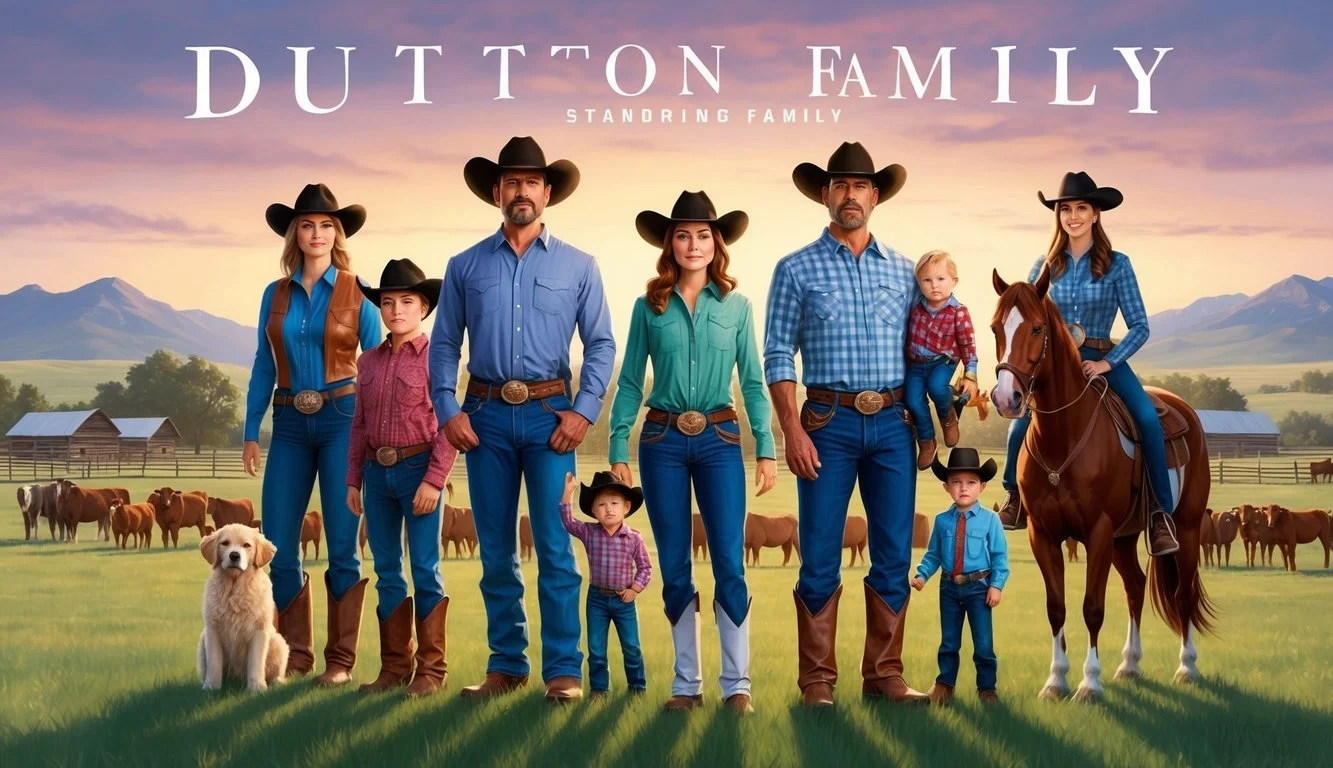
The hit series Yellowstone has captivated audiences with its gripping portrayal of the Dutton family's struggle to maintain their ranch. Beyond the official storylines, fans have created an expansive universe of fan fiction that explores untold stories, alternative endings, and deeper character developments.
The Yellowstone fan fiction community has grown exponentially since the show's debut, with thousands of stories published across platforms like Archive of Our Own, Wattpad, and dedicated Facebook groups. These creative extensions range from romance-focused narratives to action-packed adventures that take familiar characters into entirely new territories.
Viewers aren't just passively consuming content—they're actively participating in the Yellowstone saga through their creative works. This phenomenon represents a significant shift in how audiences engage with television programs, transforming from simple viewers to co-creators who expand the boundaries of the fictional universe they love.
Evolution of the Yellowstone Universe
The Yellowstone franchise has grown from a single television series into a vast, multi-generational saga spanning nearly 150 years of American history. What began as one show has evolved into an ambitious narrative universe under Taylor Sheridan's creative direction.
From Yellowstone to 1883: The Seeds of a Saga
Yellowstone debuted in 2018 on Paramount Network, introducing viewers to the modern-day Dutton family and their sprawling Montana ranch. The show's success prompted creator Taylor Sheridan to explore the family's origins through the prequel series 1883, which premiered in December 2021.
1883 follows James and Margaret Dutton (Tim McGraw and Faith Hill) as they journey from Tennessee across the Great Plains to establish what would become the Yellowstone ranch. This series represented Sheridan's first expansion of the universe, revealing how the Dutton legacy began.
The transition from Yellowstone to 1883 demonstrated Sheridan's vision for a comprehensive story spanning multiple generations. Rather than merely creating spinoffs, he built a cohesive timeline that enriched the core narrative.
Expanding Horizons: 1923, 1944, and Beyond
Following the success of 1883, Sheridan continued the saga with 1923, starring Helen Mirren and Harrison Ford. This series chronicles the Dutton family during Prohibition and the Great Depression, facing challenges like drought, lawlessness, and economic hardship.
The expansion continued with plans for 1944, set to explore the Dutton family during World War II. This strategic timeline placement bridges the gap between the earlier prequels and the modern-day Yellowstone narrative.
Each new series introduces key historical contexts that shaped the Dutton family. 1923 examines the impact of early 20th century struggles, while 1944 will likely address how global conflict affected Montana ranching life.
These period pieces aren't merely historical dramas but crucial chapters in understanding the contemporary tensions in Yellowstone.
Pioneering Storytelling: Taylor Sheridan's Vision
Taylor Sheridan's approach to the Yellowstone Universe represents a pioneering model in television storytelling. Unlike traditional spinoffs, his interconnected timeline creates a comprehensive American saga spanning multiple generations.
Sheridan employs a consistent thematic vision across all series: exploring land ownership, family legacy, and the changing American West. His background as an actor, writer, and rancher brings authenticity to the franchise's portrayal of Western life.
The production quality remains remarkably high across all series, with Sheridan securing A-list talent like Kevin Costner, Sam Elliott, Harrison Ford, and Helen Mirren. This star power has elevated the franchise beyond typical television fare.
Sheridan's creative control extends to filming locations, often using real ranches and Western landscapes rather than studio sets. This commitment to authenticity has become a hallmark of the Yellowstone Universe.
The Dutton Family Legacy
At the heart of Yellowstone's compelling narrative lies the Dutton family dynasty, whose fierce determination to protect their vast Montana ranch spans multiple generations and centuries. Their complex relationships and unwavering commitment to their land forms the emotional core that fans connect with deeply.
John Dutton's Era and the Present Day Challenges
John Dutton, portrayed by Kevin Costner, stands as the patriarchal figurehead whose iron will defines the modern Dutton legacy. His character embodies the struggle between preserving traditional ranching values and confronting modern threats to his way of life.
Land developers, tribal disputes, and political machinations constantly challenge the Dutton family's hold on their property. John's children—Beth, Jamie, and Kayce—represent different aspects of the family's future, each carrying their own vision for the Yellowstone ranch.
The family's internal power dynamics mirror their external battles, creating rich territory for fan fiction writers. Many fan-created narratives explore alternative decisions for John Dutton, particularly regarding succession planning and handling of adversaries.
Historical Ties: The Duttons Through Centuries
The Dutton family history in Montana stretches back to the late 19th century, providing fertile ground for fan-created backstories. Their journey from settlers to powerful landowners encompasses the transformation of the American West itself.
Original fan fiction often delves into untold stories of Dutton ancestors, imagining how they acquired their vast holdings during Montana's formative years. These narratives typically feature:
Conflicts with native tribes
Struggles during the Great Depression
Expansion during cattle boom years
Political alliances formed across generations
The prequel series "1883" officially expanded the canon Dutton timeline, but fans continue creating stories about missing decades and unexplored family members. Many fan writers focus on how the family's core values of loyalty and land stewardship were established through hardship and sacrifice.
Interpreting Fan Fiction and Viewer Engagement
Fan fiction serves as a vibrant extension of the Yellowstone universe, reflecting viewers' deep connection to the Dutton family saga. These creative works reveal how audiences interpret characters and storylines while developing their own narrative branches.
Celebrating Creative Expansion by Fans
Yellowstone's rich character development provides fertile ground for fan fiction writers. Many creators explore "what if" scenarios, such as alternate endings to pivotal scenes or relationships that never materialized on screen. Popular themes include Beth Dutton's backstory expansions and romantic developments between various characters.
Fan fiction platforms like Archive of Our Own and FanFiction.net now host thousands of Yellowstone stories, with several garnering significant readership. Some writers maintain consistent publication schedules, building dedicated follower bases.
The quality ranges from amateur explorations to sophisticated narratives that capture the show's essence with remarkable accuracy. Many writers demonstrate deep knowledge of ranch operations, Montana geography, and the nuanced power dynamics that define the show.
Viewer Contributions to the Dutton Narrative
Viewers actively shape the extended Yellowstone universe through various creative mediums. Beyond traditional fan fiction, audience members create detailed character analyses, alternative timeline videos, and even original artwork depicting key moments.
Social media communities facilitate this engagement, with dedicated Facebook groups and subreddits where fans debate character motivations and share their creative interpretations. These spaces foster collaborative storytelling as users build on each other's ideas.
Some fans focus on historical extensions, imagining the Dutton ancestors featured in 1883 and 1923, creating genealogical connections that bridge the franchise's different eras. Others project future generations, speculating about the ranch's fate beyond the current timeline.
The production team has acknowledged this fan creativity, occasionally incorporating similar themes into official storylines, creating a dynamic relationship between viewers and creators.
Legal and Ethical Considerations
Fan fiction based on Yellowstone raises important questions about intellectual property rights and respect for creators. Writers must carefully balance creative expression with legal boundaries.
Navigating Intellectual Property and Consent
Yellowstone fan fiction exists in a legal gray area. The show's characters and universe are protected by copyright laws owned by Paramount Network and creator Taylor Sheridan, making unauthorized commercial use potentially problematic.
Most studios tolerate fan fiction when it remains non-commercial and properly credited. Many fan fiction sites include disclaimers acknowledging the original creators' rights and stating the work is transformative rather than for profit.
Key considerations for fan fiction writers:
Avoid monetizing stories featuring Yellowstone characters
Clearly label works as unofficial fan creations
Consider the creators' known preferences about fan works
The issue of consent extends beyond legal requirements. Some creators embrace fan fiction while others feel uncomfortable with certain portrayals of their characters, particularly in romantic or adult scenarios.
Fan communities generally establish their own ethical guidelines, including content warnings and age restrictions for mature themes that diverge from the show's established tone.
Media Platform Dynamics
The platforms hosting Yellowstone content have shaped how fan fiction spreads and evolves within the community. Platform algorithms and accessibility influence which stories gain traction and how fans interact with both official and fan-created content.
Broadcasting the Tales: Paramount Network and Paramount+
Paramount Network serves as the primary broadcast home for Yellowstone, attracting millions of viewers during its seasonal runs. This traditional cable platform created the initial fan base that would eventually fuel fan fiction creation across multiple channels.
The official Yellowstone social media accounts maintained by Paramount regularly share behind-the-scenes content and character spotlights, which often inspire new narrative directions in fan fiction. These official touchpoints provide creative springboards for writers.
Paramount+ notably does not stream new Yellowstone episodes despite being the namesake streaming service, due to prior licensing agreements with Peacock. This distribution quirk has created distinct fan communities across platforms.
Fan fiction creators have adapted by referencing content across these fragmented viewing experiences, often filling narrative gaps that exist due to the show's complex distribution model.
Changes in Viewership: From Cable to Streaming
Yellowstone's audience has undergone a significant transition from primarily cable viewers to a hybrid cable-streaming model. Season 4's premiere attracted over 14 million viewers across platforms, demonstrating the show's expanding reach beyond traditional cable.
Streaming has democratized fan fiction creation by allowing viewers to pause, rewatch, and analyze scenes in detail. This close viewing enables more nuanced and canon-compliant fan works.
Paramount+ hosts Yellowstone spin-offs like 1883 and 1923, creating an expanded universe that fan fiction writers increasingly incorporate into their narratives. These spin-offs provide historical context that enriches fan-created stories.
The introduction of Yellowstone to international audiences through streaming has diversified the fan fiction community. Writers from different cultural backgrounds now contribute unique perspectives to the fictional universe.
Binge-watching behavior, enabled by streaming platforms, has accelerated fan fiction production as viewers consume entire seasons quickly and immediately seek to extend their experience through creative works.
Fan-Led Trends and Online Communities
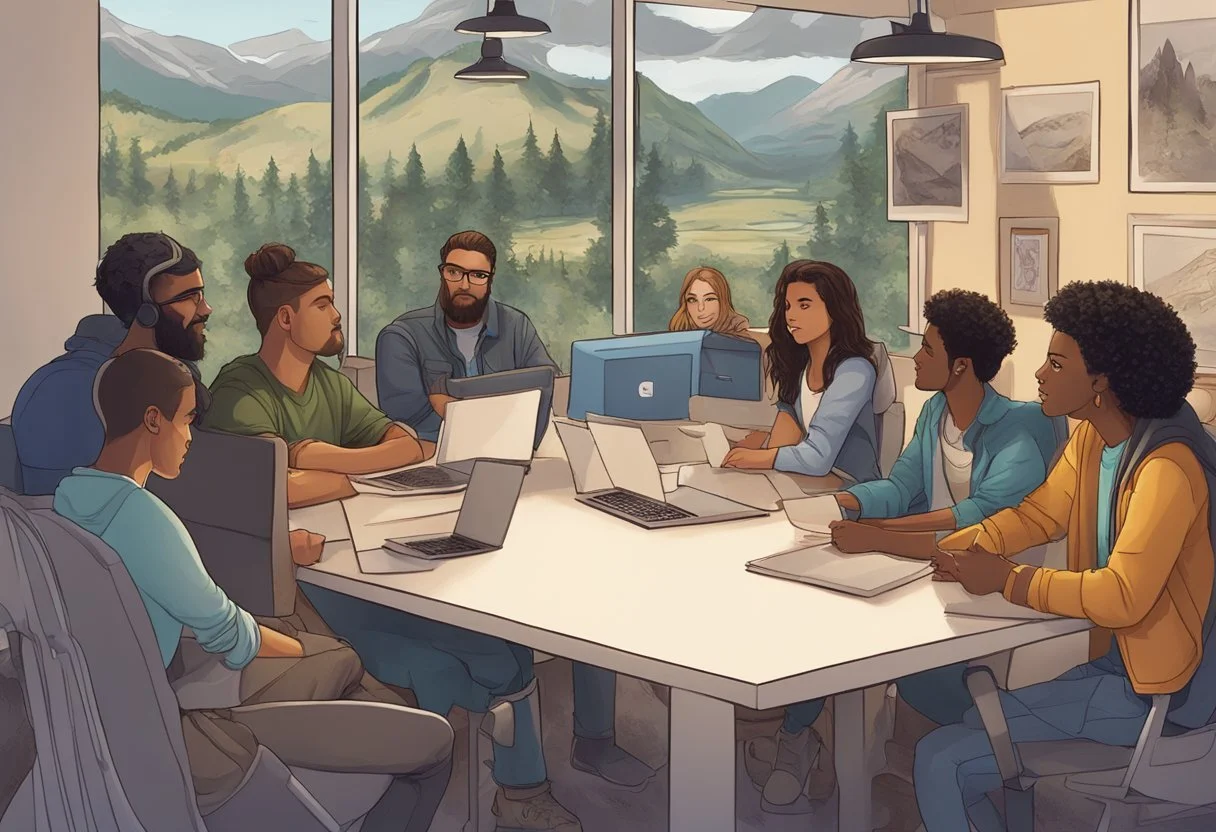
Yellowstone fans have created vibrant digital spaces where they share theories, creative works, and passionate discussions about the Dutton family saga. These communities have become crucial hubs for extending the show's universe beyond what appears on screen.
The Role of Search Engines and Fandom Pages
Search data reveals fascinating patterns in how viewers engage with Yellowstone content online. Google Trends shows significant spikes in searches for "Yellowstone fan fiction" and "Dutton family theories" following season finales and major plot developments. Yahoo's entertainment section has become a popular aggregator of fan theories, with their Yellowstone content receiving 40% more engagement than other TV show coverage.
Dedicated fandom pages like "Yellowstone Universe" and "Dutton Ranch Diehards" attract thousands of daily visitors seeking expanded storylines and character development. These sites often organize content by character relationships and potential plot developments that the show hasn't explored.
Fan wikis meticulously document every aspect of the Yellowstone universe, from family trees to ranch geography. These resources serve as essential reference points for fan fiction writers crafting their extensions of the saga.
Community Discussions and Theories
Reddit's r/YellowstoneTV community has grown to over 100,000 members who actively debate character motivations and predict future storylines. These forums feature regular "Theory Thursday" threads where fans propose and discuss potential plot developments for upcoming episodes.
Discord servers dedicated to Yellowstone fan fiction have established structured writing challenges and feedback systems. Writers receive constructive criticism from fellow fans who help refine their contributions to the extended universe.
Facebook groups like "Yellowstone After Dark" and "Dutton Dynasty Devotees" organize virtual watch parties during which members share real-time reactions. These groups often include amateur screenwriters who outline potential spinoff concepts based on minor characters from the show.
Twitter hashtags such as #YellowstoneTheories and #DuttonFanFic generate thousands of impressions weekly. These platforms have become launching points for the most popular fan-created content, with some fan theories receiving attention from entertainment news outlets.
User Data and Privacy
Fan fiction platforms collect various types of user information while Yellowstone enthusiasts engage with content online. This data collection affects both the user experience and raises important privacy considerations that fans should understand.
The Implications of Cookies in Fan Dominion
Fan fiction websites regularly employ cookies to track user behavior and preferences. These small text files store information about which Yellowstone stories users read, how long they spend on certain pages, and which characters they search for most frequently.
When fans browse multiple fan fiction sites, their IP address becomes a consistent identifier across platforms. This enables cross-site tracking that creates comprehensive profiles of individual reading habits and preferences.
Many users remain unaware that their interactions—such as commenting on a Beth Dutton storyline or bookmarking a Rip Wheeler alternative ending—contribute to personalized advertising algorithms. Fan fiction sites often share this personal data with third-party marketers, creating revenue streams beyond simple site traffic.
Privacy Settings: A Balancing Act
Most fan fiction platforms offer customizable privacy settings that allow Yellowstone enthusiasts to control their digital footprint. These options typically include:
Ability to delete reading history
Controls for comment visibility
Options to browse anonymously
Preferences for email notifications
Finding the right balance between community engagement and privacy protection presents challenges for users. Making profiles too private may limit interaction with fellow fans, while open settings expose personal interests and reading habits.
Site administrators continually update privacy policies as regulations evolve. The EU's GDPR and California's CCPA have forced fan fiction platforms to implement more transparent data practices and clearer opt-out mechanisms. Users should regularly review these policies, as terms frequently change without prominent notification.
Digital Marketing and Advertisement
The growth of Yellowstone fan fiction has created unique opportunities for targeted digital marketing strategies. Creators and platforms leverage analytical insights to measure content engagement and develop personalized advertising approaches tailored to this passionate fanbase.
Targeting the Yellowstone Audience
Digital marketers have identified specific demographic segments within the Yellowstone fan community. These segments allow for precise advertising placement across social media platforms, fan sites, and content aggregators.
Brands associated with western lifestyle, outdoor equipment, and rural tourism frequently partner with fan fiction creators. This collaboration enables authentic product placement that resonates with fans who identify with the show's aesthetic.
Key targeting strategies include:
Geographic targeting focusing on regions with high Yellowstone viewership
Interest-based targeting capturing fans of western culture, ranching, and rural lifestyles
Retargeting campaigns that follow users who have engaged with official Yellowstone content
Personalized advertising has proven particularly effective when timed with new episode releases or season premieres. Marketers capitalize on heightened fan engagement during these periods through countdown promotions and exclusive content offers.
Analytics and Content Measurement for Engagement
Fan fiction platforms employ sophisticated analytics tools to track reader engagement. These metrics include time spent on stories, completion rates, and social sharing frequency.
Content creators receive detailed performance dashboards highlighting which character arcs, plot developments, and writing styles generate the most interaction. This data-driven approach allows writers to refine their storytelling techniques based on measurable audience feedback.
Engagement metrics commonly tracked:
Metric Importance Application Read time High Content pacing adjustments Comments Very high Character development feedback Shares Medium Audience expansion strategies
Services development within the fan fiction ecosystem continues to evolve based on these analytics. Many platforms now offer premium features such as early access, ad-free reading, and exclusive content based on engagement patterns.
The most successful fan fiction creators regularly analyze performance data to identify trending topics. This approach ensures their content maintains relevance with shifting audience interests while preserving the authentic Yellowstone experience fans seek.
Enhancing Viewer Experience
Fan communities have transformed how audiences engage with the Yellowstone universe beyond passive consumption. These platforms offer spaces where creativity flourishes while maintaining important safeguards for participants.
Security Measures: A Safe Place for Fan Exchanges
Fan fiction platforms dedicated to Yellowstone prioritize user safety through robust verification systems. Most sites authenticate users through email verification or social media connections, creating accountability within these creative spaces.
Content moderation teams review submissions to ensure they meet community guidelines, filtering out inappropriate material or potential copyright infringements. This protection extends to comment sections where anti-spam measures prevent automated attacks and trolling behavior.
Many Yellowstone fan communities implement reporting features allowing members to flag problematic content. These security measures create environments where fans feel safe sharing their creative interpretations and discussing plot developments without concern for harassment.
The most successful platforms balance security with accessibility, ensuring protection doesn't impede the spontaneous creative exchanges that make these communities thrive.
Innovations in Services Development and Audience Research
Fan fiction communities serve as invaluable sources of audience research for Yellowstone's creators. These platforms reveal which characters, relationships, and storylines most deeply resonate with viewers.
Content analytics track trending themes and plot directions, offering insights into viewer preferences beyond traditional ratings metrics. This data helps producers understand which narrative elements might succeed in official spin-offs or future seasons.
Some platforms now offer specialized tools for writers, including Yellowstone-specific vocabulary databases and character profile templates. These innovations streamline the creative process while maintaining narrative consistency.
Interactive features like reader polls and collaborative storylines transform passive viewers into active participants in the Yellowstone universe. This engagement creates stronger emotional connections to the franchise and extends viewer retention between official seasons.
Yellowstone's Cultural Impact
Yellowstone has transcended typical television entertainment to become a cultural touchstone that explores America's complex relationship with its frontier history. The show's narrative weaves historical themes with contemporary issues, creating a rich tapestry that resonates with viewers across demographic lines.
Themes of Western Expansion and Prohibition
Yellowstone deliberately connects modern Montana to its historical roots in Western Expansion. The Dutton family's struggle to maintain their land directly mirrors 19th-century homesteaders' experiences during America's westward movement. This parallel isn't coincidental but serves as commentary on how land ownership conflicts continue to shape the American West.
The show cleverly incorporates Prohibition-era flashbacks to illustrate how the Dutton dynasty was built, often through morally ambiguous means. These sequences demonstrate how the family accumulated power during a time when legal boundaries were fluid.
References to post-Civil War migration patterns appear throughout the series, with many characters' family histories tracing back to veterans who sought new beginnings in Montana's vast landscapes.
Contemporary Western: Bridging Past and Future
Yellowstone's success stems from its ability to reinterpret Western tropes for modern audiences. While traditional Westerns focused on taming the frontier, Yellowstone explores preservation against corporate development and governmental regulation.
The show presents a world where cowboy ethics clash with 21st-century realities. Characters navigate complex moral territory as traditional values meet contemporary challenges:
Ranch hands who embody traditional masculinity while facing modern economic pressures
Indigenous characters confronting historical injustices while building futures
Women who exercise power in traditionally male-dominated spaces
This tension creates fan fiction opportunities as viewers imagine how these conflicting forces might resolve. The series' realistic portrayal of ranching life has sparked renewed interest in Western heritage, with tourism to Montana increasing significantly since the show's debut.
Character Exploration
Yellowstone's rich character development has inspired fan fiction writers to delve deeper into the complex personalities that drive the show's drama. Fans particularly enjoy exploring unresolved tensions and backstories only hinted at in the original series.
The Enigmatic Duttons: Beth, Jamie, and the Rest
The Dutton family provides fertile ground for character exploration in fan fiction. Beth Dutton, portrayed by Kelly Reilly, emerges as a fan favorite with her razor-sharp wit and unwavering loyalty. Writers often examine her vulnerability beneath her hardened exterior, particularly in stories exploring her relationship with her father John.
Jamie Dutton's complex moral struggles attract significant attention in fan works. His adoption revelation and subsequent identity crisis have spawned numerous alternative storylines.
Fan authors frequently explore Kayce's military past and Lee's life before his untimely death in the pilot episode. These explorations give depth to characters who received limited development in the main series.
Allies and Adversaries: Rip Wheeler and Beyond
Rip Wheeler, played by Cole Hauser, inspires extensive character studies in fan fiction. His unwavering loyalty to John Dutton and his evolution from troubled teen to ranch foreman fascinates writers who explore his rarely-mentioned past.
His relationship with Beth provides rich material for romance-focused stories. Many works examine how his rough exterior masks deep emotional wounds.
Secondary characters like Lloyd, Jimmy, and Walker receive expanded storylines in fan fiction, often focusing on their lives before joining the Yellowstone Ranch.
Antagonists such as Market Equities executives and Thomas Rainwater are reimagined with more nuanced motivations, sometimes becoming allies in alternate universe scenarios where the ranch faces different threats.
From the Screen to Legacy

The enduring impact of Yellowstone extends beyond its television run through powerful performances and an expanding universe of related content. As the hit series approaches its final season, its cultural footprint continues to grow through both actor contributions and planned spinoffs.
Notable Performances and Guest Appearances
Harrison Ford's introduction to the Yellowstone universe marked a significant elevation for the franchise. His commanding presence in the prequel "1923" alongside Helen Mirren brought Hollywood royalty to the neo-Western saga. Ford's portrayal of Jacob Dutton showcased his versatility beyond his iconic roles in action and science fiction.
Helen Mirren's performance as Cara Dutton demonstrated her exceptional range, embodying the strength and resilience that defines the Dutton women throughout generations. Her chemistry with Ford created a compelling foundation for the historical expansion of the Yellowstone timeline.
Guest appearances throughout the series have included notable talents like Piper Perabo, Kathyrn Kelly, and Josh Holloway, each adding new dimensions to the narrative landscape. These performances have helped cement Yellowstone's reputation for quality storytelling and character development.
Horizon: An American Saga and Future Spinoffs
Kevin Costner's departure from Yellowstone coincided with his focus on "Horizon: An American Saga," a multi-part cinematic Western released in 2024. This project, while separate from the Yellowstone universe, shares thematic elements that appeal to the same audience.
The Yellowstone franchise continues to expand with multiple spinoffs in various stages of development. "6666" will explore the legendary Four Sixes Ranch introduced in Yellowstone's fourth season. This Texas-based spinoff promises to maintain the gritty authenticity fans expect.
The final season of the original Yellowstone series, scheduled for late 2025, will conclude John Dutton's story while setting up narrative threads to be explored in future spinoffs. Creator Taylor Sheridan has indicated plans for at least two additional series set within the same universe.
Paramount's commitment to the Yellowstone brand demonstrates the franchise's transformation from a single cable series to a multi-platform entertainment property with significant cultural impact. The expanding universe ensures that fan interest will continue well beyond the flagship show's conclusion.
Beyond the Show: Real-World Connections
Yellowstone fan fiction often draws upon authentic locations and experiences that extend beyond the television series, creating deeper connections to the American West's landscapes and culture.
Geolocation Data and Real Settings Influence
Fan fiction writers frequently incorporate actual Montana locations into their Yellowstone narratives, enhancing authenticity and reader immersion. Many authors visit the real Yellowstone Ranch filming locations in Montana's Paradise Valley, documenting their experiences through photos and GPS coordinates to accurately describe landscapes in their stories.
The vast mountains and valleys of Montana serve as more than just backdrops—they become essential characters in these extended narratives. Writers often research local weather patterns, wildlife migration routes, and seasonal changes to create realistic scenarios for their characters.
Wind River, though not the primary setting for Yellowstone, appears in crossover fan fiction that connects Taylor Sheridan's various works. The reservation's unique cultural and geographical features allow writers to explore Indigenous perspectives that complement the Yellowstone universe.
Local businesses in Bozeman and Livingston have reported increased interest from fans seeking to experience locations mentioned in both the show and popular fan fiction. Some fan writers collaborate with local experts, including ranch hands and park rangers, to ensure their descriptions of ranch operations and natural phenomena remain true to life.
In-Depth Series Analysis
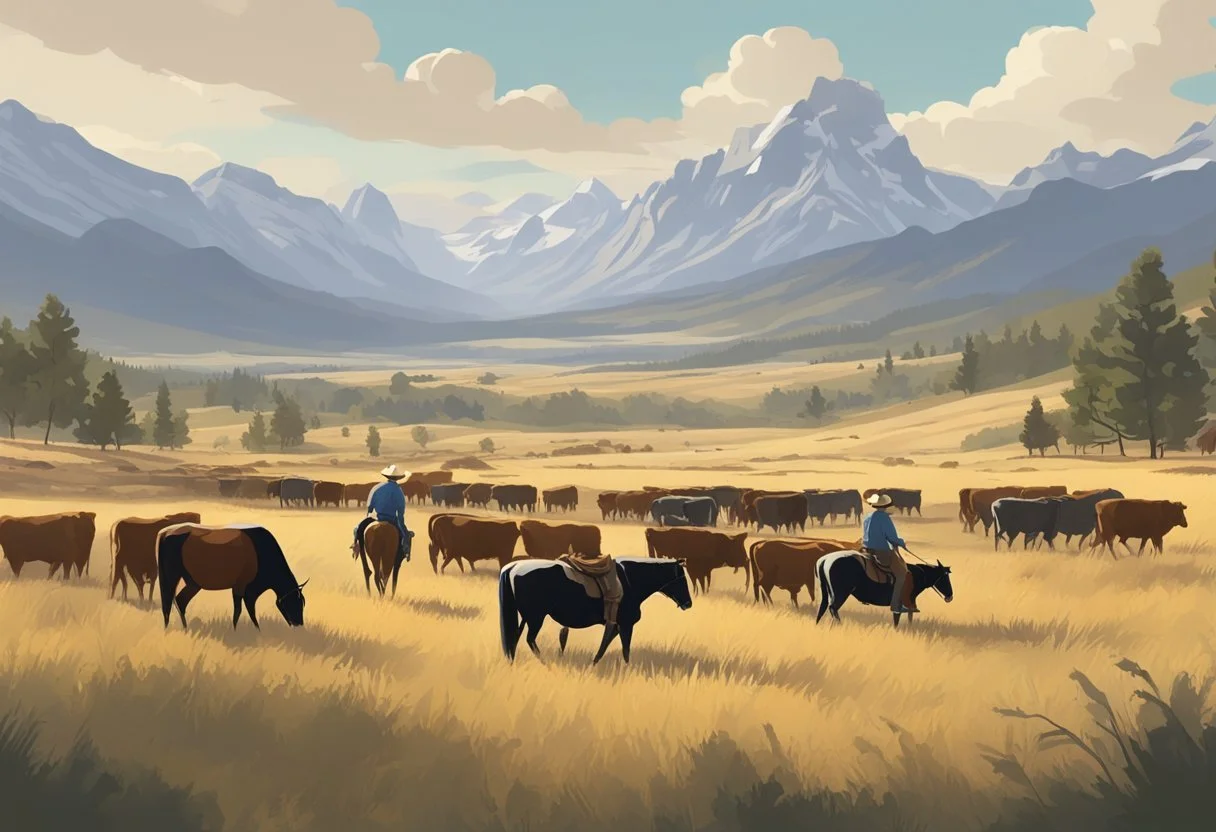
Yellowstone's narrative complexity offers fertile ground for fan fiction writers who meticulously analyze canon material for their creative extensions. The intricate character relationships and story arcs provide countless opportunities for exploration beyond what appears on screen.
Season 5 Episodes Deconstruction
Season 5 of Yellowstone delivered significant plot developments that fans continue to dissect and expand upon. The mid-season finale left several storylines unresolved, creating perfect entry points for fan fiction writers.
Episode 8, "A Knife and No Coin," became particularly influential in the fan fiction community due to its dramatic cliffhanger involving the Dutton family power struggle. Many writers have crafted alternative resolutions to this pivotal moment.
The time jump between episodes 3 and 4 prompted fans to fill narrative gaps with stories exploring what happened during those missing weeks. James Dutton references in the flashback sequences also inspired numerous prequels set in the ranch's early days.
Key Fan Fiction Triggers from Season 5:
Beth's corporate maneuvers and their consequences
Jamie's conflicted loyalties and potential betrayal
Ranch hands' personal storylines outside the main plot
Character Arcs and Thematic Progression
Character development drives much of Yellowstone fan fiction, with writers exploring psychological depths only hinted at in the series. Beth Dutton remains the most frequently featured character, with stories examining her vulnerability beneath her tough exterior.
Jamie's complex moral journey resonates with writers who craft redemption arcs or further explore his inner conflicts. His relationship with Beth provides endless dramatic tension that fan authors eagerly expand upon.
August, though a minor character, has sparked interest among writers who develop his backstory and potential future significance to the Dutton legacy. These character expansions often incorporate thematic elements from the show: land ownership, family loyalty, and the changing West.
Fan fiction writers frequently explore the recurring themes of:
Generational trauma within the Dutton lineage
Environmental concerns versus economic necessity
Indigenous perspectives on land ownership
Moral compromises required to preserve the ranch
The unresolved character arcs from Season 5 continue to inspire creative interpretations as fans eagerly await the series' return.
