
Shocking Secrets Revealed from Yellowstone's Production Team
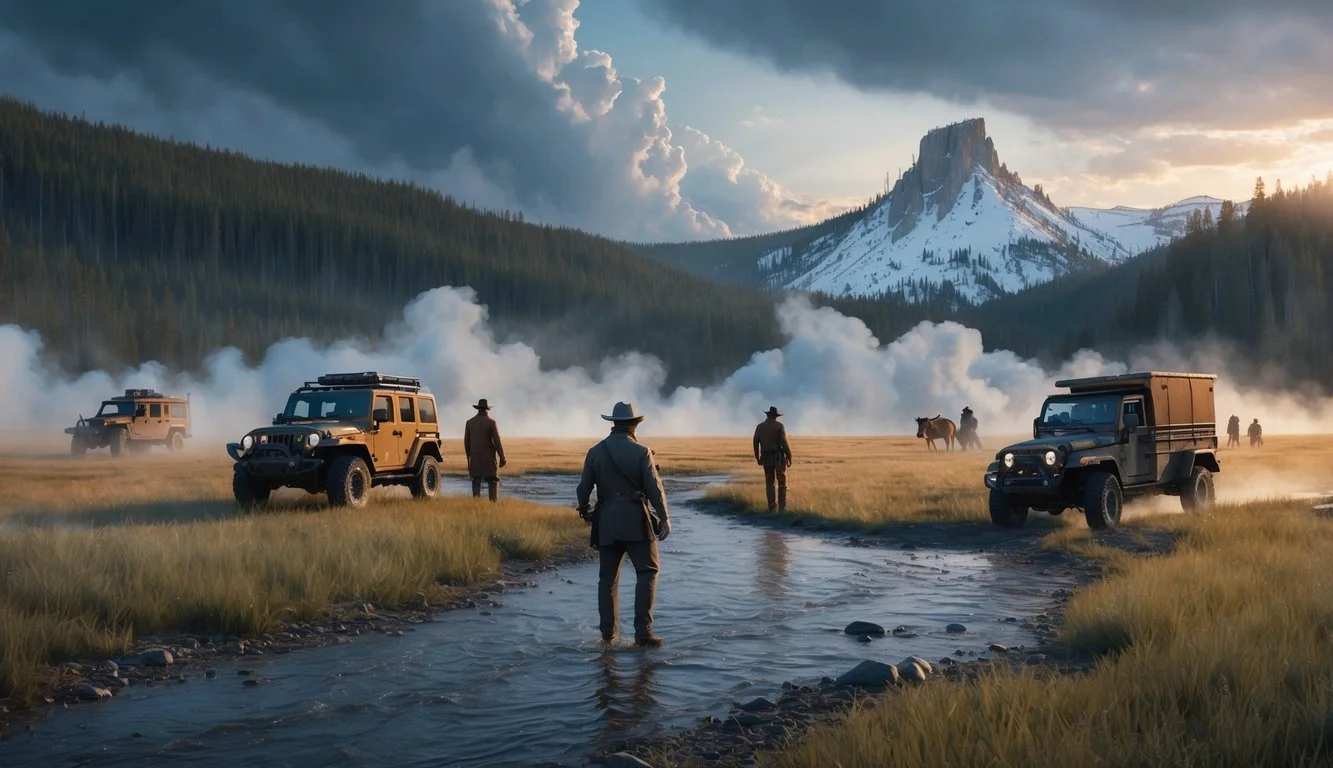
Yellowstone has captivated millions of viewers with its sweeping vistas and complex family drama, but the magic truly happens when the cameras aren't rolling. The production team behind Taylor Sheridan's hit series navigates challenging weather conditions, remote filming locations, and tight schedules to bring the Dutton family saga to life.
The dedicated crew often works 14-hour days in Montana's unpredictable climate, where morning snowstorms can give way to afternoon heat waves. These unsung heroes include not just directors and camera operators, but also wranglers who manage the show's numerous horses, set designers who meticulously recreate the ranch's authentic Western aesthetic, and safety coordinators who ensure that the show's daring stunts proceed without incident.
Behind every dramatic showdown and emotional moment lies countless hours of problem-solving and collaboration. From last-minute script changes to corralling real cattle across the expansive property, the production team's untold stories reveal a level of commitment that matches the determination of the characters they help create on screen.
The Journey of 'Yellowstone'
Yellowstone's path from concept to cultural phenomenon involved careful planning, strategic casting decisions, and a commitment to authentic Western landscapes. The show's development capitalized on America's enduring fascination with frontier mythology while incorporating contemporary themes.
Conception and Creation
Taylor Sheridan conceptualized Yellowstone in 2017 as a modern Western drama that would explore land conflicts and family dynamics. Having grown up on a ranch in Texas, Sheridan drew from personal experiences to create the Dutton family saga.
The Paramount Network took a significant risk by green-lighting the series as their first scripted drama. With an estimated $5 million per episode budget, executives demonstrated their faith in Sheridan's vision.
The show's early development faced several challenges, including network hesitation about the darker themes and rural setting. Many industry insiders questioned whether a traditional Western could succeed in the streaming era.
Despite these concerns, Sheridan remained steadfast in his commitment to authenticity, insisting on real cowboys, genuine ranch work, and unfiltered portrayal of Montana life.
Casting the Iconic Characters
Kevin Costner's casting as patriarch John Dutton proved crucial to Yellowstone's success. Sheridan specifically wrote the role with Costner in mind, knowing his Western film legacy would bring gravitas to the character.
The casting process for the Dutton children was equally methodical. Luke Grimes secured the role of Kayce after demonstrating his ability to portray internal conflict. Kelly Reilly's audition for Beth Dutton reportedly left executives speechless with her fierce interpretation.
Wes Bentley and Cole Hauser rounded out the main cast, bringing depth to the complicated family dynamics. Many supporting roles went to actual cowboys and ranch hands rather than professional actors.
Key Cast Members and Their Characters:
Kevin Costner - John Dutton
Kelly Reilly - Beth Dutton
Luke Grimes - Kayce Dutton
Wes Bentley - Jamie Dutton
Cole Hauser - Rip Wheeler
Scouting Locations in Montana
The production team scouted over twenty ranches before selecting the Chief Joseph Ranch in Darby, Montana as the iconic Yellowstone Ranch. This 2,500-acre working cattle ranch offered the dramatic mountain backdrop Sheridan envisioned.
Montana's varied landscapes provided natural settings that became characters themselves in the narrative. The production utilized locations in the Paradise Valley, Bitterroot Valley, and around Missoula to capture Montana's diverse terrain.
Weather presented constant challenges during filming. The crew often dealt with sudden snowstorms, temperature swings of 40 degrees, and unpredictable mountain conditions.
Local Montana businesses and communities embraced the production, offering authentic settings and local knowledge. The state's tax incentives for film production also played a role in keeping the show in Montana despite competing offers from other states.
The commitment to filming on location rather than on soundstages contributed significantly to the show's visual authenticity and appeal.
Intricacies of the Production Process
Creating Yellowstone's cinematic landscape requires meticulous planning, overcoming natural challenges, and building respectful relationships with local communities throughout Montana. The production team navigates these elements while maintaining the show's distinctive visual style.
The Logistics of Filming on Location
The Yellowstone production team manages complex logistics while filming across Montana's diverse terrain. Each shooting day requires coordinating up to 150 crew members, dozens of actors, and substantial equipment transported to remote locations.
Weather patterns significantly impact scheduling, with Montana's unpredictable climate forcing frequent adjustments. The team maintains a flexible production calendar, often preparing multiple shooting plans to accommodate sudden changes.
The iconic Dutton Ranch scenes demand particular attention to continuity. Production designers meticulously document every element from fence post positions to the exact placement of ranch equipment.
Transportation logistics involve carefully moving horses, cattle, and specialized camera equipment across challenging terrain. The production utilizes specialized vehicles modified to navigate Montana's varying landscapes while protecting sensitive equipment.
Behind-the-Scenes Challenges
Filming Yellowstone presents unique technical hurdles that the crew overcomes with innovative solutions. Capturing authentic ranch operations often means working alongside actual cowboys and livestock handlers who maintain strict schedules regardless of production needs.
Montana's dramatic lighting conditions create both opportunities and difficulties. Cinematographers balance capturing the region's spectacular "magic hour" with the limited timeframe it offers, sometimes rushing to complete key scenes in just 20-30 minutes.
Common Production Challenges:
Extreme temperature fluctuations damaging sensitive equipment
Remote locations lacking cell service or internet connectivity
Wildlife encounters requiring specialized safety protocols
Coordinating complex stunts involving horses and cattle
Sound engineers face particular difficulties isolating dialogue amid natural elements. They've developed custom wind protection for microphones and strategic recording techniques to capture authentic performances in challenging environments.
Collaboration with Local Communities
The production team builds essential partnerships with Montana residents and businesses that provide more than just filming locations. Local ranchers often serve as technical advisors, ensuring authentic portrayal of ranching operations and regional customs.
Yellowstone employs hundreds of Montana residents as extras, production assistants, and support staff. This creates significant economic impact for small communities while providing the production with authentic local knowledge.
Community Collaboration Benefits:
Access to private properties with unique visual characteristics
Insight into regional traditions and practices
Support for complex logistical needs
Authentic portrayal of rural Montana life
The production establishes environmental protection protocols to minimize their footprint. These measures include restoration of filming sites, wildlife protection strategies, and water conservation efforts that often exceed local requirements.
Relationships with tribal communities ensure respectful portrayal of Native American heritage. Consultants from local tribes review scripts and provide guidance on cultural elements depicted in the series.
Creative Decisions and Storytelling
The visual and narrative choices in Yellowstone reflect deliberate creative decisions aimed at immersing viewers in the complex world of the Dutton family. These storytelling elements combine to create the show's distinctive atmosphere while honoring the cultural and geographical realities of modern ranching in Montana.
Narrative Development of the Dutton Family
The Dutton family saga represents a carefully constructed narrative arc that evolved significantly from early concept to final execution. Writers initially envisioned John Dutton as a more straightforward patriarch but expanded his character to embody the complexities of modern ranching dynasties.
Executive producer Taylor Sheridan drew inspiration from his own experiences growing up around ranchers to develop authentic family dynamics. Beth Dutton's character underwent the most dramatic transformation during development, with her sharp-tongued resilience emerging as writers recognized her potential as a fan favorite.
The writers' room deliberately created intricate family conflicts that mirror genuine inheritance and legacy issues facing modern ranchers. These conflicts serve as metaphors for broader tensions in the American West between tradition and progress.
The Significance of Setting and Scenery
Montana's landscape functions as more than backdrop in Yellowstone - it serves as a central character that shapes the narrative and characters' motivations. Cinematographer Ben Richardson established specific visual principles that highlight the vastness of the Dutton Ranch property against Montana's dramatic mountain scenery.
Production designers researched authentic ranch operations extensively to ensure visual accuracy. The decision to film primarily on location rather than sets required significant logistical planning but delivered unmatched authenticity that viewers connect with.
Location scouts spent months identifying properties that could realistically represent the massive Dutton Ranch while providing practical filming access. Weather conditions frequently altered shooting schedules, sometimes creating unexpected visual opportunities that were incorporated into storylines.
Crafting Authenticity in the Show
The production team employs numerous technical consultants with genuine ranching backgrounds to verify dialogue, procedures, and equipment depicted in the show. Costume designer Ruth Carter meticulously researches contemporary Western wear, avoiding stereotypical "cowboy" imagery in favor of practical clothing actual ranchers would choose.
The writers room maintains extensive research files on everything from cattle breeding to water rights legislation. These resources ensure storylines reflect genuine issues facing modern ranchers.
Props department staff regularly visit working ranches to observe and document authentic tools and techniques. This attention to detail extends to set dressing, where items are carefully selected to reflect genuine ranch operations rather than Western stereotypes.
Animal handlers work closely with cast members to develop realistic relationships with horses and livestock. This commitment to authenticity has earned the show respect among actual ranching communities despite its dramatic storytelling.
The Cultural Impact of 'Yellowstone'
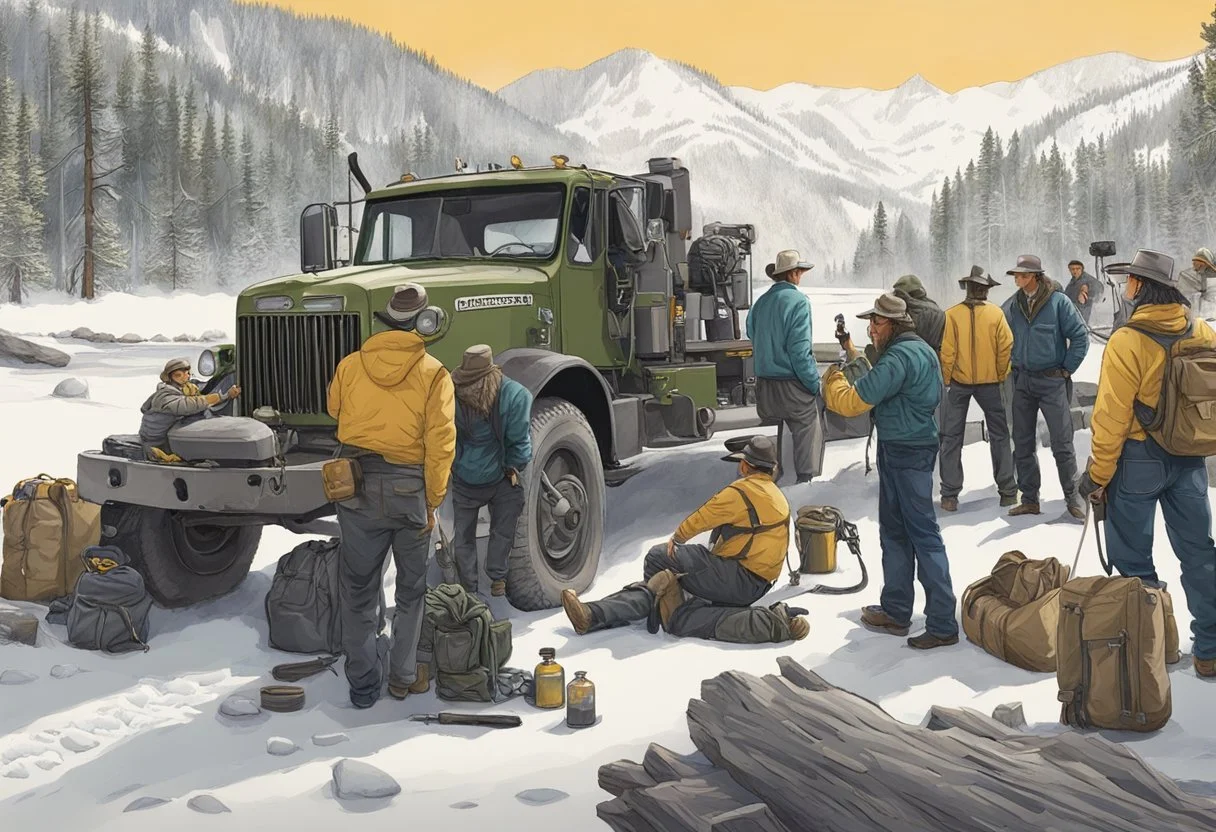
Yellowstone has transformed from a mere television series into a cultural phenomenon that shapes Western narratives, attracts viewers worldwide, and generates significant economic benefits for Montana.
Influencing Modern Western Narratives
Yellowstone revitalized the Western genre for contemporary audiences through its nuanced storytelling and complex characters. The show's portrayal of ranch life, land disputes, and family dynamics offers viewers an updated perspective on traditional Western themes. Creator Taylor Sheridan deliberately crafted storylines that explore tensions between modernization and tradition.
The series presents morally complex characters rather than traditional heroes and villains, reflecting current societal values. This approach has inspired other productions to adopt similar narrative techniques when depicting rural American life.
Fashion trends have also emerged from the show's popularity, with Western wear experiencing renewed interest. Retailers report increased sales in cowboy hats, boots, and ranch-inspired clothing following the show's success.
Engaging with a Global Audience
Despite its distinctly American setting, Yellowstone has cultivated an impressive international following. The universal themes of family conflict, power struggles, and connection to land resonate with viewers across cultural boundaries.
The series has been distributed to over 130 countries, with particularly strong viewership in Australia, Germany, and the United Kingdom. Social media engagement metrics show active fan communities discussing episodes in multiple languages.
Tourism agencies in Montana have developed Yellowstone-themed tours for international visitors eager to experience the landscapes featured in the show. Documentary segments within the series highlight authentic ranching traditions that educate global audiences about Western American culture.
Foreign press coverage often cites the show as providing insight into contemporary American cultural tensions and rural values.
Contributions to the Montana Economy
Yellowstone's production brings substantial economic benefits to Montana beyond tourism. The series employs hundreds of local crew members, creating valuable entertainment industry jobs in a state traditionally focused on agriculture and natural resources.
Economic Impact Statistics (2020-2024):
Direct spending: $45+ million annually
Tourism increase: 22% in filming locations
Local business revenue growth: 18% for hospitality services
Property values near filming locations have increased significantly since the show's debut. Real estate agents report clients specifically requesting properties resembling those featured in the series.
Local craftspeople and vendors benefit from production contracts, while Montana-made products gain visibility through show placement. State film commission data indicates Yellowstone has attracted at least six additional productions to Montana since 2018.
Distribution and Access
Yellowstone's distribution strategy has evolved significantly since its debut on the Paramount Network in 2018. The series has navigated complex licensing agreements while expanding its reach to global audiences through both traditional cable television and digital streaming platforms.
Transition to Streaming Platforms
Yellowstone's journey to streaming platforms has been complicated by existing licensing agreements. Despite being a Paramount Network production, the show's streaming rights were sold to NBCUniversal's Peacock in 2020, creating a distribution puzzle that confused many viewers.
This licensing deal prevented new episodes from appearing on Paramount+ immediately after airing. Instead, new seasons would first run on the Paramount Network cable channel, then move to Peacock for exclusive streaming.
The production team has acknowledged this arrangement created challenges for viewer retention. Many fans expressed frustration about needing multiple subscriptions to follow the series and its spin-offs.
In Montana, local viewership remained strong through traditional cable packages, with the show achieving record ratings in the region where it's filmed.
Accessibility on Paramount+
While Yellowstone itself remained on Peacock, Paramount+ became the exclusive home for the show's expanding universe of spin-offs. This strategic decision helped Paramount build its streaming service around the Yellowstone brand.
Spin-offs like "1883" and "1923" launched directly on Paramount+ as originals, driving new subscriber growth for the platform. Internal data showed these prequels became top performers for the streaming service.
The production team worked closely with Paramount's digital team to ensure consistent quality across viewing platforms. This collaboration included optimizing scene framing for smaller screens and adjusting color grading for various devices.
For global audiences, Paramount+ has made Yellowstone content available in over 45 countries as part of its international expansion. This worldwide distribution has transformed the Montana-set drama into a global phenomenon with viewers across six continents.
Moments to Remember
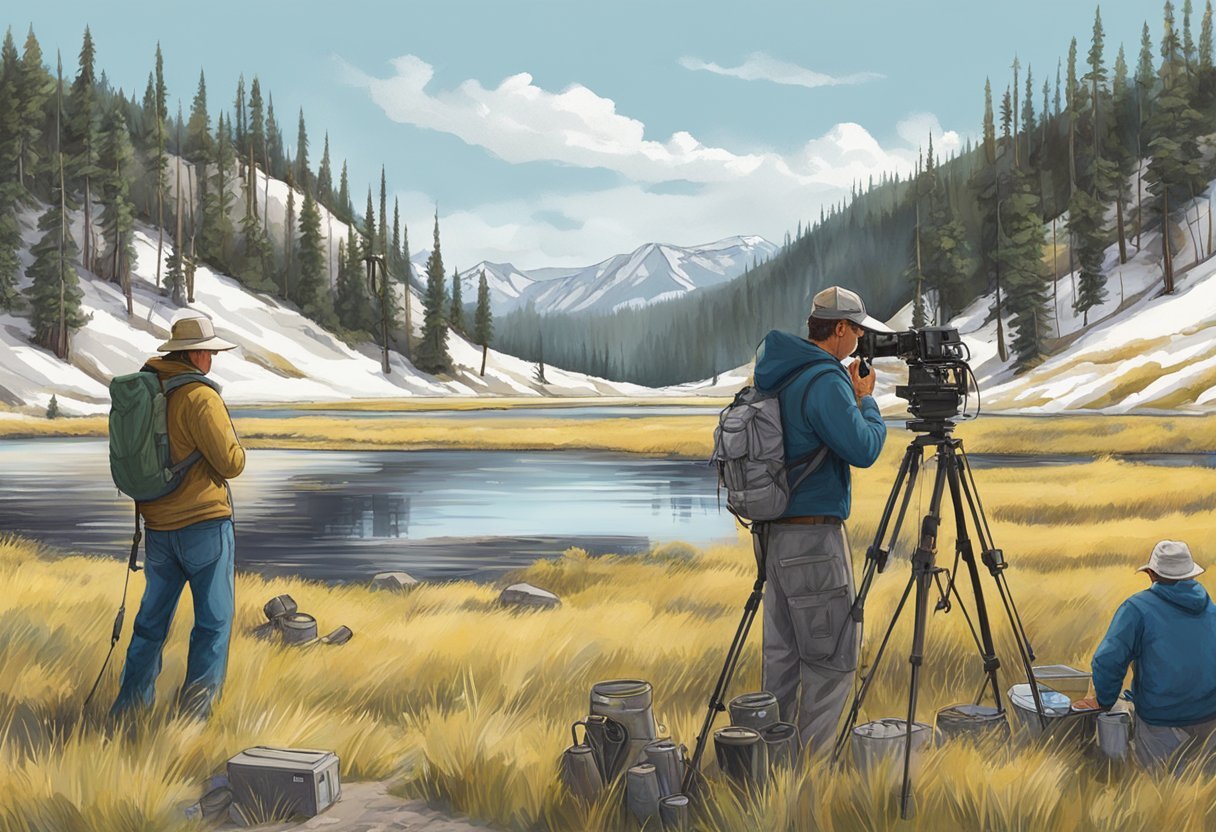
The production of Yellowstone has created countless unforgettable moments both on and off camera. Cast and crew have accumulated a treasure trove of experiences that reveal the true essence of creating this landmark series.
Memorable Scenes and Episodes
The breathtaking horseback scene in season two's finale required three days of filming in unpredictable Montana weather. Director Taylor Sheridan insisted on authenticity, refusing digital enhancements even when temperatures dropped below freezing.
Kevin Costner's dramatic cliff-edge monologue in season three was filmed in a single take, despite dangerous wind conditions. The crew had secured him with nearly invisible safety wires that were digitally removed in post-production.
The intense dinner confrontation in "No Kindness for the Coward" took 19 takes to perfect. Kelly Reilly reportedly stayed in character between takes, creating palpable tension on set that translated brilliantly to screen.
The bunkhouse scenes, fan favorites for their authentic camaraderie, are largely unscripted. Many of the jokes and stories emerge naturally from the actors' real interactions during long shooting days.
Untold Stories Shared by the Crew
Sound technician Marcus Holden revealed that many of the ambient ranch sounds are captured during pre-dawn recording sessions when the Montana wilderness is at its most pristine. His team often camps out overnight to capture these perfect natural soundscapes.
The wardrobe department maintains a detailed weathering process for each character's clothing. Every item undergoes a 12-step process to achieve the perfect worn-in look appropriate for working ranch hands.
Several crew members experienced close encounters with wildlife during remote location shoots. A cinematographer nearly stepped on a rattlesnake while backing up for a wide-angle shot, saved only by a quick-thinking animal wrangler.
The production's caterers developed special high-calorie meals for outdoor winter shoots. Cast members were given specially formulated hot beverages containing electrolytes and calories to maintain energy during long, cold filming days.
Reflections and Future Prospects
Yellowstone's impact on television and popular culture extends far beyond its impressive viewership numbers. The production team's creative decisions and artistic vision have shaped not just the series itself, but influenced modern western storytelling across media.
The Series' Legacy and Lasting Appeal
Yellowstone has redefined the modern western genre for television audiences. The show's authentic portrayal of ranch life, combined with its complex family dynamics, has attracted viewers who might otherwise never have engaged with western storytelling. Production designer Cary White created a visual language that feels both timeless and contemporary, establishing a template for rural American dramas that followed.
The series' influence extends to tourism as well. Montana's Paradise Valley has seen significant increases in visitors explicitly seeking locations featured in the show. Local businesses report "Yellowstone tours" becoming increasingly popular since 2018.
Cast members frequently cite the production's commitment to authenticity as key to its success. The incorporation of genuine cowboys and horsemen as both consultants and performers lends credibility that resonates with audiences across demographic groups.
Speculations on the Series' Conclusion
The production team remains deliberately guarded about how they envision Yellowstone's ultimate conclusion. Taylor Sheridan has indicated he knows exactly how the Dutton saga ends, having mapped the narrative arc years in advance. This long-term planning has reportedly influenced production decisions since the earliest seasons.
Several key cast members have contracts extending through potential future seasons, though specifics remain closely protected. The production design department has created multiple potential final settings for major characters, allowing flexibility as the story approaches its conclusion.
Behind-the-scenes sources suggest the conclusion will provide meaningful resolution for the Dutton family while leaving space for the expanding universe of spin-offs. The production team's careful planning aims to satisfy viewer expectations while preserving the show's legacy of unpredictable, emotionally resonant storytelling.
