
Yellowstone TV Series Sparks Fierce Debate on Conservation
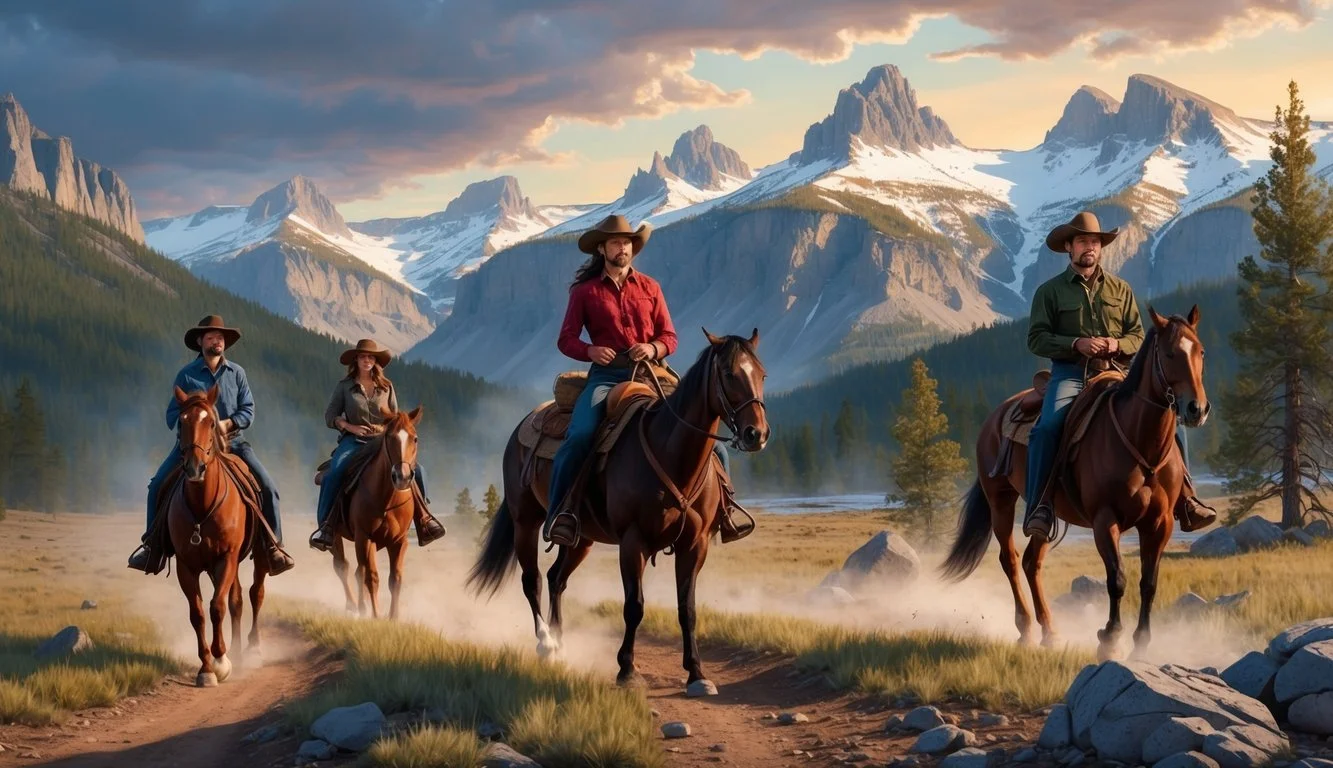
Yellowstone, America's first national park, weaves conservation themes throughout its storytelling landscape. The popular television series subtly challenges viewers to consider humanity's relationship with wilderness through its dramatic portrayal of the Dutton family's struggle to maintain their ranch against encroaching development.
The show presents environmental consciousness not through heavy-handed messaging, but through authentic character motivations and plot developments that mirror real conservation challenges facing the American West. This narrative approach allows Yellowstone to reach audiences who might otherwise tune out more direct environmental advocacy, making its conservation message particularly effective.
The series illuminates tensions between land development, resource extraction, and preservation that have defined Yellowstone National Park since its 1872 establishment. By dramatizing these conflicts through compelling characters, the show invites viewers to contemplate their own environmental values while being thoroughly entertained by its modern Western storytelling.
The Significance of Yellowstone National Park
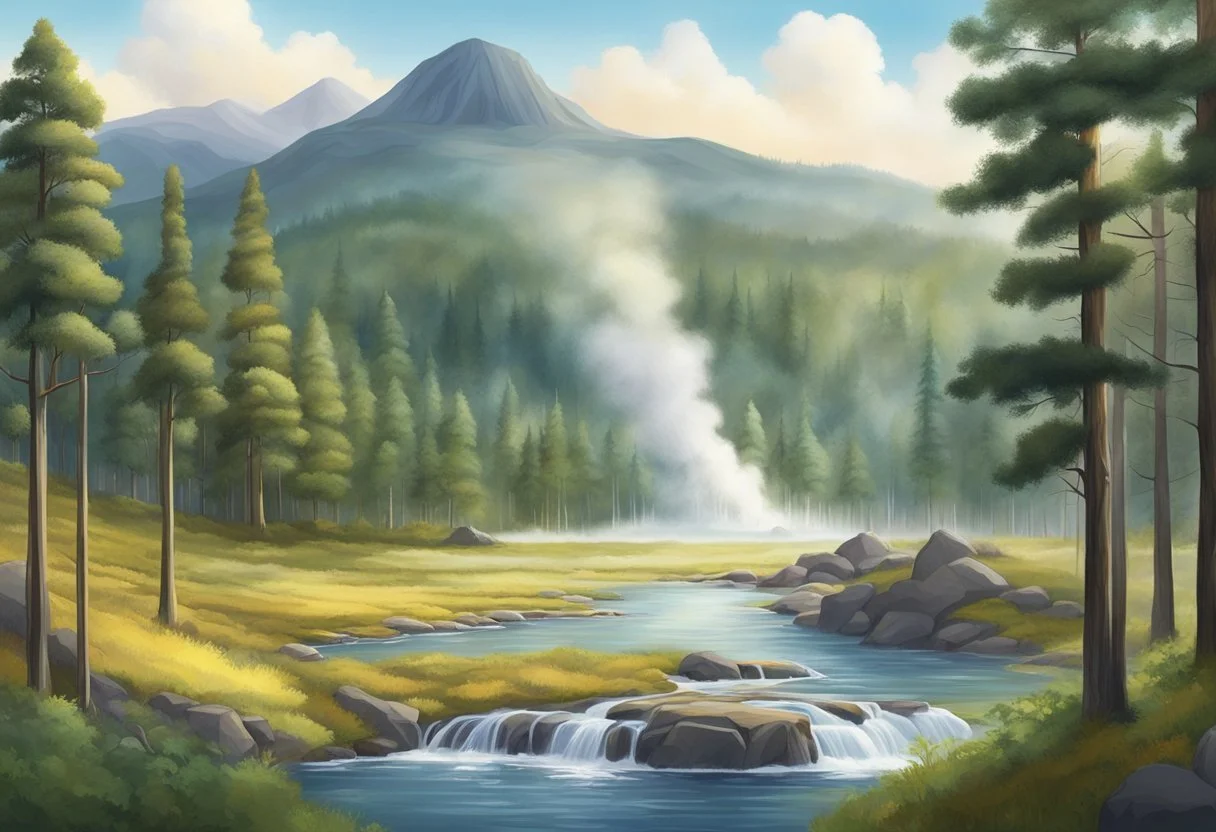
Yellowstone National Park stands as a cornerstone of America's conservation legacy and continues to serve as a vital refuge for countless species. The park's unique geothermal features and vast ecosystems represent one of North America's most important natural treasures.
A Hub for Biodiversity
Yellowstone encompasses nearly 3,500 square miles of diverse habitats that support over 300 bird species, 67 mammal species, and thousands of plant varieties. This remarkable biodiversity makes it one of the largest nearly intact temperate ecosystems on Earth.
The reintroduction of wolves in 1995 demonstrated the concept of trophic cascades, where apex predators influence entire ecosystems. Their presence helped restore balance by controlling elk populations, which allowed streamside vegetation to recover and subsequently improved habitat for beavers and songbirds.
Yellowstone's thermal features host extremophiles – microorganisms that thrive in harsh conditions – which have proven valuable for scientific research and biotechnology applications. One such microbe, Thermus aquaticus, revolutionized DNA research and PCR testing.
The park's wetlands, forests, and grasslands provide crucial habitat for endangered species like the grizzly bear and threatened species such as the Canada lynx.
Historical Conservation Efforts
Established in 1872, Yellowstone became the world's first national park, pioneering the very concept of setting aside land for preservation rather than development. This revolutionary idea has since inspired over 100 nations to create more than 1,200 national parks worldwide.
The Lacey Act of 1894, created specifically to protect Yellowstone's wildlife from poachers, marked one of America's first federal wildlife protection laws. This legislation helped save the American bison from extinction when fewer than 25 remained in the park.
During the 1930s, the Civilian Conservation Corps implemented crucial infrastructure projects that balanced visitor access with environmental protection. Their work on trails, campgrounds, and fire lookouts established standards still followed today.
Conservation milestones within Yellowstone include:
The 1963 Leopold Report, which revolutionized ecological management
The 1988 fires that transformed understanding of fire ecology
The 1995 wolf reintroduction that restored ecological completeness
Conservation and Management Strategies
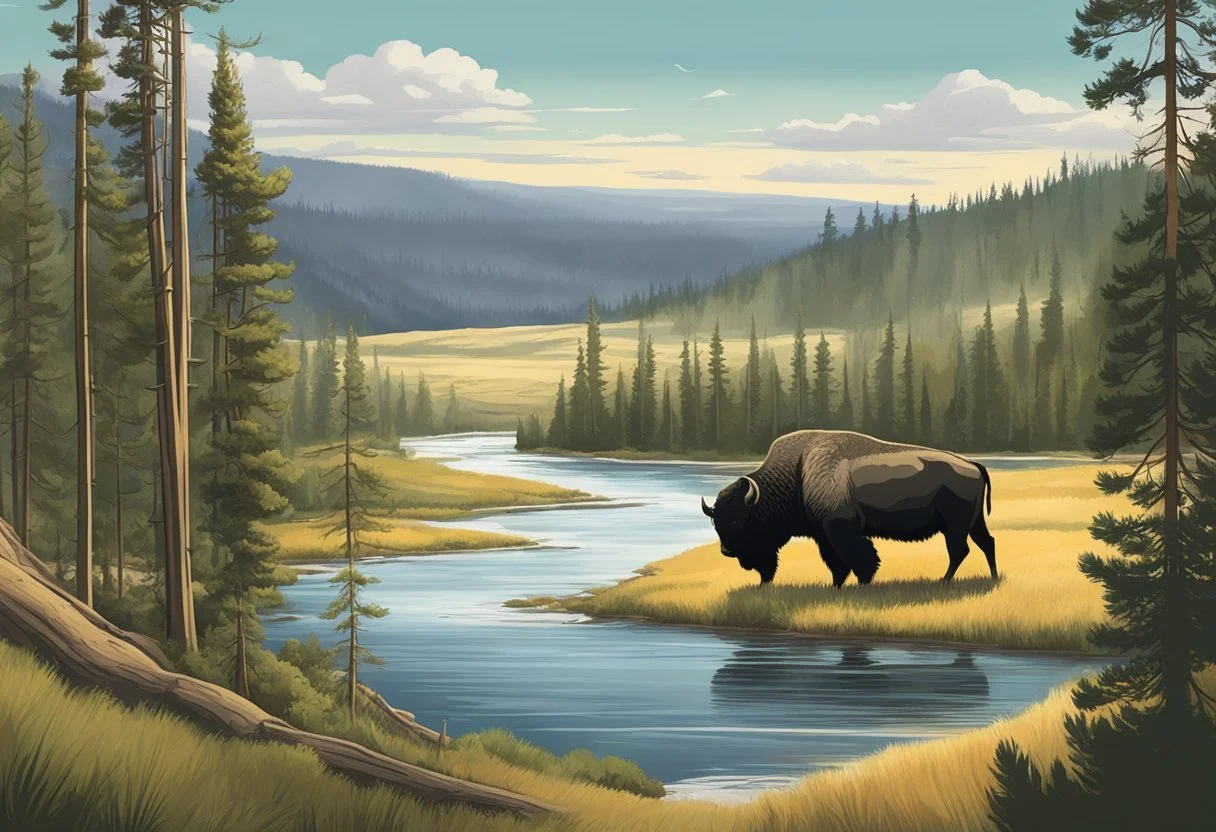
Yellowstone's approach to conservation balances ecological preservation with visitor access through systematic policy frameworks and interagency collaboration. These strategies have evolved significantly since the park's establishment in 1872.
Adaptive Management Approach
Yellowstone employs adaptive management as its primary conservation framework, allowing policies to evolve based on scientific findings. Park managers regularly adjust wildlife management protocols when new ecological data emerges rather than adhering to rigid historical practices.
This approach proved particularly effective in the wolf reintroduction program of 1995-1996. After observing the ecosystem changes triggered by wolf predation, rangers modified ungulate management policies to reflect the new predator-prey dynamics.
Climate change has necessitated further adaptations. The park now monitors thermal features more intensively and implements specialized fire management protocols that account for increasingly dry conditions and longer fire seasons.
Scientists conduct ongoing research to evaluate management effectiveness, creating a feedback loop that informs policy decisions. This science-based flexibility has become a model for other national parks facing similar environmental challenges.
Interagency Cooperation for Preservation
Yellowstone's ecosystem extends beyond park boundaries, necessitating collaboration between multiple government agencies. The Greater Yellowstone Coordinating Committee (GYCC) brings together representatives from the National Park Service, U.S. Forest Service, and Bureau of Land Management to create unified conservation strategies.
These partnerships are essential for managing migratory species like bison, elk, and grizzly bears. When animals cross jurisdictional boundaries, coordinated policies protect them throughout their range.
Key Cooperative Initiatives:
Joint wildlife disease monitoring programs
Shared fire management resources
Collaborative invasive species control
Unified tourism impact studies
State wildlife agencies from Wyoming, Montana, and Idaho also participate in these efforts, though tensions occasionally arise over hunting regulations near park boundaries. Despite challenges, this cooperative model has successfully preserved critical habitat and wildlife corridors that would otherwise be vulnerable.
Challenges in Policy and Bureaucracy
Federal bureaucracy often creates obstacles for Yellowstone's conservation goals. Budget limitations from Congress frequently constrain scientific research and infrastructure maintenance, forcing managers to prioritize certain programs over others.
Administrative changes between presidential administrations can significantly impact environmental policies. Protection levels for species like grizzly bears and wolves have fluctuated based on political leadership rather than scientific consensus.
The park faces tensions between competing federal mandates - preserving natural resources while accommodating over 4 million annual visitors. This balancing act creates policy dilemmas when visitor access conflicts with wildlife needs.
Local communities sometimes resist conservation measures that limit economic activities like mining or logging outside park boundaries. These stakeholder conflicts require delicate negotiation and compromise from park leadership.
Climate change presents perhaps the greatest policy challenge, as warming temperatures alter fundamental ecosystem processes. Current management frameworks were not designed for this rapid environmental transformation, requiring innovative approaches to sustainability.
Environmental Protection in Action
Yellowstone National Park serves as a living laboratory for conservation efforts, demonstrating practical approaches to protecting vulnerable species and their habitats. The park's management strategies showcase how deliberate environmental policies can restore ecological balance in threatened ecosystems.
Protecting Endangered Species
The gray wolf reintroduction program stands as Yellowstone's most celebrated conservation success story. After wolves were completely eliminated from the park by 1926, their absence created severe ecological imbalances. In 1995, wildlife managers released 14 wolves from Canada into the park, initiating a remarkable recovery.
Today, approximately 90-100 wolves roam Yellowstone, helping control elk populations that had grown unchecked for decades. This predator restoration project demonstrates how apex carnivores regulate entire ecosystems through trophic cascades.
The park also protects threatened grizzly bears, which have recovered from fewer than 150 individuals in the 1970s to over 700 today. Rangers enforce strict regulations regarding food storage and waste disposal to minimize human-bear conflicts.
Black-footed ferrets, once thought extinct, have been reintroduced to select areas within the Greater Yellowstone Ecosystem. These specialized predators control prairie dog populations while themselves requiring protection from habitat loss.
Ecosystems and Habitat Preservation
Yellowstone's fire management policy acknowledges wildfire as a natural, essential ecological process. Rather than suppressing all fires, park officials allow naturally-occurring blazes to run their course when they don't threaten human infrastructure or safety.
This approach promotes forest regeneration and creates habitat diversity. Post-fire landscapes support varied plant communities that wouldn't exist under total fire suppression policies.
The park strictly monitors water quality in its rivers, lakes, and thermal features. Special regulations protect these aquatic habitats from pollution and invasive species that could disrupt delicate ecological balances.
Wildlife corridors connecting Yellowstone to surrounding lands ensure seasonal migrations can continue unimpeded. These protected pathways allow species like elk, pronghorn, and bison to access winter feeding grounds outside park boundaries.
Thermal habitat protection presents unique challenges due to Yellowstone's geothermal features. These environments host extremophile organisms found nowhere else on Earth, requiring specialized conservation approaches to preserve their rare microbial communities.
Wildlife Conservation Efforts
Yellowstone serves as a flagship example of successful conservation initiatives, blending scientific research with practical management strategies to preserve its diverse ecosystem. The park's approach to wildlife conservation demonstrates how protected areas can support species recovery while maintaining ecological balance.
Wolf Reintroduction Program
The 1995-1996 wolf reintroduction stands as one of Yellowstone's most significant conservation achievements. After a 70-year absence, 41 wolves from Canada were released into the park, reestablishing a keystone predator essential to the ecosystem's function.
This carefully monitored program transformed Yellowstone's ecological landscape. Scientists documented cascading effects throughout the food web, including changes in elk behavior and distribution. These shifts allowed for the regeneration of aspen, willow, and cottonwood trees along riverbanks.
The program faced initial opposition from ranchers and hunters concerned about livestock predation and game populations. However, adaptive management practices, including compensation programs for verified wolf-caused livestock losses, helped address stakeholder concerns while maintaining conservation goals.
Impact on Animal Populations
Wildlife populations in Yellowstone have responded dramatically to conservation efforts. Bison numbers have rebounded from fewer than 25 animals in the early 1900s to approximately 5,000 today, representing an extraordinary recovery for America's largest land mammal.
Grizzly bears have similarly benefited from protection, with populations expanding throughout the Greater Yellowstone Ecosystem. Their recovery necessitated careful management of human-bear interactions through proper food storage, trail closures during denning season, and public education.
Elk migration patterns have evolved in response to predator reintroduction. GPS collar data reveals that elk now move more frequently and utilize different habitats than before wolves returned. This dynamic relationship between predator and prey demonstrates the complexity of wildlife conservation.
Promoting Biodiversity Through Science
Yellowstone's conservation strategies rely heavily on rigorous scientific research. Long-term monitoring programs track everything from thermal features to wildlife populations, creating one of the world's most comprehensive ecological datasets.
Scientists employ cutting-edge technologies including:
Remote wildlife cameras
GPS collars for migration tracking
DNA analysis for population assessment
Thermal imaging for nocturnal research
Research findings directly inform park management decisions. When studies revealed declining cutthroat trout populations due to invasive lake trout, officials implemented an aggressive removal program that has removed over 3.4 million lake trout since 2012.
Collaborative partnerships between the National Park Service, universities, and non-profit organizations extend research capacity. These relationships foster innovation in conservation practices while training the next generation of wildlife biologists and ecologists.
Human Interaction and Public Use
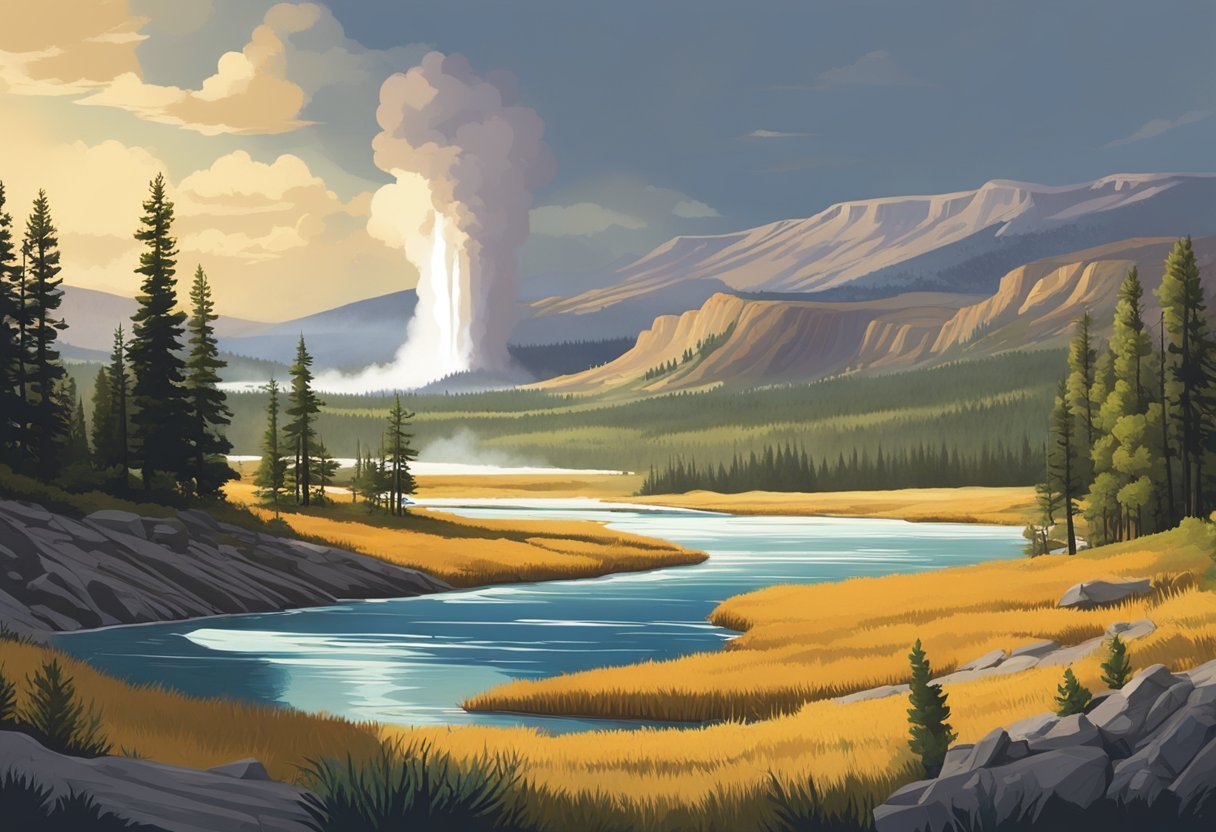
Yellowstone National Park serves as a crucial case study in managing the delicate balance between human recreation and environmental preservation. The park's policies reflect evolving approaches to conservation that acknowledge both ecological needs and public access rights.
Balancing Recreation and Conservation
Yellowstone welcomes approximately 4 million visitors annually, creating significant management challenges. Park officials employ various strategies to minimize human impact while maximizing visitor experience. These include timed entry systems during peak seasons and designated viewing areas for popular features like Old Faithful.
Key Management Approaches:
Designated boardwalks keep visitors safe and protect delicate thermal features
Limited permits for backcountry camping distribute human impact
Seasonal closures protect wildlife during crucial breeding periods
Research indicates that even well-intentioned visitors can disrupt wildlife behavior. Park rangers regularly document "wildlife jams" where eager photographers approach animals too closely, despite regulations requiring minimum distances of 100 yards from wolves and bears.
Infrastructure and Public Discourse
The park's infrastructure development reflects ongoing debates about appropriate human presence in protected areas. Yellowstone's approach has evolved from early automobile-centric development to more environmentally sensitive design principles.
Public discourse surrounding Yellowstone's infrastructure often centers on competing priorities. Environmental groups advocate for minimal development, while accessibility advocates push for improved facilities. This tension was evident in the 2018 debate over expanding cellular coverage within park boundaries.
Infrastructure Considerations:
Type Environmental Impact Public Benefit Roads Habitat fragmentation Access for diverse visitors Lodging Resource consumption Extended stay opportunities Utilities Installation disruption Basic visitor comfort
Public interest in Yellowstone's infrastructure decisions remains high, with comment periods for major projects often generating thousands of responses.
Strategic Planning for Sustainable Tourism
Yellowstone's administration increasingly employs data-driven approaches to tourism management. Visitor use patterns are carefully monitored to inform capacity decisions and resource allocation.
Strategic planning documents like the 2021-2025 Visitor Use Management Plan explicitly acknowledge that future visitation must be balanced with conservation goals. The park has pioneered adaptive management techniques that adjust policies based on environmental monitoring results.
Sustainable Tourism Initiatives:
Electric shuttle systems reducing carbon emissions
Partnerships with gateway communities to manage regional impacts
Educational programs that transform visitors into conservation advocates
Public policy experts point to Yellowstone as a model for sustainable tourism development. The park demonstrates how careful planning can support both ecological integrity and recreational opportunities when decision-makers prioritize scientific evidence over short-term economic gains.
Climate Change and Ecological Impact
Yellowstone National Park serves as a critical indicator of broader climate shifts, with rising temperatures and changing precipitation patterns already affecting its delicate ecosystems.
Analyzing Environmental Conditions
Yellowstone's environmental monitoring stations have recorded a 2°F increase in average temperatures since 1950. This warming trend exceeds the global average and has shortened winter seasons by nearly two weeks in recent decades.
Snow patterns have shifted dramatically, with peak snowmelt occurring 1-2 weeks earlier than historical records show. These changes directly impact water availability for the park's diverse plant communities.
Drought conditions have become more frequent, affecting the region's forests and contributing to increased fire activity. Between 2000-2024, Yellowstone experienced four of its largest wildfire seasons on record.
Scientists utilize tree ring data, lake sediment analyses, and ice core samples to establish baseline climate conditions. These research methods reveal that current warming rates are unprecedented in the park's recent geological history.
Mitigating Climate Impacts on Wildlife
Yellowstone's wildlife populations demonstrate varying responses to climate shifts. Elk migration patterns have shifted by approximately 7-10 days earlier in spring, sometimes misaligning with optimal forage conditions.
Cutthroat trout populations face dual challenges from warming water temperatures and competition from non-native species. Park biologists have implemented targeted restoration projects in critical spawning streams to help these native fish adapt.
Bear hibernation periods have shortened by nearly a week compared to data from the 1980s. This change potentially increases human-wildlife conflicts during shoulder seasons.
The park has established climate-resilient zones where natural processes remain relatively undisturbed. These areas serve as crucial refugia for sensitive species like the pika and wolverine.
Park management now incorporates climate projections into all conservation planning. Their adaptive management framework includes:
Regular wildlife population monitoring
Habitat connectivity assessment
Invasive species management
Fire regime management
Joint Endeavors for a Sustainable Future
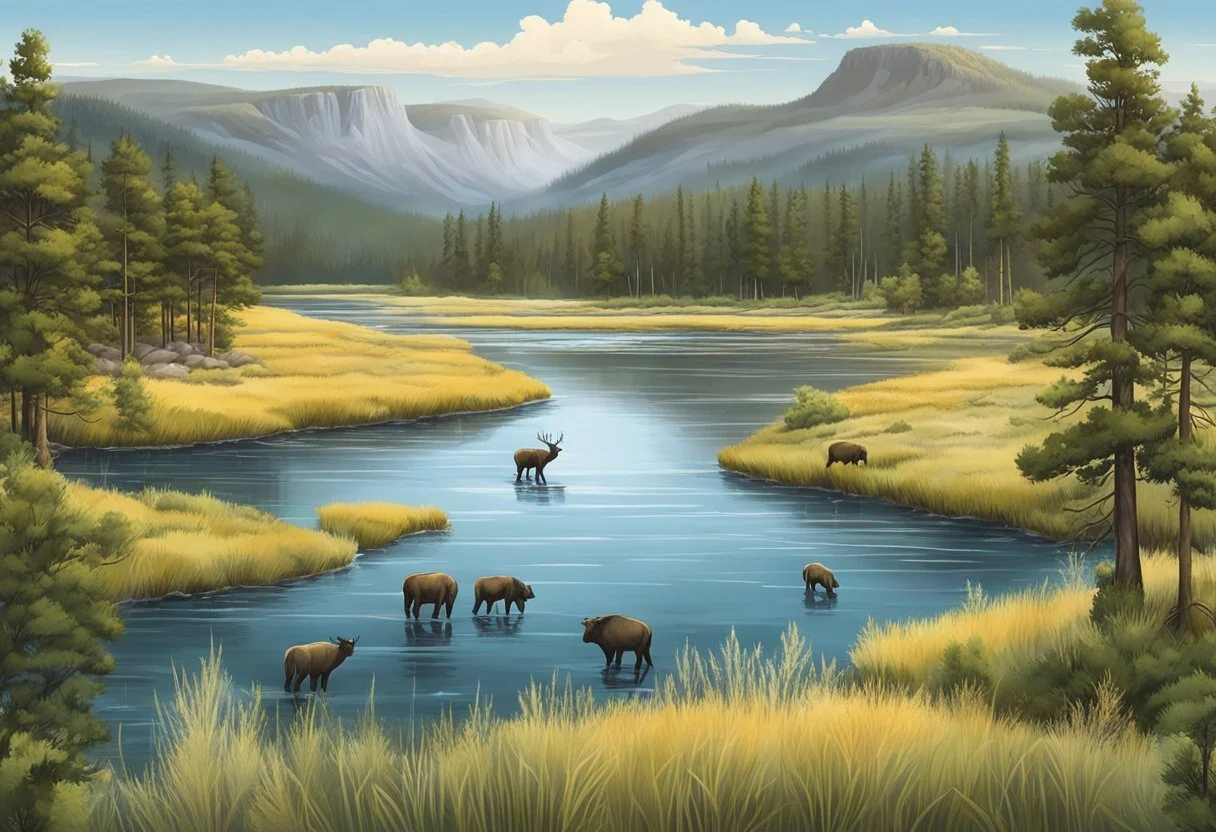
Conservation efforts in Yellowstone extend beyond the boundaries of the park itself, involving numerous organizations and governmental bodies working in tandem. These collaborative initiatives underscore the importance of unified approaches to environmental protection.
Greater Yellowstone Coalition Initiatives
The Greater Yellowstone Coalition (GYC) stands at the forefront of conservation efforts across the 20-million-acre Greater Yellowstone Ecosystem. Founded in 1983, this organization brings together diverse stakeholders including landowners, scientists, and community members.
GYC's work focuses on protecting wildlife corridors that extend beyond park boundaries, ensuring animals can migrate safely. These corridors are essential for species like elk, pronghorn, and grizzly bears whose ranges don't conform to human-drawn boundaries.
Water conservation represents another crucial aspect of GYC's mission. The coalition works to maintain clean waterways throughout the ecosystem, recognizing that water quality affects both wildlife and human communities in the region.
Key GYC Programs:
Wildlife migration protection initiatives
Watershed conservation projects
Sustainable tourism development
Climate change adaptation planning
National and Global Leadership Roles
Yellowstone's conservation model has influenced environmental policy on both national and international levels. The park serves as a living laboratory for studying ecosystem management approaches that balance preservation with sustainable use.
Park administrators regularly collaborate with federal agencies like the U.S. Forest Service and Bureau of Land Management to develop consistent land management practices. This interagency cooperation has created more coherent governance across the Greater Yellowstone Ecosystem.
The National Park Service has established formal partnerships with park systems in countries such as China, Russia, and Tanzania. These relationships facilitate knowledge exchange about conservation strategies and sustainable tourism development.
Yellowstone's leadership extends to policy development, with innovations in visitor management and wildlife protection serving as templates for protected areas worldwide. The park's approach to managing human-wildlife conflict has been particularly influential in regions facing similar challenges.
Preservation Beyond Yellowstone
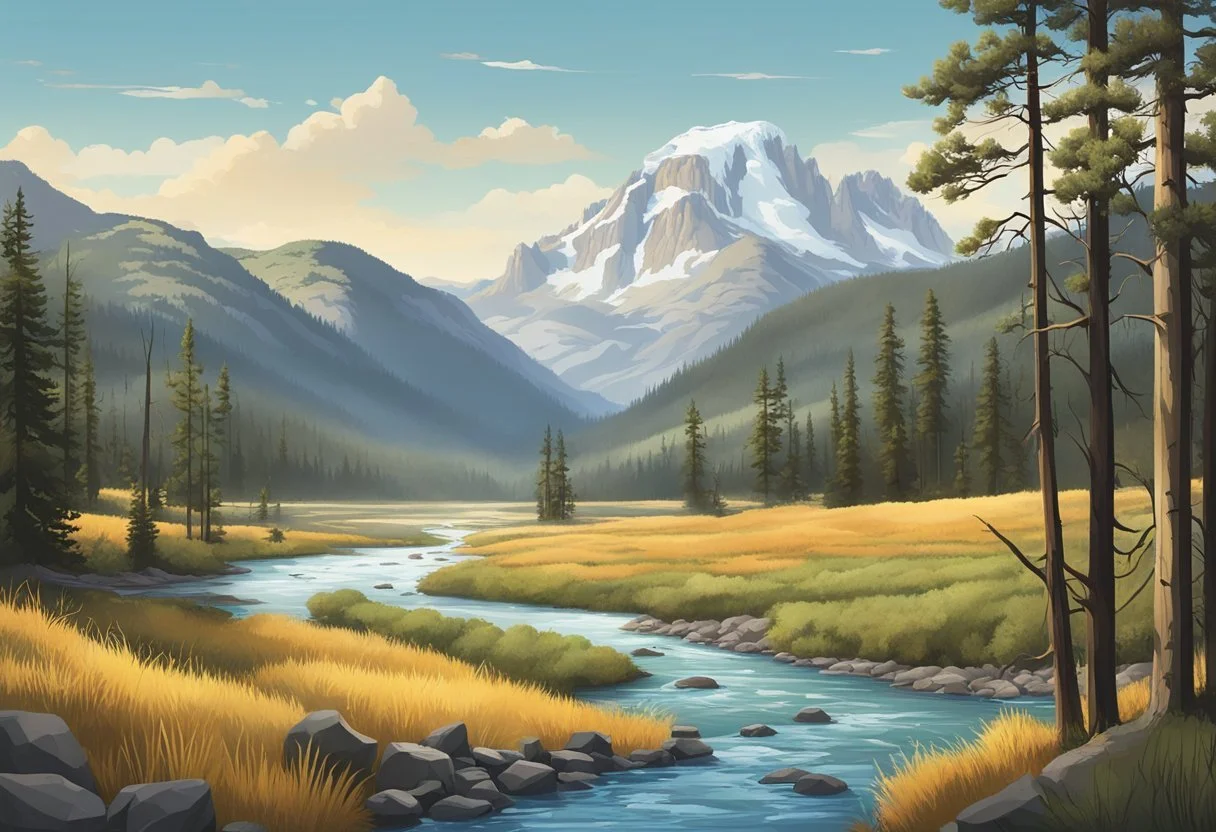
Yellowstone's conservation model has inspired similar efforts at national parks across America, establishing a framework for land management that balances human access with environmental protection. The lessons learned from Yellowstone continue to shape conservation policies beyond its boundaries.
Comparative Analysis: Yellowstone and Yosemite
Yellowstone and Yosemite share similar conservation challenges despite their different ecosystems. Both parks face increasing visitor pressure, with Yellowstone receiving approximately 4 million annual visitors compared to Yosemite's 4.5 million.
The management approaches differ subtly between these iconic landscapes:
Aspect Yellowstone Yosemite Primary Focus Wildlife preservation Scenic preservation Ecosystem Type Northern Rocky Mountain Sierra Nevada Establishment 1872 (First national park) 1890 Key Challenges Wolf reintroduction, bison management Traffic congestion, water rights
Yosemite's conservation efforts emphasize protecting its iconic granite formations and waterfalls, while Yellowstone prioritizes its unique geothermal features and wildlife corridors. Both parks serve as living laboratories for understanding ecosystem management and resilience.
Extending Conservation Principles Nationally
The preservation model pioneered at Yellowstone has expanded to influence federal land management across the United States. Today, the National Park Service oversees 423 units covering more than 85 million acres.
Key developments in national conservation policy include:
The Antiquities Act (1906), which allows presidents to designate national monuments
The Wilderness Act (1964), protecting 111 million acres from development
The Land and Water Conservation Fund (1965), providing resources for land acquisition
Federal agencies now incorporate Yellowstone's conservation principles into broader land management strategies. The U.S. Forest Service has shifted from pure resource extraction toward a multiple-use model that balances recreation, conservation, and sustainable harvest.
State-level conservation programs frequently reference Yellowstone's successful balancing of preservation with accessibility. This framework has proven adaptable across diverse ecosystems from the Everglades to Alaska's Denali.
Conclusion
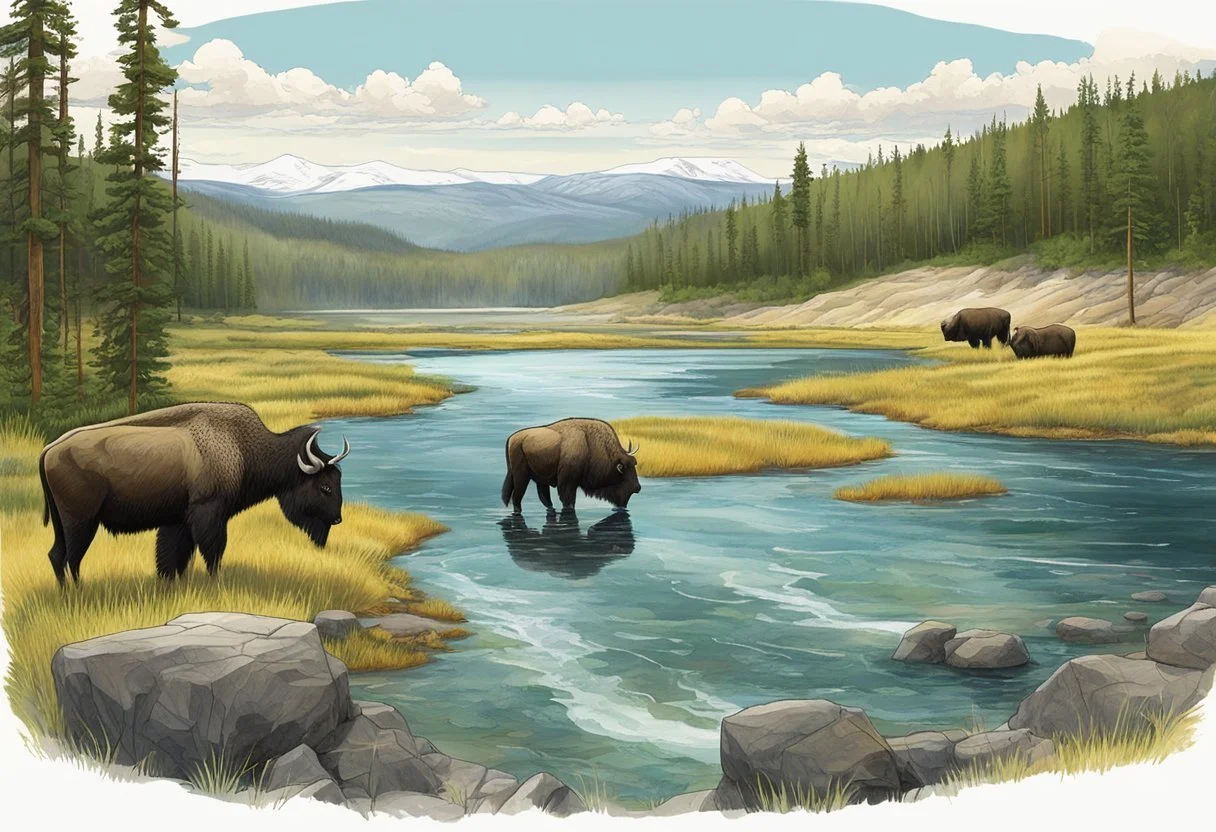
Yellowstone's exploration of environmental issues manifests through subtle yet impactful storytelling techniques rather than explicit advocacy. The show balances entertainment with meaningful conservation themes, allowing viewers to engage with environmental concepts without feeling lectured.
The series invites personal commitment to conservation by portraying characters who embody complex relationships with the land. These depictions resonate with audiences and potentially inspire reflection on individual relationships with natural spaces.
Through its widespread popularity, Yellowstone has expanded public discourse around land use, conservation priorities, and indigenous perspectives. This conversation extends beyond entertainment into discussions about actual environmental policies and practices affecting America's landscapes.
The show offers multiple ways of knowing the environment—contrasting scientific understanding with traditional knowledge and lived experience. This multifaceted approach acknowledges that environmental stewardship draws from diverse knowledge systems.
Yellowstone's narrative power lies in its ability to embed conservation themes within compelling character arcs and plot developments. By intertwining environmental messages with human stories, the series makes ecological concerns accessible and relevant to mainstream audiences.
The cultural impact of the show demonstrates how entertainment can serve as an entry point for environmental awareness, potentially influencing how Americans perceive and value their natural heritage for years to come.
