
Governor Jamie Dutton's Shocking Rise: Yellowstone's Political Drama Unveiled
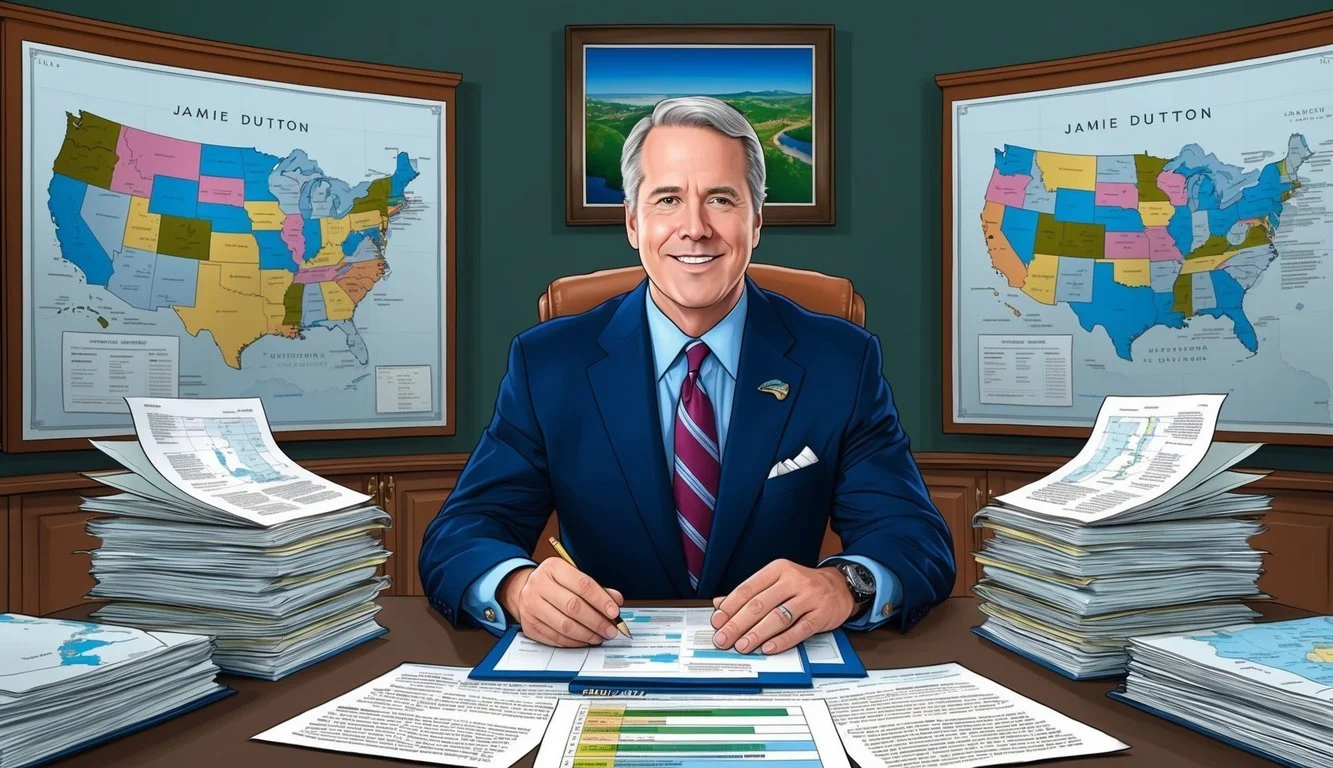
Governor Jamie Dutton, portrayed by Wes Bentley in the hit series "Yellowstone," offers viewers a fascinating glimpse into the intersection of family legacy and political ambition. His character's journey from reluctant heir to cunning politician captures the complexity of modern political landscapes. The political storylines involving Jamie Dutton often mirror real-world events, highlighting issues of land rights, indigenous relations, and the tension between traditional values and progressive change.
Throughout the series, Jamie's political maneuvering reflects contemporary debates about power and governance in America's rural regions. His conflicts with both family members and political opponents create a narrative that feels remarkably familiar to anyone following current events. Bentley's nuanced performance brings depth to these storylines, showcasing how personal ambition and public service often collide in complicated ways.
Character Background and Biography
Jamie Dutton's complex journey from adopted son to political powerhouse in Montana forms the backbone of his character development. His past and family relationships significantly influence his political decisions and leadership style as governor.
Jamie Dutton's Early Life and Education
Jamie Dutton was adopted into the powerful Dutton family as an infant, something he discovered only as an adult. This revelation profoundly shaped his identity and worldview.
Raised on the prestigious Yellowstone Ranch in Montana, Jamie experienced both privilege and pressure growing up under John Dutton's exacting standards. Unlike his siblings, he showed early academic promise rather than ranching aptitude.
Jamie pursued higher education at Harvard Law School, where he excelled in his studies. His legal education became a point of both pride and division within the family.
Upon returning to Montana with his law degree, Jamie initially used his legal expertise to protect the Dutton family's vast ranching interests. This period established his understanding of the complex intersection between land rights, business, and Montana politics.
Rise to Political Prominence
Jamie's political career began as Montana's Attorney General, a position that showcased his legal acumen and strategic mind. This role allowed him to build connections throughout the state's political landscape.
His campaign for governor represented a significant turning point, as it placed him in direct conflict with his adoptive father's wishes. Jamie's platform combined traditional Montana values with progressive elements that appealed to a changing electorate.
As governor, Jamie implemented policies focused on land preservation, water rights, and economic development. His administration became known for navigating the tension between ranching traditions and modern economic pressures.
Jamie's political rise was marked by tactical alliances with both conservative ranching interests and more progressive urban constituencies. These relationships frequently placed him at odds with the Dutton family's priorities but strengthened his independent political base.
Complex Relationship with the Dutton Family
Jamie's connection to the Dutton family remains fundamentally complicated by his adoption and later discovery of his biological father. This revelation created a permanent rift between Jamie and John Dutton.
Despite ongoing tensions, Jamie maintains strategic ties to Yellowstone Ranch, recognizing its symbolic importance in Montana. His policies often reflect an attempt to balance family loyalty with broader state interests.
The relationship with his adoptive siblings vacillates between moments of alliance and bitter rivalry. Beth Dutton particularly maintains an antagonistic stance toward Jamie, while his relationships with Kayce and the late Lee were more nuanced.
Jamie's political decisions frequently threaten Yellowstone's autonomy, creating cycles of reconciliation and betrayal. This dynamic illustrates the impossible position Jamie occupies – torn between his political ambitions and family obligations.
His governorship represents both a rejection of and homage to John Dutton's leadership philosophy. Jamie applies lessons learned from the ranch to state governance while simultaneously establishing his distinct political identity.
Portrayal of Political Themes

The character of Jamie Dutton navigates complex political landscapes that reflect contemporary American political tensions. His journey from family lawyer to Attorney General and eventually Governor illustrates fundamental tensions between personal ambition and democratic processes.
Power and Democracy in Jamie's Story
Jamie Dutton's political trajectory demonstrates how power functions within American political institutions. His initial appointment as Attorney General bypasses traditional democratic processes, highlighting the influence of familial connections in supposedly merit-based systems.
When Jamie eventually runs for Governor, the show portrays the tensions between democratic ideals and political reality. Campaign scenes depict the contrast between public messaging and private deal-making that characterizes modern politics.
Jamie's relationship with the electorate evolves throughout the series, shifting from viewing voters as obstacles to recognizing them as constituents whose interests he must represent. This transformation reflects broader questions about representation in democratic systems.
The Balance of Power and Coalition Building
Jamie's political effectiveness stems from his ability to navigate competing power centers. His legal background provides him with unique insights into institutional leverage points that other politicians miss.
Coalition building becomes central to Jamie's political strategy as he moves beyond family support. He forms alliances with business interests, environmental groups, and tribal leaders, demonstrating the complex stakeholder management required in modern governance.
Key Coalition Strategies:
Identifying shared interests across ideological divides
Trading short-term concessions for long-term support
Using legal frameworks to formalize political agreements
These coalition dynamics mirror real-world political necessities where pure ideological governance has become increasingly rare.
Economic Security and Policy Making
Jamie's policy priorities evolve from protecting Yellowstone Ranch's economic interests to broader economic security concerns. This shift reflects his growing independence from family influence.
His approach to economic policy balances traditional rural interests with emerging industrial sectors. The show portrays his struggle to reconcile competing economic visions for Montana's future, particularly regarding land use and natural resources.
Jamie's economic positions demonstrate how regional politicians must navigate national economic pressures while addressing local concerns. His policy work on water rights, taxation, and land development creates natural tensions between different constituent groups.
The series uses these economic policy debates to explore how abstract political ideologies translate into concrete decisions affecting communities' economic security and future prospects.
Political Campaigns and Elections
Jamie Dutton's political trajectory showcased a masterful blend of traditional Montana values and ruthless strategic maneuvering. His campaigns revealed how fictional political dramas often mirror real-world electoral dynamics, particularly in rural American states where family legacy and land preservation resonate deeply with voters.
Campaign Strategy and Public Image
Jamie Dutton's campaign strategy centered on a carefully constructed image as both a Montana native and a sophisticated attorney capable of navigating complex political waters. He leveraged the Dutton family name recognition while strategically distancing himself from controversial family business dealings when necessary.
His campaign team expertly balanced portraying him as a defender of traditional ranching values and a progressive political force. This duality allowed him to appeal to both conservative rural voters and moderate urban constituents.
Public appearances were meticulously choreographed, with Jamie often appearing in settings that reinforced his connection to Montana's landscape and heritage. His campaign materials featured imagery of the Yellowstone ranch, subtly reminding voters of his deep roots in the state's agricultural history.
Social media and traditional advertising campaigns highlighted his legal expertise while emphasizing his commitment to protecting Montana from outside interests. This messaging particularly resonated with voters concerned about corporate encroachment on their way of life.
Polling and Electoral Challenges
Initial polling showed Jamie facing significant challenges, particularly from opponents who painted him as a privileged rancher disconnected from ordinary Montanans. His family's controversial reputation created obstacles that required strategic navigation throughout the campaign.
Key polling demographics revealed:
Demographic Initial Support Post-Campaign Support Rural voters 48% 61% Urban centers 39% 52% Independent voters 42% 56%
Jamie's team faced unexpected challenges when scandals from the Dutton family business threatened to derail his campaign. Opposition research repeatedly targeted the family's questionable tactics in preserving their ranch, forcing Jamie to publicly address these controversies.
Media coverage occasionally turned hostile, particularly when investigating connections between his political aspirations and family interests. This required rapid response strategies and careful message control to maintain polling momentum during critical campaign phases.
Outcome of Elections and Implications
Jamie Dutton ultimately secured victory through a combination of strategic alliances, targeted messaging, and leveraging unexpected political developments. His narrow win reflected both his campaign's effectiveness and the polarizing nature of his candidacy.
The election results transformed Montana's political landscape, introducing more complex dynamics between land conservation interests, development forces, and traditional power structures. Jamie's transition from attorney to governor represented a significant shift in how power operated within the state.
Post-election analysis revealed that Jamie performed strongest in counties with ranching traditions, demonstrating how his campaign successfully connected with agricultural communities. His administration quickly established priorities that mirrored campaign promises while introducing surprising policy positions that reflected his complex character.
Political commentators noted parallels between Jamie's election and real-world trends in western states, where candidates with strong connections to land and heritage increasingly gained traction against more conventional politicians. His governance style revealed both pragmatic compromises and unwavering principles that defied easy political categorization.
Interactions with Key Characters
Jamie Dutton's political ascent as Montana's governor involved complex relationships that fundamentally shaped both his governance style and policy decisions. These interactions revealed the intricate power dynamics between family loyalty, political ambition, and outside influences.
Alliances and Rivalies
Jamie Dutton cultivated strategic political relationships while simultaneously navigating treacherous opposition. His alliance with Market Equities initially positioned him against his family's interests, creating tension that permeated both his personal and professional life.
Attorney General Conroy became one of Jamie's most reliable political allies, providing legal cover during controversial policy implementations. Their partnership proved particularly valuable during the eminent domain disputes that threatened Yellowstone Ranch.
The ongoing rivalry with Thomas Rainwater and his counsel over land rights and resource management illustrated Jamie's complex stance on indigenous sovereignty. This contentious relationship often forced Jamie to choose between political expediency and ethical governance.
Senator Lynelle Perry mentored Jamie through political landmines, though their relationship grew strained when Jamie's policies began to contradict her legislative agenda. Their public disagreements over water rights legislation became a focal point in state politics.
Influence of Sarah Atwood
Sarah Atwood's introduction into Jamie's political sphere fundamentally altered his governance trajectory. As Market Equities' representative, she initially approached Jamie with business proposals that aligned with his ambitions but conflicted with family interests.
Their professional relationship quickly evolved into a personal one, with Sarah's strategic counsel influencing Jamie's decision-making processes. Her background in corporate manipulation made her particularly effective at identifying Jamie's vulnerabilities.
Critics noted how Sarah's influence coincided with Jamie's increasingly aggressive stance against environmental protections. Her corporate connections facilitated campaign funding that solidified Jamie's political position while compromising his independence.
The question of consent became particularly relevant as observers questioned whether Sarah's relationship with Jamie constituted manipulation or genuine partnership. This dynamic became a central element in media coverage of the administration's corporate-friendly policies.
Role of John Dutton and Family Dynamics
John Dutton's shadow loomed large over Jamie's governorship despite their estrangement. Jamie's decision-making often reflected either alignment with or deliberate rejection of John's values regarding land preservation and Montana tradition.
The revelation of Jamie's adoption created an identity crisis that influenced his political positions, particularly on family values legislation. This personal struggle became public knowledge, affecting voter perception of his authenticity.
Beth Dutton's antagonism toward Jamie manifested in strategic corporate moves designed to undermine his political agenda. Their conflict exemplified how family discord spilled into state governance, with Beth leveraging Schwartz & Meyer resources against her brother's policies.
Kayce Dutton's reluctant involvement in political matters occasionally provided Jamie with family connection, though this relationship remained strained by divided loyalties. Their limited interactions highlighted Jamie's isolation from the Dutton family core.
Critical Events and Turning Points
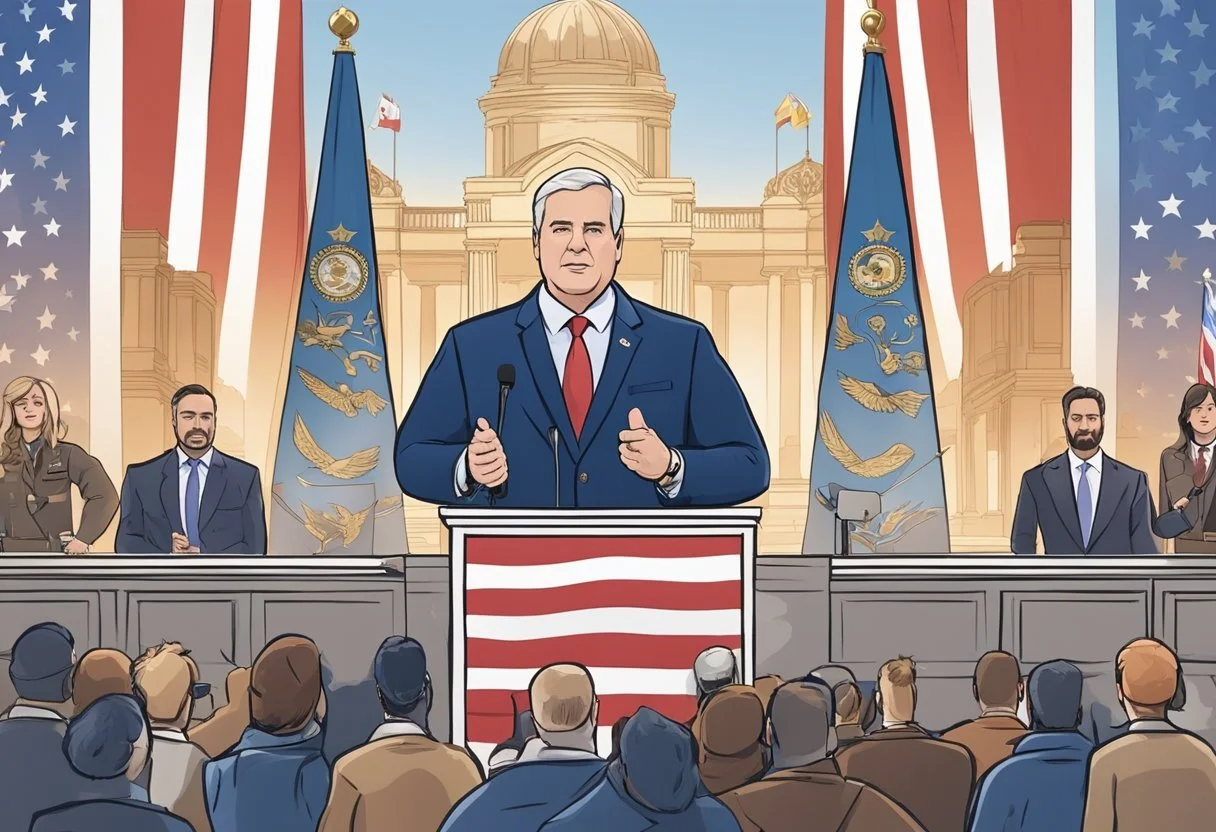
Jamie Dutton's political career has been defined by several watershed moments that altered both his trajectory and Montana's political landscape. These events have tested his leadership while drawing intriguing parallels to historical precedents and contemporary political realities.
Scandals and Legal Battles
Jamie Dutton's administration faced significant scrutiny following allegations of corruption within the state's land management office. The subsequent investigation in 2023 led to three high-ranking officials being indicted, though Dutton himself avoided direct legal implication.
The Courts played a pivotal role when the Montana Supreme Court ruled on Dutton's controversial executive order limiting tribal jurisdiction in cross-boundary criminal cases. This 4-3 decision upheld state authority while creating lasting tension with tribal nations.
Dutton's handling of these legal challenges revealed his tactical approach to political survival. He frequently positioned himself as being "persecuted by enemies of Montana's interests," successfully rallying his base while alienating moderate supporters.
The governor's legal team, led by former federal prosecutor Helen Meyers, developed a reputation for aggressive counter-litigation strategies. These methods proved effective but raised ethical questions about the administration's relationship with the judicial system.
Impact of National Security Incidents
The 2024 cyberattack on Montana's power grid infrastructure represented a defining moment for Dutton's administration. His decisive response, mobilizing both state resources and National Guard units, earned bipartisan praise during a critical security crisis.
Dutton leveraged this incident to secure federal funding for Montana's previously neglected infrastructure security programs. His administration established the Montana Critical Infrastructure Defense Initiative, which became a model for other rural states.
The governor's relationship with federal National Security agencies evolved significantly during this period. Initial tension gave way to pragmatic cooperation, though Dutton maintained public skepticism about federal overreach in security matters.
Border security concerns along the northern boundary with Canada became another focal point. Dutton's controversial deployment of state troopers to assist federal agents sparked both legal challenges and support from constituents concerned about cross-border Crime.
Historical References and Parallels
Dutton often invoked Montana's 1944 state constitutional convention in his speeches, drawing parallels between contemporary challenges and historical precedents. This rhetorical strategy positioned him as continuing a tradition of independent Montana leadership.
Scholars have noted similarities between Dutton's governance style and post-Revolution state executives who consolidated power during America's early republic. His emphasis on state sovereignty echoes these historical figures who navigated tenuous federal relationships.
The governor's historical knowledge became particularly evident during the state's water rights disputes. He cited nineteenth-century territorial agreements to strengthen Montana's position in multi-state negotiations over increasingly scarce resources.
Dutton's administration consciously cultivated historical imagery in official communications. State documents featured Montana historical figures who stood against perceived external threats, subtly positioning his administration within a narrative continuum of resistance to outside control.
Cultural and Societal Commentary
Governor Jamie Dutton's political narrative extends beyond mere entertainment, serving as a mirror to contemporary American society. His character navigates complex social issues through calculated political maneuvers that reflect real tensions in today's cultural landscape.
Reflections of Modern American Democracy
Jamie Dutton's political trajectory captures the increasing polarization in American democracy. His ruthless pragmatism illustrates how political power often trumps ideological consistency when stakes are high.
The character's manipulation of democratic processes—through strategic appointments, leveraging media relationships, and exploiting legal loopholes—parallels tactics employed by real political figures across the spectrum.
Jamie's negotiations with tribal leaders and rural communities highlight the ongoing struggle for representation among historically marginalized voices in the democratic process. These interactions demonstrate how modern democracy still grapples with balancing majority rule against protecting minority interests.
His administration's challenges mirror real tensions between state autonomy and federal oversight, particularly regarding land use, resource management, and environmental regulations.
Labor Movements and Economic Disparities
Economic inequality forms a central theme in Jamie's gubernatorial storylines, reflecting America's growing wealth gap. His policies often illuminate the conflict between corporate interests and working-class needs.
The ranch hands and energy workers portrayed in Yellowstone represent labor groups increasingly squeezed by economic transformation. Jamie's responses to their concerns—sometimes supportive, sometimes dismissive—mirror real politicians' complex relationships with labor movements.
His administration's handling of land development disputes shows how economic pressures transform rural communities. When workers organize against corporate interests in the show, the resulting tensions reflect actual labor movements gaining momentum across various industries.
Jamie's family wealth contrasts sharply with the financial struggles of ordinary Montanans, creating narrative tension that echoes discussions about privilege in political leadership.
Media Representation and Public Perception
Jamie's relationship with media outlets demonstrates how political narratives are shaped and controlled in the information age. His strategic use of press conferences, carefully crafted statements, and managed public appearances reflects real political media strategies.
Social media reactions to Jamie's controversial decisions mirror how digital platforms have transformed public discourse about political figures. The show portrays how fractured media ecosystems create entirely different perceptions of the same political actions.
Public opinion polls in the series show Jamie's fluctuating approval ratings, highlighting the volatility of political support in today's media environment. Yahoo and other news outlets within the show's universe report on his administration with varying degrees of bias, much like real-world media coverage.
The character's struggle to maintain authenticity while crafting a public image resonates with viewers familiar with the performance aspects of modern political leadership.
Privacy and Personal Data in the Digital Age

Jamie Dutton's political career demonstrates the complex intersection of technology, privacy, and power in modern governance. His administration navigated significant challenges related to personal data protection while balancing security needs against individual rights.
Use of Technology in Campaigns
The Dutton campaign revolutionized voter outreach by implementing sophisticated data analytics systems that tracked voter preferences across Montana. These systems collected information from social media profiles, public records, and voluntary campaign interactions to build detailed voter profiles.
Campaign staff utilized IP address tracking to deliver geographically targeted messaging, reaching voters with personalized content that addressed local concerns. This approach proved particularly effective in rural communities where traditional campaigning had struggled to maintain engagement.
Privacy settings became a central campaign issue when opponents discovered the Dutton team had accessed data without explicit voter consent. The campaign subsequently implemented transparent opt-in protocols to prevent spam accusations and rebuild trust with the electorate.
Data Privacy Issues for Politicians
Governor Dutton's personal data vulnerabilities created unique challenges throughout his administration. His family's prominence made them targets for extensive data collection by political rivals and media organizations.
The administration faced a significant crisis when private communications regarding the Yellowstone land trust were leaked to the press. This breach highlighted the tenuous nature of privacy for public figures in the digital age.
Dutton responded by implementing strict protocols for all official communications, including:
End-to-end encryption for sensitive messages
Regular device security audits
Restricted access to confidential information
Mandatory digital security training for staff members
These measures reflected growing concerns about the erosion of boundaries between public service and private life for elected officials.
Security Measures and Ethical Concerns
The Dutton administration developed comprehensive security protocols to protect both government operations and personal information. Their approach balanced robust protection with maintaining public transparency commitments.
Officials implemented multi-factor authentication across all government systems while establishing dedicated cybersecurity teams for continuous threat monitoring. These measures prevented several attempted breaches targeting sensitive state infrastructure and personal data.
Ethical questions emerged regarding the administration's extensive surveillance capabilities. Civil liberties advocates expressed concern when Dutton authorized expanded monitoring programs that collected citizen data for "security purposes."
The administration defended these practices as necessary safeguards while implementing oversight mechanisms to prevent misuse. Public debate intensified around the appropriate balance between security and privacy, particularly regarding the use of personal data for personalised advertising of government programs.
International Relations and Diplomacy
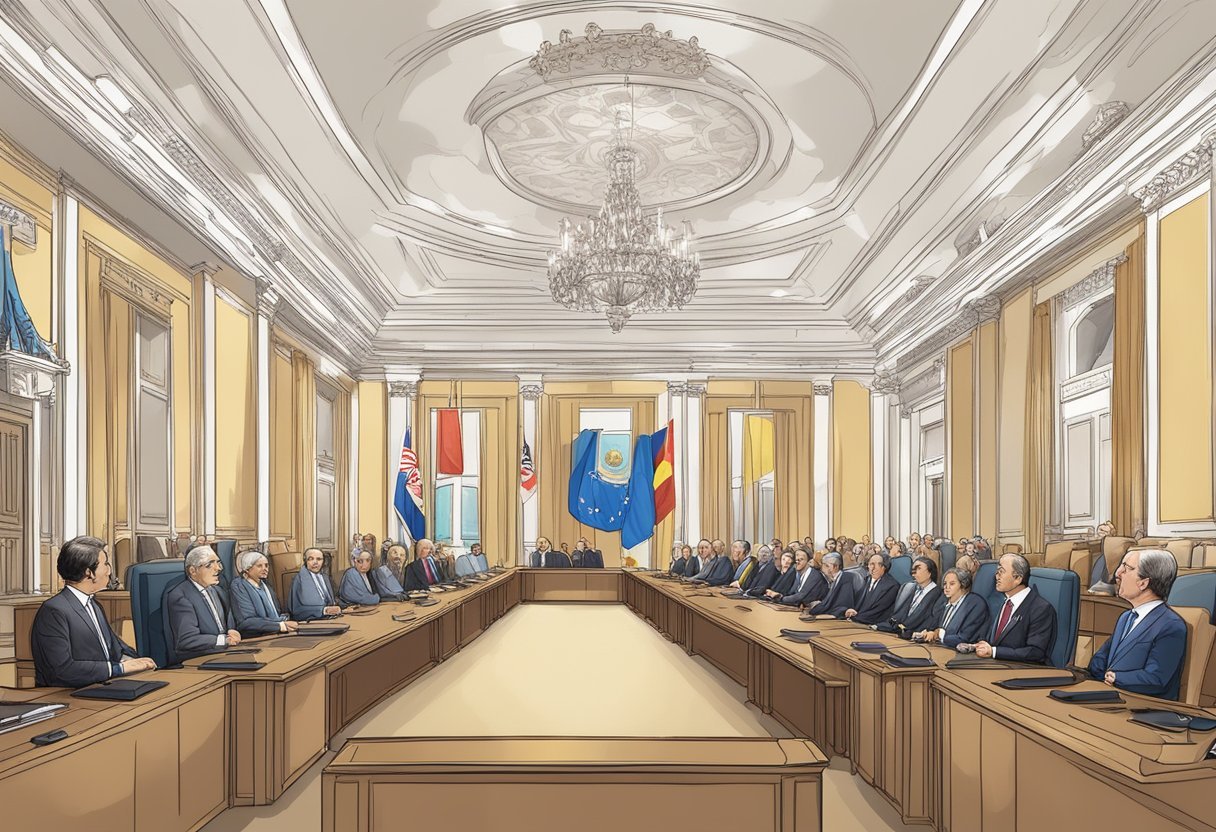
Governor Jamie Dutton's political storylines frequently explored complex international relationships that mirrored real-world geopolitical tensions. His administration faced diplomatic challenges that required strategic negotiations with foreign governments and showcased the delicate balance between state interests and global politics.
Foreign Policy and Global Perspectives
Jamie Dutton's approach to foreign policy reflected contemporary diplomatic challenges facing American leaders. His administration established significant ties with European partners, particularly in Switzerland and Italy, where Dutton leveraged personal connections to secure economic advantages for Montana.
During a pivotal story arc, Dutton traveled to London for an international agricultural summit that highlighted tensions between American agricultural interests and European regulations. This storyline notably paralleled real-world trade disputes between the US and European Union.
The governor's stance on national security often positioned Montana as a microcosm of larger American concerns. His administration implemented controversial border policies that drew criticism from international human rights organizations while gaining support from security-focused political allies.
Dutton frequently emphasized state-level diplomacy, arguing that governors should have greater influence in international relations affecting their regional economies.
Diplomatic Correspondence and Conflicts
The series depicted numerous instances of diplomatic correspondence between Dutton's office and foreign entities. These exchanges often revealed the behind-the-scenes tensions that characterize modern international relations.
A major storyline involved leaked diplomatic cables between Dutton's office and Swiss banking representatives, exploring themes of financial transparency and state sovereignty. This narrative directly mirrored real-world WikiLeaks controversies that exposed diplomatic communications.
Dutton's administration navigated a complex dispute with Canadian officials over water rights and energy resources. The fictional conflict closely resembled actual cross-border disputes between northern states and Canadian provinces.
The character's approach to diplomatic conflicts typically favored direct confrontation rather than traditional diplomatic channels. His unorthodox methods were portrayed as both effective and problematic for maintaining international relationships.
Cultural Diplomacy and International Alliances
Governor Dutton employed cultural diplomacy as a soft power strategy to advance Montana's interests abroad. His administration sponsored cultural exchanges with Italy that highlighted Montana's rich ranching heritage while opening new markets for state exports.
The series explored how personal relationships influenced international alliances through Dutton's friendship with a Swiss diplomat who provided critical support during an international crisis. This relationship underscored how informal diplomatic channels often operate alongside official ones.
Dutton hosted foreign dignitaries at his ranch, using Montana's natural beauty and cultural identity as diplomatic tools. These events portrayed the increasing role of subnational governments in international relations.
The governor's cultural initiatives faced criticism when they appeared to prioritize economic benefits over human rights concerns. This storyline reflected real-world tensions between commercial interests and ethical foreign policy considerations.
Analysis of Production and Performance
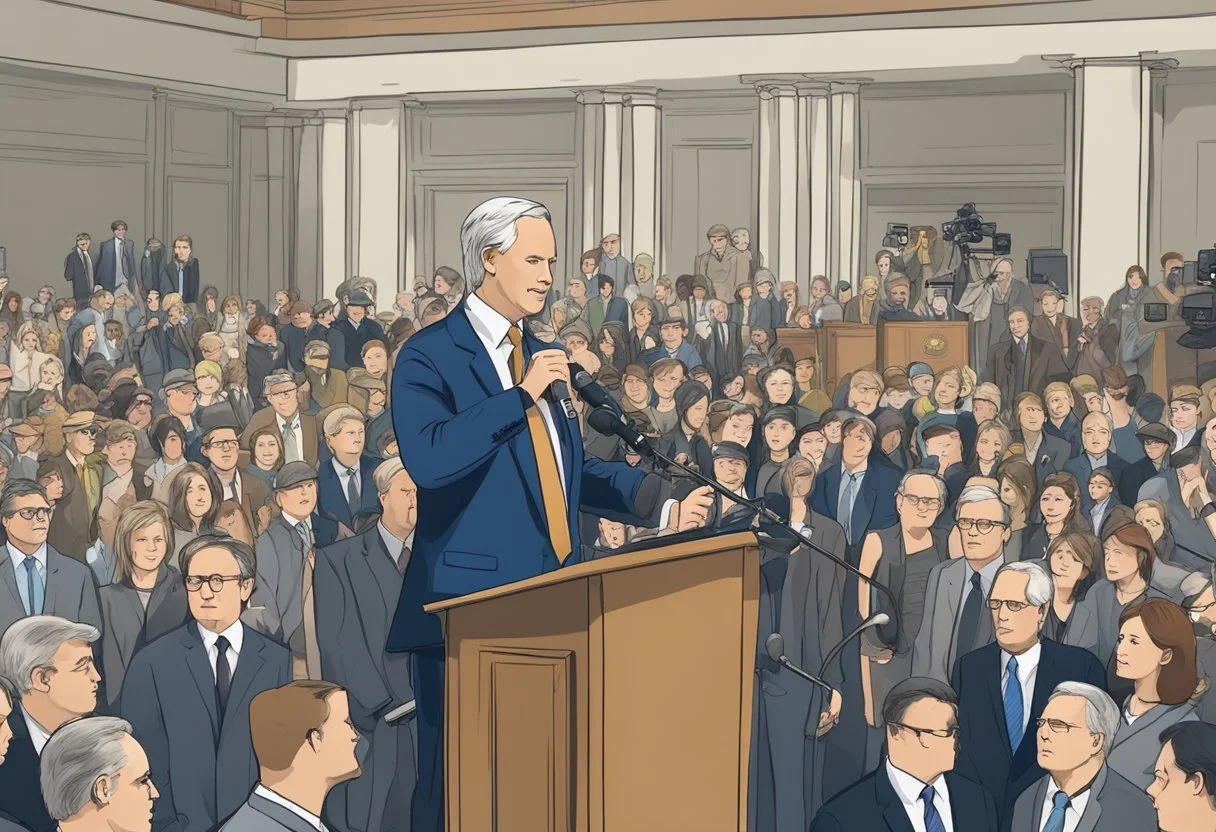
The transformation of Jamie Dutton from family attorney to political power player represented one of the show's most compelling character arcs, supported by skilled acting, meticulous production design, and thoughtful narrative choices. The political storylines featuring Jamie's gubernatorial campaign provided a nuanced backdrop against which real-world political tensions were mirrored and explored.
Actor Portrayal and Character Development
Wes Bentley's portrayal of Jamie Dutton stands as one of the series' most complex performances, evolving from hesitant legal advisor to ambitious political figure. His careful modulation of Jamie's internal conflicts—particularly the character's desperate need for validation contrasted with his political ambitions—created a character study in power and vulnerability.
Bentley employed subtle physical transformations throughout Jamie's political arc, adopting more confident posture and deliberate speech patterns as the character grew into his political identity. This evolution was especially evident in campaign speech scenes where Jamie's delivery shifted from rehearsed to authentically commanding.
Critics noted how Bentley skillfully conveyed Jamie's duality—outwardly projecting political confidence while privately harboring deep insecurities about his place in the Dutton hierarchy. The performance avoided one-dimensional villain stereotypes, instead creating a fully realized character whose motivations remained understandable even when his actions became increasingly questionable.
Production Design and Political Spectacle
The production team created distinct visual language for Jamie's political storylines, contrasting the rugged Montana landscapes with sterile government offices and polished campaign events. Campaign rallies featured meticulously designed promotional materials with strategic color schemes that subtly referenced real-world political branding without directly mimicking specific parties.
Set designs for Jamie's campaign headquarters evolved throughout the season, beginning sparsely and gradually accumulating the trappings of political success. The transformation of these spaces visually narrated his rising political fortunes.
Key Visual Elements in Jamie's Political Storyline:
Gradual wardrobe evolution from earth tones to more formal suits
Campaign imagery featuring Montana landscapes juxtaposed with Jamie's face
Press conference backdrops that strategically positioned state symbols
Contrasting lighting between private moments (shadowed) and public appearances (bright, exposing)
The campaign trailer scenes particularly demonstrated how political spectacle was constructed, showing both the crafted message and the machinery behind it. This dual perspective provided viewers with a critical lens through which to view real-world political messaging.
Critical Reception and Genre Considerations
Critics widely praised the show's treatment of Jamie's political storylines as an effective blend of western tradition and contemporary political drama. Reviews highlighted how the series transcended typical genre boundaries by treating politics not merely as background but as a central dramatic element.
Television critics frequently noted the parallels between Jamie's fictional campaign and real-world political dynamics, particularly regarding family dynasty politics and rural-urban divides. Many considered the storyline an effective literary work that commented on American political realities without becoming overly didactic.
The nuanced portrayal of political machinations earned acclaim for avoiding simplistic partisan frameworks. Instead, the focus remained on universal themes of power, legitimacy, and governance that resonated across the political spectrum.
Some reviewers did critique certain aspects as occasionally veering into melodrama, particularly during heightened family confrontations. However, most agreed that the political fiction elements added meaningful depth to what might otherwise have remained a straightforward family drama.
