
How Yellowstone Balances Romance and Revenge Exploring the Show's Dynamic Storytelling
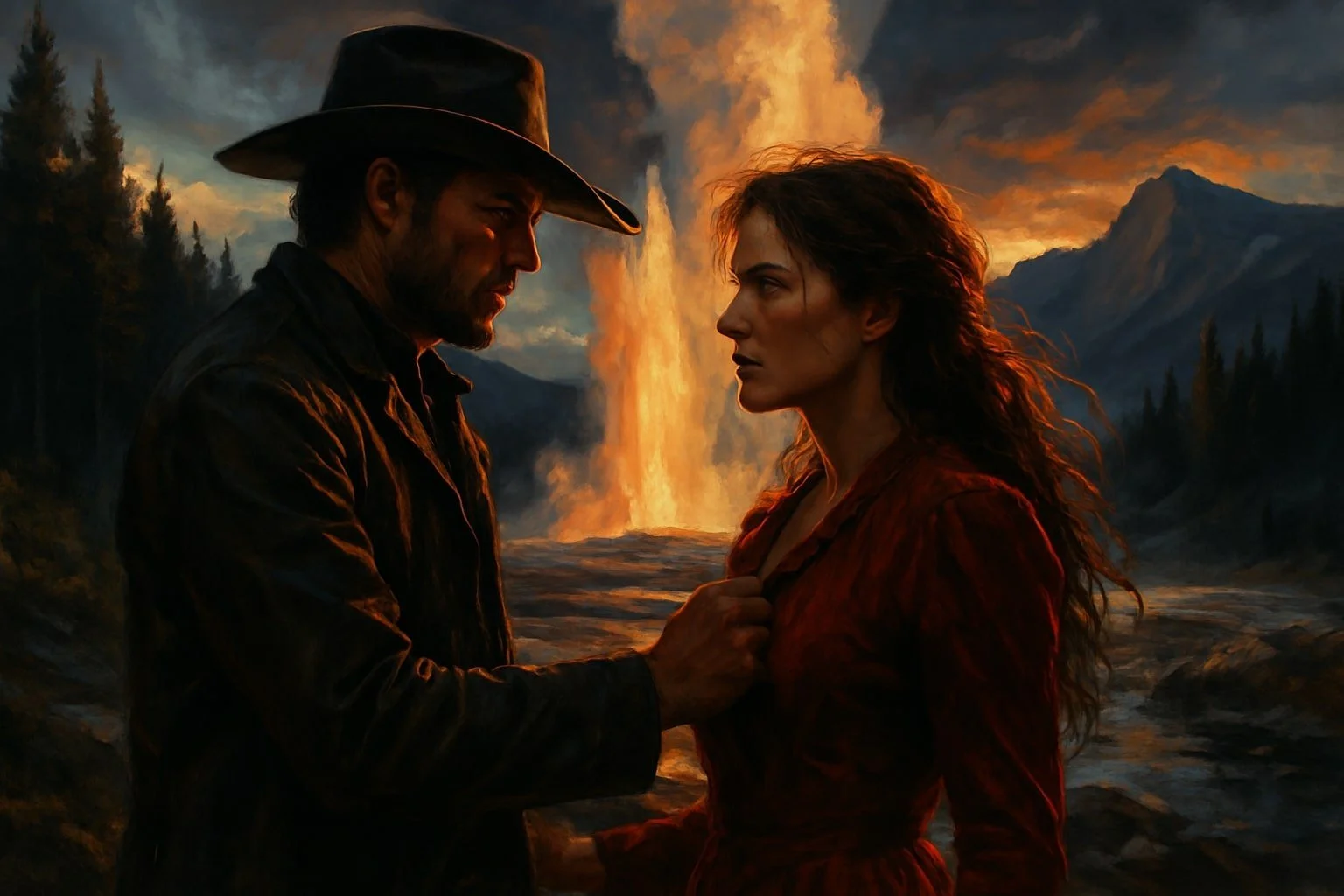
Yellowstone stands out in the television landscape for its ability to weave together romance and revenge without sacrificing the authenticity of either. At the heart of Taylor Sheridan’s neo-western drama, viewers find the Dutton family battling relentless threats to their ranch, creating a backdrop where vengeance is both a driving force and a source of conflict. This pursuit of justice and retribution is a core narrative thread, shaping character motivations and propelling dramatic plotlines.
Against this harsh environment, romantic relationships bloom, often tested by the same turbulent forces that fuel the Duttons' quest for survival. The show does not shy away from depicting love in the midst of chaos, presenting both intimate connections and complicated loyalties. This complex balance is part of what has made Yellowstone a cultural phenomenon on the Paramount Network, capturing the attention of audiences looking for more than just a typical Western drama.
The Foundation of Romance and Revenge in Yellowstone
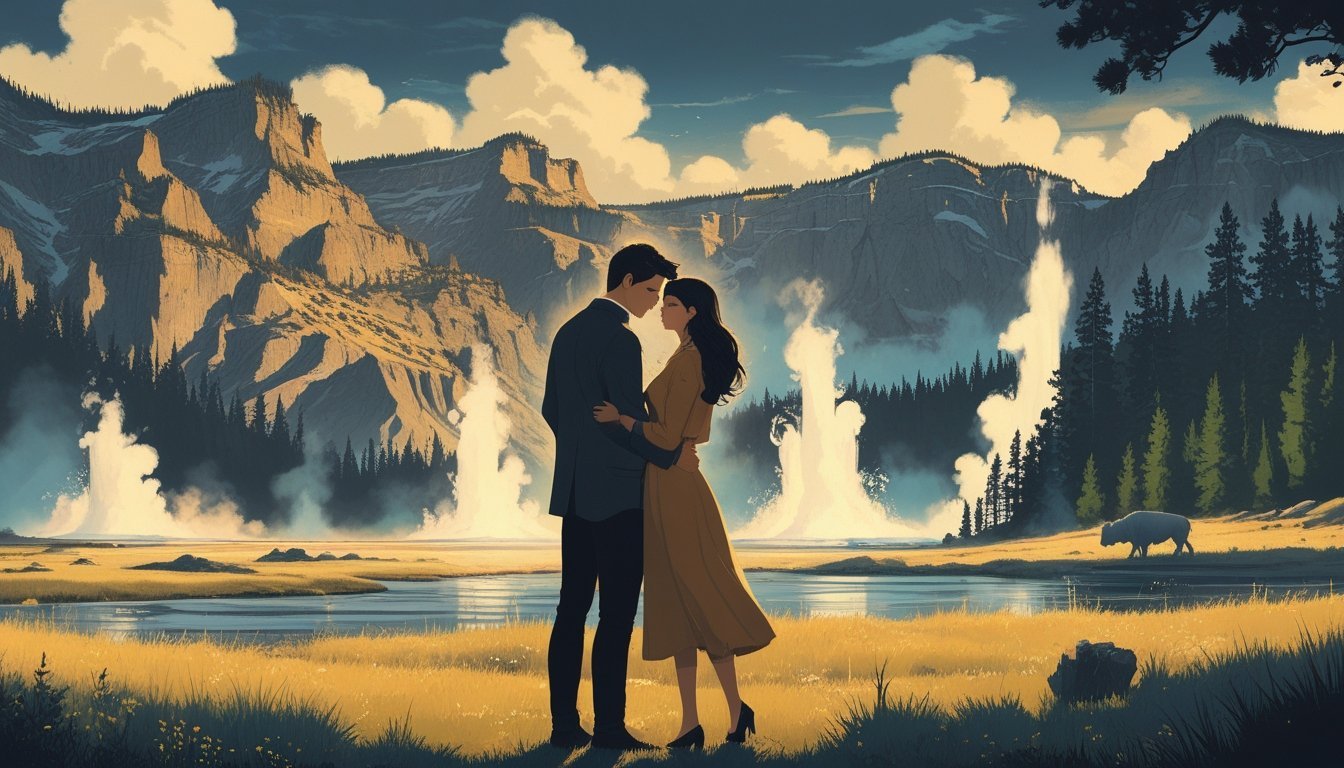
Yellowstone’s story interweaves intense romantic attachments with deeply rooted cycles of revenge. Both themes are shaped by the Dutton family's enduring legacy and their unyielding connection to their Montana land.
Defining the Central Themes
At its core, Yellowstone fuses personal relationships and feuds into its neo-Western narrative. Romantic bonds, like those between Rip Wheeler and Beth Dutton, are central to the story’s emotional impact. These relationships are often tested and deepened by constant threats surrounding the Yellowstone Dutton Ranch.
Revenge is never just reactionary. It is woven into the characters’ lives, driven by past betrayals and rivalries. The retaliation against enemies is methodical, with vengeance flowing from both internal family conflict and external adversaries. The dualities of love and hate shape the choices characters make.
In many cases, romance and revenge intersect. Intimate relationships are forged and challenged by the broader struggles over loyalty, justice, and family honor.
The Role of Family Legacy
Family legacy is the backbone of the series. The Duttons’ commitment to keeping their ranch in the family for generations is not just sentimental—it's a form of survival. The legacy of John Dutton and his ancestors informs each character’s motivations.
Protecting the Yellowstone Dutton Ranch is non-negotiable, shaping the family's definition of both loyalty and justice. Many acts of vengeance are justified by the perceived need to defend the family name. This legacy often supersedes personal happiness, forcing characters to choose between love and duty.
The family’s internal dynamics are marked by complex expectations. Children and grandchildren face immense pressure to uphold the Dutton name. Even romantic choices are weighed against the needs and reputation of the family.
Influence of Ancestral Land and Power
The Duttons’ ancestral land in Montana is both a symbol and a source of conflict. Control over the Yellowstone Dutton Ranch represents more than property ownership—it embodies history, identity, and power.
Conflicts over the land fuel cycles of revenge with neighboring ranchers, developers, and indigenous groups. The struggle for control drives the plot, often igniting violence and betrayal. Every act to protect the ranch intensifies existing rivalries.
Romantic relationships on the ranch are never isolated from these pressures. Land, legacy, and love become inseparable, with family members forced to balance personal desires against the survival of their way of life. The foundation of romance and revenge in Yellowstone is ultimately rooted in the land’s enduring power over the Dutton legacy.
Complex Relationships and Character Arcs
Yellowstone’s narrative centers around the Dutton family as they navigate loyalty, vengeance, and deep personal connections. Relationships—romantic and familial—intertwine with betrayal, forging complex transformations for every major character.
Family Dynamics and Loyalty
The Dutton family is marked by unwavering loyalty but also internal strife. John Dutton, as patriarch, demands absolute commitment to the ranch, often stretching his children’s allegiances to their breaking points.
Beth Dutton’s fierce defense of her father contrasts with Jamie Dutton’s struggle to be accepted. These tensions create lasting rifts and alliances. Loyalty is tested repeatedly as outside threats and personal ambitions clash.
Kayce Dutton often finds himself torn between family duty and his relationship with Monica. The family's dynamic reflects the idea that unity is both their greatest strength and most vulnerable weakness.
Table: Key Family Relationships
Character Relationship Focus Conflict Source John Dutton Patriarch Power, Survival Beth Dutton Daughter Loyalty, Trauma Jamie Dutton Adoptive Son Acceptance, Betrayal Kayce Dutton Youngest Son Duty vs. Love
Romantic Subplots and Emotional Depth
Romantic relationships in Yellowstone add layers of vulnerability and resilience. Beth and Rip Wheeler’s romance stands out, rooted in shared hardships and mutual understanding.
Their connection is intense but complicated, defined by honesty and loyalty rather than idealized passion. Kayce and Monica’s marriage faces repeated challenges, often strained by Kayce’s obligations to the family and the dangerous world they inhabit.
Jamie’s romantic pursuits are infrequent, highlighting his isolation from both his family and love. Each romantic subplot explores how affection survives—or shatters—under the pressure of revenge and the demands of the ranch.
Notable Romantic Pairings:
Beth Dutton & Rip Wheeler: Turbulent yet resilient
Kayce Dutton & Monica Long: Loving but strained
Jamie Dutton & Christina: Distant and troubled
Betrayal and Retaliation
Betrayal is woven into the Dutton family’s legacy. Jamie’s actions, ranging from exposing secrets to seeking power outside the family, represent the most direct threats from within.
Beth’s response to betrayal is often harsh and calculated. She is relentless in retaliation, ensuring that those who wrong her or the family pay a steep price. John Dutton uses both the law and violence to address duplicity, never hesitating when family loyalty is breached.
These cycles of betrayal and revenge fuel ongoing conflicts that impact both the family’s future and individuals’ emotional lives. The sense of mistrust shapes decisions and alliances throughout each season.
List: Major Acts of Betrayal and Revenge
Jamie’s legal maneuvers against John
Beth’s vengeance against family enemies
Kayce’s violent retribution for threats against his immediate family
Character Growth Across Seasons
Character arcs in Yellowstone are defined by adaptation and hard lessons. Beth moves from destructive self-isolation to forming a stable partnership with Rip, showing how even the most hardened characters can change.
John Dutton, unyielding at first, reveals vulnerability as the burdens of leadership and loss affect him. Jamie’s arc depicts a search for identity, marked by erratic shifts between loyalty and rebellion.
Kayce’s evolution is shaped by trauma but anchored by his commitment to his wife and son. Across the Dutton family, each member grapples with the struggle to balance personal desires with their duty to the ranch and one another.
Key traits of individual growth:
Beth: Shielded vulnerability, finding trust
John: Softening leadership, acceptance
Jamie: Conflict over belonging
Kayce: Healing through family
Romantic Storylines and Their Impact
Romantic relationships on Yellowstone add emotional complexity, influence character development, and heighten conflict across the narrative. Each relationship reflects personal and social challenges unique to life on the Dutton Ranch.
Beth and Rip’s Unconventional Love
Beth Dutton and Rip Wheeler’s relationship resists typical romance conventions. Their bond is shaped by shared trauma and loyalty rather than outward displays of affection. This couple’s interactions are marked by honestly, direct communication, and unfiltered emotion.
Despite turbulent pasts, both Beth and Rip embrace their flaws, making their devotion believable. Their eventual marriage is a quiet, private affair, reflecting their preference for intimacy over fanfare. This longstanding commitment helps Rip anchor himself, while Beth finds rare moments of peace, strengthening their roles in the ranch’s ongoing conflicts.
Their story underscores the idea that love can be both a shield and a vulnerability. In the context of ongoing revenge and family strife, their loyalty to each other acts as a stabilizing influence, setting them apart from other couples in the series.
Kayce and Monica’s Struggles
Kayce Dutton and Monica Long’s relationship is defined by frequent upheaval and shifting loyalties. Their marriage navigates identity struggles, generational trauma, and cultural tensions between the Dutton family and Monica’s Native American heritage.
Periods of separation, reconciliation, and external threats constantly test their bond. Monica’s insistence on prioritizing their son and Kayce’s loyalty to his family creates ongoing friction. Their commitment is grounded in the promise to rebuild and protect their family, even as doubts arise.
The couple’s storyline explores themes of forgiveness and resilience. The repeated strain on their relationship adds realism and emotional weight, illustrating the costs of loyalty—both to family and to one another.
Supporting Romantic Connections
Secondary romances in Yellowstone provide contrast and depth to the main love stories. Colby and Teeter’s growing connection offers moments of humor and genuine tenderness. Their bond develops during shared ranch work, moving from banter to partnership and mutual care.
Jimmy Hurdstrom’s journey, especially his relationship with Emily, highlights how love can redefine a character's identity and priorities. His experiences demonstrate the risks and rewards of choosing commitment under uncertain circumstances.
These supporting storylines reinforce the recurring theme that romance, while often challenged by hardship and revenge, remains an integral part of life at the Dutton Ranch. Through different forms of partnership, the series paints a broad picture of love’s role amidst adversity.
Revenge, Justice, and Power Struggles
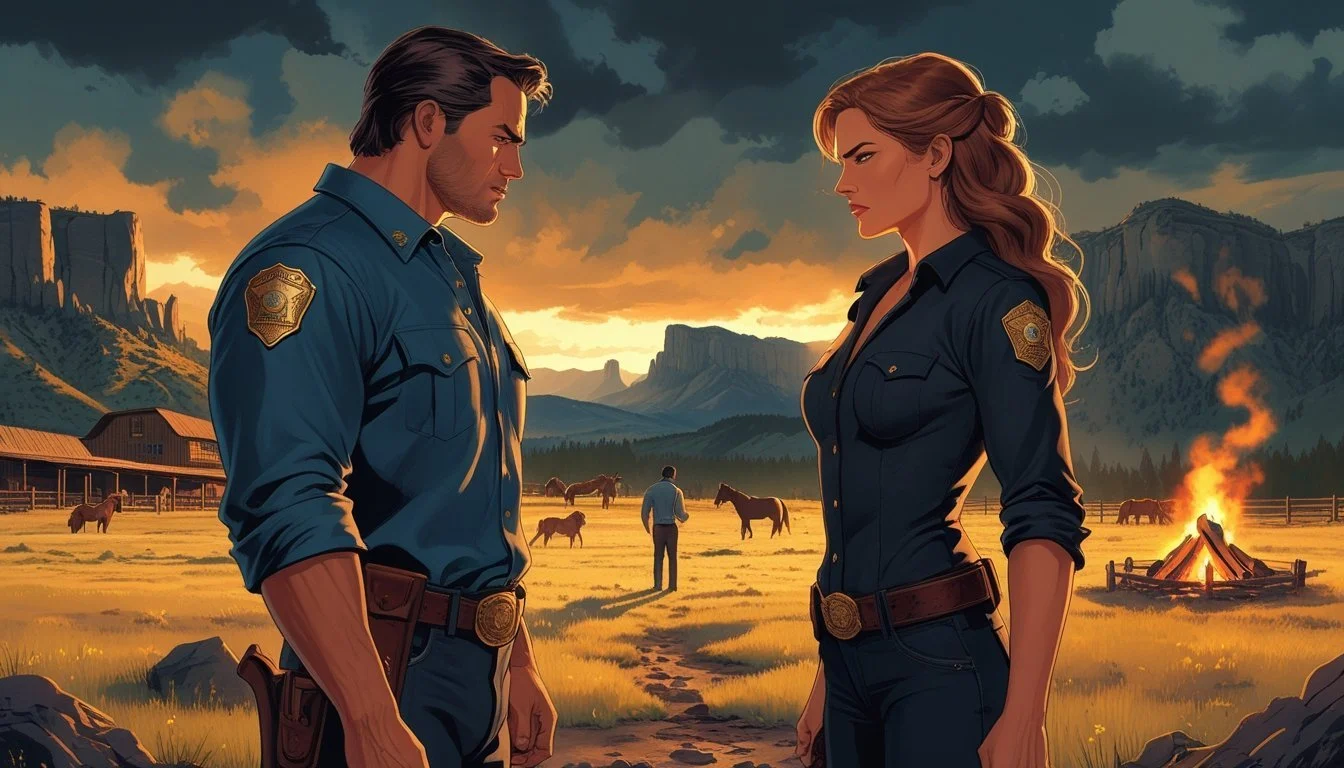
Yellowstone’s characters often face moments that test their loyalty and principles amid deep-rooted family rivalry and constant threats from outside forces. Key episodes reveal dramatic cycles of revenge, familial power plays, and the tough decisions that come from living by a strict code of justice.
Major Acts of Vengeance
Vengeance is a driving force for the Dutton family. Their pursuit of revenge often starts with personal losses or betrayals, compelling them to strike back at their enemies quickly and decisively.
A clear example is when Beth Dutton orchestrates complex schemes against business and political rivals, using manipulation and calculated moves rather than open violence. John Dutton’s responses to attacks on his family or ranch usually mix legal maneuvering with physical retaliation.
Notable acts of revenge are rarely impulsive. They involve careful planning, leveraging personal relationships and resources. The recurring use of “the train station” as a site for disposing of enemies underscores the seriousness of the Dutton code.
Below is a summary of key vengeful acts:
Episode / Season Vengeful Act Dutton Involved Target S2 Finale Retaliation for Tate’s kidnapping John, Rip, Kayce Beck Brothers S3 Beth against Market Equities Beth Market Equities executives S5 Jamie and Beth confrontation Beth, Jamie Each other / Blackmail and threats
Power Dynamics Within the Dutton Family
Power struggles are intense and ever-present within the family. John Dutton’s position as patriarch is often contested by his children, each of whom vies for influence over the ranch and family legacy.
Kayce’s loyalty to John and his role as livestock commissioner test his principles and his marriage to Monica. Beth’s business acumen and fierce devotion to her father give her significant sway, but her rivalry with Jamie frequently escalates to threats and manipulation.
Jamie’s ambition and insecurities lead him to forge alliances outside the family, sometimes to destructive effect. Rip Wheeler’s relationship with the Duttons is unique; he holds informal power based on trust and loyalty rather than blood ties.
These power dynamics are constantly shifting as family members reposition themselves in response to betrayal, loss, or changing fortunes. The shifting alliances add unpredictability and depth to the storyline.
Justice Versus Morality
The series blurs the line between justice and revenge, raising questions about morality in a world governed by personal codes. The Duttons often bypass the legal system, enforcing their own form of justice to protect their land and loved ones.
Actions taken in the name of justice frequently verge into morally grey territory. From covering up crimes to using intimidation, the Duttons justify their choices as necessary for survival in a hostile environment.
Viewers regularly witness characters—such as Kayce or John—struggling with the moral weight of decisions that keep the ranch safe but leave lasting consequences. The contrast between legal justice and the Duttons’ version of it shapes every major conflict.
Key themes in this conflict include:
Loyalty versus legality
Survival versus ethical conduct
Justified vengeance versus reckless violence
Cliffhangers and Crucial Decisions
Season finales often end with unresolved power struggles, shocking deaths, or acts of vengeance, setting up high-stakes cliffhangers. For example, John Dutton’s fate as governor introduces political maneuvering and betrayal, leading to questions on the ranch’s future.
Beth and Jamie’s battles leave viewers uncertain about the family's unity and who will control the ranch. Major decisions are frequently delivered in dramatic, tense moments—whether it is a character’s ultimate sacrifice or a sudden double-cross.
These cliffhangers are not just for suspense; they highlight the crushing weight of responsibility faced by the Duttons. Each decision ripples outward, affecting not only the family but ranch hands, local politicians, and rival landowners.
The series maintains tension by making every resolution temporary, ensuring new power struggles and questions of justice arise in each new season.
Conflict With Outsiders and Cultural Clashes
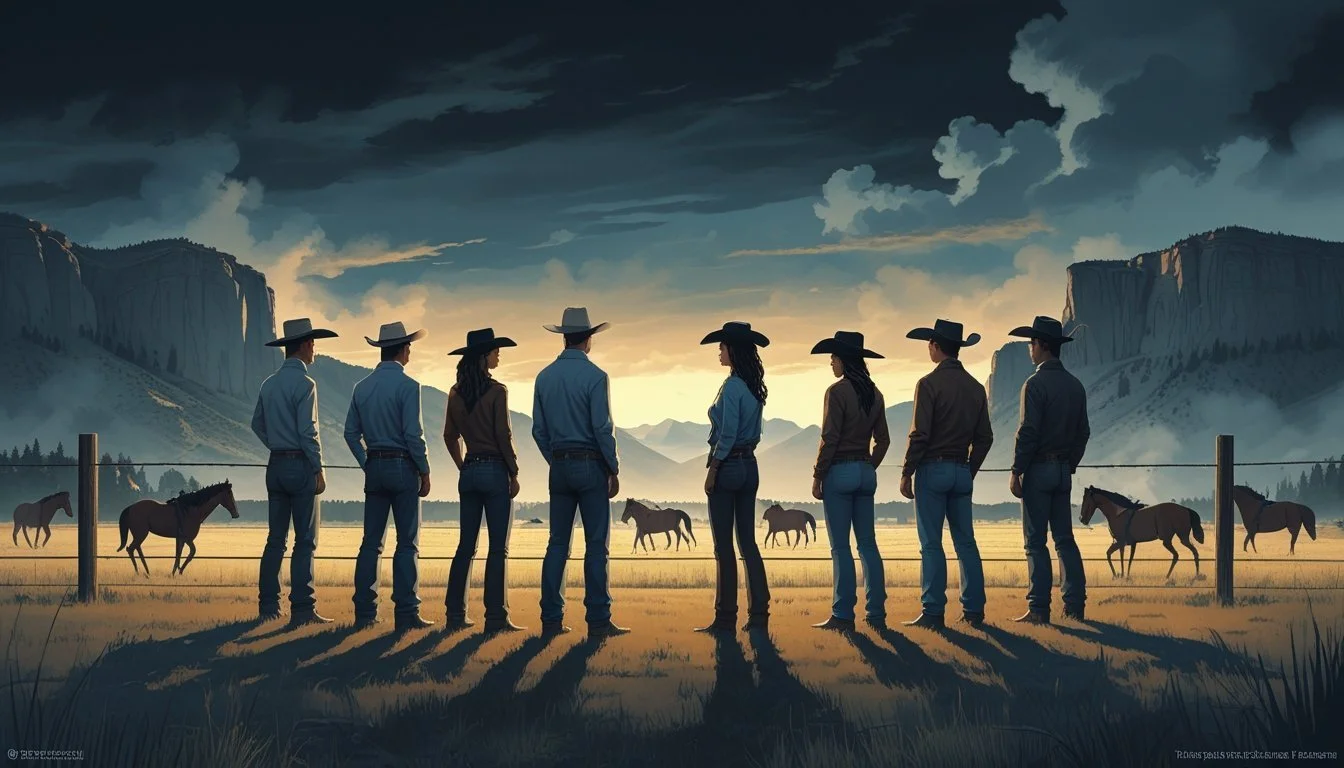
Yellowstone explores the tension created by outside forces challenging the Dutton family's control over their land. These conflicts are shaped by power struggles over territory, strained relationships with neighboring Native American communities, and the personal ties that connect individuals across divides.
Market Equities and Land Disputes
Market Equities is a major corporate player seeking to buy and develop land in Montana, threatening the Dutton ranch's traditional way of life. Their arrival in the region escalates conflicts, as the company tries to acquire large tracts of property for commercial expansion.
The Duttons resist Market Equities through legal battles, negotiation, and in some cases sabotage. The tension is rooted in questions of land ownership, generational legacy, and the intrusion of modern business interests.
A major point for viewers is how Market Equities uses economic leverage and political influence to advance their agenda. The Duttons' resistance embodies the ongoing struggle between tradition and development in the American West.
Relations With Native American Tribes
The ranch shares a border with the Broken Rock Reservation, making relations with local Native American tribes central to ongoing conflicts. Chief Rainwater, played by Gil Birmingham, represents the reservation's interests and often acts as both rival and occasional ally to John Dutton.
Negotiations often revolve around land rights, historical grievances, and the reservation's right to self-determination. At times, Chief Rainwater and the tribe push legal and political strategies to reclaim territory they believe is rightfully theirs.
The dynamic between the Dutton family and the Native American community reflects broader themes of displacement and sovereignty. These tensions are depicted through candid dialogue, uneasy alliances, and periodic confrontations.
The Broken Rock Reservation Connection
The personal connection between the Duttons and the Broken Rock Reservation is most visible through Monica Dutton, who bridges both worlds as Kayce Dutton's wife and a member of the tribe. Monica highlights the complications of identity, loyalty, and family that arise from the intersection of two cultures.
Through Monica, viewers see the challenges faced by Native Americans, including discrimination, resource allocation, and the preservation of cultural heritage. Her narrative brings an intimate perspective to the broader political and historical disputes.
This connection often humanizes the broader struggle, grounding land battles and power dynamics in personal stakes and individual choices. Monica's journey illustrates how cultural clashes impact everyday life for those connected to both sides of the conflict.
Key Character Journeys and Transformations
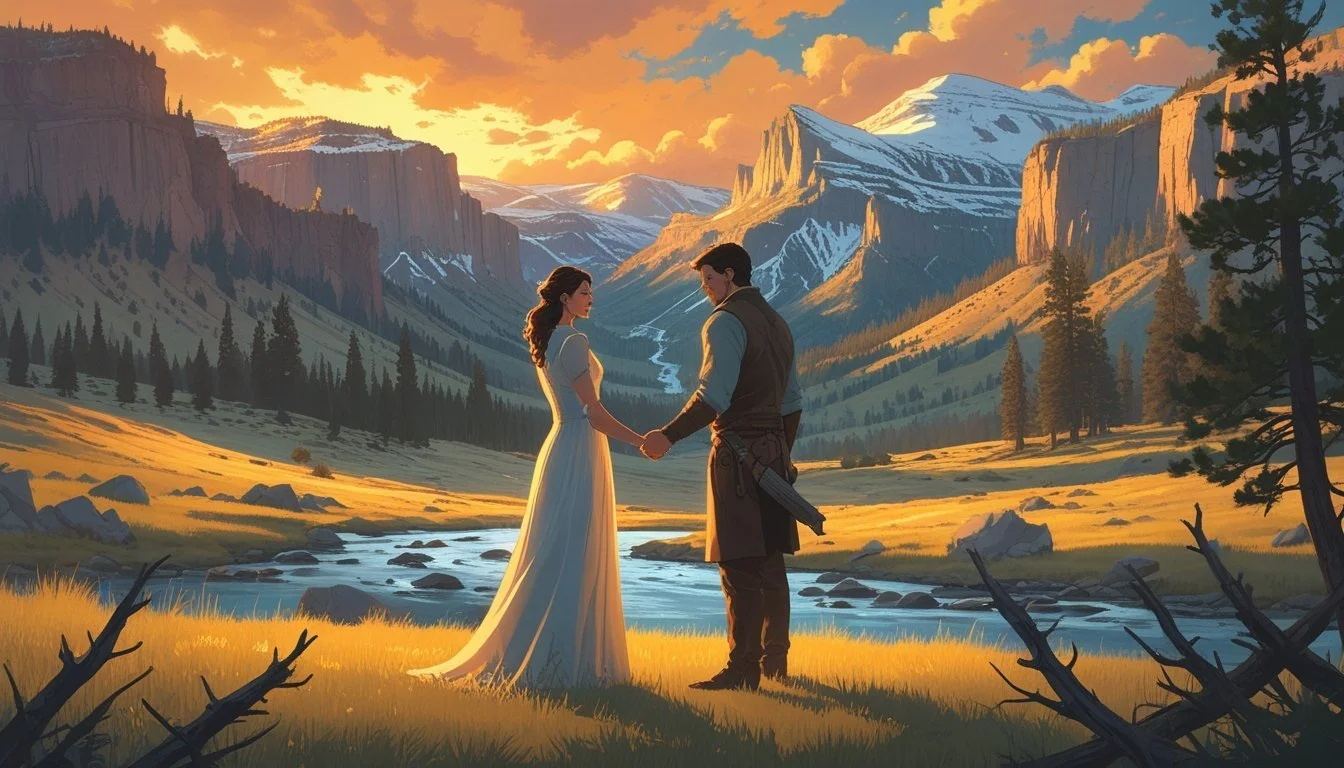
Yellowstone’s drama is anchored by personal transformation and inner conflict. Each central character faces unique struggles tied to themes of power, family, and morality, shaping the series’ dynamic approach to romance and revenge.
John Dutton’s Leadership and Tensions
John Dutton, played by Kevin Costner, stands at the heart of Yellowstone’s conflict. As the family patriarch, he defends his Yellowstone Ranch from external threats while managing growing divisions within his own family. His leadership is marked by a balancing act between nurturing loyalty and enforcing authority.
Ranch operations, legacy, and justice are always at the forefront of John’s decisions. He regularly faces opposition from local Native American leaders like Thomas Rainwater, as well as private developers and politicians. These long-standing feuds force John into calculated acts of vengeance, often blurring his moral lines.
John’s relationships with his children are equally complex. The tension with Jamie grows alongside disputes over succession and betrayal, fueling much of the show’s underlying drama. The push and pull between affection and disappointment in his family reflect John’s struggle to maintain control without losing his humanity.
Jamie Dutton’s Political Ambitions
Jamie Dutton, portrayed by Wes Bentley, is driven by a desire for approval and recognition. He consistently finds himself torn between loyalty to his father and ambition for an individual legacy, which often leads him to morally ambiguous decisions.
His law career and eventual foray into Montana politics put him at odds with both family and outside interests. Jamie frequently tries to forge alliances with adversaries of the Duttons, hoping to carve out power for himself but also to break free from his father’s overwhelming shadow.
Despite his legal expertise, Jamie’s choices create mounting tension with John and Beth. His betrayals—including exposing family secrets—underscore his struggle with guilt and longing for acceptance. Jamie’s personal journey is marked by an ongoing conflict between self-interest and a deep need for belonging.
Rip Wheeler’s Loyalty and Redemption
Rip Wheeler, played by Cole Hauser, is defined by steadfast loyalty to John Dutton and the ranch. Orphaned at a young age, Rip becomes both an enforcer and surrogate son, dedicating himself entirely to the Dutton family’s cause.
His relationship with Beth Dutton gradually reveals Rip’s vulnerabilities. Loyalty shapes his every action, whether in protecting the ranch or confronting threats through violence when necessary. Rip’s willingness to sacrifice for others contrasts with his inner turmoil and longing for forgiveness.
The search for redemption is central to Rip’s character arc. Haunted by a violent past, he seeks solace in his work and love for Beth. Rip stands as a symbol of resilience, showing that redemption can be found through unwavering commitment and personal integrity, despite a world filled with betrayal and retribution.
The Role of Violence and Retaliation
Violence is a central part of daily life at the Yellowstone Ranch, driving both external and internal conflicts. Retaliation, often in response to threats or betrayal, shapes relationships and determines the fate of those who live and work on the ranch.
Physical Confrontations and Ranch Protection
Physical confrontations are routine on the Yellowstone Ranch, often triggered by disputes over land, cattle, or loyalty. Characters like Lloyd, Walker, Ryan, and Teeter frequently find themselves defending ranch property and each other.
Escalating tensions can quickly lead to all-out brawls or armed standoffs, both with outsiders and among ranch workers themselves. These moments serve to establish hierarchies and enforce rules within the bunkhouse. Carter, for example, must learn firsthand that violence is both a test and a tool for belonging.
Ranching life in Yellowstone is depicted as harsh and unforgiving. Personal grievances simmer until someone acts, resulting in fights that blur the lines between family, friendship, and duty.
Table: Common Reasons for Physical Confrontation at Yellowstone Ranch
Reason Example Property Defense Cattle rustling Personal Betrayal Fights between bunkhouse men Power Struggles Disputes with outsiders
Violence as a Tool for Justice
Violence on Yellowstone is not simply chaos; it is often wielded deliberately as a means of enforcing justice or asserting control. Retaliation becomes necessary when the ranch faces threats from rival ranchers, corporations, or disloyal members.
John Dutton and his foremen use intimidation and force to protect the ranch from those who would harm their land or family. Retributive acts are calculated, sending a message to potential enemies that the cost of betrayal or theft will be steep.
The use of violence isn't limited to external threats. Walker, for instance, risks deadly consequences when he questions the ranch’s code. Loyalties are constantly tested. Each act of violence on the ranch is a statement about survival and loyalty in the unforgiving landscape of Montana.
Setting and Cinematic Influence
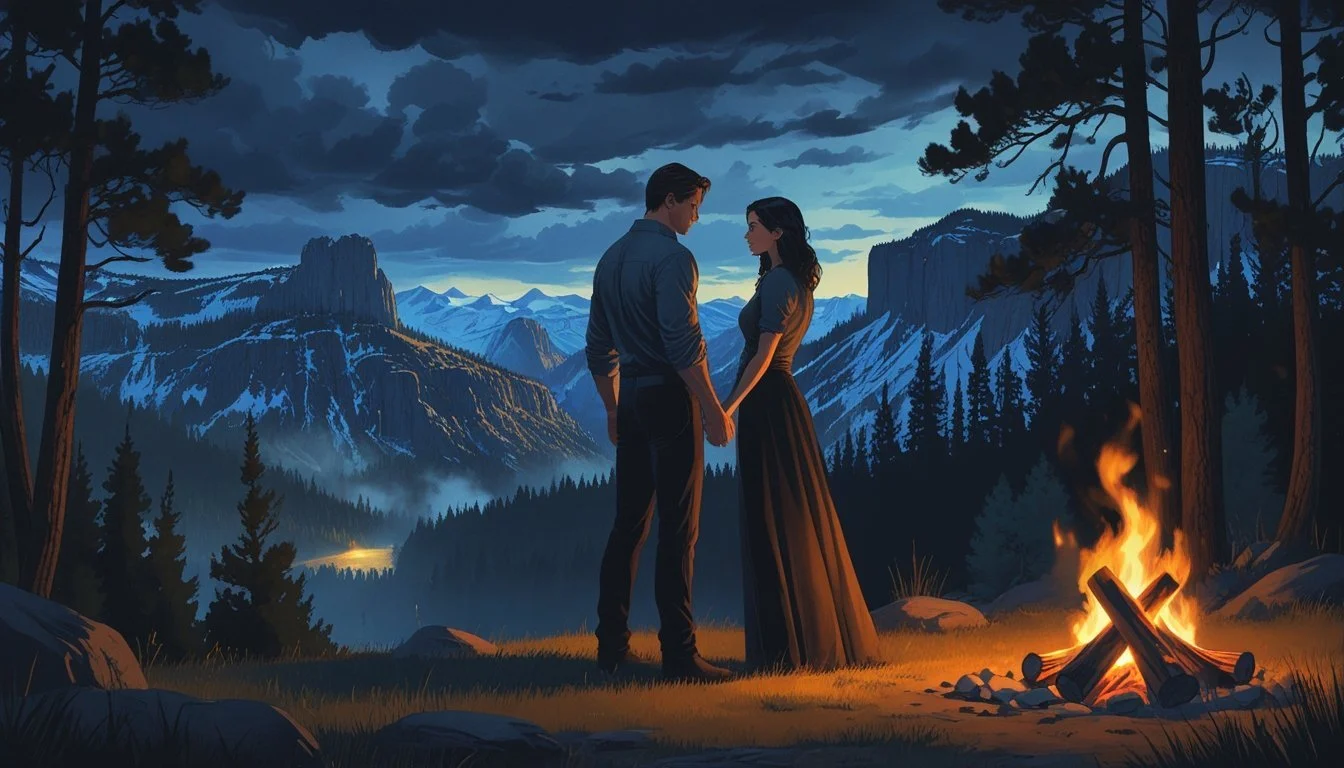
Yellowstone’s power is amplified by its distinct physical setting and its cinematic presentation. The show’s approach to landscape and cinematography directly shapes how viewers experience the Dutton family’s romantic entanglements and cycles of vengeance.
Montana Landscapes in Storytelling
Montana’s rugged terrain is central to Yellowstone’s narrative. Expansive plains, rivers, and mountain backdrops are more than scenery for the Dutton ranch—they act as a constant reminder of what is at stake, whether it’s family legacy, land ownership, or personal loyalties.
The choice of Montana grounds the series in a real-world sense of scale and isolation. Elements like sudden changes in weather or vast, empty spaces echo the unpredictable threats the Duttons face from rivals and from within their own ranks.
The landscape often appears almost as another character. When conflicts over land erupt or quiet moments unfold, the environment highlights the vulnerability and ambition of the Dutton family. Romance and revenge often play out under big skies—sometimes side by side, reinforcing the tension between intimacy and danger.
Cinematography and Visual Symbolism
Director Taylor Sheridan’s use of a cinematic 2.00:1 aspect ratio gives Yellowstone a visual style more typical of feature films than network television. This wider format expands the viewer’s perspective, drawing attention to the scale of the Dutton ranch and heightening the drama.
Through careful framing and movement, the show’s cinematography emphasizes both isolation and connection. For instance, wide shots depict characters as small figures against towering mountains or endless pastures, symbolizing their struggle against overwhelming odds. Close-ups, in contrast, are used sparingly, reserving emotional intensity for pivotal moments.
Lighting and color palettes are key visual tools. Warm, golden tones emphasize nostalgia and family bonds, while cooler, starker colors heighten scenes of conflict or betrayal. The result is a visual language that reinforces the emotional stakes of both love and revenge on the ranch.
Legacy, Spin-Offs, and Continued Impact
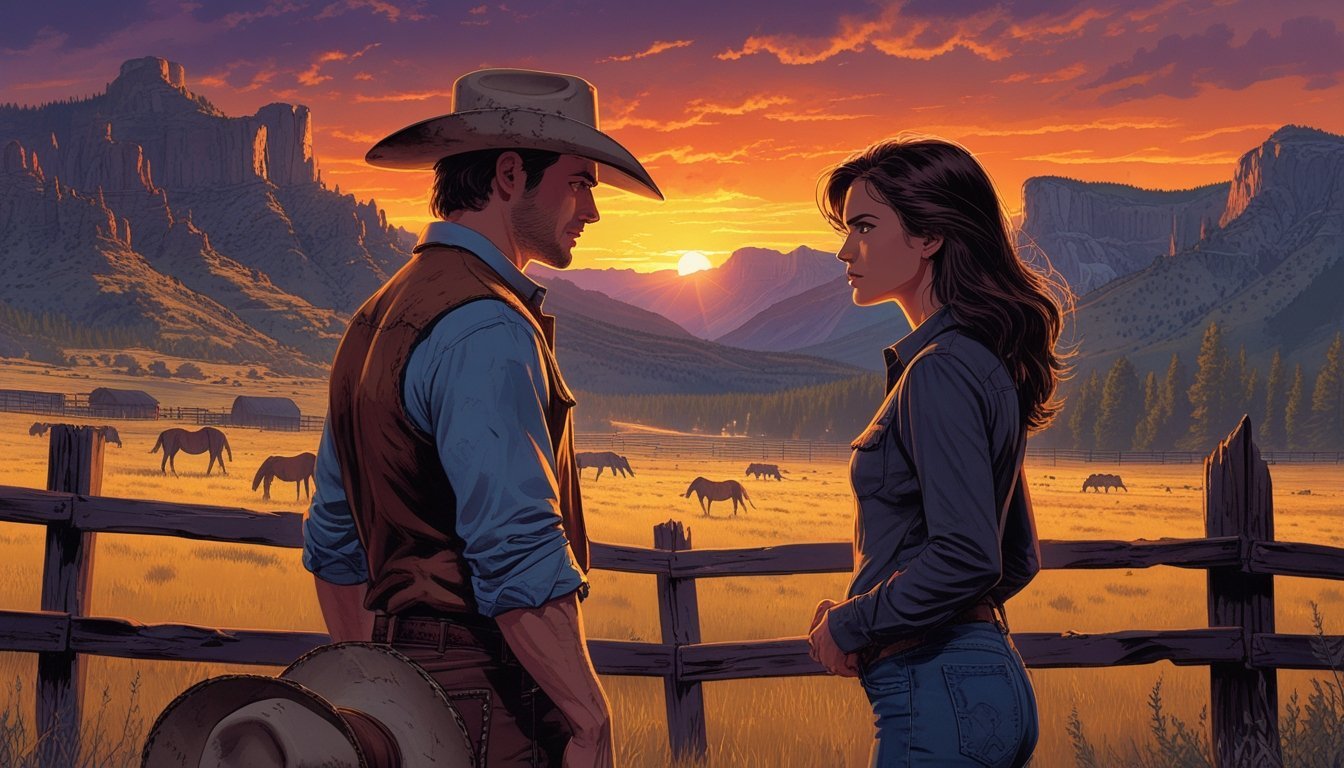
The Yellowstone franchise has steadily expanded beyond its flagship series, establishing a broad on-screen landscape anchored by the Dutton family's story. Its influence now stretches across several time periods, multiple connected series, and a diverse viewership.
Expanding the Yellowstone Universe
Taylor Sheridan developed a franchise strategy that led to several spin-offs connected to the main Yellowstone series. Notable spin-offs include 1883, which follows the origins of the Dutton family through Elsa Dutton’s perspective, and 1923, set during the Prohibition era, highlighting the family’s continued struggle for survival.
Another anticipated project is 6666, built around the historic 6666 Ranch in Texas, focusing on a new cast but rooted in the values and legacy seen in the main series. Each spin-off explores different eras and challenges, deepening the Dutton legacy and giving fans new entry points into the story.
A table summarizing major spin-offs:
Title Focus Time Period Key Characters 1883 Dutton origins 1883 James, Elsa Dutton 1923 Dutton family 1920s Jacob, Cara Dutton 6666 Texas ranch Modern 6666 Ranch staff
Viewer Engagement and Series Finale
Viewer engagement for Yellowstone has remained strong due to its blend of family dynamics, romance, and revenge. Audiences respond to the high stakes facing the Duttons, from land battles to personal betrayals. This investment is evident in ratings, social media conversations, and fan theories about character fates.
The series finale has drawn widespread anticipation, with fans seeking satisfying closure. The announcement of more spin-offs after the main show’s end attracted both loyal fans and new viewers, extending the impact beyond the flagship. The franchise’s multi-generational storytelling keeps viewers connected, maintaining interest across multiple series.
Cultural and Genre Influence
Yellowstone revived mainstream attention on the Western genre, mixing modern and historical storytelling. Its focus on the Dutton family’s power struggles and personal codes influenced how Westerns are now approached in television, often with a blend of romance and revenge themes.
The series has sparked discussions about rural American issues, land rights, and family loyalty. Its portrayal of complex characters, like Elsa Dutton and the generations that follow, offers layers often missing in traditional Westerns. As a result, both the flagship and its spin-offs left a mark on pop culture and network programming strategies.
