
Jefferson White's Jimmy Hurdstrom Shocks Fans with Unseen Depths in Yellowstone
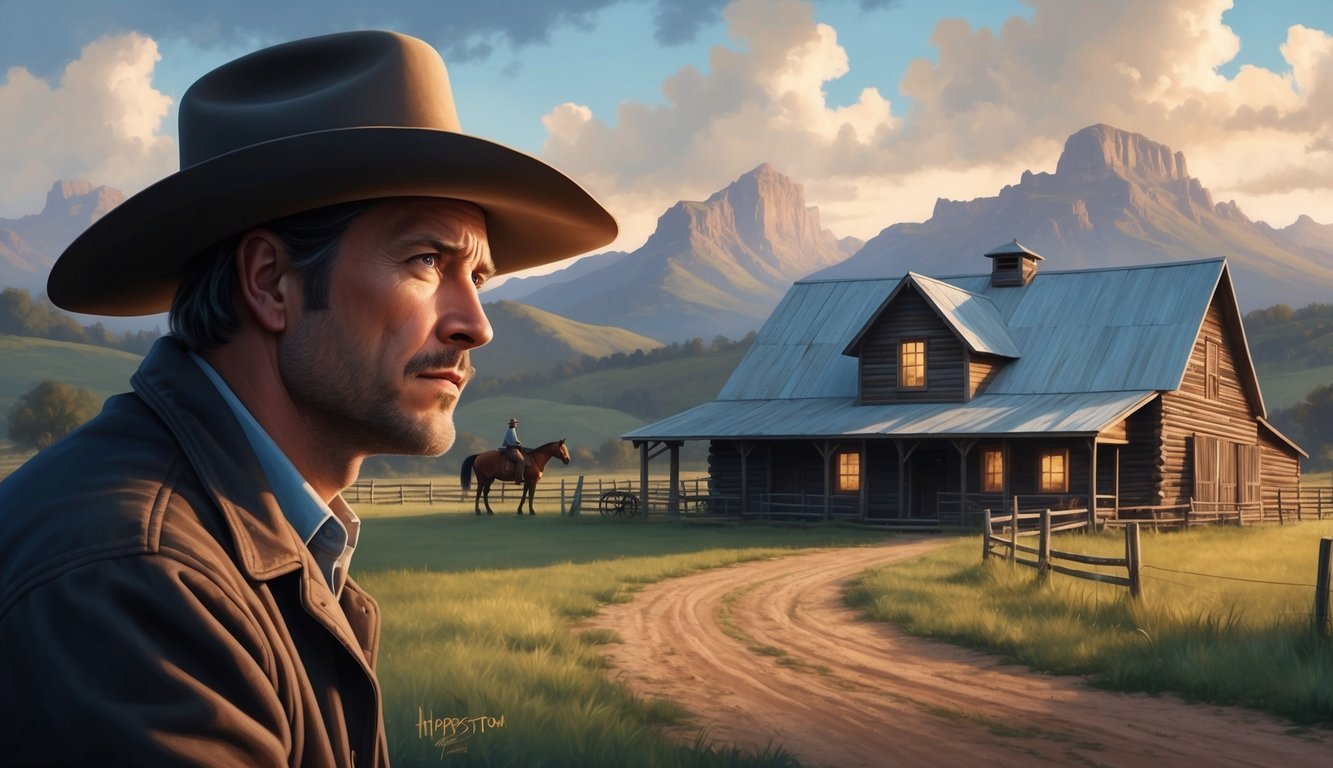
Jimmy Hurdstrom stands as one of the most complex characters in Paramount's hit series "Yellowstone." As the ranch hand who transforms from a criminal to a loyal worker, his journey embodies the show's exploration of redemption and moral gray areas. Jefferson White's nuanced portrayal captures Jimmy's struggle between his troubled past and his desire to become a better man, revealing how circumstance and choice constantly battle within his character arc.
White's performance brings authenticity to Jimmy's evolution, particularly as he navigates the harsh realities of ranch life and the consequences of his decisions. His character serves as a mirror reflecting the show's larger themes about loyalty, sacrifice, and the price of belonging in the modern West.
The ranch hand's relationships—with mentor figures like Rip Wheeler, romantic interests, and fellow cowboys—further illuminate the moral complexities that define his character. These connections showcase how Jimmy continually tests the boundaries between self-preservation and selflessness, making him a compelling study in ethical ambiguity within the Yellowstone universe.
Jefferson White's Portrayal of Jimmy Hurdstrom
Jefferson White breathes life into the complex character of Jimmy Hurdstrom with nuanced performance choices and remarkable emotional range. His interpretation balances vulnerability with determination, creating one of Yellowstone's most relatable and morally nuanced characters.
Character Evolution Throughout the Series
Jimmy Hurdstrom begins as a directionless drug addict seeking redemption at the Yellowstone Ranch. White portrays this initial vulnerability with hunched shoulders, hesitant speech patterns, and an almost palpable nervousness around the more experienced ranch hands.
As seasons progress, White subtly transforms Jimmy physically and emotionally. His posture gradually straightens, his voice finds confidence, and his eyes reflect growing self-assurance.
The actor's portrayal during Jimmy's recovery from serious injuries stands as particularly noteworthy. White conveys physical pain and emotional turmoil without melodrama, using controlled facial expressions and body language.
His scenes at the 6666 Ranch showcase Jimmy's fullest evolution. White demonstrates remarkable range as Jimmy discovers his calling as a cowboy, exhibiting quiet confidence that contrasts sharply with his initial portrayal.
Acting Techniques and Methodology
White approaches Jimmy through meticulous preparation and physical immersion. He underwent intensive cowboy training before and during production, learning horsemanship, roping, and other ranch skills to bring authenticity to his performance.
This physical commitment extends to White's embodiment of Jimmy's injuries. He studied rehabilitation techniques and movement limitations to accurately portray recovery processes.
White employs subtle vocal modulation throughout the series. Jimmy's speech patterns evolve from hesitant and reactive to more deliberate and assertive, reflecting his character growth.
The actor utilizes microexpressions effectively, particularly in scenes where Jimmy processes criticism or praise. These fleeting facial movements reveal Jimmy's inner conflict between self-doubt and growing confidence.
White's chemistry with fellow actors creates believable relationships that anchor Jimmy's development. His performances with Yellowstone veterans like Kevin Costner highlight his ability to hold his own in emotionally complex scenes.
Moral Ambiguity in Modern Westerns
Modern Western narratives have evolved beyond the black-and-white morality of their predecessors, embracing characters who navigate complex ethical landscapes. These contemporary tales reflect a nuanced understanding of human nature, creating more realistic depictions of frontier life and its complicated moral choices.
Definition and Role in Narrative
Moral ambiguity in modern Westerns refers to characters whose actions and motivations cannot be easily classified as purely good or evil. These characters operate in gray areas, making decisions based on survival, personal codes, or circumstantial pressures rather than clear moral imperatives.
Shows like "Yellowstone" employ moral ambiguity to create multi-dimensional characters who resonate with contemporary audiences. Jimmy Hurdstrom exemplifies this trend, as his path from petty criminal to ranch hand involves questionable choices amid his growth.
This narrative approach serves multiple functions: it increases dramatic tension, reflects real-world complexity, and allows for character development beyond simplistic redemption arcs.
Comparison to Traditional Western Archetypes
Traditional Westerns typically featured clear heroes and villains, with white hats facing off against black hats in straightforward moral conflicts. The hero embodied virtues like justice, honor, and protection of the innocent.
Modern Westerns subvert these archetypes by:
Blurring moral lines: Characters like Jimmy may perform both heroic and questionable acts
Complicating motivations: Actions stem from personal history rather than abstract moral principles
Questioning frontier justice: The rightness of taking the law into one's hands receives critical examination
This evolution reflects changing cultural attitudes toward authority, justice, and individual morality. Where classic Western heroes like those portrayed by John Wayne represented unambiguous moral certainty, characters like Jimmy Hurdstrom embody the compromised reality of survival in harsh environments.
Jimmy Hurdstrom's Moral Dilemmas
Jimmy Hurdstrom's journey throughout the series places him at numerous ethical crossroads, forcing him to navigate complex moral territories. His position as both ranch hand and reluctant criminal creates situations where his values are tested against harsh realities of survival and loyalty.
Conflict Between Loyalty and Justice
Jimmy's relationship with the Yellowstone Ranch creates his most profound moral conflict. He owes John Dutton and Rip Wheeler for giving him a second chance when the legal system had written him off. This debt of gratitude frequently collides with his innate sense of right and wrong.
When ordered to participate in activities that cross legal boundaries, Jimmy visibly struggles. His facial expressions betray inner turmoil even when he verbally agrees to tasks.
The infamous "barrel racer" incident perfectly illustrates this dilemma. Jimmy knew the consequences of his actions would hurt innocent people, yet his loyalty to the ranch prevailed over his personal moral code.
His reluctance to fully embrace the vigilante justice system at Yellowstone separates him from characters like Lloyd and Rip who accept these methods without question.
Personal Desires Versus Greater Good
Jimmy consistently faces choices between self-preservation and the collective needs of the ranch. His rodeo ambitions represent his personal dreams but often conflict with ranch obligations.
The decision to continue riding despite injuries demonstrates his willingness to risk everything for personal fulfillment. This pursuit comes at significant cost to both his physical health and his standing within the ranch hierarchy.
When faced with opportunities to leave Yellowstone behind, Jimmy weighs his personal freedom against his obligations to the people who saved him.
His relationship with Mia further complicates these decisions. The choice between romantic happiness and ranch loyalty forces Jimmy to define his priorities and values.
The 6666 Ranch transfer presents his most significant crossroads – accepting personal growth while honoring his debt to the Duttons.
Redemption Arcs and Audience Sympathy
Jimmy's early introduction as a drug dealer instantly positions him as morally compromised. Yet his earnest efforts to reform create a compelling redemption narrative that resonates with viewers.
His willingness to endure physical pain and humiliation to prove his worth reveals a character determined to transcend his past mistakes. This transformation occurs gradually through small moral victories rather than dramatic gestures.
Audience sympathy builds as Jimmy faces consequences that often seem disproportionate to his transgressions. His punishments frequently exceed his crimes.
Key factors in Jimmy's sympathetic portrayal:
Consistent effort to improve despite setbacks
Genuine remorse for past actions
Vulnerability contrasting with the stoicism of other ranch hands
Relatability as an ordinary person in extraordinary circumstances
Jefferson White's nuanced performance captures Jimmy's moral struggles without resorting to simplistic characterization or easy resolutions.
Relationship Dynamics and Influence
Jimmy Hurdstrom's character development on Yellowstone is largely shaped through his interactions with key figures on the ranch. These relationships provide the foundation for his moral evolution and personal growth throughout the series.
Interactions with John Dutton and the Yellowstone Ranch
John Dutton's influence on Jimmy creates a complex power dynamic that tests Jimmy's loyalty and moral compass. Initially, Jimmy arrives at the Yellowstone as a directionless young man with John offering him both opportunity and obligation.
Their relationship remains fundamentally transactional yet develops paternal elements. John's harsh brand of tough love pushes Jimmy toward self-sufficiency while demanding absolute loyalty to the ranch.
Jimmy's position in the bunkhouse hierarchy exposes him to the ranch's ethical gray areas. He witnesses and participates in violent enforcement of Yellowstone interests, often following orders that conflict with conventional morality.
This relationship exemplifies Jimmy's central conflict: gaining belonging and purpose while potentially compromising his ethical foundations.
Romantic Relationships and Their Impacts on Jimmy
Jimmy's romantic entanglements significantly influence his character trajectory and moral decision-making. His relationship with barrel racer Mia represents freedom and self-determination, pulling him away from ranch obligations.
The subsequent relationship with veterinary technician Emily offers Jimmy a more grounded future possibility. This connection helps him visualize a life beyond Yellowstone's morally ambiguous demands.
These relationships force Jimmy to confront conflicting loyalties between romantic partners and ranch commitments. His choices regarding love interests reflect his evolving values and independence.
The women in Jimmy's life consistently challenge his passive acceptance of circumstances, encouraging him to make active choices about his identity and future rather than simply following orders.
Mentorship Under Lloyd Pierce
Lloyd Pierce serves as Jimmy's primary mentor, providing guidance that shapes Jimmy's understanding of ranch life and its unwritten code. This mentorship offers Jimmy both practical skills and ethical frameworks for navigating complex situations.
Their relationship transcends simple instruction, developing into a surrogate father-son dynamic. Lloyd's protective instincts and genuine concern for Jimmy create an emotional anchor amid the ranch's chaos.
Through Lloyd, Jimmy learns the ranch's traditions and unspoken rules. This knowledge allows him to gradually integrate into the Yellowstone culture while maintaining elements of his own identity.
Lloyd's mentorship reveals the tension between loyalty to the group and personal integrity. He teaches Jimmy the value of finding one's place within a community while still preserving core values.
Character Reception and Impact

Jimmy Hurdstrom has become a focal point for both critics and viewers, generating significant discourse about his development throughout the series. His journey from an awkward ranch hand to a more complex character has resonated differently across audience segments while contributing to the show's overall narrative tapestry.
Critics' Perspectives on Jimmy Hurdstrom
Critics have largely praised Jefferson White's portrayal of Jimmy Hurdstrom for its authenticity and emotional depth. Many television reviewers note his character represents one of the most substantial arcs in the series, evolving from comic relief to a multidimensional figure deserving of audience investment.
The Hollywood Reporter highlighted White's "subtle performance choices" that allow Jimmy's vulnerability to shine through without sacrificing his dignity. Several critics point to the 6666 Ranch storyline as a turning point for the character's critical reception.
Some reviewers have expressed concerns about inconsistent writing for Jimmy in later seasons. The character's meandering storyline occasionally drew criticism for pulling focus from the main Dutton narrative, though most agree his journey provides necessary contrast to the more hardened characters.
Fan Reactions and Connection to Jimmy
Jimmy has cultivated a dedicated fan following who connect with his outsider status and earnest attempts to find belonging. Social media engagement metrics show significant spikes during pivotal Jimmy episodes, particularly those featuring his relationship with Mia and later Emily.
Fans frequently cite Jimmy as the most relatable character in the series. His mistakes and growth resonate with viewers who see themselves in his struggle to adapt to unfamiliar circumstances.
Online communities dedicated to Yellowstone regularly feature discussions about Jimmy's moral choices and character development. His transformation from incompetent novice to capable cowboy serves as inspiration for many viewers who appreciate seeing a character evolve through determination rather than natural ability.
Contribution to the Show's Success
Jimmy's character provides essential narrative balance to Yellowstone, offering moments of humor and heart amid the show's darker elements. His storyline expands the series' thematic exploration beyond power struggles to include personal growth and finding one's purpose.
The character serves as an entry point for viewers unfamiliar with ranch life, as they learn alongside Jimmy. This accessibility factor has helped broaden the show's appeal beyond traditional Western audiences.
White's portrayal has garnered nominations for supporting actor categories at several television awards. His performance expanded the show's emotional range and created opportunities for exploring new settings like the 6666 Ranch.
Industry analysts note that Jimmy's storyline helped establish Yellowstone as a character-driven drama rather than merely a plot-focused Western, contributing to its crossover success with diverse demographics.
The Significance of Setting

The setting of "Yellowstone" provides a crucial backdrop that shapes Jimmy Hurdstrom's character arc. The harsh yet beautiful Montana landscape and the region's unique cultural context both contribute significantly to his development throughout the series.
Influence of the Montana Landscape
Montana's rugged terrain serves as more than scenery—it becomes a transformative force in Jimmy's life. The vast open spaces reflect his potential for growth, while the unforgiving nature of ranch life tests his resilience daily.
Jimmy's journey from inexperienced ranch hand to competent cowboy mirrors his adaptation to this demanding environment. The physical landscape challenges him through brutal winters, dangerous terrain, and the constant physical demands of ranch work.
The isolation of the Yellowstone Ranch creates a pressure-cooker environment where Jimmy must either evolve or be crushed by circumstances. His gradual mastery of horsemanship and ranch skills parallels his growing comfort with the landscape.
Jefferson White's portrayal effectively captures this relationship, showing how Jimmy's body language and confidence shift as he becomes more attuned to his surroundings.
Cultural and Historical Backdrop
The modern American West depicted in "Yellowstone" represents a collision between tradition and progress that directly impacts Jimmy's character development. The ranch culture with its emphasis on loyalty, hard work, and respect provides Jimmy with structure his previous life lacked.
The declining cowboy way of life creates a poignant backdrop for Jimmy's growth. He enters this world as it faces existential threats from development, corporate interests, and changing values in American society.
Jimmy's mentors—including Rip Wheeler and Lloyd—embody Western traditions and ethics that gradually reshape his worldview. Their guidance helps him navigate complex moral territory while gaining practical skills.
Montana's complex social hierarchy, from wealthy landowners to Indigenous communities to working cowboys, positions Jimmy as an outsider gradually earning his place in a closed society with deep historical roots.
Analysis of Key Episodes

Jimmy Hurdstrom's journey on Yellowstone features several pivotal moments that reveal his complex moral compass and personal growth. These critical episodes showcase his transformation from an uncertain ranch hand to someone with deeper purpose and conviction.
Turning Points for Jimmy's Character
The episode "Touching Your Enemy" marks a crucial shift for Jimmy when he commits to the dangerous path of rodeo despite his initial injuries. This decision highlights his determination to forge his own identity beyond the ranch.
When Rip forces Jimmy to face the consequences of his choices in "The Unravelling: Part 1," we witness his first major confrontation with accountability. His subsequent fall in "Going Back to Cali" results in life-threatening injuries that John Dutton uses as a teaching moment.
Jimmy's transfer to the 6666 Ranch in Texas represents perhaps his most significant evolution. Far from the Yellowstone, he discovers self-reliance and develops valuable skills under Walker's hesitant mentorship. His relationship with Emily further cements this growth.
Moral Quandaries and Resolution
Jimmy frequently finds himself caught between loyalty to the Yellowstone brand and his personal aspirations. In "Grass on the Streets and Weeds on the Rooftops," he must choose between his rodeo dreams and his debt to John Dutton, illustrating his central moral conflict.
His relationship with Mia presents another ethical dilemma. Their breakup in "Keep the Wolves Close" forces Jimmy to prioritize either romantic attachment or professional growth. His eventual choice reveals significant character maturation.
The episode "No Such Thing as Fair" shows Jimmy standing up to Lloyd during bunkhouse tensions. This confrontation demonstrates his newfound confidence and moral clarity that was absent in earlier seasons.
By Season 4's conclusion, Jimmy returns to Yellowstone as a transformed man. His interaction with John in "Grass on the Streets" shows mutual respect rather than the previous power imbalance, signifying Jimmy's completion of a major character arc.
Comparative Character Study
Jimmy Hurdstrom's character complexity is best understood when examined alongside other figures within the Yellowstone universe and similar characters in contemporary television dramas.
Jimmy vs. Other Yellowstone Characters
Jimmy stands apart from the Dutton family members through his outsider perspective and genuine growth arc. Unlike Rip Wheeler, whose unwavering loyalty defines him, Jimmy questions his place and purpose, creating internal conflict that drives his development.
Beth Dutton navigates the ranch with calculated ruthlessness, while Jimmy stumbles through with earnest determination. This contrast highlights Jimmy's moral compass that, despite his mistakes, remains relatively uncorrupted by the power dynamics that consume the Duttons.
Kayce Dutton shares Jimmy's struggle between two worlds, but Kayce's conflict stems from his birthright while Jimmy's comes from his adopted ranch family. This fundamental difference shapes how each character approaches loyalty and identity.
Key Character Contrasts:
Moral Flexibility: Jimmy (High) vs. John Dutton (Low)
Character Growth: Jimmy (Substantial) vs. Walker (Cyclical)
Agency: Jimmy (Developing) vs. Lloyd (Established)
Inter-show Analysis with Similar Characters
Jimmy's transformation mirrors Jesse Pinkman's journey in Breaking Bad - both begin as inexperienced criminals seeking redemption through legitimate skills. Their parallel arcs demonstrate how mentorship fundamentally changes their self-perception and capabilities.
Unlike Cousin Greg from Succession, who leverages family connections for advancement, Jimmy earns his position through physical sacrifice and adherence to the ranch's code. This distinction emphasizes Jimmy's authentic commitment to his new life.
Justified's Loretta McCready shares Jimmy's trajectory from criminal family connections to finding legitimate purpose. Both characters illustrate how environmental change can redirect seemingly predetermined paths.
The "fish out of water" trope appears in Jimmy's story similar to Schitt's Creek's David Rose, but Jimmy's stakes involve physical danger rather than merely social discomfort. This heightened consequence makes Jimmy's adaptation more compelling and consequential.
Conclusion and Future Implications
Jimmy Hurdstrom remains one of the most complex and divisive characters in modern television. His journey from reluctant ranch hand to dedicated cowboy illuminates the show's central theme that redemption is rarely a straight path.
White's nuanced portrayal ensures Jimmy never falls into simplistic character tropes. Instead, he exists in a morally gray area where his choices reflect real human struggles with loyalty, identity, and personal growth.
As the series progresses, Jimmy's storyline suggests several possible futures. His relationship with Emily presents an opportunity for stability, while his newfound skills offer professional advancement possibilities.
Key Character Development Points:
Evolution from liability to asset
Growth through mentorship relationships
Balancing personal desires with group loyalty
Finding identity through skilled labor
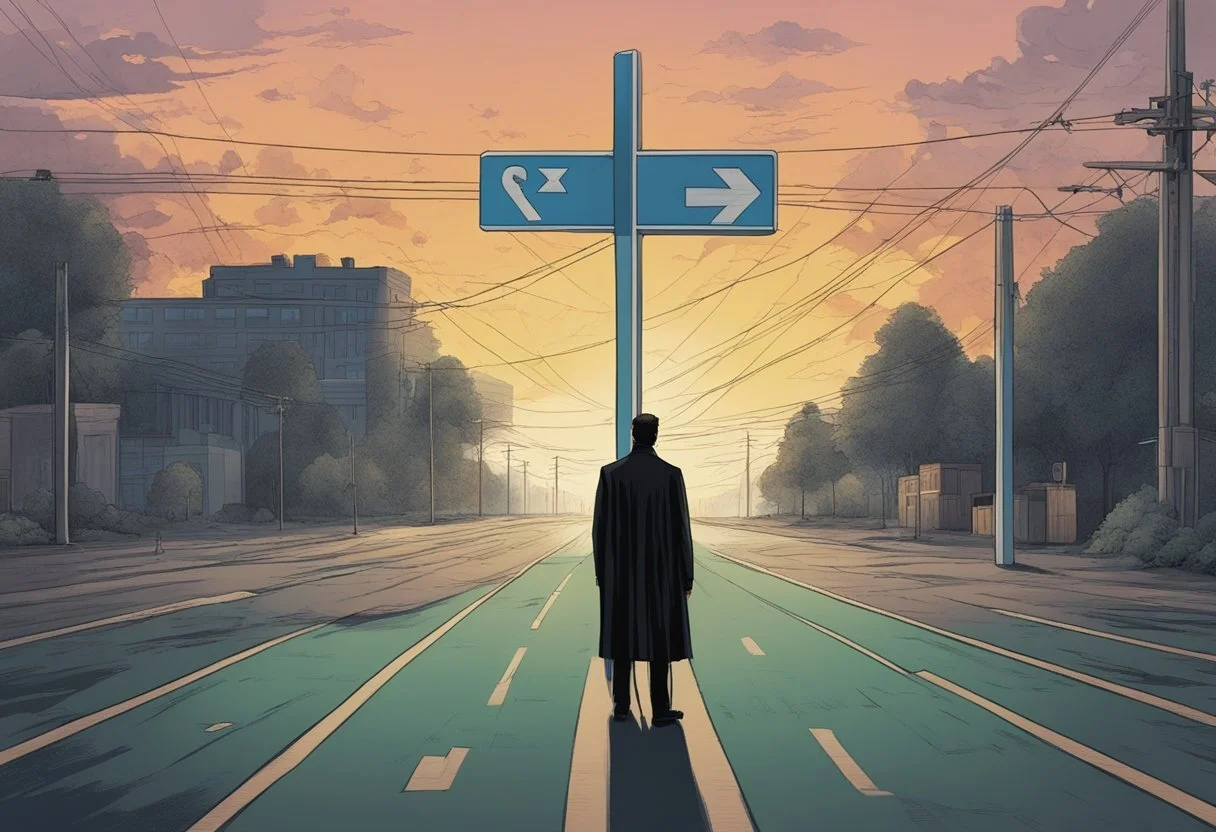
The writers have positioned Jimmy at a compelling crossroads. His decisions moving forward will likely reflect broader themes about tradition versus progress in modern ranching life.
Jefferson White's commitment to physical authenticity in the role deserves recognition. His willingness to perform challenging stunts and learn genuine ranching skills adds considerable credibility to Jimmy's transformation.
Jimmy Hurdstrom's legacy in television will likely be as a character who demonstrated that moral ambiguity isn't a flaw in storytelling—it's essential to creating authentic, relatable characters who reflect our own complicated journeys.
