
Yellowstone's Hidden Wildlife Messages Captivate Visitors

Yellowstone National Park stands as a testament to America's commitment to wildlife conservation, showcasing diverse ecosystems where bison, wolves, and grizzly bears roam freely. Since its establishment in 1872, the park has evolved beyond recreation to embody crucial environmental principles that safeguard endangered species and preserve natural habitats. The subtle environmental messaging woven throughout Yellowstone's visitor experience communicates conservation values without preaching, inviting guests to connect with nature through observation rather than instruction.
These conservation themes manifest in carefully designed interpretive signs, ranger programs, and restoration projects visible throughout the park. Visitors encounter messages about ecosystem management, predator-prey relationships, and human impact on wilderness areas as they explore Yellowstone's 2.2 million acres. The reintroduction of wolves in 1995 serves as perhaps the most powerful conservation narrative, demonstrating how a single species can transform and revitalize an entire ecosystem.
Historical Context of Wildlife Conservation in Yellowstone
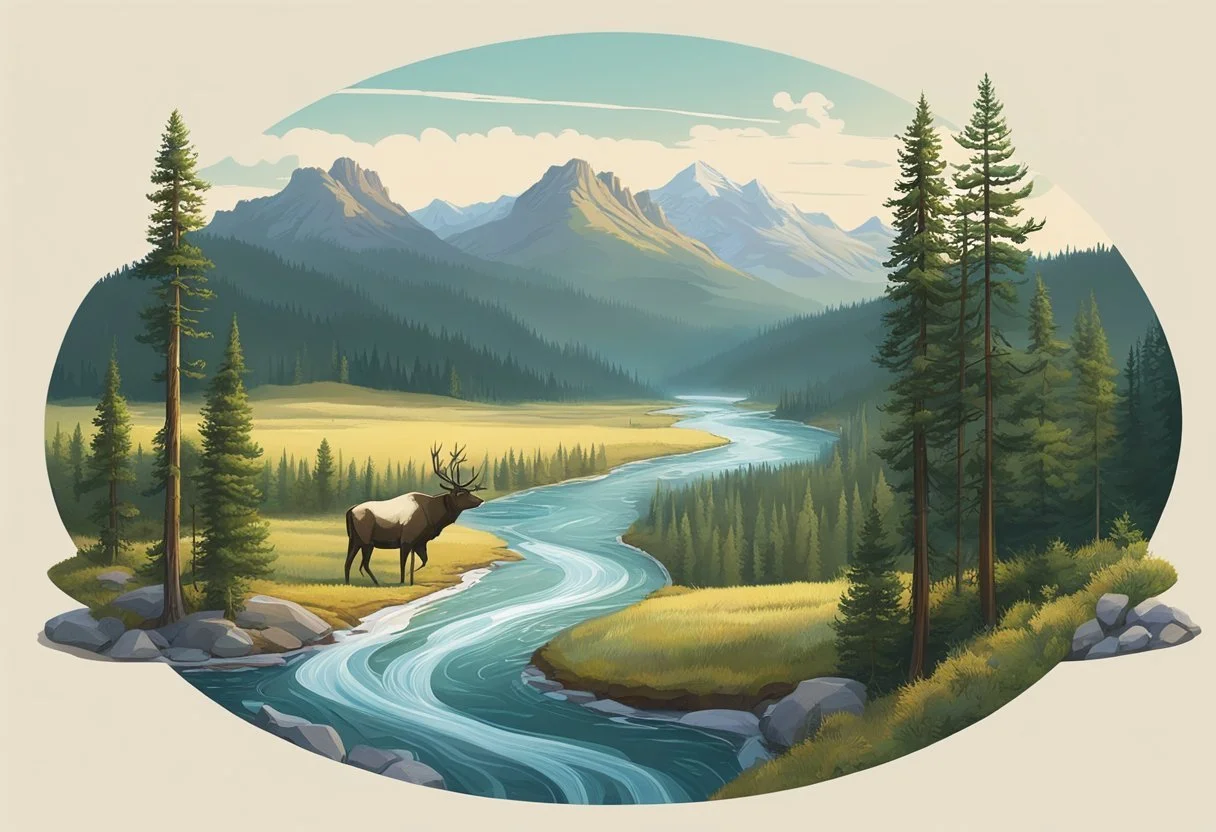
Yellowstone's conservation legacy spans over 150 years, evolving from basic protection measures to sophisticated ecosystem management approaches. This evolution reflects changing American attitudes toward wildlife and natural resources.
The Formation of Yellowstone National Park
Yellowstone became America's first national park on March 1, 1872, when President Ulysses S. Grant signed the Yellowstone National Park Protection Act. This groundbreaking legislation set aside over 2 million acres as a "public park or pleasuring ground for the benefit and enjoyment of the people."
Initially, conservation was not the primary motivation. Early management focused on tourism and recreational opportunities rather than ecosystem protection. The U.S. Army managed the park from 1886 to 1918, primarily concerned with preventing poaching and vandalism.
Wildlife management during this era was inconsistent. Predators like wolves and mountain lions were actively hunted, while "desirable" species received protection. This reflected the utilitarian conservation philosophy of the time, which divided animals into "good" and "bad" categories.
Evolving Conservation Policies
The National Park Service, established in 1916, took over Yellowstone's management in 1918 with a dual mandate: to conserve resources while providing for public enjoyment. Early NPS policies continued predator control programs while protecting herbivores like elk and bison.
A significant shift occurred in the 1930s when George Wright, Ben Thompson, and Joseph Dixon published the landmark "Fauna of the National Parks" report. Their work emphasized preserving complete ecosystems rather than individual species.
By the 1960s, the Leopold Report revolutionized park management by recommending that national parks maintain "biotic associations" as they existed before European settlement. This report directly influenced Yellowstone's shift toward ecosystem management.
The passage of the Endangered Species Act in 1973 provided additional federal protection for threatened wildlife. This legislation later became crucial for wolf reintroduction efforts in the 1990s.
Role of the Greater Yellowstone Coalition
Founded in 1983, the Greater Yellowstone Coalition (GYC) emerged as a response to increasing threats to the region's ecosystem. The coalition united various conservation groups advocating for holistic management of the Greater Yellowstone Ecosystem beyond park boundaries.
The GYC played a pivotal role in controversial conservation efforts, including wolf reintroduction, bison management, and grizzly bear protection. Their advocacy helped establish the idea that effective conservation requires managing entire ecosystems rather than isolated protected areas.
Through public education campaigns and policy initiatives, the GYC has influenced federal management decisions. They've consistently pushed for science-based policies that prioritize ecological health over political expediency.
The coalition continues to address contemporary challenges like climate change, habitat fragmentation, and wildlife disease management. Their work demonstrates how non-governmental organizations can significantly shape conservation outcomes.
Key Concepts in Environmental Conservation
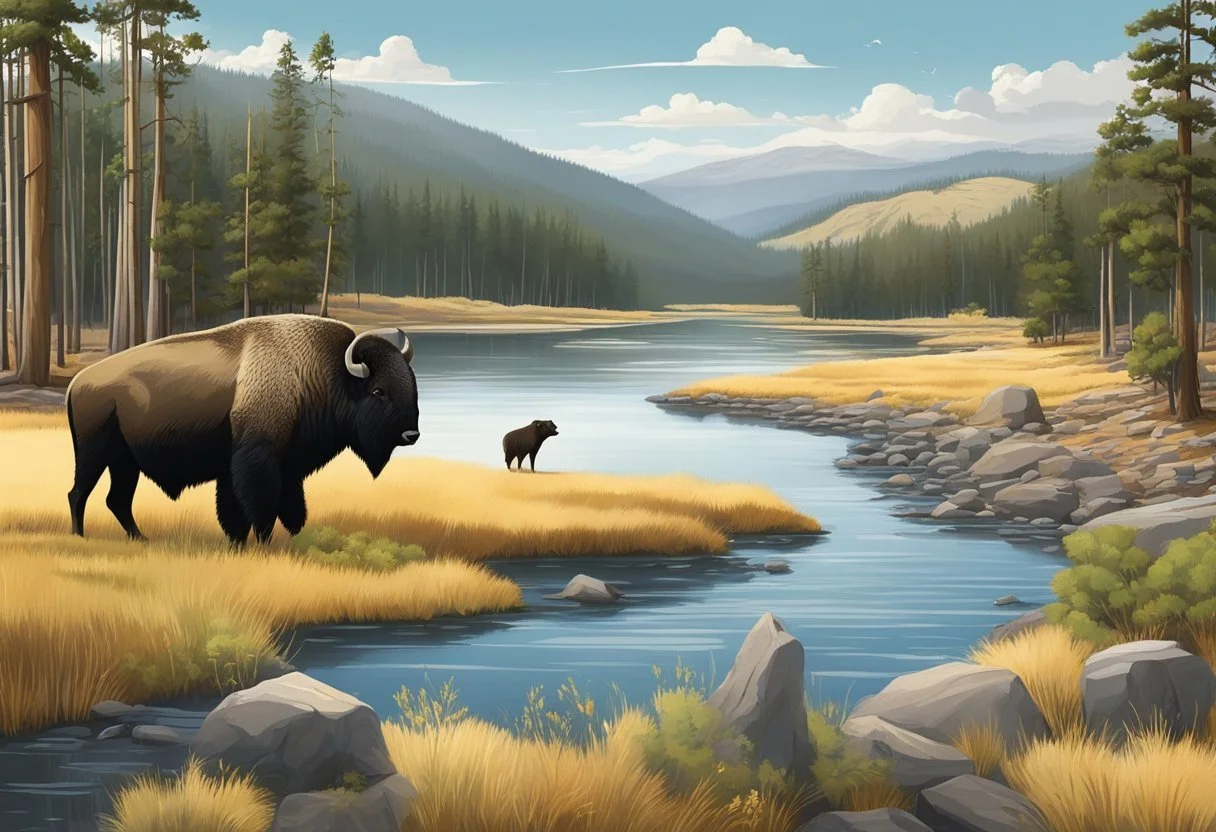
Conservation efforts in Yellowstone National Park embody fundamental principles that guide environmental stewardship worldwide. These concepts form the backbone of successful wildlife protection programs that balance ecological needs with human interests.
Understanding Biodiversity
Biodiversity represents the variety of life forms within an ecosystem, encompassing genetic diversity, species diversity, and ecosystem diversity. In Yellowstone, this concept is dramatically illustrated through its complex web of over 300 bird species, 67 mammal species, and diverse plant communities.
Why biodiversity matters in Yellowstone:
Creates resilience against climate change and disease
Supports ecosystem services like clean water and pollination
Provides genetic resources for scientific research
Maintains cultural and aesthetic values for visitors
The reintroduction of wolves in 1995 exemplifies biodiversity management in action. Their return triggered trophic cascades that benefited beaver populations, improved riparian habitats, and stabilized elk numbers.
Scientists continuously monitor biodiversity indicators through field surveys, remote sensing, and genetic sampling. These efforts help park managers detect changes in population trends and ecosystem health before they become irreversible.
Ecosystems and Their Management
Ecosystem management approaches in Yellowstone emphasize the interconnectedness of all components within natural systems. This holistic perspective recognizes that manipulating one element inevitably affects others throughout the network.
Yellowstone's thermal features demonstrate this principle perfectly. The microbial communities in hot springs create conditions that support specialized organisms, which in turn provide food for larger species.
Ecosystem management strategies include:
Adaptive management that responds to monitoring data
Prescribed burns to mimic natural fire regimes
River restoration to enhance aquatic habitats
Invasive species control to protect native communities
Park managers face complex decisions about when to intervene in natural processes. The "natural regulation" policy allows ecological processes to unfold with minimal human interference when possible.
Climate change has forced a reconsideration of historical management approaches. Rising temperatures affect snowpack, fire frequency, and species distribution, requiring flexible management solutions.
Sustainability and Public Policy
Sustainability in Yellowstone balances ecological integrity with visitor experiences and operational necessities. The park must provide access to 4 million annual visitors while protecting fragile ecosystems for future generations.
Public policy shapes conservation through legislation like the Endangered Species Act, which protects iconic species such as grizzly bears and cutthroat trout. The 1872 Yellowstone Act established the world's first national park, setting a precedent for government-led conservation.
Key policy instruments include:
Environmental impact assessments for development projects
Resource management plans with stakeholder input
Visitor capacity limits in sensitive areas
Interagency coordination for cross-boundary issues
Funding decisions reflect conservation priorities. Federal appropriations, entrance fees, and private philanthropy all contribute to Yellowstone's $30 million annual budget for resource protection.
Recent policy innovations include partnerships with Indigenous tribes to incorporate traditional ecological knowledge into management practices. These collaborations recognize the historical relationships between people and landscapes.
Current Conservation Efforts and Challenges

Yellowstone National Park represents a delicate balance between preservation and accessibility, requiring constant management to address evolving environmental threats. Conservation efforts focus on wildlife protection, climate adaptation, and fostering public understanding through educational initiatives.
Wildlife Management and Rehabilitation
Yellowstone implements comprehensive management strategies for its diverse animal populations, particularly focusing on endangered species. Park biologists monitor wolf packs using GPS collars, providing crucial data on territory size and pack dynamics. This technology has revealed that the average Yellowstone wolf pack maintains a territory of approximately 250-300 square miles.
The park's bison management plan represents a collaborative effort between federal agencies, states, and Native American tribes. This approach has helped maintain a population of roughly 5,000 bison as of 2024, balancing ecological needs with concerns about disease transmission to cattle outside park boundaries.
Bear management includes strict food storage regulations and temporary trail closures during critical feeding periods. These measures have contributed to the recovery of the grizzly population from fewer than 150 in the 1970s to approximately 750 bears in the Greater Yellowstone Ecosystem today.
Threats Posed by Climate Change
Climate change poses significant challenges to Yellowstone's delicate ecosystems. Average annual temperatures in the park have increased by 2.3°F since 1950, affecting numerous wildlife species and their habitats.
Rising temperatures have expanded pine beetle ranges to higher elevations, resulting in widespread whitebark pine mortality. This tree species provides critical food for grizzly bears and supports watershed health throughout the region.
Changing precipitation patterns have altered the park's fire regime, with more frequent and intense wildfires. The 2022 fire season burned over 120,000 acres within the Greater Yellowstone Ecosystem, affecting crucial wildlife corridors and migration routes.
Reduced snowpack and earlier spring runoff impact water availability for both wildlife and surrounding communities. Streams that historically flowed year-round now frequently run dry by late summer, affecting aquatic species like cutthroat trout.
Public Engagement and Narrative
Yellowstone's conservation messaging strategically engages visitors through multiple channels. The park hosts over 50 ranger-led programs weekly during peak season, reaching approximately 250,000 visitors annually with conservation-focused content.
Digital initiatives include the Yellowstone Forever virtual classroom, connecting students nationwide with park scientists. This program reached over 100,000 students in 2024, building broader awareness of conservation issues among younger generations.
Visitor centers feature interactive exhibits highlighting human impacts on natural systems. The recently renovated Albright Visitor Center uses touchscreen displays to demonstrate climate change effects on park ecosystems, helping visitors understand complex environmental relationships.
Community science programs engage visitors in data collection efforts, including wildlife sightings and invasive species monitoring. In 2024, these initiatives involved over 5,000 participants, creating both valuable scientific data and personal connections to conservation work.
Ecosystem Health and Species Protection
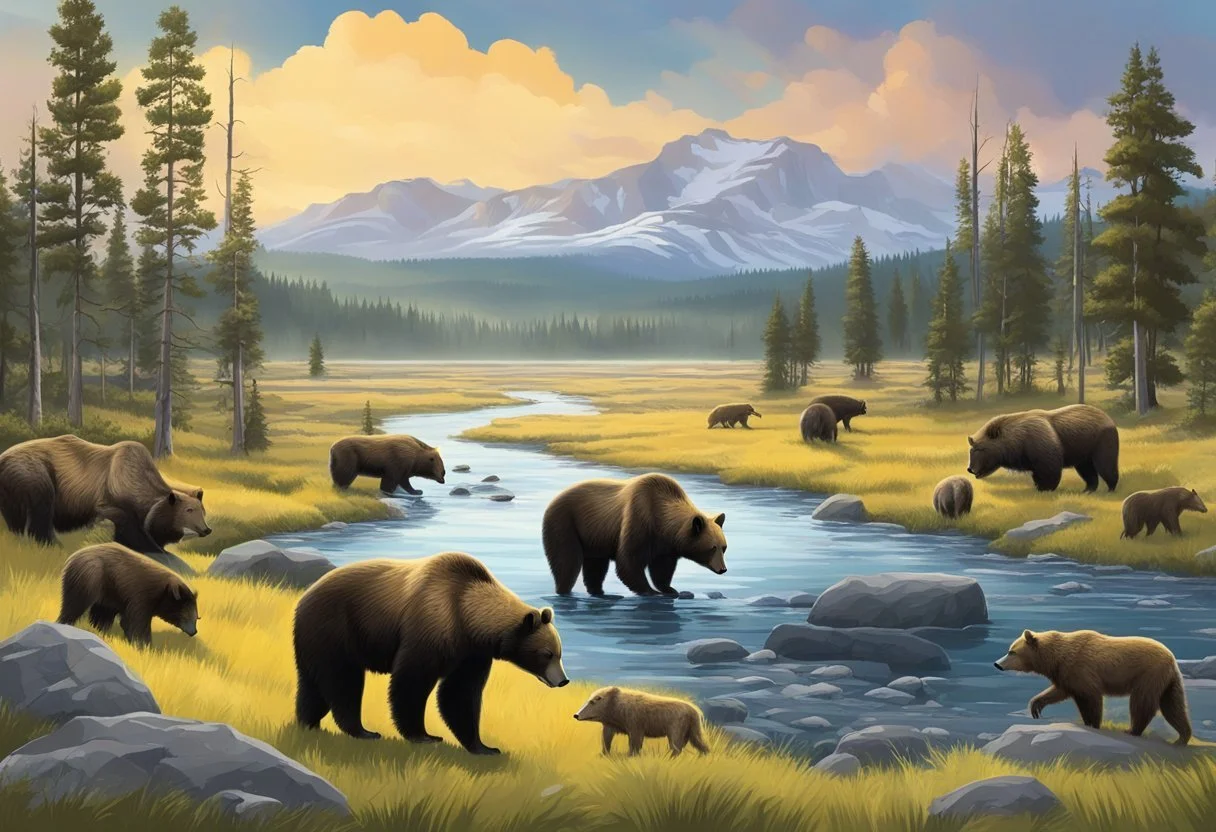
Yellowstone National Park serves as a model for ecosystem management through careful attention to predator-prey relationships, habitat protection, and wildlife migration. The park's approach demonstrates how intelligent conservation strategies can help maintain biodiversity while addressing complex environmental challenges.
Predators and Ecosystem Balance
The reintroduction of gray wolves to Yellowstone in 1995 transformed the park's ecosystem health in remarkable ways. Wolves reduced elk populations that had grown unchecked, preventing overgrazing of vegetation including willow and aspen stands.
This predator-prey dynamic illustrates the concept of trophic cascades, where top predators influence multiple ecosystem levels. The presence of wolves changed elk behavior, forcing them to avoid certain areas and allowing vegetation to recover.
Other carnivores like bears and mountain lions also contribute to this balance. Grizzly bears, for instance, disperse seeds through their scat and till soil while digging for food.
Scientists regularly monitor predator populations through tracking collars and field observations to ensure these keystone species maintain appropriate numbers. This data informs management decisions that balance ecosystem health with wildlife conservation goals.
Habitat Conservation and Restoration
Yellowstone manages over 2.2 million acres of diverse habitat ranging from alpine meadows to sagebrush steppe. Park officials focus on preserving these varied landscapes to support wildlife diversity.
Stream and wetland restoration projects have improved riparian habitats damaged by historical changes. Beaver reintroduction efforts have helped create natural dams that slow water flow and create wetland habitat beneficial for numerous species.
The park actively combats invasive plant species that threaten native vegetation. Teams remove non-native plants like spotted knapweed and leafy spurge that can outcompete indigenous flora.
Fire management represents another critical habitat conservation strategy. Controlled burns mimic natural fire cycles, promoting forest regeneration and creating habitat mosaics that benefit diverse wildlife.
Climate change adaptation plans include identifying and protecting thermal refuges where wildlife can escape temperature extremes. These efforts ensure habitat resilience in the face of changing environmental conditions.
Protecting Migratory Pathways
Elk migration represents one of North America's most spectacular wildlife movements, with thousands traveling up to 60 miles between summer and winter ranges. Park biologists track these movements using GPS collars to identify critical corridors.
Cooperation with neighboring landowners has created protected passage zones outside park boundaries. These agreements prevent development that would obstruct seasonal wildlife movement.
Wildlife crossing structures over highways reduce vehicle collisions with migrating animals. Underpasses and overpasses specifically designed for elk, deer, and other species have proven remarkably effective.
Seasonal closures of certain park areas protect wildlife during vulnerable periods. These restrictions limit human disturbance during calving season and winter when animals face energy constraints.
Educational initiatives inform visitors about migration importance and encourage responsible behavior when encountering wildlife on the move. Interpretive displays highlight the ecological significance of these natural rhythms.
The Intersection of Culture and Conservation
Effective conservation in Yellowstone requires understanding the complex relationships between cultural values and environmental protection. These intersections reveal how human communities have historically shaped landscapes and continue to influence contemporary conservation approaches.
Indigenous Peoples and Rights
Native American tribes have deep historical connections to Yellowstone lands dating back thousands of years. The Blackfeet, Crow, Shoshone, and other tribes utilized the region's resources sustainably through seasonal migration patterns and carefully managed harvesting practices.
Conservation efforts have increasingly recognized Indigenous rights to participate in decision-making about lands they traditionally stewarded. Since 2015, Yellowstone has implemented consultation protocols with 26 affiliated tribes on resource management issues.
This shift represents a movement away from the "fortress conservation" model that historically excluded Indigenous communities. Today, tribal representatives serve on scientific advisory boards and participate in wildlife corridor planning.
Despite this progress, challenges remain in fully acknowledging Indigenous claims to ceremonial sites and traditional use areas within park boundaries.
Cultural Practices and Environmental Knowledge
Traditional ecological knowledge offers valuable insights that complement scientific research in Yellowstone. Indigenous cultural practices around controlled burns, for example, have influenced modern fire management strategies in the park.
Tribal elders' observations of wildlife behavior patterns have contributed to understanding wolf-elk dynamics. This integration of knowledge systems represents a key advancement in conservation methodology.
Traditional Knowledge Contributions to Yellowstone Conservation
-----------------------------------------------------------
Practice                    | Modern Application
---------------------------|----------------------------------
Controlled burning         | Fire management protocols
Plant harvesting cycles    | Sustainable resource guidelines
Wildlife migration tracking| Corridor protection planning
Visitor education programs now highlight how Indigenous communities maintained biodiversity through cultural relationships with keystone species like bison and wolves.
Addressing Human Rights Abuses in Conservation
Yellowstone's establishment in 1872 involved the forced removal of Native peoples from their ancestral territories. This painful history represents one of many human rights abuses that occurred during early conservation movements.
Only in the past two decades has the National Park Service begun formally acknowledging these injustices. Educational materials now document displacement impacts and the park's 2020 strategic plan includes commitments to restorative justice initiatives.
Contemporary conservation approaches increasingly emphasize:
Free, prior, and informed consent for projects affecting Indigenous communities
Equitable benefit-sharing from conservation outcomes
Recognition of cultural heritage sites
Protection for traditional resource access rights
Yellowstone now hosts annual healing ceremonies led by tribal representatives at sites of historical trauma, marking an important step toward reconciliation between conservation authorities and Native nations.
Future Directions in Wildlife Conservation
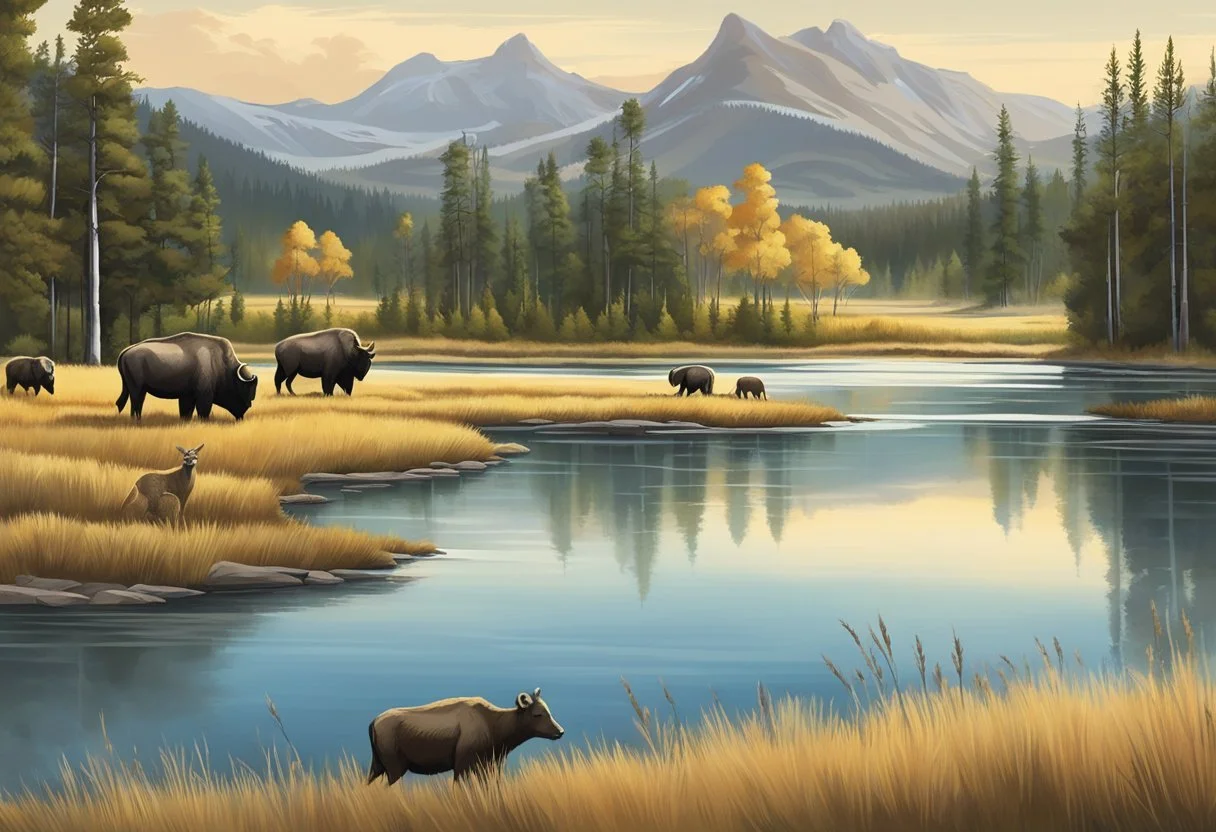
Wildlife conservation in Yellowstone faces critical challenges that require innovative approaches based on scientific advancement, ecosystem restoration, and collaborative management strategies. These emerging directions will shape the park's ecological future and serve as models for global conservation efforts.
Forecasting and Climate Science
Climate models now enable park managers to anticipate ecological shifts with unprecedented accuracy. Scientists at Yellowstone utilize sophisticated predictive tools to map how wildlife ranges may migrate in response to warming temperatures.
These forecasting technologies identify vulnerable species and habitats before crisis points are reached. Thermal mapping of waterways, for instance, helps protect cold-water fish populations like the Yellowstone cutthroat trout.
Conservation planning increasingly relies on climate-informed decision making. Rangers now deploy seasonal management strategies based on predicted drought patterns, fire risks, and variations in snowpack.
Key Forecasting Applications in Yellowstone:
Predicting wildlife migration shifts
Mapping vegetation community transitions
Modeling water availability in critical habitats
Anticipating disease spread among susceptible populations
Rewilding and Biodiversity Loss
Rewilding initiatives in Yellowstone continue to evolve beyond the famous wolf reintroduction program. Current efforts focus on restoring prairie dog colonies, which create habitat complexity supporting over 150 other species.
Biodiversity preservation increasingly targets genetic diversity within species. Conservation geneticists now collect DNA samples from isolated grizzly populations to monitor inbreeding risks and guide connectivity efforts.
Plant communities receive renewed attention in rewilding programs. Native seed banks preserve endemic plant genetics while restoration specialists reintroduce fire-adapted species to previously suppressed ecosystems.
Yellowstone's rewilding success demonstrates how ecosystem function improves with complexity. The return of beavers to previously degraded waterways has restored wetland habitats and improved watershed resilience against climate extremes.
Transboundary Cooperation and Management
Wildlife doesn't recognize park boundaries, necessitating collaboration across jurisdictional lines. The Greater Yellowstone Coordination Committee brings together federal agencies, state wildlife departments, and tribal representatives to align conservation priorities.
Private landowners increasingly participate in conservation corridors. Incentive programs now support ranchers who maintain wildlife-friendly practices on properties that serve as migration routes between protected areas.
International knowledge sharing strengthens Yellowstone's management approaches. Park biologists regularly exchange research with counterparts in similar ecosystems worldwide, from Canada's Banff to Mongolia's steppe preserves.
Resource management increasingly recognizes Indigenous knowledge systems. Tribal consultation programs inform wildlife conservation strategies with traditional ecological knowledge that spans centuries of observation in the Yellowstone region.
Innovative Strategies for Nature Conservation
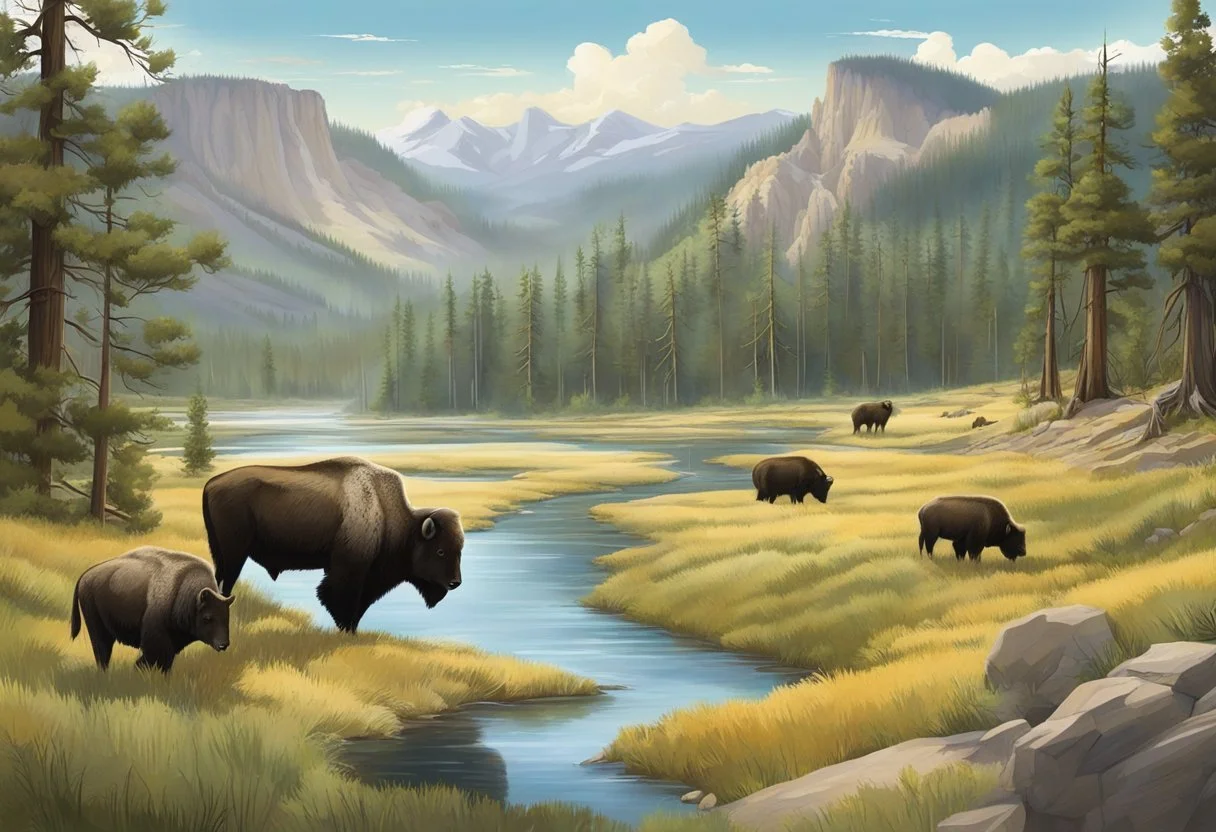
Conservation efforts in Yellowstone have evolved beyond traditional approaches, incorporating diverse stakeholders and balancing economic interests with environmental protection. These strategies reflect broader shifts in how we conceptualize and implement wildlife protection.
Role of NGOs and Local Governance
NGOs play a crucial role in Yellowstone's conservation landscape by bridging gaps between federal management and community needs. Organizations like the Greater Yellowstone Coalition and Yellowstone to Yukon Conservation Initiative provide resources for research, habitat restoration, and wildlife corridor protection.
Local governments surrounding the Yellowstone ecosystem have developed adaptive management frameworks that respond to changing environmental conditions. These frameworks include wildlife migration ordinances, development restrictions in sensitive areas, and collaborative decision-making processes.
The Yellowstone Cooperative Wildlife Management Unit exemplifies successful partnership models, bringing together county officials, tribal representatives, and federal agencies. This structure enables coordinated responses to challenges like habitat fragmentation and climate change impacts.
Public-private partnerships have emerged as effective tools for expanding conservation beyond park boundaries. These arrangements allow for land acquisitions in critical buffer zones while respecting private property rights.
Engaging Citizens in Environmental Discourse
Public participation in Yellowstone's conservation has increased through citizen science initiatives that collect valuable ecological data. Programs like wolf watching groups and bird counting projects transform visitors from passive observers into active contributors to scientific understanding.
Digital platforms have revolutionized how information about Yellowstone's wildlife spreads. Social media campaigns highlighting conservation successes reach millions, creating broader awareness and support for environmental protection measures.
Education programs targeting local residents build community investment in conservation outcomes. These initiatives include school field trips, community workshops on wildlife coexistence, and training for landowners on habitat-friendly practices.
Volunteer opportunities provide hands-on involvement in restoration projects. In 2024 alone, over 5,000 volunteers contributed to native plant revegetation efforts and invasive species removal across the Greater Yellowstone Ecosystem.
Commodification vs. Environmental Stewardship
Yellowstone's management faces ongoing tension between tourism revenue generation and ecosystem protection. Park administrators have implemented visitor capacity limits at popular wildlife viewing areas to reduce stress on animals while maintaining economic benefits.
Sustainable tourism certification programs encourage businesses to adopt environmentally responsible practices. Hotels and tour operators meeting strict criteria receive recognition that attracts eco-conscious travelers, creating market incentives for conservation.
Wildlife viewing has been reimagined through principles of minimal impact. New guidelines establish appropriate distances for observation, restrict feeding, and educate visitors about behavior that respects animal welfare.
Economic valuation studies demonstrate the long-term benefits of intact ecosystems over short-term extraction. Research shows that Yellowstone's preserved landscapes generate significantly more sustainable revenue through tourism than would be possible through resource extraction.
Personal Commitment and Leadership in Conservation
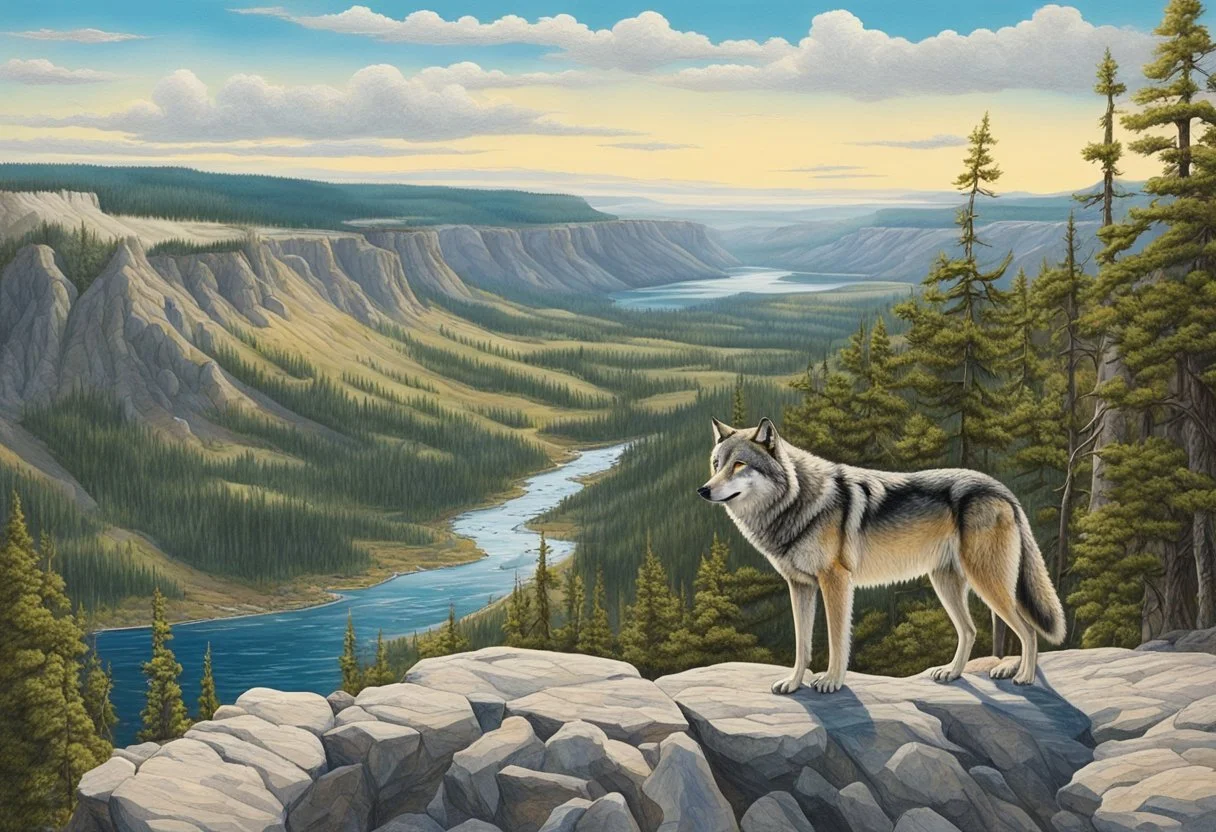
Conservation efforts in Yellowstone National Park rely heavily on individual commitment and strong leadership. Park rangers, scientists, and volunteers dedicate themselves to protecting the delicate ecosystems that make this wilderness so unique. Their personal investment often transcends professional obligations, becoming a lifelong mission.
Leadership within conservation programs takes many forms at Yellowstone. Decision-makers must balance ecological priorities with visitor access, research needs, and long-term sustainability goals. Effective leaders recognize that conservation success depends on building bridges between scientific understanding and public support.
The bureaucratic structures governing Yellowstone have evolved to support rather than hinder conservation initiatives. While paperwork and protocols remain necessary, the park's administration increasingly emphasizes flexible, science-based approaches to environmental challenges.
Personal commitment shows in countless daily actions—from a ranger spending extra hours tracking wolf movements to maintenance staff implementing waste reduction programs. These individual choices collectively strengthen the park's conservation culture.
Ecological knowledge informs leadership decisions throughout Yellowstone's management structure. Rangers receive extensive training in ecosystem dynamics, allowing them to make informed field decisions that protect wildlife and habitats.
Visitors often report being inspired by the dedication they witness from park staff. This modeling of conservation values creates a ripple effect, with many guests carrying newfound environmental commitments back to their home communities.
