
Kayce Dutton’s Journey from Soldier to Cowboy in Yellowstone Examined
Kayce Dutton’s journey from soldier to cowboy stands out as one of the most compelling arcs in Taylor Sheridan’s Yellowstone, the hit western saga on the Paramount Network. As the youngest son of John Dutton, Kayce returns home from his military service carrying both the discipline of a Navy SEAL and the emotional scars of war. His transition is not just about swapping uniforms; it’s a struggle to find his place within the Dutton family, the ranch, and his identity as both a protector and an outsider.
The series explores how Kayce, influenced by his time in the military and his Native American family ties through his wife Monica, forges a path that is uniquely his own. He often bridges two worlds, navigating family loyalty, generational conflict, and his sense of duty to those he loves.
Viewers follow Kayce as he shifts from a distant son to a central figure in the Dutton legacy, facing challenges that test his resilience and values. His evolution invites audiences to consider what it truly means to come home—and what one must sacrifice to protect it.
Kayce Dutton's Early Life and Family Legacy
Kayce Dutton grew up immersed in the traditions, expectations, and challenges unique to the Dutton family. His experiences as the youngest child deeply influenced his role within the Yellowstone Dutton Ranch and his connection to the Dutton legacy.
Growing Up on the Dutton Ranch
Born to John Dutton and Evelyn Dutton, Kayce spent his childhood on the sprawling Yellowstone Dutton Ranch in Montana. Daily life revolved around ranch work, livestock, and the steady rhythm of rural existence. From a young age, Kayce learned the importance of land stewardship and hands-on ranch skills expected in a family responsible for one of the largest cattle ranches in the United States.
His siblings, including Beth Dutton, were integral to the family structure. However, Kayce's position as the youngest resulted in a different upbringing compared to his older brothers and sister. The vast landscapes and demanding ranch schedule shaped his resilience and sense of identity.
Family Dynamics and Expectations
Tension often surrounded Kayce’s relationships with other members of the Dutton family, particularly his father, John Dutton III. The pressure to uphold the family legacy weighed heavily. John, portrayed by Kevin Costner, had specific expectations for each child, and Kayce was often seen as the outlier due to his independent streak.
Family roles and dynamics included:
John Dutton: Patriarch, determined to preserve the ranch at any cost
Evelyn Dutton: Mother, strong influence before her untimely death
Beth Dutton: Sister, fiercely loyal but confrontational
Other Siblings: Each with unique roles and conflicts
Kayce’s military background as a Navy SEAL further complicated the expectations placed on him. While valued for his skills and discipline, his choices sometimes brought him into conflict with the Dutton vision for the future.
Childhood Influences
Several key experiences defined Kayce during his early years. The death of his mother, Evelyn, affected him deeply and changed the emotional dynamic within the Dutton household. Kayce’s close interactions with ranch hands and his time outdoors taught him practical skills and self-reliance.
Witnessing family disputes and power struggles, Kayce became wary of the Dutton family's internal conflicts. These early exposures instilled in him a sense of loyalty coupled with an instinct to protect his own moral code—even when it clashed with what others wanted. His formative years built the foundation for his lifelong struggle between family loyalty and personal convictions.
Military Service: From Civilian to Navy SEAL
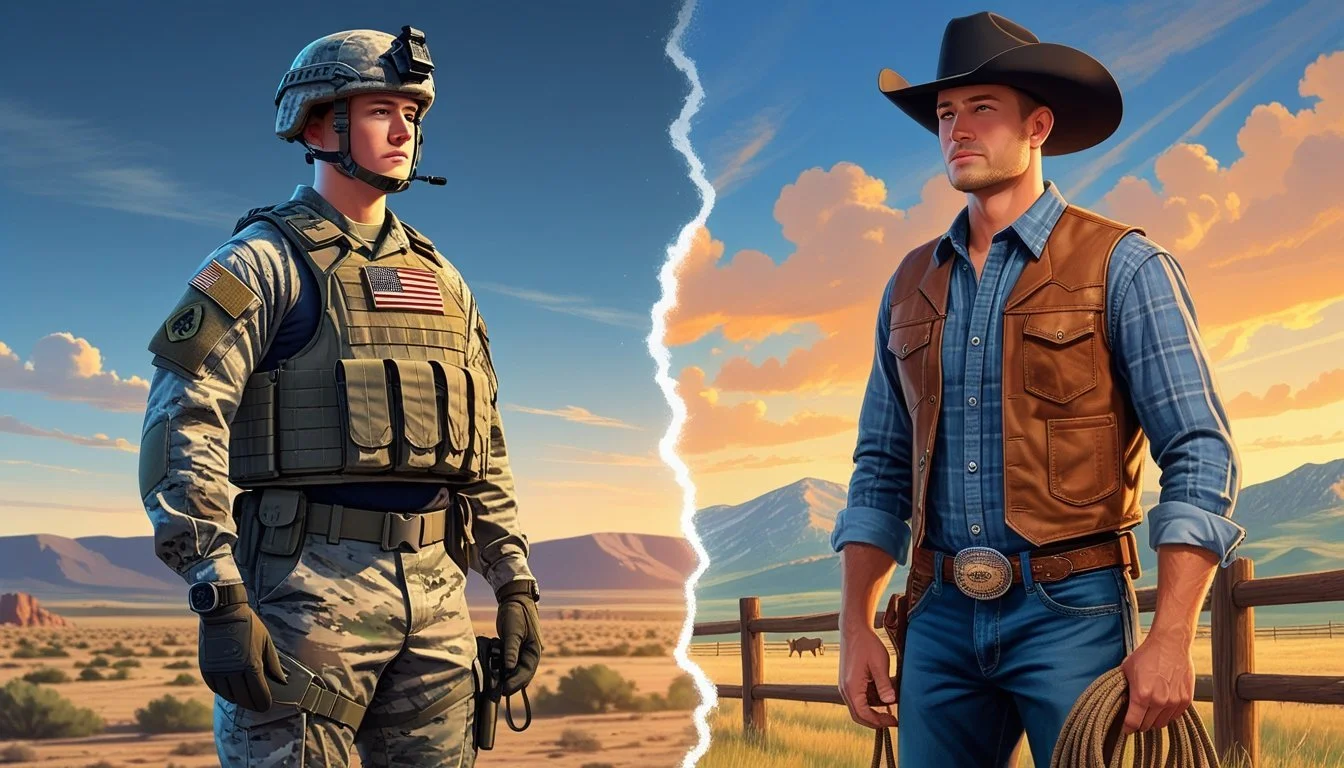
Kayce Dutton’s military background is central to understanding his character on Yellowstone. His journey from civilian life to becoming a Navy SEAL is marked by rigorous training, combat duty, and lasting impacts from his service.
Kayce's Enlistment and Training
Kayce Dutton enlisted in the United States Navy, seeking purpose and distance from his complex relationship with the Dutton family. The choice to join the Navy set him apart as a bit of an outsider, even before taking on his role as a cowboy.
He completed the demanding training required to become a Navy SEAL. This phase included grueling physical challenges and intensive mental preparation.
Key aspects of SEAL training:
Basic Underwater Demolition/SEAL (BUD/S)
Advanced survival and tactical skills
High-level discipline and resilience
Graduating as a SEAL gave Kayce a sense of identity apart from the ranch. The skills and mindset he gained would later influence his actions and decisions in every facet of his life.
Combat Experiences and Duty
As a Navy SEAL, Kayce was deployed to active combat zones, where he faced dangerous missions and life-threatening situations. He demonstrated exceptional skill in tactics and leadership under pressure.
Kayce’s combat experience came with significant sacrifices. He was exposed to violence, loss, and the constant demands of military duty. This often left him dealing with the psychological effects of war, including symptoms of PTSD.
His return home was marked by a struggle to reintegrate into civilian life. The discipline and survival skills learned during his time in service became both a strength and a challenge as he navigated life back on the Dutton Ranch.
Transitioning from Soldier to Cowboy
Kayce Dutton’s background as a Navy SEAL shapes his unique approach to life on the Dutton Ranch. His experiences in combat influence his interactions with his family, the ranch hands, and the broader Montana community.
Returning Home to Montana
After leaving the military, Kayce returns to Montana, burdened by the trauma of his service. The open spaces of the Dutton Ranch offer a sharp contrast to his life in combat, but adjusting is far from easy. Kayce is welcomed home by his father, John Dutton, but their relationship is strained.
He confronts the reality that despite sharing blood, he feels like an outsider among the family and the ranch’s daily rhythms. The Montana Livestock Association, which holds significant influence in ranching politics, becomes an arena where Kayce’s skills and instincts are put to the test. He is also faced with skepticism from experienced ranchers.
The isolation of rural Montana both challenges and comforts him. He finds temporary peace in the landscape but still struggles with the emotional weight of his past.
Adjusting to Ranch Life
Learning to work the cattle ranch, Kayce relies on skills from the military—discipline, resilience, and instinct—while also developing a new respect for the land. He starts as just another ranch hand, earning trust by working alongside seasoned cowboys.
Daily life includes grueling tasks such as herding cattle and managing emergencies. Unlike combat, ranch life requires ongoing negotiation and patience, with nature and with people. The Dutton Ranch’s size and legacy mean every decision has lasting consequences, making adaptability crucial.
As a rancher, Kayce adapts to practical challenges like protecting livestock and navigating Montana’s complex social landscape. He gradually earns a place within the ranch community, blending his soldier’s mentality with the wisdom of seasoned cowboys. His transformation is shown in the way he now balances family duty with the realities of ranch work.
Kayce Dutton’s Role within the Dutton Family
Kayce Dutton’s presence on the Dutton Ranch is defined by his dependable nature and ongoing battles with personal loyalty. His evolution from an outsider to a central figure highlights his critical importance to the family’s stability and legacy.
Protector and Leader
Kayce’s primary responsibility in the Dutton family is serving as both a protector and a leader during times of crisis. He consistently steps forward when threats arise, whether defending the ranch from external attacks or resolving conflicts with rival groups.
As a former Navy SEAL, Kayce applies military discipline and strategic thinking to his decisions on the ranch. This background makes him effective in dangerous situations and gains him respect from ranch workers and family members.
Kayce’s connection to his father, John Dutton, is significant. Although their relationship is strained at times, Kayce is often the one John turns to for support. His leadership is most visible when the family faces legal, physical, and emotional challenges, positioning him not just as a son but as a trusted partner in protecting the Dutton legacy.
Key Traits:
Strong sense of duty
Quick decision-maker
Calm under pressure
Struggles with Loyalty and Identity
Kayce’s journey reflects constant struggles with family loyalty and his personal sense of identity. He finds himself torn between the values of his Native American wife, Monica, and the expectations of the Dutton family.
These conflicts create tension, especially as he must balance the needs and traditions of both sides. Kayce often experiences internal conflict over the violent and morally ambiguous actions required to safeguard the ranch.
His loyalty is tested further by the family’s complex history. Kayce’s bond with his father is shaped by past resentments, regrets, and a desire for approval. While he has chosen to stay and fight for the Duttons, he continues to question where his true allegiance lies.
Main Sources of Conflict:
Divided cultural loyalties
Ethical dilemmas
Pressure from family tradition
Marriage to Monica and Family Life
Kayce Dutton’s personal life is shaped by his complex marriage to Monica, a Native American woman from the Broken Rock Indian Reservation. The couple's journey involves navigating cultural differences, family loyalty, and the demands of raising their son, Tate.
The Relationship between Kayce and Monica
Kayce and Monica’s relationship is marked by deep love, but also frequent tension. Their marriage bridges two cultures: Kayce is deeply tied to the Dutton ranch and its traditions, while Monica’s roots are with the Broken Rock tribe.
Monica, originally Monica Long, faces unique challenges as she becomes Monica Dutton. Conflicts often arise from their divided loyalties, with Monica struggling to fit into the Dutton family and Kayce trying to respect her heritage. Their bond is tested by the dangers surrounding the ranch and ongoing disputes with the reservation.
Despite separation and personal loss, Kayce and Monica remain devoted, trying to provide stability for their family. Their relationship reflects both the divisions and the hope for reconciliation between the Duttons and the tribe.
Parenthood and Protecting Tate
Tate Dutton, their only son, is a central focus for Kayce and Monica. His safety and well-being often drive their decisions, especially when threats against the Dutton family increase.
Both parents are protective of Tate, who represents a blend of their worlds. Kayce, influenced by his time as a soldier, takes a hands-on approach to security, even resorting to violence when necessary. Monica, meanwhile, emphasizes education and emotional support, teaching Tate about his heritage and identity.
Family crises, including kidnappings and violence, force Kayce and Monica to make difficult choices. Their commitment to Tate often supersedes personal conflicts, uniting them in moments of crisis to ensure his future.
Navigating Conflict and Moral Dilemma
Kayce Dutton’s character arc in Yellowstone is shaped by the intense external conflict threatening his family’s legacy and the personal, often painful, moral choices he must make. These experiences define his development, leadership, and position within the Dutton empire.
External Threats to the Dutton Empire
Kayce faces multiple external forces that challenge the family’s control over their land. Political rivals, land developers, and tribal leaders all pose threats to the Dutton ranch. These adversaries create constant tension and require Kayce to forge temporary alliances, sometimes even with former enemies.
Military discipline and tactical thinking from his past help him respond to crises, but he must also learn the rules of the ranch world. Navigating these threats requires both physical courage and strategic decision-making. His response to these conflicts often results in pivotal moments that test his loyalty and commitment to his family.
Kayce’s actions in defending the ranch show both his growth as a protector and the escalating seriousness of the battles his family faces. Each confrontation with external threats pushes him further into his role within the Dutton empire and marks a key part of his character development.
Moral Choices and Consequences
Kayce’s journey is defined by the personal and ethical decisions he’s forced to make. He regularly faces situations where there is no clear right or wrong, only different costs to be weighed. His loyalty to his family is frequently at odds with his desire to protect his wife Monica and their son Tate.
He is confronted with choices involving violence, revenge, and justice. Kayce’s decisions ripple outward, affecting not only his own fate but also the stability of the Dutton legacy. The consequences of his actions challenge him to reconcile his identity as a soldier with his responsibilities as a father and a leader.
This inner turmoil is central to his character development, as each moral dilemma leaves lasting marks on his conscience. The way he navigates these situations helps shape his path from reluctant participant to a central figure on the ranch.
Ties to the Broken Rock Indian Reservation
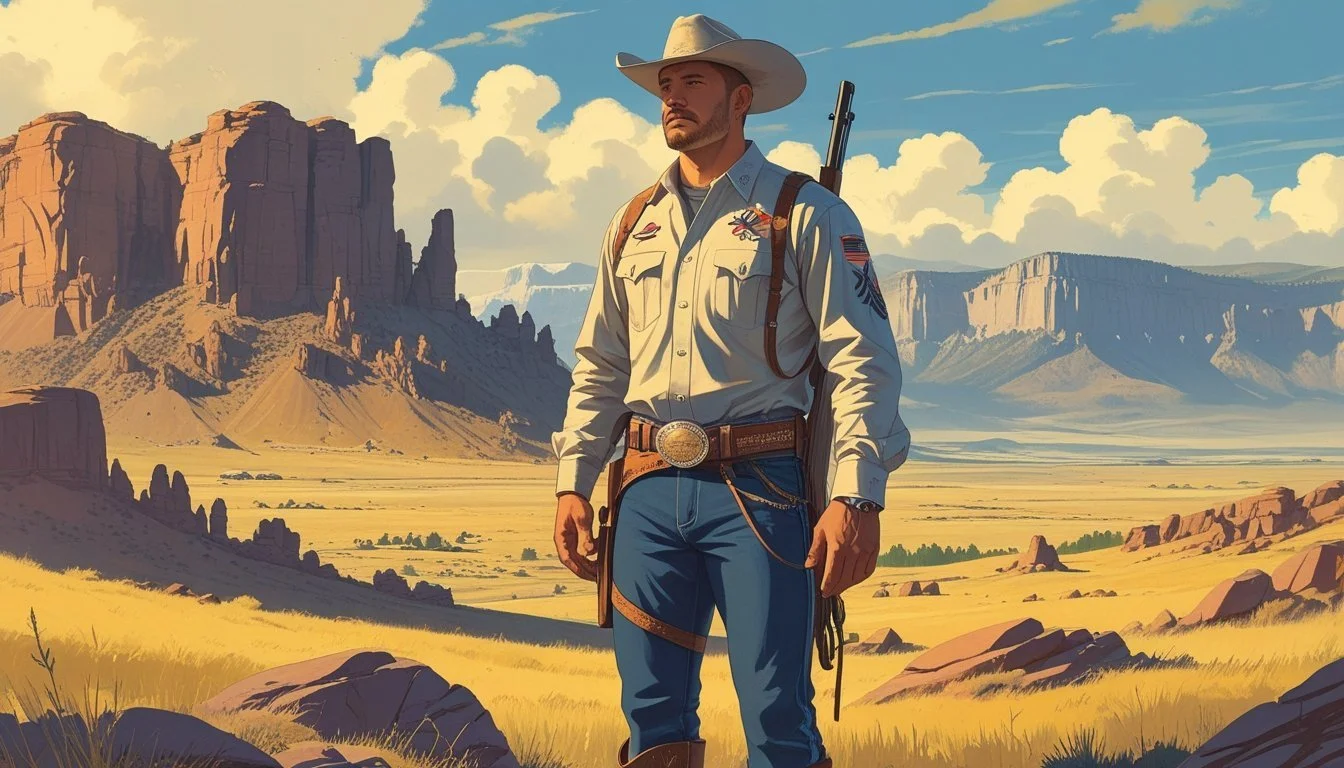
Kayce Dutton’s life is deeply intertwined with the Broken Rock Indian Reservation through his marriage and the choices that follow. His connection impacts his values, relationships, and sense of identity throughout Yellowstone.
Connection with Native American Heritage
Kayce Dutton’s marriage to Monica, a Native American woman from the Broken Rock Reservation, draws him close to her heritage and traditions. Monica was born and raised on the reservation, and her perspective shapes many of Kayce’s decisions.
While Kayce is not Native American by blood, his respect for Monica’s roots and their son Tate’s mixed heritage becomes central in his character arc. Living on the reservation exposes Kayce to both cultural pride and underlying tension between the reservation and the Dutton family’s Yellowstone Ranch.
He navigates a space where loyalty to family often clashes with cultural ties. The show depicts challenges he faces respecting Native American traditions while dealing with the realities of ranching, land ownership, and tribal sovereignty.
Relationship with Broken Rock Reservation
Kayce’s relationship with the Broken Rock Reservation is complex. After leaving military service, he chooses to live on the reservation with Monica and their son Tate, rather than the Dutton ranch.
This decision creates a rift between him and his father John Dutton. Living among Monica’s family exposes Kayce to the struggles faced by the reservation community, including issues related to poverty, land disputes, and representation. He witnesses firsthand the friction between the Yellowstone Ranch and Broken Rock’s tribal leaders, particularly Tom Rainwater, the tribal chairman.
Kayce’s daily life is affected by conflicts between the reservation and the ranch. He is often caught in the middle, striving to balance the needs of both worlds without fully belonging to either side.
Counting Coup and Tradition
Counting coup, a historic Native American practice symbolizing bravery and honor, appears in several key moments involving Kayce and the Broken Rock community. These traditions are significant to Monica’s culture and influence Kayce’s actions and sense of respect.
Kayce participates or is present during events where counting coup plays a role in marking acts of courage. The concept is sometimes symbolic, reflecting both historical conflict and the ongoing struggle for dignity and survival seen in the show.
Through Monica and Tom Rainwater, Kayce learns the importance of tradition, rites, and the meaning behind Native ceremonies. These experiences shape his understanding of courage and family, deepening his appreciation for Native American heritage and beliefs.
Relationships with Key Characters
Kayce Dutton’s experience on the Dutton Ranch is heavily shaped by his complex ties to key family members. His journey from soldier to cowboy is marked by loyalty, tension, and shifting alliances that define his role within the Dutton family.
Bond with John Dutton
The relationship between Kayce and his father, John Dutton, is characterized by both deep loyalty and significant conflict. John holds strong expectations for Kayce to embrace the legacy of the Dutton Ranch, which causes strain. Kayce’s decision to join the military highlighted a desire to escape his father’s control and find independence.
Over time, their bond fluctuates between estrangement and reconciliation. John often regrets the choices that contributed to Kayce’s distance. As Kayce returns to the ranch, he takes on greater responsibilities and moves closer to his father’s vision, yet underlying tensions about autonomy remain.
Moments of vulnerability and honesty strengthen their father-son relationship. However, Kayce continues to question his place both in the family and the ranch’s future.
Tension with Beth Dutton
Kayce’s relationship with his sister Beth is notably strained. Beth, fiercely loyal to John, often challenges Kayce’s decisions and questions his commitment to the family legacy. Their interactions reflect old grievances and intense sibling rivalry within the Dutton family.
Beth’s blunt demeanor leads to frequent arguments. She doubts Kayce’s loyalty due to his departures and choices outside the ranch, including his marriage to Monica. These disagreements occasionally create rifts in family unity.
Despite their differences, moments of mutual respect do surface, particularly when the security of the family or ranch is at stake. The tension rarely disappears fully, keeping Kayce’s connection with Beth unpredictable.
Interactions with Rip Wheeler
Kayce’s interactions with Rip Wheeler shift from initial mistrust to hard-earned respect. Rip, the ranch foreman and John’s right-hand man, views Kayce’s return as a challenge to the ranch’s hierarchy.
Rip’s loyalty to John puts him at odds with Kayce, especially when Kayce’s choices disrupt the established order. Early confrontations highlight deep-seated differences in outlook and loyalty within the Dutton Ranch.
Over time, shared experiences and common goals pave the way for professional collaboration. Kayce and Rip gradually move from rivalry to grudging trust, working together to defend family interests when conflict threatens the ranch.
Kayce Dutton in the Yellowstone Universe
Kayce Dutton has become a central figure in both the story’s conflict and its emotional foundation, standing out in the Yellowstone series on the Paramount Network. His character reflects the evolving legacy of the Dutton family and the challenges of balancing duty to family and personal identity.
Portrayal by Luke Grimes
Kayce Dutton is brought to life by Luke Grimes, whose nuanced performance has earned consistent praise from viewers. Grimes portrays Kayce’s struggles as a soldier turned reluctant cowboy, showcasing his internal battles and softer moments without drifting into melodrama.
Grimes’ portrayal is marked by subtle expressions and restrained dialogue, reflecting Kayce’s quiet yet complex personality. His interactions with other main characters, including John Dutton and Monica, often rely on body language and silence, bringing an additional layer of realism to the role.
Through five-plus seasons, Grimes has become synonymous with Kayce, managing to depict both the character’s military past and his reluctant acceptance of ranch life. His approach helps ground the story, allowing viewers to connect with Kayce’s internal conflicts.
Kayce’s Role in Taylor Sheridan’s Narrative
Showrunner Taylor Sheridan uses Kayce Dutton as a lens to explore themes central to Yellowstone—family loyalty, cultural identity, and moral struggle. As the youngest Dutton son, Kayce’s military background and rocky relationship with his father position him as both an insider and outsider on the ranch.
Kayce’s role involves frequent mediation between the Duttons and the Broken Rock Reservation, driven by his marriage to Monica and respect for indigenous culture. These tensions become central to the narrative, placing him at the intersection of ranch politics and broader community conflicts.
Sheridan’s storytelling on the Paramount Network, and later CBS, often pivots around Kayce’s decisions—whether it’s protecting his family, resisting corruption, or grappling with violence. The character’s journey is a vehicle for examining the evolving legacy of the Dutton family within a rapidly changing Montana.
