
Is the Dutton Ranch in Yellowstone a Symbol of Resistance or Empire? Examining Its Cultural Impact

Yellowstone’s Dutton Ranch stands at the crossroads of resistance and empire, inviting debate about its true symbolic role in the series. The ranch exists both as a bastion against outside forces—like developers and government interests—and as a powerful landholding that exerts its own form of dominance over the surrounding landscape and people. This duality is central to the tensions that drive the Dutton family's story, capturing viewers with its blend of tradition, legacy, and territorial conflict.
The vast, rugged terrain of the Dutton Ranch, filmed at the real-life Chief Joseph Ranch in Montana, represents both the family's fight to protect their heritage and their willingness to do whatever it takes to maintain control. Their hands-on approach to ranch work and land management reinforces a fierce independence, but also raises questions about the costs of preserving such an empire. The complex dynamic at play on Yellowstone pushes audiences to consider whether the Duttons are heroic holdouts or the last of a powerful dynasty.
The lines between resistance and domination blur, as the ranch becomes a stage for competition, loyalty, and survival amidst shifting social and political landscapes. For anyone seeking to understand the deeper messages behind Yellowstone, the Dutton Ranch is more than a setting—it's a symbol that refuses to be easily categorized.
Origins and Setting of the Dutton Ranch
The origins and setting of the Dutton Ranch in Yellowstone are rooted in real locations and historic migrations. The story blends authentic Montana geography with the show’s dramatic reimagining, creating a landscape that reflects both real history and fictional ambition.
The Historical Backdrop of Montana
Montana emerged as a territory in the wake of westward expansion during the late 19th century. The region attracted homesteaders, ranchers, and railroad companies, each laying claim to parts of its open range. The narrative of Yellowstone echoes these patterns through the Dutton family's journey from Texas to Montana, as depicted in the prequel series 1883.
Conflicts with Indigenous peoples and other settlers shaped Montana’s early history. Vast stretches of land changed hands and new towns, like Darby, took root amid the mountains and plains.
The cattle industry boomed in this environment. Montana’s terrain offered rich grasslands and dramatic scenery, appealing to fictional and real-life ranchers alike.
Chief Joseph Ranch and Its Cinematic Portrayal
The Chief Joseph Ranch stands in for the iconic Dutton Ranch on the show. Situated in Darby, Montana, it is an active, family-run cattle operation when production is not underway. The property lies at the base of Trapper Peak in the Bitterroot Valley, giving it a scenic authenticity that serves the show’s narrative needs.
Yellowstone uses the ranch’s rustic lodge and sweeping pastures in many key scenes. The location’s real history as a working ranch blurs the line between fiction and reality, anchoring the show’s premise in a tangible Montana legacy.
Unlike a purpose-built set, Chief Joseph Ranch’s function as both home and filming location adds weight to the televised story. The use of authentic structures and landscapes strengthens the series' portrayal of ranching tradition.
Geographic Significance of Paradise Valley and Bitterroot Valley
The Dutton Ranch is set within view of Yellowstone National Park, drawing on real Montana valleys for its sweeping visuals. Paradise Valley lies just north of the park, while the Bitterroot Valley stretches to the west and south, surrounding Darby.
These regions are known for their striking mountains, rivers, and wide, open rangelands. Such geography provides both a formidable barrier and a source of livelihood, echoing historical realities faced by Montana ranchers.
The proximity to Yellowstone National Park and the use of actual locations emphasize the show’s commitment to realism. These landforms, marked by dramatic contrasts between wilderness and private ownership, bring thematic depth to the show’s depiction of landscape and legacy.
History of the Dutton Family and Legacy
The Dutton family’s roots begin in the late 19th century, tracing the journey from Tennessee and Texas into Montana. Their family legacy is marked by hardships, key leadership figures, generational change, and ties to major historical periods such as those depicted in "1883" and "1923".
The dutton family tree and dutton family saga
The Dutton family tree starts with James and Margaret Dutton, who are among the first generation of Duttons to settle in Montana. Their migration is the foundation of both the ranch and the modern Yellowstone narrative. Over generations, their story unfolds as a continuous saga of survival, ambition, and changing values.
Each generation of Duttons contributes to the shaping of the ranch and the family’s identity. The primary branches of the tree are defined by pivotal decisions and the ability to adapt. Family members often face stark choices between tradition and progress, which shapes their legacy in Montana.
This ongoing saga has been expanded through various series entries, showing how conflicts, land, and loyalty are inherited alongside property and responsibilities. The Dutton saga is less about individual heroics and more about a collective struggle to maintain what was built from scratch.
Key Figures: john dutton, james dutton, and margaret dutton
James Dutton leads the family from Tennessee westward in the 1880s, enduring loss and hardship. As patriarch, he sets the example of endurance and resolve, establishing the family's foothold in Montana against tremendous odds.
Margaret Dutton supports this move with strength and resilience, facing harsh conditions as both a wife and mother. Her role is essential in holding the family together during their early years on the frontier.
John Dutton (descendant and modern-day owner) inherits this legacy. As depicted in "Yellowstone," he is committed to preserving the ranch amid changing social, economic, and political pressures. He becomes the symbol of steadfast leadership, embodying values of tenacity and loyalty learned from his ancestors.
Legacy Transitions Across Generations
The Dutton legacy isn’t fixed; it changes as generations confront new challenges. With each era, family members redefine what it means to protect and preserve the ranch. The struggle to maintain control of the land is passed down, reinforcing both an internal code and an external reputation.
Generational transitions are often marked by conflict, both within and outside the family. Heirs navigate legal disputes, economic pressures, and evolving cultural expectations. Loyalty to the land and family name remains consistent, creating a strong but at times burdening inheritance.
Transitions are also influenced by outside forces such as industrialization, government policies, and shifting demographics in Montana. Yet, the Duttons maintain a continuous presence, forging a reputation as both guardians of tradition and reluctant participants in change.
Connections to 1883 and 1923
The television series "1883" and "1923" serve as crucial links in understanding the Dutton family's evolution. "1883" shows the original trek and motives of James and Margaret Dutton, detailing the hardships faced as they establish their homestead in Montana after leaving Texas.
"1923" continues the story by focusing on later generations adapting to early 20th-century challenges such as Prohibition, ranching conflicts, and the expansion of government influence in the West. These periods illustrate significant turning points in the family's story.
By exploring these time periods, viewers and readers witness the roots and transformations of the Duttons over time. This perspective reveals not only their personal evolution but also their interaction with broader historical change and pressures on their legacy.
Symbolism of Resistance
The Dutton Ranch frequently stands as a representation of the struggle to maintain control, autonomy, and identity in the face of external pressures. Centering on ideas like individualism, protection of private land, and resistance to government interference, the ranch embodies several major currents of resistance within American culture.
Rugged Individualism and Self-Reliance
The Dutton family operates the ranch with a clear emphasis on self-reliance. Decisions about their land and livelihood are made internally, minimizing dependence on outside entities. This approach reflects the classic American ideal of rugged individualism—valuing personal strength and determination over collective or institutional support.
Family members and ranch workers are shown solving their own problems, whether that involves protecting the ranch from threats or managing daily operations. The need for independence is reinforced by the dangers they face, as they often cannot rely on help from authorities or the broader community.
Through these choices, the ranch and its operators project an image of people carving out their fate in a challenging environment. Hard work and internal loyalty, rather than external assistance, are viewed as the sources of their security and success.
Land Rights and Protection from Corporate Land Grabs
At its core, the Dutton Ranch story is a battle to keep control of their vast property in the midst of corporate land grabs. Large companies and outside investors frequently attempt to purchase, manipulate, or seize the land, viewing it as a resource to be exploited.
The ranch becomes a battleground representing the defense of property rights for private landowners. The Duttons' refusal to sell—despite significant financial and legal pressure—demonstrates a deep commitment to heritage and to resisting encroachment by wealthier forces.
Table: Conflicting Interests Over Dutton Ranch Land
Stakeholder Interest Dutton family Preservation, legacy Corporations/Investors Acquisition, profit Indigenous groups Land reclamation
These ongoing struggles highlight tensions between private landownership, historical claims, and corporate ambitions in the American West.
Defiance Against Government Regulations
Government regulations and policies often threaten the operations or survival of the Dutton Ranch. Characters regularly express frustration at external rules that seem out of touch with the realities faced by private landowners in Montana.
Efforts to impose environmental restrictions, control property use, or alter land access meet fierce resistance from the Duttons. They view such interventions as attempts to erode their freedoms and undermine their rights as stewards of the land.
This defiance is depicted not as lawlessness, but as a principled stand against what they interpret as government overreach. The ranch thus serves as a symbol for those who advocate for minimal state interference and respect for private property.
Asserting Empire: Power, Expansion, and Control
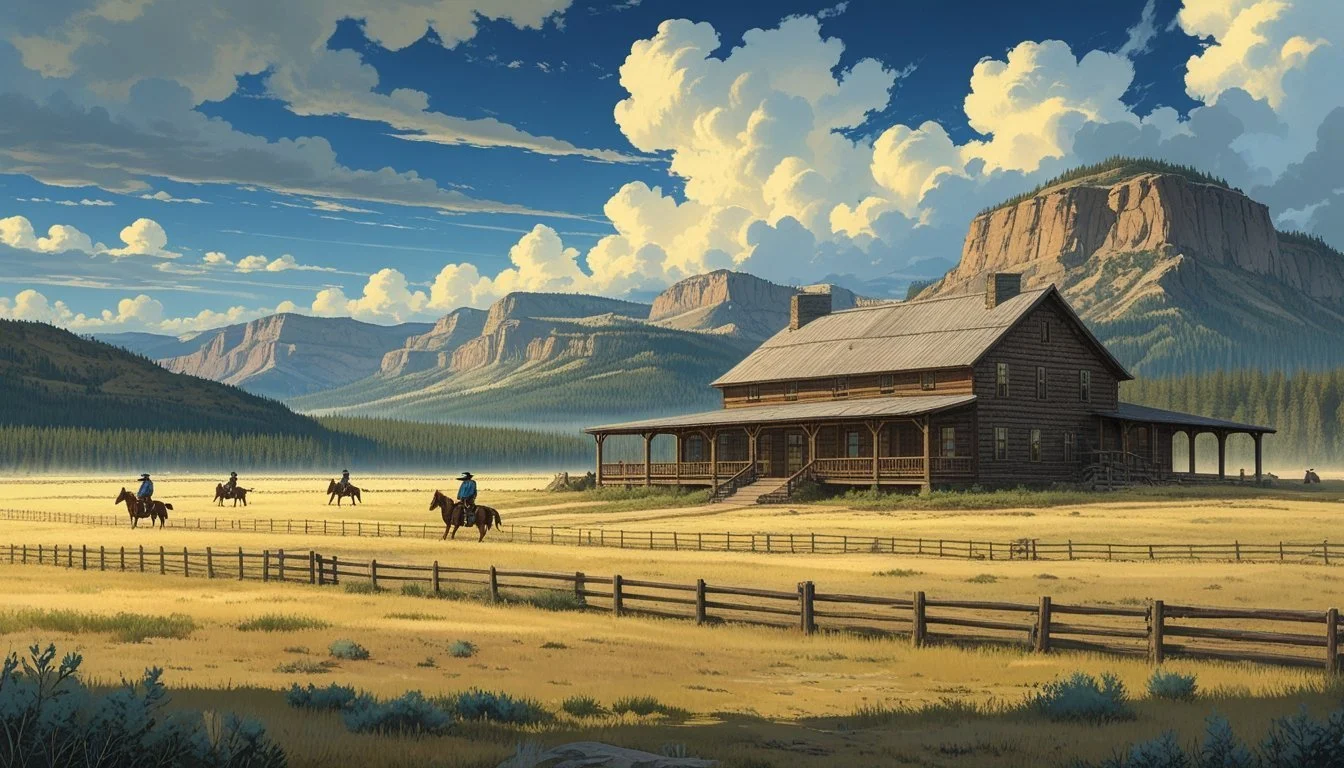
The Dutton Ranch embodies complex dynamics of authority, expansion, and adaptation in the context of the American West. Its legacy is shaped by enduring traditions, economic pressures, and ongoing struggles for land and influence.
Land Ownership and Expansion in the American West
Land ownership is central to the Dutton Ranch’s identity. The family’s vast holdings symbolize both security and power, echoing historical patterns of westward expansion across the United States.
Large-scale ranches like the Duttons’ reflect how families and individuals acquired and consolidated land, often through settlement, purchase, or contesting claims. Over time, these properties became both economic assets and sources of conflict.
Land disputes are frequent, involving neighboring ranchers, developers, and governments. The defense of land remains a driving force, reinforcing longstanding tensions over who has the right to control and profit from the region’s natural resources.
Manifest Destiny and Frontier Life
The series draws on the ethos of manifest destiny, the 19th-century belief that Americans were destined to expand across the continent. This ideal contributed to both real and fictional efforts to settle and develop the frontier.
Frontier life demanded resilience, adaptability, and self-reliance. The Duttons’ isolation and independence echo these values, positioning them as inheritors of a tradition marked by hardship and autonomy.
Yet, manifest destiny also fueled displacement, resource extraction, and cultural conflict. The Duttons’ struggle to retain land reflects deeper narratives of entitlement, ambition, and the transformation of nature through human effort.
Political Intrigue and Power Struggles
Power struggles within Yellowstone focus on control—over family, land, and local governance. Political intrigue appears in interactions with local officials, powerful business interests, and even criminal organizations.
Conflicts between the ranch and external threats drive much of the story, mirroring real-world contests between private landholders and state or corporate power. Alliances and betrayal are frequent as each side seeks leverage.
The Duttons’ political maneuvering demonstrates a willingness to use influence, negotiation, and force. These efforts reinforce traditional hierarchies and highlight contested authority in the rural West.
Economic Opportunities and Modern Ranching
Modern ranching exists at the intersection of tradition and adaptation. The Duttons face economic challenges, including market pressures, technological change, and shifting regulations.
Economic opportunities derived from land—such as tourism, development, or resource extraction—compete with agricultural pursuits. The need to remain financially viable leads to diversification beyond cattle ranching.
A focus on profit and survival drives many decisions. This tension between preserving heritage and embracing modern strategies illustrates how the Duttons, like many ranchers, navigate a landscape shaped by change and competition.
Dutton Ranch as a Microcosm of the American Frontier
Dutton Ranch in Yellowstone operates as both a literal and symbolic heart of the series, reflecting deep-rooted traditions and ongoing tensions in rural America. Its characters and landscape stand as examples of endurance, conflict, and intergenerational challenges tied to the frontier experience.
Representation of Ranching Culture and Rural America
The Dutton Ranch embodies the traditions and realities of ranching in the American West. With extensive pastures, century-old barns, and communal cabins, the ranch illustrates the practical elements of rural life. Daily routines—herding cattle, repairing fences, and maintaining livestock—capture the gritty work central to ranching culture.
The bunkhouse stands out as a hub for the labor force, highlighting class divisions and how work is organized. Meanwhile, the lodge signifies status and heritage in the Yellowstone ranch hierarchy. These physical spaces together outline not just economic activities, but also the cultural values of perseverance and land stewardship vital to many in rural America.
Economic and social pressures are ever-present. Family members and workers confront threats from land developers, shifting markets, and government regulators, all underscoring the uneasy balance between tradition and modernity.
Family Values and Social Dynamics
The Dutton family structure closely mirrors traditional notions of kinship and patriarchal authority. John Dutton, the family patriarch, is expected to defend both the ranch and his descendants’ legacy. Each family member’s role is defined by an expectation of loyalty and sacrifice to the family as an institution.
Children and extended kin navigate their responsibilities from inside the lodge, mirroring generational conflicts familiar in many rural households. Relationships stretch beyond simple bonds, involving power struggles, succession questions, and expectations around marriage or alliances.
Social dynamics expand into the ranch’s workforce as well. The divide between the Duttons and the bunkhouse crew reflects broader distinctions typical of rural landholding and labor systems. Interaction between these groups—often marked by mutual reliance and subtle tensions—emphasizes the complexity of life on a working ranch.
Role of Loyalty and Betrayal in Family Dynamics
Loyalty is an explicit theme, binding the Duttons in the face of external threats. Family members, ranch hands, and even hired enforcers are held to unspoken codes. This loyalty is visually and socially enforced through rituals and shared hardship around the ranch and in the bunkhouse.
Betrayal, meanwhile, becomes a catalyst for many conflicts. Whether it is a family member acting in their self-interest or a trusted ally turning against the ranch, acts of betrayal reveal both vulnerabilities and inner strengths. The consequences—alienation, violence, or acts of forgiveness—reshape relationships and force the characters to confront the limits of family and loyalty.
Table: Themes in Dutton Family Dynamics
Theme Example Impact Loyalty Defending the ranch Promotes unity, escalates conflict Betrayal Undermining decisions Leads to divisions and power shifts
This cycle of loyalty and betrayal is central to the ranch’s social fabric, mirroring broader American frontier narratives of survival, kinship, and self-preservation.
Conflict and Collaboration with Native American Communities
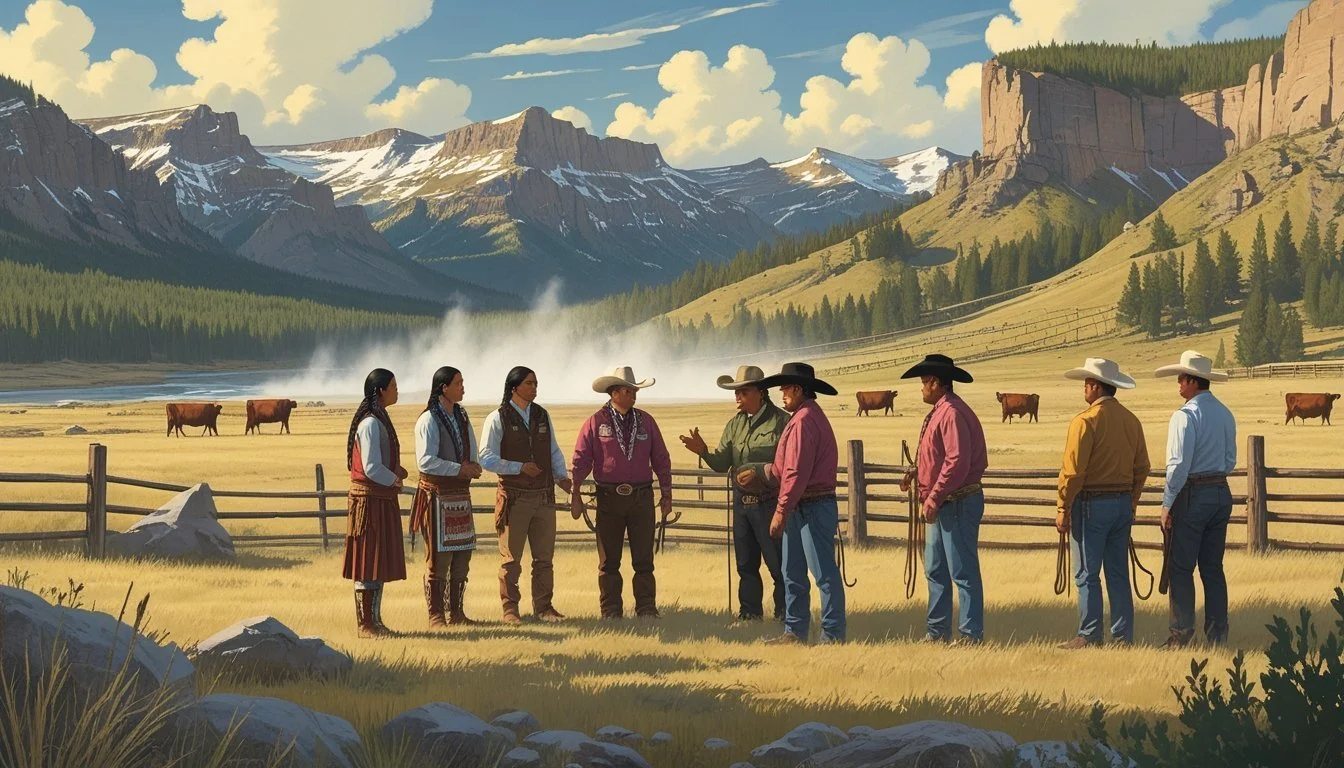
Tensions between the Dutton Ranch and neighboring Native American communities reveal ongoing struggles over land, sovereignty, and identity. These interactions highlight both the historical injustices and the contemporary political disputes that shape life around Yellowstone.
Land Disputes and Broken Rock Reservation
The Dutton Ranch and the Broken Rock Reservation maintain a contested relationship. Disputes over land ownership mark nearly every interaction between the Dutton family and the tribe. The boundaries of the ranch overlap with areas that were originally occupied by Native Americans, leading to claims of illegitimate seizure and broken treaties.
Negotiations often center around specific legal rights versus historical claims. The reservation’s leadership argues that the land was unjustly taken, while the Duttons defend their legacy through legal and political means. These disputes shape ranch operations and reservation life.
Conflicts manifest in protests, legal battles, and standoffs, frequently escalating tensions. Incidents of violence or threat highlight the present-day consequences of past injustices. The struggle remains unresolved, mirroring real conflicts faced by Native American communities across the United States.
Native American Rights and Cultural Identity
The fight for land ties directly to the assertion of Native American rights. The Broken Rock community strives to protect not only physical territory but also cultural practices, language, and traditions. Members see their heritage as inseparable from the land, making loss or threat of land deeply personal.
Cultural identity on the reservation is maintained through ceremonies, preservation of language, and active resistance to outside influence. The community’s leaders promote programs to revitalize traditions and empower youth, emphasizing resilience despite ongoing legal and social obstacles.
Discrimination and marginalization in surrounding society create additional challenges. Access to education, healthcare, and employment often lags for reservation members, further fueling disputes. The series spotlights these real-world issues, underscoring the broader significance of land and identity in Native American struggles.
Thomas Rainwater and Political Rivalry
Chief Thomas Rainwater serves as the political leader of the Broken Rock Reservation and the main rival to the Dutton family. Rainwater is ambitious, educated, and intent on reclaiming lands once held by his ancestors. He operates both within tribal governance and in Montana’s political landscape, using negotiation and legal pressure as his main tools.
Rainwater’s approach relies on building political and financial leverage. He forms alliances with business interests and other tribes to strengthen his position. His strategies are often pragmatic, balancing aggression with the need for sustainable outcomes for his people.
The rivalry with the Duttons is deeply personal as well as strategic. Rainwater sees control of land not only as a practical matter but as essential for the survival and dignity of Broken Rock. This ongoing contest shapes much of the show’s narrative tension and reflects broader patterns in Indigenous-state relations.
Historical Perspectives: Nez Perce War
Conflicts over land and identity in Yellowstone echo the history of the Nez Perce War of 1877. The Nez Perce, led by Chief Joseph, resisted forced removal from their ancestral lands, culminating in a lengthy and harrowing trek toward Canada. Their story is often referenced as emblematic of Indigenous resistance to U.S. expansionism.
The Dutton Ranch, fictional as it may be, occupies territory near the historical path of the Nez Perce. References to this war within the show contextualize modern claims and struggles over land. Legacies of forced migration and broken agreements still inform present-day Native American advocacy.
The memory of the Nez Perce War reminds viewers that today’s disputes are rooted in over a century of displacement and resistance. These deep scars continue to shape the legal and emotional landscape of Montana and its Native American communities.
Environmental and Conservation Concerns
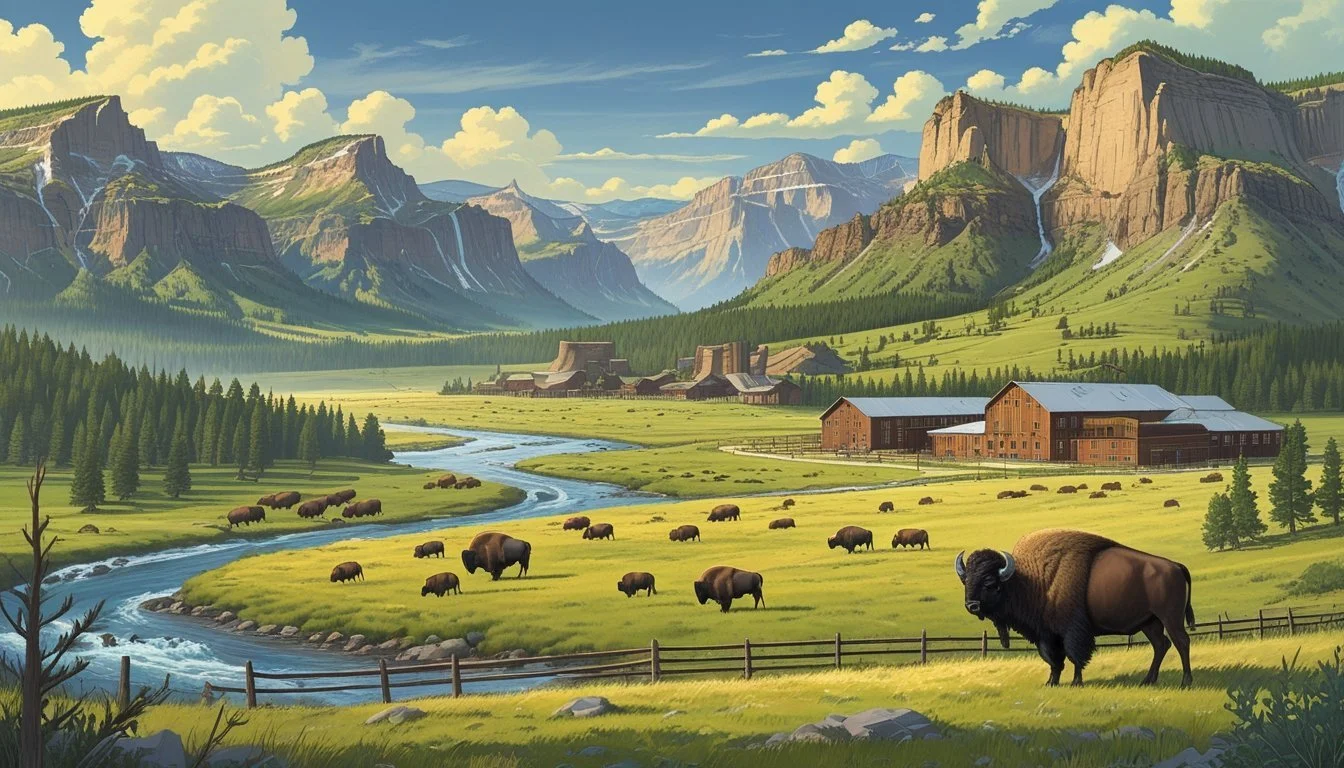
Land management at the Dutton Ranch brings environmental and conservation issues into focus, showing the complex balance between protecting large natural landscapes and the pressures of economic development. Conflicts arise from ranching practices, land developers eyeing expansion, and ongoing conservation efforts around the Yellowstone ecosystem.
Conservation Efforts and Ecosystems
The Dutton Ranch sits near real wilderness areas that home wolves, elk, grizzly bears, and native plant species. Within the show’s narrative, characters mention wildlife corridors and attempts to keep the land intact, representing real discussions about connectivity and biodiversity.
Conservation activities include restricting certain land uses and prioritizing open space over large-scale development. Protecting water quality, soil health, and native habitats becomes central to maintaining viable ranch operations and local ecosystems.
The ranch in Yellowstone is depicted as a buffer between wild spaces and developed land. This highlights why large private parcels can play a role in conservation, even as some practices remain controversial.
Tension Between Land Development and Preservation
A central conflict on Yellowstone involves developers seeking to transform ranchland into housing, resorts, or commercial zones. This tension between economic interests and preservation of natural landscapes is mirrored in Montana and the wider Rocky Mountain region, where rising land values drive aggressive growth.
Ranchers like the Duttons resist selling land, citing the need to maintain ecological stability and cultural heritage. However, this resistance puts them in direct opposition to land developers and sometimes to conservationists who support public access or alternative land uses.
The long-term protection of the land remains uncertain as profit motives continue to collide with conservation ideals. These disputes show how rural and natural areas often become battlegrounds in debates over growth and sustainability.
Impact of Ranching on Environmental Concerns
Ranching itself raises environmental issues. Grazing, fencing, and water diversion alter native plant communities and affect wildlife migration. The Dutton operation is shown as large-scale, with practices such as controlled burns, herd management, and efforts to limit overgrazing, which reflect real-world attempts to make ranching more compatible with environmental sustainability.
At the same time, traditional ranch activities can conflict with conservation priorities, especially if mismanaged. Water usage, chemical runoff, and the introduction of non-native species all pose risks to local ecosystems.
Despite these challenges, the narrative often frames ranchers as stewards who balance production and conservation. This perspective underscores the complexities and trade-offs that define modern ranchland management in the Greater Yellowstone region.
Character Development and Leadership Within the Dutton Ranch
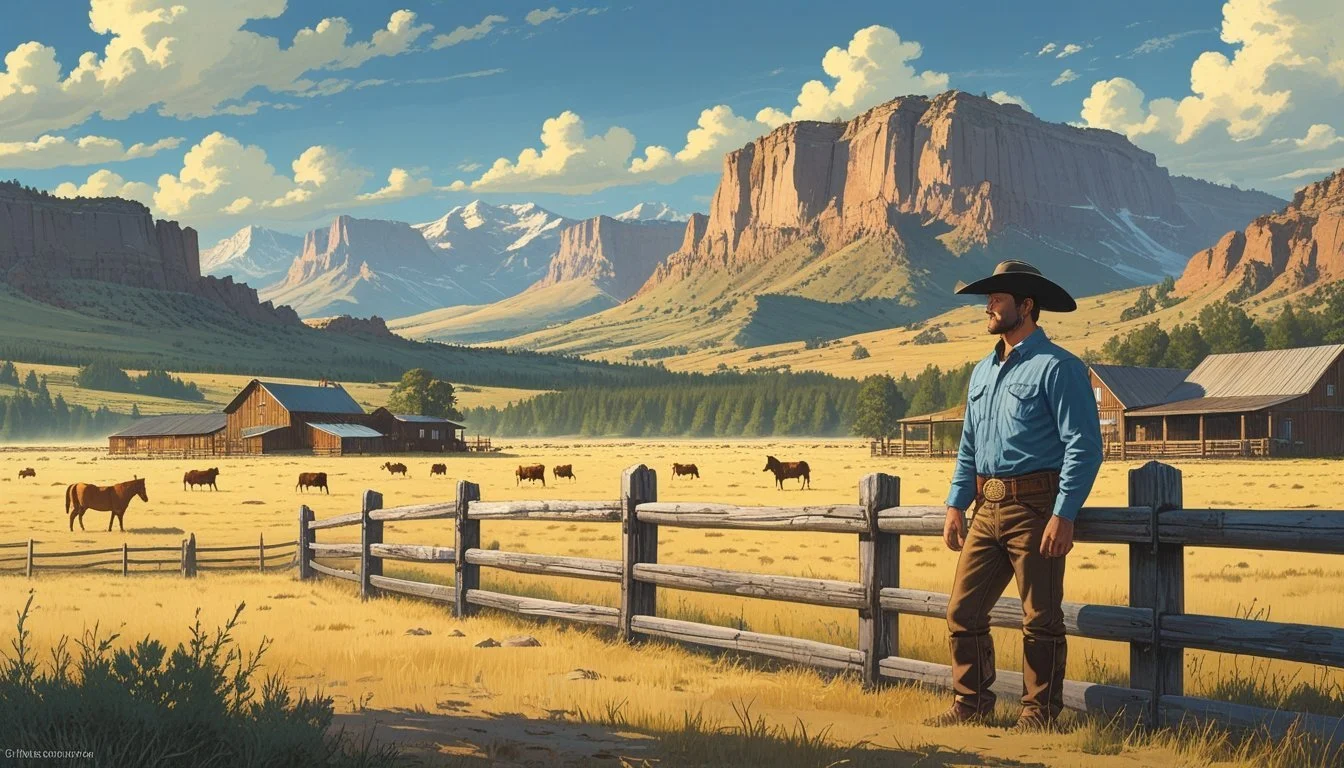
The Dutton Ranch depends on a web of authority and personal loyalties, with leadership methods and character growth shaping lives and decisions. Individual choices, work structures, and relationships all impact the ranch’s stability and direction.
Leadership Styles: john dutton’s Approach
John Dutton leads with a strong, sometimes uncompromising hand. As the patriarch, he often places the ranch and family legacy above personal desires. His authority is reinforced through both legal maneuvering and moral codes shaped by tradition.
Decision-making is centralized, with John making most critical choices. He values control but is capable of calculated partnerships or alliances when threats arise. Strategies often blend negotiation, force, and shrewd reading of political and personal dynamics.
John’s leadership sometimes places heavy burdens on his children. He expects sacrifice and loyalty, prioritizing the land’s survival even as outside forces challenge his authority. His approach is both protective and demanding, rooted in the idea that the ranch itself is a cause worth constant defense.
Role of kayce dutton, rip wheeler, and the Supporting Cast
Kayce Dutton’s leadership is adaptive and compassionate, shaped by combat experience and personal loss. He balances duty to family with ethical dilemmas, acting as a bridge between his father’s values and modern challenges the ranch faces.
Rip Wheeler serves as John’s enforcer and confidant. He uses direct methods—physical strength, intimidation, and unwavering dedication—to maintain order. Rip’s leadership style is practical and sometimes brutal but rooted in sincere loyalty to the Duttons.
Supporting characters in the bunkhouse—including Lloyd, Jimmy, and others—each highlight different aspects of ranch leadership. Together, they demonstrate the importance of delegated responsibility, teamwork, and mentorship among ranch workers.
Bunkhouse Life and ranch Life
Life in the bunkhouse is governed by a set of unwritten rules. Hierarchies emerge based on skill, experience, and loyalty rather than formal rank. This daily structure supports both cowhand camaraderie and discipline, creating a sense of belonging and shared responsibility.
Ranch life requires tough physical labor. Tasks range from cattle drives to fence repair, often in harsh Montana elements. Expectations are clear: everyone works, respects the land, and upholds the Dutton name through action.
The bunkhouse acts as a microcosm of the ranch itself. Tensions, friendships, and rivalries form the backbone of daily life. The mix of personalities and backgrounds adds depth to the show’s portrayal of leadership under pressure.
The Influence of Loyalty on Leadership Decisions
Loyalty is both an asset and test for leaders at the Dutton Ranch. John and Rip often rely on personal loyalty to enforce decisions quickly and maintain order, especially in crises. This trust forms the basis of many critical actions taken on behalf of the ranch.
Kayce’s leadership decisions often reflect his struggle between individual morality and collective loyalty. He must navigate between personal values and the demands of protecting family and land, knowing choices can have lasting impacts.
Loyalty in the Dutton context is complex—earned through hard work, defended through action, and sometimes challenged by external threats. Leaders reinforce loyalty with gestures of trust, but also expect unyielding commitment during moments of risk.
Impact of the Yellowstone Series and Cultural Representation
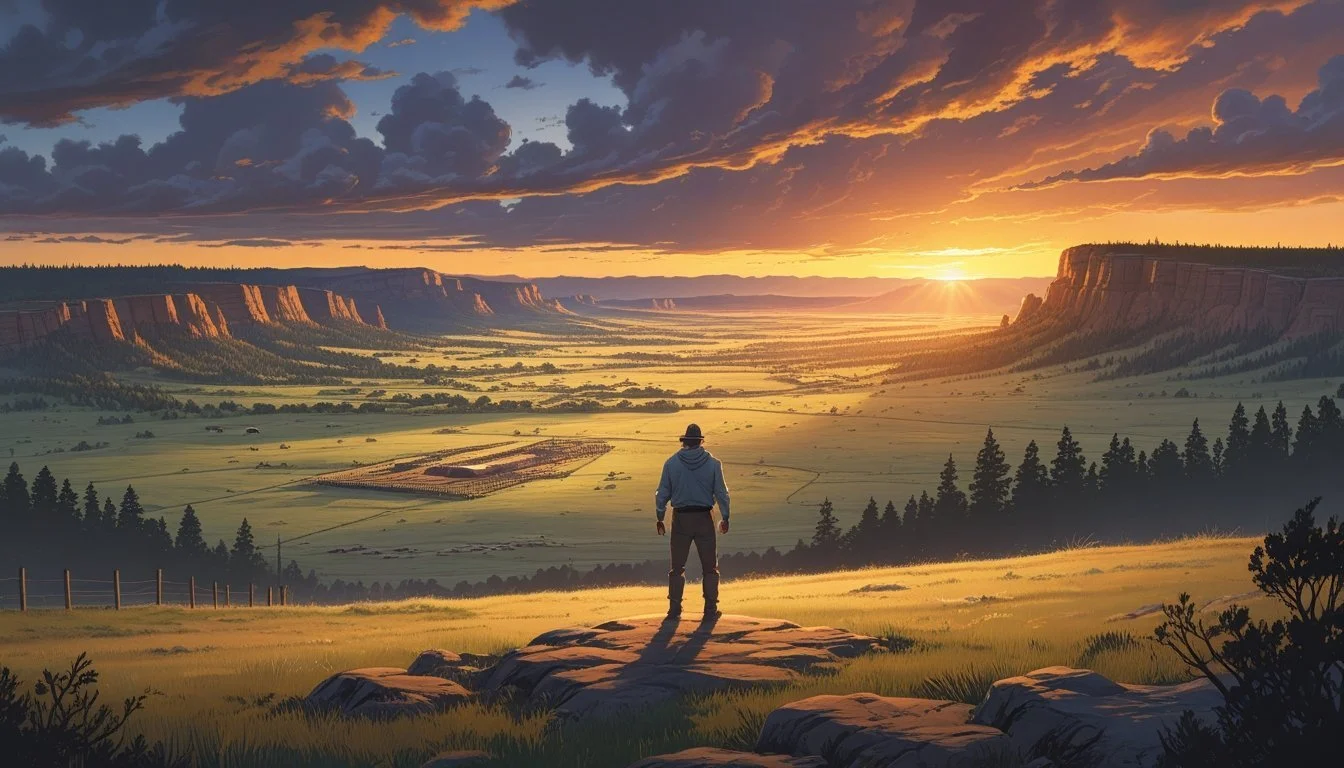
The Yellowstone series has shaped how audiences perceive the American West, weaving themes of legacy, power, and cultural conflict into its storytelling. Its influence stretches across television, American identity, and the ongoing evolution of the Western genre.
Cultural Impact on Modern Western Genre
Yellowstone has renewed interest in the Western, a genre that once dominated American media. It blends traditional motifs—ranching, frontier justice, and family—with current issues like land disputes and indigenous rights. The Dutton Ranch commands attention as both a legacy and a contested site, mirroring modern debates over ownership and belonging.
This impact is reflected in a wave of related shows, such as "1883," "1923," and others created by Taylor Sheridan for Paramount+. Each project has influenced portrayals of rural America, emphasizing complex character motivations and moral ambiguity. The series acts as a reference point for how contemporary Westerns approach culture and power.
Historical Accuracy and Authenticity
While Yellowstone uses modern storylines and dramatic flair, it grounds many elements in the real setting and politics of Montana. The depiction of land conflicts echoes actual struggles, particularly regarding indigenous claims and colonial legacies. Characters from the Broken Rock Reservation spotlight ongoing debates about restitution and sovereignty.
However, not every detail reflects history accurately. The show sometimes simplifies or dramatizes legal and cultural disputes for effect. The Dutton family’s sweeping control of land and their dominance can overlook the deeply nuanced, often painful historical context that shapes Montana's past. Authenticity is present in atmosphere, but accuracy is sometimes sacrificed for storytelling.
Cinematic Quality and Filming Locations
Yellowstone is recognized for its high production values and striking visuals. Filmed primarily in Montana’s Bitterroot Valley and parts of Utah, the series uses the landscape to establish both grandeur and isolation. Wide shots of mountains and pastures communicate a sense of scale that matches the Duttons’ ambitions.
Cinematography emphasizes natural light and expansive views, lending a cinematic quality rare for television. Real ranch locations add to the authenticity, making the Dutton Ranch feel both timeless and contemporary. This visual approach enhances the show’s appeal, drawing viewers into the environment as much as the narrative.
taylor sheridan, kevin costner, and paramount+
Taylor Sheridan, Yellowstone’s creator, serves as the driving force behind its narrative style and thematic consistency. Sheridan’s writing foregrounds gritty realism, steeped in both admiration and criticism of American institutions. His partnership with Paramount+ has resulted in several spin-offs and expanded the series’ reach across different eras and characters.
Kevin Costner’s performance as John Dutton anchors the series. His portrayal of strength, vulnerability, and moral ambiguity has been central to the show’s critical and popular success. Paramount+ has established itself as the platform for Sheridan’s universe, solidifying Yellowstone as a flagship series that has shaped the current landscape of prestige television.
Notable Locations and Structures on the Dutton Ranch
The Dutton Ranch is home to a network of historic buildings and essential operational structures. These locations serve both practical ranching needs and reflect the ranch’s long-standing heritage in Montana.
Shelton Ranch, Ford-Hollister Lodge, and Other Historic Buildings
Shelton Ranch and the Ford-Hollister Lodge stand out as examples of the ranch’s historical depth. The Shelton Ranch area preserves remnants of early settlement patterns, retaining its original form and function.
The Ford-Hollister Lodge is a significant structure, often used for gatherings, meetings, and housing important guests. It is known for its timber construction and layered interiors, which combine rustic aesthetics with utility.
Several other buildings on the property date back generations. Each is constructed with local materials, designed to withstand Montana’s weather, and positioned for operational efficiency. Their preservation underscores the Duttons’ commitment to legacy and tradition.
Fisherman Cabin, Ben Cook Cabin, and Apple Orchard
The Fisherman Cabin and Ben Cook Cabin illustrate the diversity of dwellings across the ranch. The Fisherman Cabin is located by a water feature, frequently used as a retreat and fishing base.
The Ben Cook Cabin, with its compact design, lends itself to both ranch work and short-term stays. Both cabins provide important lodging options for staff, family, or visitors, contributing to daily ranch activities.
The ranch’s apple orchard is another key landmark, offering not just food but also a sense of self-sufficiency. The orchard is carefully managed and serves as a symbol of the Dutton family’s ongoing relationship with the land.
The Role of Lodge, Barns, and Cabins
The main lodge serves as the central hub for the ranch. It is used for both family life and operational decisions, blending domestic space with administrative functions.
Barns on the Dutton property are vital for livestock management and equipment storage. Their design enables efficient care of cattle and horses, central to the ranch’s economics.
Numerous cabins of varying size and age are scattered throughout the land. They support seasonal work, provide shelter for ranch hands, and sometimes serve as points of refuge or meeting spots. This distribution of buildings emphasizes the ranch’s scale and complexity.
