
Inside the Bunkhouse: Brotherhood and Brutality in Yellowstone Explored
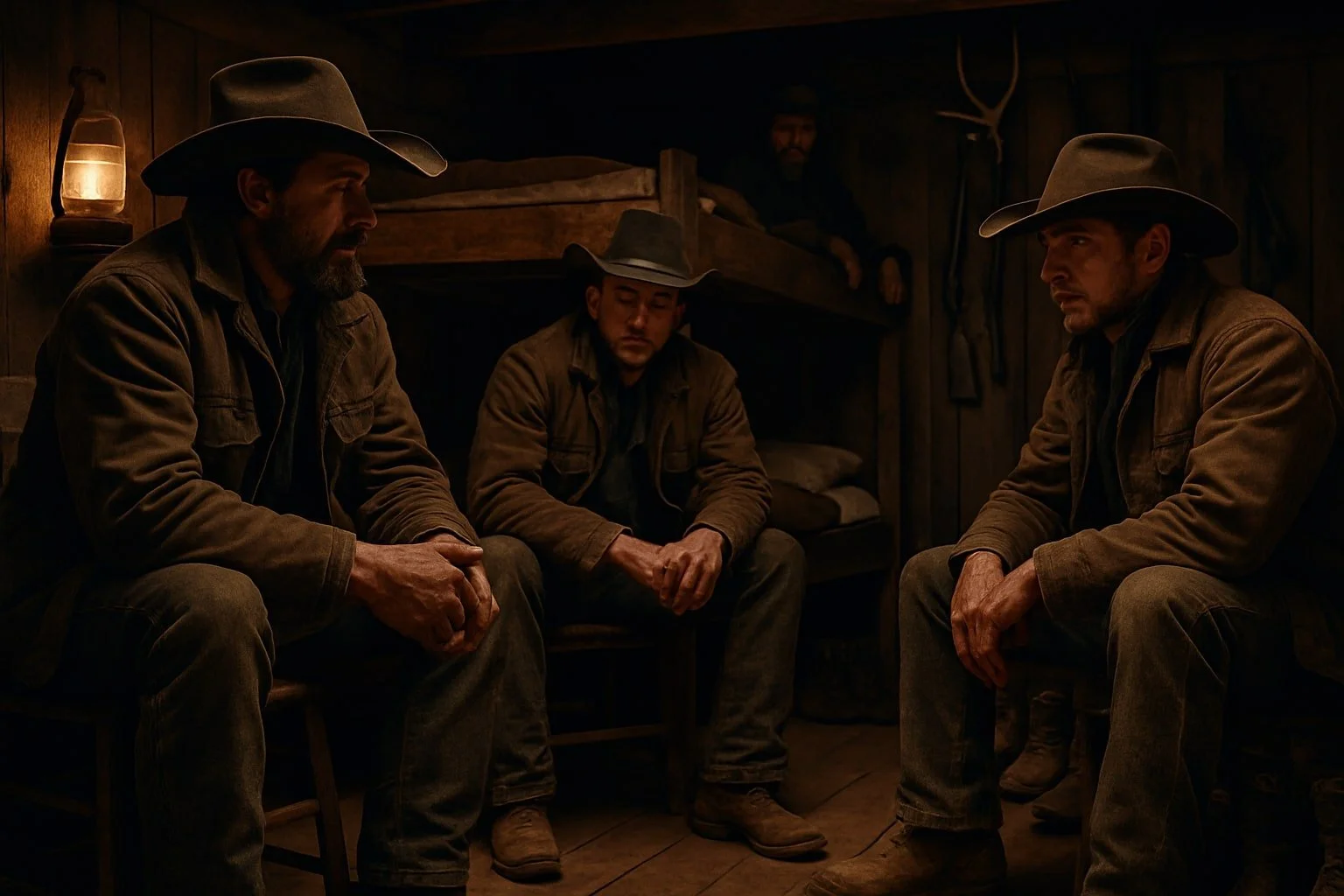
The bunkhouse in Yellowstone stands as the gritty core of ranch life, where deep bonds and harsh realities shape every cowboy under its roof. Life inside these walls is defined by loyalty, rivalry, and unfiltered moments that reflect the raw challenges of the ranch. While camaraderie runs deep among the bunkhouse crew, every day carries the potential for brutal conflict or a meaningful alliance.
The communal quarters become a stage for both heated arguments and hard-earned solidarity, revealing complex relationships beneath a rough exterior. Insults, pranks, and tense fights coexist with quiet acts of support, highlighting the unpredictable but steadfast brotherhood shared by the cowboys. For many, the bunkhouse is more than a place to sleep—it's the heart of the Yellowstone Ranch’s traditions and struggles.
The Bunkhouse in Yellowstone: Heart of Brotherhood
The bunkhouse on the Dutton Ranch serves as more than just where the ranch hands sleep. It is a space that shapes identities, forges unity, and reveals the contrasting realities of loyalty and hardship in Montana’s wild landscape.
Origins and Role of the Bunkhouse
The bunkhouse tradition is rooted in the practical needs of working ranches like the Dutton Ranch in Yellowstone. Historically, bunkhouses provided communal accommodation for cowboys, separating them from the main household while ensuring they remain close to daily operations.
On Yellowstone, the bunkhouse is a focal point for community and daily rituals. Here, ranch hands start and end their days together, sharing meals, stories, and conflicts. This space fosters loyalty to the ranch, but also exposes tensions as personalities clash.
The concept of the “bunkhouse family” is central. Those who live here are often outsiders with nowhere else to go, and the bunkhouse becomes their home and shield. Loyalty is rewarded and expected, and this sense of belonging is reinforced by traditions such as receiving the “Y” brand.
Key Personalities in the Bunkhouse
The bunkhouse is home to some of Yellowstone’s most recognizable characters, each bringing unique perspectives and energy. Rip Wheeler stands out as both enforcer and protector, respected and feared by those who share the space.
Jimmy Hurdstrom, who transforms from an inexperienced ranch hand to a pivotal member, represents vulnerability and growth. Walker, a guitar-playing cowboy, often challenges the rules, creating friction but also revealing cracks in the brotherhood.
Colby, Teeter, Lloyd, and others contribute to moments of humor and conflict. Their interactions, whether in nightly card games or heated arguments, highlight the hardships and friendships that define bunkhouse life. The bunkhouse dynamic is shaped by shifting alliances and rules, with power struggles often resolved through blunt honesty or fists.
Design and Atmosphere
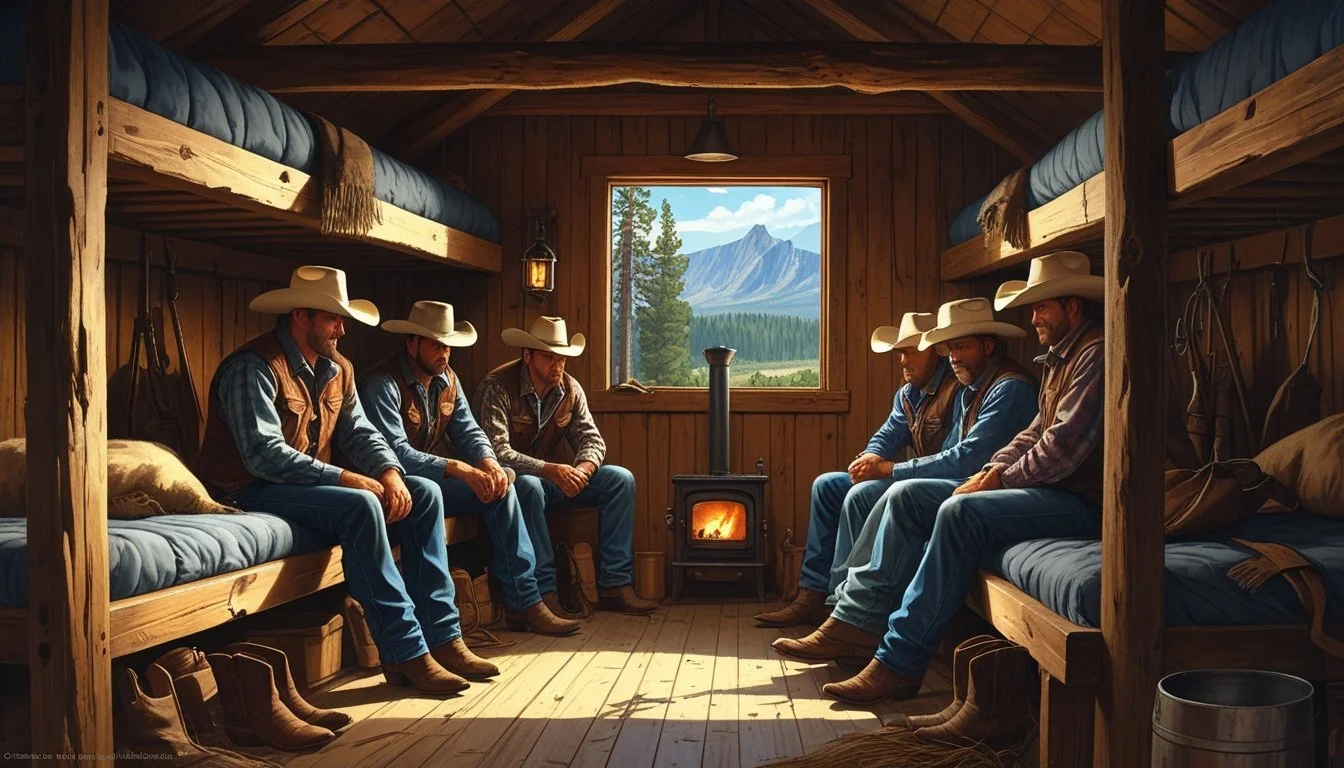
The bunkhouse’s design on Yellowstone is intentionally rustic and authentic. Built with wooden walls, sturdy bunks, and worn furniture, the space feels lived-in and unpolished, mirroring the rugged environment of Montana and the hard work required by the Dutton Ranch.
Decor is minimal, marked by western motifs, tool racks, and mud-caked boots in corners. This utilitarian setup supports both solitude and social gathering, with a large table at the center for shared meals and discussions. The main room often becomes the backdrop for confrontations or celebrations.
Lighting is warm and muted, emphasizing both the coziness and the somber realities of the cowboys’ existence. The bunkhouse showcases the practical and emotional heart of the ranch, standing in stark contrast to the Duttons’ grand home and symbolizing the working backbone of Yellowstone.
Brotherhood and Camaraderie Among Cowboys
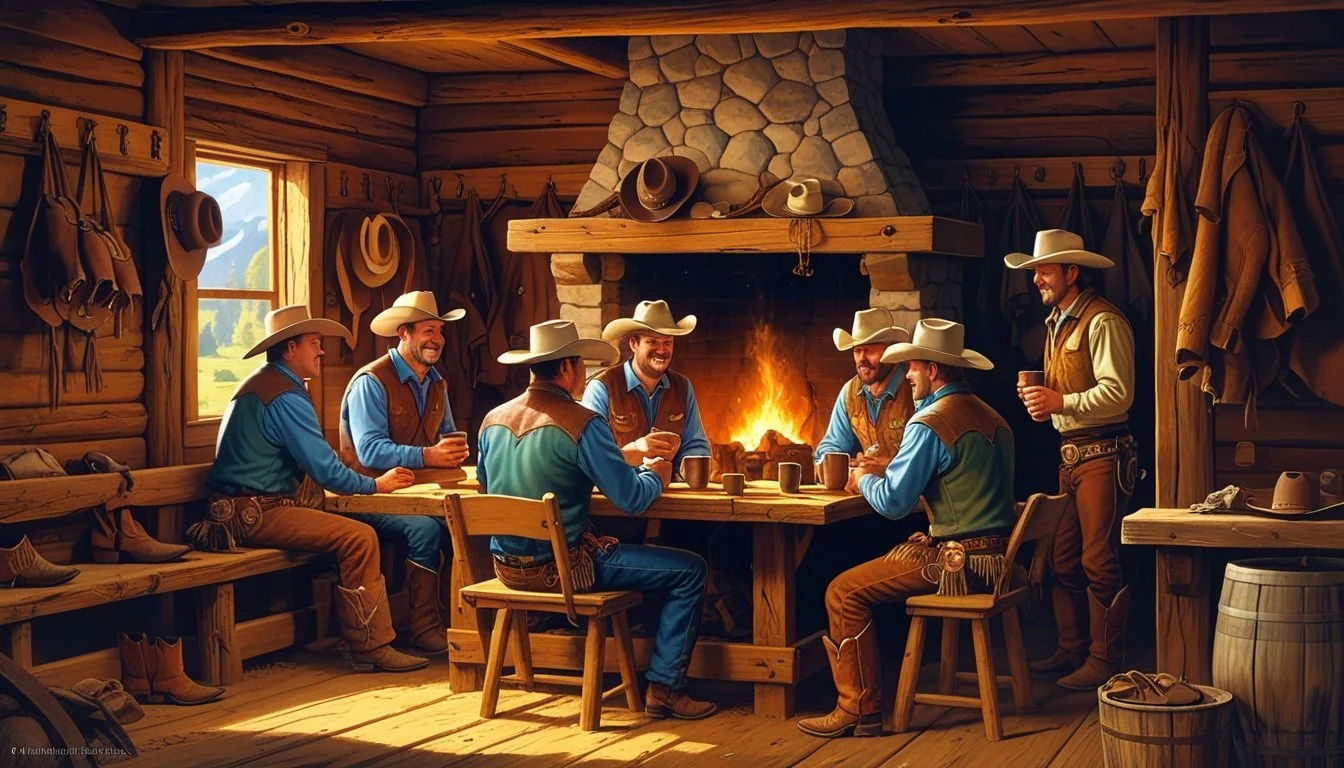
Inside the Yellowstone bunkhouse, daily life brings together a group of distinct personalities. Through shared trials and unique traditions, these ranch hands build connections that go beyond simple co-workers.
Shared Bonds and Loyalty
Cowboys like Rip, Lloyd, Teeter, Colby, and Jimmy demonstrate a strong sense of loyalty to both the Yellowstone Ranch and each other. Time spent mending fences, working cattle, or even playing cards leads to lasting bonds.
Moments of support surface in tense situations, such as Rip mentoring Jimmy, or Colby and Teeter standing together against outside threats. When new cowboys arrive, longstanding members like Lloyd often test newcomers, but eventually offer guidance once respect is earned.
The bunkhouse operates like a family. Disagreements or roughhousing, including heated exchanges with Walker, are handled within the group. Underneath these conflicts, a shared sense of responsibility and trust remains, vital for survival in the harsh environment.
Traditions and Rituals
Habits and rituals define daily life in the bunkhouse. Meals taken at the long table become opportunities for teasing, laughter, and discussion. Regular games of cards or dice offer much-needed downtime, while also giving each cowboy a chance to prove himself.
Initiation rituals for new members, such as Jimmy, create a sense of belonging. Cowboys respect unwritten rules, like not taking another man’s hat or boots. Many traditions—like storytelling around the fire or group chores—are upheld by figures such as Lloyd and Rip to reinforce unity.
Actors like Denim Richards, Ian Bohen, and Jefferson White bring authenticity to these customs, portraying a community tied together by routine as much as by shared hardship. Each ritual, even when lighthearted, strengthens the fabric of the group.
Brutality and Conflict Within the Bunkhouse
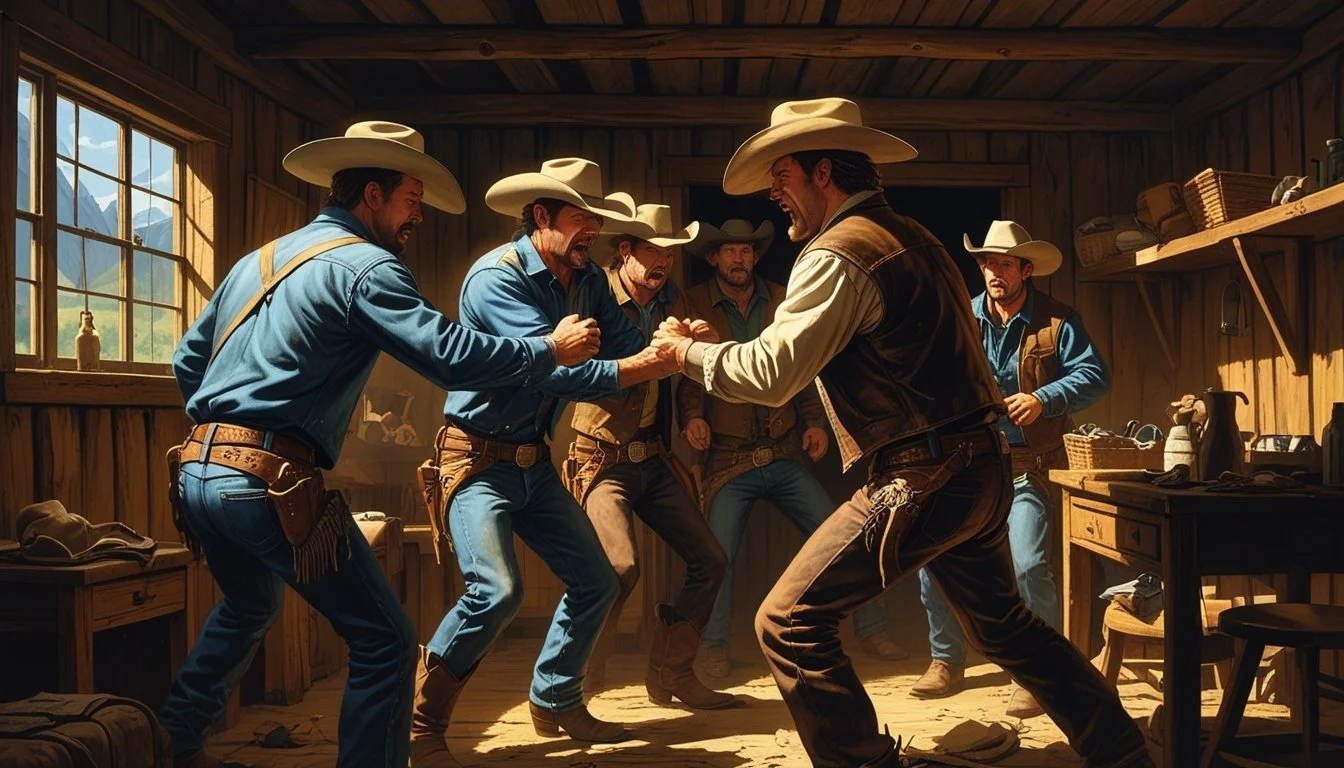
Tension is a constant presence in the Yellowstone bunkhouse as personalities and loyalties collide. Physical confrontations and sharp disagreements, often involving key members like Rip, Lloyd, and Walker, push boundaries and lead to lasting consequences.
Clashes and Power Struggles
The bunkhouse is known for its explosive clashes, where personal grievances often escalate to violence. One of the most notable confrontations took place in Season 4, when Rip Wheeler severely beat Lloyd Pierce following a series of ongoing disputes between Lloyd and Walker. This altercation was not an isolated event—tension had been simmering for episodes, reaching a boiling point after Lloyd destroyed Walker’s guitar and attacked him.
Hierarchy in the bunkhouse is enforced through physical dominance, with Rip acting as the enforcer of ranch rules. These moments demonstrate a strict code: loyalty to the brand is non-negotiable, and any breach is met with swift, sometimes brutal, consequences. Acts of violence, though shocking, serve as public demonstrations of power and order among the crew.
Consequences and Lessons Learned
Fights in the bunkhouse rarely end with the conflict itself; repercussions extend far beyond bruised egos. After Lloyd’s outburst and Rip’s public reprimand, the group faces not only physical but emotional fallout. Lloyd is forced to reconcile with Walker under Rip’s strict guidance, a humbling requirement that reestablishes the pecking order and reinforces the ranch’s values.
Rules are repeatedly emphasized: fighting among bunkhouse members is forbidden, and those who disobey are disciplined, sometimes physically. Those who resist the hierarchy, like Walker did in previous seasons, often face threats of deeper consequences such as exile or even references to “jail.” These events emphasize that, while camaraderie exists, survival in the bunkhouse requires adherence to a harsh but clear system of accountability.
Key Bunkhouse Members: Stories and Development

This section highlights how individual journeys—marked by personal setbacks and moments of growth—define the dynamics within Yellowstone's bunkhouse. The stories of Jimmy and Walker especially illustrate the challenges cowboys face as they seek belonging, transformation, and survival on the ranch.
Jimmy’s Coming of Age
Jimmy, played by Jefferson White, is a standout example of personal transformation. Entering the bunkhouse with little experience, he begins as a troubled, insecure young man with a criminal past. The bunkhouse crew, especially Rip Wheeler, becomes both his family and his toughest mentors.
Through a combination of harsh lessons and genuine care, Jimmy learns discipline and the values of hard work. His journey includes becoming a skilled rodeo cowboy, enduring injuries, and struggling with loyalty between the Yellowstone ranch and opportunities elsewhere.
Notably, Jimmy’s relationships—with bunkhouse members like Lloyd and Walker, as well as his romantic interests—reveal his maturation and the difficult choices required to belong. Each test serves as a milestone in his coming of age.
Walker’s Journey
Walker, portrayed by Ryan Bingham, brings a unique perspective as both a musician and a reluctant cowboy. Hired by Rip and John Dutton, Walker’s moral compass and outsider status often put him at odds with the bunkhouse code. His initial refusal to follow orders exposes deeper conflicts within the ranch.
Ian Bohen’s character, Ryan, and others often challenge Walker, forcing him to choose between self-preservation and blending into the ruthless world of Yellowstone. Walker’s moments with Jimmy and the crew showcase how the bunkhouse is a place of transformation—even for those resistant to its rules.
Despite loyalty tests and threats from Rip, Walker's survival hinges on adaptability and navigating the brutality that defines ranch life. His journey is shaped by moments of vulnerability, music, and the perpetual tension between personal ethics and survival.
The Bunkhouse’s Connection to the Dutton Family
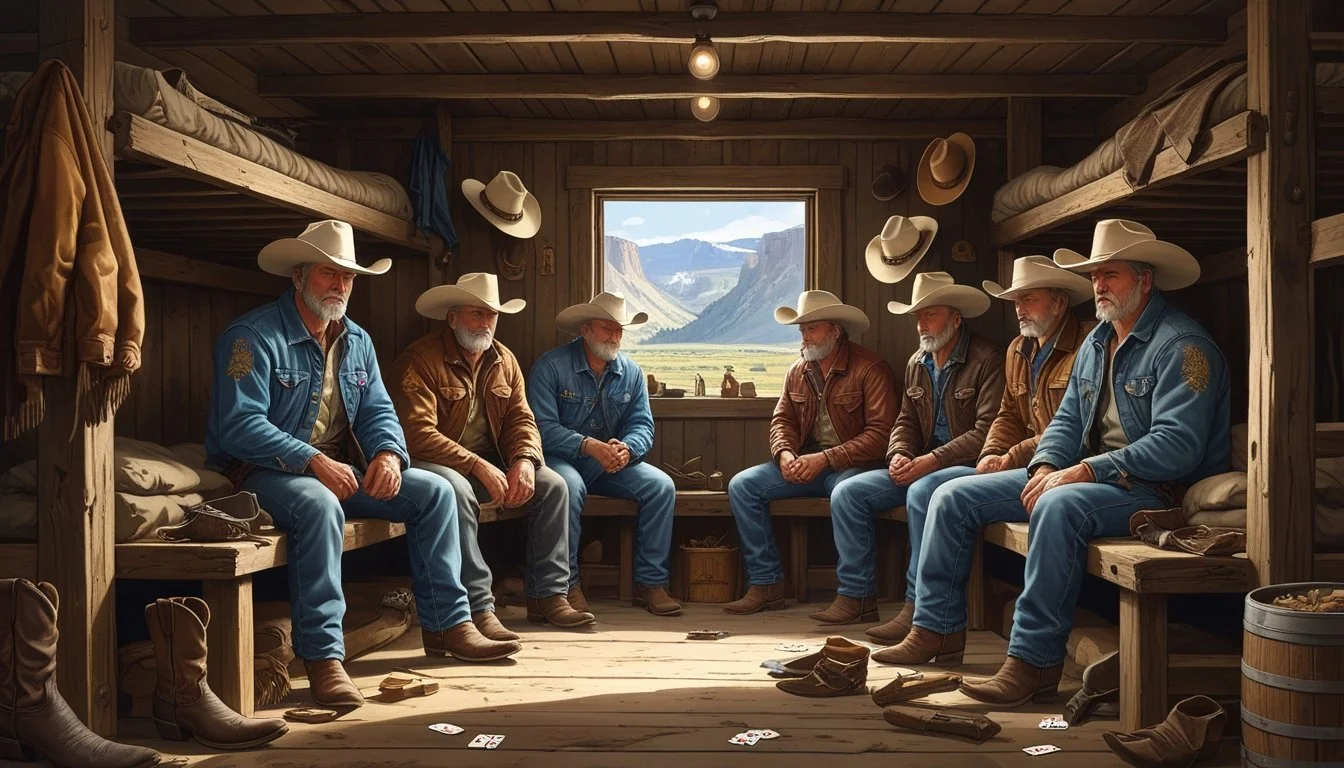
The bunkhouse acts as a crucial point of contact between the cowboys and the Dutton family, shaping power structures on the ranch. Family members like John and Beth Dutton maintain control through both direct authority and personal intervention.
John Dutton’s Influence
John Dutton directly shapes the bunkhouse through firm leadership and pragmatic decisions. He relies on the loyalty and labor of the bunkhouse crew to maintain control over the ranch’s vast territory.
When trouble arises, John’s authority extends into the bunkhouse, swiftly putting an end to unrest. He often uses the space to deliver messages or warnings, reinforcing the rigid hierarchy.
The way John interacts with the bunkhouse sets a tone of respect mixed with fear. He rarely socializes with the cowboys but ensures they know their place, while also occasionally stepping in to defend their interests when it serves the Dutton cause.
Beth: Interactions and Power
Beth’s relationship with the bunkhouse is defined by volatility and force. She does not hesitate to confront or insult the cowboys, but her actions often send a message about where true power lies on the ranch.
Beth’s presence can unsettle even the toughest ranch hands, as she leverages her connection to John and her bold personality to keep the bunkhouse on edge. This dynamic is especially clear when she pushes boundaries, disrupting the usual routines.
Beth rarely involves herself in the daily lives of the cowboys. However, when she does, her words and choices can change alliances and clarify who is truly favored by the Duttons.
Family Dynamics and Relationships
The broader Dutton family’s interactions with the bunkhouse highlight sharp division and underlying dependence. Jamie, often at odds with both John and Beth, interacts with the bunkhouse differently—frequently seeking respect but rarely receiving genuine trust.
Members like Kayce, with his past as a livestock agent, blur lines between management and crew, sometimes siding with the hands. The Duttons occasionally bring outsiders, like Summer, into this world, which creates tension and confusion about loyalty.
Even children are touched by this divide, often witnessing the bunkhouse’s rough culture and experiencing the limits of familial power. The relationships reflect both necessity and isolation, with the bunkhouse remaining both close to and distant from the Dutton core.
Bunkhouse Legacy: Impact on Yellowstone’s Narrative
The Yellowstone bunkhouse shapes the show’s social landscape, driving both storylines and character development. Relationships, rivalries, and critical decisions often unfold in these walls, making the bunkhouse a crucial narrative engine.
Expanding Stories from the Bunkhouse
The bunkhouse serves as the intersection for characters like Jimmy, Walker, Colby, and Teeter. Dialogue here reveals the backgrounds, dreams, and fears of the ranch hands, often exposing tensions that spill into broader conflicts.
In season 4, episodes set in the bunkhouse explore evolving loyalties and shifting power dynamics. Notable moments include the escalating feud between Walker and Lloyd and the fallout from Jimmy's departure to Texas. These confrontations and alliances highlight the significance of communal living in forging bonds—and breaking them.
The Stories from the Bunkhouse companion series hosts cast discussions about key bunkhouse events, giving fans new insights. Through humor, camaraderie, and raw arguments, the bunkhouse offers a lens into the reality of ranch life, complementing the series’ larger themes of duty, violence, and belonging.
Character Notable Bunkhouse Event Jimmy Letter to Mia, sent to Texas Walker Physical altercation with Lloyd Teeter Joins and challenges the group
Taylor Sheridan’s Creative Vision
Taylor Sheridan uses the bunkhouse as more than just a setting; it becomes a powerful narrative tool. He crafts authentic dialogue and scenarios that highlight cowboy archetypes—stoic, rebellious, humorous—and lets these traits clash or align, enriching character arcs.
Throughout his writing and direction, Sheridan ensures that the bunkhouse scenes balance drama and levity. He uses communal meals, poker games, and late-night arguments to reveal personal stakes and insecurities, giving audiences honest portrayals rather than stereotypes.
The Emmy-nominated production design reflects Sheridan’s intention to immerse viewers in gritty realism. The bunkhouse design—with its aged wood, cluttered bunks, and lived-in feel—mirrors the internal struggles of its inhabitants. Sheridan’s commitment to authenticity allows the bunkhouse to emerge as a narrative microcosm of the Yellowstone world.
