
How Yellowstone Uses Land as a Metaphor for Identity in Character Development and Storytelling

Yellowstone uses land as a metaphor for identity by showing how landscapes and wilderness are closely tied to personal, cultural, and family legacies. The series explores the Dutton family's connection to their ranch, revealing how ownership and care for the land represent heritage, power, and the struggle to maintain a sense of belonging. This conflict mirrors real disputes in the American West, where land shapes both self-sufficiency and influence within communities.
National parks like Yellowstone provide a dramatic setting for these themes, highlighting the contrast between preserving wilderness and modern development. The land in the series is more than scenery; it is a living symbol that reflects the characters’ pursuit of identity and the lasting effects of history on people and place. Viewers see how landscapes are at the heart of ongoing questions about who belongs and what is worth preserving.
Yellowstone as a Symbol of National Identity
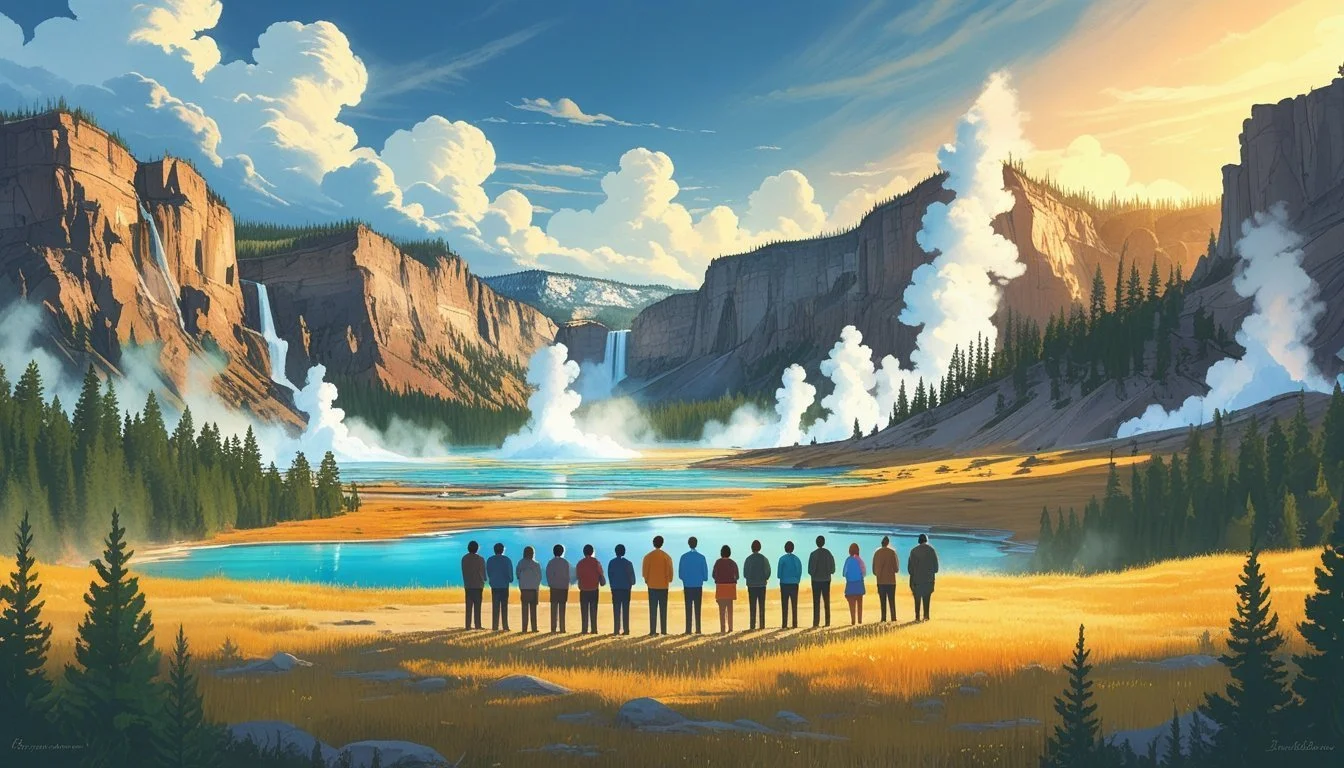
Yellowstone National Park has played a crucial role in shaping American identity by representing both the nation’s natural heritage and its evolving sense of self. Its land and history provide concrete examples of how landscapes become intertwined with collective national values.
The Role of Yellowstone in American History
Established in 1872, Yellowstone became the world’s first national park. This act positioned the United States as a leader in conservation, signaling a shift from unchecked resource exploitation to stewardship.
Yellowstone’s formation followed reports from major expeditions, including the Washburn-Langford-Doane and Hayden Surveys, which revealed its geothermal features and unique ecosystems. The decision to preserve Yellowstone marked a turning point in American attitudes toward public land.
For more than a century, Yellowstone’s land has reflected American ideals of wilderness and progress. Its designation recognized not only scenic or scientific value but also the need for spaces that embodied freedom and national pride.
Yellowstone and the Construction of National Identity
Yellowstone functions as a national symbol, influencing the image Americans project domestically and abroad. Its existence helped establish the concept of a shared landscape that unites citizens from diverse backgrounds.
Beyond its status as a tourist attraction, the park exemplifies American values such as preservation, exploration, and public access. The national park system grew from this precedent and became a pillar of U.S. identity.
Throughout history, Yellowstone has been integrated into school curricula, patriotic art, and political discourse. Each of these contexts reinforces the park’s role as a cornerstone in the narrative of what it means to be American.
Landscapes as Emblems of Nationhood
The physical features of Yellowstone—geysers, forests, wildlife—are continually used to symbolize broader ideas linked to nationhood. These landscapes present a vivid image of wildness and endurance, qualities often highlighted in the national character.
Yellowstone’s land, once the ancestral home of numerous Native American tribes, now serves as a site for both memory and contestation. Illuminated teepees, for example, represent Indigenous resilience alongside national unity.
Table: How Yellowstone’s Landscapes Function as National Symbols
Feature Symbolic Meaning Role in Nationhood Geysers Power, unpredictability American dynamism Grand Canyon Timelessness, grandeur Historical depth Wildlife Diversity, vitality Strength in diversity Forests Abundance, renewal Hope for the future
Through these elements, Yellowstone continues to serve as a visual shorthand for the nation itself, linking geography to identity.
Land as a Metaphor in Yellowstone's Narrative
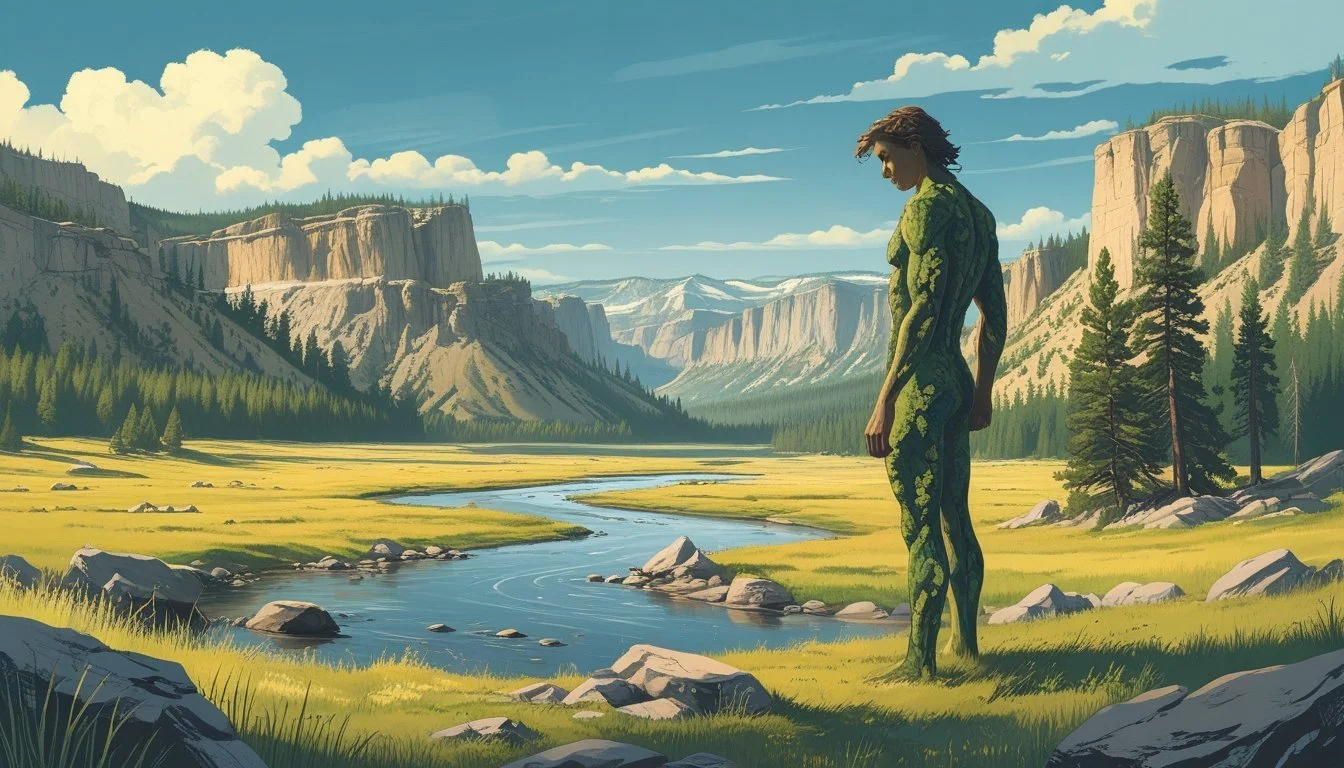
Yellowstone uses land not only as a backdrop but as a vehicle to express complex ideas about heritage, individuality, and cultural conflict. The series continually frames land as a symbol for both inner character and collective identity, connecting tangible geography to the intangible elements of human experience.
The Meaning of Wilderness and Wildness
Wilderness within Yellowstone is depicted not just as untamed nature but as an arena that tests character and motive. The land demands respect. Characters are forced to grapple with their limitations and ambitions, revealing who they are through their relationship with the landscape.
Wildness often represents the unpredictable nature of both the environment and the people living in it. The Dutton family's struggles mirror the dangers and opportunities present in the open expanse. For viewers, the wilderness serves as a metaphor for personal and societal boundaries, exploring what happens when these borders are crossed.
This interplay between wilderness and wildness is central. The land pushes against order and control, framing the narrative’s moral and ethical conflicts.
Freedom and the American Psyche
Land ownership and wide open spaces represent more than material wealth. In Yellowstone, land becomes a symbol of freedom—a tangible link to the values of self-determination and autonomy often associated with the American psyche.
The series explores these themes by showing how characters fight to preserve their way of life. Power struggles over the land become reflections of larger existential questions about security and liberty. This focus on freedom is illustrated in both the storylines and the physical expanse of the ranch.
Yellowstone uses these motifs to examine generational tensions, cultural change, and deep-seated fears about losing identity along with property. The sense of freedom is presented as fragile, dependent on stewardship and hard choices.
Yellowstone's Geography as Identity
Montana’s geography is more than a setting; it shapes the people who inhabit it. The series leverages specific features—mountains, rivers, open plains—to create visual and thematic links to personal and family identity.
For the Duttons, the boundaries of their land mark the boundaries of their legacy. The physical space represents history, tradition, and continuity. Conflicts over land become struggles for the right to define who belongs and who does not.
Geography and identity are tightly linked in Yellowstone. The landscape isn’t passive; it is an active character in the narrative, influencing events and reflecting inner conflicts. This connection provides a constant thread throughout the series, grounding its exploration of loyalty, power, and belonging.
Historical Perspectives on Land and Identity
Land in the American West has long influenced how people understand themselves, their roles, and their histories. The Yellowstone series reflects how identity is shaped by the competing legacies of frontier expansion, Indigenous stewardship, and settler ideologies anchored in land ownership.
The Frontier in American History
The idea of the frontier shaped American thinking for generations. Frederick Jackson Turner's frontier thesis portrayed the West as a place where the nation's character was forged—emphasizing rugged individualism and constant adaptation.
Yellowstone draws on this legacy by showing characters shaped by harsh landscapes and the sense of possibility or threat the land brings. For much of American history, open land symbolized both personal opportunity and national progress.
In Yellowstone, tensions between families and interests echo historic frontier conflicts. Boundaries are a constant theme, reflecting how land ownership and access defined status and identity in the American experience.
Indigenous Peoples and Cultural Landscape
Indigenous peoples have lived in and cared for the Yellowstone region for thousands of years, viewing the land as sacred and central to identity. Unlike Western notions of possession, many Indigenous cultures understand land as a living relationship, not just a resource.
The series occasionally highlights these perspectives, showing Native characters who challenge settler claims through spiritual and historical ties to the land. Yellowstone National Park and similar places are not just settings—they are histories shaped by displacement and ongoing negotiation.
Issues around recognition, representation, and sovereignty remain visible. The show’s tension around property and rights mirrors real-life struggles between Indigenous groups and the U.S. government over land that is both ancestral and contemporary.
Settlers, Cowboys, and The Homestead Act
Settlers, often depicted as cowboys or ranchers, arrived in the West seeking land ownership and autonomy. The Homestead Act of 1862 allowed many to claim and cultivate land, fundamentally altering the region’s demographics and landscapes.
Yellowstone’s Dutton family story centers on this tradition—defending vast ranches as both livelihood and inheritance. The cowboy identity, built on notions of self-reliance and hard work, is tied directly to the land’s control and use.
This narrative often overlooks conflicts and exclusions, especially the displacement of Indigenous peoples and smaller settlers. The pressures of maintaining land ownership remain central to personal and collective identity in the American West.
Landscape Painting and the American Experience
Landscape painting has played a central role in shaping the American sense of place and national identity. Through depictions of Yellowstone and other western regions, artists contributed to how Americans understood concepts such as paradise, wilderness, and cultural heritage.
Artistic Representations of Yellowstone
American painters like Thomas Moran used Yellowstone as a subject to create grand, detailed artworks. Moran’s "The Grand Canyon of the Yellowstone," completed in 1872, measured 7 feet high by 12 feet wide and captured the scale and drama of the region. This painting is now displayed at the Smithsonian, serving as a vivid record of the landscape.
Such paintings often portrayed Yellowstone as a new Eden—untouched, majestic, and full of promise. By presenting the park in this way, artists encouraged the public to view Yellowstone not just as wilderness, but as a unique part of America’s heritage. The detailed depiction of geysers, canyons, and waterfalls helped foster a sense of place that was distinctly American.
The Influence of Painting on Perceptions of Land
Landscape paintings influenced how people thought about American land, especially the West. These works supported the idea that nature was both a national treasure and a metaphor for identity, echoing themes of paradise and opportunity. Paintings showed the land as more than physical territory; they linked it to dreams of prosperity and renewal.
Key impacts of painting on perceptions of land:
Framed the American landscape as a symbol of national pride
Helped spark movements to preserve places like Yellowstone
Reinforced the idea of the land as a pristine, edenic paradise
By emphasizing beauty and uniqueness, artists shaped public support for conservation and sparked cultural nationalism, making Yellowstone’s image inseparable from American identity.
Conservation, Preservation, and Progress
The management of Yellowstone’s land reflects shifting attitudes toward conservation, preservation, and responsible progress. Efforts by federal agencies and legislative action have helped shape policies, while influential figures established foundational philosophies that guide decision-making to this day.
The Role of the National Park Service
The National Park Service (NPS) is responsible for managing Yellowstone’s resources. The agency uses a dual mandate of conserving natural features while allowing for public enjoyment. This creates a careful balance between visitor access and the preservation of wildlife and landscapes.
Routine management includes wildlife monitoring, habitat protection, and educational programs. The NPS enforces regulations that limit damaging activities and oversees projects that restore native species, like bison. Public lands are also managed in consultation with local communities and tribal nations to recognize cultural significance.
These actions serve to maintain the integrity of Yellowstone’s unique ecosystems without impeding scientific study or responsible recreation. The NPS’s balancing act embodies the ongoing tension between long-term preservation and current public use.
Wilderness Act and Legislative Protection
The Wilderness Act of 1964 provides critical legal protection for many undeveloped lands in the U.S., including designated areas within and near Yellowstone. This act defines "wilderness" as places where the earth and its community of life remain untrammeled by humans. As a result, activities like road construction, commercial development, and resource extraction face strict limitations here.
Yellowstone’s proximity to legislatively protected wilderness means land managers face constant demands to weigh ecological health against economic pressures. The law underpins federal authority, often serving as a legal backbone when disputes arise over mining, grazing, or tourism.
This legislation has set standards for land use policy and ensures that large portions of the Greater Yellowstone Ecosystem stay free from major alteration. Such protection preserves habitat, secures migration corridors, and upholds global biodiversity values.
Theodore Roosevelt and Preservation Philosophy
Theodore Roosevelt’s leadership solidified a federal conservation ethic that influences Yellowstone’s management today. As president, Roosevelt established national parks, forests, and monuments across the country, believing that natural wonders should be preserved for public benefit and future generations.
Roosevelt’s philosophy married conservation—which involves the wise use of resources—with strict preservation of certain lands. His efforts included supporting the creation of the U.S. Forest Service and the Antiquities Act, both influential in protecting sites like Yellowstone.
Through Roosevelt’s work, preservation became a symbol of national strength and identity. His initiatives emphasized stewardship and responsibility, a legacy that continues to define how land is valued and managed throughout Yellowstone and the world.
Natural Features as Identity Markers
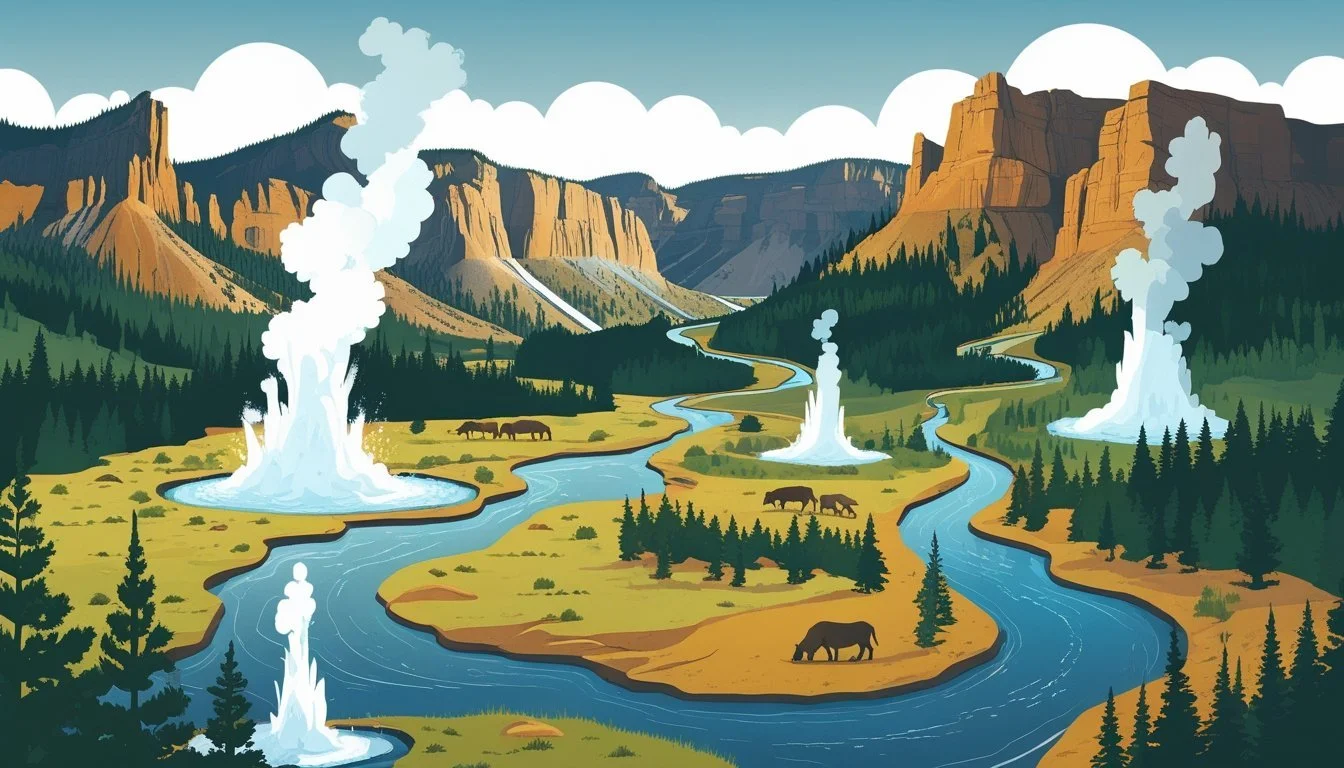
Physical landscapes shape cultural identity and express ideas of heritage and belonging. In national parks and their representations, natural features carry meanings tied to personal, regional, and national stories.
Forests, Fields, and Vegetation
In Yellowstone National Park, forests and meadows symbolize a complex legacy of stewardship and conflict. Trees, especially the region’s lodgepole pines, stand as symbols of endurance across generations. A table below highlights the symbolic associations of each:
Feature Symbolic Meaning Forests Legacy, continuity Fields Opportunity, growth Vegetation Resilience, adaptation
Large fields and grasslands have signaled both economic prosperity, such as cattle grazing, and the tension between agriculture and conservation. Vegetation reflects the park’s diversity and the ongoing struggle to preserve habitats while meeting human needs. The interplay between these features and human activity forms the backdrop for characters reflecting on inheritance, ownership, and responsibility.
Yellowstone, Yosemite, and the Grand Canyon
Different national parks highlight diverse landscape identities. Yellowstone stands apart with broad valleys, geothermal features, and abundant wildlife. Its hot springs and geysers serve as reminders of geologic time and the land’s deep significance for Indigenous peoples.
Yosemite National Park, with its granite cliffs and towering sequoias, conveys a sense of endurance and awe. The Grand Canyon’s layered rock formations communicate both exposure and concealment, echoing the passage of time and layers of identity. In each case, the distinctive geography acts as a visual and symbolic anchor for narratives about who belongs, who decides, and what is worth preserving.
Modern Challenges and the Future of Identity

Land remains central to cultural identity and value debates in the United States. Yellowstone, in particular, reveals tensions among conservation, development, and evolving societal norms that impact both policy and public perception.
National Wildlife Refuge System
The National Wildlife Refuge System plays a significant role in shaping attitudes toward conservation and land use. Established to protect migratory birds and other wildlife, the system reflects a shift from land as commodity to land as a shared resource.
Yellowstone's history influenced these federal conservation models. Protected areas act as living classrooms for concepts like stewardship and intergenerational responsibility. The tension between public access and ecological preservation mirrors broader conflicts in land management throughout the country.
Legal frameworks, such as the National Wildlife Refuge System Improvement Act, mandate wildlife preservation while allowing for recreation and education. This dual mission sometimes causes conflict, exposing questions about who controls land and whose identity is represented in its use.
Environmental Movement and Preservation Today
The environmental movement has shaped public discussion about what natural areas signify for collective identity. Since the late 20th century, advocacy for wilderness protection has gained strength, responding to threats like climate change, species loss, and overdevelopment.
Yellowstone, as a symbol, often appears in discourse about balance between resource use and protection. Current debates focus on how increased visitation, tourism, and economic pressures impact both ecological health and cultural significance.
Organizations use policy, protest, and education to protect places like Yellowstone. The movement also raises difficult questions about who benefits from preservation and how environmental actions reflect changing priorities in American society.
Changing Structures, Progress, and Morality
Modern debates over Yellowstone highlight the intersection of evolving social structures, shifting ideas of progress, and contested views on morality. Ranching, tourism, and development projects challenge traditional land uses while invoking new ethical questions about sustainability and justice.
Media and public policy reflect these conflicts. Storylines about the Dutton family or real-world conservation efforts frequently grapple with how legacy, profit motives, and ecological ethics shape land management decisions.
Progress means different things for different groups. For some, it is economic development and population growth; for others, it is restoration and preservation. These competing visions reveal deep connections between morality, societal change, and the identity rooted in place.
Global Contexts and Comparative Perspectives
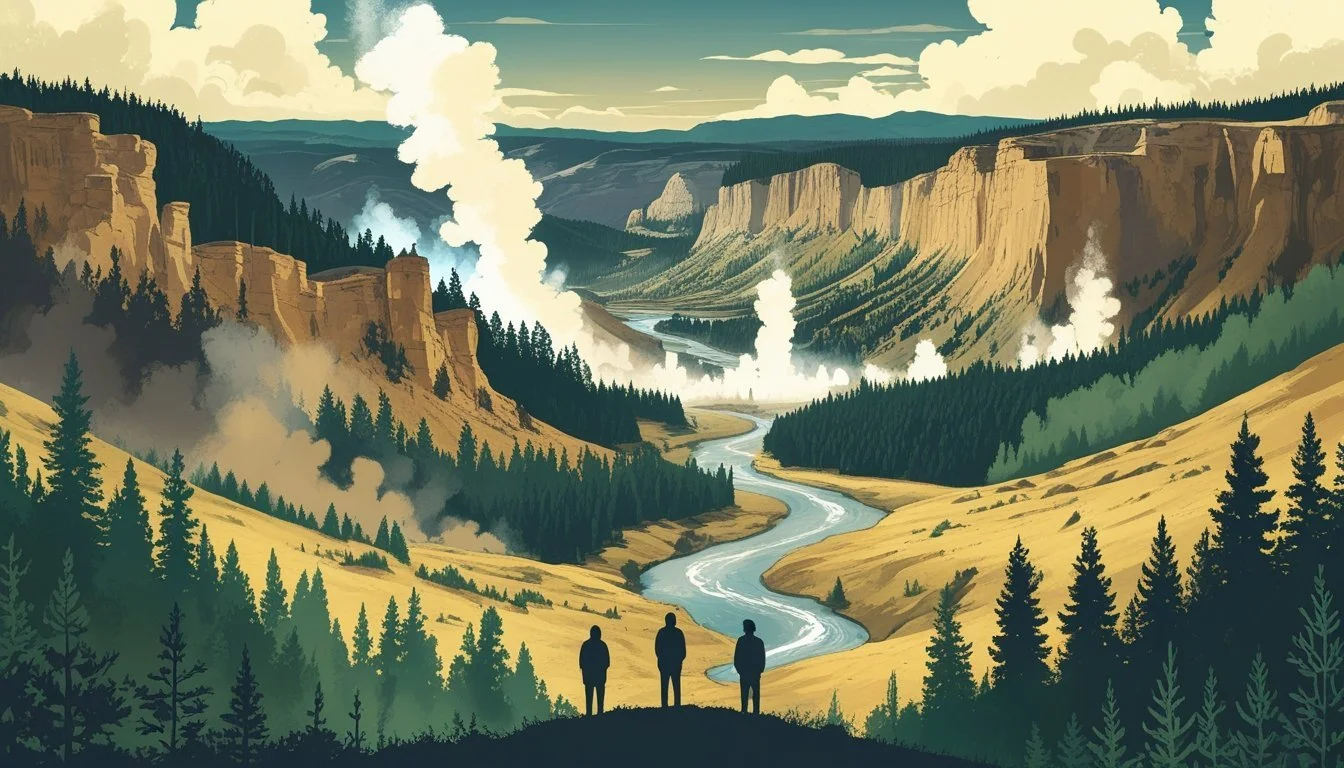
Yellowstone’s metaphor of land shaping identity is not unique to the American West. Comparable relationships between landscape and national character are seen across Europe and other regions, giving the Yellowstone example both historical depth and international relevance.
European Landscapes and Nationalism
European nations have long used iconic landscapes to shape national identities. The Scottish Highlands, for example, became a symbol of romantic bravery and independence during the nineteenth century. In France, the Pyrenees and Alps have served as markers of national boundary and pride.
Many European parks and reserves reflect centuries of cultural interaction with nature. English national parks, like the Lake District, are not just wilderness but living symbols of literary, historic, and pastoral heritage. Governments have used these sites for tourism and to foster civic connection, intertwining natural beauty with national memory.
Key Examples in Europe:
Lake District (UK): Associated with Romantic poets and national nostalgia
Black Forest (Germany): Linked to folklore and national traditions
Vatnajökull National Park (Iceland): Represents rugged independence
These sites are managed in ways that balance conservation with cultural identity, showing both similarities and contrasts with Yellowstone’s approach.
Oregon and Other American Examples
In Oregon, Crater Lake National Park illustrates a different regional identity compared to Yellowstone. Crater Lake’s volcanic landscape is rooted in geological narrative, indigenous history, and a tradition of scientific inquiry.
Elsewhere in the American West, parks like Yosemite and Grand Canyon carry their own symbolic weight. Each park helps define distinct regional identities:
Yosemite: Spiritual inspiration for American conservation (John Muir, early Sierra Club)
Grand Canyon: Vastness and mystery central to Southwestern identity
Olympic National Park (Washington): Biodiversity and coastal culture
American parks are frequently shaped by local histories, indigenous presence, and economic factors such as logging and ranching. The comparison between Yellowstone and other parks underlines diverse ways Americans use land as both a physical and symbolic boundary of belonging.
International Value of National Parks
Globally, Yellowstone has influenced the “national park model,” particularly its emphasis on landscape preservation for public benefit. This model has been adopted and adapted in countries as diverse as Canada, South Africa, and Australia.
International conservationists sometimes view the original “Yellowstone model” as exclusionary due to its displacement of Indigenous groups. In contrast, modern parks in Europe and the Global South often strive to include local populations in management.
Key international values promoted by national parks include:
Biodiversity protection
Cultural heritage preservation
Public access and recreation
The ongoing debate about how to balance protection with community interests continues to inform policies around the world, emphasizing the importance of context when shaping parks and the identities they nurture.
