
Kayce Dutton’s Vision Quests in Yellowstone: Real or Metaphor?
Exploring Spiritual and Narrative Meaning

Kayce Dutton’s vision quest in Yellowstone season 4 stands out as one of the series’ most mysterious storylines, blurring the line between reality and symbolism. Kayce’s visions, shaped by the ritual Hanbleceya and crafted by Taylor Sheridan, serve as both a personal reckoning and a powerful metaphor for the challenges facing his family and the land. These visions are not just supernatural occurrences—they reflect Kayce’s internal struggles, his connections to his ancestors, and his uncertain future.
The dramatic and often haunting experiences he endures during his quest have sparked debate among viewers over whether they are literal spirit encounters or psychological manifestations. Yellowstone uses these moments to deepen Kayce’s character, explore cultural traditions, and build suspense, inviting fans to look for answers beneath the surface.
Kayce Dutton’s Vision Quests: The Defining Moments
Kayce Dutton’s experiences with vision quests shape his journey through Yellowstone season 4. These moments combine history, spirituality, and personal struggle as he seeks meaning and direction in the face of family and tribal challenges.
The Night of Crying for a Vision
Kayce’s vision quest centers on the Native American tradition of "crying for a vision," a rite called Hanbleceya. He spends the night alone on a mountain without food or water, seeking spiritual clarity.
This night triggers powerful hallucinations and visions. Among the most significant is Kayce confronting his trauma from the past, especially memories of war and his complex relationship with his family. The isolation and vulnerability force Kayce to face not just his fears, but his responsibilities as a Dutton, husband, and father.
He receives what appears to be spiritual guidance, but also experiences warnings. The meaning behind the visions is open to interpretation, leaving him with the weight of the choice and the uncertainty of what will come next.
The Role of Hanbleceya Rituals
The Hanbleceya rituals are a central part of Kayce’s journey in Yellowstone season 4. This Lakota Sioux practice involves seeking a vision in solitude and connecting with the spiritual world. Kayce, guided by his wife Monica’s Indigenous heritage, takes the tradition seriously.
He respects the ritual’s strict requirements, refraining from comfort and distractions. Hanbleceya is believed to reveal the seeker’s true path through powerful visions. In Kayce’s case, these visions offer insight into his personal direction and the threats facing his family.
The ritual’s authenticity in the show is notable. Attention to real Lakota customs emphasizes both the gravity and the honesty of Kayce’s search for meaning, bridging his own struggles with broader cultural themes.
Visions of the Owl and Spirit Animals
During his vision quest, Kayce repeatedly encounters spirit animals, with the owl being the most prominent. In many Native American traditions, the owl is a symbol of warning or change, and its presence in Kayce’s visions suggests the arrival of significant consequences.
These spirit animals often appear at moments of crisis. Kayce sees the owl just before he confronts decisions that will deeply affect his family and future. This symbolism adds a layer of urgency and raises questions about what the animals are trying to communicate.
Kayce’s visions are deeply personal yet universal, using spirit animals as messengers to highlight his fears, choices, and the roads ahead. The symbolism stays consistent with Lakota traditions while remaining ambiguous enough to provoke debate among fans.
The Motive: Why Kayce Embarks on a Vision Quest
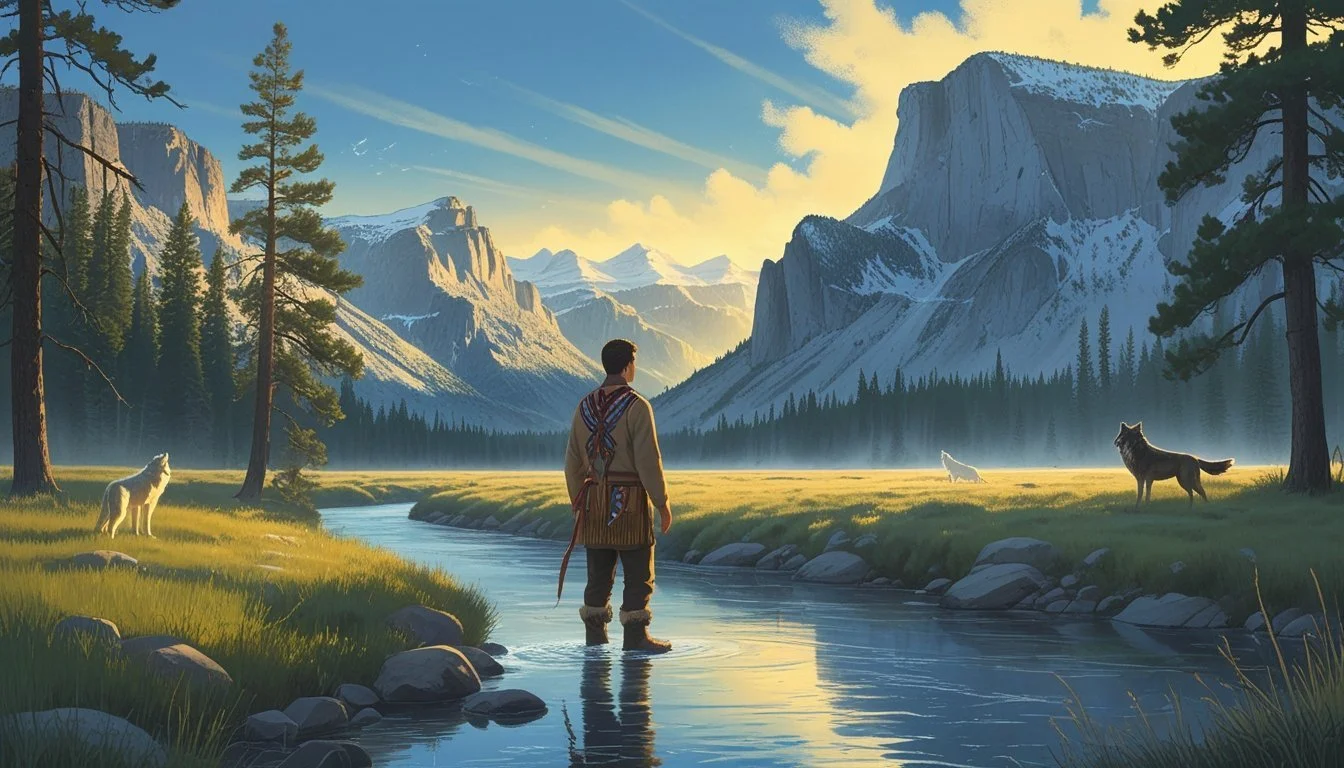
Kayce Dutton's decision to pursue a vision quest is shaped by deeply personal conflicts, mounting emotional trauma, and the urgent need to make a defining choice about his future and family. His experience is intensely emotional, rooted in the pressure that comes from family obligations, a troubled marriage, and haunting memories.
Tension With Monica And Family
Kayce’s relationship with Monica is central to his motivation. Their marriage, often strained by violence, secrets, and the pressures of the Dutton legacy, weighs heavily on both. Monica has frequently voiced her discomfort with the dangers the Dutton family faces, especially with their young son Tate caught in the middle.
Repeated crises—including attacks on the Dutton ranch and Monica’s own trauma—push Kayce to a breaking point. He becomes desperate to provide safety and stability. Kayce’s role as a husband and a father, along with Monica’s pleas for change, drive him to seek guidance outside traditional means. The vision quest serves as an attempt to reconnect with his family and find a way to move forward.
Haunted By Past Deaths And Nightmares
Kayce is haunted by violence and death throughout much of the series. His past as a Navy SEAL and his involvement in the Dutton family’s ongoing conflicts have left deep psychological scars. Nightmares and visions of those he has lost—whether in battle or through family vendettas—plague him.
These experiences often surface in flashbacks and dreams, revealing Kayce’s guilt and internal conflict. The weight of these memories, along with his sense of responsibility for the deaths that surround his family, motivates him to search for answers through the vision quest. He seeks spiritual healing and understanding of how to break the cycle of violence.
Searching for Two Possible Paths
A key element of Kayce’s vision quest is his search for direction. During the ritual, he is presented with the idea of “two possible paths,” reflecting the pivotal choice he must make between his family’s legacy and the well-being of his own wife and children. This decision is not just about land or power but about generational impact and personal values.
Kayce’s visions confront him with images and choices that force him to confront his core identity. He is driven by the need to choose a path that will shape not only his own fate but also that of Monica, Tate, and future generations. The vision quest is an effort to gain clarity about which life to pursue and what sacrifices each route will require.
Exploring Vision Quests: Fact Vs. Fiction
Vision quests, such as those depicted in Yellowstone, draw from authentic Native American ceremonies but are often adapted for dramatic effect. The show's portrayal of Kayce Dutton's journey highlights both the roots and the reinterpretations of these powerful rituals.
Native American Traditions and Hanbleceya
Hanbleceya, which translates as "crying for a vision," is a sacred ceremony practiced by some Lakota people. This ritual is a form of spiritual seeking, involving solitude, fasting, and prayer, with the goal of gaining guidance or personal insight.
It is traditionally conducted under the guidance of a tribal spiritual leader. The ritual’s structure, duration, and meaning are deeply embedded in Lakota culture and vary from tribe to tribe. Participants may spend several days alone in nature, braving the elements to demonstrate commitment and humility before the spirits.
Hanbleceya is not merely a symbolic act. It functions as a rite of passage, a means of healing, or a way to address important life questions. Its authenticity and significance are recognized across a range of Indigenous communities.
Indigenous Rituals in The American West
The American West has a long history of Indigenous spiritual practices beyond Hanbleceya, including sweat lodges, sun dances, and tobacco offerings. Many tribes, including those portrayed through the Broken Rock Reservation on Yellowstone, have their own unique approaches to vision-seeking ceremonies.
These rituals often involve specific symbols, natural landscapes, and communal participation. They reinforce tribal identity and connection to the land. While fasting and isolation are common elements, details differ depending on tribal culture and history.
In the context of Yellowstone, the depiction draws attention to the diversity of Indigenous spirituality but sometimes blends customs from multiple tribes for storytelling purposes. Viewers should be aware that the portrayal may not reflect one particular tribe's practices accurately.
Adaptation for Television
On the Paramount Network series Yellowstone, creator Taylor Sheridan has incorporated vision quests mainly as a narrative device for character growth and foreshadowing. Kayce Dutton's experiences are shaped to fit dramatic needs, showing internal struggle and spiritual awakening.
The show’s writers often simplify or modify rituals like Hanbleceya to make them more accessible to a broad audience. Key elements—such as the use of sweat lodges or spirit animals—are shown in highly visual ways that may not align with traditional protocol.
Although cultural advisors have contributed to the series, the dramatization on screen may differ significantly from real ceremonies. Yellowstone uses vision quests to build its fictional world while borrowing selectively from Indigenous practices rooted in the American West.
Kayce’s Spiritual Journey: Real Meaning or Metaphor?
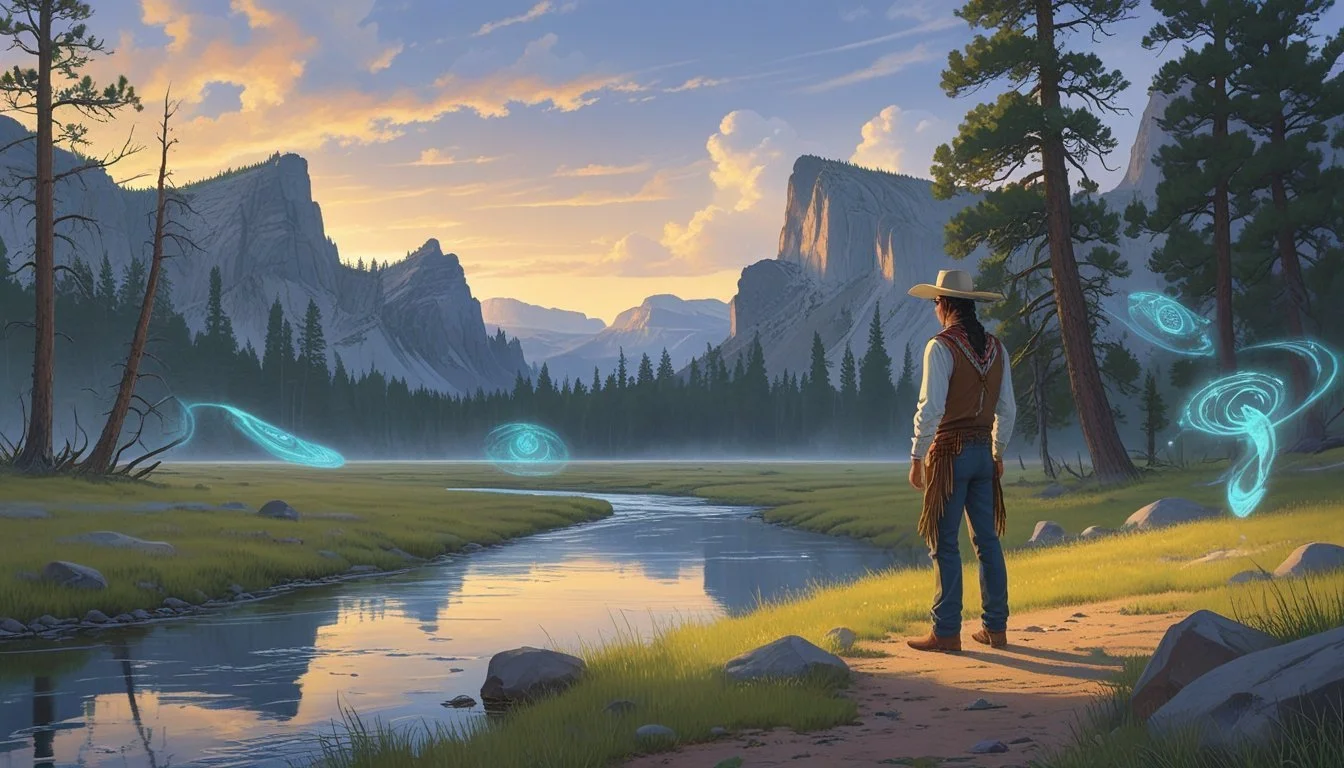
Kayce Dutton’s vision quests in Yellowstone are marked by vivid encounters and symbolic choices. His experiences reveal both personal challenges and deeper themes connected to family, danger, and the spirit world.
Interpreting Symbolism of the Vision
Kayce undertakes a traditional Native American Hanbleceya ritual, translated as "to cry for a vision," signaling a search for meaning and clarity. The visions center on themes of sacrifice, protection, and crossroads.
He sees two distinct paths during the vision quest. This moment often leads viewers to question whether these are real glimpses into a mystical spirit world or metaphors for tough choices he faces as a Dutton.
Kayce’s visions include symbolic animals and figures linked to his past traumas and relationships. Recurring motifs, such as wolves and moments of danger, highlight the internal struggle between violence and peace. The two paths shown may represent the fate of the Yellowstone Ranch and his family—survival or loss.
Dichotomy of Spiritual and Literal Journeys
Kayce’s journey incorporates both spiritual and literal elements. The rituals and visions are grounded in Lakota spiritual tradition, blurring the line between real and metaphoric experience. For Kayce, the vision quest is not just a mystical episode, but a confrontation with the consequences of his choices.
While some viewers interpret the visions as supernatural, others see them as metaphorical depictions of psychological conflict. The spirit world elements can be read as reflections of his fear for his family’s safety and his own identity.
This dual interpretation—literal connection to the spirit world and metaphor for personal struggle—raises ongoing questions about danger, legacy, and what it truly means to choose between “two paths” as the future of the Duttons hangs in balance.
Impact on the Dutton Family Legacy
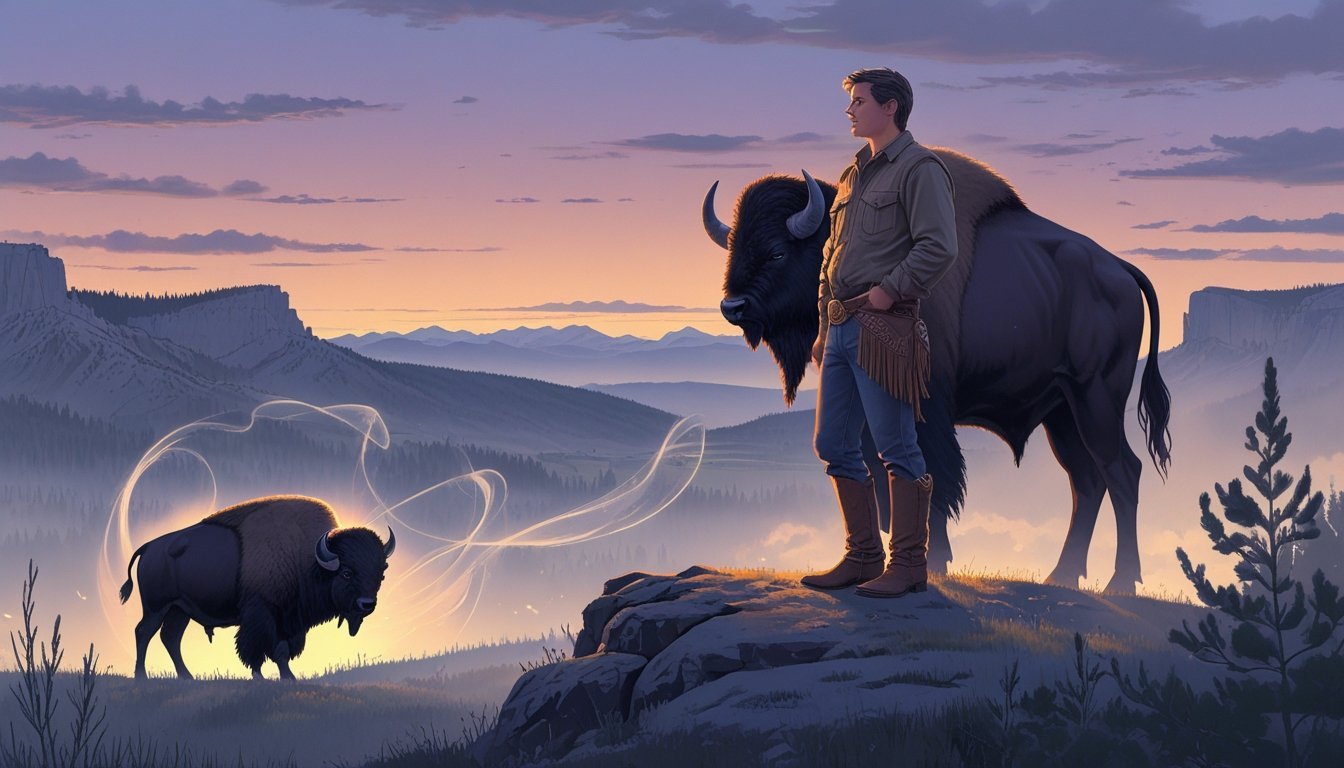
Kayce Dutton's vision quests bring longstanding family issues to the surface. These visions do not just affect him, but ripple across the Dutton family and the Yellowstone Ranch, challenging existing loyalties and threatening established power dynamics.
Effects on John Dutton and Sibling Rivalry
John Dutton’s role as family patriarch comes into sharper focus after Kayce’s visions. Kayce’s search for meaning and direction raises questions about leadership succession, trust, and the cost of maintaining the Dutton empire. The visions force John to confront not only his own legacy but also how his children—particularly Kayce, Beth, and Jamie—fit into the future of the ranch.
Sibling rivalry intensifies as Kayce’s spiritual journey exposes fractures in the family’s unity. While Beth continues to act as John’s enforcer and Jamie battles for acceptance, Kayce’s newly gained insights shift the balance of power. The competition for the Yellowstone brand and the responsibilities of the Dutton name grow more complicated as Kayce wrestles with the implications of what he’s seen.
Consequences for the Dutton Ranch
Kayce’s visions cast uncertainty on the future of the Yellowstone Ranch. His spiritual awakening challenges long-standing traditions, making some family members wary of his evolving values. As Kayce grapples with what path to choose, decisions about ranch operations and the continuation of the Dutton legacy become increasingly complex.
The Dutton Ranch faces pressure not just from outside threats, but from shifting attitudes within the family itself. The visions raise possibilities of change—whether in land stewardship, leadership roles, or the very identity of the ranch. These uncertainties leave the Duttons at a crossroads, where every choice impacts both the land and their legacy.
Relationships Tested: Monica, Tate, and Beyond
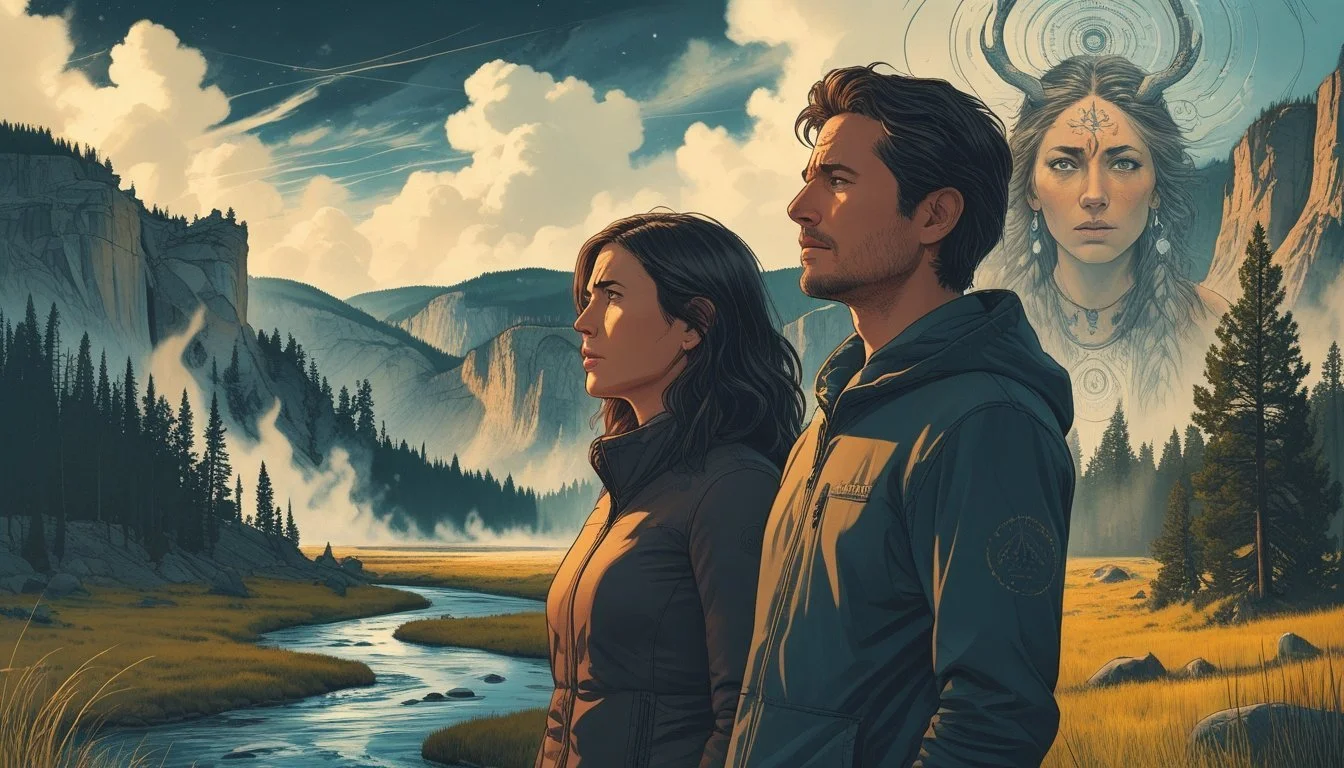
Kayce Dutton’s vision quests bring difficult truths to the surface, straining his closest relationships. Each challenge forces Kayce, Monica, and Tate to reconsider where their loyalties and futures truly lie.
Kayce and Monica After the Vision
Kayce’s vision quest represents a pivotal moment for his relationship with Monica. In his visions, Monica often symbolizes a choice: either maintaining ties to the Dutton legacy or forging a different path. This spiritual journey does not just reaffirm Kayce’s feelings but also magnifies the gaps between him and Monica.
Monica’s deep understanding of Native traditions helps her support Kayce, though their shared trauma is never far from the surface. With each vision, Kayce’s emotional distance sometimes increases, creating moments of tension and reflection. Their bond, while resilient, is continuously tested by these spiritual revelations.
Outside pressures—including the Dutton family conflicts—add layers of stress, making it harder for Kayce and Monica to find peace. Their relationship must constantly adapt as each vision forces Kayce to question his sense of belonging.
Tate’s Role and Family Dynamics
Tate, the couple’s son, is frequently pulled into the fallout of Kayce’s choices. The dangers surrounding the Dutton family leave Tate exposed to loss and fear. At times, Monica and Kayce consider distancing themselves from the ranch to protect Tate’s well-being.
This constant tension affects family routines and emotional stability. Tate’s safety and future become central concerns that sometimes override his parents’ individual desires. Their approach to parenting shifts as they navigate threats, trauma, and the influence of both Dutton and Native heritage.
Experiences like moving temporarily to the Yellowstone ranch or dealing with direct attacks contribute to Tate’s rapid maturation. Monica’s priority remains her child’s safety, and Kayce’s visions force him to wrestle with his responsibilities as a parent.
Infidelity and Trust Issues
Trust between Kayce and Monica is repeatedly tested, particularly in the context of infidelity. Past actions have led to periods of separation and deep uncertainty. Conflicting loyalties—toward family, tradition, and personal desires—contribute to ongoing mistrust.
While neither character is consistently unfaithful, the threat of emotional or physical infidelity creates wounds that take time to heal. Recovery requires both to confront their fears head-on and recommit to honesty. Monica’s reactions are shaped by previous betrayals, making direct communication essential.
The process of rebuilding trust runs parallel to the impact of Kayce’s visions. These spiritual experiences often force hidden issues into the open, demanding renewed transparency and vulnerability from both.
Supporting Characters and Their Influence
Kayce Dutton’s visions are deeply shaped by the relationships and alliances formed across his journey. The influence of leaders, family, and recurring figures introduces complexity to both the symbolism and the real-life challenges Kayce faces.
Thomas Rainwater and the Reservation
Thomas Rainwater, chairman of the Broken Rock Reservation, plays a crucial role in Kayce’s broader spiritual and cultural world. Rainwater’s own connection to heritage and tradition often mirrors the questions Kayce faces about identity and belonging.
He encourages Kayce’s participation in rituals, such as the Hanbleceya (vision quest), which becomes a turning point for Kayce’s internal conflict. Rainwater, portrayed by Gil Birmingham, serves not only as a political rival but also as a spiritual guide who respects the power of visions and their potential consequences for Kayce and the Yellowstone Ranch.
By understanding Rainwater’s perspective, Kayce learns to view his visions both as personal journeys and as symbols for larger struggles faced by Native people and the Duttons alike. This connection grounds the vision quests in authentic tradition rather than just metaphor.
Avery, Beth Dutton, and Jamie Dutton
Avery stands out as one of Kayce’s earliest allies after he returns to the ranch. Her straightforward honesty and empathy make her a trusted confidante as Kayce tries to process the meaning of his visions.
Beth Dutton, Kayce’s sister and a central figure in the family, challenges Kayce’s motives and personal choices. Her intensity draws out Kayce’s doubts and loyalty, often forcing him to confront uncomfortable truths about his responsibilities.
Jamie Dutton, as both an adoptive brother and a family adversary, adds another layer. Jamie’s decisions create new obstacles or shifting loyalties that frequently influence Kayce’s mental state and the direction of his vision-inspired choices. The often-fractured relationships between these characters shape what Kayce sees as possible or necessary outcomes from his visions.
Recurring Appearances: Kelly Reilly and Ryan Bingham
Kelly Reilly’s portrayal of Beth Dutton is a consistent force in shaping Kayce’s emotional journey. Her presence serves as both a challenge and a source of fierce support, pushing Kayce to reconcile his visions with the real-world threats facing the Dutton family.
Ryan Bingham, appearing as Walker, brings a perspective shaped by music, outlier status, and a checkered past. His moments with Kayce provide grounding, as Walker’s insights into struggle and redemption echo themes Kayce encounters during and after his vision quest.
Both actors, through repeated appearances, anchor the series’ exploration of loyalty, consequence, and self-knowledge in the aftermath of supernatural or psychological experiences. These influences frame Kayce’s visions not as isolated events but as parts of an ongoing conversation shaped by those around him.
Yellowstone’s Approach: Production, Authenticity, and Cultural Impact
The series grounds its spiritual storylines in carefully crafted settings and producer choices. Every aspect, from character experience to location, is designed to enhance realism while respecting the mythos of the American West.
Taylor Sheridan’s Creative Decisions
Taylor Sheridan, the creator of Yellowstone, has made deliberate choices to blend gritty realism with spiritual undertones. By drawing from real-life rituals and incorporating Native American perspectives, he offers viewers an immersive look into Kayce Dutton’s vision quests, especially in season 4.
Sheridan’s scripts balance dramatic tension with moments of introspection. He works closely with cast members like Luke Grimes (Kayce), Kelsey Asbille (Monica), and Kevin Costner (John Dutton) to ensure every scene supports character development. Paramount Network allows Sheridan creative freedom, backing his vision for authentic and meaningful storytelling.
Sheridan often consults with cultural advisors to present ceremony scenes with accuracy. While visions may symbolize inner conflict, the show’s visuals and dialogue leave space for audiences to question if Kayce’s experiences are metaphors or genuine supernatural events.
Montana Setting and Dutton Ranch Atmosphere
Filmed on location in Montana, Yellowstone uses sweeping landscapes to create a tangible sense of place. The Dutton Ranch itself—central in both seasons 4 and 5—serves as a physical anchor for the narrative’s themes of legacy, family, and survival.
The production team leverages Montana’s natural scenery to intensify the atmosphere during key vision sequences. Scenes are shot using natural lighting and minimal staging to emphasize authenticity and immersion.
Cast and crew spend extended periods on the ranch, fostering a lived-in dynamic that resonates on screen. This commitment to setting, environment, and traditional ranch life helps reinforce the emotional and symbolic impact of Kayce’s transformative experiences.
Kayce Dutton: Trauma, Past, and Future
Kayce Dutton’s visions are deeply influenced by his traumatic past and his ongoing struggle to forge a new path for his family. His military experience and haunting memories play a fundamental role in shaping both his present decisions and the possible futures foreshadowed in Yellowstone.
Flashbacks and Kayce’s Military Service
Kayce Dutton’s time as a Navy SEAL is central to understanding his trauma. He is frequently shown haunted by memories of violence, loss, and the complicated morality of combat, especially in scenes throughout the series’ early seasons.
Flashbacks to his service often highlight moments of intense stress or guilt, shaping how Kayce reacts to threats against his family on the Yellowstone ranch. These moments underscore his struggle to adapt from military life to ranch life and the psychological toll it has taken.
Season 4 brings Kayce’s past into sharper focus during his vision quest. The ritual forces him to confront both external enemies and his internal struggles. Scenes connecting past combat with current fears reveal why he struggles with trust and responsibility.
Predictions for Kayce in Upcoming Seasons
As Yellowstone enters season 5, viewers see that Kayce’s visions and experiences have set him on a path rich with uncertainty. The vision quest in season 4, particularly the choice between two diverging paths, signals major turning points for his character’s future.
Kayce’s relationship with Monica and the well-being of their son Tate become core concerns as his personal conflicts intensify. His visions seem to foreshadow pivotal decisions that may affect not only his family’s safety but also the fate of the Dutton ranch itself.
Many fans speculate he faces a crossroads typical of the classic Western hero—torn between violent loyalty to his lineage and a desire for peace. The weight of Kayce’s past as a Navy SEAL and his inability to fully escape trauma will likely continue to drive his actions and challenges in season 5.
