
The Most Powerful Monologue Ever Delivered in Yellowstone
Analyzing Its Impact and Legacy
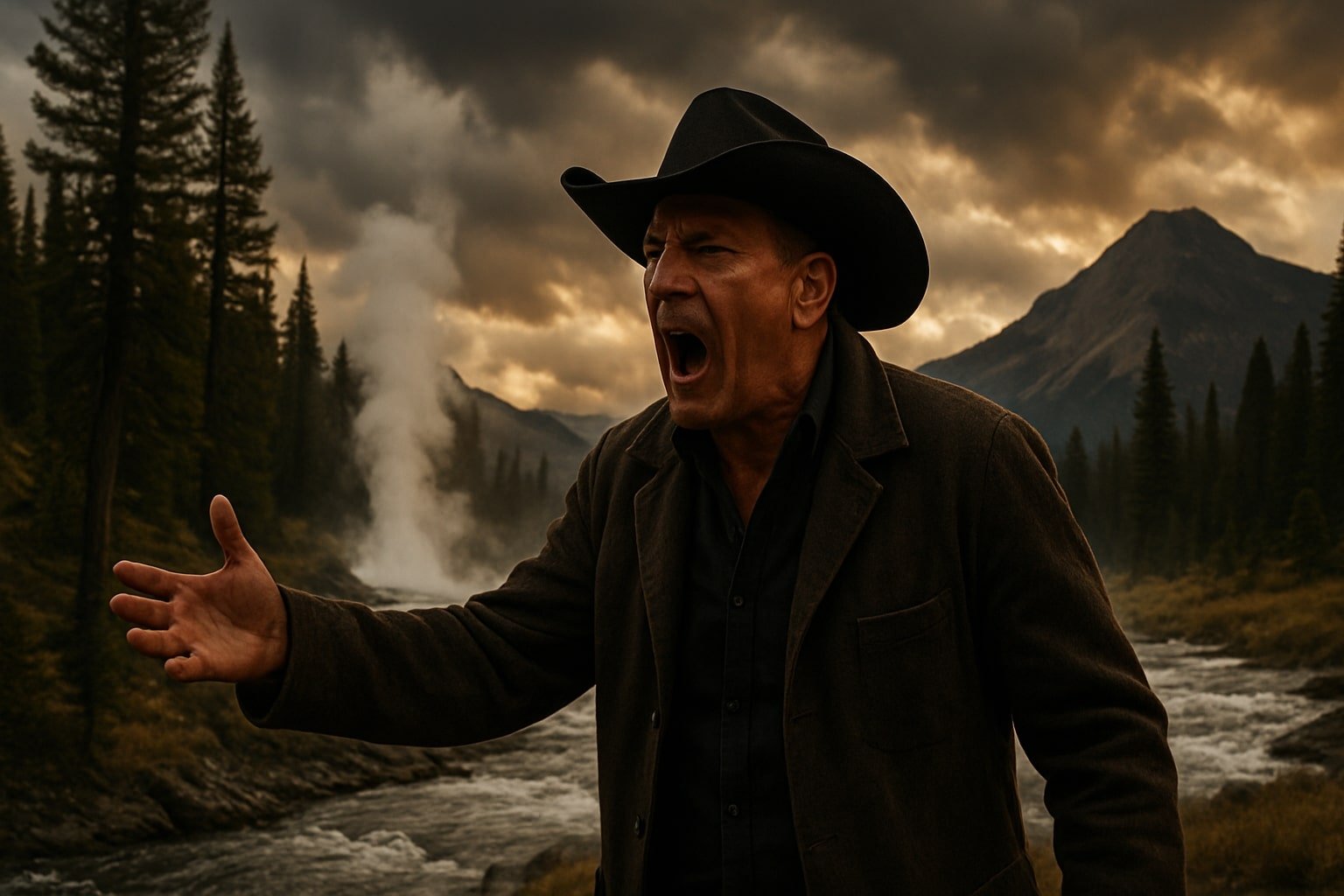
Yellowstone has become known for its intense drama and powerful dialogue, but a few rare moments stand out for their emotional impact. The most powerful monologue ever delivered in Yellowstone comes from John Dutton, who articulates the fierce loyalty, responsibility, and pain tied to defending his land and legacy. This defining speech directly reflects the show's core themes of family, loyalty, and the cost of holding onto tradition.
Viewers are drawn in by the raw honesty of John’s words, capturing the complexity of the choices he faces as the patriarch fighting for his family's ranch. Scenes like this set Yellowstone apart, turning it into a showcase for unforgettable performances.
Fans and newcomers alike will find themselves reflecting on this pivotal monologue—one that lays bare what drives the Duttons and elevates Yellowstone beyond a typical TV drama.
Understanding the Power of Monologues in Yellowstone
Monologues in Yellowstone stand out for their raw delivery and meaningful content, helping to shape both the plot and understanding of the show's central themes. These speeches often highlight the tension, loyalty, and inner conflicts within the Dutton family and other core characters.
Significance in Television Storytelling
Monologues serve as a vital tool in television drama, and Yellowstone uses them to bring depth to narrative arcs and establish tone. Through these speeches, viewers gain insight into personal and family stakes, enhancing the realism of ranch life in Montana.
Yellowstone quotes have become part of popular conversation, with lines from John Dutton and Beth Dutton cited widely. These moments of dialogue stand out amid the action, providing a pause that lets characters express their worldview directly. The show's writers use monologues to reveal the stakes in land disputes, generational struggles, and personal dilemmas.
Monologues help Yellowstone stand apart from other Western dramas by blending poetic imagery with gritty realism. The choice of language and pacing ensures these moments feel impactful without being forced.
Emotional Impact on Viewers
The emotional weight of monologues in Yellowstone is one reason for the show’s resonance. As characters voice private convictions and vulnerabilities, viewers connect with their struggles, frustrations, and loyalties.
Scenes like John Dutton defending the legacy of his land, or Beth Dutton confronting her grief, provide intense emotional experiences. These speeches often become some of the show's most memorable quotes, shared by fans and referenced beyond the series.
Not every viewer comes from a ranching background, yet the themes of family, survival, and sacrifice carry universal meaning. The monologues act as bridges, inviting viewers to engage with complex emotions in a way that feels genuine and direct.
Role in Character Development
Well-crafted monologues reveal the inner worlds of Yellowstone's characters, deepening the audience’s understanding of each person’s motives and values. By hearing a character’s unfiltered perspective, viewers can trace how choices are shaped by past trauma, ambition, or moral code.
For John Dutton, speeches about land and family anchor his position as both a patriarch and a protector. Beth Dutton’s monologues often combine vulnerability and defiance, exposing the pain beneath her fierce loyalty. Even secondary characters are offered moments of introspection, allowing their stories to resonate.
Character growth is tied directly to these moments of honesty. As individual quotes accumulate, they create a layered portrait of Montana's ranching world and its complex dynamics. The drama’s reliance on monologue ensures that viewers are never simply told about transformation—they witness it firsthand.
Spotlight on the Most Powerful Monologue Ever Delivered in Yellowstone
The most powerful monologue in Yellowstone stands out for its emotional weight, its exploration of the Dutton family's legacy, and its commentary on the changing American West. Delivered by John Dutton, played by Kevin Costner, the speech reflects the tension at the heart of the Paramount Network drama.
Context Within the Series
The monologue takes place during a pivotal moment when John Dutton addresses his children about the future of the Yellowstone ranch and their responsibilities. The scene occurs after a significant threat to the Dutton empire, underscoring the stakes facing the family.
Kevin Costner's delivery is measured and intense. The camera work focuses on the reactions of each character present, highlighting the generational rifts and shared burdens within the family.
This moment signals a turning point in the narrative. John’s speech marks the culmination of ongoing conflicts, reinforcing the personal and cultural cost tied to preserving their land.
Key Themes and Symbolism
The speech explores themes of loyalty, sacrifice, and the inevitable change threatening the Yellowstone ranch. John Dutton’s words link personal loss to the wider erosion of the American frontier.
Symbolism plays a vital role throughout the monologue. The ranch itself is portrayed as both a sanctuary and a battleground. John’s references to the “weight of the land” connect individual struggles to broader historical forces.
The monologue parallels the decline of family dynasties and traditional ways of life. Costner’s character warns of encroaching powers—corporate interests, political shifts, and generational change—that threaten the core identity of both his family and their empire.
Reception Among Fans and Critics
Fans frequently cite this scene as one of Kevin Costner's standout moments on the Paramount Network series. Online forums and reviews highlight its authenticity and emotional impact, leading to widespread discussion about Costner’s performance and the writing.
Critics have praised the monologue's writing for balancing personal storytelling with the larger narrative of the Duttons’ struggle. Many note the way it encapsulates the central dilemma of the drama: maintaining the legacy of the ranch at all costs.
This speech is often referenced in year-end lists and social media discussions about Yellowstone’s most memorable moments. It is consistently examined as a benchmark for the show's portrayal of power and heritage.
The Iconic Speaker: John Dutton
John Dutton stands at the center of the Yellowstone universe, leading both his family and their immense cattle ranch through conflict and change. His commanding presence and formidable leadership have become synonymous with the strength and struggles of the Dutton family legacy.
Background of the Character
John Dutton is the patriarch of the Dutton family and owner of the Yellowstone Dutton Ranch, one of the largest contiguous cattle ranches in the United States. He is known for his unwavering commitment to his land and his relentless defense of his family’s interests.
A key figure throughout every season—including season 5—John’s decisions often place him at odds with powerful enemies, from land developers to political rivals. He is a man shaped by loyalty, loss, and a sense of duty passed down through generations.
His approach to conflict is firm but strategic. John Dutton’s legacy is defined not just by business acumen, but by the emotional weight of preserving family and heritage. The ranch’s survival mirrors his own, with every challenge serving as another test of his resolve.
Kevin Costner's Portrayal
Kevin Costner plays John Dutton with a combination of stoicism, vulnerability, and authority. His performance helps ground the series, giving the character dimensionality that resonates with viewers and critics alike.
Costner’s nuanced delivery, especially in heightened moments and monologues, allows John’s internal struggles to surface without diminishing his strength. The subtle shifts in expression and tone give authenticity to the character’s battles—both external and personal.
Viewers see the toll leadership exacts on John, particularly in season 5, where the responsibilities of family, ranch administration, and political power intertwine. Costner's established career in Western roles adds an extra layer of credibility, making John Dutton’s character compelling and believable in each dramatic turn.
Analyzing the Monologue’s Influence
The most powerful monologue in Yellowstone sets the tone for evolving relationships and fuels conflict across both internal and external fronts. It delivers a message that reverberates through the Dutton family while signaling clear intent to their adversaries.
Impact on Family Dynamics
John Dutton’s speech not only reinforces his authority but also lays bare the underlying fractures within the family. His words often address loyalty and the weight of protecting legacy, prompting reactions from Beth, Jamie, and the rest of the Duttons.
Beth’s response tends to be fiercely protective of her father, solidifying her role as his confidant. Jamie, on the other hand, frequently feels alienated by the stern message, intensifying his internal conflicts and rivalry with Beth.
Rip Wheeler’s role is cemented further in these moments, as the monologue clarifies his place in the family structure and loyalty hierarchy. The speech becomes a measuring stick, highlighting who stands firmly with John and who harbors doubts. These subtle shifts shape coming decisions and plotlines, directly impacting family unity.
Effect on Yellowstone’s Enemies
The monologue signals an unyielding stance to outside forces like Market Equities and rivals seeking control of the Dutton land. John’s assertion serves as an open warning that any encroachment will be met with direct, strategic resistance.
Market Equities, in particular, recalibrates its approach after these declarations, recognizing heightened risk in aggressive maneuvers. Enemies understand that no negotiation or compromise will come easily.
This deterrent effect is not empty rhetoric. By drawing a clear boundary, the Duttons force adversaries to rethink both legal and extralegal strategies. Tensions escalate as the speech draws new lines in the sand, leaving the ranch’s enemies on uncertain ground regarding their next move.
Legacy Across Yellowstone Seasons
The impact of Yellowstone’s most powerful monologue extends far beyond a single scene, shaping both the main series and its related universes. These words influence character dynamics, audience perceptions, and the storytelling approach across multiple seasons and spin-offs.
Comparisons With Other Memorable Moments
Yellowstone is filled with standout speeches, but certain monologues hold a unique place due to their emotional weight and narrative significance. For example, John Dutton's declaration—“This land is my legacy. It's all I've got to leave behind, and I won't let it be taken.”—echoes strongly in seasons 2 and 5, reinforcing the family's fierce attachment to their ranch.
Beth Dutton’s searing confrontations become famous for their directness and intensity, often influencing events across multiple episodes. Monologues from characters like Walker and Lloyd shift the focus from personal vendettas to broader themes like loyalty and justice within the bunkhouse.
When compared side by side:
Character Season Focus Impact John Dutton 2, 5 Legacy, Land Sets overall tone Beth Dutton All Family, Revenge Drives conflict Walker 2, 3 Justice, Outsider’s View Challenges loyalty Lloyd 4 Brotherhood, Regret Humanizes the crew
These moments rely on concise yet powerful delivery, further amplified by their placement in the story.
Influence on Spin-offs and Franchise
Powerful monologues from Yellowstone have shaped the tone and storytelling in Paramount’s expanding franchise, including series like 1923 and 1883. The focus on themes of legacy and resilience is evident, especially as characters in spin-offs also debate family, land, and survival.
Dialogues in spin-offs often mirror the complexity and emotion of the original. For instance, 1923 features speeches that offer both callbacks and contrasts to John Dutton’s viewpoints, drawing clear connections across generations. These monologues deepen the franchise, making its world richer.
Writers use these pivotal speeches as templates, allowing spinoff characters to express similar struggles and values. As a result, new viewers discover recurring motifs tied tightly to the original series, keeping Yellowstone’s legacy front and center.
Character Reactions and Lasting Effects
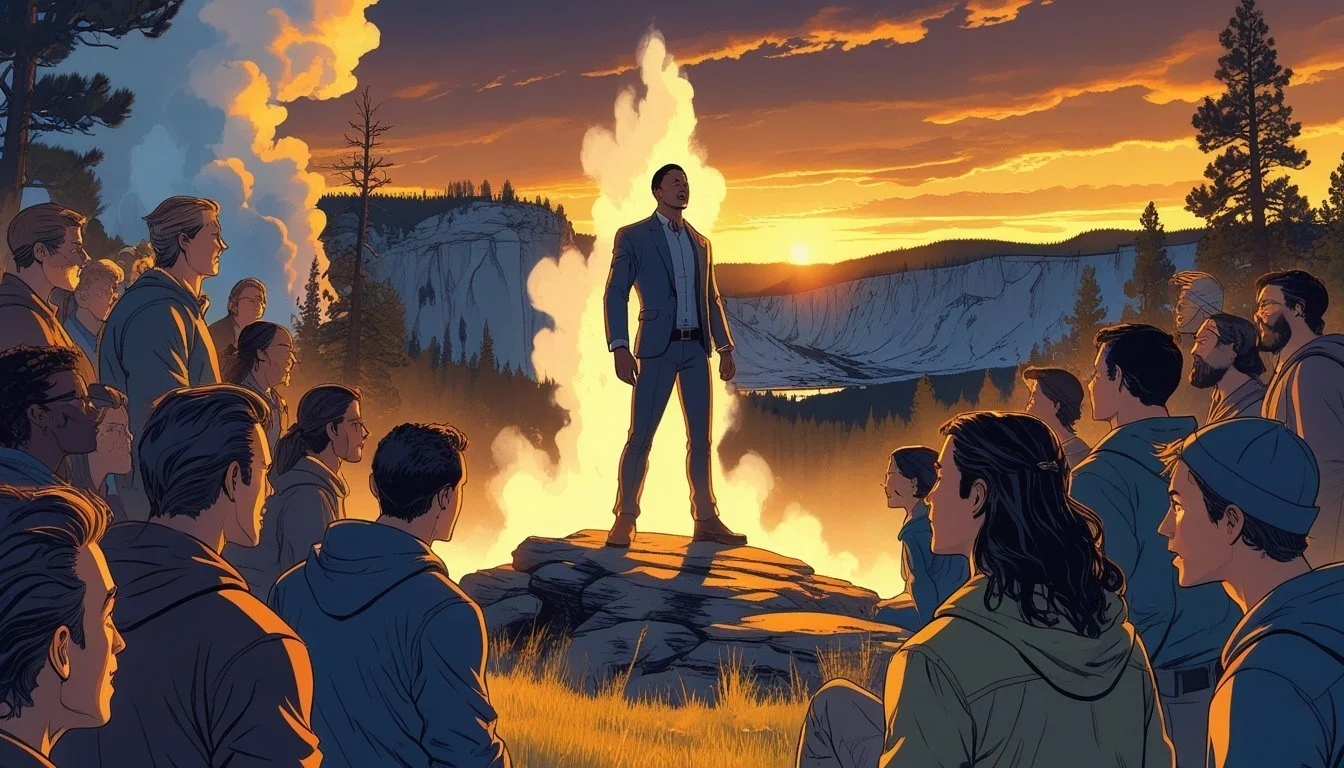
The impact of Yellowstone’s most powerful monologue echoes in the actions and decisions of the Dutton family and those close to them. Their interpretations reveal fractures, loyalties, and lingering consequences that shape both personal relationships and the fate of the ranch.
Beth Dutton’s Response
Beth Dutton reacts to powerful words with an intensity that matches her reputation. The monologue’s raw honesty strikes a nerve with her, amplifying her existing sense of both vulnerability and defiance. She is known for fierce loyalty to the family, and the speech compels her to double down on her protective instincts.
Beth’s relationships become more volatile as she pushes others away to shelter those she loves. Emotional admissions from the monologue seem to fuel her confrontations with Jamie, while simultaneously deepening her bond with Rip Wheeler. Beth’s internal conflict is heightened, laying the groundwork for calculated moves and emotional outbursts across subsequent episodes.
Her ability to weaponize words becomes more pronounced, using language much like the monologue itself—direct, piercing, and deeply personal. For Beth, the aftermath means living with new emotional scars but also finding new sources of strength.
Jamie Dutton’s Perspective
Jamie Dutton often grapples with his need for acceptance within the family, and the monologue hits him in a particularly sensitive spot. He interprets the words as both an accusation and a challenge, further isolating him from Beth and their father, John.
The aftermath exposes Jamie’s deep insecurities, prompting him to retreat into legal maneuvering and calculated self-preservation. Instead of reconciliation, the speech deepens his alienation and resentment. Jamie’s professional actions around the ranch and within the political sphere are informed by his need to prove himself—sometimes in opposition to his own blood.
Emotionally, Jamie is left with the burden of living up to expectations he feels are unattainable. His reactions hint at future betrayals and critical decisions that will test the Dutton family’s unity.
Rip Wheeler’s Loyalty
Rip Wheeler absorbs the weight of the monologue in silence, letting his actions speak. Loyalty remains his defining trait, and the message reinforces his unwavering commitment to John Dutton and the family’s survival.
He becomes a stabilizing force amid the turmoil sparked by the speech. As Beth’s anchor, Rip supports her unconditionally, even as she spirals. The steadfastness he displays becomes a crucial counterbalance to the volatility around him, especially as tensions flare between Beth and Jamie.
Rip’s approach to Tate and Monica is measured, guided by the conviction that family means protection at any cost. Decisions he makes in the wake of the monologue often reflect a blend of tradition, responsibility, and his personal code—further cementing his role as both protector and enforcer on the ranch.
Themes of Conflict and Resolution
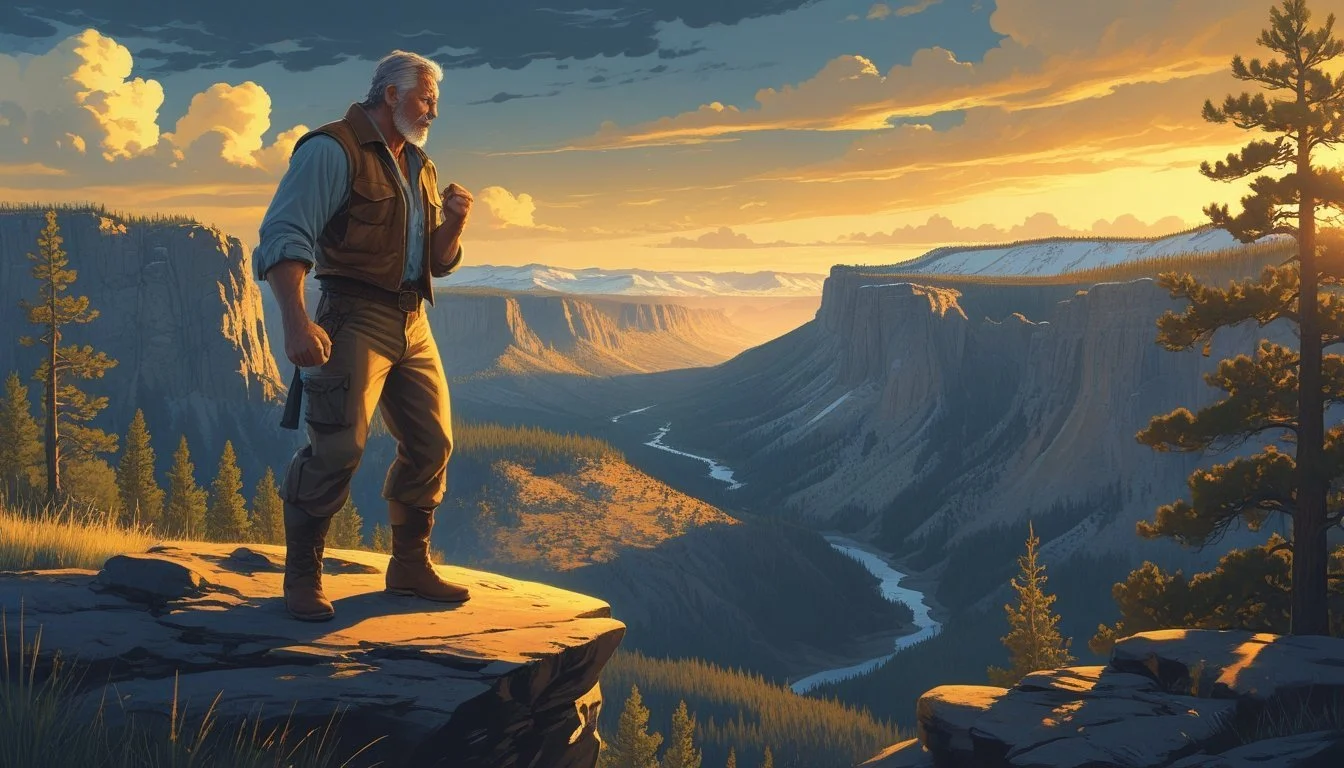
Yellowstone’s most powerful monologues explore not only the inevitable struggles of land and power but also the survival strategies passed down through the Dutton family. These speeches highlight how direct confrontations and generational wisdom shape both personal and communal resilience.
Navigating War and Empire
Conflict on Yellowstone often revolves around the concept of war, both in the literal sense and as a metaphor for personal and territorial struggles. John Dutton, for example, sees his stewardship of the ranch as a battle against encroaching forces—be they developers, government, or changing times. This notion frames his monologues as declarations in an ongoing war to preserve his family's legacy.
Empire, in the show's context, refers to the Duttons' land and influence. Monologues addressing empire underscore the tension between tradition and modernization. John’s words often reveal a measured understanding that empire cannot be maintained by force alone—it requires adaptation and, sometimes, uneasy alliances.
Symbolism surfaces through details like the broken wagon wheel, reminding characters and viewers how small setbacks threaten to upend an entire legacy. Every conflict—whether a dispute over grazing rights or a broader cultural clash—becomes a battle to keep the “empire” intact in the face of literal and figurative tornados.
Advice Passed Through Generations
Advice from one Dutton generation to the next forms the backbone of resilience in Yellowstone. Monologues convey these lessons not as lofty ideals but as practical tools for survival. Such wisdom often emerges during moments of vulnerability, highlighting the importance of preparation and endurance when faced with adversity.
For instance, recurring references to unpredictable disasters—a sudden tornado or a wheel breaking on a wagon—serve as metaphors for the hardships that threaten the family’s future. Family elders remind younger members that survival depends on learning from the past and staying vigilant rather than waiting for problems to solve themselves.
Key advice shared includes:
Anticipate the storm before it arrives.
Repair what is broken before it becomes a crisis.
Trust in tradition, but adapt when necessary.
Through these detailed exchanges, Yellowstone’s monologues connect personal struggle to the larger cycle of generational conflict and resolution. The focus remains on practical, hard-earned guidance—never on empty platitudes.
Cultural and Geographic Influences
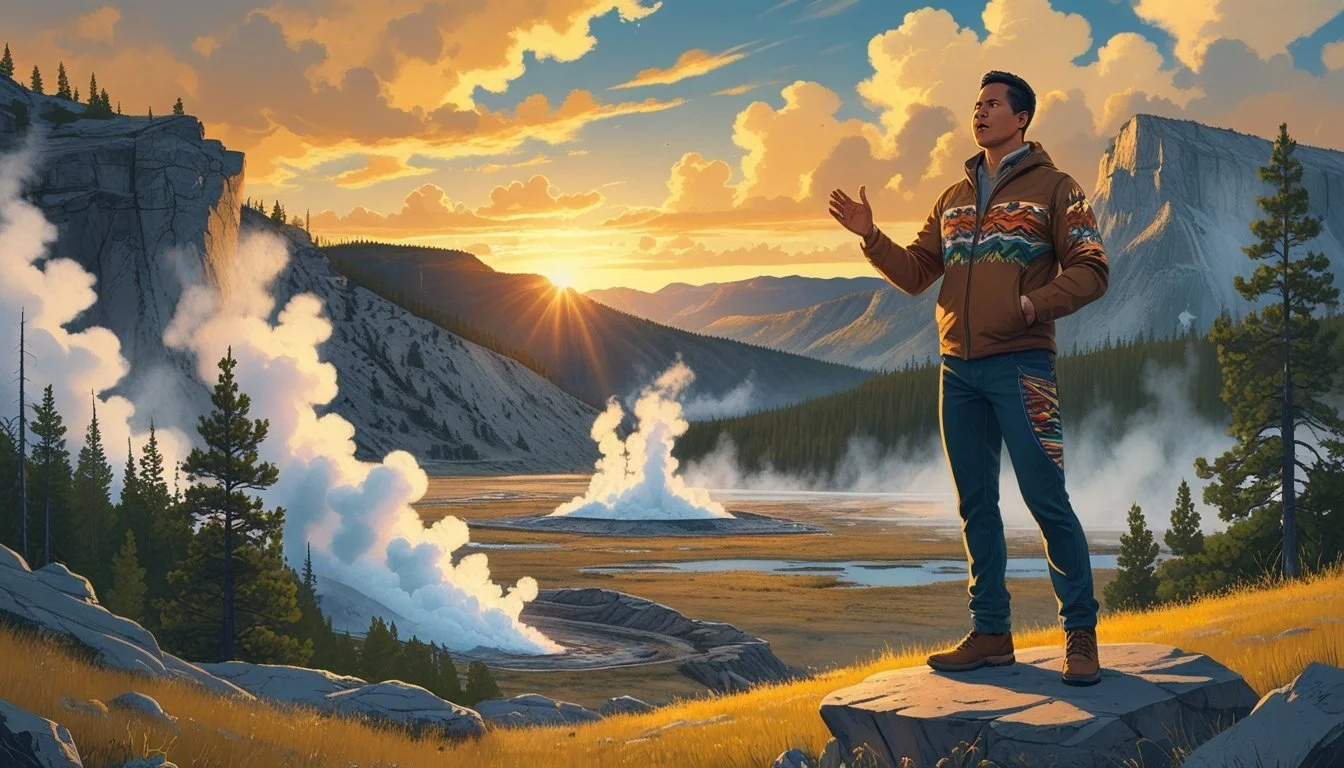
Yellowstone’s most powerful monologue draws on specific aspects of its setting and symbols to ground its message. The location and chosen imagery reinforce the weight of the words and the character’s intent.
Montana as a Backdrop
The state of Montana, where Yellowstone is set, provides more than just scenery. Its wide plains, rugged mountains, and unpredictable climate shape the lives and values of every character.
Montana’s vastness is a visual reminder of both isolation and freedom. For John Dutton and his family, the land represents legacy and responsibility. The way he speaks—direct, practical, yet fiercely proud—is informed by this environment.
Weathered barns, open range, and snow-capped peaks form a natural stage for the show’s pivotal moments. The monologue’s language frequently reflects the harsh beauty and unforgiving reality of this landscape, echoing the challenges faced by those who live there.
Symbolic Elements: Rock and Rattlesnake
Certain images, like the rock and the rattlesnake, are used to deepen the monologue’s impact. These symbols provide clear messages rooted in both nature and character motivation.
A rock in this context often stands for permanence and resilience. The speaker may reference it to underline toughness, dependability, and the idea of being unmovable despite pressure. This echoes the family’s resolve to hold onto their land.
The rattlesnake, by contrast, signals danger, caution, and respect for the wild. Its sudden strike can symbolize unpredictable threats—whether from nature or human enemies. When invoked in the monologue, the rattlesnake serves as a warning and a reminder that survival in Montana demands vigilance as much as strength.
Symbol Meaning Rock Stability, resilience, unyielding will Rattlesnake Caution, danger, sudden threat
Memorable Yellowstone Quotes Inspired by the Monologue
Monologues in Yellowstone, especially those delivered by John Dutton, have produced some of the most discussed and quoted lines in the series. These statements often resonate with viewers, reflecting themes of loyalty, legacy, and the relentless fight to protect one’s family and land.
Famous Lines from John Dutton
John Dutton’s dialogue, particularly in season 5, has reinforced his no-nonsense approach to life and leadership. Quotes like “Leverage is knowing if someone had all the money in the world… this is what they’d buy” show his acute awareness of power and motivation.
Another memorable line is, “You want to know what it means to have a legacy? It means you want something that lasts.” These statements emphasize his determination to preserve the Dutton family’s ranch at all costs.
John’s monologues frequently stand out because of their directness and emotional restraint. Lists of fan favorites often include lines that are both succinct and loaded with meaning:
“This is my home. I won’t let anyone take it from me.”
“Lawyers are the swords of this century.”
“You build something worth having, someone’s going to try to take it.”
These lines define his character. They also set the tone for the show’s broader themes.
Influence on Viewers and Pop Culture
The impact of these quotes extends far beyond the show. Fans repeat dialogue on social media, use it in memes, and reference it in articles and discussions about Western drama. Yellowstone quotes have become shorthand for expressing perseverance and grit.
Many viewers say the monologues inspire them or remind them of personal struggles in protecting what matters most. John Dutton’s words have even been featured on merchandise like t-shirts and mugs, elevating their status in pop culture.
The popularity of these quotes has also influenced other TV shows and films in the Western genre. Writers cite Yellowstone as an example of how modern Westerns can blend classic toughness with new narratives. Character dynamics, especially involving John and Elizabeth in later seasons, are often defined through pointed lines and memorable exchanges.
