
Does Yellowstone Romanticize Ranching Too Much?
Examining the Series' Impact on Public Perception
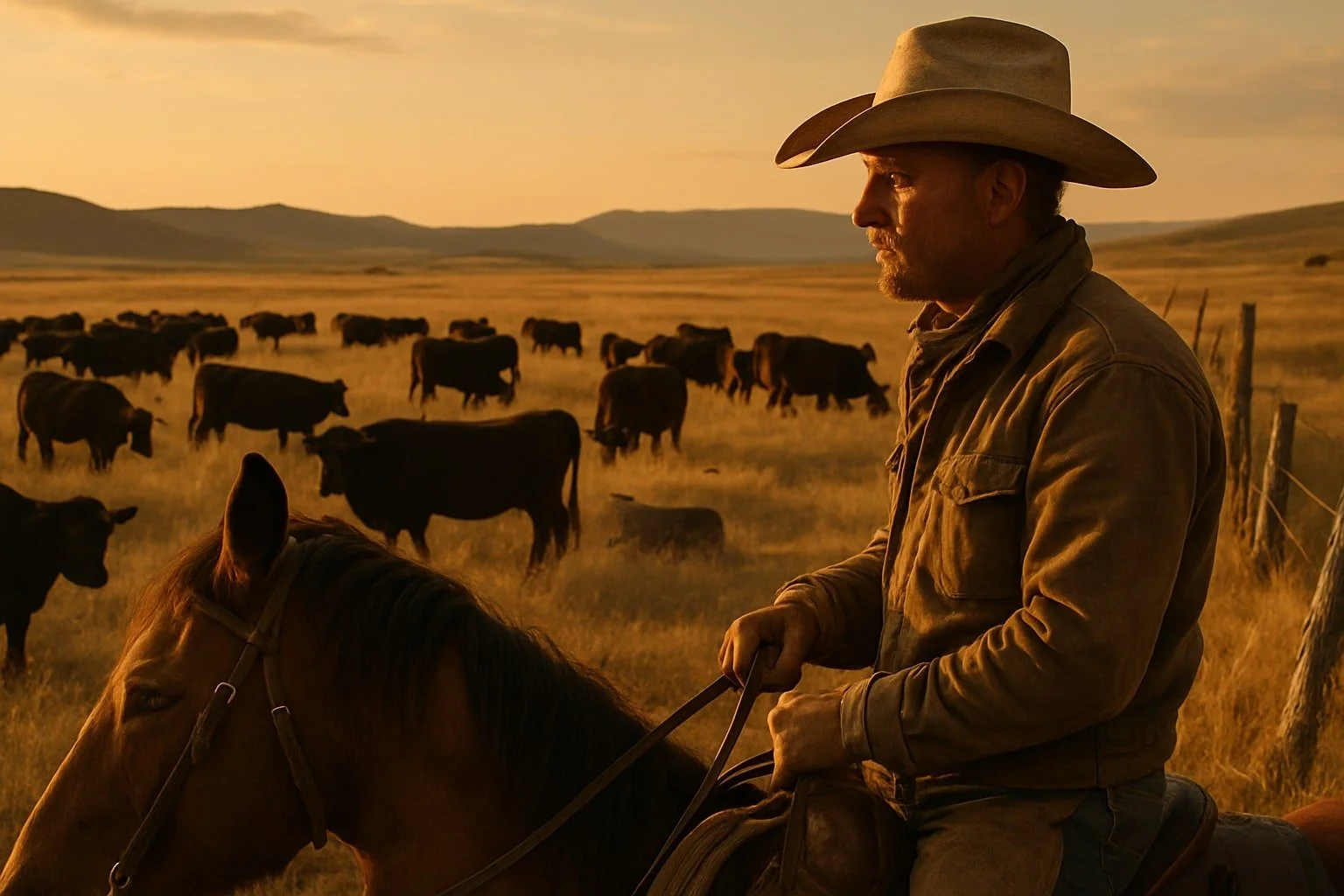
Yellowstone presents an exciting, dramatic, and often romanticized version of ranch life that doesn’t fully capture the daily realities most ranchers face. The sweeping Montana landscapes and intense family drama draw viewers in, but the series leans heavily into a rugged, old-school cowboy image that simplifies the complexities of cattle ranching.
Fans witness high-stakes conflicts, breathtaking scenery, and a relentless pursuit to protect the land, but the show rarely touches on the less glamorous aspects like fluctuating cattle prices, environmental regulations, or the everyday grind of maintaining a ranch. This portrayal shapes public expectations and sometimes creates a gap between fiction and actual rural life, leaving out important challenges faced by real ranching families.
Yellowstone’s Portrayal of Ranching
Yellowstone blends authentic ranching details with dramatic elements that heighten viewer interest. Its approach to daily operations, family structures, and the landscape’s significance shapes much of its appeal.
Depiction of Daily Ranch Life
Yellowstone uses aspects of real cattle ranching—herding, branding, mending fences, and long hours—but intersperses these with far more dramatic and rapid plotlines than what most ranchers experience. Many ranch scenes are staged for visual impact rather than to show the repetitive, exhausting labor that sustains actual ranches.
Tasks such as cattle drives, livestock care, and dealing with unpredictable weather get shown, lending credibility to the series. However, the day-to-day monotony and financial stress often faced are minimized or omitted altogether. Real ranchers may recognize certain moments, but will also notice where the series speeds up or skips foundational work.
The show’s depiction of criminal threats, violence, and land disputes often serve as entertainment devices. While these conflicts do occur in agriculture, they are less constant and intense than portrayed.
Family Dynamics on the Ranch
Family relationships and inheritance shape much of life on a working ranch. Yellowstone depicts the Dutton family’s power dynamics, generational conflicts, and emotional struggles as central themes. Tensions surrounding land ownership, loyalty, and legacy mirror real challenges faced by multigenerational ranching families.
Characters frequently confront moral dilemmas and loyalty tests that drive the plot. These are exaggerated for drama, but the sense of responsibility to family and the land is a genuine aspect of ranching life.
The series underscores the immense pressure placed on heirs to maintain family holdings and navigate change in the face of modern challenges. There is a clear emphasis on tradition versus progress—a theme found in many genuine ranching families.
Visual Aesthetics and Atmosphere
Yellowstone is filmed with a strong emphasis on the beauty of Montana’s landscapes, using sweeping drone shots and carefully composed scenes to showcase mountains, prairies, and wide-open skies. This gives the series a visually appealing, almost cinematic atmosphere.
The ranch buildings, horses, and cowboy attire present a polished, sometimes stylized, version of ranch life. Equipment and set pieces often look immaculate when, in reality, ranch gear is usually worn from daily use.
Table: Examples of Visual Elements in Yellowstone
Element Portrayal in Show Reality Ranch House Mansion-like, pristine Often functional Attire Clean, coordinated Practical, aged Landscapes Dramatic vistas Vary by season
The show’s visual choices focus audience attention on the grandeur and romance of ranching rather than its tougher and less picturesque sides.
Romanticization Versus Reality
The series “Yellowstone” has drawn attention for its sweeping visuals and bold storylines, but its depiction of ranching often diverges from daily realities. Dramatic storytelling shapes perceptions about the challenges, wealth, and environmental impacts tied to ranch life.
Simplification of Challenges
“Yellowstone” frequently highlights high-stakes drama, such as intense cattle drives and violent conflicts. However, it rarely shows the routine, labor-intensive tasks that real ranchers manage daily. Issues like livestock diseases, unpredictable weather, and fluctuating market prices receive little focus.
Real ranching involves business management, animal care, and regulatory compliance. Most of these responsibilities require problem-solving and adaptability rather than physical confrontation or cinematic showdowns. The grueling, repetitive aspects—such as maintenance, bookkeeping, or early morning feedings—get minimal screen time. This leaves viewers with a skewed sense of the ranch lifestyle.
Portrayal of Wealth and Legacy
On “Yellowstone,” ranch ownership is depicted as a symbol of enduring family legacy and power. The Dutton family operates a sprawling property with seemingly limitless resources. Opulent homes, expensive equipment, and dramatic land disputes are prominent in nearly every episode.
In reality, most ranches operate on much tighter budgets. According to accounts from modern ranchers, many rural families struggle with debt, unpredictable incomes, and rising land costs. Wealth is concentrated in a small minority; multi-generational ownership is increasingly rare due to estate taxes, corporate buyouts, and land development pressures. The image of vast, unchanging family estates does not match the financial uncertainty facing most American ranchers.
Treatment of Environmental Issues
The environmental realities of ranching are complex, yet “Yellowstone” tends to gloss over or oversimplify them. Scenes often show untouched open spaces and clean rivers, but omit the ecological challenges related to ranching, such as overgrazing, water use, and habitat disruption.
In practice, ranchers navigate strict environmental regulations and ongoing debates over land use, conservation, and sustainability. Conflicts with neighboring communities, government agencies, and indigenous groups are also frequent. The series offers little exploration of these tensions, which play a major role in shaping both policy and daily operations for ranches across the West.
Key environmental challenges faced by ranchers today include:
Issue Real-World Impact Water Rights Limited supplies, legal disputes Land Conservation Habitat loss, endangered species Climate Change Drought, extreme weather
Impact on Public Perception
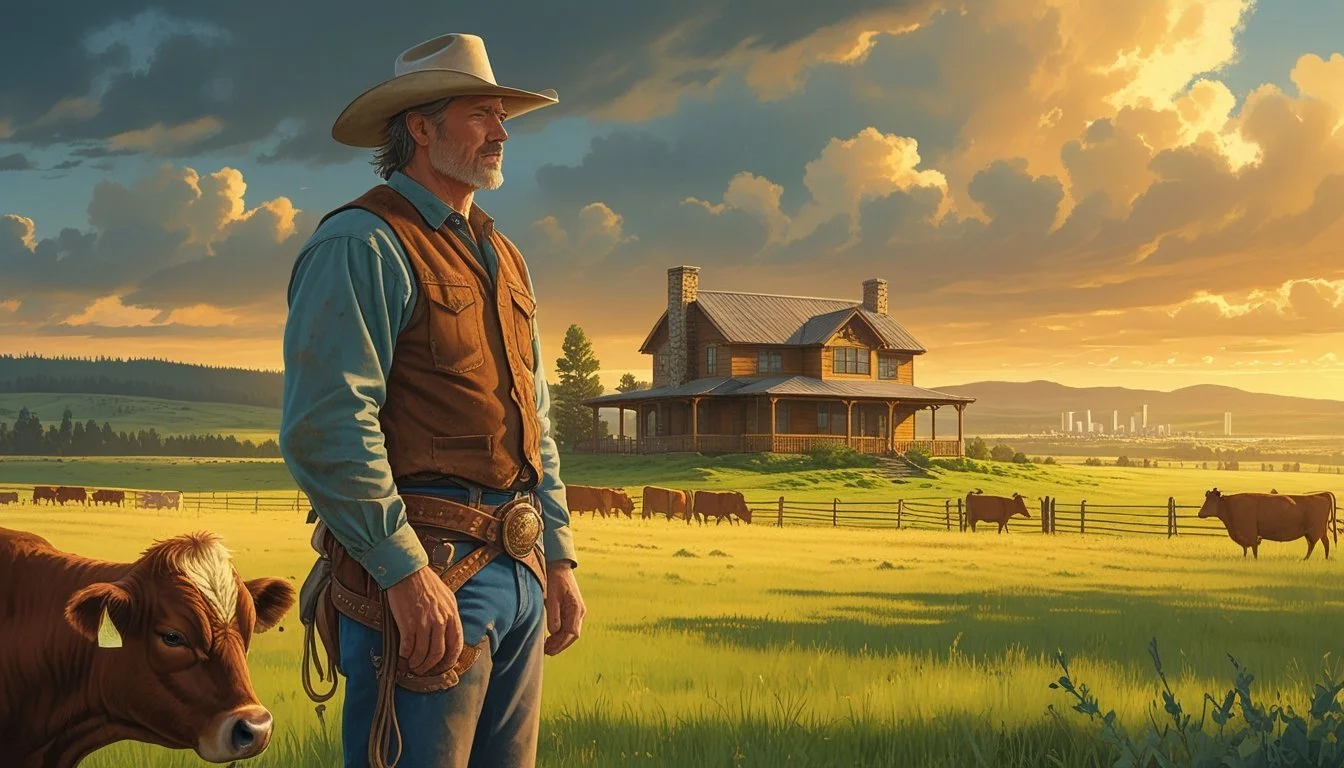
“Yellowstone” has prompted a widespread reevaluation of ranching, influencing how millions perceive life in the rural West. The series’ dramatic and scenic storytelling shapes not just individual viewpoints, but also real-world behaviors and economic patterns.
Shaping Viewer Expectations
The show frequently emphasizes rugged landscapes, dramatic family conflicts, and heroic portrayals of ranch owners. As a result, viewers are given an idealized image of ranch life, often detached from everyday realities such as financial stress, labor shortages, and modern regulations.
Many fans believe ranching is synonymous with wide-open freedom, adventure, and personal legacy. These themes recur through the series, yet they overlook factors like rising operational costs, environmental issues, and the administrative work many ranchers face.
Surveys and social media discussions reveal that people who watch “Yellowstone” are more likely to view ranchers as lone stewards of vast lands. This perception can create unrealistic expectations about the lifestyle, glossing over practical challenges and the diversity of people involved in ranching.
Influence on Tourism and Local Economies
“Yellowstone” has led to a measurable surge in tourism to filming locations, particularly in Montana and nearby states. Towns near these sites report increased visitor numbers, and many tourists cite the show as their main reason for visiting.
The ripple effects on local economies are mixed. While more tourism brings income for hospitality businesses, ranch land prices have also increased due to out-of-state buyers seeking a “Yellowstone experience.” Locals sometimes face challenges from this influx, such as crowded parks and rising property values pricing out longtime residents.
These trends highlight how entertainment media can shape not just perceptions, but the fabric of communities closely linked to its stories. The economic impact has become a common topic among officials and locals, from new business opportunities to concerns about cultural change.
Perspectives from the Ranching Community
Opinions within the ranching community are varied and nuanced. Many in the industry appreciate aspects of Yellowstone’s portrayal but raise concerns about accuracy and public perceptions.
Reactions from Real-Life Ranchers
Many ranchers feel the show depicts some elements of ranch life accurately, especially the hard physical labor and emotional connection to the land. Daily tasks such as early mornings, cattle drives, and dealing with weather are familiar to anyone in the profession.
However, several ranchers note that Yellowstone amplifies drama for entertainment. Actual ranch operations are influenced more by fluctuating market prices, unpredictable weather, and the need for outside resources, such as feed, than by constant power struggles. The financial risks, unpredictability of beef prices, and reliance on factors outside a rancher’s control are everyday realities that rarely make it to screen.
A number of ranchers enjoy seeing their profession gain attention, but many stress that the series often glosses over the tedious, repetitive, and unglamorous tasks that dominate their lives. As one rancher commented, “The job is hard—just not always how TV makes it seem.”
Concerns About Stereotyping
Ranching professionals frequently raise concerns about how the show contributes to stereotypes. Yellowstone’s focus on family feuds, violence, and relentless drama can mislead viewers into thinking that these stories are typical of real ranching operations.
Some are worried that the show’s narrative overshadows the complexity and diversity found in actual ranching communities. For example, the show rarely covers the modern challenges of environmental management, government regulation, and evolving agricultural technologies. Real ranchers deal with water rights, grazing leases, and sustainable practices—topics that get little attention onscreen.
The series may also perpetuate the image of ranchers as solitary or unyielding figures. In reality, ranch life often depends on collaborations with neighbors, local agencies, and industry groups, with teamwork playing a key role in overcoming challenges.
Cultural and Historical Influences
Yellowstone draws from decades of Western imagery and tradition, blending age-old frontier themes with the modern realities of ranch life. Its depiction is shaped by literary myths and current cultural trends that contribute to the show's distinctive atmosphere.
Roots in Western Storytelling
The show’s portrayal of ranching is deeply influenced by the American Western genre. For much of the 20th century, novels, films, and television shows portrayed cowboys as rugged, honorable heroes facing the hardships of open country.
These stories often highlighted individualism, loyalty, and a connection to the land. Yellowstone echoes these motifs through its focus on family legacies, personal codes of conduct, and scenes of cattle drives across wide, scenic landscapes.
Historical Westerns tended to ignore or downplay the complexities of ranch life, rarely addressing labor disputes, environmental challenges, or the roles of women and Native communities. Yellowstone updates some of this but keeps much of the genre's classic romanticism.
Key influences:
Influence type Example portrayal Cowboy hero myths Stoic ranchers, Dutton family Family legacy Inheritance struggles Frontier challenges Fights over land and cattle
Modern Interpretations of Tradition
Yellowstone mixes its historic influences with themes relevant to today’s audience. Issues like land development, generational conflict, and the changing economy appear alongside old-fashioned ranch routines.
The show addresses how wealthy outsiders and gentrification impact rural Montana, driving up property values and changing the local culture. Technology and business pressures are present, but often take a back seat to dramatic, traditional depictions of ranch labor.
While some modern realities surface, Yellowstone leans heavily on aesthetic choices that favor slow-motion cattle drives and dramatic landscapes. This blend often prioritizes visual storytelling and nostalgia over an entirely accurate depiction of day-to-day ranch management.
Contrasts in portrayal:
Traditional values: Emphasized through loyalty, toughness, and work ethic
Modern realities: Fluctuating land ownership, evolving social dynamics, economic challenges
Romantic visuals: Scenic views, stylized horse work, and idealized rural settings
Balancing Entertainment and Authenticity
"Yellowstone" draws viewers by blending polished storytelling with reflections of real ranch life. Its appeal hinges on both dramatic twists and elements drawn from actual ranching practices, but accuracy sometimes takes a back seat to entertainment.
Creative Liberties in Drama Series
The series uses heightened conflict, fast-paced action, and intense relationships to build suspense. Many scenarios—such as frequent violence or secret land deals—are exaggerated compared to real ranching operations. These creative choices are designed to keep audiences engaged but can lead to misconceptions about what life on a ranch is truly like.
Key daily challenges in ranching, like market fluctuations, weather difficulties, or routine animal care, are often condensed or skipped over in the show. Taylor Sheridan’s ranching background gives the story a level of credibility, but the demands of television drama require inventing situations and characters that serve plotlines more than accuracy.
Ranch hands and family members interact in ways that suit the narrative, sometimes ignoring the more procedural and business-oriented reality of large ranch management. These liberties shape the public’s view, often spotlighting the dramatic rather than the mundane.
Opportunities for More Accurate Representation
Some aspects of real ranch life could be featured more, such as the significance of fluctuating cattle prices, harsh weather, and dependence on outside suppliers. Financial risks and unpredictability in the industry are often underplayed, despite being central to ranch management.
The realities of paperwork, modern equipment, and legal challenges rarely make it to screen, but they form the backbone of actual operations. Routine tasks—vaccinations, fencing, and budgeting—rarely appear, though these jobs occupy much of a rancher’s day.
By highlighting these less dramatic yet essential elements, "Yellowstone" could help viewers better appreciate the complexity of ranch life. Greater focus on real-world challenges would not only dispel myths but broaden understanding of the ongoing work behind the scenes.
Conclusion
Yellowstone presents ranching as both a source of tradition and conflict. The show’s storytelling highlights the challenges faced by the Dutton family but often emphasizes the allure and legacy of ranch life.
While the Duttons’ world includes violence, sacrifice, and tough decisions, scenes of open land, horseback riding, and family unity create a strikingly appealing image. This portrayal sometimes overshadows the hard realities of actual ranch work and economic pressures.
A comparison table helps clarify these contrasts:
Aspect Yellowstone’s Portrayal Real-Life Ranching Daily Work Dramatic, selective events Consistent, labor-intensive Economic Struggles High-stakes situations Long-term, often subtle Family & Legacy Central theme Common but less cinematic
Many viewers are drawn to the series for its compelling characters and sweeping visuals. However, it is important to recognize that the show’s version of ranching is shaped for drama and visual impact rather than strict accuracy.
In depicting the Dutton ranch’s fate, the finale underscores the enduring symbolism of ranch life, but the narrative framework still reflects creative choices—not industry norms. For those interested in ranching, recognizing this distinction can help separate entertainment from reality.
