
Yellowstone's Ranching Secrets Exposed What the Show Gets Right and Wrong
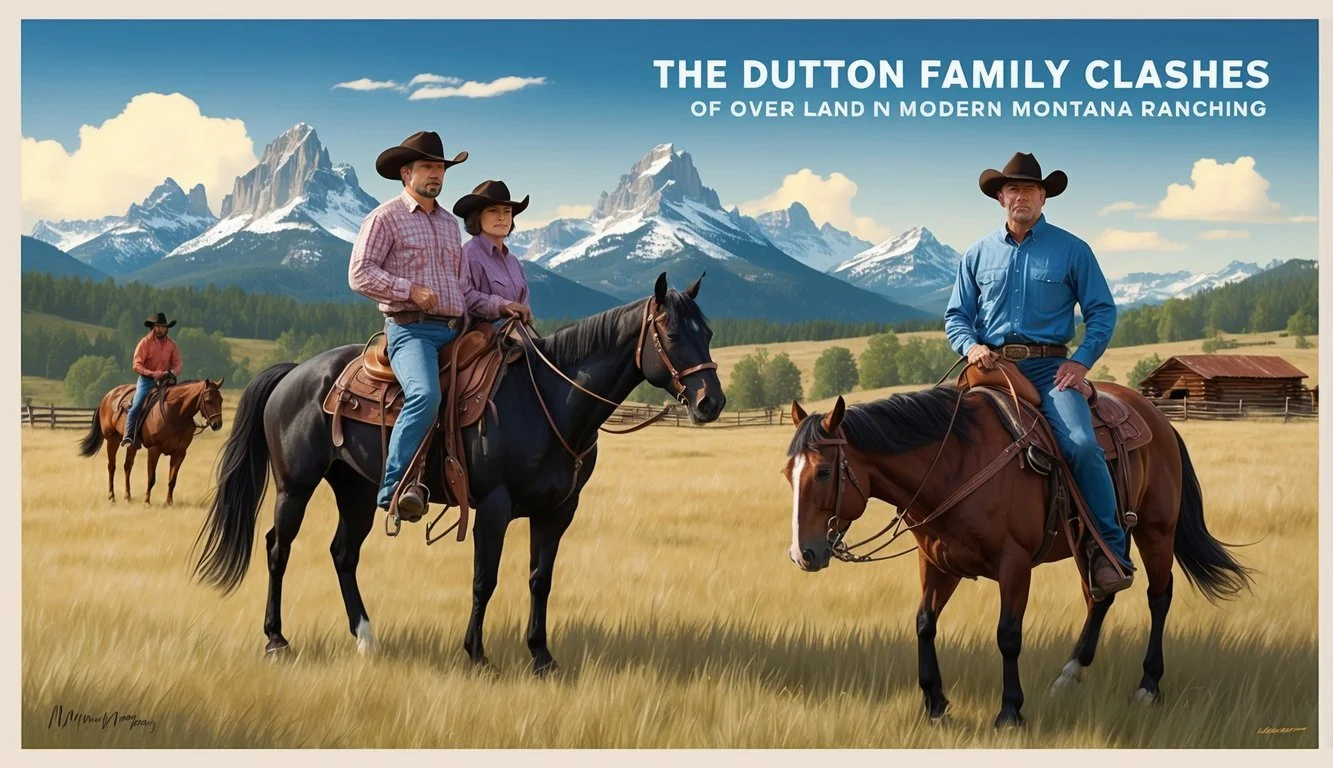
The hit TV show Yellowstone has captivated audiences with its dramatic portrayal of modern ranching life in Montana. While the Dutton family's power struggles make for compelling television, many viewers wonder how accurately the show represents actual ranching practices and techniques used in the American West.
Many of the ranching methods depicted on Yellowstone blend authentic practices with Hollywood dramatization, particularly in scenes showing the Dutton ranch hands performing cattle drives, branding, and training horses. Kevin Costner's character, John Dutton, often employs traditional techniques that have genuine historical roots, though the show sometimes sacrifices accuracy for narrative impact.
Taylor Sheridan, the creator of Yellowstone, grew up around ranching culture and incorporates genuine elements while taking creative liberties with characters like Beth Dutton, whose business tactics would be impractical in real ranching operations. This examination of fact versus fiction offers viewers a deeper appreciation of both the authentic ranching world and the dramatic storytelling that makes Yellowstone so compelling.
Historical Context of Ranching in Montana
Montana's ranching history spans over 150 years, shaping both the landscape and cultural identity of the region through periods of prosperity and hardship that continue to influence modern ranching operations.
The Dutton Family Legacy
The fictional Dutton family represents the archetypal Montana ranching dynasty that emerged in the late 19th century. John Dutton, as the powerful patriarch of the Yellowstone ranch, embodies the traditional values of these historical ranching families who built vast cattle empires. Montana's earliest large-scale ranchers established operations in the 1860s and 1870s, capitalizing on open range grazing before formal property boundaries were strictly enforced.
These founding ranching families often used similar tactics portrayed in Yellowstone - leveraging political connections, forming alliances with neighboring ranchers, and occasionally employing intimidation to protect their interests. The multi-generational aspect of the Dutton family tree mirrors the real-world pattern of Montana ranches passing through family lines.
The Significance of 1923 and the Yellowstone Prequel
The Yellowstone prequel 1923 accurately captures a pivotal era in Montana ranching history. This period followed the devastating winter of 1886-1887, which decimated cattle herds and transformed ranching practices. By 1923, Montana ranchers had adapted to more sustainable approaches, including hay cultivation and selective breeding.
Spencer Dutton's character, portrayed by Brandon Sklenar, reflects the generation that witnessed modernization in ranching techniques. The Yellowstone Universe expansion through this prequel highlights how Montana ranchers faced challenges from drought, economic depression, and changing land use policies during this transformative decade.
The show authentically depicts how tradition clashed with progress as ranchers adopted new technologies while maintaining core values of independence and land stewardship that continue to define Montana's ranching identity today.
Real-World Ranching Techniques
Modern ranching incorporates traditional practices alongside science-based approaches to balance productivity with environmental sustainability. These methods often differ significantly from dramatized portrayals seen in television shows like Yellowstone.
Conservation and Wildlife Management
Responsible ranchers implement rotational grazing systems that mimic natural migration patterns of wild herbivores. This practice allows pastures to recover and promotes healthy soil biology, enhancing carbon sequestration and water retention.
Wildlife-friendly fencing has become increasingly common, with designs that allow pronghorn, deer, and elk to pass while containing cattle. Many ranches now collaborate with conservation organizations to establish wildlife corridors that facilitate movement for species like wolves and bears.
Predator Management Approaches:
Guard animals (dogs, llamas, donkeys)
Range riders who monitor herds
Non-lethal deterrents like fladry and sound devices
These techniques reduce conflicts with native predators such as wolves and coyotes, especially near protected areas like Yellowstone National Park. Research shows that non-lethal methods can be more effective long-term than traditional lethal control.
Ranching and Its Interaction with Native Ecosystems
Modern ranching increasingly recognizes the value of native plant communities and their resilience to climate extremes. Many operations now protect riparian areas with fencing and off-stream water developments to maintain healthy waterways.
Prescribed grazing can control invasive species when properly timed and managed. This approach helps maintain native grass species that evolved alongside grazing animals, benefiting both wildlife and livestock production.
Several ranches collaborate with Native American tribes to incorporate traditional ecological knowledge into land management. These partnerships honor historical land use practices while addressing contemporary challenges.
Seasonal timing of grazing has proven crucial near wildlife habitat. Ranchers adjust their grazing schedules to avoid critical periods for ground-nesting birds and ungulate calving seasons in areas bordering wildlands.
Fire management has also evolved, with some ranchers conducting controlled burns to prevent catastrophic wildfires and regenerate grasslands. This practice mirrors traditional management by indigenous peoples across North America.
Cultural Portrayals and Accuracy
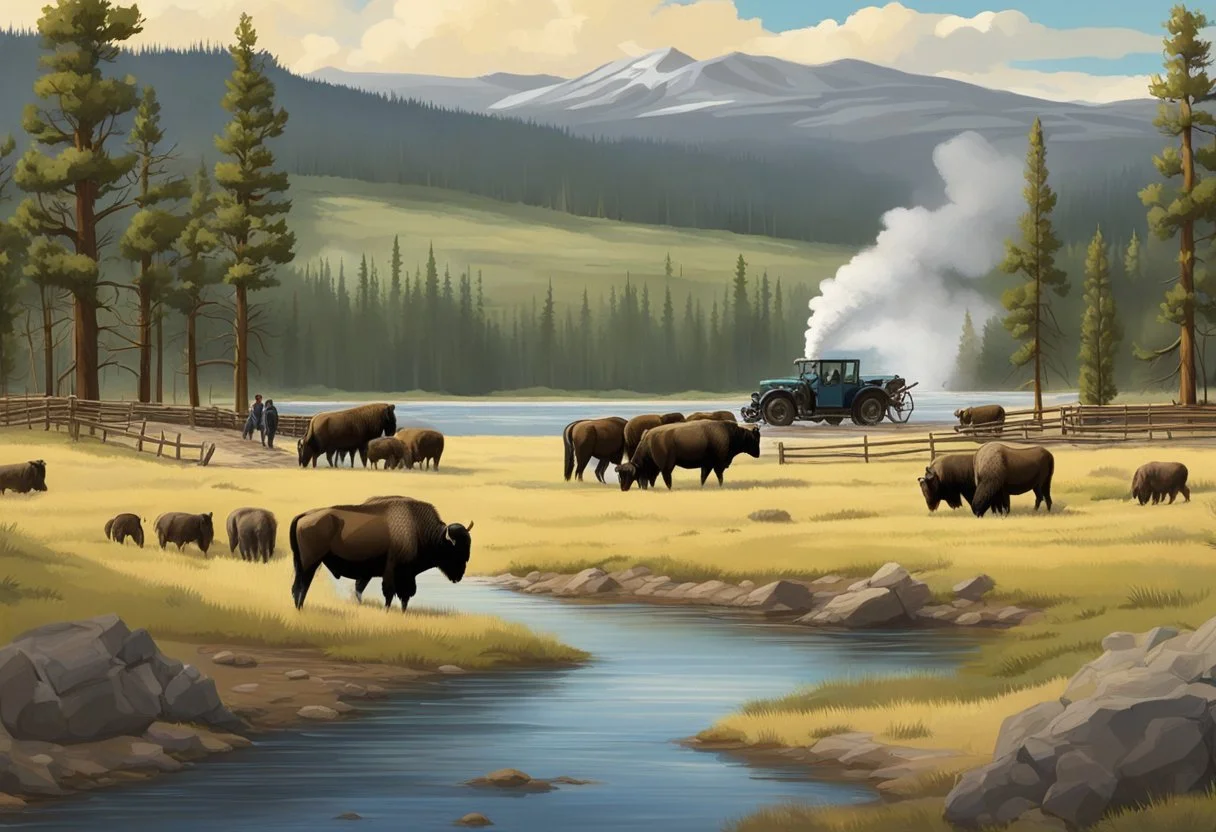
The television series "Yellowstone" presents a stylized version of modern ranching that sometimes diverges from historical and cultural reality. The show's portrayal of various cultural elements reflects both authentic practices and Hollywood dramatization.
Representation of Native Peoples and Spiritual Beliefs
Native Americans in "Yellowstone" occupy a complex narrative position that balances between authenticity and stereotyping. The show depicts tensions between the Broken Rock Reservation and the Dutton Ranch, highlighting genuine land rights issues that persist today.
Spiritual beliefs are portrayed with varying degrees of accuracy. Traditional ceremonies and practices shown on screen sometimes reflect actual Native American traditions, while others appear simplified for dramatic effect.
The character of Thomas Rainwater embodies both modern Native leadership and traditional values, creating a nuanced portrayal. However, critics note that the show sometimes falls into the trap of treating Native peoples as a monolithic group rather than representing the true cultural diversity of the region.
Media Depictions Versus Reality
"Yellowstone" romanticizes certain aspects of ranch life while overlooking many practical realities. The lavish lifestyle portrayed on the Dutton Ranch represents an elite level of ranching that few actual operations could sustain.
Beth Dutton, played by Kelly Reilly, embodies a character whose ruthless business tactics and emotional intensity make for compelling television but may not reflect typical ranch management approaches. Her character prioritizes dramatic tension over realistic portrayal of women in agriculture.
Media portrayals like "Yellowstone" significantly influence public perceptions of ranching culture. The show's popularity has sparked renewed interest in Western lifestyle and traditions, including clothing, horsemanship, and rural values.
Traditional ranching knowledge is occasionally depicted accurately through practical scenes of cattle drives and animal husbandry. These moments stand in stark contrast to the show's more sensationalized elements of violence and family drama.
Character Analysis and Development
The Yellowstone series presents complex character portrayals that often reflect authentic ranching challenges while sometimes taking dramatic license for entertainment. The Dutton family members embody different aspects of modern ranching culture, with each character contributing unique perspectives on land management and family legacy.
Beth Dutton's Role and Influence
Beth Dutton, portrayed masterfully by Kelly Reilly, represents the business acumen needed in modern ranching operations. Her character demonstrates how contemporary ranch management requires financial expertise alongside traditional knowledge. Beth's ruthless negotiation tactics, while dramatized for television, reflect real pressures facing ranching families against corporate interests and development.
Beth's childhood trauma shapes her approach to the family business. Her relationship with the land differs from her father's - she values it as an asset to protect rather than from sentimental attachment. This perspective mirrors actual generational differences in ranch management philosophies.
Reilly's performance captures the complexity of a character balancing family loyalty with personal ambition. Her character arc shows the evolution from resentment to acceptance of her role as the intellectual protector of the Dutton legacy.
John Dutton as the Protector of Legacy
Kevin Costner's John Dutton embodies traditional ranching values with historical accuracy in many respects. His character's dedication to preserving ranching traditions reflects genuine concerns in the agricultural community about disappearing ways of life. The techniques shown in John's management style often align with established ranching practices, particularly regarding seasonal operations and cattle handling.
John's resistance to modernization represents an authentic tension in today's ranching community. His character struggles with balancing tradition against economic reality, mirroring challenges faced by actual ranch owners.
The patriarch's relationship with the land demonstrates a stewardship ethic common among multi-generational ranchers. His knowledge of the landscape and weather patterns showcases the environmental awareness essential to sustainable ranching operations.
Other Key Members of the Dutton Family
The extended Dutton family creates a realistic portrait of diverse attitudes toward ranching life. Kayce Dutton represents younger ranchers torn between tradition and contemporary pressures, while Jamie Dutton's legal expertise highlights the increasing importance of regulatory knowledge in agricultural operations.
The introduction of characters like 1883's James Dutton (through flashbacks) and the role of Helen Mirren in the Yellowstone universe provide historical context for ranching evolution. These characters demonstrate how ranching techniques have adapted over generations while core values remain.
The family tree's complexity mirrors real-world ranching dynasties, where inheritance and succession planning create both stability and conflict. Secondary characters like ranch hands Lloyd and Rip showcase the importance of non-family workers in ranch operations, reflecting the true collaborative nature of successful ranching enterprises.
Economic and Social Opportunities in Ranching
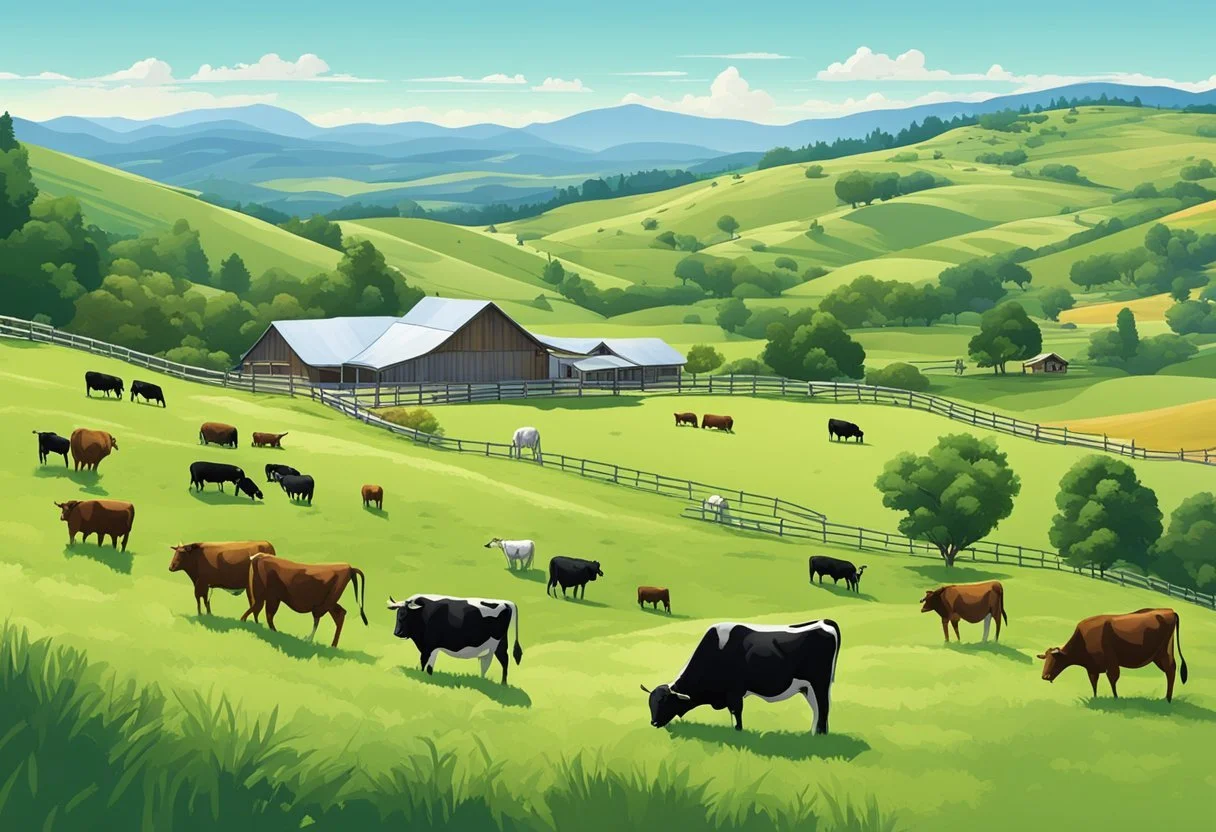
The ranching industry offers significant economic potential while simultaneously presenting a distinctive lifestyle that many find appealing despite its challenges. Modern ranching operations balance traditional practices with economic pressures that shape both local communities and individual freedoms.
Ranching as a Driver for Local Economies
Ranching operations like the fictional Dutton Ranch contribute substantially to local economies through multiple revenue streams. They generate employment opportunities ranging from cowboys and ranch hands to administrative staff and seasonal workers. A typical mid-sized ranch employs 5-15 full-time workers with wages averaging $30,000-$45,000 annually.
Beyond direct employment, ranches support adjacent industries including veterinary services, equipment suppliers, and feed producers. This economic multiplier effect means each dollar generated by ranching typically creates $2.50 in local economic activity.
Tourism has emerged as a supplementary income source for many ranches. Properties that incorporate guest experiences can increase revenue by 15-30% through activities like horseback riding, cattle drives, and lodging.
For Native American communities, ranching presents both opportunity and complexity. Tribal ranching operations account for approximately 3% of U.S. cattle production, creating economic sovereignty while navigating unique regulatory considerations.
Challenges and Freedom in the Ranching Lifestyle
The ranching lifestyle combines remarkable freedom with significant challenges. Ranch owners and workers experience independence rare in other professions, making their own decisions about land management and business operations. This autonomy represents a core value depicted in shows like "Yellowstone."
Ranchers face intense economic competition from corporate agricultural entities. Since 1980, the number of family-owned ranches has declined by 41%, while corporate ownership has increased by 27%.
Weather unpredictability creates substantial financial risk. A single drought season can reduce profits by 30-50%, forcing many ranchers to maintain secondary income sources.
Land value pressures present both opportunity and threat. While increasing property values build equity, they also create inheritance tax burdens that can reach $2-4 million on medium-sized operations.
Despite these challenges, ranching offers intangible benefits including connection to the land, maintenance of family traditions, and participation in a cultural heritage stretching back generations.
Addressing Data Privacy and Technology
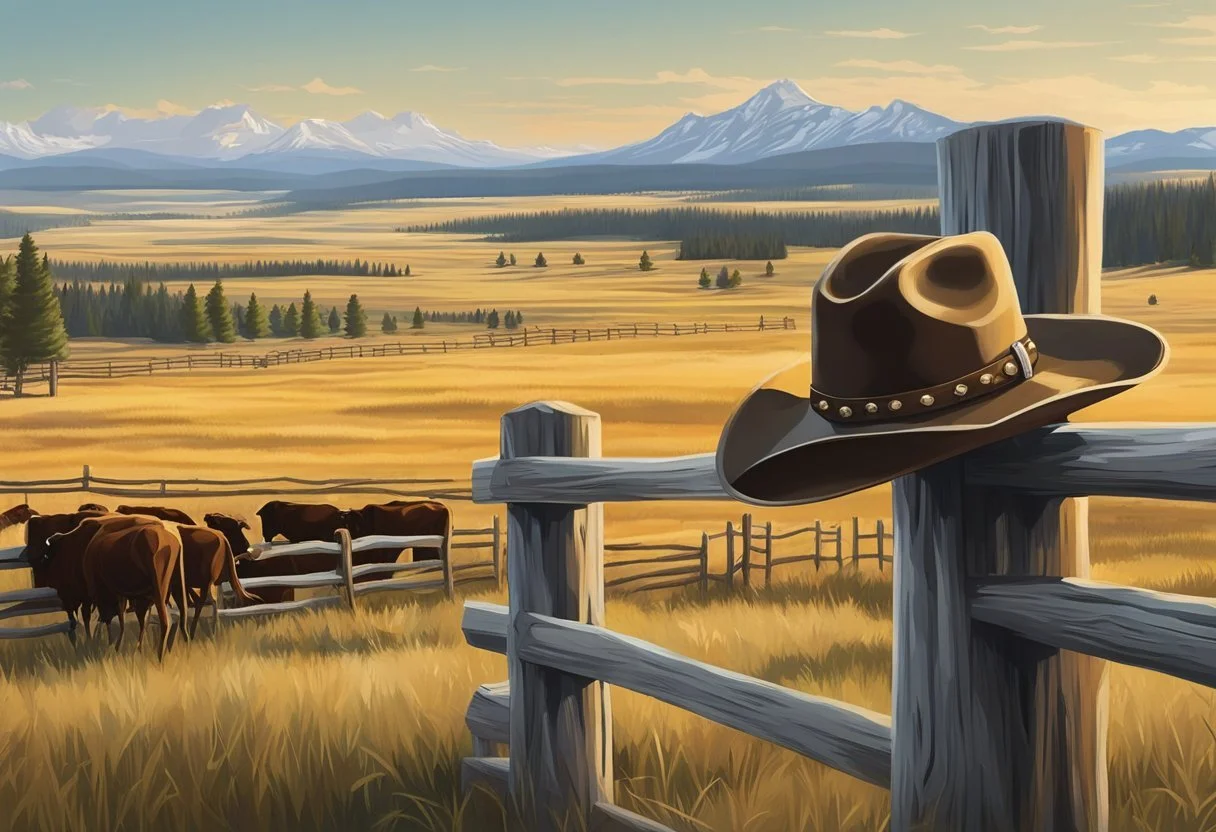
Modern ranching operations increasingly utilize digital tools that collect significant amounts of personal and operational data. The integration of these technologies raises important questions about data privacy and security in agricultural settings.
Impact of Digital Technologies on Ranching
Digital technologies have transformed traditional ranching practices depicted in shows like Yellowstone. Ranch management software now tracks livestock health, grazing patterns, and production metrics through IP addresses and geolocation data. These systems help authenticate users and prevent unauthorized access to sensitive ranch information.
Many ranchers use weather prediction algorithms and soil analysis tools that collect search data to optimize operations. However, these conveniences come with privacy trade-offs. According to recent industry surveys, 68% of modern ranchers utilize at least one digital management tool, but fewer than 30% fully understand the associated data collection practices.
Security measures vary widely across platforms, with larger agricultural technology companies typically implementing stronger protections than smaller startups. The adoption of these technologies requires balancing efficiency gains against potential vulnerabilities.
Privacy Settings and Personal Data in the Digital Age
Ranchers must navigate complex privacy policies when adopting digital tools. Most agricultural platforms collect personal data including contact information, property details, and operational statistics. Cookie policies often permit content measurement and audience research to improve services development.
Personalised advertising frequently targets ranchers based on their digital footprint. For example:
Data Type Common Usage Privacy Implications Geolocation Pasture management Movement tracking Search history Product recommendations Behavioral profiling Equipment usage Maintenance alerts Operational monitoring
Implementing appropriate privacy settings requires vigilance. Ranchers should regularly review their consent parameters for data sharing and limit unnecessary permissions. Agricultural associations now recommend quarterly privacy audits to ensure personal data remains protected.
Industry experts advise ranchers to request transparency from technology providers about how their information might be shared with third parties like Yahoo and other advertising networks. Maintaining control over one's digital presence has become as essential to modern ranching as traditional land management skills.
