
Yellowstone Drinking Game Unveils Shocking Secrets of TV's Hottest Drama
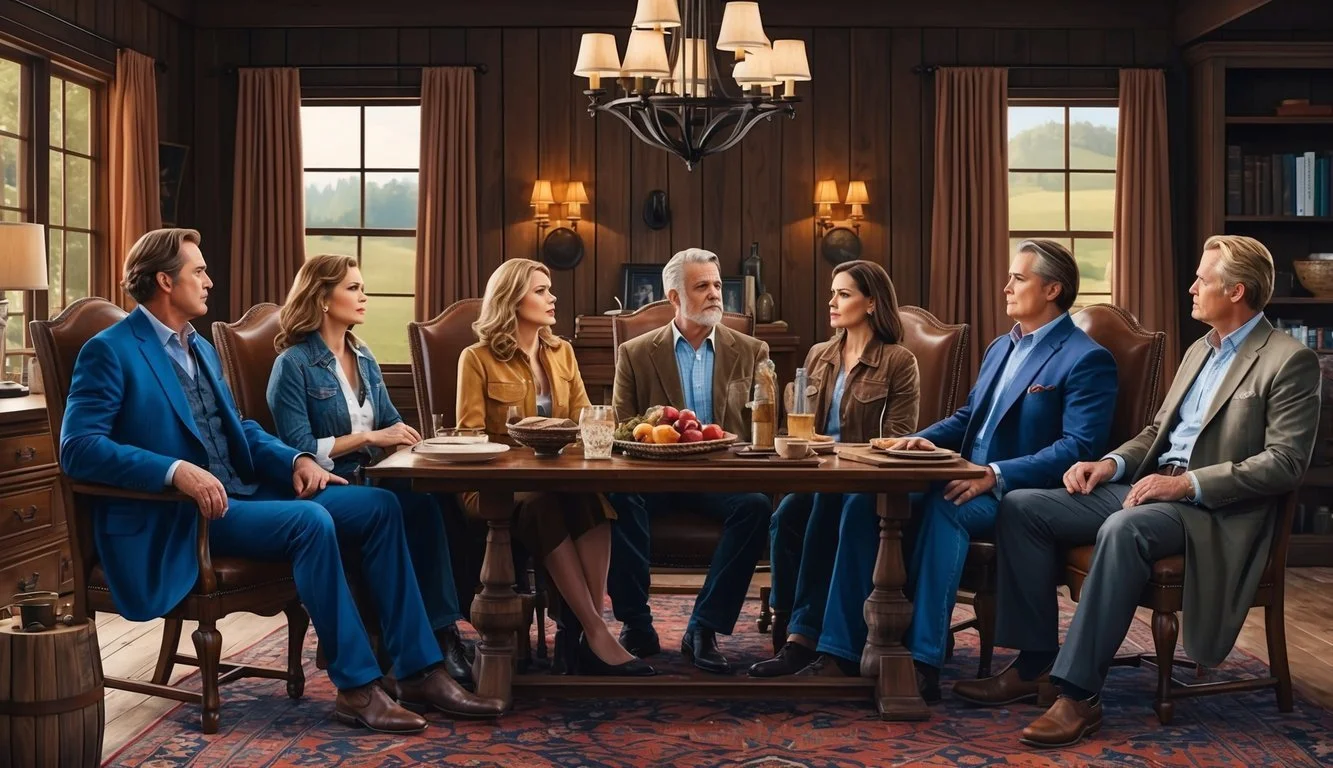
Yellowstone has captivated audiences since its premiere in 2018, becoming one of television's most discussed dramas. The show's consistent storytelling patterns make it perfect for an entertaining drinking game while highlighting its narrative techniques.
Tracking Yellowstone's recurring themes through a drinking game offers viewers a fresh way to engage with the series while recognizing the storytelling devices that define its distinctive style. From John Dutton's unwavering loyalty to family to Beth's scathing one-liners, these repeating elements form the backbone of the show's appeal.
The combination of dramatic ranch conflicts, political maneuvering, and family tension creates natural opportunities for both entertainment and analysis. Viewing these patterns through the lens of a drinking game provides both laughter and insight into how Yellowstone has maintained its compelling formula across multiple seasons.
The Heart of Yellowstone
Yellowstone's enduring popularity stems from its carefully crafted character relationships and stunning Montana backdrop. These elements create a world that viewers can't help but become immersed in, even as they participate in drinking games based on the show's recurring themes.
Character Dynamics
The Dutton family relationships form the pulsing core of Yellowstone's narrative. John Dutton's complex bonds with his children—Beth, Jamie, and Kayce—drive much of the show's emotional storytelling. Beth's sharp-tongued confrontations become predictable drinking game triggers, while Jamie's questionable decisions often lead to consequences worth a sip.
Rip Wheeler's unwavering loyalty to the Duttons creates another dimension of character dynamics that fans celebrate. His protective nature toward Beth and father-figure relationship with ranch hands adds depth to the ranch's ecosystem.
The bunkhouse crew provides comic relief and authentic cowboy culture. Their camaraderie, conflicts, and colorful language establish drinking game staples that highlight the show's commitment to authentic character development.
Setting the Scene: Iconic Locations
The breathtaking Montana landscape serves as more than backdrop—it's practically a character itself. The sprawling Dutton ranch, with its iconic log mansion architecture, provides a visual centerpiece that grounds the series in Western tradition while showcasing luxury ranch life.
The bunkhouse represents cowboy authenticity, where much of the show's humor and tension unfolds. Its rustic architecture and lived-in appearance create the perfect setting for many drinking game moments involving cowboys being cowboys.
The Chief Joseph Ranch in Darby, Montana—the actual filming location—has become a tourist destination, though the National Park Service (NPS) manages visitor impact in surrounding areas. The contrast between pristine wilderness and encroaching development highlights the show's central conflict.
Montana's sweeping vistas, rushing rivers, and mountain ranges are captured through cinematography that makes viewers feel they're experiencing the American West firsthand. These landscapes provide breathtaking transitions between dramatic scenes that often trigger drinks during viewing parties.
Cultural Reflections in Plot
Yellowstone's narrative brilliantly captures American cultural dynamics through its exploration of wealth disparities and social inequality. The show uses Montana's breathtaking landscapes as a backdrop to examine deeper societal tensions.
Representation of Wealth and Power
The Dutton family's vast ranch serves as the ultimate symbol of wealth in Yellowstone, representing generational prosperity and influence. John Dutton's character embodies the traditional American landowner whose power extends beyond property lines into local politics and community affairs.
The contrast between the Duttons and developers like Market Equities highlights the clash between old and new money. When players drink each time Beth outmaneuvers a corporate opponent, they're witnessing the show's commentary on how wealth maintains itself against modern threats.
The series doesn't shy away from depicting how wealth translates to privilege in the justice system. Characters with means consistently escape consequences that would devastate those without resources or connections.
Themes of Equality and Social Issues
Yellowstone presents the reservation storyline as a counterpoint to the Dutton empire, examining historical inequities that persist into the present. The character of Thomas Rainwater represents indigenous resistance to centuries of land appropriation and cultural erasure.
Women's struggles for equality receive substantial attention, particularly through Beth Dutton's corporate battles. Her character faces sexism and harassment while wielding power in traditionally male-dominated spaces.
Class divisions appear regularly in interactions between ranch workers, townspeople, and the elite. The bunkhouse crew's limited mobility contrasts sharply with the Dutton family's privileges and opportunities.
Labor issues emerge through the ranch hands' experiences, illustrating how modern working conditions in rural America reflect broader economic challenges. Their loyalty to the ranch often comes at personal cost, highlighting the complex relationship between employer and employee in isolated communities.
Recurring Motifs and Symbolism
Yellowstone weaves consistent visual storytelling elements throughout its narrative that become recognizable drinking game triggers for dedicated viewers. These symbols and recurring images carry deeper meaning while serving as perfect cues for fans participating in the show's drinking games.
Nature and Wilderness
The Montana landscape functions as more than backdrop in Yellowstone—it becomes a character itself. Sweeping vistas of mountains and plains appear consistently, often signaling major character decisions or plot shifts. When characters gaze at the horizon, drinks are raised as this visual cue typically precedes significant revelations or character development.
Wildlife encounters, particularly with bears and wolves, symbolize the untamed aspects of both the land and the Dutton family themselves. These moments, perfect for drinking game rules, represent the delicate balance between civilization and wilderness that the ranch embodies.
The changing seasons track the emotional arcs of characters, with winter scenes often coinciding with moments of hardship or loss. These seasonal transitions in the show's Fine Arts-quality cinematography create natural drinking game opportunities when recognized by attentive viewers.
The Significance of the Miniatures
The ranch house features detailed architectural miniatures that mirror the larger conflicts of the series. These Mixed Media elements function as a microcosm of the Yellowstone ranch itself—a tangible representation of what the Duttons fight to protect.
The meticulous craftsmanship of these miniatures reflects John Dutton's attention to detail and control. When the camera lingers on these models, viewers participating in drinking games know to prepare for scenes about legacy and inheritance that typically follow.
Artists in the Modern Art world have noted how these miniatures serve as three-dimensional storyboards for the show's themes. The miniatures often appear before property disputes or family conflicts, making them reliable drinking game triggers for fans tracking the show's visual language.
The positioning and lighting of these miniatures change subtly throughout seasons, reflecting the shifting power dynamics between characters and providing observant viewers with additional drinking cues.
Crafting the Narrative
The creative process behind Yellowstone's storytelling reveals intentional patterns that make the show both predictable and compelling. These patterns draw from literary traditions and personal experiences that shape the show's distinctive voice.
The Importance of English Literature
Yellowstone's narrative structure borrows heavily from classic English literature traditions. The show employs Shakespearean themes of power, succession, and family loyalty that create perfect drinking game opportunities.
Viewers familiar with literary archetypes can spot the recurring motifs that appear in nearly every episode. The Dutton family saga mirrors the dynastic struggles found in works like "King Lear," where patriarchal figures wrestle with legacy and loyalty.
These literary influences extend to the dialogue itself. Characters often deliver monologues that contain profound philosophical observations about land, heritage, and the American West. Such speeches typically signal dramatic turning points in the storyline.
Biographical Elements in Storytelling
Creator Taylor Sheridan infuses Yellowstone with biographical elements drawn from his Texas upbringing. This personal connection to ranch life adds authenticity to the series' portrayal of modern Western culture.
The characters' struggles often reflect real experiences of ranching families facing economic pressures and changing landscapes. Sheridan's firsthand knowledge of horsemanship and cattle operations informs many scenes that resonate with viewers from similar backgrounds.
Personal stories from cast members occasionally influence character development as well. Several actors have spoken about contributing their own experiences to shape their roles more authentically.
These biographical elements create consistency in how characters respond to challenges, making certain reactions predictable enough to include in a drinking game format.
Yellowstone's Artistic Footprint
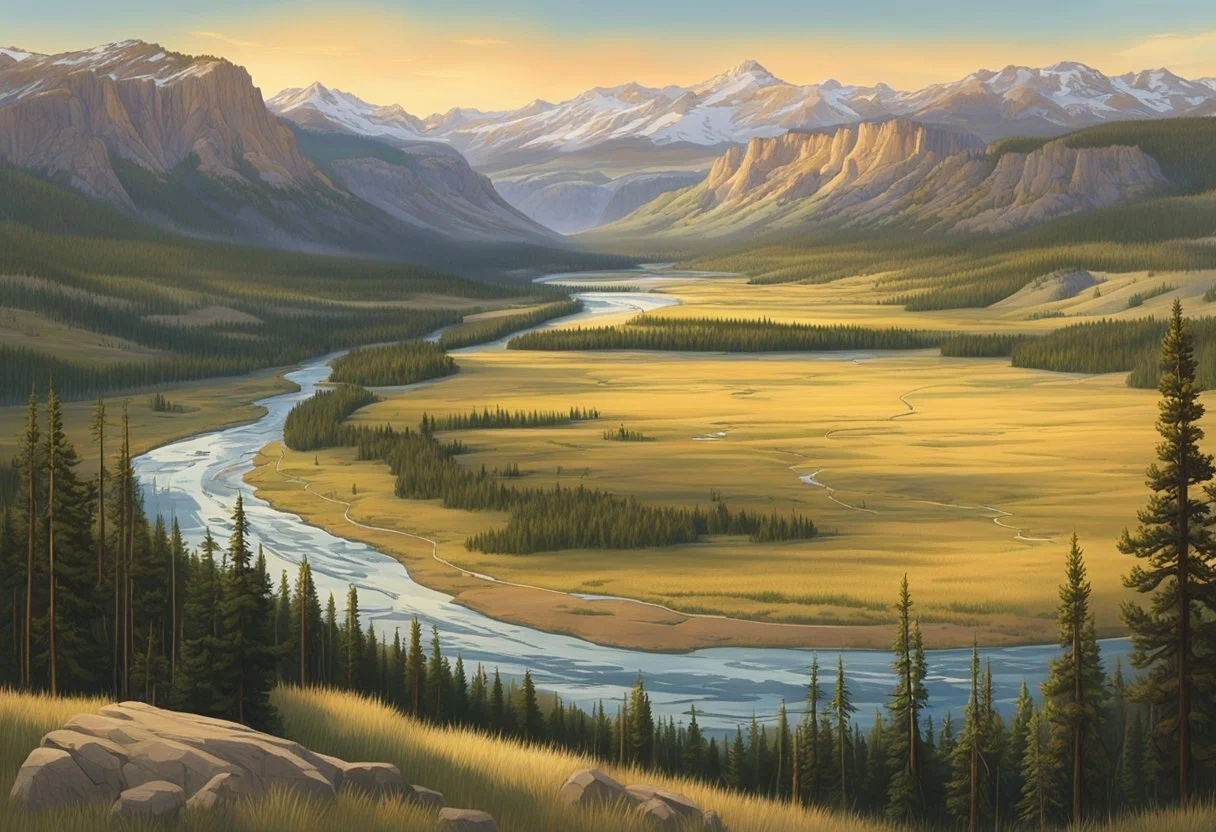
Taylor Sheridan's groundbreaking series has transcended television to leave an indelible mark on visual arts and exhibitions across America. The show's distinctive visual style and thematic elements have inspired artists in multiple disciplines to explore its cultural significance.
Art Exhibition Influence
"Yellowstone: American Landscape Reimagined" debuted at the Western American Art Museum in 2023, featuring works from 27 contemporary artists responding to the show's portrayal of the modern West. The exhibition highlighted how the series revitalized interest in Western art traditions while simultaneously challenging their conventions.
Several installations incorporated video elements juxtaposing scenes from the show with historical Western paintings, creating dialogue about authenticity and myth in American culture. Notably, Elena Martinez's mixed-media piece "Dutton's Empire" sold for $175,000, signaling the commercial impact of the show on the art market.
Regional galleries in Montana, Wyoming, and Utah reported significant increases in Western-themed exhibitions following the show's popularity. Many featured works exploring the tension between development and conservation that forms a central conflict in the series.
Graphic Arts in Recurring Visual Themes
The series' distinctive visual language has permeated graphic design communities, creating identifiable aesthetic patterns. The "Yellowstone palette" – characterized by amber sunsets, deep forest greens, and dusty ranch neutrals – has influenced everything from fashion photography to advertising campaigns.
Typography inspired by the show's title sequence appears in numerous independent magazines and brand identities across the American West. The show's iconic "Y" brand has become a recognized symbol beyond the series itself, appearing in contemporary artwork and design.
Digital artists have created extensive libraries of Yellowstone-inspired assets, including custom brushes mimicking the show's cinematographic techniques. These tools allow other creators to incorporate the show's visual sensibilities into their work.
Motion graphics specialists have studied the series' opening sequences, with many adopting similar techniques for revealing landscapes and transitions in commercial projects. This technical influence extends beyond thematic elements, shaping the very language of visual storytelling in modern media.
Interactive and Supplementary Content
The Yellowstone drinking game phenomenon has expanded beyond basic show viewings into various media forms that enhance the fan experience. These supplementary materials allow viewers to engage with the show's themes in new ways while providing deeper analysis of recurring elements.
From Screens to Ebooks
Several fan-created Yellowstone drinking game guides have been published as downloadable Ebooks since 2022. These digital publications range from simple rule collections to comprehensive character analyses with corresponding drink recommendations.
The most popular guide, "Dutton Family Spirits," features categorized rules based on character traits, with special sections for Beth's insults and Rip's intimidation tactics. Some guides include point systems that track drinking opportunities throughout entire seasons.
Many of these Ebooks entered the Public Domain as free downloads, though premium versions with episode-specific rule modifications are available for purchase. Fan forums regularly update these guides to incorporate new character developments and evolving themes as the series progresses.
Podcasts and Extended Discussions
Dedicated Yellowstone podcasts have embraced the drinking game concept as a recurring segment in their episode breakdowns. Shows like "Yellowstone Bunkhouse" and "Dutton Ranch Radio" feature weekly rule updates based on new episodes.
These podcasts often invite listeners to submit their own rule suggestions, creating interactive communities around the drinking game tradition. Hosts track which rules triggered most frequently, generating interesting data about the show's storytelling patterns.
Some podcasts have organized virtual watch parties where fans play the drinking game together while discussing the show in real-time. These events typically use social media platforms to coordinate participation across different time zones.
Podcast discussions frequently analyze how the drinking game rules reflect the show's evolving themes and character development, offering a unique lens through which to examine the series' narrative structure.
Visitor Engagement with Yellowstone
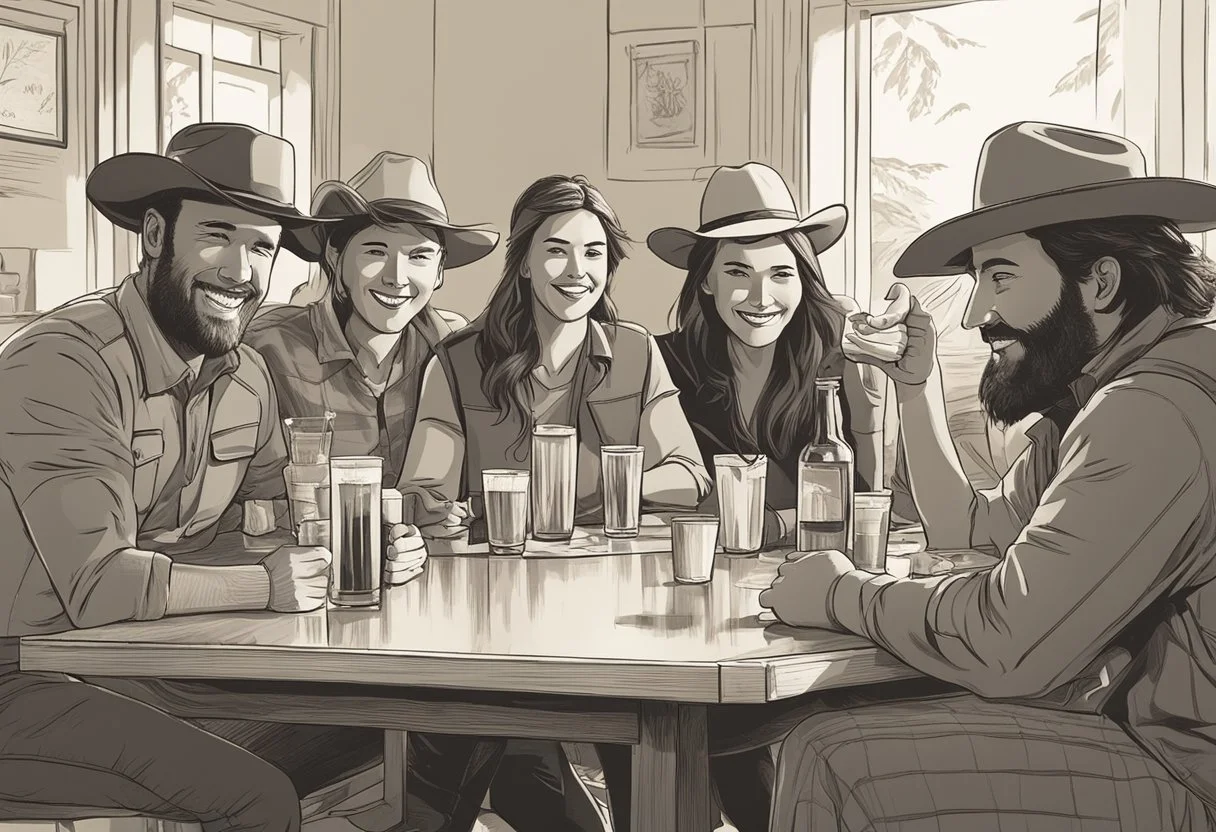
Yellowstone National Park offers diverse engagement opportunities ranging from academic research to recreational visits. The park's educational partnerships with regional universities and practical visitation information create a comprehensive experience for millions of visitors annually.
Educational Outreach by Universities
Universities across the country maintain strong research partnerships with Yellowstone National Park. Montana State University, University of Wyoming, and University of Montana lead significant research projects on the park's unique geothermal features and wildlife populations.
These academic institutions offer specialized field courses where students gain hands-on experience collecting data in Yellowstone's diverse ecosystems. The Yellowstone Studies Center, supported by multiple universities, provides laboratory space and lodging for researchers investigating the park's natural phenomena.
Research findings from these university programs directly inform the National Park Service (NPS) management decisions. The universities also develop educational materials that help visitors better understand complex park features like the Norris Geyser Basin's acidic thermal systems.
Experiencing Yellowstone: Fees and Camping Tips
Visitors to Yellowstone need to prepare for entrance fees that vary by transportation mode. Private vehicles currently pay $35 for a 7-day pass, while the annual Yellowstone pass costs $70 and provides unlimited entry for a full year.
Camping remains the most immersive way to experience the park, with 12 campgrounds offering over 2,000 sites. Reservation-required campgrounds like Madison and Bridge Bay fill months in advance, especially during peak summer season.
The Norris Campground, centrally located near the famous geyser basin, operates on a first-come, first-served basis. Visitors should arrive before 7:00 AM to secure a spot during summer months.
The NPS enforces strict food storage regulations at all campgrounds to minimize wildlife encounters. Campers must store food in hard-sided vehicles or park-provided bear boxes when not in use.
Conclusion
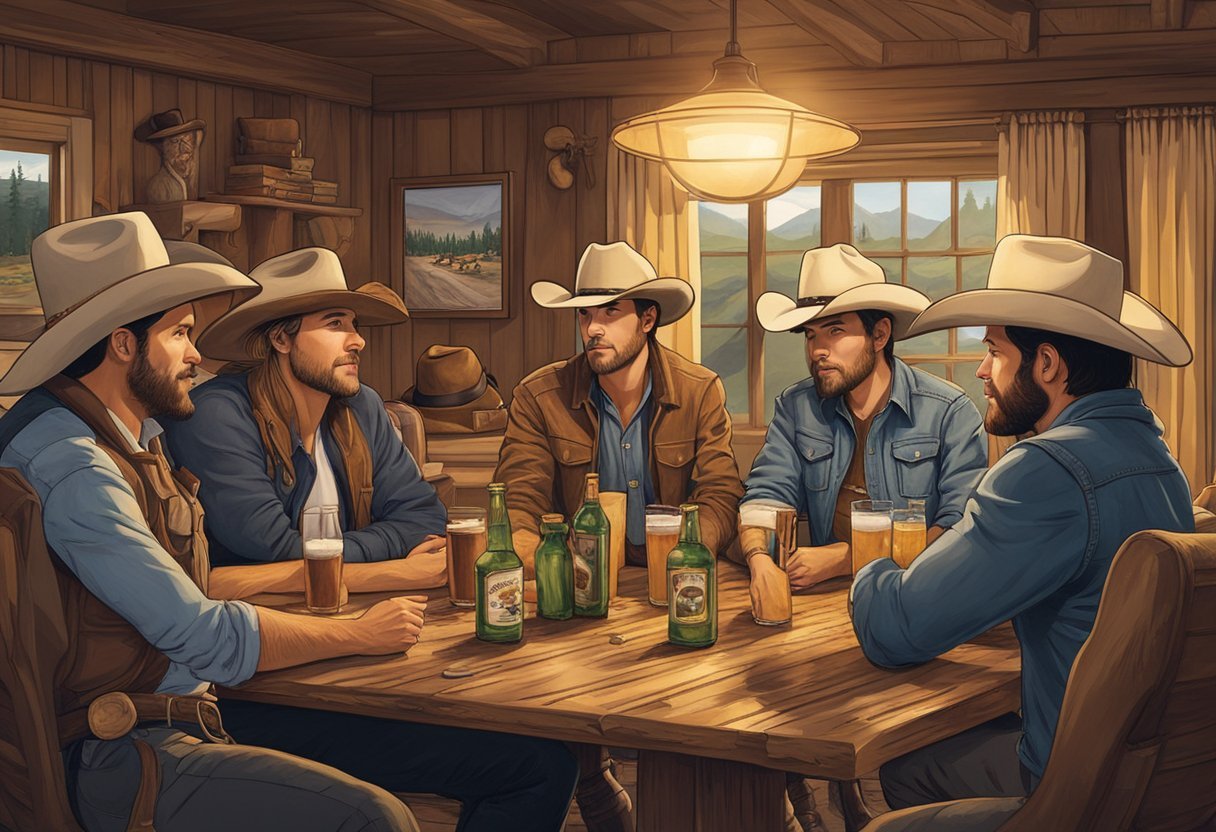
Yellowstone Drinking Game has evolved beyond simple entertainment to become a cultural phenomenon among fans of the show. The drinking game's popularity stems from its ability to highlight the series' consistent themes, character traits, and visual motifs.
The game serves as both a social activity and an analytical tool that enhances viewer appreciation of the show's storytelling patterns. Players develop a deeper understanding of the creative choices made by Taylor Sheridan and the production team.
As Yellowstone continues its run, the drinking game rules will likely expand to incorporate new recurring elements. Fan forums and social media groups regularly update and share modified versions of the game, creating a dynamic and evolving experience.
The drinking game represents a unique intersection of television fandom and interactive entertainment. It transforms passive viewing into an engaged, communal activity that celebrates the show's distinctive style.
Remember to enjoy the Yellowstone Drinking Game responsibly. The goal is to enhance enjoyment of the series, not to overindulge. Many players opt for non-alcoholic alternatives while still participating in the ritual of recognizing the show's signature moments.
Whether played during a season premiere, finale, or binge-watching session, the game has cemented itself as a beloved tradition among the Yellowstone faithful.
