
Yellowstone Quotes That Shook Us: Dutton Family's Most Powerful Words
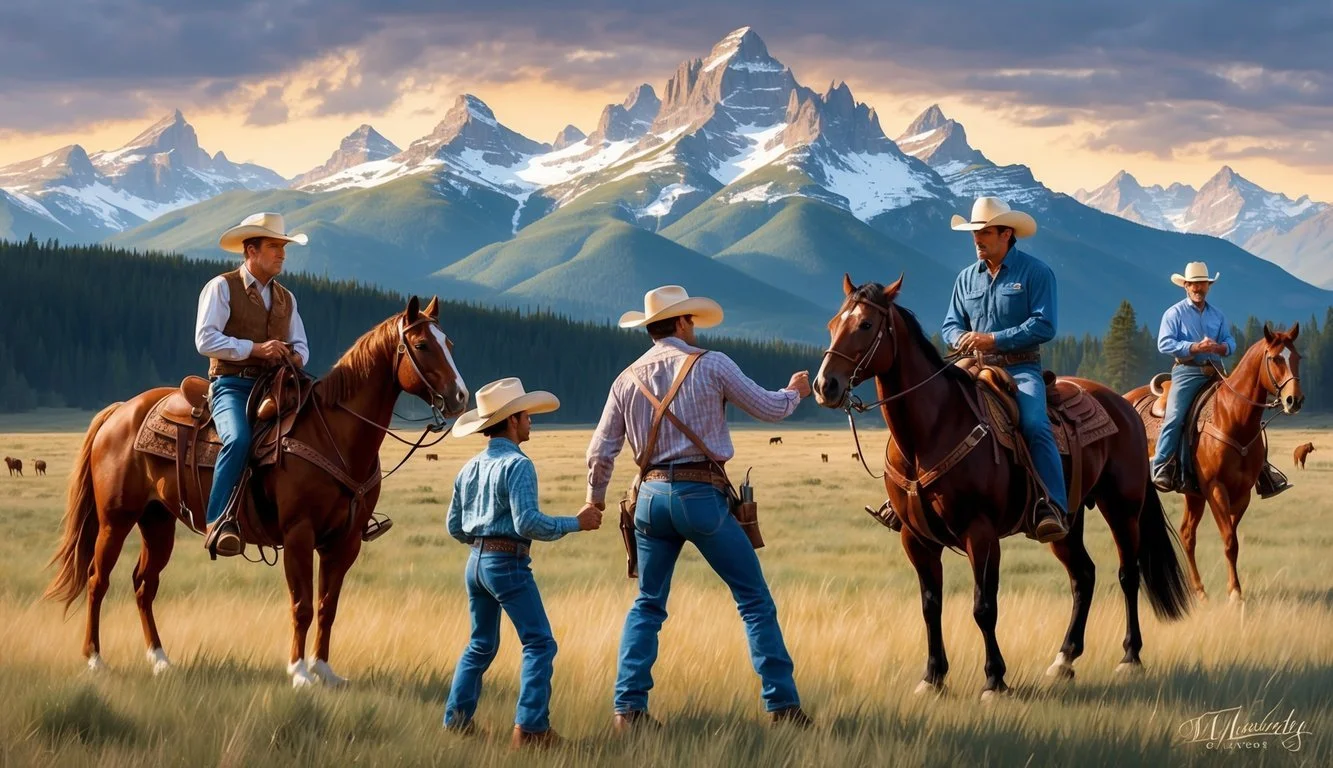
From its explosive debut in 2018, "Yellowstone" has captivated audiences with its raw portrayal of the Dutton family's struggle to maintain their ranch empire. The Paramount Network's hit series, created by Taylor Sheridan, offers more than stunning Montana landscapes and intense power struggles - it delivers dialogue that cuts as deep as the show's conflicts.
The razor-sharp writing in "Yellowstone" has produced countless memorable quotes that perfectly capture the essence of each character, from Kevin Costner's stoic John Dutton to Beth Dutton's unapologetic verbal weaponry. These lines have transcended the show to become cultural touchpoints, appearing on merchandise and regularly making rounds on social media.
As "Yellowstone" continues its successful run, the distinctive dialogue has become as much a part of the show's identity as its breathtaking scenery and complex familial relationships. The masterful combination of Western grit and modern family drama has created a quotable treasure trove that both defines and elevates the series beyond typical television fare.
Journey into 'Yellowstone'
"Yellowstone" emerged as a cultural phenomenon by blending raw western storytelling with complex character dynamics and memorable dialogue. The series captivated audiences with its unflinching portrayal of modern ranch life and family politics.
Creation and Influence
Taylor Sheridan created "Yellowstone" after establishing himself as a distinctive voice in neo-Western storytelling. The series premiered on June 20, 2018, quickly becoming Paramount Network's flagship program.
Sheridan drew from his own experiences growing up around ranches in Texas to craft an authentic depiction of the Western lifestyle. His previous works like "Hell or High Water" and "Wind River" established themes he would further explore in "Yellowstone."
The show's influence extends beyond television, sparking renewed interest in ranch culture and Western fashion. It also spawned successful prequels like "1883" and "1923," expanding the Dutton family saga across generations.
The series blends traditional Western elements with contemporary issues of land development, Native American rights, and political corruption.
Significant Characters and Cast
Kevin Costner anchors the series as patriarch John Dutton, bringing gravitas and complexity to a character fighting to preserve his legacy. His commanding presence establishes the show's tone from Episode 1.
Beth Dutton, played by Kelly Reilly, delivers some of the show's most quotable and caustic lines. Her fierce loyalty to her father and traumatic backstory create a character both vulnerable and dangerous.
Luke Grimes portrays Kayce Dutton, the conflicted former Navy SEAL torn between family duty and his Native American wife's community. Wes Bentley's Jamie represents the family's black sheep, constantly seeking approval while harboring devastating secrets.
The stoic ranch foreman Rip Wheeler (Cole Hauser) emerged as a fan favorite with his unwavering loyalty and memorable one-liners about revenge and loyalty.
The Dutton Family Saga
The Dutton family's story centers on preserving their vast Montana ranch against threats from developers, politicians, and neighboring tribal lands. Their centuries-old claim to the land drives much of the narrative tension.
Violence and revenge serve as recurring themes throughout the series. Season 1 establishes that the Duttons will stop at nothing to protect their land, including murder and blackmail.
Family dynamics form the emotional core of "Yellowstone." Each relationship is complicated by past traumas, with flashbacks revealing pivotal moments that shaped the Duttons' strained connections.
The ranch itself functions as a character, with its daily operations providing both a backdrop for drama and insight into the vanishing way of life the Duttons desperately fight to maintain.
Key Moments and Episodes
Yellowstone's narrative power stems from carefully crafted episodes that showcase pivotal character developments and shocking plot twists. These moments have become touchstones for fans, often featuring the show's most memorable dialogue.
Series Premiere Highlights
The pilot episode introduced viewers to the Dutton family dynamics with several unforgettable scenes. John Dutton's opening monologue established the show's tone when he put down an injured horse, stating, "It's the one constant in life... you build something worth having, someone's gonna try to take it."
Rip and Beth's complex relationship emerged early with her caustic line, "You're the trailer park, I'm the tornado." This exchange foreshadowed their volatile but devoted connection.
Episode 1 also featured Kayce's return to the family fold, reluctantly drawn back after years away. His statement, "Life is a promise no one keeps," became a thematic anchor for the series.
The premiere concluded with Jamie's courthouse confrontation, delivering the chilling promise: "The Yellowstone isn't a ranch. It's an empire."
Season High Points
Season 2's "Resurrection Day" delivered Beth's iconic bathroom confrontation with her corporate rival. Her threat, "I'm going to peel your skin off with a potato peeler" showcased Kelly Reilly's unmatched delivery of Beth's vicious dialogue.
The Season 3 finale shocked viewers with coordinated attacks on the Duttons. John's roadside ambush produced his defiant words to would-be assassins: "This is America. We don't share land here."
Season 4's "Under a Blanket of Red" featured Jimmy's emotional departure for the Four Sixes Ranch. His tearful goodbye with Lloyd contained the poignant exchange: "Life is plenty hard without adding disappointment to it."
Beth and Rip's impromptu wedding in Season 4 gave us the tender moment when Rip told Beth, "I've loved you since I was 15 years old, and I'll love you until I take my last breath."
The Path to the Finale
Season 5's explosive mid-season finale raised the stakes with Jamie's declaration of war against his family. His confrontation with Beth produced the chilling line: "We're killing the king and securing a dynasty."
The revelation of Sarah Atwood's true motives crystallized in her statement to Jamie: "There's only one way to take the ranch from your father - you have to kill him."
Kayce's struggle between ranch life and his indigenous connections intensified when he told Monica, "I've seen the end of us." This cryptic vision haunted later episodes.
As the Paramount Network series approached its conclusion, the battle for the future of the ranch intensified. John's defiant stance against Market Equities showcased his unyielding nature: "This land doesn't belong to me... it belongs to all of you when I'm gone."
Episode 14 marked a turning point with Rip's unforgettable confrontation against external forces. His warning, "If you think I'm scared of prison, you haven't been paying attention to my life," embodied the character's unwavering loyalty.
Iconic Dialogue
Yellowstone's powerful storytelling hinges on memorable dialogue that reveals character depths and propels the narrative forward. The Dutton family and their allies communicate through sharp, often ruthless exchanges that have become cultural touchstones for viewers.
Defining Quotes from John Dutton
John Dutton, portrayed with stoic intensity by Kevin Costner, delivers wisdom and threats with equal conviction. His philosophical outlook is captured in lines like "It's the one constant in life. You build something worth having, someone's gonna try to take it."
When explaining his worldview, John doesn't mince words: "No one has a right to tell you how to live your life—that's how you repay the gift."
His unwavering commitment to the ranch emerges in definitive statements such as "This is America. We don't share land here."
The patriarch often frames his moral code through simple yet profound declarations: "You're either born a willow or born an oak. That's all there is to it."
Beth Dutton's Unforgettable Lines
Beth Dutton, brought to life by Kelly Reilly's fierce performance, wields language like a weapon. Her cutting remarks include the now-iconic "You are the trailer park. I am the tornado."
Beth's dialogue reveals both her protective instincts and wounded heart: "The only way to teach some people kindness is to kill everything they love."
Her exchanges with business adversaries showcase her tactical brutality: "I'm gonna peel your scalp back so I can see the inside of your head and figure out what the hell you're thinking."
Despite her hardened exterior, Beth occasionally reveals vulnerability: "I made two decisions in my life based on fear, and they cost me everything."
Her unique expressions of love are equally memorable: "I will kill for you. That's the difference between me and everybody else."
Rip Wheeler: A Man of Few Words
Rip Wheeler communicates volumes through calculated silence and precisely chosen words. His loyalty to John Dutton surfaces in simple affirmations: "Yes sir" carries more weight from Rip than lengthy speeches from others.
When Rip does speak, his statements are direct and often foreboding: "You know, there's sharks and minnows in this world, Jimmy, and if you don't know which one you are, you ain't a shark."
His relationship with Beth produces some of his most revealing dialogue: "I'd die for you. You know that."
Rip's philosophy on surviving ranch life emerges in practical advice: "Learn how to fight, learn how to rope, learn how to ride. Everything else is conversation."
His code of honor appears in straightforward declarations: "If you do something wrong, you pay the price. Period."
Cultural Impact and Commentary
Yellowstone's dialogue has transcended the screen to influence popular culture, ranching discussions, and portrayals of the American West. The show's quotable lines have sparked conversations about land ownership, family dynamics, and the complex relationships between different cultural groups in modern Montana.
Yellowstone's Influence on Modern Westerns
Taylor Sheridan's distinctive dialogue style in Yellowstone has revitalized the Western genre for contemporary audiences. The show's success prompted a wave of neo-Westerns, including Sheridan's own prequel 1923, which continues the tradition of sharp, memorable dialogue.
Phrases like "Don't mistake my generosity for weakness" have become emblematic of a new Western language that blends traditional cowboy wisdom with modern sensibilities. This linguistic approach has influenced other productions seeking to capture authentic ranching culture.
The series' dialogue has also sparked renewed interest in Western lifestyle and philosophy, with clothing brands and tourism destinations capitalizing on the "Yellowstone effect" through merchandise featuring the show's memorable quotes.
Reflections on Ranching and Violence
The show's unflinching language about violence and survival reflects harsh realities of the ranching lifestyle while sometimes glamorizing conflict. Characters like Rip and Travis deliver lines that embody the code of the modern cowboy – direct, uncompromising, and occasionally brutal.
"There's sharks and minnows in this world, Jimmy, and if you don't know which one you are, then you ain't a shark" exemplifies how the dialogue portrays ranching as requiring toughness and moral compromise.
Critics have noted that while some dialogue authentically represents ranching communities, certain lines exaggerate the violence for dramatic effect. This has prompted discussions about the romanticization of frontier justice in contemporary media.
Representations of Native American Characters
The dialogue written for Native American characters, particularly Thomas Rainwater (portrayed by Gil Birmingham), offers some of the show's most thought-provoking commentary on land rights and cultural preservation.
Rainwater's lines often provide counterpoints to John Dutton's perspective, creating linguistic tension that mirrors historical conflicts: "This was all our land once. Everything you see, everything you don't."
The measured, strategic language given to Native characters contrasts with the often explosive dialogue of the Dutton family, subtly highlighting different approaches to power and conflict resolution.
Some critics have praised the show for allowing Native American characters to express complex viewpoints through nuanced dialogue, while others question whether these representations avoid common stereotypes in Western narratives.
Conclusion
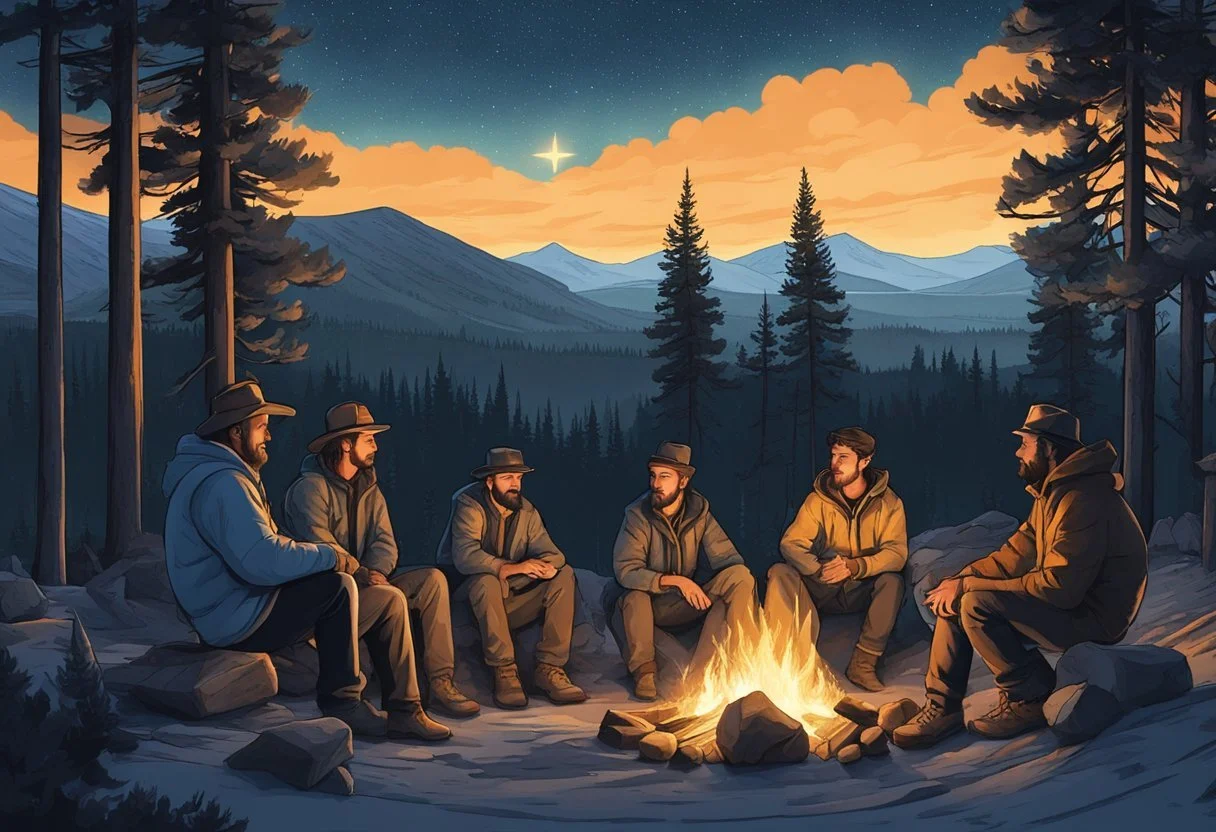
Yellowstone stands as a modern Western that captivated audiences not just with its sweeping Montana landscapes, but through its razor-sharp dialogue. Taylor Sheridan's distinctive writing voice created a verbal tapestry that defined the series from its 2018 debut to its conclusion.
The Dutton family's battles for survival were punctuated by lines that ranged from philosophical to profane. John Dutton's wisdom, Beth's cutting remarks, and Rip's quiet threats collectively formed the linguistic backbone of the show's identity.
These quotable moments transcended mere entertainment to become cultural touchstones. Fans adopted phrases like "You might be right, but it won't change anything" and "Karma comes in all shapes and sizes" as personal mantras.
As viewers reflect on the series finale, it's clear that Yellowstone's dialogue will echo long after the final credits roll. The show's verbal legacy exists in its ability to distill complex ideas about family, power, and the American West into memorable lines.
The strength of Sheridan's writing ensured that Yellowstone wasn't just watched—it was quoted. These lines didn't merely serve the plot; they elevated the storytelling to create something truly distinctive in television drama.
In the pantheon of prestige TV, Yellowstone's dialogue stands among the most memorable, ensuring the Dutton saga will continue to resonate through its words long after the ranch gates close.
